
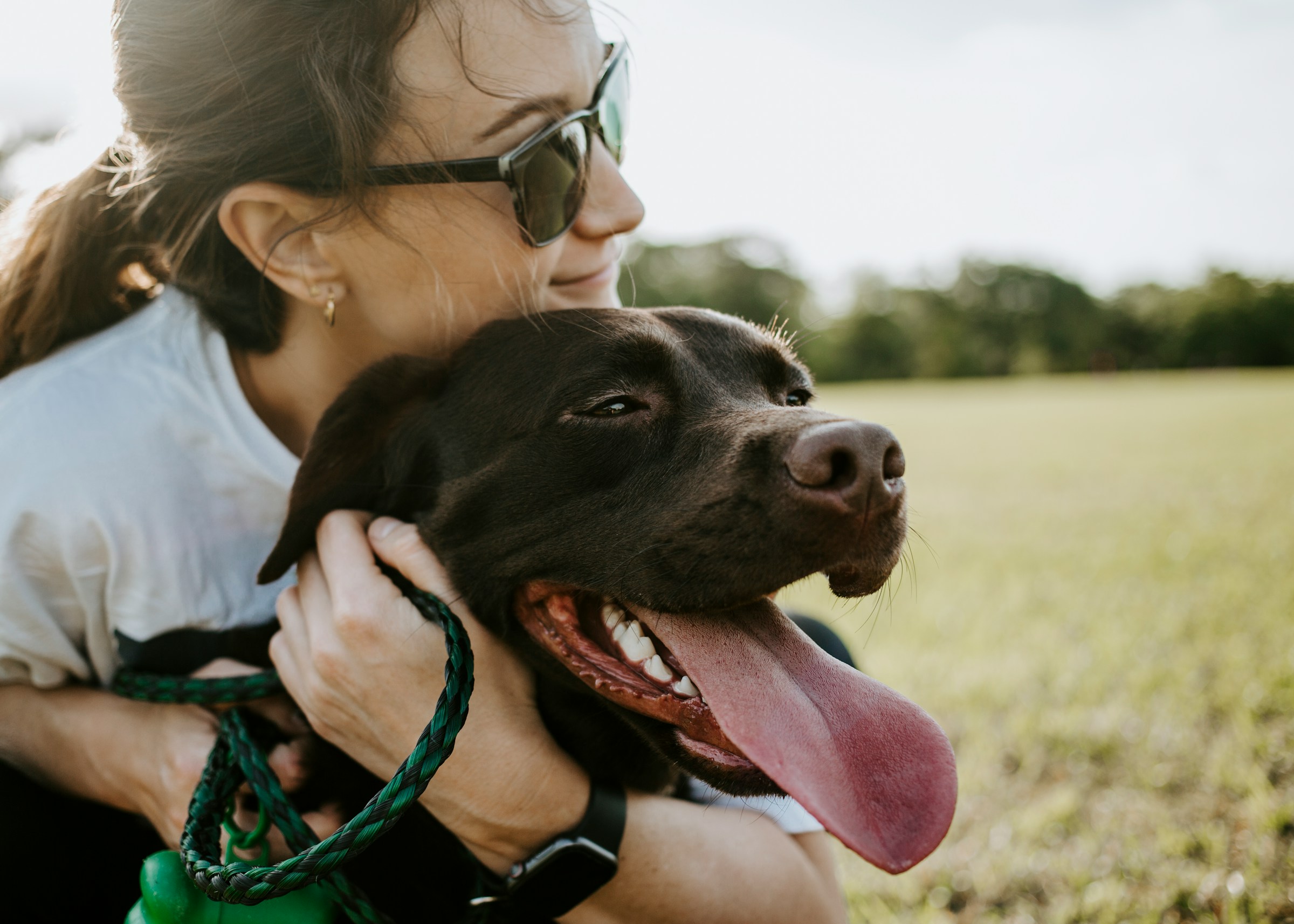
You know that feeling when you get up to grab a glass of water and hear the soft jingle of tags behind you? You look back and there they are again, your dog, glued to your heels like a furry shadow. A lot of people laugh it off as clinginess, or even joke that their dog has separation issues, but what if that constant following is actually saying something a lot deeper about how your dog sees you and the world?
Once you start looking at this behavior through your dog’s eyes, it suddenly stops being “needy” and starts becoming strangely beautiful. That quiet padding behind you is a mix of instinct, attachment, curiosity, and even a bit of strategy. By the time you finish this, you might see that little shadow not as a clingy habit to fix, but as a living, breathing love letter that walks behind you from room to room.
Your Dog’s Wolf Ancestry Is Still Alive in Your Hallway
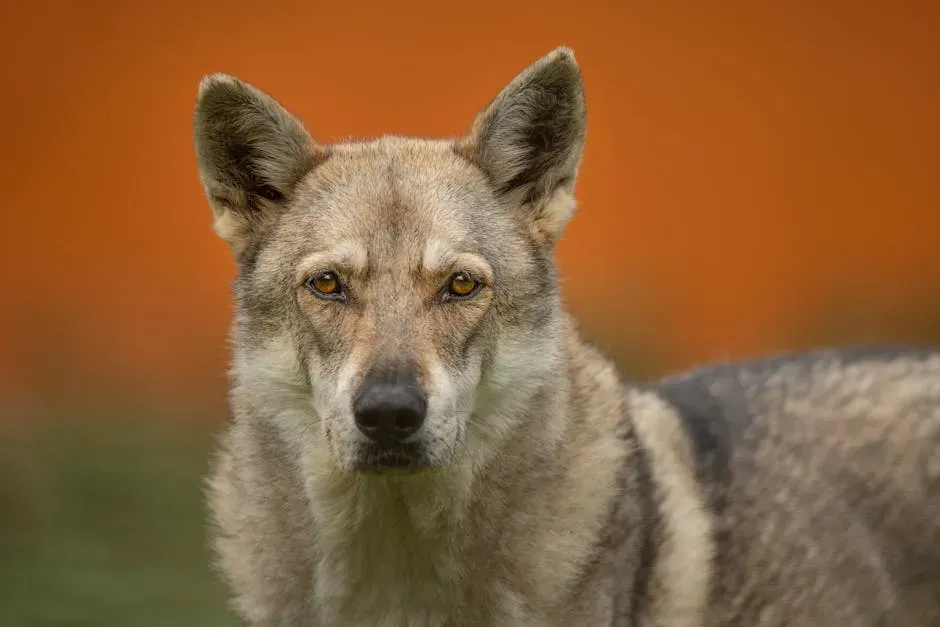
It sounds dramatic, but when your dog trails you from the bedroom to the bathroom, you’re watching a bit of ancient wolf behavior play out in a modern kitchen. Dogs evolved from animals that survived by sticking close to their pack, reading every movement for clues about danger, food, or the next big decision. In that old world, wandering off alone was risky; staying near the leader was how you stayed alive.
Today, you are the closest thing your dog has to a pack leader, even if you feel more like a tired roommate in sweatpants. When you move, their instincts whisper that something might be happening: a hunt, a journey, or at least a chance to be included. They’re not thinking, “I’m clingy.” Their ancient wiring just tells them, “Stay close. This is your person. Where they go, you go.”
Attachment, Not “Neediness”: You Are Their Emotional Home
We talk about attachment a lot with babies and kids, but dogs have it too, and it runs deep. Your dog learns over time that you are the source of safety, comfort, and predictability in a world that can be confusing, loud, and overwhelming. Following you feels a bit like a kid holding a parent’s hand in a busy store: it’s not about control, it’s about feeling anchored.
That’s why many dogs choose to lie at your feet, wait outside the bathroom, or move rooms the second you do. Your presence calms their nervous system in ways they can’t explain, but you can see it in how their body relaxes when they’re near you. Calling that “clingy” kind of misses the point; what you’re really seeing is trust in motion, a living bond that says, “As long as I can find you, I’m okay.”
They’re Tracking Your Rhythm Because You Control All the Good Stuff
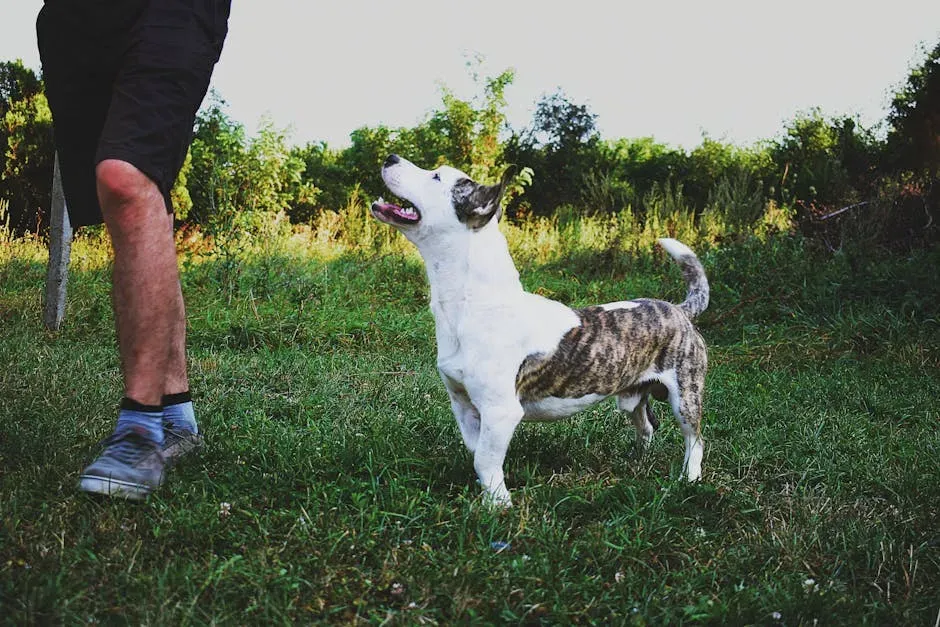
Here’s the slightly less romantic side: your dog is also a master opportunist. They’ve learned that you are the gatekeeper of everything that matters in their daily life – food, walks, treats, playtime, backyard access, even the comfy spot on the couch. So when they follow you, they’re not just being sweet; they’re also running a constant “what’s next?” scan.
Maybe you’ve noticed that your dog suddenly perks up when you walk toward the kitchen, the leash hook, or the cabinet with the treats. That’s not random. Over time, they’ve stitched together your habits and micro-movements into a kind of personal algorithm. Following you is their way of making sure they never miss the moment something great might happen, like standing near the vending machine of life and waiting for it to light up.
Curiosity and FOMO: Your Dog Hates Missing Out on the Story
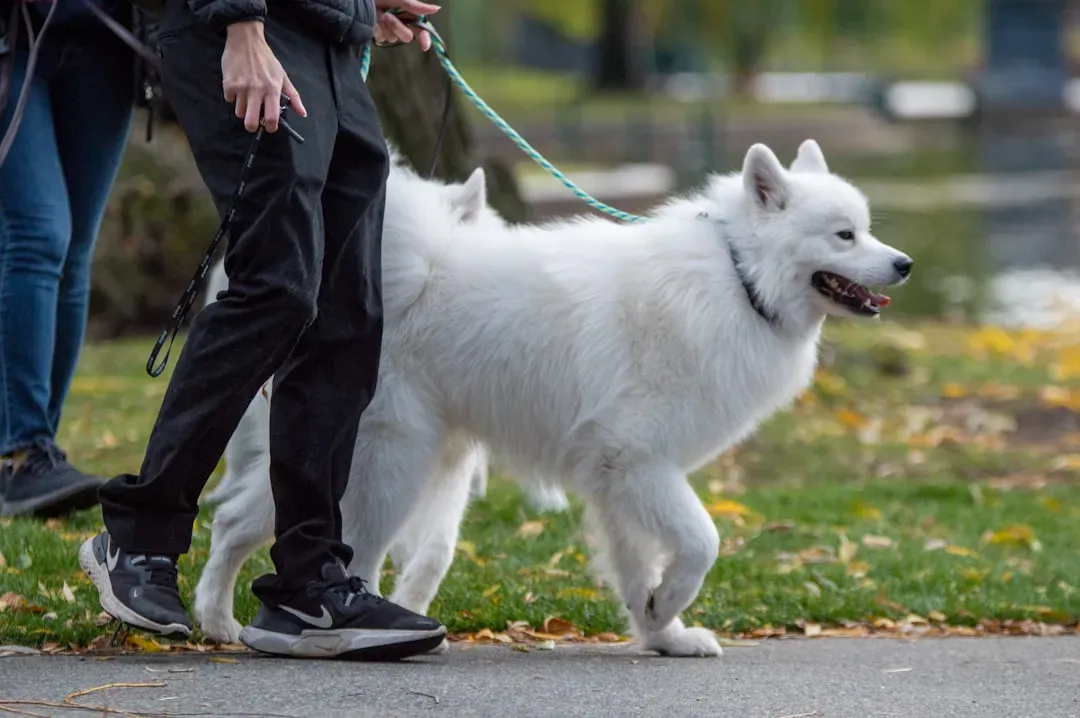
Dogs are incredibly curious about human life, even when it looks boring to us. Your dog doesn’t actually know if you’re going to the bathroom, answering the door, or opening the fridge for leftovers; all they know is that a chapter of the story is unfolding, and they don’t want to be written out of it. That fear of missing out can be subtle, but it’s real.
Think of how a dog reacts to a closed door, a rustle in another room, or footsteps down the hall. They’re intensely tuned in to motion, sound, and change. Following you is like them staying on the main stage instead of being stuck backstage with no script. Even if nothing exciting happens nine times in a row, they’re ready for that one time it does, and they’d rather be mildly bored next to you than left guessing in another room.
Your Movements Are Signals in a Language They’ve Learned to Read
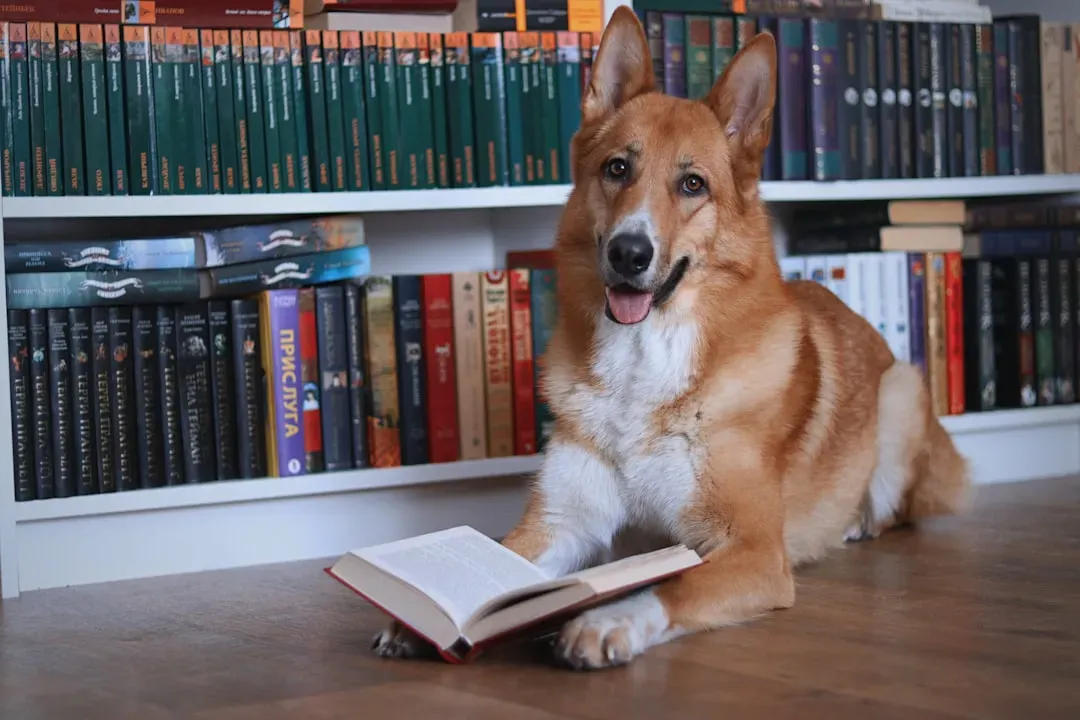
To a dog, you don’t just move around the house; you send messages with every step. Standing up might mean walking to the door. Reaching for your shoes might mean going outside. Picking up your phone might mean you’re about to settle on the couch. Over time, your dog becomes an expert in your micro-rituals, like someone who can read subtitles on your life without needing sound.
When they follow you, they’re not just tagging along – they’re gathering data. They’re constantly checking, “Is this the moment we go out? Are we heading toward the room where we cuddle? Is it almost meal time?” You become the weather forecast of their day, and your dog is that person who refreshes the weather app twelve times just to make sure they don’t miss a change.
Sometimes It Is Anxiety or Boredom, and That Deserves Compassion
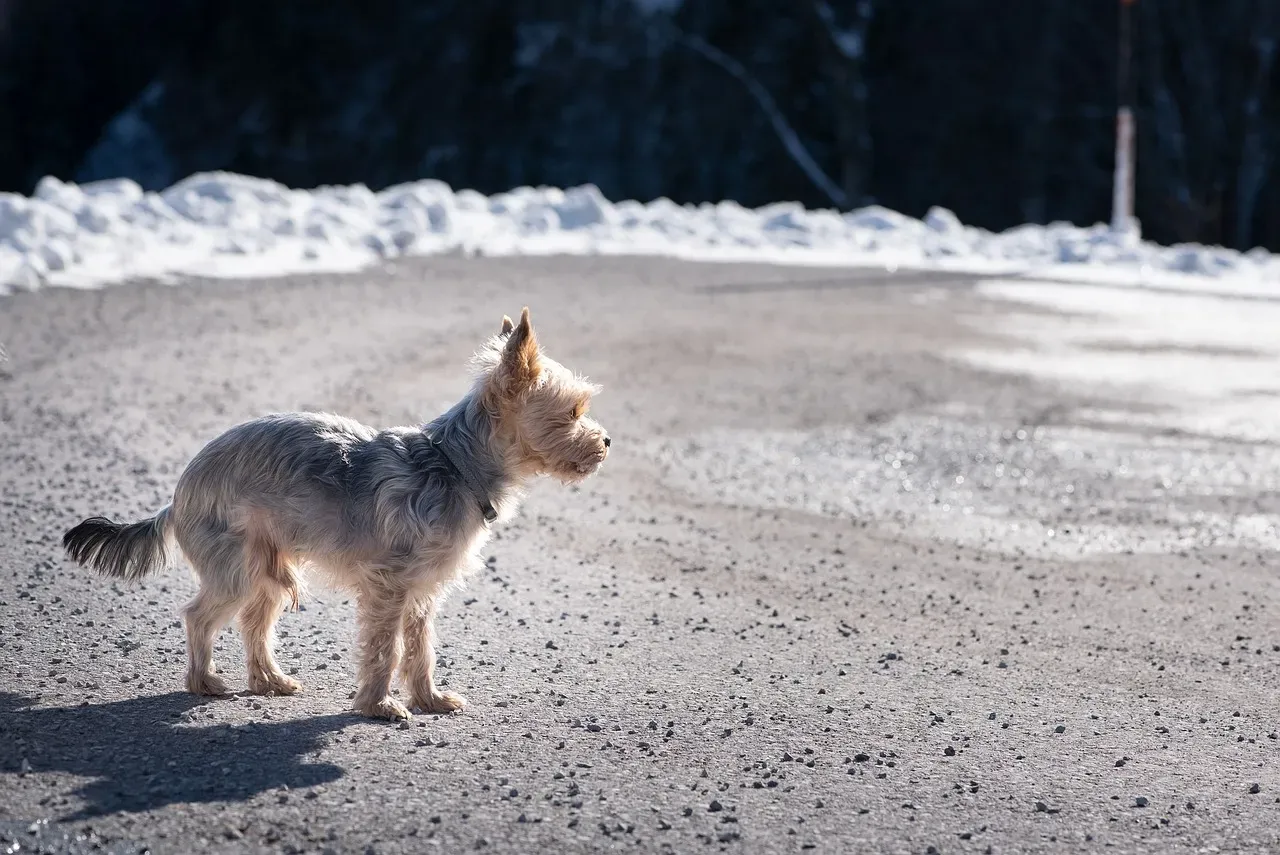
Not every case of following is simple or sweet; sometimes it is a sign your dog is anxious, under-stimulated, or struggling with being alone. If your dog panics when you leave a room, whines at closed doors, or seems distressed when you’re out of sight, their following might be less about instinct and more about genuine worry. That is not them trying to control you; it’s them asking for help in the only way they know how.
Boredom can also drive this behavior, especially in smart or energetic breeds with not enough mental or physical outlets. If following you is the only “activity” in their day, of course they’ll lean hard into it. In those cases, more play, training, enrichment games, and predictable routines can make a huge difference. It’s not about pushing them away; it’s about giving them enough life of their own that you become their favorite part of the day, not their entire universe.
Following You Is Often Their Love Language, Whether You Notice It or Not
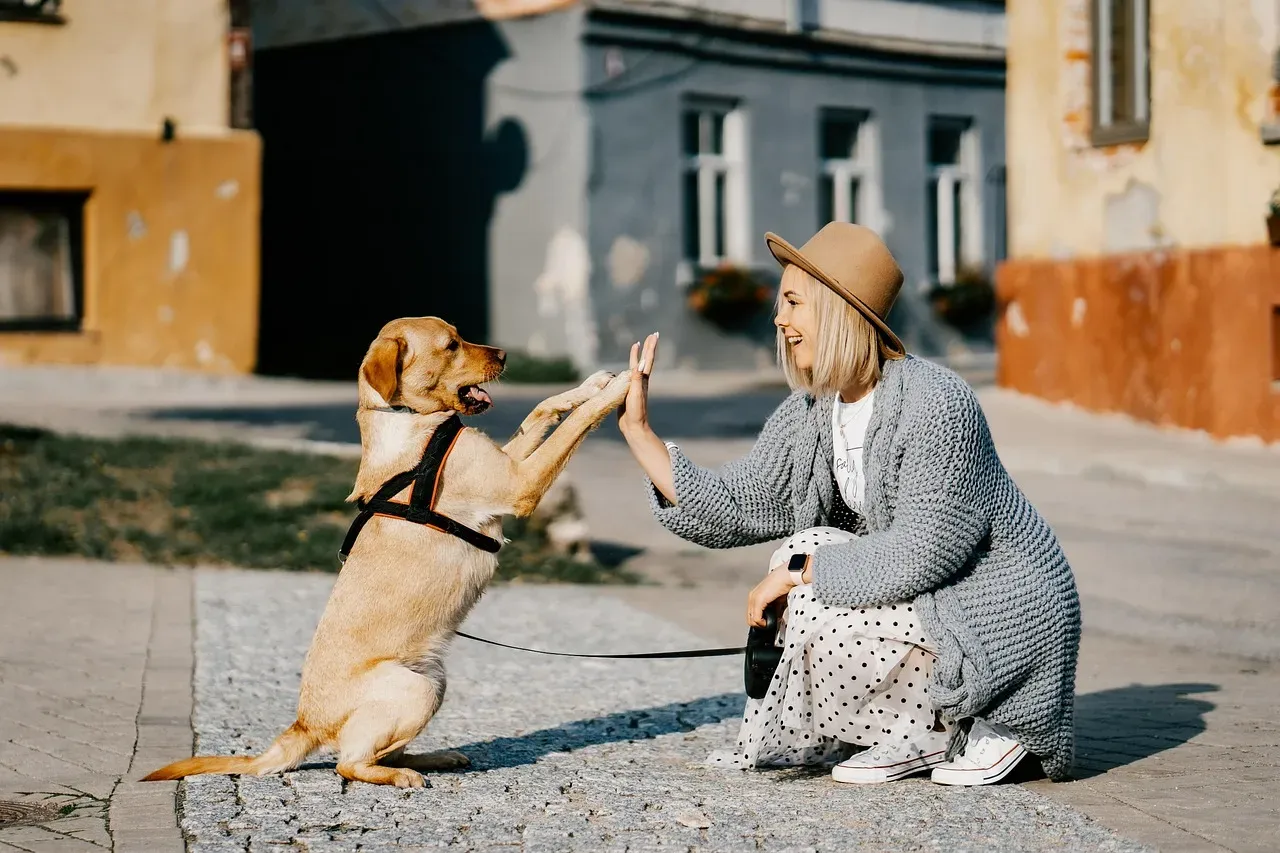
Underneath all the instincts, learning, and occasional anxiety, there’s a simple emotional truth: many dogs follow because being near you just feels right to them. You smell like comfort, sound like safety, and move like home. Lying in the doorway while you work or snoozing near the shower mat while you bathe may look unremarkable, but for your dog, that’s quality time.
I’ve had dogs that barely glanced up when I left the room, and others that padded after me like I was the only channel on their emotional TV. I used to roll my eyes and joke about having a stalker, but the older I get, the more I see it as one of the purest compliments you can get from another creature. A dog choosing, over and over again, to simply be where you are is not a flaw in them; it’s a quiet, everyday miracle in your living room.
Conclusion: Stop Calling It Clingy and Start Calling It a Conversation
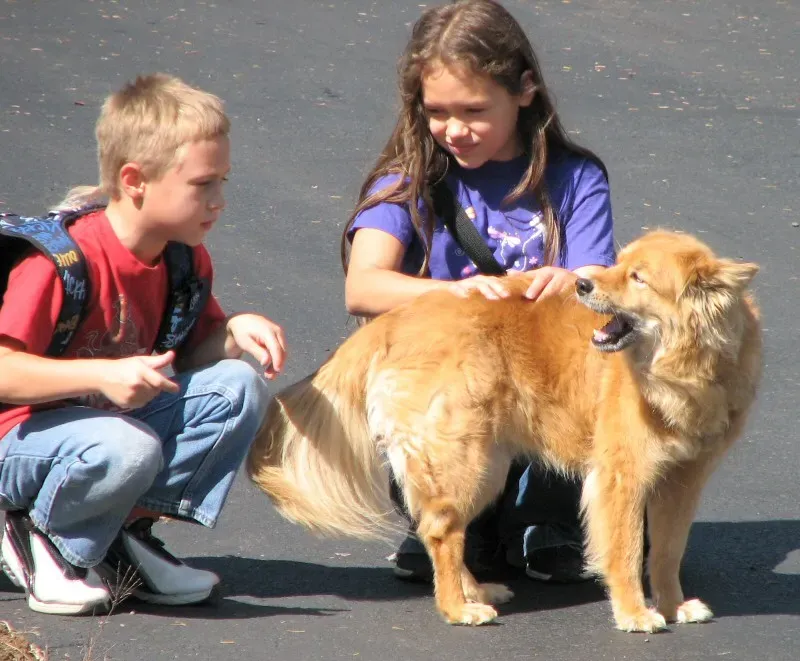
If you strip away the jokes and the labels, your dog following you around the house is a mix of instinct, learning, emotion, and sometimes a cry for help. It’s ancient pack behavior wrapped in modern routines, survival strategies turned into little domestic rituals in hallways and kitchens. When we lazily call it clinginess, we flatten something that is actually surprisingly complex and, honestly, pretty moving.
My opinion is this: we should retire the word “clingy” for dogs who follow us and replace it with something closer to what it really is – communication. They’re telling you they feel safer with you, interested in you, dependent on you, and occasionally worried without you. You don’t have to indulge every step they take, but you also don’t need to be annoyed by it. The real question is not “How do I stop my dog from following me?” but “What is my dog trying to say by staying this close – and am I listening?”


