
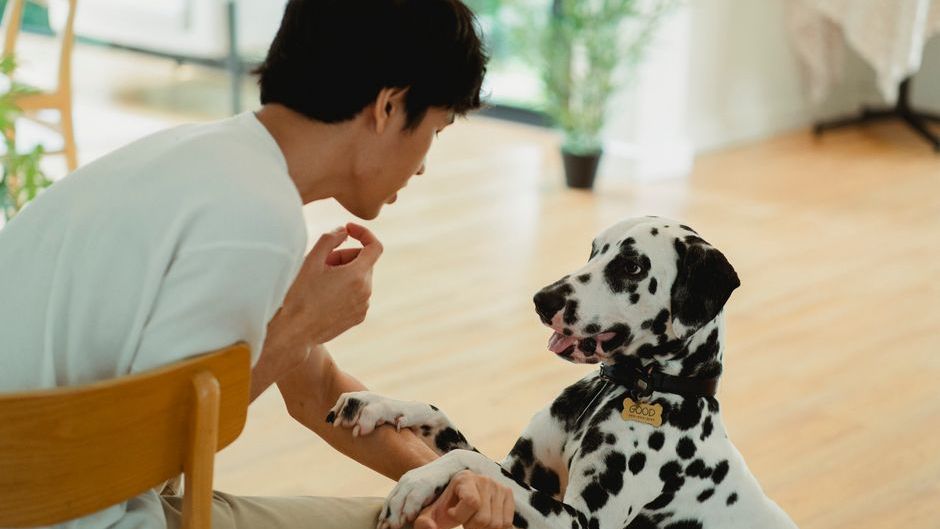
There’s a particular kind of heartbreak that comes with watching your senior dog stare at the wall, forget which room they just walked into, or sit still when they used to bolt for the door. It feels like losing them before you’ve actually lost them. And the worst part? Most people assume those blank moments mean the dog they love is already gone – that it’s just a matter of time before the lights go out completely.
But vets and canine behaviorists will tell you something different. Even dogs deep in the fog of canine cognitive dysfunction still flash unmistakable signs of presence, memory, and real emotional connection – sometimes within the same hour they seemed totally lost. These aren’t wishful thinking. They’re specific, observable behaviors that prove the bond and the brain are still very much alive. Here are 15 of the most meaningful ones, and some of them will genuinely surprise you.
#15 – They Still Light Up at the Sound of Your Voice
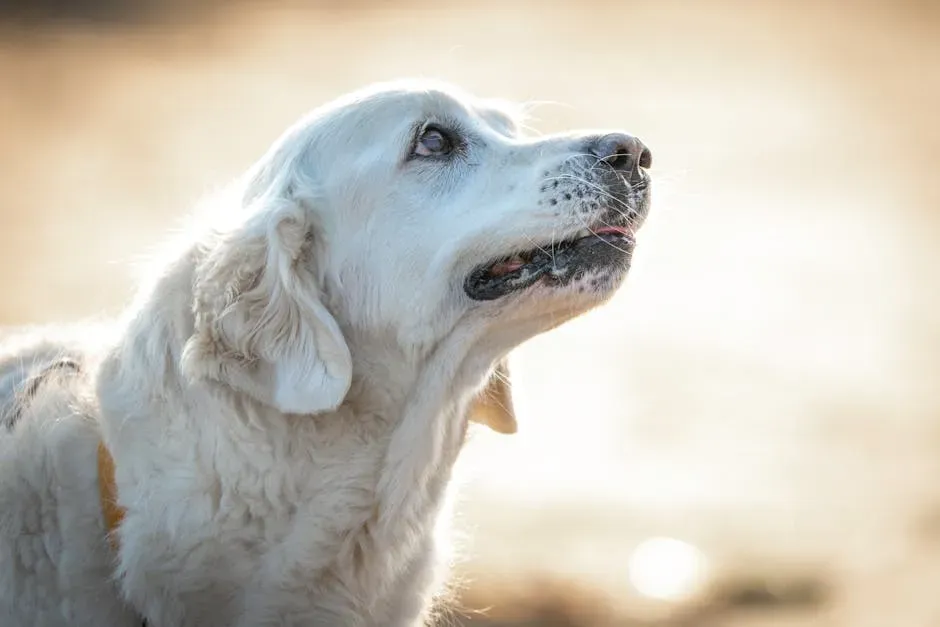
It doesn’t have to be a sprint across the room. On a foggy day, it might just be an ear flick, a slow head turn, or a softening around the eyes – but that reaction to your voice is not nothing. It means the auditory processing centers that store your specific tone, your cadence, your name for them are still working. Vets point out that dogs with partial cognitive decline often retain selective responsiveness to the voices most deeply wired into their memory. The fact that it’s your voice that gets through when everything else is noise? That’s not a reflex. That’s recognition.
Watch for it during quiet moments, when the TV is off and the house has settled. Call their name softly from across the room and wait. A dog who seems checked out during a busy afternoon may turn toward you with startling clarity when the world goes still. It’s easy to miss because we’re conditioned to look for dramatic responses – the tail spin, the running paws. But the small version is just as real. It means they’re still tracking you, even when everything else has gone blurry.
Fast Facts
- Canine cognitive dysfunction (CCD) affects an estimated 14–22% of dogs over age 8, rising sharply with each passing year.
- 28% of dogs aged 11–12 show at least one sign of cognitive impairment; that figure climbs to 68% by ages 15–16.
- The odds of CCD increase roughly 52% with each additional year of age, according to the Dog Aging Project.
- CCD is widely considered underdiagnosed – many owners and vets attribute signs to normal aging.
- Early intervention with diet, enrichment, and medication can slow progression and improve daily quality of life.
#14 – They Remember Where Their Food Bowl Lives
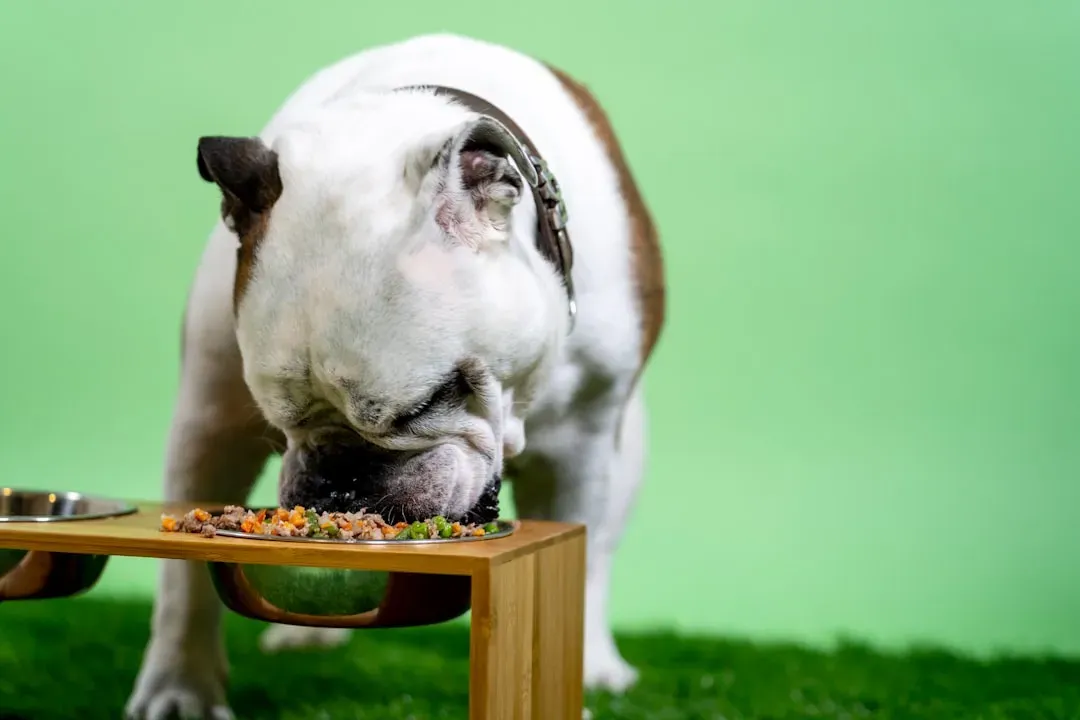
Here’s something that genuinely baffles owners: the same dog who got lost in a hallway they’ve walked a thousand times will plant themselves in the kitchen at exactly 5:47 PM and stare at the cabinet where the food lives. It feels contradictory, even a little eerie. But behaviorists explain it through something called routine-based memory – the deeply grooved neural pathways formed by repetition over years. These outlast newer memories and even outlast memories that were never reinforced as consistently. Dinner happens every single day. That pathway is practically carved in stone.
The practical gift hidden in this sign is that it gives you a low-stress way to gauge where your dog is on any given day. Did they show up for the meal? Did they position themselves correctly – facing the bowl, not the wall? That tells you something real. Owners frequently report their seniors nailing mealtime rituals on the same days they had accidents indoors or seemed confused by furniture. It doesn’t mean the confusion didn’t happen. It means the map of things that matter most hasn’t been erased. There’s a difference, and it’s worth holding onto.
#13 – They Seek Out Your Touch on Their Terms
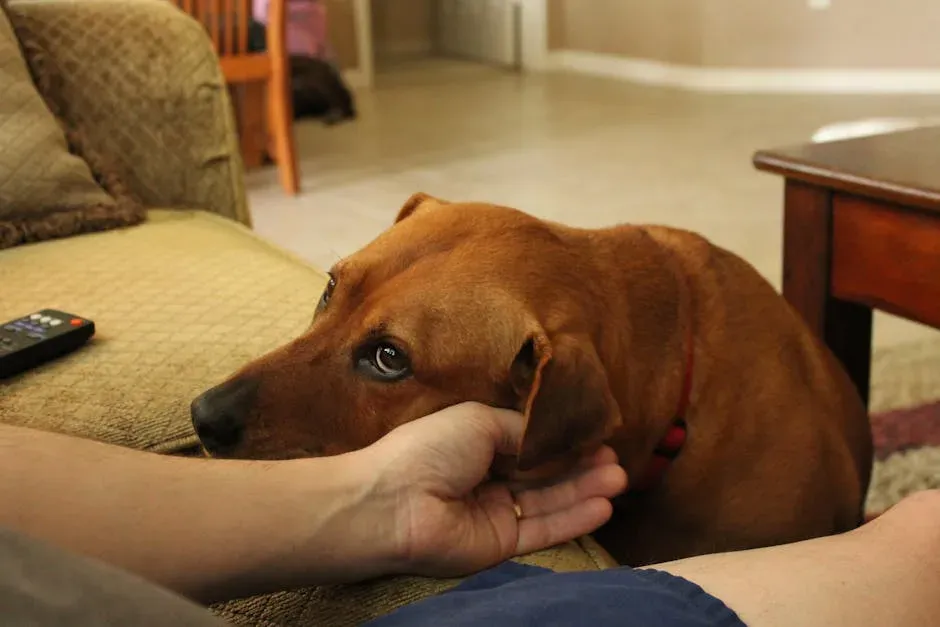
Pain and confusion make senior dogs withdraw – that’s well-documented. So when a dog who’s been distant all morning suddenly shuffles over, leans against your leg, and exhales, pay attention. That voluntary approach means more than constant clinginess ever could, because it required a decision. The dog assessed their environment, identified you as a source of comfort, and chose to close the distance. Behaviorists consider this one of the strongest behavioral indicators of preserved social awareness, precisely because it’s self-initiated. The dog didn’t stumble into you. They came to you.
This behavior tends to peak in the evenings when anxiety naturally rises for many seniors – the light shifts, the house sounds different, internal clocks misfire. And yet that’s often when owners report feeling closest to their aging dog, because the dog picks that moment to seek them out. It can feel like the dog is saying something they can’t say out loud. Some days, that evening lean is the clearest proof you’ll get that your person is still their person, even when the rest of the day was hard to watch.
#12 – They React to Their Favorite Toy or Treat
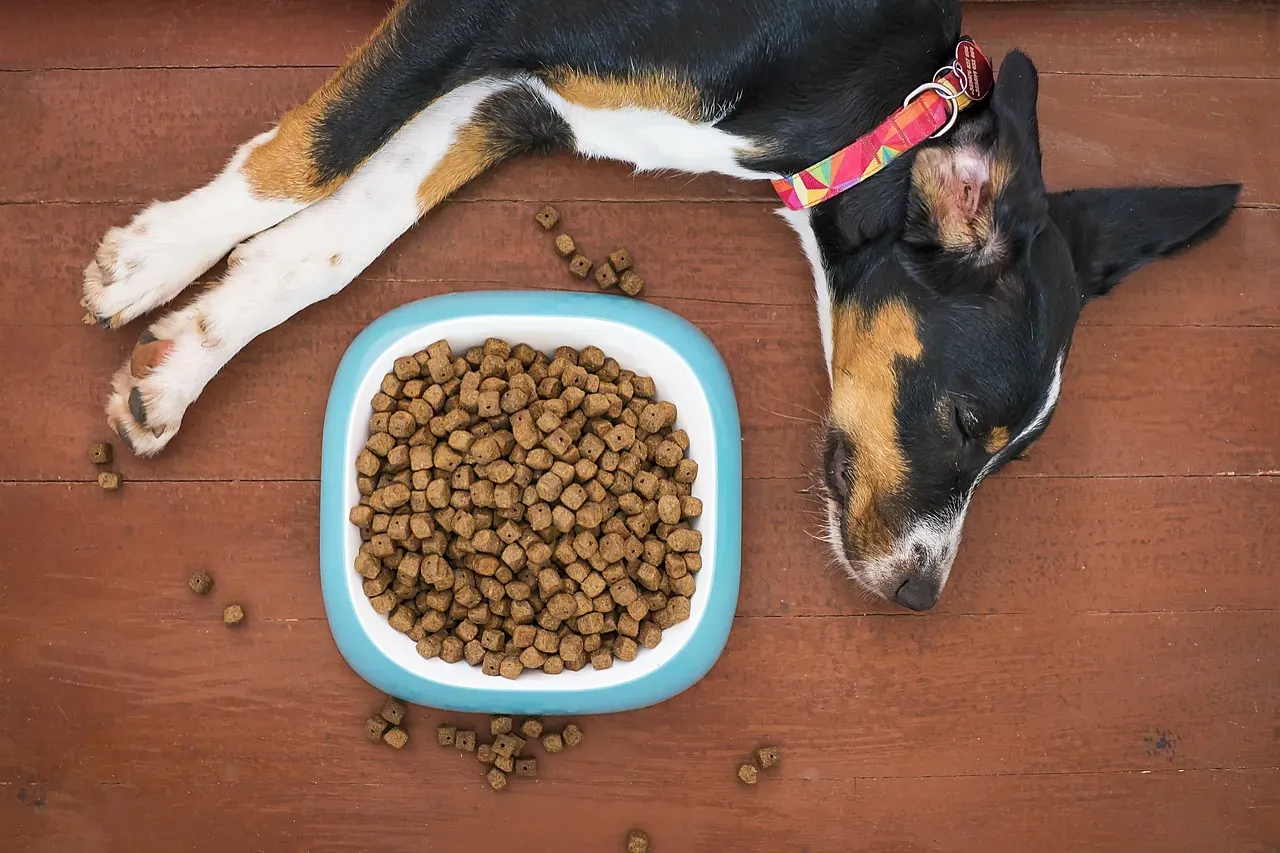
You don’t need a full play session. You need a tail wag. You need a nose stretch toward the treat in your hand, a brief focus in the eyes, a single moment of I know what that is and I want it. Vets actually use this exact technique during cognitive assessments – presenting a familiar toy or high-value snack to test whether reward-center activity is still firing. A dog who can’t find the back door but still zeros in on a squeaky ball from across the room is showing you that positive associations built over years of joy are still intact. The brain’s reward pathways are some of its most resilient.
What makes this sign especially valuable is how easy it is to test without any stress on the dog. You’re not asking them to perform or navigate or remember. You’re just offering something they’ve always loved and watching what happens. A micro-response – even one that lasts only a few seconds – counts. Track it across several days and you’ll start to see a clearer pattern than any single bad moment could give you. Some dogs who seem completely disengaged in the morning will spark to their rope toy by afternoon. That inconsistency isn’t failure. It’s proof there’s still something to reach.
Worth Knowing
- CCD affects memory, learning, and spatial awareness – but the brain’s reward and emotional pathways often hold up longer.
- Common CCD signs to watch for: disorientation, unusual sleep cycles, house soiling, reduced interaction, and activity changes (the DISHAL acronym used by vets).
- Physical conditions like arthritis, kidney disease, or urinary infections can mimic or worsen CCD signs – always rule these out first.
- Dogs in pain are significantly more likely to appear withdrawn or disengaged, masking preserved cognitive ability.
#11 – They Navigate Familiar Doorways Correctly
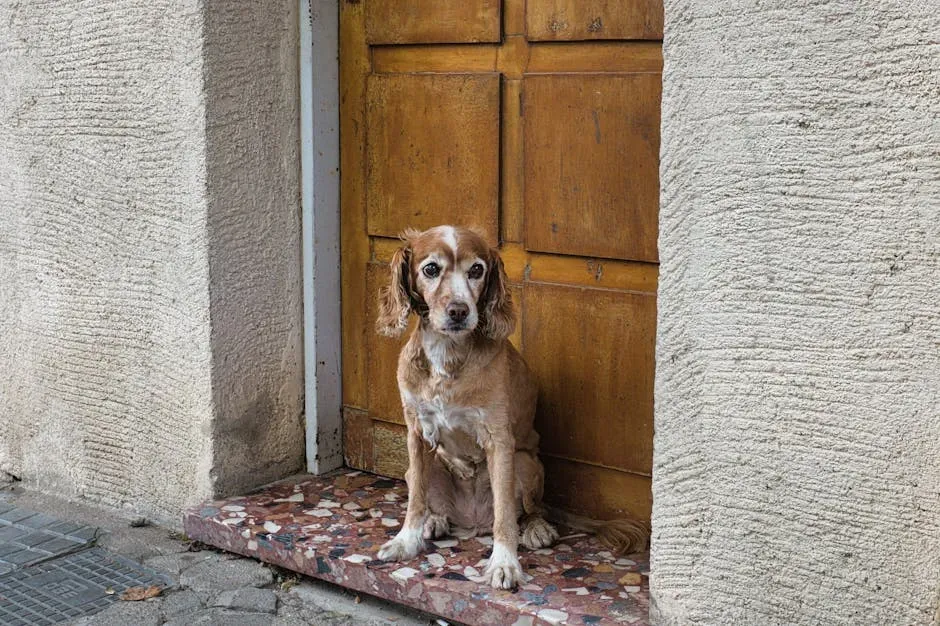
Canine cognitive dysfunction often shows up first in navigation – getting stuck in corners, standing at the hinge side of a door, circling without purpose. So when a senior dog walks directly to the back door for potty time, finds the correct exit to the yard, or heads for the car when it’s vet day without being led, that’s meaningful. It tells you that the spatial maps built through years of daily repetition haven’t fully collapsed. Well-practiced routes resist erosion longer than casual ones, and few routes are more practiced than the ones tied to basic daily needs.
Behaviorists recommend testing this gently during calm, low-stimulation periods rather than busy times when sensory overload can mask real ability. A dog who fumbles during a chaotic family dinner might navigate perfectly on a quiet morning walk. Success here doesn’t erase the harder moments, but it does rule out total spatial loss – and that matters for how you set up your home and how you interpret their confusion. Many seniors who struggle with rearranged furniture still move through their original layout with confidence. Their world just needs to stay familiar. That’s something you can actually give them.
#10 – They Still Respond to Simple, Long-Known Commands
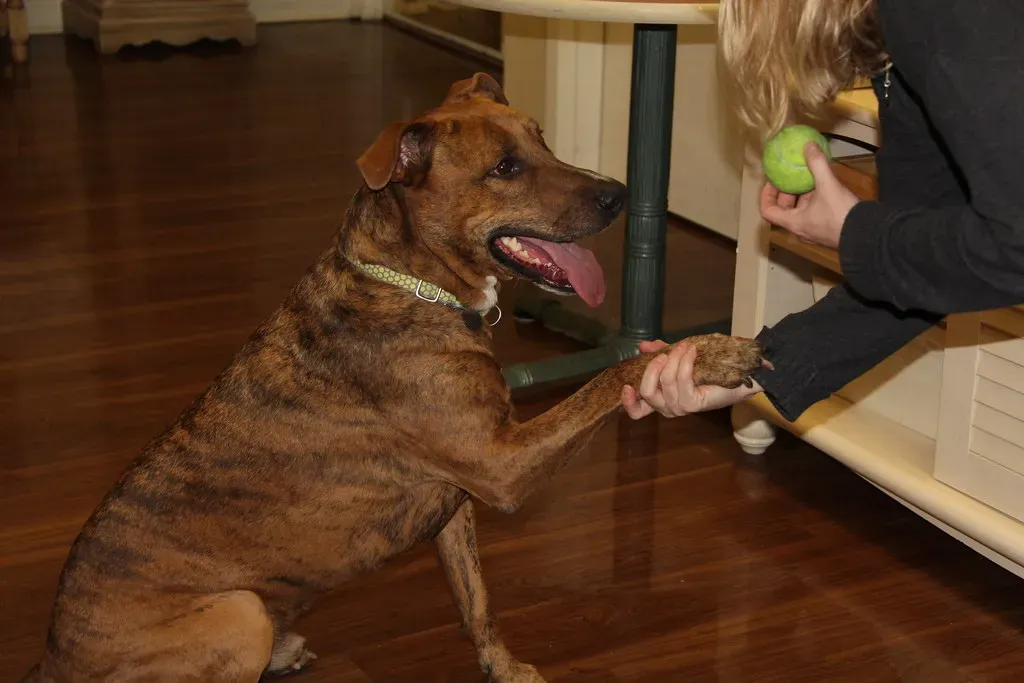
“Sit” is more than obedience. For a senior dog, a clean response to a command they’ve known since puppyhood is evidence that deeply encoded procedural memory – the kind stored in repetition and positive reinforcement over a lifetime – hasn’t been overwritten. They may need a beat longer to process. You may need to say it twice. But when it lands? That compliance is the dog’s nervous system firing along a pathway that was built so many years ago it has practically become structural. Trainers note that the commands tied to daily life and safety tend to be the last to go.
There’s also something genuinely therapeutic about this for both of you. Practicing a slow, gentle “sit” or “stay” during calm moments isn’t about performance – it’s mental engagement, and engagement matters. Research into cognitive decline in both dogs and humans consistently points to mental stimulation as a meaningful tool for slowing progression. You’re not drilling your dog. You’re having a conversation in the language they learned to trust. The response, however slow, is them saying: I still know this. I still know you.
#9 – They Recognize Family Members by Scent or Sight
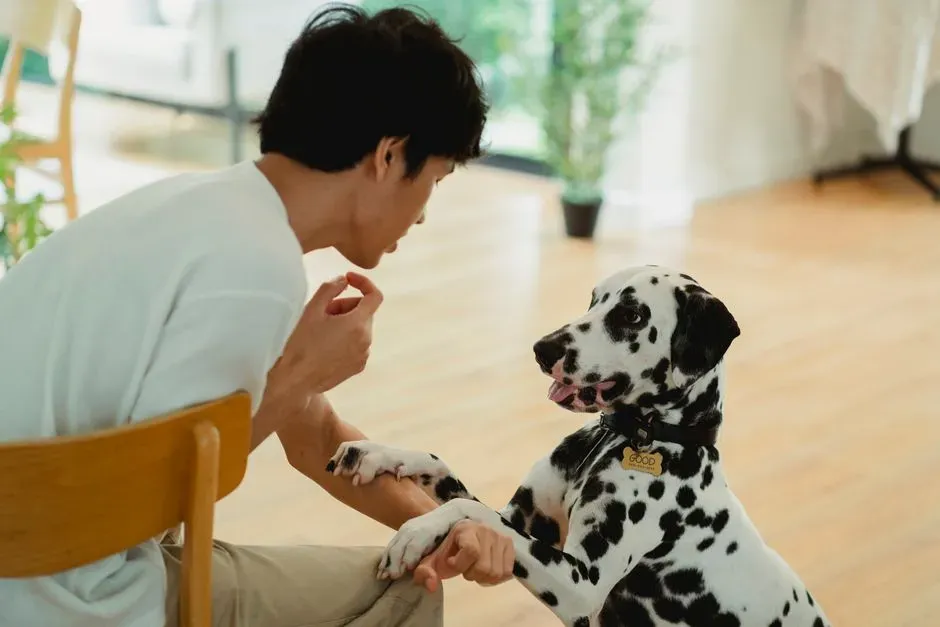
Scent memory in dogs is extraordinarily deep – wired into older, more primitive brain structures that often hold up longer than the systems governing spatial reasoning or short-term recall. A senior dog who greets a returning family member with even a subtle shift in posture, a soft tail movement, or a nose pressed against a familiar jacket is doing something remarkable. They sorted that person out of the world’s endless information stream and filed them under safe, known, loved. That’s not confusion. That’s emotional memory doing exactly what it was built to do.
Owners often notice it most powerfully after brief absences – even a few hours away. The dog who seemed withdrawn all morning changes when they hear a specific set of footsteps on the porch. It’s not always dramatic. Sometimes it’s just stillness replaced by a slow wag, or a dog who was lying in one room suddenly appearing in the doorway. Watch for the subtle version. On the days when your dog seems furthest away, their ability to recognize you is often the last thing to fade – and on the worst days, it’s the most important thing still standing.
At a Glance: What Tends to Fade Last
- Scent memory – stored in older, more primitive brain structures; among the most durable
- Emotional recognition – knowing who is safe, known, and loved often outlasts spatial memory
- Routine-based recall – deeply repetitive habits (meals, potty walks, bedtime) are the hardest-wired pathways
- Procedural memory – long-practiced commands and physical routines can persist even in moderate decline
- Reward-center responses – reactions to food, favorite toys, and positive stimuli tend to remain accessible late into the progression
#8 – They Shift Position to Stay Near You
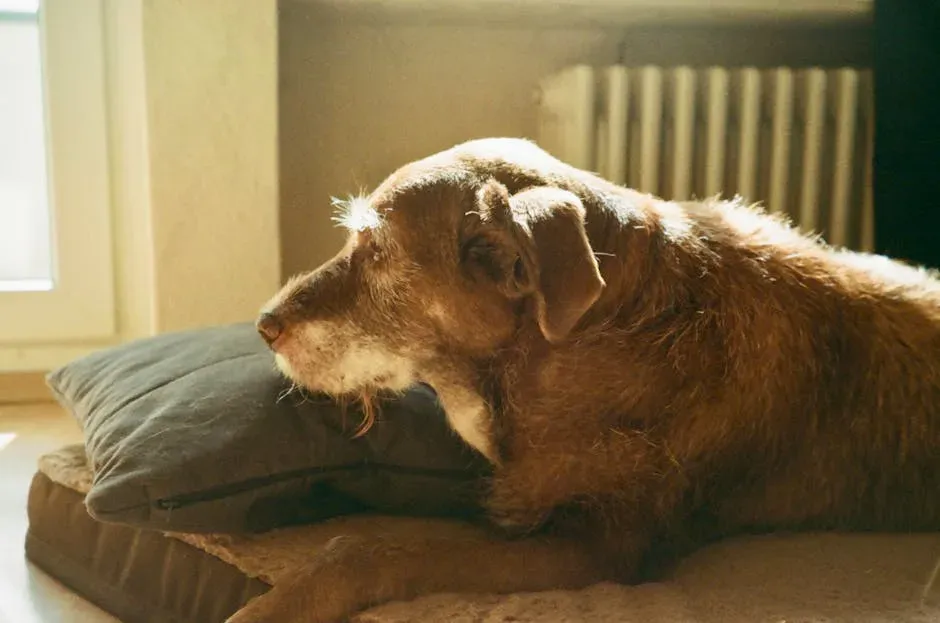
This one is so quiet that most people never even register it as a sign. You move from the couch to the kitchen. Twenty minutes later, you notice your dog has relocated to the kitchen doorway. You settle in your home office. Eventually, without drama, they’re lying on the floor two feet from your chair. They didn’t bark for your attention. They didn’t follow you frantically. They just adjusted their world so you stayed in it. That quiet recalibration reveals two things: they’re tracking your location, and they’ve decided proximity to you is worth the effort of moving.
For a senior dog dealing with joint pain, disorientation, or fatigue, moving is not a casual act. Every reposition is a small investment. The fact that they keep making that investment – on bad days, on confused days, on the days they can’t find their water bowl – is one of the most honest expressions of attachment you’ll ever see from an animal. It doesn’t shout. It doesn’t demand anything back. It just keeps happening, day after day, as long as they can manage it. If there’s a sign on this list that deserves more credit than it gets, it’s this one.
#7 – They Show Brief Bursts of Their Old Personality
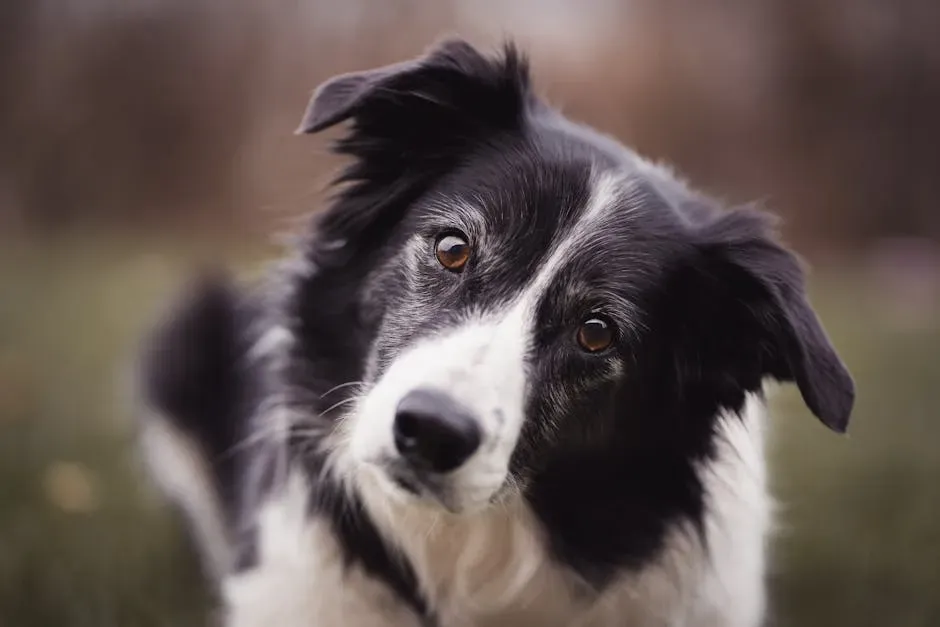
You’ve probably experienced this: a week of hard days, and then suddenly your dog does the exact head tilt they’ve done since they were two years old. Or they pick up a toy they haven’t touched in months. Or they give one sharp bark at the mail carrier, completely out of nowhere, exactly the way they always did. These moments hit differently when the days have been rough. They feel like a window opening – and neurologically, that’s not far from what’s actually happening. Personality and behavioral circuits can remain accessible even when other cognitive systems are struggling, surfacing in response to deeply familiar triggers.
The instinct in those moments is to feel hope and then brace for it to be taken away again. That’s understandable. But a more useful response is to document them: what triggered it, what time of day, what the environment was like. Over time, patterns emerge. Some dogs reliably surface around certain people, certain sounds, or certain times of day when their brain chemistry is naturally more favorable. That information isn’t just emotionally meaningful – it’s practically useful. It tells you when to schedule important interactions, when to bring in visitors, when the window is most likely to open. Use it.
#6 – They Eat With Normal Enthusiasm on Some Days
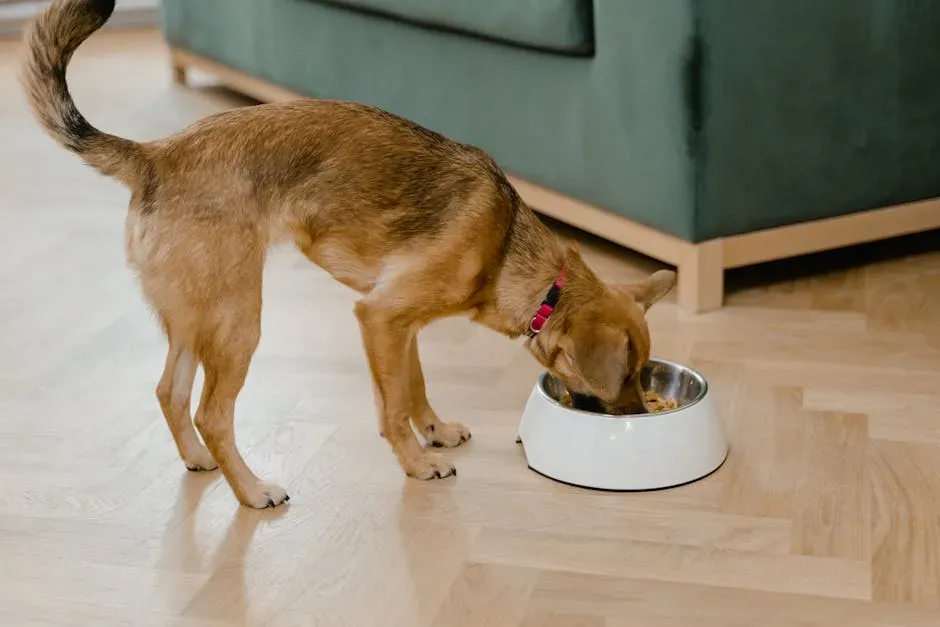
Appetite loss is one of the more distressing symptoms of advanced cognitive and physical decline, which is exactly why its opposite carries so much weight. When your senior dog finishes their bowl without prompting, eats at their normal pace, and looks up for more with something resembling their old urgency – that’s not just a good meal. It’s a window into broader systemic well-being. The brain’s ability to regulate hunger cues, the body’s willingness to process and enjoy food, the preserved memory of what a full bowl means – all of it is working in that moment, and all of it matters.
Vets flag sudden, sustained disinterest in eating as a serious red flag, which means its reverse is equally telling in a positive direction. Consistent appetite also has real downstream benefits: better medication absorption, sustained energy, maintained body weight, and the simple biological signal that the dog still experiences pleasure. It’s easy to take a finished bowl for granted when it happens regularly. On the days it happens after a rough stretch, let yourself register what it actually means. Their body is still finding reasons to be here.
#5 – They Wake Up Alert to Household Sounds
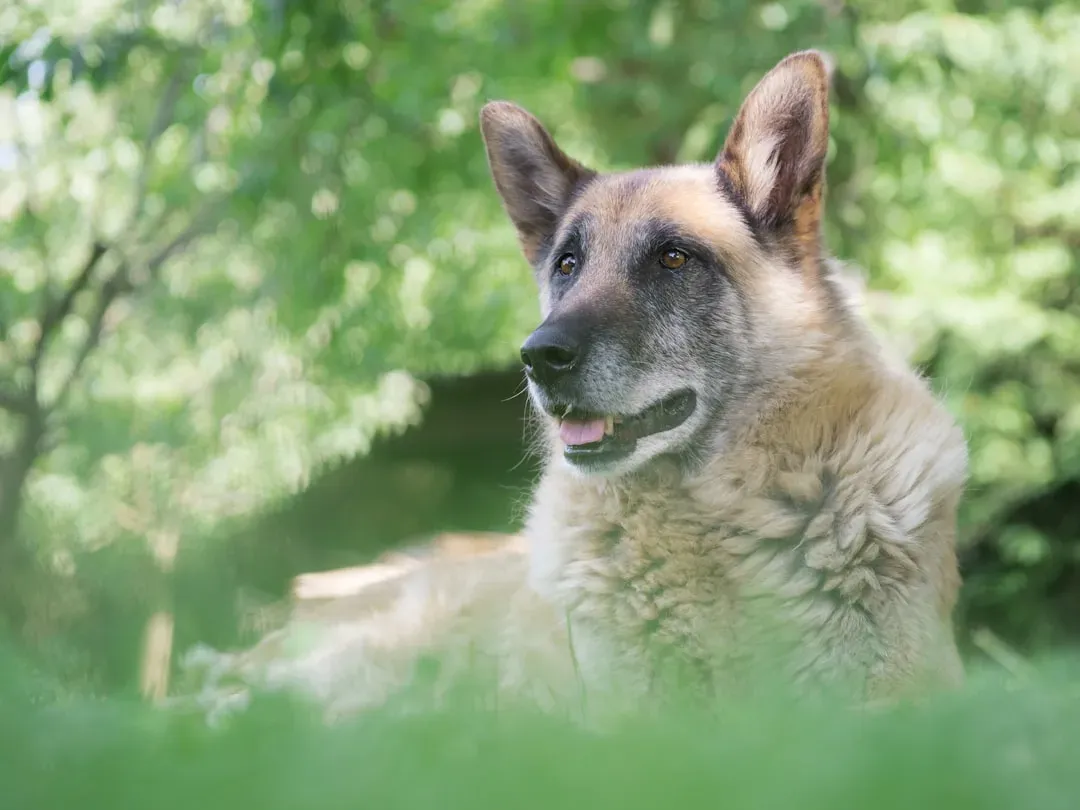
Senior dogs sleep more – that’s just biology. But there’s a profound difference between deep, restorative sleep and the kind of disconnected, unresponsive lethargy that signals something has shifted. A dog who naps for two hours and then lifts their head with real alertness at the sound of a car in the driveway or a knock at the door is demonstrating active environmental processing. The brain is still sorting sounds, still assigning meaning to them, still deciding whether they require a response. That’s not nothing. That’s a functioning mind doing its job even in a body that needs more rest than it used to.
Families often use this sign intuitively to time better interactions – visiting when the dog is naturally alert rather than forcing engagement during deep rest cycles. It’s worth being deliberate about it. If your senior consistently perks up after their afternoon nap, that’s your window for connection. That’s when a gentle greeting will land, when a slow walk might actually happen, when you’re most likely to get the version of your dog that feels most present. Working with their rhythms instead of against them doesn’t mean giving up on connection. It means getting smarter about finding it.
#4 – They Remember Potty Routines Most of the Time
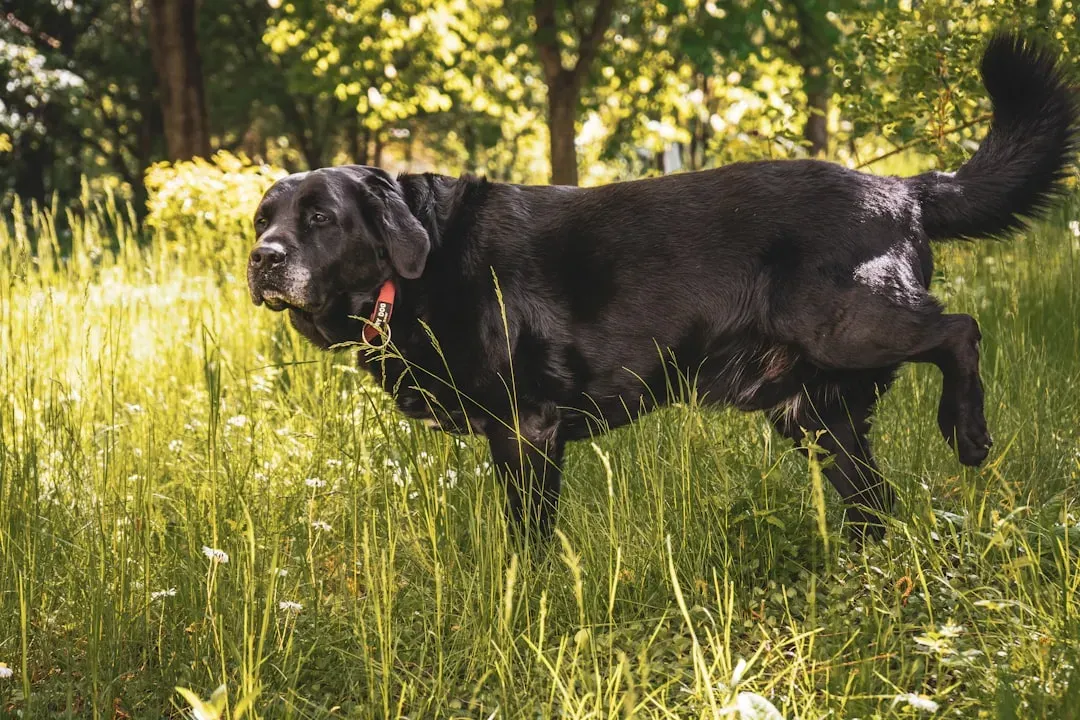
Accidents are hard. They’re messy and they carry a specific kind of sadness – a reminder that the dog who was so perfectly housebroken for a decade is navigating a body and a brain that don’t always cooperate anymore. But here’s the sign hiding in plain sight within that difficulty: the times it works. The mornings your senior dog goes to the door and asks. The afternoons they head to their usual spot in the yard with purpose and accuracy. Those moments mean that the behavioral and physical memory of potty training – one of the most repetition-reinforced habits in a dog’s life – is still holding.
Behaviorists recommend marking those successes with calm, genuine praise rather than letting them pass unremarked. Not because the dog needs a gold star, but because positive reinforcement actively strengthens the neural pathway you’re trying to preserve. You’re not just rewarding good behavior. You’re helping build a small wall around one of the last intact rooms in the house. Tracking frequency over time also gives you real, concrete data to bring to your vet – not just “they’re having more accidents” but a specific pattern that can point toward medical solutions, medication adjustments, or environmental changes that help.
#3 – They Make Eye Contact During Calm Moments
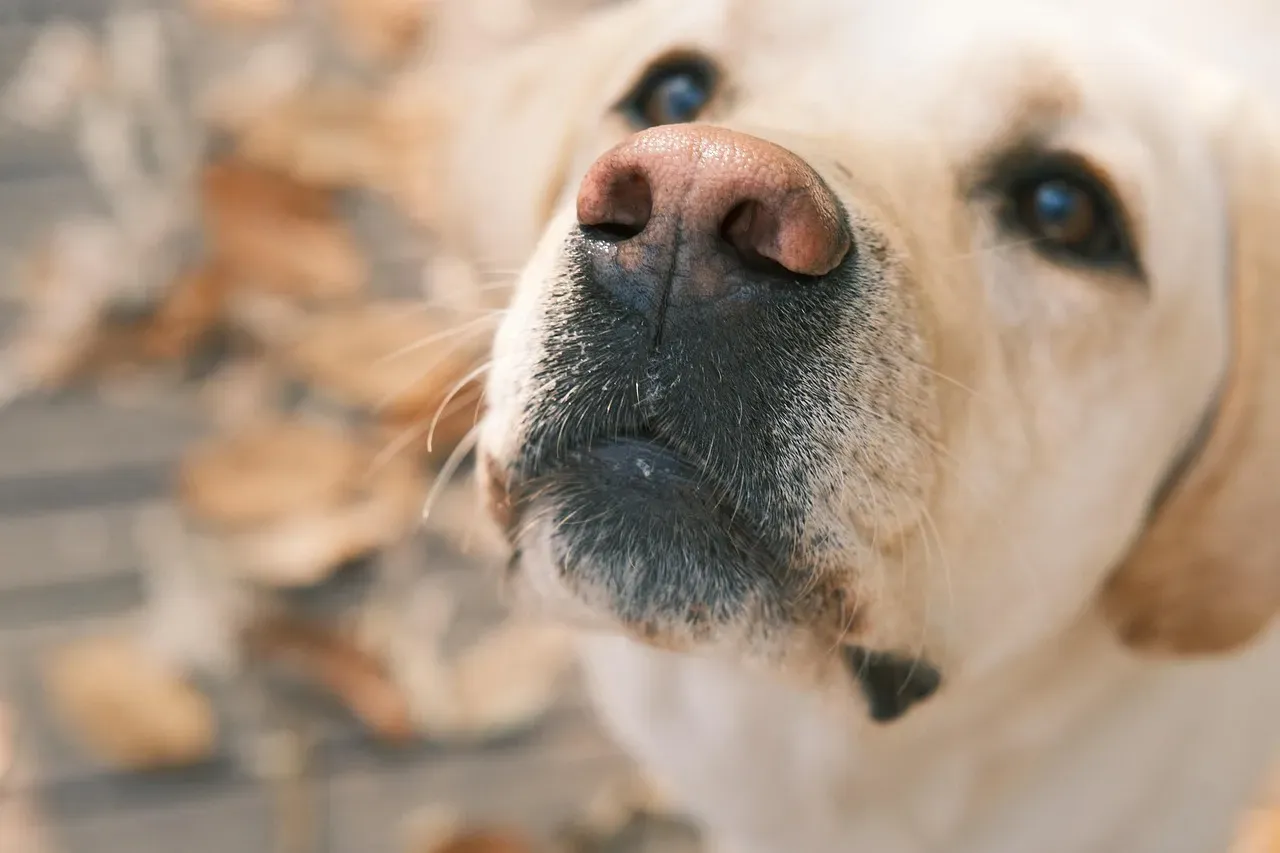
Eye contact between a dog and their person is not a neutral act. In wolves, a prolonged gaze is a challenge. In domesticated dogs, research published in Science has shown it triggers a mutual release of oxytocin in both the dog and the owner – the same bonding hormone that flows between human parents and their newborns. When your senior dog, during a quiet moment, holds your gaze with soft, unfocused eyes, they are doing something ancient and specific. They are checking in. They are choosing your face out of everything available to them and staying there. On the days when they seem most lost, that gaze – if you catch it – is one of the clearest signals of preserved social connection you can get.
The dog has seldom been successful in pulling man up to its level of sagacity, but it has often dragged him down to its own level of happiness.
James Thurber
Many seniors do this most reliably while resting nearby – not during activity, not during feeding, but during the in-between moments when the house is quiet and there’s no task pulling at either of you. Sit near them. Let it happen without filling the silence. What you’ll often find on the hardest days is that the eye contact comes anyway, unhurried and uncomplicated, as if the dog has decided that looking at you is simply what this moment is for. It’s easy to miss if you’re on your phone. It’s impossible to forget if you’re not.
Why It Stands Out: The Science Behind the Gaze
- Mutual eye contact between dogs and their owners causes oxytocin to rise in both species – a loop also seen between human mothers and infants.
- This response does not occur between wolves and their owners, suggesting it evolved specifically through dog domestication.
- Researchers at Azabu University found that the longer the mutual gaze, the greater the oxytocin spike – in both the human and the dog.
- Even a brief, soft gaze from a senior dog counts. You don’t need prolonged eye contact to trigger the bonding effect.
#2 – They Show Relief or Comfort When You Return
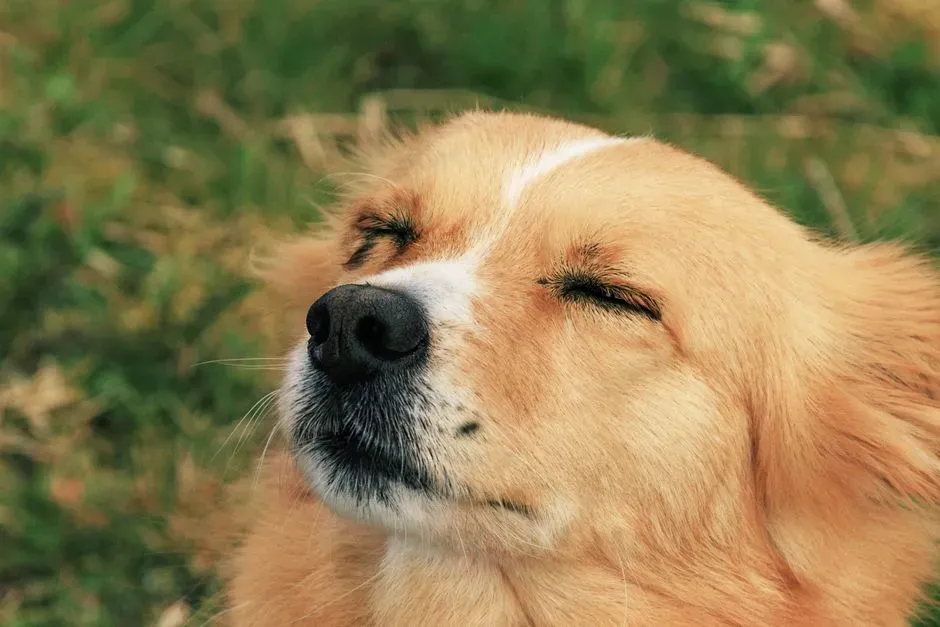
You’ve been gone two hours. You come home to a dog who, by all accounts, had a rough afternoon – paced, seemed anxious, maybe had an accident. And then you walk through the door and something visibly shifts. The pacing stops. The body softens. There might be a slow wag, a sigh, a head pressed against your hand. What you’re watching is a dog who tracked your absence the entire time you were gone and is now releasing the tension that absence created. That’s not a blank, disconnected animal. That’s an animal whose nervous system was actively waiting for you to come back.
Owners consistently name this as one of the most emotionally sustaining signs on difficult weeks – because it’s so direct. There’s no ambiguity in a dog who visibly relaxes when you walk in the door. The relationship is still the organizing fact of their day. Your presence still means safety. Your return still means the world has righted itself. Cognitive noise can cloud a lot of things, but it hasn’t clouded that. Whatever else has shifted in their aging brain, you are still the fixed point. That’s not a small thing. That might be the whole thing.
#1 – They Still Dream and Twitch Like Their Younger Selves

Watch your senior dog sleep. Really watch. At some point, if they’re deep enough in REM, you’ll see the paws start moving – a soft paddling, like they’re running somewhere. Maybe a muffled bark, barely formed. Maybe a twitch at the ear, a ripple across the face. What you’re witnessing is an active, processing brain building or revisiting experiences so vivid they’ve spilled over into the body. Neurologists note that preserved REM sleep activity is a meaningful indicator of ongoing neural vitality – evidence that the inner world continues even when the outer one has gotten harder to navigate.
There’s something quietly profound about this sign, and it deserves to be the one you carry with you. On the days your dog seemed farthest away – confused at the door, slow on the walk, staring at nothing – they went to sleep that night and ran somewhere in their dreams. Chased something. Found something. Lived something. Their brain, the same brain that puzzled you with its lapses, was busy enough and alive enough to generate an entire interior experience while you sat nearby worrying about them. Don’t just tolerate those twitching, dreaming moments. Sit with them. They’re telling you something real.
Quick Compare: One Bad Day vs. The Bigger Picture
- One bad day looks like: disorientation, missed potty cue, no response to their name, staring at the wall
- The bigger picture includes: evening lean-ins, REM twitching, eye contact at rest, showing up for meals, repositioning to stay near you
- What to track: time of day for alert windows, specific triggers for personality flashes, consistency of potty success vs. accidents
- What to bring to your vet: a written pattern log – not just “bad days” but the good moments too, with context
What It All Actually Means
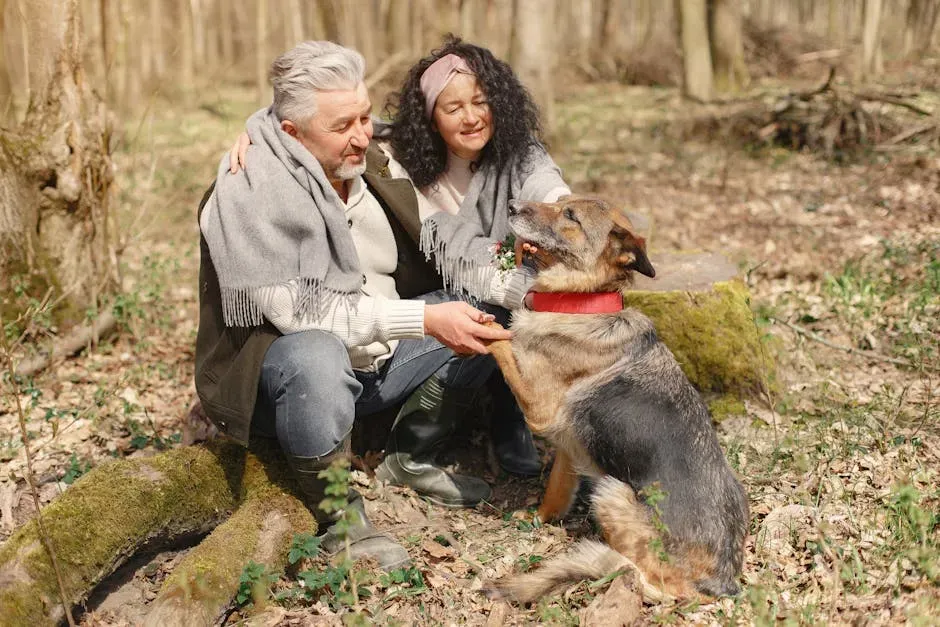
Here’s an opinion worth saying plainly: we do our senior dogs a quiet disservice when we let one bad day write the whole story. The 15 signs above are not consolation prizes or ways to make yourself feel better about something sad. They are legitimate behavioral and neurological evidence that presence, memory, and connection don’t vanish in a straight line – they flicker, they surface, they hold on in the places that matter most, sometimes until the very end. Awareness of that doesn’t make decline less real. It makes the time you still have together more true.
Rule out pain and medical causes first – always. A dog in physical discomfort will mask every sign on this list, and treatment can restore behaviors you thought were lost to cognitive decline. But once you’ve done that, start watching differently. Stop counting what’s gone and start catching what remains. The soft gaze during a quiet evening. The way they reposition themselves to stay in your room. The paws moving in a dream. These are not echoes of the dog they were. They are the dog they still are, on the days it’s hardest to see. Pay attention on those days most of all.


