
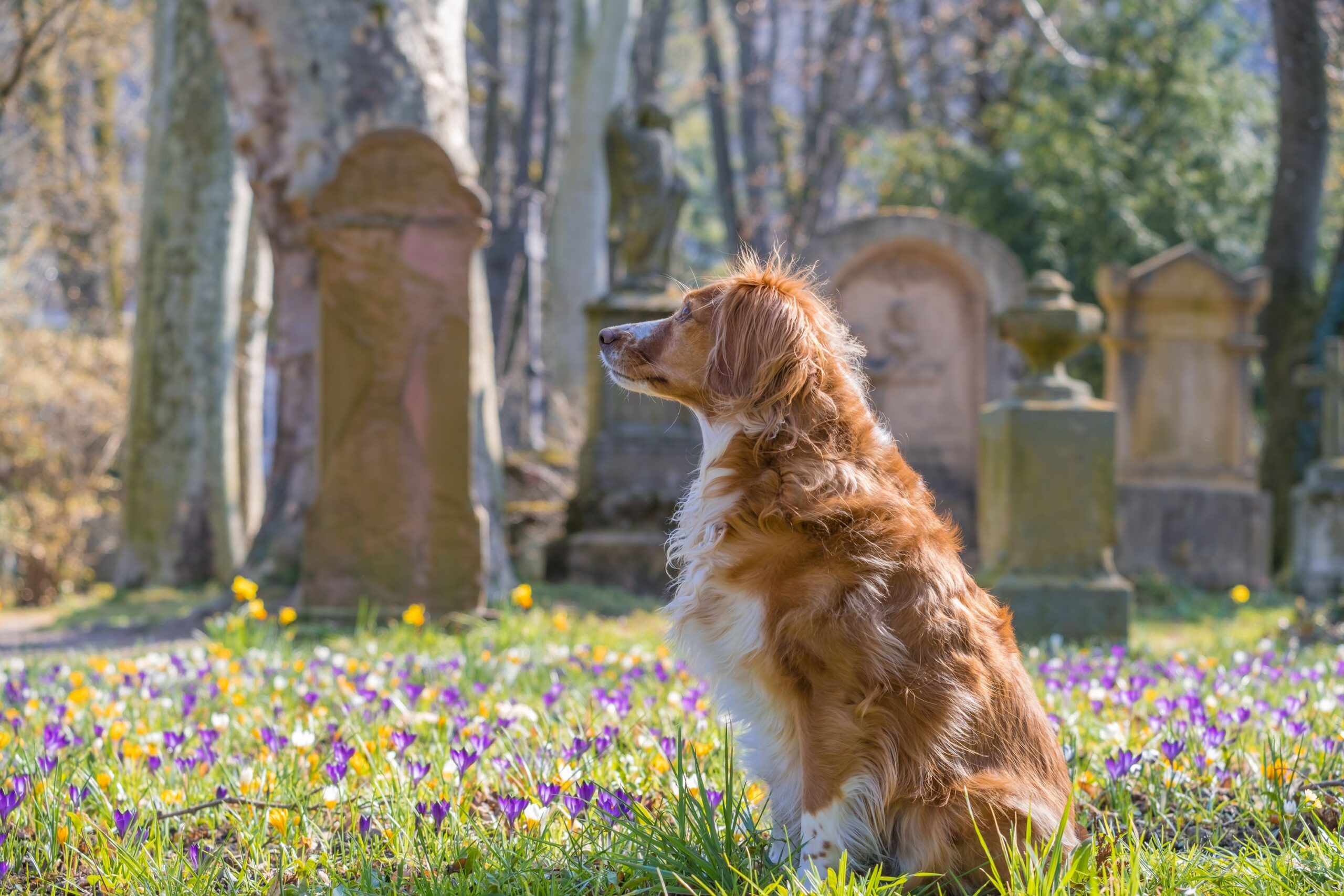
There is a very specific kind of silence that falls over a home after a dog is gone. The water bowl stays full, the leash hangs untouched by the door, and somehow every sound feels too loud and too quiet at the same time. If you’ve ever loved a dog, you know that heartbreak is built into the deal, but most of us only realize what truly mattered far too late.
This article is not about wallowing in regret. It is about naming the lessons that so many grieving dog owners whisper to themselves afterward: the things they wish someone had told them, clearly and honestly, while there was still time to do something about it. Some are emotional, some are painfully practical, and others sit at the intersection of science, medicine, and real life. If you’re reading this while your dog is still here, think of it as a second chance delivered a little early.
1. You Will Never Feel Like You Had “Enough Time” – So Stop Waiting For The Perfect Moment
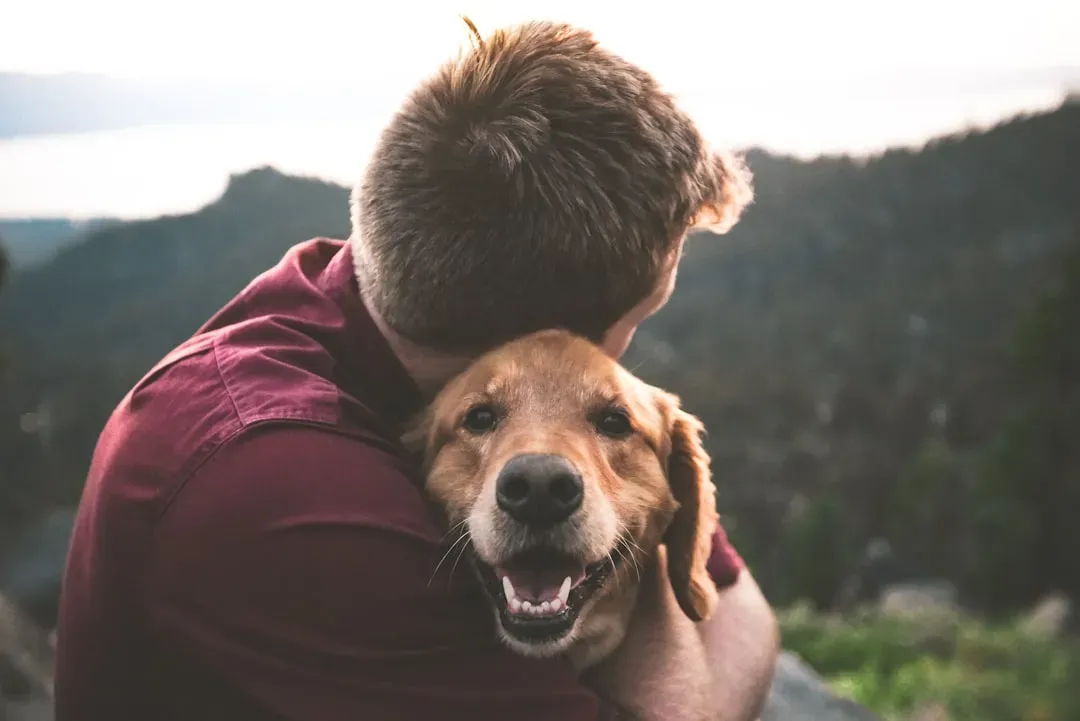
One of the most common things people say after losing a dog is that they thought they had more time. It almost never feels like the walks, naps, or car rides were enough, no matter how many you actually had. Our brains quietly assume that tomorrow is a given, so the small “we’ll do it later” decisions stack up until there are no more tomorrows.
If you knew your dog’s last full, healthy day was tomorrow, you’d probably cancel the non-urgent tasks and do something simple but meaningful together. You do not have to wait for a diagnosis or visible decline to start living that way in small, practical doses. A ten-minute game of fetch before work, an extra sniffy walk instead of scrolling your phone, or inviting your dog up on the bed just this once can matter more than you realize while you still have the chance.
2. Grief Starts Before They’re Gone – And That’s Completely Normal
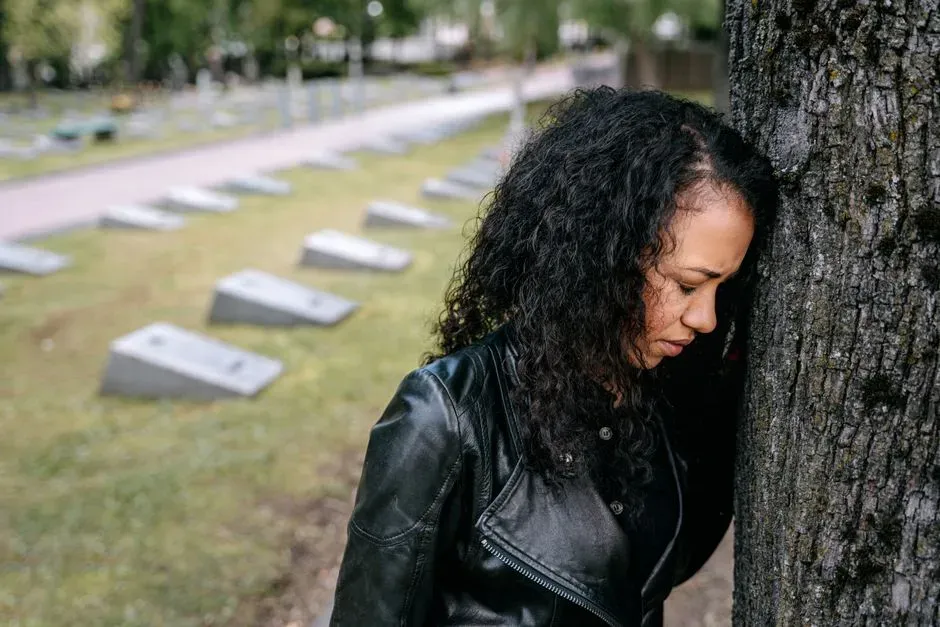
Many owners feel guilty because their heartbreak starts while their dog is still alive, especially when age or illness appears. This is called anticipatory grief, and it is a very human reaction to realizing you are on borrowed time. You might find yourself staring at your dog sleeping and suddenly tearing up, without anything in particular having happened that day.
Recognizing this early can actually be protective rather than pessimistic. When you understand that these feelings are normal, you can talk about them, plan ahead, and become more intentional with how you spend your remaining time together. Instead of fighting the sadness or pretending everything is fine, you can let it be a gentle alarm that says: be here now, pay attention, this chapter is precious.
3. The “Little” Health Changes Are Often The Loudest Warnings
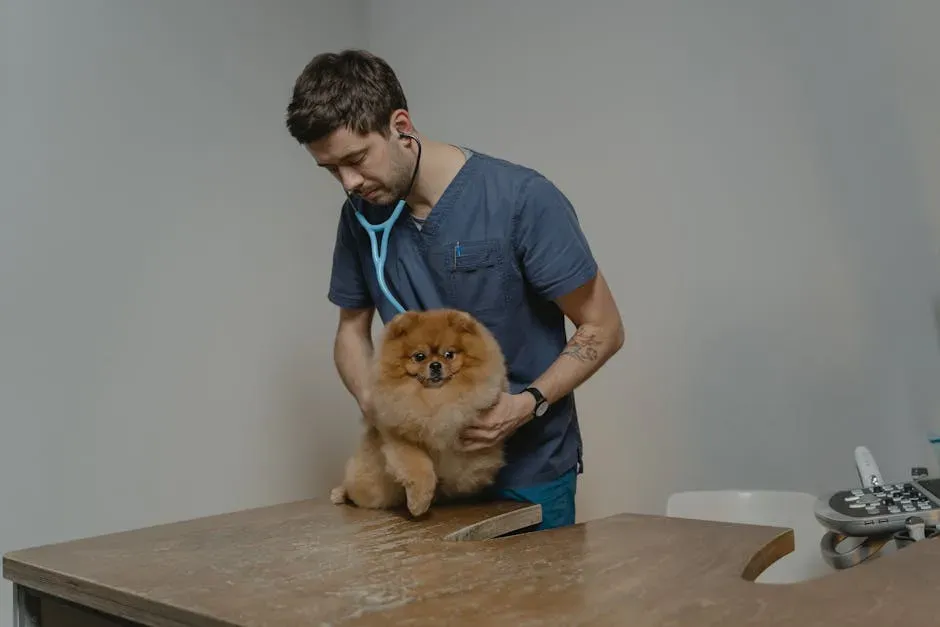
Many serious conditions in dogs do not start with dramatic collapse but with subtle shifts: they drink more water, tire faster, hesitate on stairs, or seem just a bit “off.” It is easy to dismiss these changes as aging, a rough day, or the weather, especially when you desperately want them to be nothing. But those tiny clues are often the earliest, most treatable signals the body sends.
Keeping a simple symptom journal or even a note on your phone can make a surprising difference. When you track patterns in appetite, energy, bathroom habits, and breathing, you give your vet better information to work with and catch issues earlier. You do not have to panic over every wobble, but you will almost never regret taking a small concern seriously, even if it turns out to be a false alarm.
4. Your Vet Is Not A Mind Reader – You Have To Ask The Hard Questions Directly
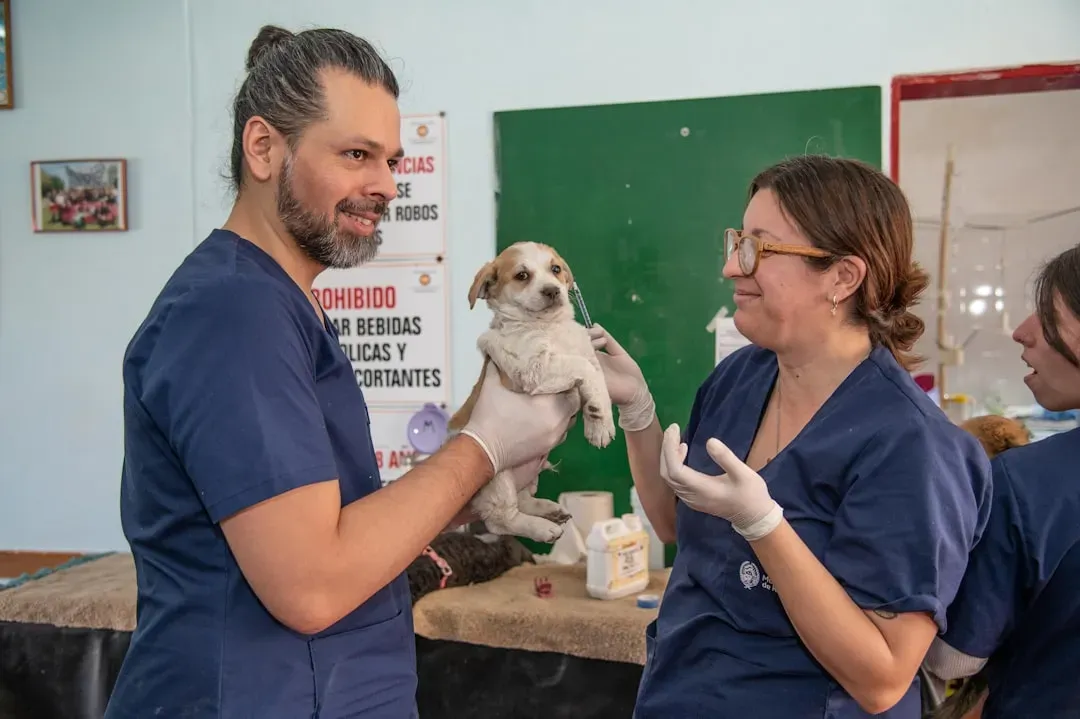
One of the deepest regrets owners share is that they never asked their veterinarian the blunt questions that haunted them later: How much pain is my dog actually in? What will the end realistically look like? How will I know when it is time? Many vets are kind but cautious, not wanting to crush hope, so they wait for you to invite that level of honesty.
Being direct can feel scary, but it often leads to clearer guidance and fewer doubts after your dog is gone. You can say things like, “If this were your dog, what would you do?” or “Are we trying to cure this, or are we trying to keep them comfortable?” These are tough conversations, but they help align treatment with your dog’s quality of life instead of just their length of life, which is what most people wish they had focused on sooner.
5. Pain In Dogs Rarely Looks Like Human Pain – And We Often Miss It
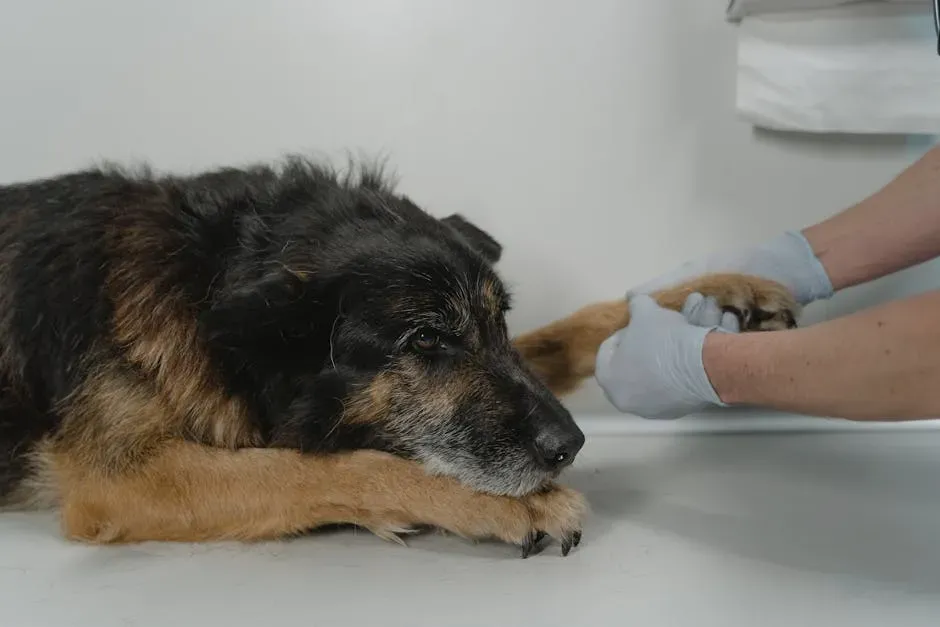
Dogs are incredibly good at hiding discomfort, sometimes to a heartbreaking degree. Instead of crying or screaming, they may simply move less, lick a joint, pant when it is not hot, or become a little irritable. Because these signs can seem minor, owners often assume their dog is just slowing down or being moody, when in reality they are coping with chronic pain.
Learning the less obvious signs of pain can change their final months or years. Things like reluctance to jump on the couch, changes in posture, restless sleep, or refusing stairs can be clear red flags. Pain control has improved dramatically over the past couple of decades, and many elderly or ill dogs could have lived more comfortably if owners had recognized these signs and advocated for better relief sooner.
6. Quality Of Life Checklists Seem Clinical – But They Can Save You From Crushing Regret
When emotions are running high, it is surprisingly hard to see your own dog clearly. Some days they seem okay, others they look terrible, and your hope and fear swing wildly between those impressions. That is why structured quality-of-life scales, where you rate things like appetite, mobility, interest in surroundings, and ability to enjoy favorite activities, can be so powerful.
These tools look a little cold on paper but often feel like a lifeline once you start using them. They help separate one bad day from a steady decline and give you something concrete to share with your vet and family. Many grieving owners later say they wish they had started tracking sooner, because it would have helped them make the euthanasia decision a little earlier, while their dog still had more good than awful left.
7. Euthanasia Can Be The Final Act Of Love, Not A Betrayal
Almost every dog owner wrestles painfully with the fear that choosing euthanasia means “giving up” or “killing” their best friend. Culturally, we are taught to fight to the end, but with animals, humane death is sometimes the only way to end unfixable suffering. That tension leaves many people stuck, hoping their dog will simply pass peacefully in their sleep so they never have to decide.
The reality is that a gentle, planned goodbye, surrounded by familiar faces and comfort, is often far kinder than waiting until crisis forces an emergency rush to the clinic at three in the morning. Framing euthanasia as a responsibility rather than a failure can shift the emotional weight. You are not choosing if they will die; you are choosing how much they will suffer beforehand, and that distinction matters deeply when you look back later.
8. You Are Allowed To Plan The Goodbye In Advance – And You Should
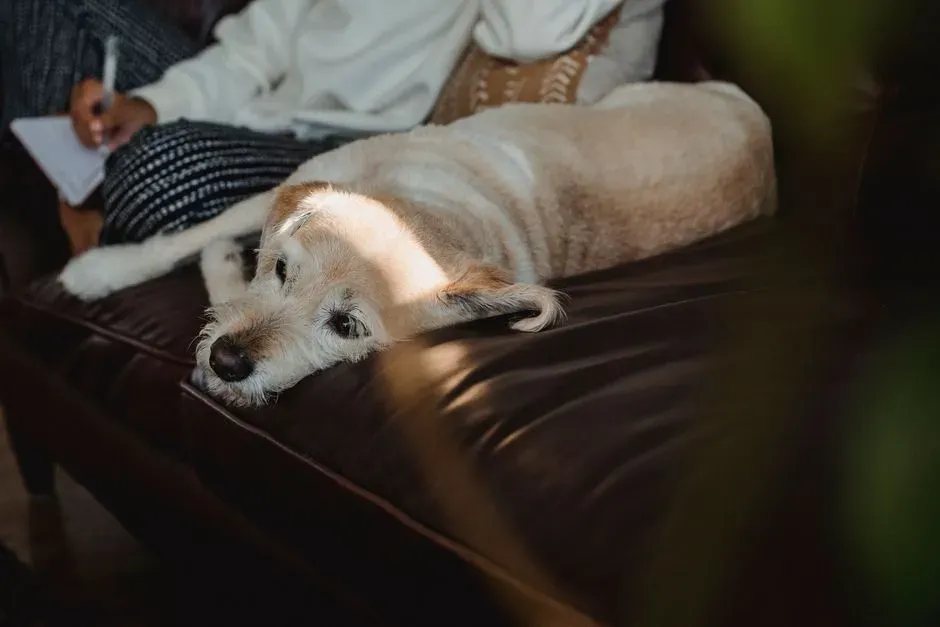
Many people avoid planning because it feels like inviting the end, as if adding “call in-home vet” to a list will somehow make it happen faster. In reality, planning is mostly about protecting your dog from chaos and fear when the time inevitably comes. Waiting until the very last minute means big decisions get made during panic and grief, which is exactly when you think the least clearly.
Thinking ahead about where you want the goodbye to happen, who should be there, and what you want to do in the hours before can turn a traumatic blur into a strangely peaceful memory. Some owners choose soft music, favorite blankets, or a final picnic in the yard. You may still sob, shake, and second-guess yourself, but you will at least know that the logistics did not steal any of your remaining tenderness.
9. Photos And Videos You Think Are “Too Many” Will Never Feel Like Enough Later

We are living in an age where taking pictures is easier than ever, and yet a lot of people still end up with very few clear shots of their dogs in everyday life. You may have a couple of posed holiday photos but almost none capturing their weird sleeping positions, clumsy zoomies, or the look they give you when you say the word “walk.” After loss, it is those tiny, ordinary mannerisms you ache to see again.
Making a point to capture short videos and casual photos regularly is not about curating a perfect Instagram feed; it is about archiving tiny pieces of their personality. Film the silly spin before dinner, the snoring on the couch, the way they tilt their head when confused. You will not want every clip during the raw early grief, but down the line, those glimpses often feel like time travel in the best possible way.
10. Your Dog’s Mental Life Is Richer Than You Probably Realize

Modern research has shown that dogs can form complex social bonds, read human gestures in ways even some primates cannot, and experience something very close to human-like emotions such as joy, fear, and anxiety. Many owners instinctively know their dog “understands” them, but they still underestimate just how much their dog picks up from tone, routine, and facial expressions. This rich inner world means that loneliness, confusion, and stress can hurt them more than we once believed.
Recognizing this while they are still here can change how you prioritize your time with them. Enrichment, training games, and varied walks are not just cute extras; they are mental health care. When owners look back, they rarely wish they had bought more toys or fancy gear, but they often wish they had spent more time actually engaging with the mind behind those eyes instead of treating the dog like nice background company.
11. Routine Vet Checks Are Not Just For Vaccines – They Are For Buying Good Time
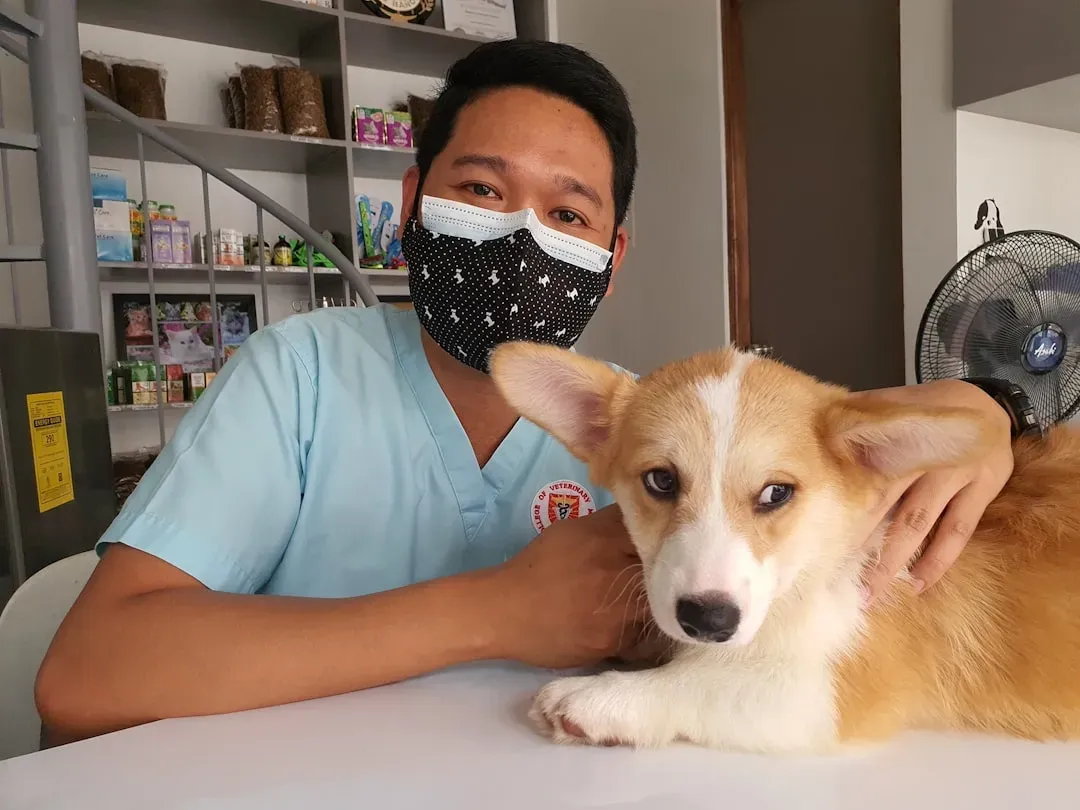
It is easy to think of annual vet visits as mostly about shots and legal requirements, especially when your dog seems fine. But those appointments are prime opportunities to catch early kidney disease, dental problems, heart issues, and subtle weight changes that can add up to real suffering later. Many conditions are far more manageable when spotted early, even if they cannot be completely cured.
Bloodwork, dental exams, and careful listening to the heart and lungs can all extend not just lifespan but the span of healthy, comfortable days. Preventive care is often less dramatic than emergency surgery, so it does not feel heroic in the moment, but future you may quietly thank present you for not skipping those “routine” checks. Much of what people regret later is not something huge they did wrong but the small important things they simply never got around to.
12. The Household Needs A Grief Plan Too – Not Just Medical Plans For The Dog
When a dog dies, the emotional shock can hit different family members in wildly different ways. Some people feel numb, others cry constantly, kids may act out, and remaining pets can begin pacing, howling, or refusing food because their social world has shifted. Almost nobody talks about this in advance, so the grief lands like a tidal wave on an unprepared shore.
Talking, while your dog is still alive, about how you might handle that loss does not make you cold-hearted; it makes you compassionate toward your future selves. You can decide things like whether you want to be present for euthanasia, how to support children, what to tell them, and how to watch for stress in surviving pets. Having even a loose, shared plan can keep family members from hurting each other unintentionally in the fog of sorrow.
13. Keeping A Piece Of Them (Paw Prints, Fur, Collars) Helps More Than You Expect

In the days before a dog passes, practical keepsakes might feel unimportant or even morbid. Yet months later, many owners wish they had gotten a paw print, saved a favorite tag, or kept a snippet of fur. Our brains lean on tactile objects during grief; holding something that physically belonged to your dog can bring a surprising sense of comfort during the moments when photos are not enough.
You do not have to turn your home into a shrine to honor their memory. A single collar on a hook, a clay paw print on a shelf, or a small memory box tucked away can be enough. It is easier to decide to put something away later than to recreate something that was never collected at all, and future you may be deeply grateful for present you’s thoughtfulness, even if it stings a bit to prepare it now.
14. There Is No “Right” Amount Of Grief – Only Your Amount

People often judge their own grief harshly. They tell themselves it is “just a dog” and wonder why they are struggling to work, sleep, or socialize. Others worry that moving forward or laughing again means they did not really care. This self-criticism layers shame on top of sorrow, making everything heavier than it needs to be.
The bond you had with your dog was specific and personal, shaped by years of shared routines, small rituals, and wordless comfort. Comparing your timeline or intensity of grief to anyone else’s is like comparing fingerprints. You are allowed to be devastated, even if others do not understand, and you are allowed to feel relief, even to enjoy the quiet or the freedom, without that canceling out the love you had. Two conflicting feelings can be true at the same time, and that is very normal.
15. You Will Probably Love Another Dog – And That Does Not Replace The One You Lost
Right after a loss, the idea of another dog can feel unthinkable or even disloyal. Some people say they never want to go through that pain again, and they mean it, at least in that moment. Others rush out immediately because the emptiness in the house is unbearable, and they later wonder if they acted too quickly. There is no universal “correct” time, only what your heart and life can realistically hold.
One thing many people realize later, though, is that getting another dog does not erase the one who came before. Love tends to expand rather than replace, the way families make room for a second child without loving the first any less. The new dog will not fill the same space in your story, and that is precisely the point. When you are ready, allowing another animal into your life can feel less like betrayal and more like honoring the gift your first dog gave you: the knowledge that a life shared with a dog, even with grief at the end, was absolutely worth it.
Conclusion: The Day Before Is Today
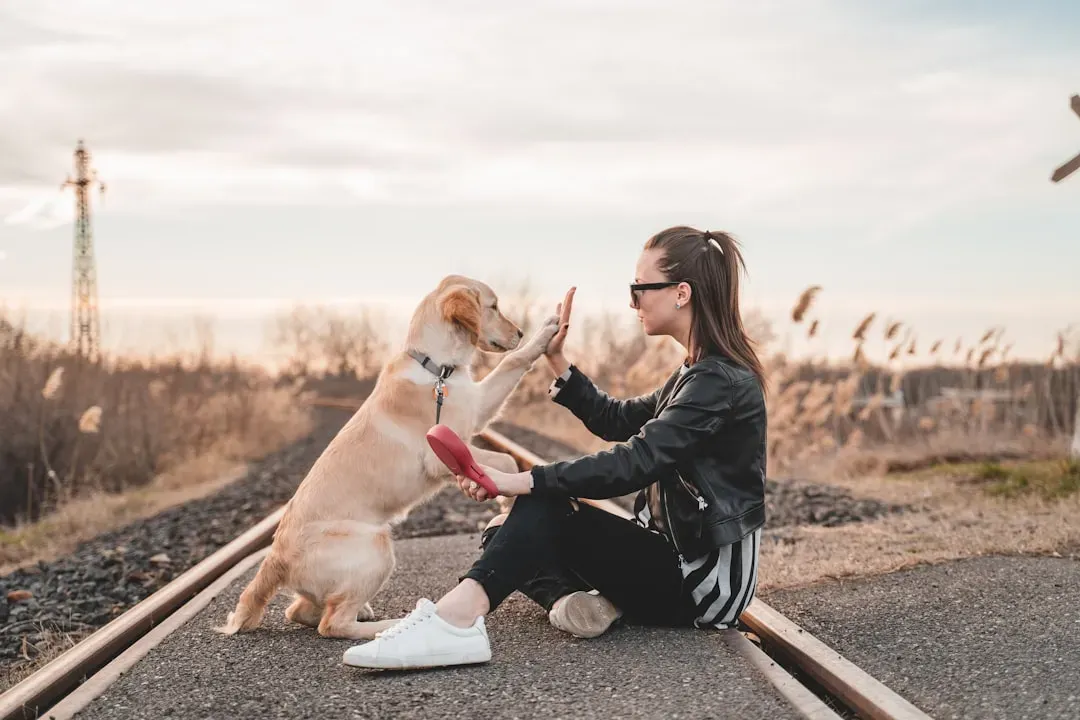
If there is one uncomfortable truth running through all of this, it is that none of us really knows when the “day before” we lose our dog will be. That can feel terrifying, but it can also be clarifying. It means the time to notice, to ask better questions, to schedule that vet visit, to take the extra walk, to record the silly bark, and to sit five more minutes on the floor with your dog’s head in your lap is not some vague future; it is today.
You cannot outsmart mortality or engineer a perfect goodbye, and you will probably have regrets no matter how carefully you plan. But you can tilt the balance toward fewer “I wish I had…” and more “I am so glad I did…” by acting on what you know now instead of what you wish you had known later. When you look back, would you rather remember a life together padded with safe routines, or one threaded with intentional, imperfect, deeply present moments of love?


