
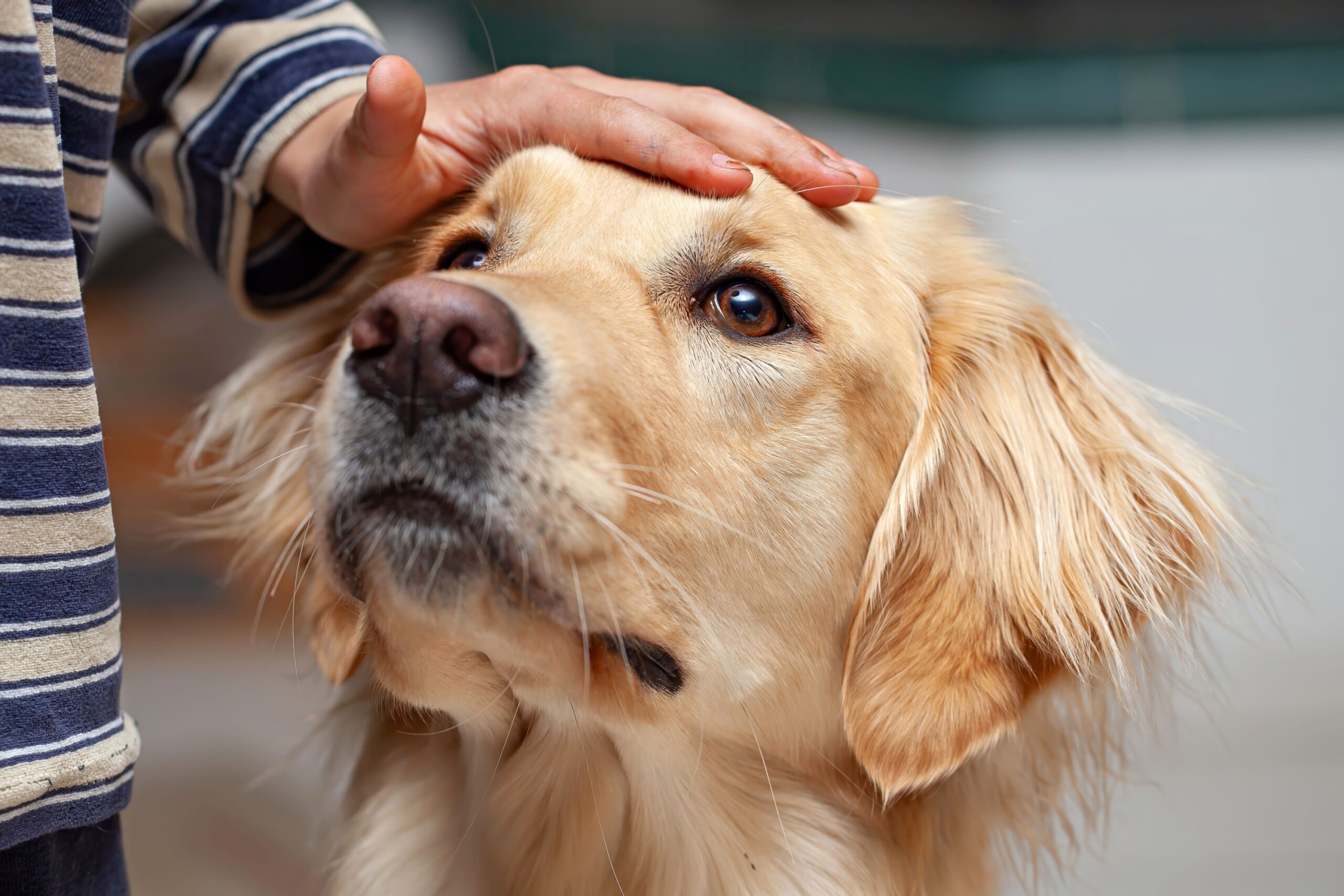
Have you ever been in the middle of scolding your dog, only to watch them… yawn? It can feel almost insulting, like they are bored by your frustration or simply do not care. But that sleepy-looking stretch of the jaw is not laziness or defiance. It is actually one of the clearest emotional signals dogs use when things start to feel a bit too intense.
Once you understand what that yawn really means, it becomes hard not to see it everywhere: at the vet, at the dog park, when kids get too loud, or when you start talking more sharply than usual. Far from being a sign of disrespect, it is your dog’s quiet way of saying, “This is getting uncomfortable, can we dial it down?” When you begin to read it that way, the whole human–dog conversation changes.
Yawning Is a Calming Signal, Not a Sign of Disrespect
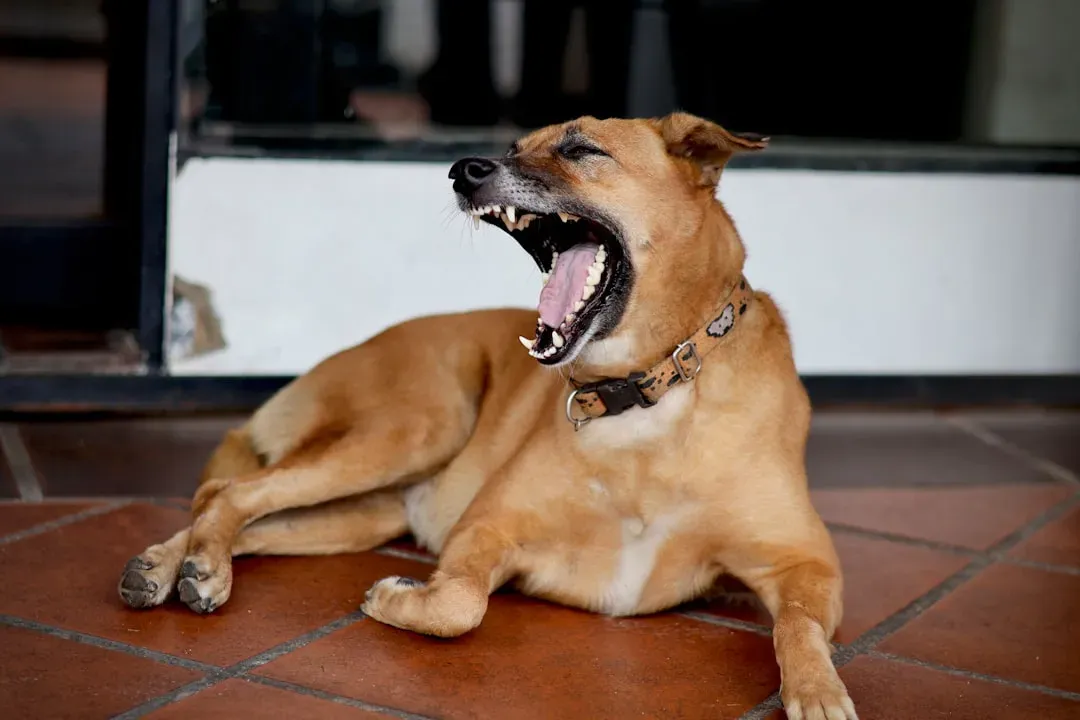
That big, dramatic yawn in the middle of a tense moment is part of a broader set of what many dog behavior experts call calming signals. These are subtle body-language cues dogs use with each other to keep interactions smooth and to prevent conflict from escalating. Yawning, turning the head away, blinking slowly, or sniffing the ground are all behaviors that can show up when a dog wants to soften the mood.
So when you raise your voice and your dog yawns, they are not rolling their eyes. They are trying to cool the emotional temperature of the room. Think of it less as “I’m bored of you” and more like “This is a bit much, can we take it down a notch?” Once you see that yawn as an emotional safety valve instead of rudeness, your dog’s behavior suddenly feels surprisingly empathetic rather than infuriating.
Stress and Arousal: What’s Happening Inside Your Dog’s Brain

Even though yawning looks calm on the outside, inside your dog’s body there is often a whole lot going on. Raised voices, sharp movements, or general household chaos can spike a dog’s arousal levels, nudging their nervous system toward a stress response. Their heart rate can increase, stress hormones can tick upwards, and they may flip into that awkward space between wanting to appease and wanting to flee.
Yawning seems to be one way the body tries to regulate that internal pressure. While science is still piecing together the exact mechanisms, many behavior professionals see yawning in tense situations as a reliable indicator that the dog is not relaxed. It is like their version of taking a deep breath in the middle of an argument. When you see that yawn, you are not looking at a sleepy dog; you are looking at a dog doing some emergency emotional self-regulation.
Context Is Everything: When a Yawn Means Stress and When It’s Just Sleepiness
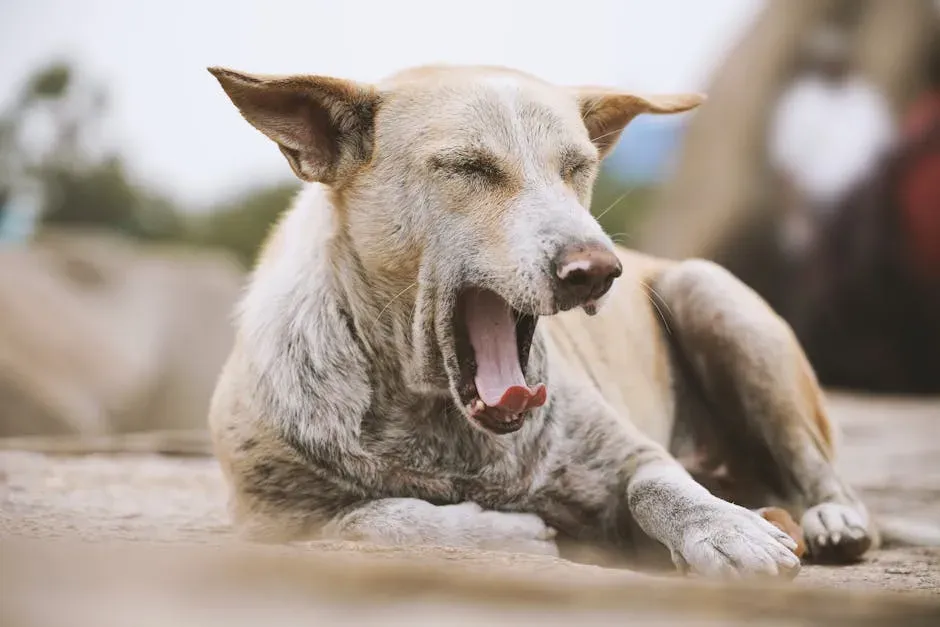
Of course, sometimes a yawn is just a yawn. Dogs get tired just like we do, and they yawn when they first wake up, before bed, or during a lazy afternoon on the couch. That is where context becomes absolutely essential. A yawn that happens during a cuddle session before a nap is not the same as a yawn that appears right after you shout their name in frustration.
If a yawn shows up alongside other tension signs – stiff posture, ears back, lip licking, suddenly looking away, or walking slowly away – that is your clue that it is more about stress than sleep. On the other hand, if your dog is relaxed, stretched out, and the environment is quiet and peaceful, that yawn is likely just part of their normal sleepy routine. Learning to read the entire picture, not just a single behavior, is the key to interpreting what your dog is trying to tell you.
Why Your Raised Voice Feels Threatening to Your Dog
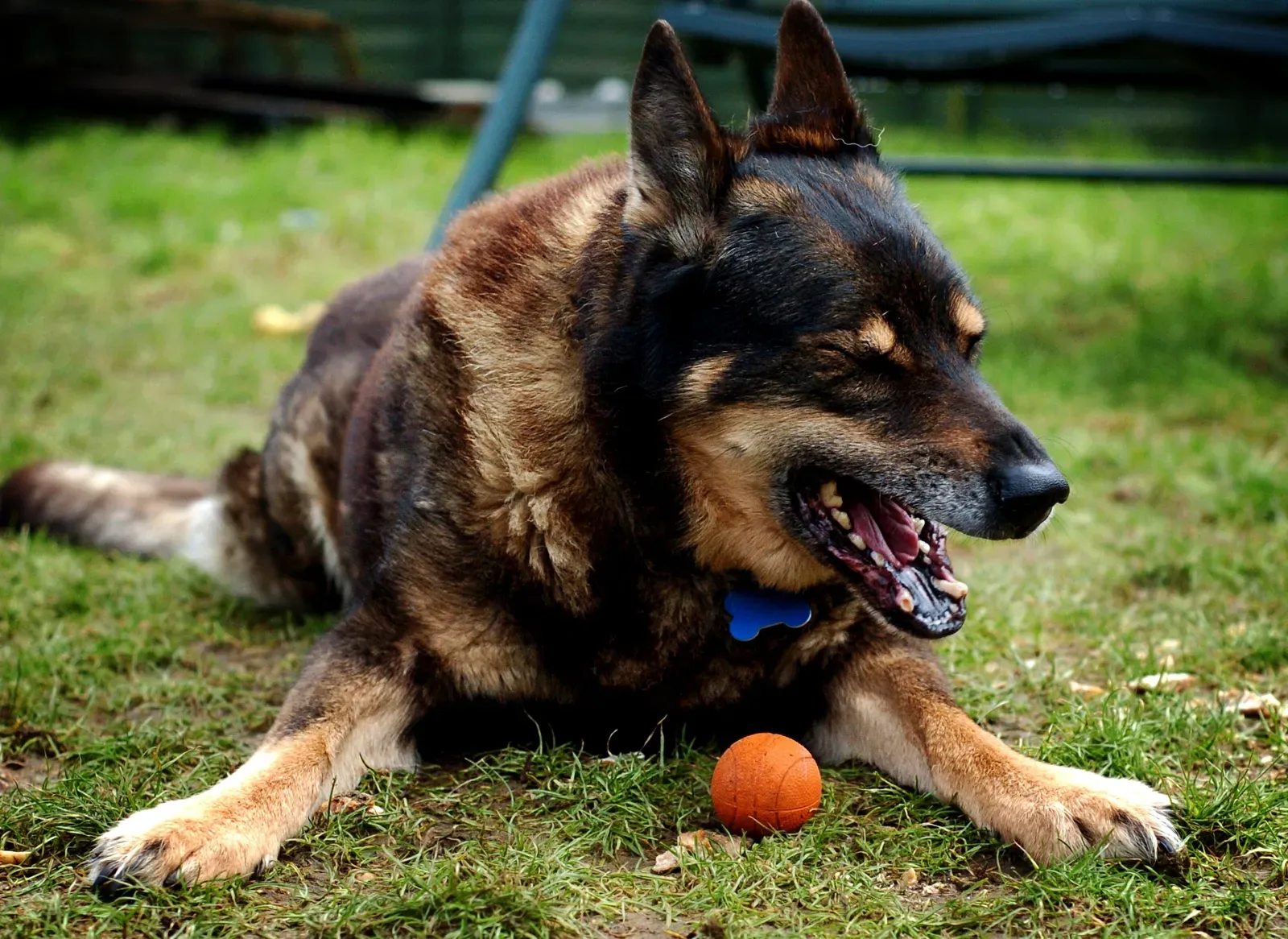
From your perspective, you might just be “talking firmly” or “expressing frustration,” but from your dog’s point of view, things can feel very different. Dogs are incredibly sensitive to tone, volume, and body posture. A raised voice, looming posture, or fast, jerky movements can look and sound a lot like a threat, even if you are not physically touching them. For many dogs, that shift in your energy is enough to flip on their internal alarm system.
That is exactly when those de-escalation signals come out. The yawn becomes their non-confrontational way of saying, “I do not want trouble; I am trying to keep this peaceful.” Unfortunately, many humans interpret that calming signal as defiance and react by getting even louder or harsher. That mismatch between what the dog is trying to say and how we respond is where relationships quietly start to fray.
Other Calming Signals: The Quiet Language You’ve Been Missing
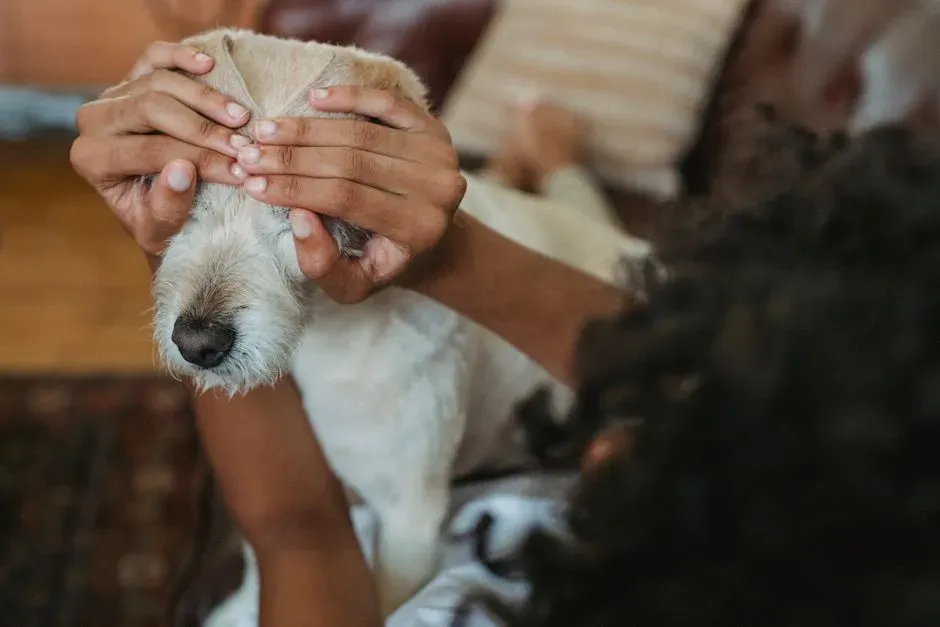
Yawning rarely appears alone. Dogs have an entire toolkit of gestures designed to soften interactions and avoid conflict. You might notice them turning their head slightly away from you, blinking slowly, licking their lips with no food around, or suddenly finding something incredibly interesting to sniff on the floor. None of these are accidents; they are all part of a nuanced emotional vocabulary.
Once I started paying attention to this in my own life, I realized my dog did it constantly when guests came over and things got loud. He would yawn, look away, do a slow blink, and then quietly walk behind the sofa. For years I thought he was just antisocial. In reality, he was politely begging us to tone it down. The more you notice these repeated patterns, the less mysterious your dog starts to feel and the more it seems like they are having a real, if silent, conversation with you.
How to Respond When Your Dog Yawns During Conflict
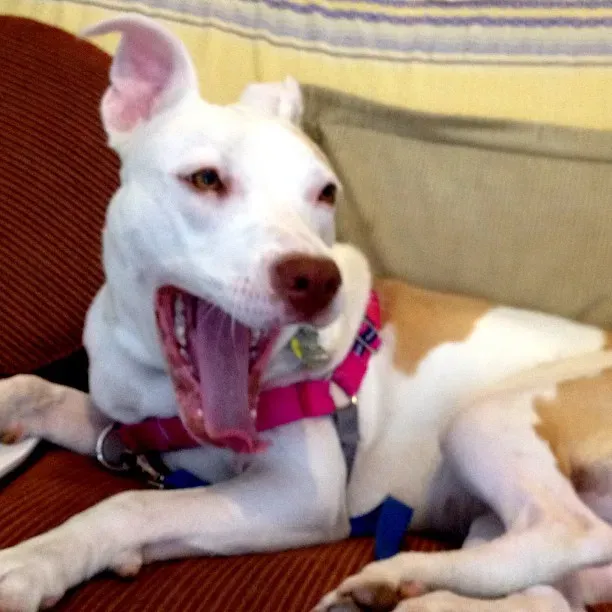
If you catch your dog yawning right after you raise your voice, see it as a little yellow flag instead of a personal insult. The most helpful thing you can do is pause, soften your tone, and give them a moment to reset. You might step back physically, take a breath yourself, or even switch to a calmer, more neutral cue instead of continuing to scold. It does not mean you can never correct your dog; it means you do it in a way that keeps their trust intact.
Positive reinforcement and clear, consistent boundaries almost always work better than emotional outbursts. If something has gone wrong – a chewed shoe, a mess on the floor – focus on calmly interrupting the behavior and showing them what you do want, rather than venting frustration. When you treat that yawn as a request for a gentler approach, you are not “spoiling” your dog. You are showing them that their emotional safety matters as much as their obedience.
Building a More Emotionally Safe Relationship With Your Dog
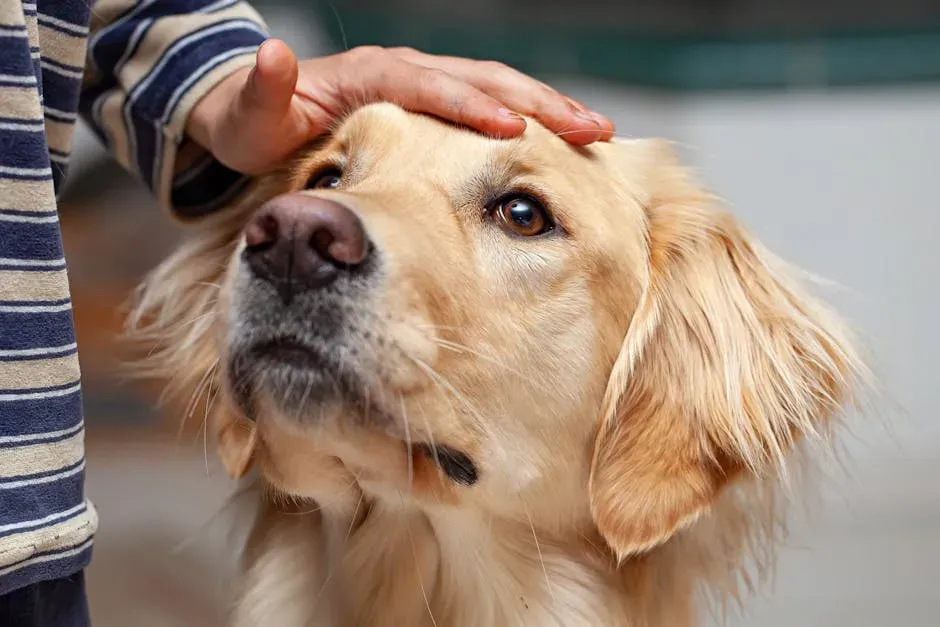
Understanding yawning as a de-escalation tool is really about one bigger shift: seeing your dog as an emotional being, not just a furry gadget that follows commands. A dog that feels safe, understood, and respected is far more likely to listen, learn, and choose you even when the world is distracting. Emotional safety is not some fluffy extra; it is the foundation of reliable behavior and genuine connection.
That might mean setting up quieter spaces in your home, teaching kids how to interact more gently, or catching yourself before you let your voice snap. It might also mean noticing when your dog is quietly opting out – hiding in another room, yawning repeatedly, or licking their lips – and adjusting the situation instead of forcing them through it. Over time, those small acts of consideration turn into a relationship where your dog does not just obey you; they actually trust you.
Conclusion: Yawning Is Your Dog’s Whispered Plea for Peace
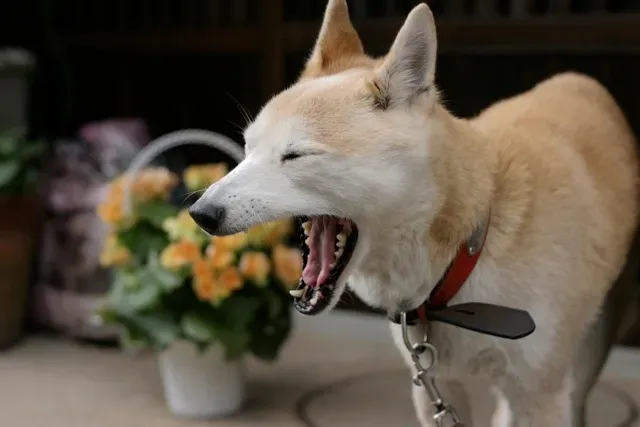
When you realize that your dog’s yawn in a heated moment is not boredom but a peace offering, it becomes hard to keep treating it like an annoyance. That simple, sleepy-looking gesture is your dog’s way of stepping back from the edge, trying to cool down the situation without picking a fight. In my opinion, the real mistake is not that dogs yawn when we get loud; it is that we have ignored their emotional honesty for so long and called it stubbornness or disrespect.
If anything, that quiet yawn is a reminder that our dogs are constantly working to live peacefully alongside us, even when we are not at our best. The question is whether we are willing to meet them halfway, listen to the signals they are brave enough to show, and let their calm change our behavior too. Next time your dog yawns when your voice rises, will you take it as an insult – or as an invitation to be the safer, softer human they are asking for?


