
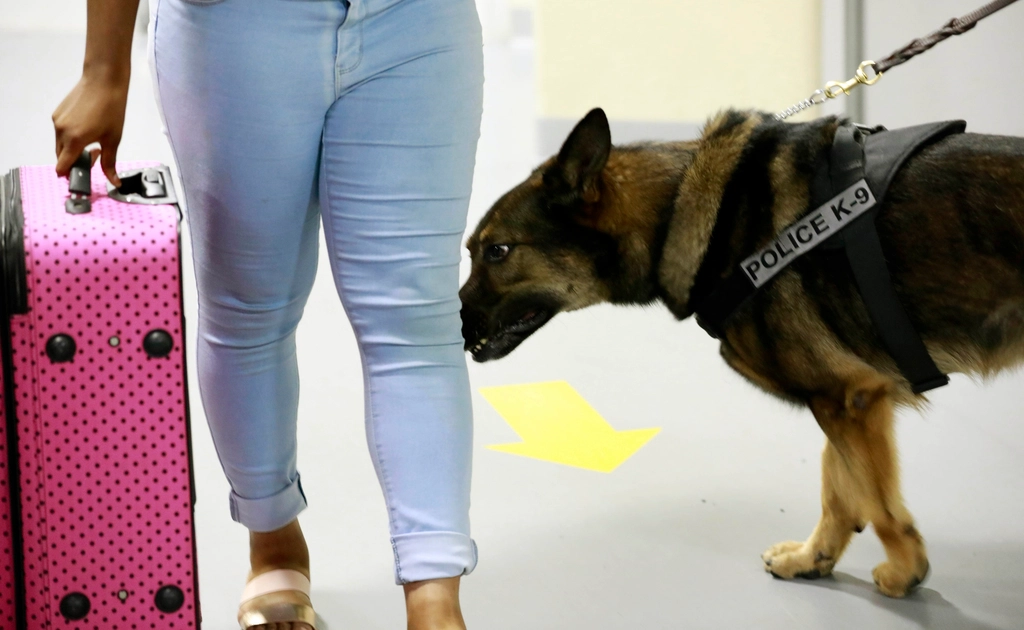
If you have ever been in the middle of a training session and watched your dog suddenly drop their nose to the ground and start sniffing “nothing,” it can feel a bit deflating. You are trying to work, you are asking for focus, and your dog looks like they have just checked out. Many people assume this means the dog is bored, stubborn, or simply does not care. In reality, that little nose-to-the-ground move is often your dog’s way of raising a quiet emotional flag that says: this is a lot right now.
Modern behaviorists increasingly recognize this pattern as a displacement behavior, a kind of safety valve for a dog’s nervous system when things feel overwhelming. When you see it through that lens, the whole picture of training changes. Instead of asking why your dog is not listening, you start asking what your dog is trying to cope with – and that shift can turn frustrating sessions into powerful opportunities for connection.
What Displacement Behavior Really Means in Dogs
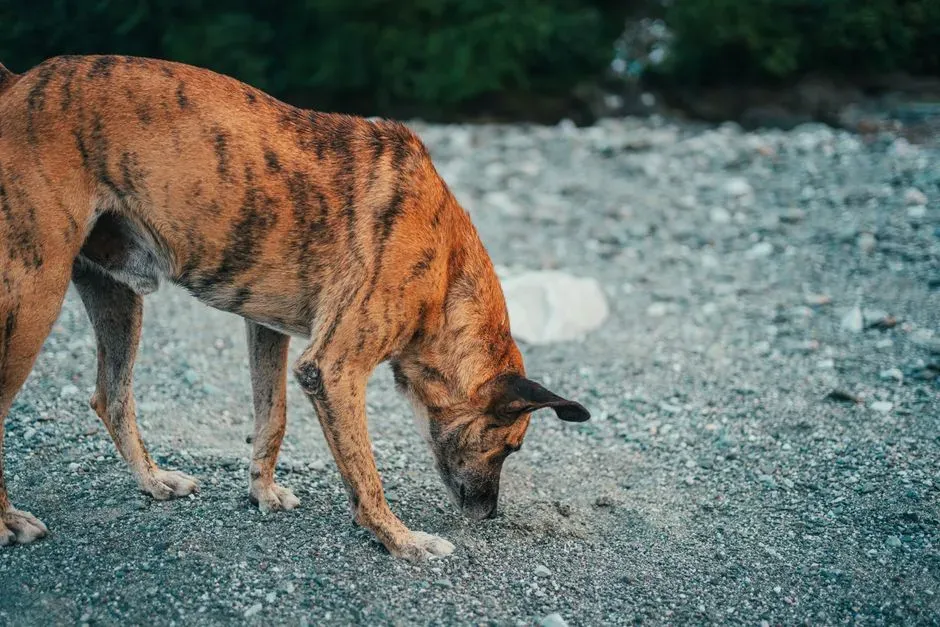
Displacement behavior is a fancy term for what animals do when they are experiencing inner conflict, stress, or overload and cannot do the thing they actually want to do. In dogs, that often looks like suddenly sniffing the ground, scratching, yawning, licking their nose, or even casually turning away at moments when the pressure is on. It is not random; it is the nervous system picking a “neutral” action as a way to diffuse tension.
Think of it like that moment in a tough conversation when a person starts scrolling their phone or rearranging items on the table. They are not really interested in the phone or the salt shaker; they are buying time, cooling down, trying to cope. Dogs do the same thing in canine language. Sniffing the ground in the middle of training is often their version of saying, this is a bit much, I am not sure what to do next.
Why Sniffing Shows Up Right When You Need Focus
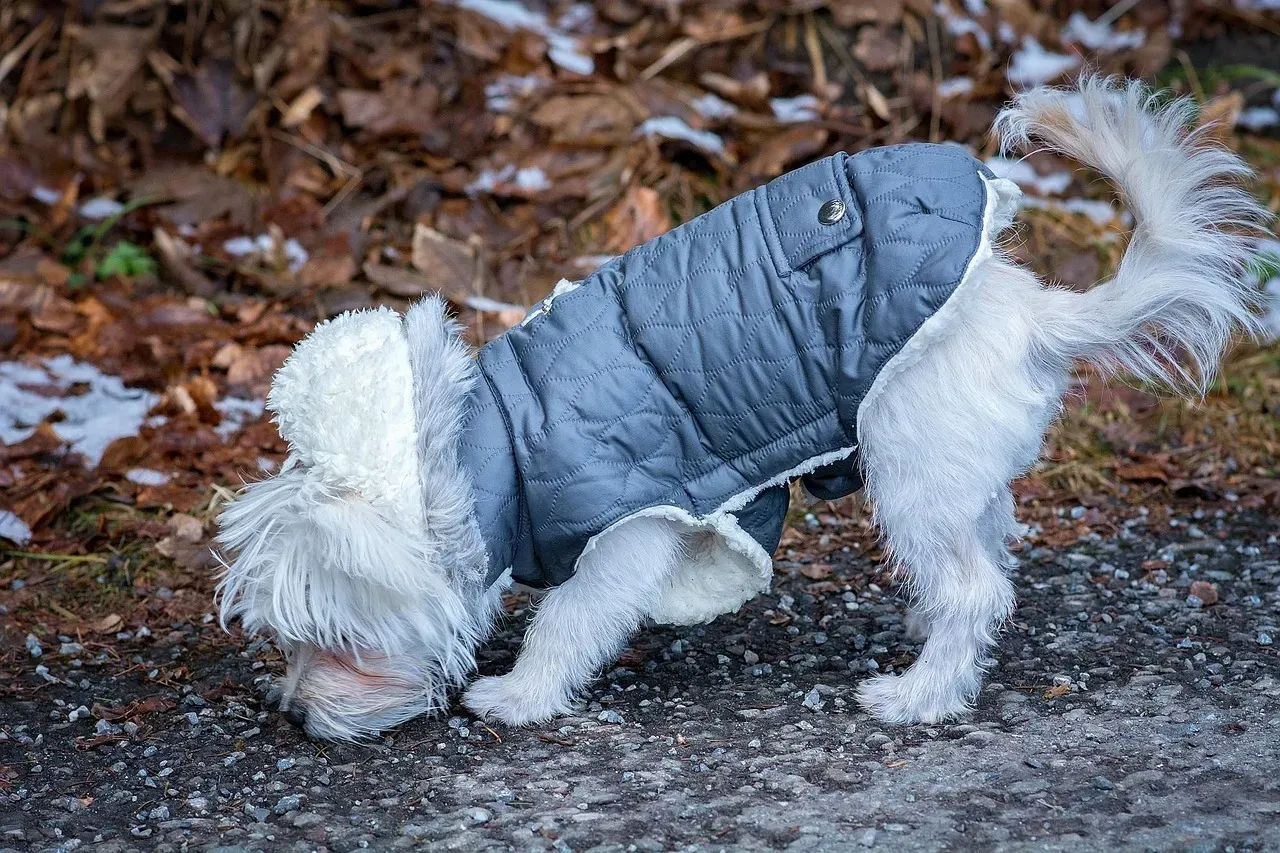
It feels almost cruelly timed: you ask for a stay, work on heel, or try a new trick, and suddenly your dog’s nose is glued to the floor. This is not your dog being dramatic; it is their body trying to regulate itself under pressure. Training often involves repetition, human expectations, and sometimes confusing cues – a perfect recipe for mild stress, even if the session is meant to be fun.
When the dog’s brain starts feeling overloaded by demands, distractions, or unclear signals, sniffing offers a built‑in exit ramp. Scent work is deeply calming for many dogs, almost like deep breathing is for humans. So in that moment, the dog is not saying, I hate training; they are saying, I need a second to cope with this situation before I can keep going.
Stress, Not Stubbornness: Reading the Emotional Context
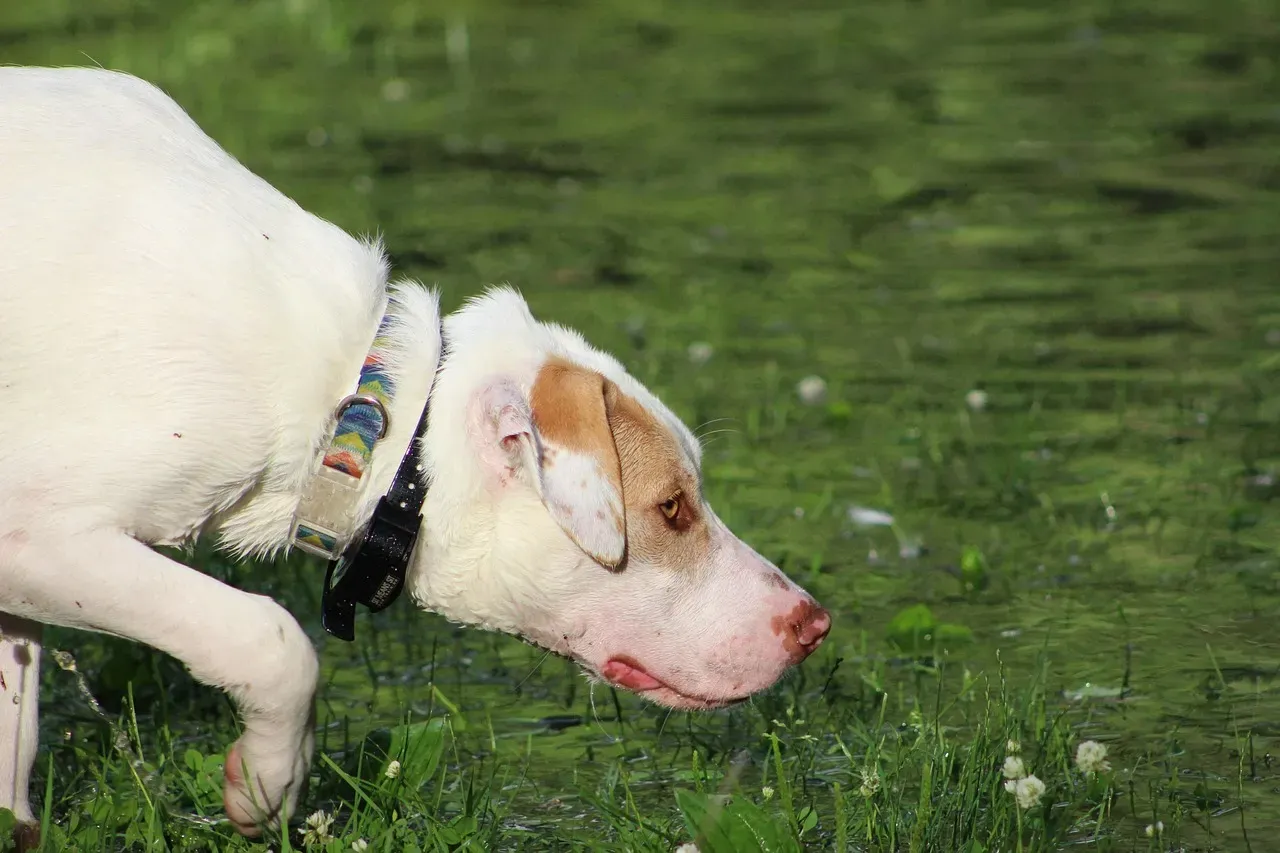
One of the most common misunderstandings is to label ground‑sniffing as disobedience, spite, or lack of interest. From a behavioral point of view, those explanations do not hold up well. Dogs repeat behaviors that are reinforced and drop behaviors that are not; doing something that makes training take longer is not a clever rebellion strategy, it is usually a coping mechanism. When you zoom out and look at body language, the clues are often obvious.
Watch for slightly tense posture, a tight mouth, lip licking, squinty eyes, or a tail that is either held lower than usual or wagging in a stiff, uncertain way. Those details, combined with the sudden sniffing, paint a picture of a dog who is trying to manage discomfort. Once you see that, it is hard to unsee it – and it becomes much easier to respond with empathy instead of frustration.
Overloaded Brain: How Training Pressure Triggers Sniffing
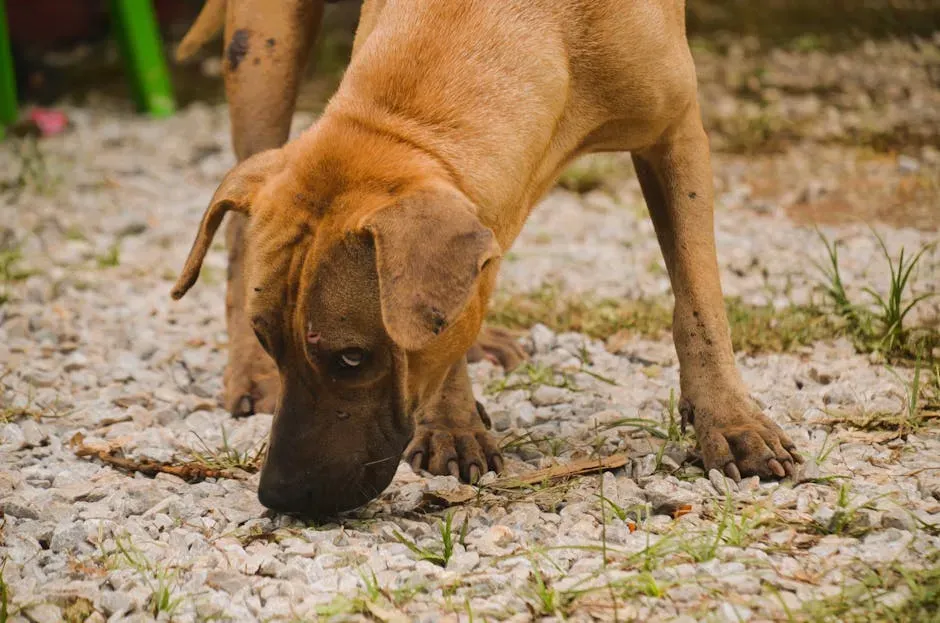
Imagine being dropped into a foreign language class where the teacher keeps talking faster, pointing at you, and expecting instant answers. Even if you want to do well, there is a point where your brain simply short‑circuits. Dogs hit that point too, especially when we raise criteria too quickly, repeat commands, or mix signals with our body language. Sniffing the ground is one of the ways their nervous system tries to hit the pause button.
High distraction environments make this even more intense. New smells, other dogs, people moving around, traffic noises – all of that is already stimulating the dog’s senses. When we add demanding training on top, the dog might feel like there are too many tabs open in their mental browser. Dropping their nose and sniffing is not them wandering off mentally; it is them trying to reboot enough to function again.
How to Respond When Your Dog Starts Sniffing Mid‑Session
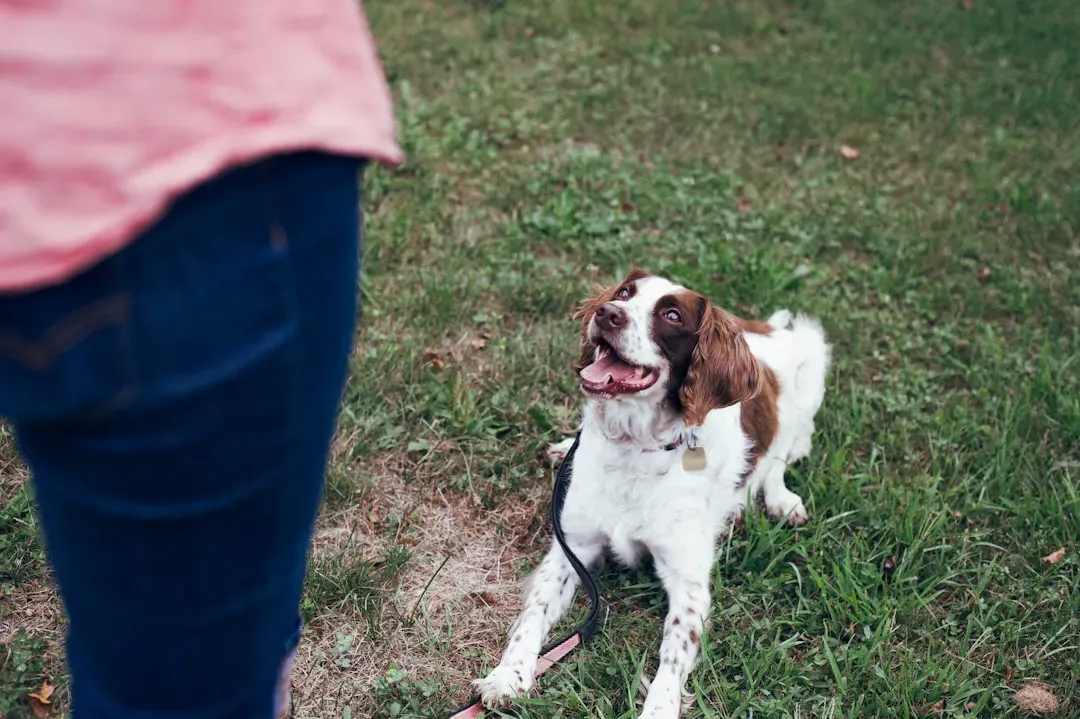
When your dog suddenly starts sniffing the ground during training, the most helpful response is not to repeat the cue louder or yank their attention back. Instead, take it as a piece of information: my dog is near or over their emotional threshold. You can soften your tone, decrease the difficulty, or give them a short, low‑pressure break. Sometimes simply pausing for a few seconds and letting them decompress is all it takes.
You can also step further away from distractions, ask for an easy behavior they love, and reward generously to rebuild confidence. Think of it like turning down the volume on a stereo that got a bit too loud. By adjusting your expectations to where your dog is emotionally, you not only make the session more productive, you also teach your dog that you are safe to communicate with – even when they are feeling overwhelmed.
Setting Dogs Up for Success: Preventing Overload Before It Starts
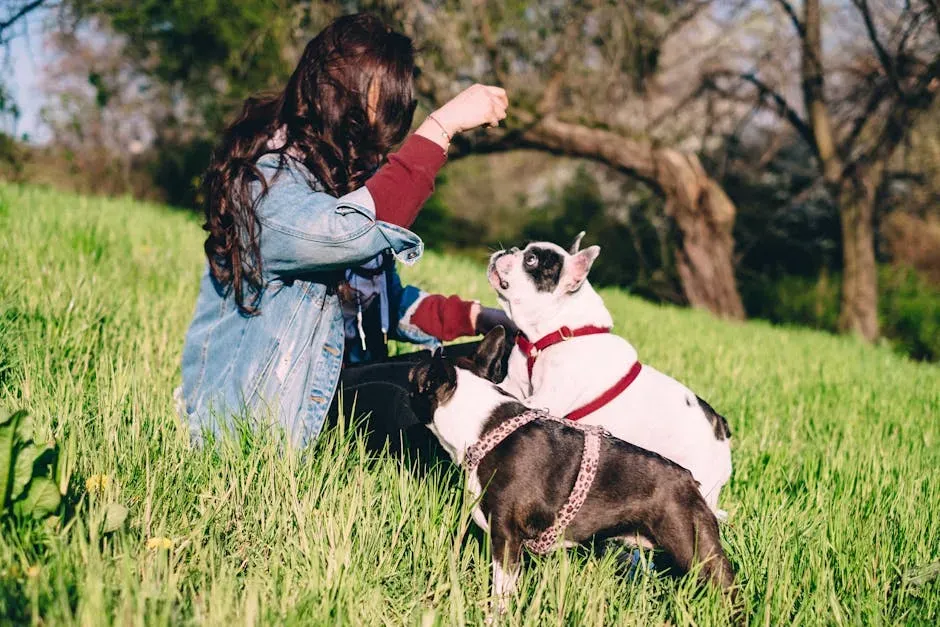
Prevention is often easier than repair. Shorter, more focused sessions usually beat long marathons that push dogs past their limit. Many dogs do best with just a few minutes of training at a time, spaced throughout the day, rather than one big block. That mirrors how we learn best too; most people retain more from several short study sessions than from one long cramming session.
Clear, consistent cues and generous reinforcement also reduce the pressure that triggers displacement sniffing. If the dog understands what you are asking, gets paid well for effort, and has frequent breaks to sniff for fun, they are far less likely to hit that overloaded state. I often tell people to plan training like a playlist: mix a couple of “easy hits” the dog loves with one or two “new tracks,” then end before the energy crashes.
Turning Sniffing Into a Tool Instead of a Problem
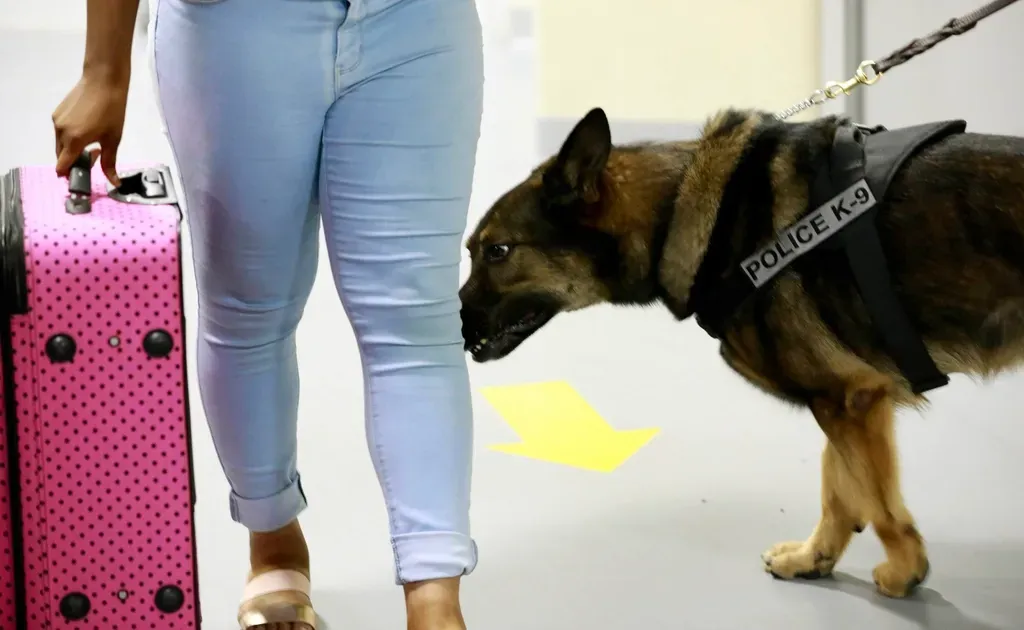
Here is the twist: the very behavior that used to annoy you can actually become a helpful guide and even a training tool. When you start to see ground‑sniffing as your dog’s stress barometer, you can use it to adjust on the fly. The moment you notice more sniffing and less engagement, you know it is time to lower the difficulty, move away from distractions, or offer a break. That makes you a more responsive trainer and your dog a more willing learner.
You can also deliberately build sniffing into your training routine as a reward and a decompression activity. For many dogs, being “released” to sniff a patch of grass is more satisfying than any treat. Using short sniff breaks as reinforcement sends a powerful message: I see you, I respect what you enjoy, and I will not push you past your comfort zone. That kind of cooperation creates a relationship where your dog wants to work with you, not just for you.
Why This Perspective Shift Matters: An Opinionated Take
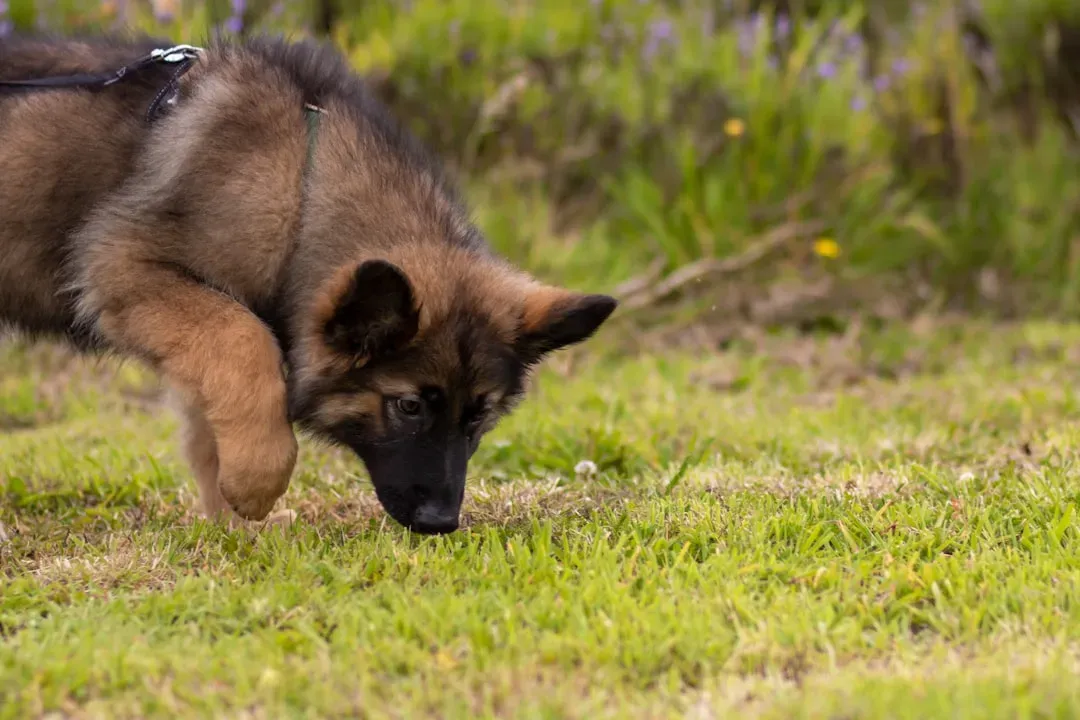
Seeing ground‑sniffing during training as a stress signal rather than a snub is more than just a cute reframe; it is a quiet revolution in how we think about dogs. For too long, canine behavior has been filtered through ideas about dominance, stubbornness, and “who is in charge,” often at the expense of the dog’s emotional wellbeing. When we interpret coping behaviors as disobedience, we risk responding with more pressure right when the dog most needs understanding.
My honest view is that listening to these small, subtle signals is part of the ethical responsibility of living with dogs in 2026. They already live in a human‑designed world that moves faster, sounds louder, and smells busier than anything their ancestors evolved for. The least we can do is treat their displacement behaviors – that sudden, seemingly pointless sniffing included – as communication worth hearing. The next time your dog drops their nose to the ground mid‑session, will you see a “distracted dog,” or will you see a partner quietly asking for a little more kindness?


