
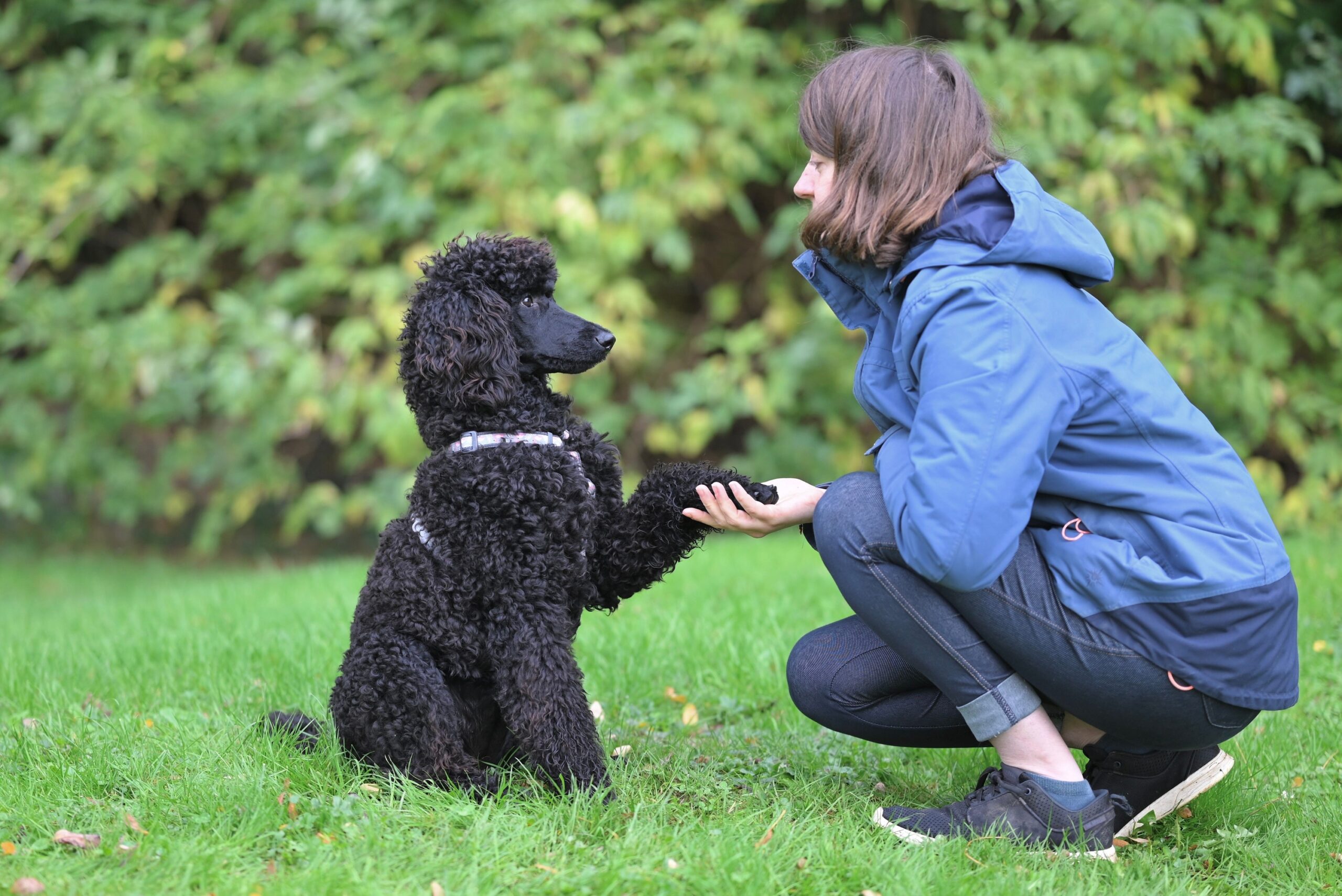
Picture this: a dog that once bounded into your arms now hesitates, flinches at raised hands, and offers stiff, half-hearted cuddles instead of the joyful affection you remember. It feels personal, almost like rejection, but deep down you suspect something else is going on. That uneasy feeling you have about punishment-heavy training methods? It is not just in your head.
Canine psychology has been quietly, steadily showing that the way we train dogs can literally change how safe they feel giving us love. Fear-based methods may sometimes “work” in the short term, but they can also chip away at a dog’s emotional freedom, turning natural affection into guarded, cautious behavior. Once you see how this happens in a dog’s brain and body, it becomes almost impossible to ignore.
Fear-Based Training: What It Actually Looks Like Day to Day
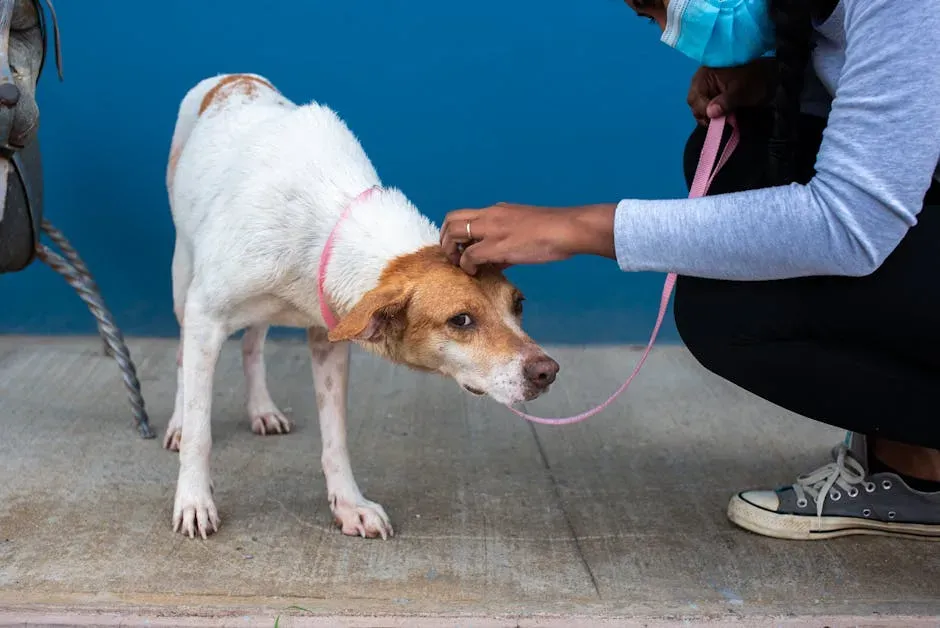
Fear-based training is not just the obvious extremes you see in viral videos. It can be as subtle as harsh scolding, leash jerks, intimidation, or using tools or tones that make the dog freeze rather than think. The common denominator is this: the dog does things to avoid something bad, not because it understands or feels safe. The dog is learning, but it is learning in survival mode.
In real life, this might look like a dog that sits instantly but with ears pinned back, body low, and eyes wide. On paper, that dog is “obedient.” Emotionally, that dog is tense and bracing for a mistake. Affection offered under this kind of stress is rarely relaxed or genuine, because the dog is busy trying not to get it wrong rather than enjoying the interaction.
The Science of Stress: How Fear Changes a Dog’s Brain Over Time

When dogs are trained through fear, their stress systems get activated again and again. Hormones associated with stress and arousal, like adrenaline and cortisol, help them cope in the moment, but chronic activation can start to alter behavior, mood, and even brain function. Over time, repeated fear-based experiences can make a dog more anxious, more reactive, and less emotionally flexible.
From a neuroscience perspective, the brain circuits involved in fear and survival begin to dominate, and the parts of the brain that support learning, curiosity, and social connection may be dialed down. That does not mean a dog stops loving their person, but it does mean their behavior becomes more about self-protection than social openness. Affection, which requires a sense of safety, becomes harder to offer freely.
Why Affection Requires Safety, Not Just Food and Shelter
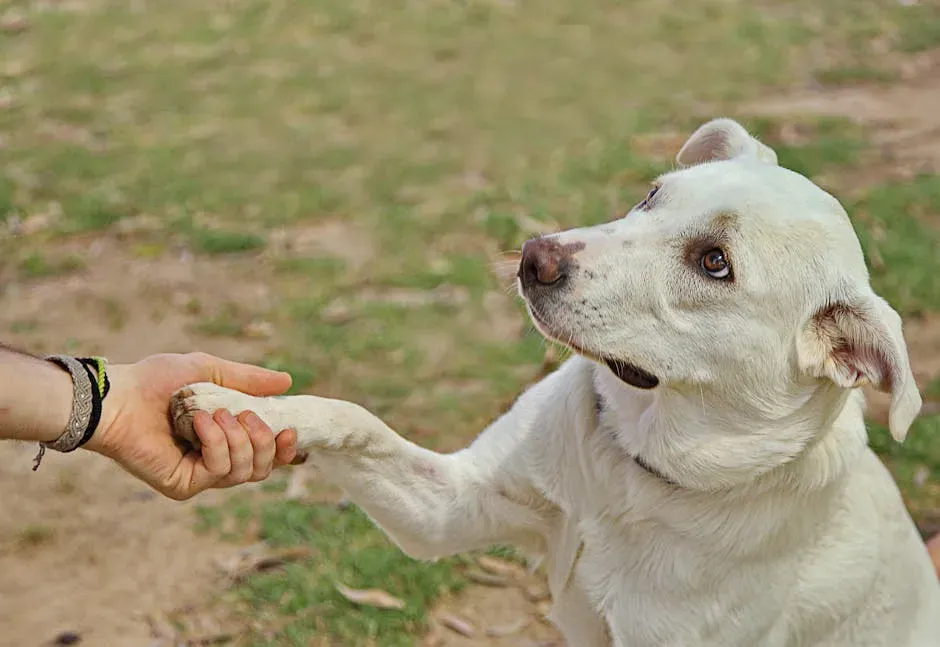
We tend to think that if a dog has food, water, and a home, it should be fine emotionally, but affection sits on a different psychological layer. Genuine affection demands that the dog feels safe enough to be a little vulnerable: to roll on its back, lean its full weight into you, lick your face, or wag loosely without scanning the room for threats. Safety is the quiet permission that lets love show up in the body.
Fear-based training sends the opposite message: your human is unpredictable, correction is always around the corner, and mistakes are dangerous. Instead of being a secure base, the handler becomes someone to manage carefully. Many dogs in this dynamic still seek contact, but it can look controlled, stiff, or overly appeasing, more like a peace offering than shared joy. Over time, this guardedness can replace the easy, silly affection people miss.
Learned Helplessness: When Dogs Give Up on Being Themselves

One of the most disturbing outcomes of heavy-handed training is something psychologists call learned helplessness. When a dog repeatedly learns that nothing it does consistently makes things better, it may stop trying to change the situation at all. The dog complies, shuts down, or goes still, not because it finally “understands,” but because it has lost faith that its choices matter.
On the surface, such a dog can look calm and remarkably well behaved. Inside, you often see flat or muted affect: fewer play invitations, less curiosity, little initiative to seek out affection unless prompted. That loss of spark can creep in slowly, so guardians sometimes do not notice until they compare old photos or memories and realize just how much life has drained from their dog’s eyes.
Fear vs Respect: Why “It Works” Is Not the Whole Story
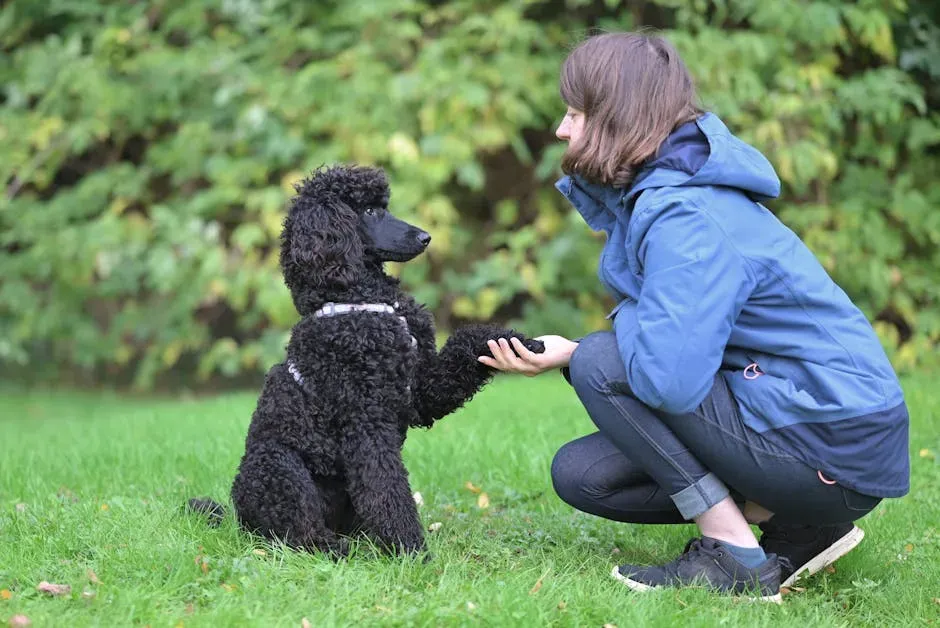
People defending fear-based tools often say that they “work,” and in narrow behavioral terms, they are not wrong. A dog may stop lunging, barking, or pulling when it anticipates pain or intimidation. But canine psychology forces us to ask a deeper question: at what emotional cost? Suppressing behavior through fear is not the same as teaching skills through trust.
A dog that behaves because it respects you and feels safe with you moves differently than a dog that behaves because it is afraid of you. Respect-based training produces dogs that check in, offer behaviors voluntarily, and come closer when confused. Fear-based methods tend to produce dogs that avoid eye contact, hesitate to approach, or “shut down” in new or stressful situations. You can get silence and stillness through fear, but you cannot get true, relaxed affection that way.
Affection as a Barometer: Reading the Subtle Signs in Your Dog
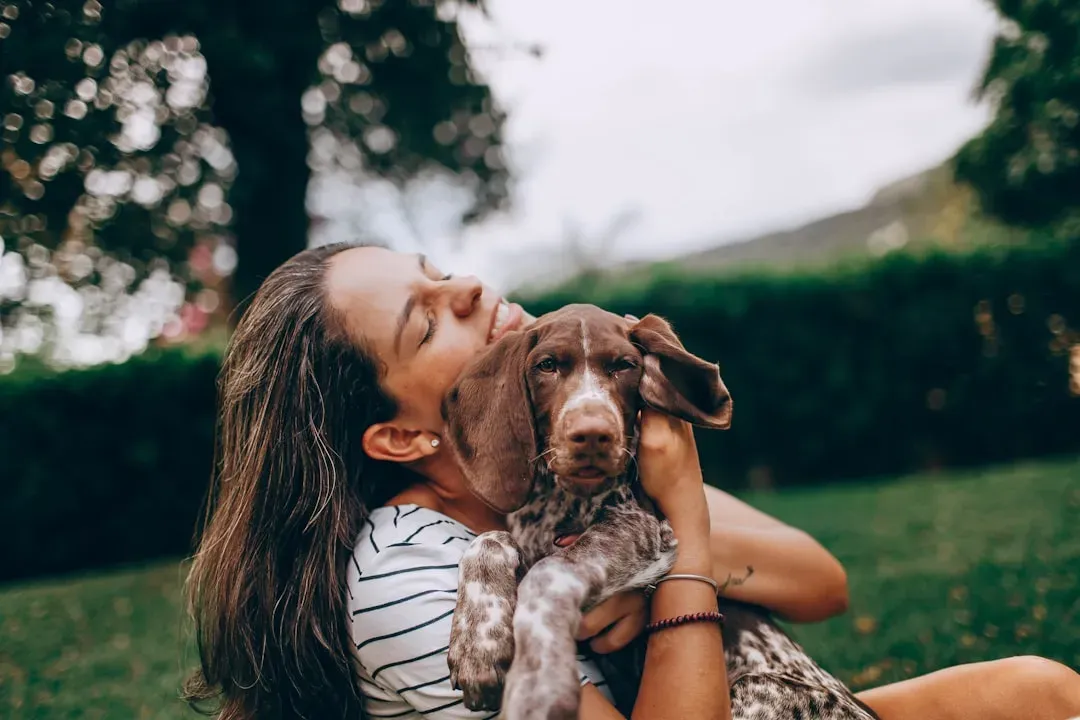
One of the most revealing ways to assess the emotional impact of training is to watch how a dog offers affection when nothing is being asked of it. Does your dog spontaneously come over, lean into your body, and stay a while? Or does it approach carefully, lick quickly, then retreat, as if checking in but not quite relaxing? Those tiny differences often speak louder than any cue performance.
Changes over time matter even more. A dog that used to flop across your lap but now prefers to lie a few feet away, or that stiffens slightly when you reach toward its collar, may be telling you that trust has slipped. If harsher training or “strong corrections” entered the picture around the same time, it is worth considering that your dog has started to weigh affection against the risk of being wrong.
What Positive, Fear-Free Training Builds Instead
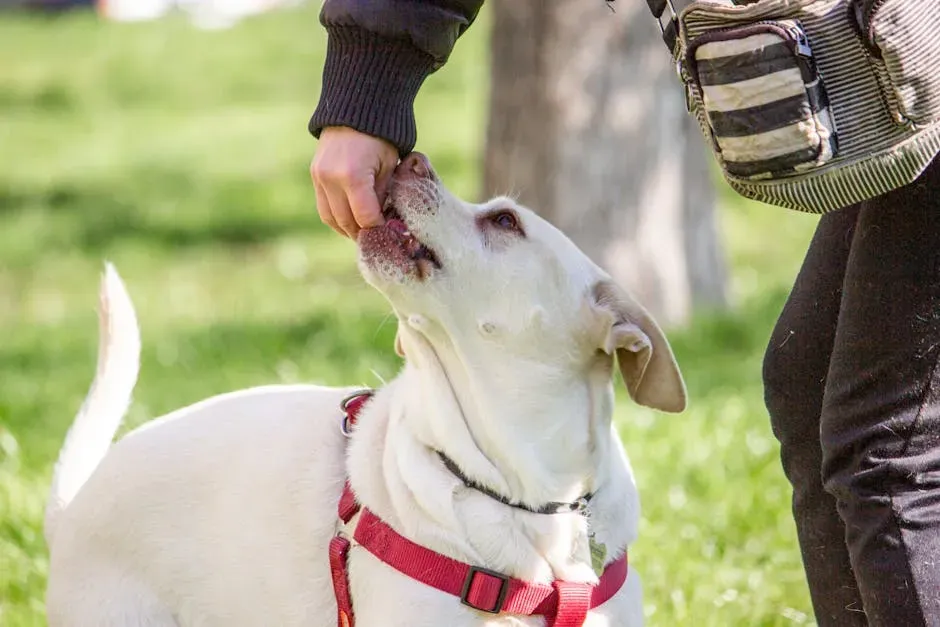
On the flip side, training that avoids fear and pain focuses on reinforcement, clear communication, and management of difficult situations so the dog does not get overwhelmed. This style of teaching activates curiosity and problem-solving rather than panic. Dogs learn that engaging with their person leads to good outcomes, even when they are unsure, so they keep offering behaviors and seeking connection.
Over time, this builds a feedback loop of trust: the dog tries, the human guides, success is rewarded, and both species feel safer together. Affection in these relationships tends to be loose and plentiful, sometimes even hilariously over-the-top. The dog is not rationing love or testing the waters before approaching; it moves through life with its person as a safe harbor, not a potential storm.
Can Dogs Recover Their Ability to Love Freely?
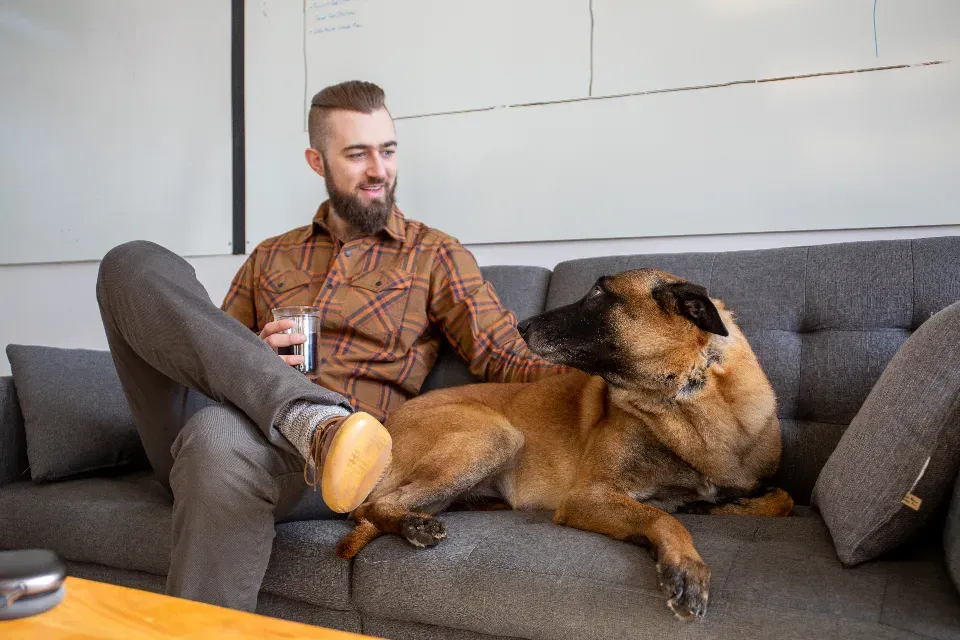
The hopeful news is that many dogs who have been trained through fear can regain a lot of their emotional openness. The brain is adaptive, and when the environment shifts from unpredictable corrections to consistent, kind guidance, the dog gradually updates its expectations. Fear pathways do not vanish overnight, but new experiences of safety can start to take the lead.
In practice, this often looks like slow but powerful changes: the first time a shut-down dog initiates play, the first relaxed sigh against your chest, the first time it chooses you over the corner of the room when startled. Patience, predictable routines, and reward-based training can help rebuild the sense that affection is safe, not risky. It is less about “fixing” the dog and more about proving, over and over, that the world is no longer something to brace against.
Conclusion: Training Is Not Just About Control, It Is About the Relationship
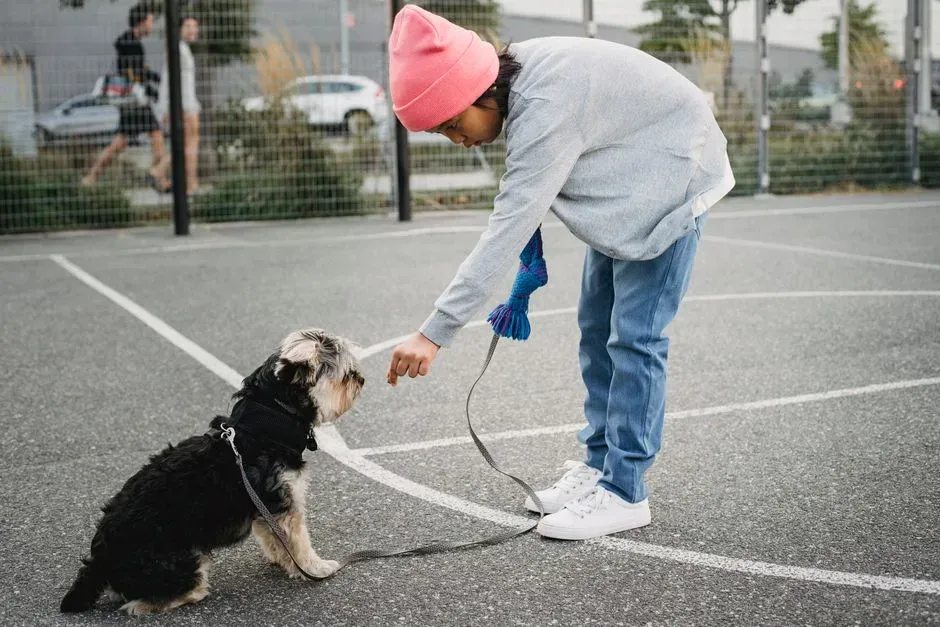
At the end of the day, the question is not whether fear-based training can stop a behavior; it is whether you are willing to trade away your dog’s emotional freedom to get it. When love starts to look cautious, stiff, or apologetic, that is not a personality quirk, it is a psychological red flag. Dogs do not stop offering affection freely because they are stubborn or dramatic. They pull back when the person they adore becomes a source of uncertainty or fear.
Choosing methods that protect your dog’s sense of safety is not being soft or indulgent; it is taking responsibility for the power you hold over a creature that cannot opt out. The more we understand about canine psychology, the clearer it becomes that how we train shapes how our dogs feel about loving us, not just how fast they sit or stay. If your dog could choose between obeying you out of fear or leaning into you with all the goofy, unfiltered affection it has, which version of that relationship would you really want to come home to every day?


