
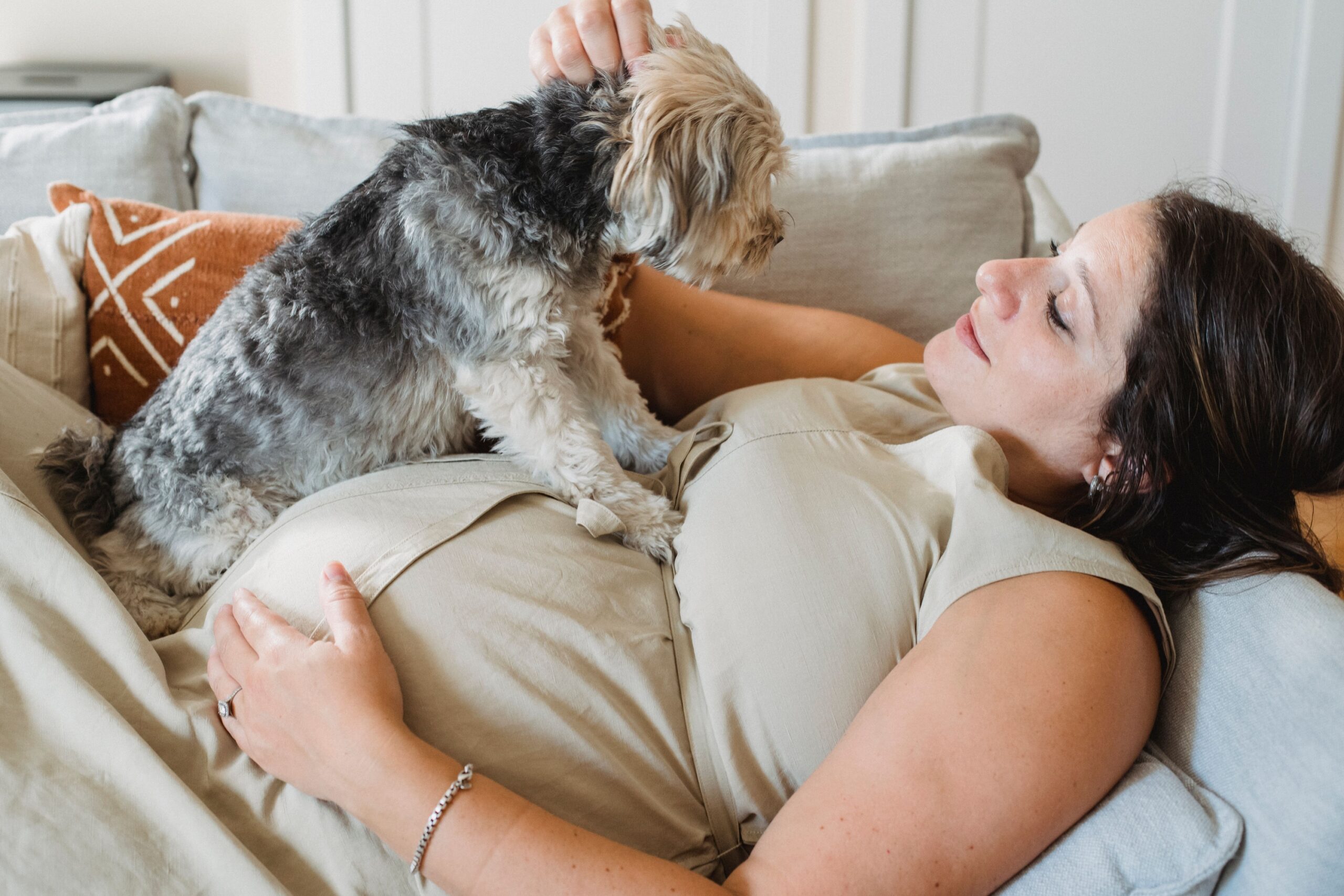
If you live with a dog, you’ve probably had that eerie moment where they react to something you didn’t hear, see, or even sense yet. One second everything feels normal, the next your dog is staring at the door, tilting their head, or trotting over to comfort you before you’ve said a word. It can feel almost supernatural, but the truth is even cooler: your dog’s world is built on senses and instincts that are far sharper than ours.
Once you understand what they’re picking up, their “weird” behavior suddenly makes a lot of sense. From changes in your mood to shifts in the weather, your dog is constantly taking in information and making judgments faster than you are. Let’s dig into 15 surprisingly smart – and what that says about the quiet, powerful bond between you.
1. Tiny Shifts in Your Mood and Energy
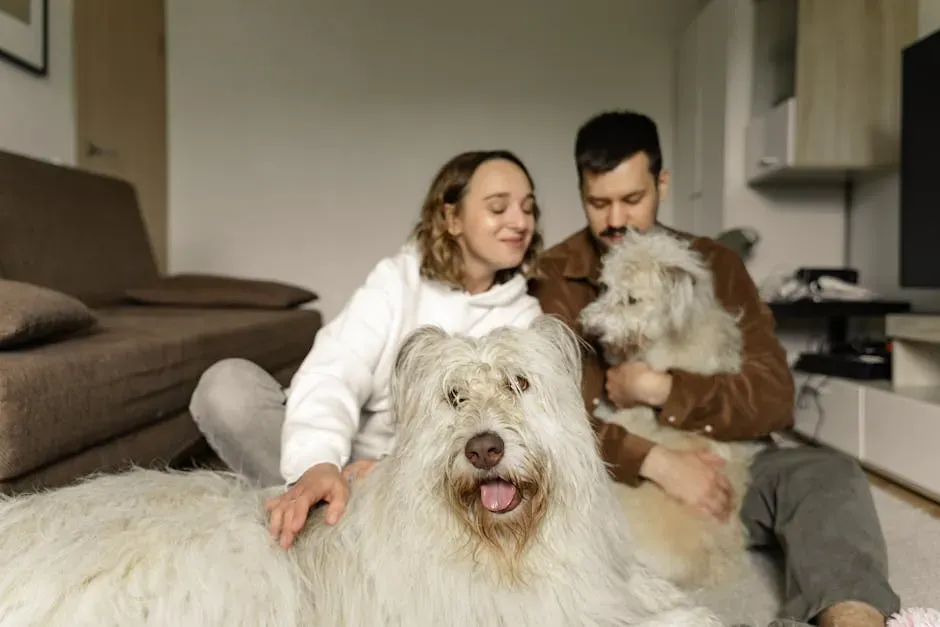
Have you ever walked in the door after a rough day and your dog just… knows? Before you say anything, they may approach you more gently, lean on you, or simply sit nearby instead of bouncing around like usual. Dogs are extremely tuned in to your micro-expressions, your posture, the speed of your movements, and even how you’re breathing.
On top of that, your emotional state can subtly change your scent and body language in ways you don’t notice. When you’re stressed or sad, your muscles tense differently, you move in a more guarded way, and your breathing pattern shifts. Your dog reads those clues like a living mood detector, often noticing the shift before you consciously admit to yourself that something is wrong.
2. When You’re About to Get Sick

Many dogs become extra clingy or oddly observant in the day or two before you come down with a cold, migraine, or other illness. You might chalk it up to coincidence, but there’s real biology behind this. Changes in body temperature, breathing patterns, and subtle shifts in movement can all be early signs your body is fighting something, and your dog is quick to register them.
There’s also growing evidence that dogs can detect changes in human body odor related to illness long before we feel truly unwell. Your immune system ramps up, your metabolism changes, and those processes can alter your scent in tiny ways. While you just feel “a bit off,” your dog has already upgraded you to “needs monitoring” status and may stick closer to you like a furry little nurse.
3. Incoming Visitors Long Before the Doorbell
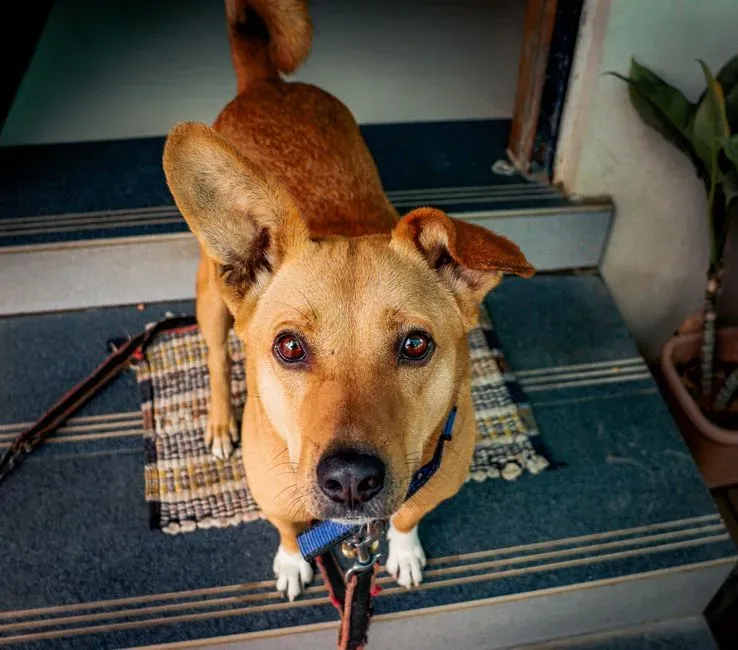
You know that moment when your dog bolts to the door and you haven’t heard a thing – and then thirty seconds later, there’s a knock? That’s not magic; that’s sensory superpowers. A dog’s hearing is sensitive to frequencies higher than what humans can detect, and they can hear familiar footsteps, car engines, or gate latches much farther away than you can.
On top of sound, they’re using smell. Your scent, your friends’ scents, even the delivery driver’s scent can cling to cars, clothes, and the air around them long before they’re in your line of sight. So while you’re still scrolling on your phone, your dog has already put two and two together: the familiar engine plus a faint whiff of that one friend means someone is almost at the door.
4. Changes in the Weather and Air Pressure

Plenty of dog owners swear their pups can predict storms, and there’s good science behind that idea. Dogs are sensitive to changes in barometric pressure, humidity, and static electricity in the air. Before you notice the sky darkening, your dog may already feel that something in the atmosphere has shifted dramatically.
This is why some dogs start pacing, panting, or hiding well before a thunderstorm or heavy rain hits. They might also pick up the low-frequency rumble of thunder that’s too distant for you to hear yet. So while you’re still debating whether you need an umbrella, your dog has already filed the situation under: “Loud sky is coming, stay close to the humans.”
5. The Exact Time of Your Daily Routines

If you think your dog can tell time, in a weird way, you’re not wrong. Dogs do not read clocks, obviously, but they’re incredibly good at using patterns in light, sound, and household rhythms to anticipate what happens next. The angle of the sun, the sounds of neighbors coming and going, and your own daily habits form a timeline in your dog’s mind.
So when it’s “walk o’clock” or “they usually come home now,” your dog often heads to the door or starts getting excited without seeing any direct cue from you. They may even wake up from a nap at nearly the same time every day, ready for dinner, as if nature installed an internal alarm clock. In reality, they’re just master pattern readers, paying closer attention to your schedule than you probably do.
6. Your Stress Levels and Anxiety Spikes
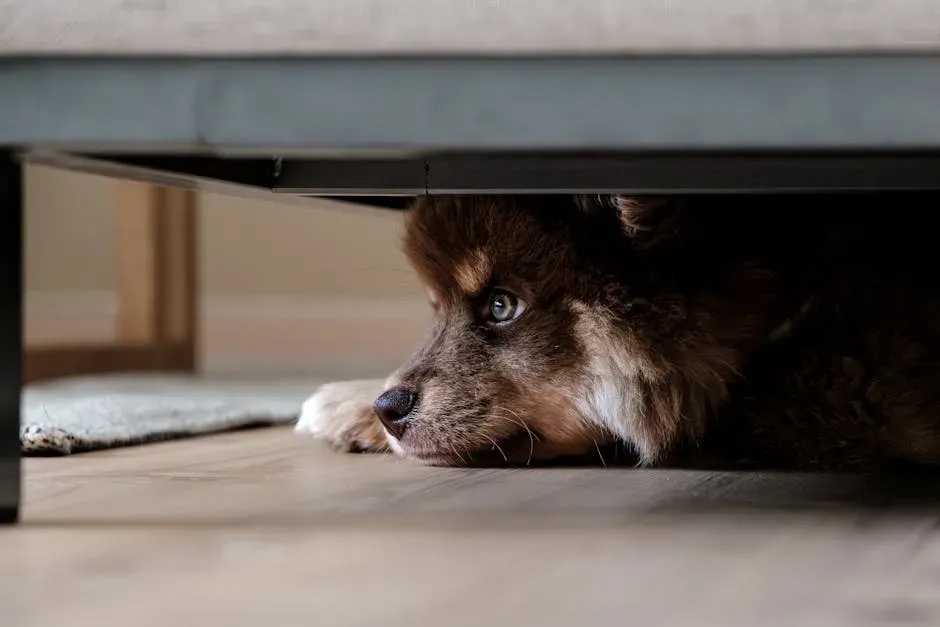
Your dog often knows you’re stressing out before you consciously admit it. Stress hormones like cortisol can subtly affect your body odor, and dogs are incredibly adept at detecting those changes. That’s part of why many people find their dogs glued to them during tense phone calls, arguments, or high-pressure work moments.
Beyond smell, dogs read tension in your muscles, how you hold your shoulders, and how quickly you move or talk. Even if you tell yourself you’re “fine,” your dog recognizes that faster walking, clipped speech, or restless fidgeting as a sign something is off. Many emotional support and service dogs are trained to use those early signals to interrupt anxiety episodes before they peak, but even family pets do this instinctively to some extent.
7. Other Animals Long Before You See Them

Your dog goes rigid on a walk, tail alert, staring into the distance – and you see absolutely nothing. Then, half a minute later, a squirrel, cat, or another dog appears. Their hearing and smell are doing the heavy lifting here. They can hear the rustle of a small animal in the bushes and catch its scent on the wind long before your eyes find it.
Even in your home, dogs may react to wildlife outside you never notice: a raccoon by the garbage, birds on the roof, or a cat slinking along the fence. To you, the backyard looks empty. To your dog, it’s a living, moving map of scents and sounds, filled with characters coming and going like a quiet soap opera.
8. Subtle Changes in Your Body Language Toward Others

Dogs are surprisingly good at picking up on who you like, who you tolerate, and who makes you tense, even if you think you’re being polite. Your dog watches the way you lean in toward certain people, how relaxed your shoulders are, and whether your voice goes softer or tighter. They can notice the micro-moments when you stiffen or pull back from someone a split second after they enter your space.
This is why some dogs seem to “dislike” certain people even when that person has never done anything to them. They’re not reading the person in isolation, they’re reading them through your reactions. If you’re skeptical, think about a time you didn’t quite trust someone but couldn’t explain why, and noticed your dog hanging closer to you or positioning themselves between you and that person. To a dog, your body is broadcasting way more information than your words.
9. Your Intentions Before You Move
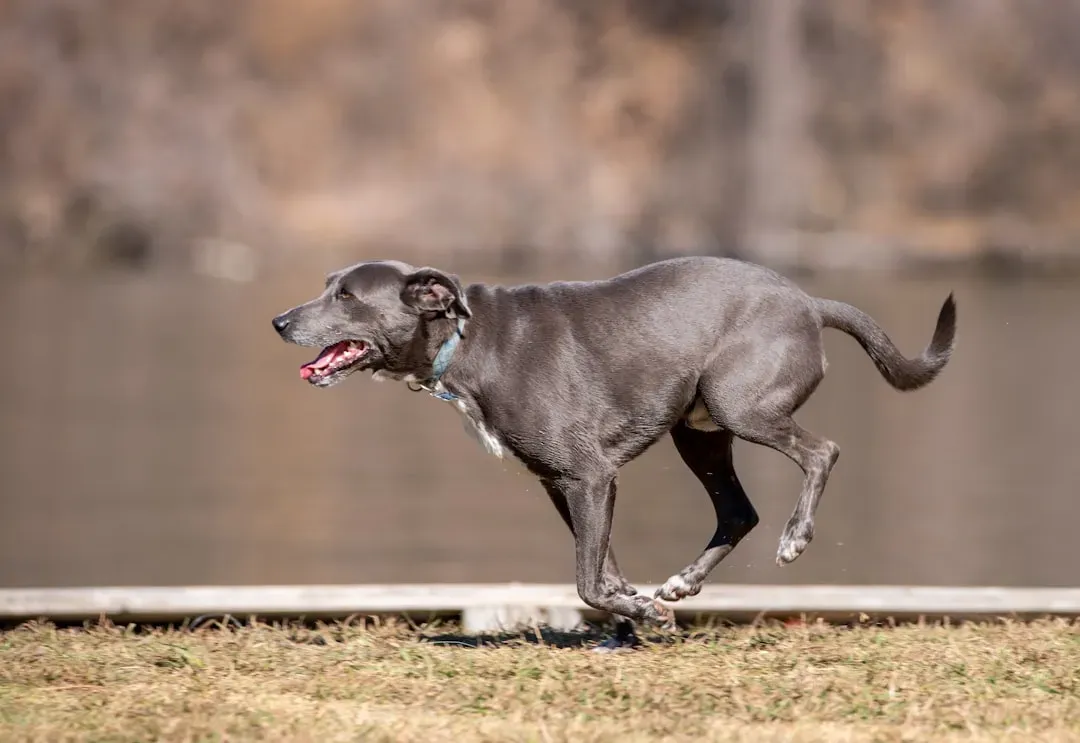
Ever stood up from the couch and watched your dog instantly know if you’re going to the kitchen, the bathroom, or getting the leash? They’re not psychic; they’re paying attention to tiny pre-movements that you don’t feel. The way you shift your weight, where your eyes glance, even how you exhale before standing can differ depending on what you plan to do.
Over time, your dog builds a mental database of these patterns. The “going to the fridge” move feels different from the “putting on shoes to leave” move, and both feel different from “getting the leash, best moment of the day.” That’s why your dog sometimes sprints to the door before you’ve even consciously decided you’re actually going for that walk. In their mind, you already told them with your body.
10. Subtle Household Changes You Might Ignore
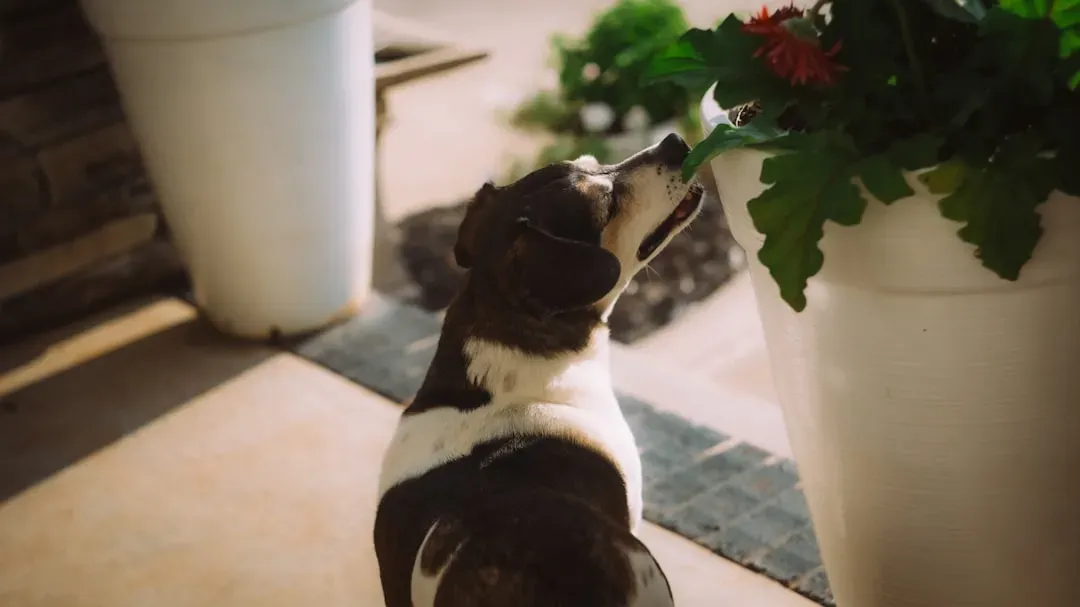
Dogs are often the first to pick up on tiny changes in their environment. A slightly open cabinet, a new object, a moved chair, or a faint drip under the sink can all grab their attention immediately. They live so close to the ground and rely so heavily on smell and sound that shifts in the home feel louder to them than to you.
You might notice your dog repeatedly sniffing one wall, listening intently toward a corner, or avoiding a particular spot they previously loved. Sometimes that is nothing more than a new scent or a bug. Other times it can be your first hint of something like a small leak, a mouse in the wall, or even a change in temperature from a draft. They pick up on the tiny disruptions in “how things usually are” long .
11. Early Signs of Your Own Pain or Injury

Many people notice their dog sniffing, licking, or gently nudging areas of their body before they realize something is wrong. Maybe your dog keeps focusing on your knee days before it starts hurting, or they nuzzle your hand near a small cut you hadn’t seen. In some cases, dogs have drawn attention to moles, infections, or internal pain areas that later turned out to be significant.
Again, smell is a major factor. Inflammation, infections, and other issues can all produce subtle changes in body odor or heat. Dogs are experts at detecting those alterations, especially if they spend a lot of time near you. While they obviously cannot diagnose you, their persistent interest in a certain spot can sometimes be an early red flag that something under the surface is changing.
12. Tiny Earth Vibrations and Distant Rumbles

There are many stories of dogs acting anxious or trying to leave buildings before earthquakes or loud distant events. While not every story can be perfectly explained, one likely factor is that dogs feel or hear low-frequency vibrations and rumbles long before humans do. Their hearing range includes lower frequencies that can travel through the ground and air ahead of the main event.
Even in everyday life, your dog can hear trains, heavy trucks, or construction well before that noise becomes obvious to you. To them, the world hums with low-level vibrations and distant sounds that act like early warning systems. That might mean pacing, whining, or sticking close to you when they sense something big is on its way, even if your human brain is still blissfully unaware.
13. Pregnancy and Hormonal Changes

A lot of people notice that dogs start behaving differently around someone who is pregnant, often well before the bump shows. They may become more protective, more gentle, or more obsessed with being near that person. Shifts in hormones during pregnancy can change body odor in subtle ways, and dogs are incredibly sensitive to those new scent signals.
Beyond smell, pregnant people often move a little differently, change routines, or breathe in a slightly different rhythm. Dogs weave all of that together, sometimes reacting with a level of fascination or protectiveness that feels almost uncanny. They may not understand pregnancy as a concept, but they know that something fundamental about that beloved human has changed, and they respond accordingly.
14. Your Grief or Sadness Before the Tears
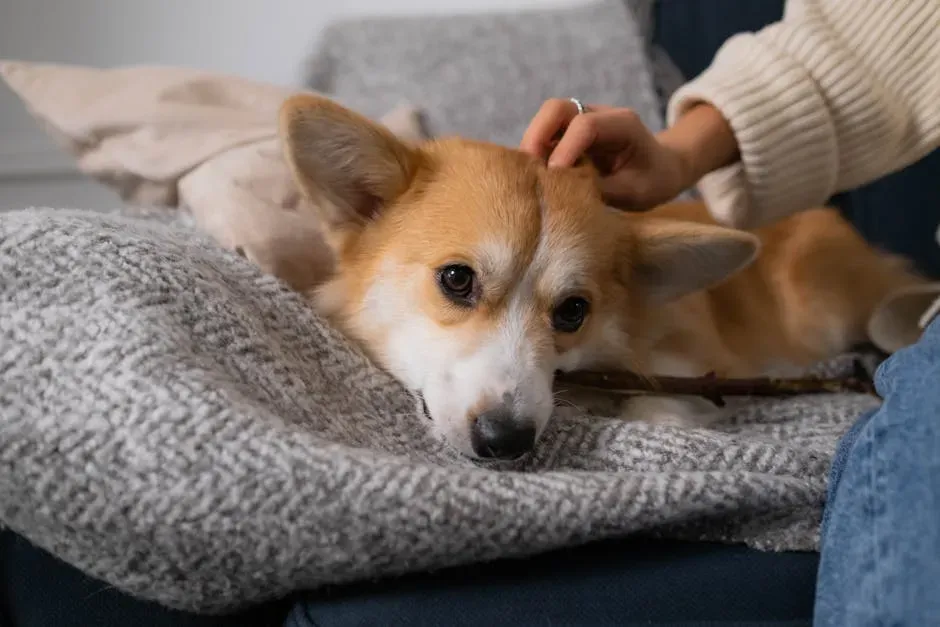
Dogs are often right there with you at the earliest hint of grief, sometimes before you’ve started to cry. The heaviness in your breathing, the tension in your chest and shoulders, and the way you move more slowly or quietly can all give you away. Dogs treat that mix of signs as a clear cue: their person is hurting and needs connection.
Many owners notice that their dog becomes calmer, lays a head on their lap, presses their body against them, or simply sits nearby with quiet presence during painful moments. They’re not “fixing” anything; they’re giving you regulation and grounding. Long before your friends get the full story or your voice cracks, your dog has already seen the storm inside you and chosen to sit with you through it.
15. When You’re About to Leave (And How Long You’ll Be Gone)

Your dog almost always knows when you’re about to leave, but they also often sense the difference between a quick errand and a longer absence. Grabbing keys is one cue, but dogs also notice what shoes you put on, whether you pick up a bag, how you move around the house, and even how you smell when you’re mentally shifting into “out in the world” mode.
Over time, they create mental patterns: the way you move before work versus before a casual walk, or the sounds you make before a trip versus a quick grocery run. That’s why some dogs get more distressed on certain mornings and stay relaxed at other times. From their perspective, you’ve already announced your plan in a language of movement, scent, and routine that they’ve been quietly studying for years.
Conclusion: Your Dog Is Paying Closer Attention Than You Think
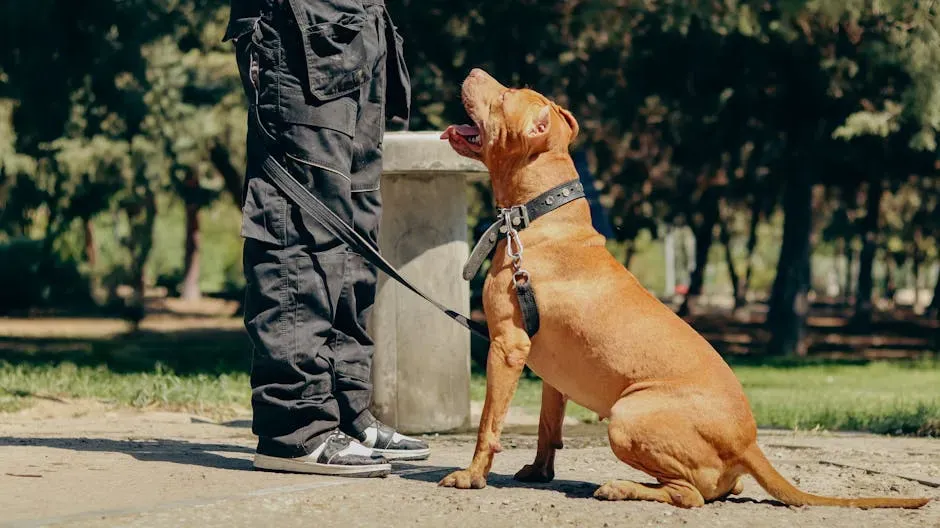
Living with a dog is like sharing a home with a silent scientist who is constantly running experiments on your life: observing, recording patterns, and predicting what comes next. They notice your stress before you call it stress, your illness before you call it sick, your visitors before you call them friends. We tend to see ourselves as the smart ones in the relationship, but in many moments, they’re a step ahead of us in ways we barely understand.
To me, that’s the real magic of dogs – not that they’re psychic, but that they’re endlessly, fiercely attentive to us. They are always listening, watching, and feeling, quietly translating the world into action: comfort, protection, excitement, or warning. The more we respect that, the more we can meet them halfway and respond to what they are trying so hard to show us. Next time your dog reacts to something “for no reason,” will you brush it off, or will you wonder what they’ve noticed that you haven’t yet?


