
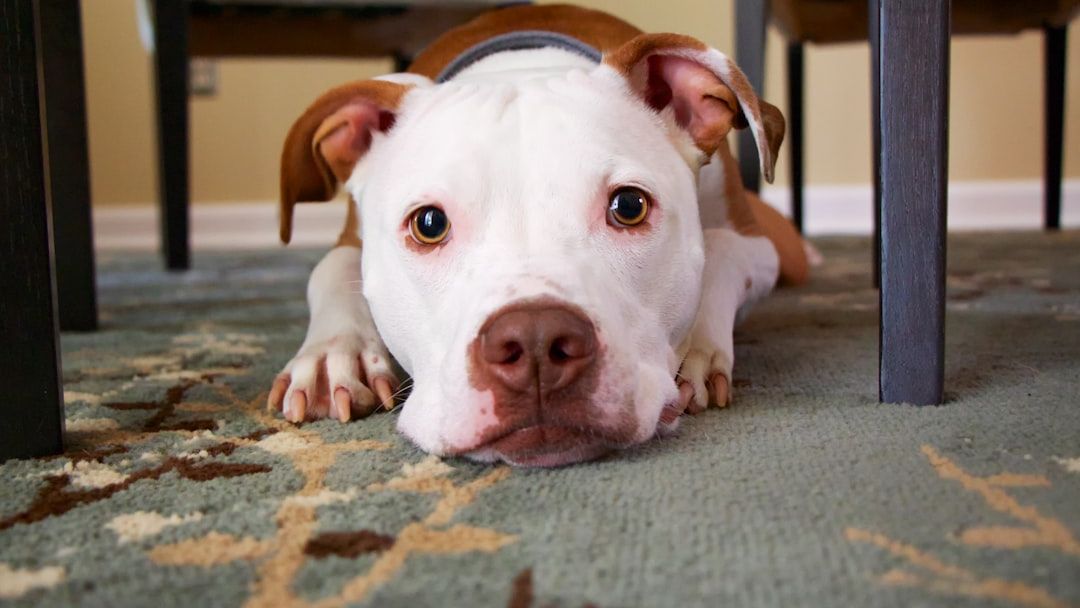
Old dogs often slip into their final chapter with little fanfare. The changes arrive quietly, folded into the routines you have shared for years, and they can be easy to overlook when life keeps moving at its usual pace.
These small shifts rarely announce themselves with drama. Instead they sit in the background, waiting for someone who knows the dog well enough to notice the difference between a normal slow day and something deeper.
Choosing isolated spots for rest
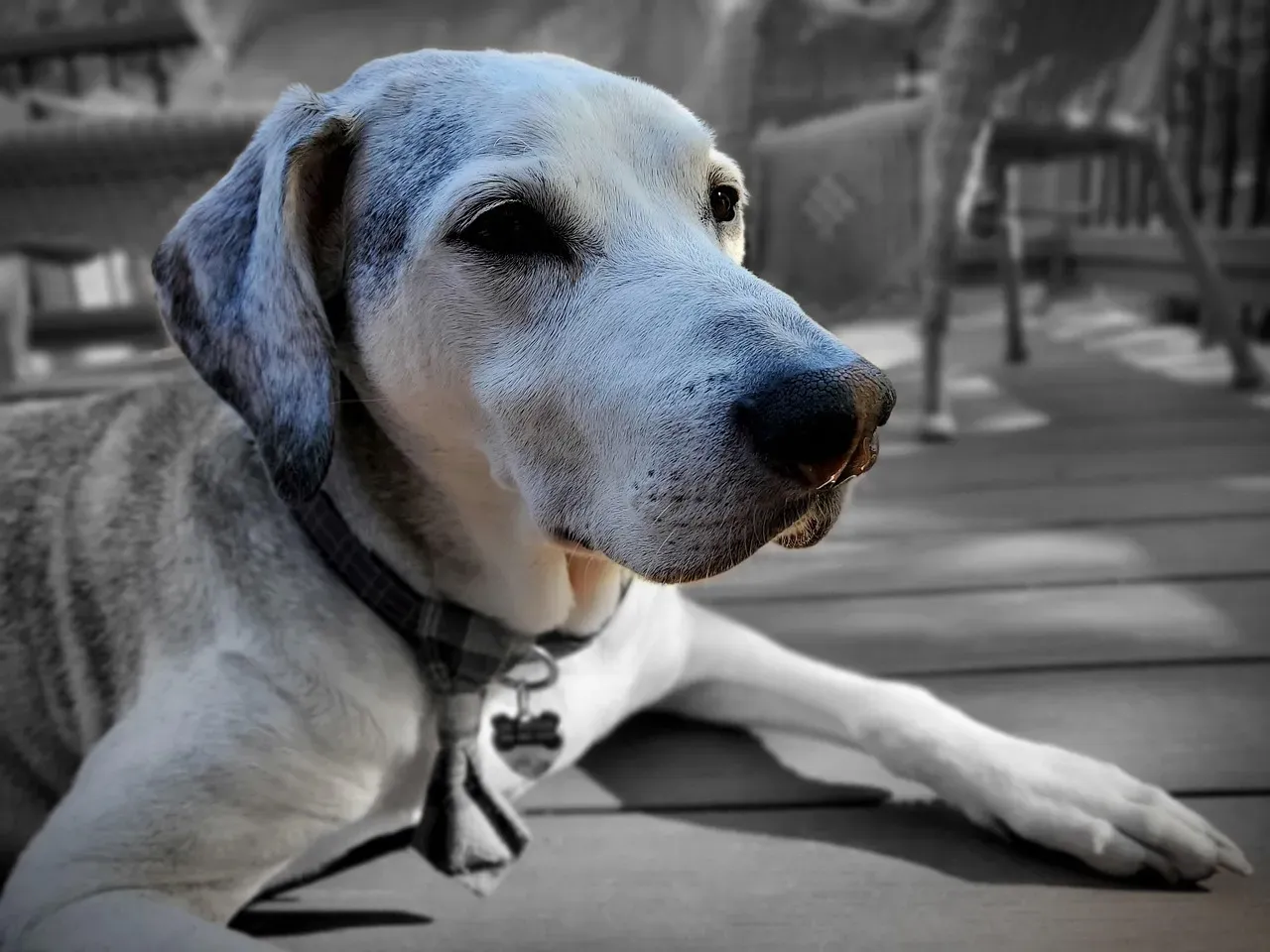
Many senior dogs begin to tuck themselves into corners or behind furniture where they once preferred open spaces near their people. This preference for solitude can develop gradually over weeks rather than appearing overnight.
The behavior often reflects a natural instinct to conserve energy and avoid overstimulation. Owners sometimes interpret it as simple tiredness until the pattern becomes consistent across several days.
Altering breathing in subtle rhythms
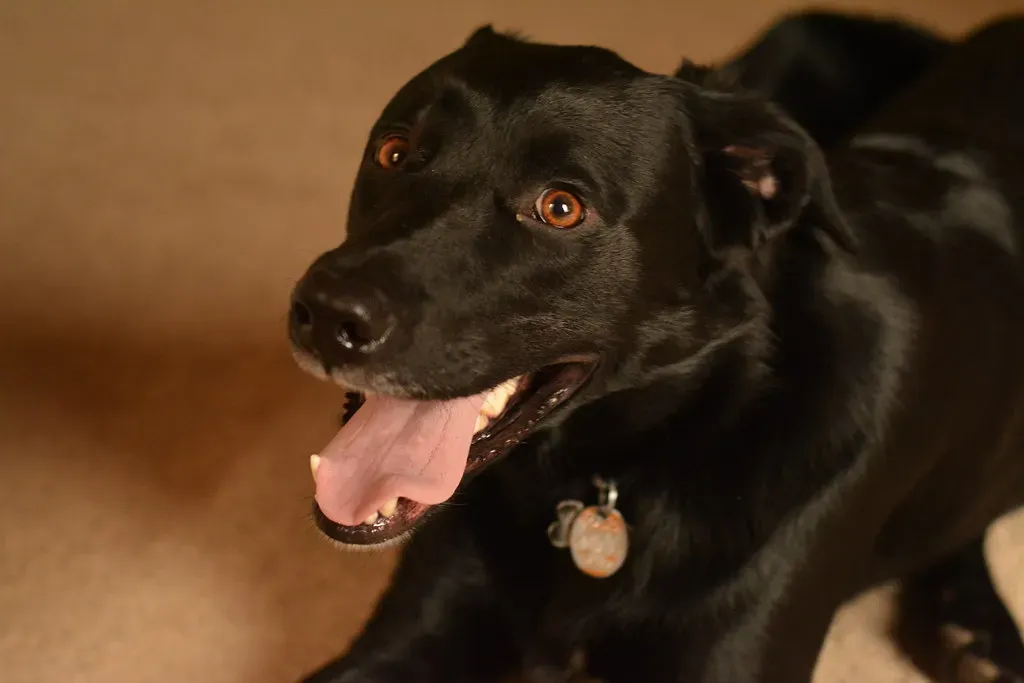
Breaths may grow shallower or slightly more rapid during quiet moments without any obvious exertion. These shifts tend to show up when the dog is lying still rather than during activity.
Listeners who pay close attention might notice longer pauses between breaths that were not present before. The change stays mild enough that casual observation often misses it entirely.
Showing faint disinterest in familiar scents
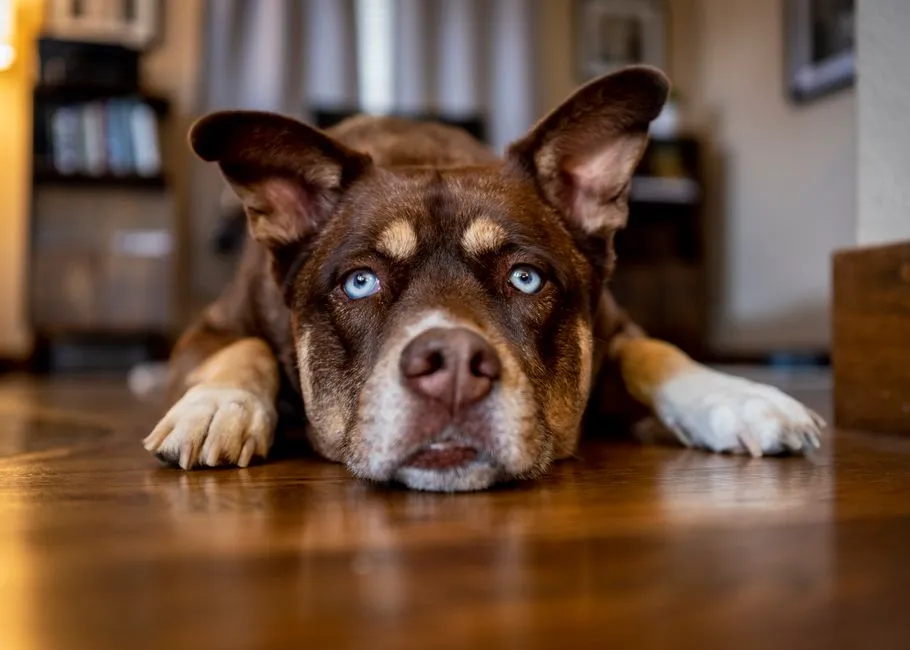
A once enthusiastic sniffer may pass by favorite outdoor spots or household items without the usual investigation. The nose still works, yet the drive to explore fades in small increments.
This quiet withdrawal from sensory engagement can signal declining energy rather than a sudden loss of smell. Families frequently chalk it up to age until other signs accumulate.
Adjusting greeting rituals at the door
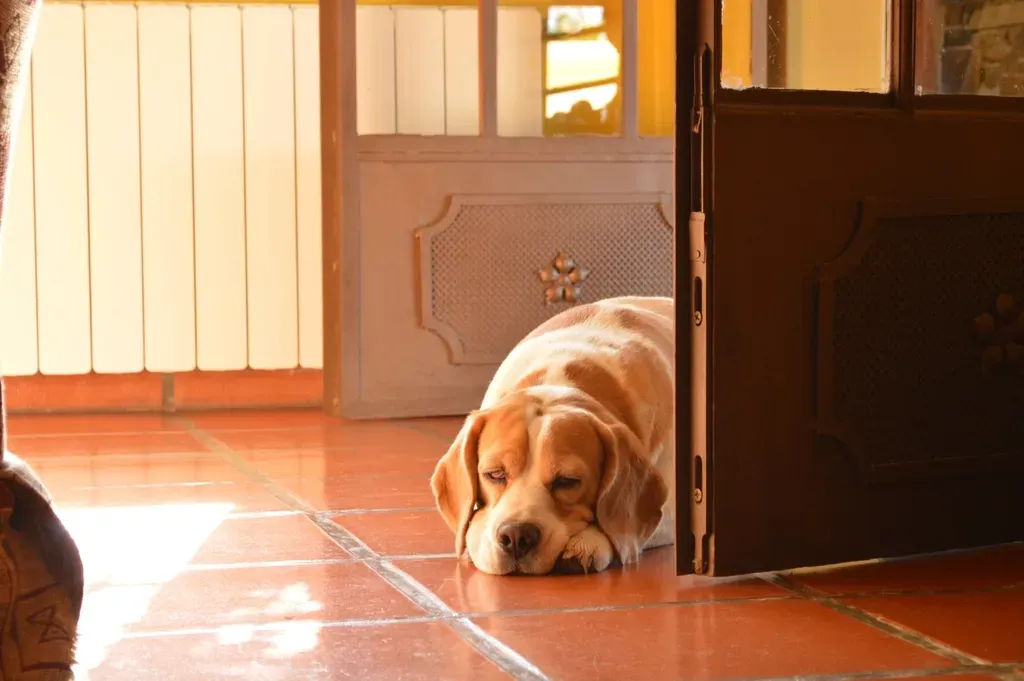
The tail might give only a single slow wag instead of the full enthusiastic swing that used to greet arrivals. Eyes may stay half closed or the head may remain resting on paws longer than usual.
These muted welcomes replace the former rush to the door or excited vocalizations. The difference feels small in the moment yet marks a steady decline in overall vitality.
Staring at empty spaces for extended periods
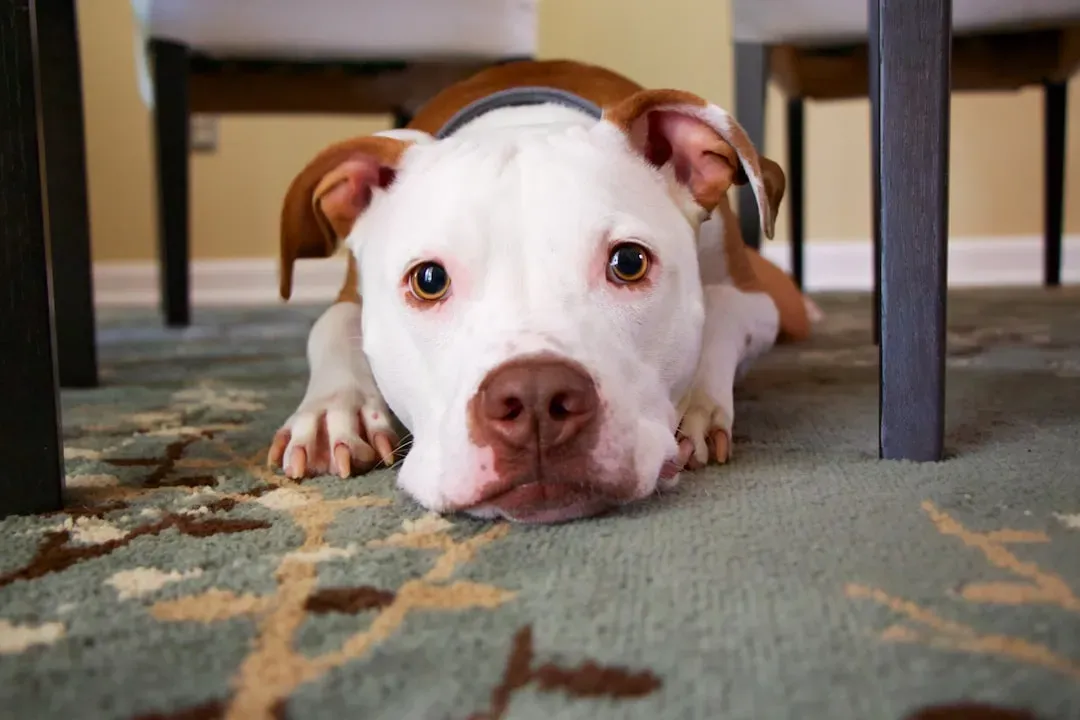
Dogs sometimes fix their gaze on a blank wall or corner for minutes at a time without reacting to nearby movement. The stare lacks the alertness that once accompanied watching for squirrels or family members.
Such moments of apparent daydreaming increase as cognitive changes progress. They pass without fuss, leaving owners to wonder later if anything unusual occurred.
Responding less to household sounds
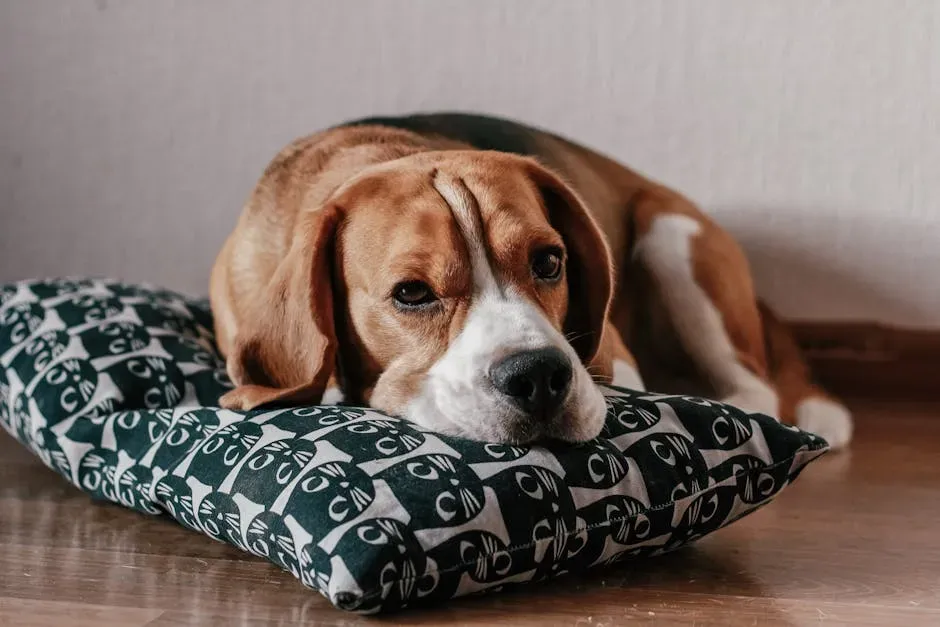
The click of a treat jar or the jingle of keys may no longer prompt the quick head lift it once did. Reactions become delayed or absent even when the noise repeats.
Hearing remains intact in many cases, yet the motivation to investigate diminishes. This selective inattention blends easily into the background of daily life.
Favoring one side during movement
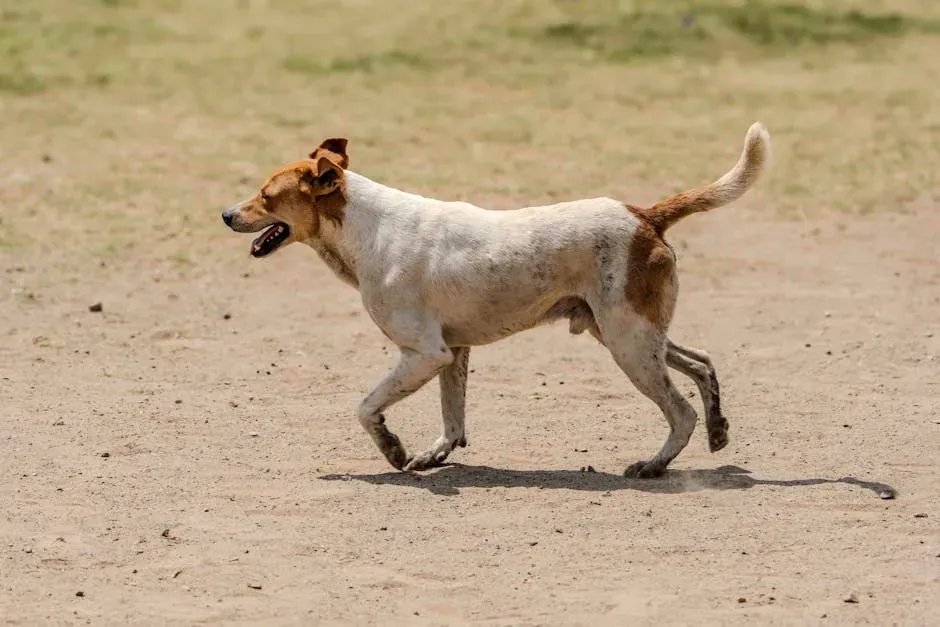
A slight lean or slower step on one side can appear during short walks around the house. The imbalance stays minor and does not always produce an obvious limp.
Owners may notice the dog choosing routes that avoid stairs or uneven surfaces without realizing the underlying discomfort. The adjustment feels like simple caution until viewed over time.
Shifting sleep positions more frequently
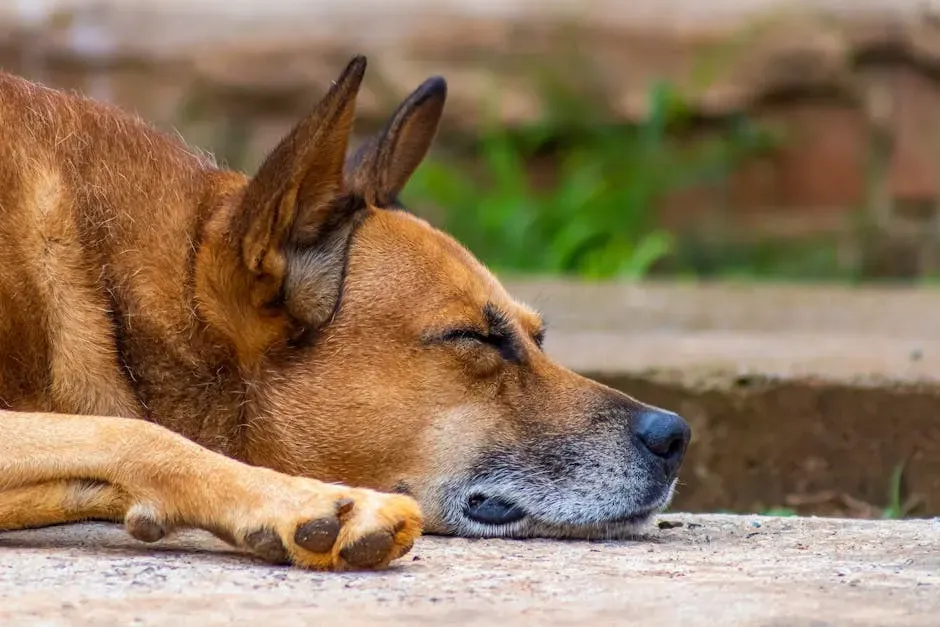
Nights bring repeated small adjustments from side to side or from curled to stretched postures. These movements occur without the deep rest that once lasted for hours.
The dog may settle in one spot only to rise again within minutes for another brief repositioning. The pattern disrupts sleep quality in ways that remain invisible during daylight hours.
Reducing interactions with other household pets
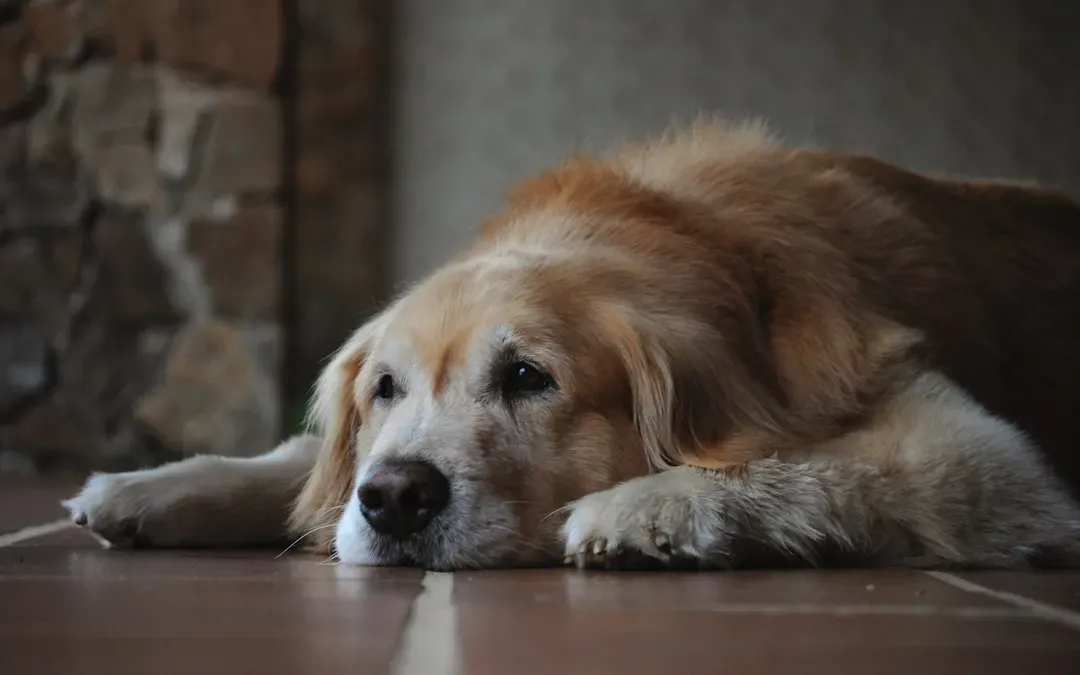
Play invitations from younger animals receive less engagement or are ignored altogether. The senior dog may simply turn away or move to another room rather than engage.
This withdrawal happens without growling or conflict, making it easy to miss amid normal household activity. Energy reserves appear directed inward instead of toward social exchanges.
Taking smaller sips of water throughout the day
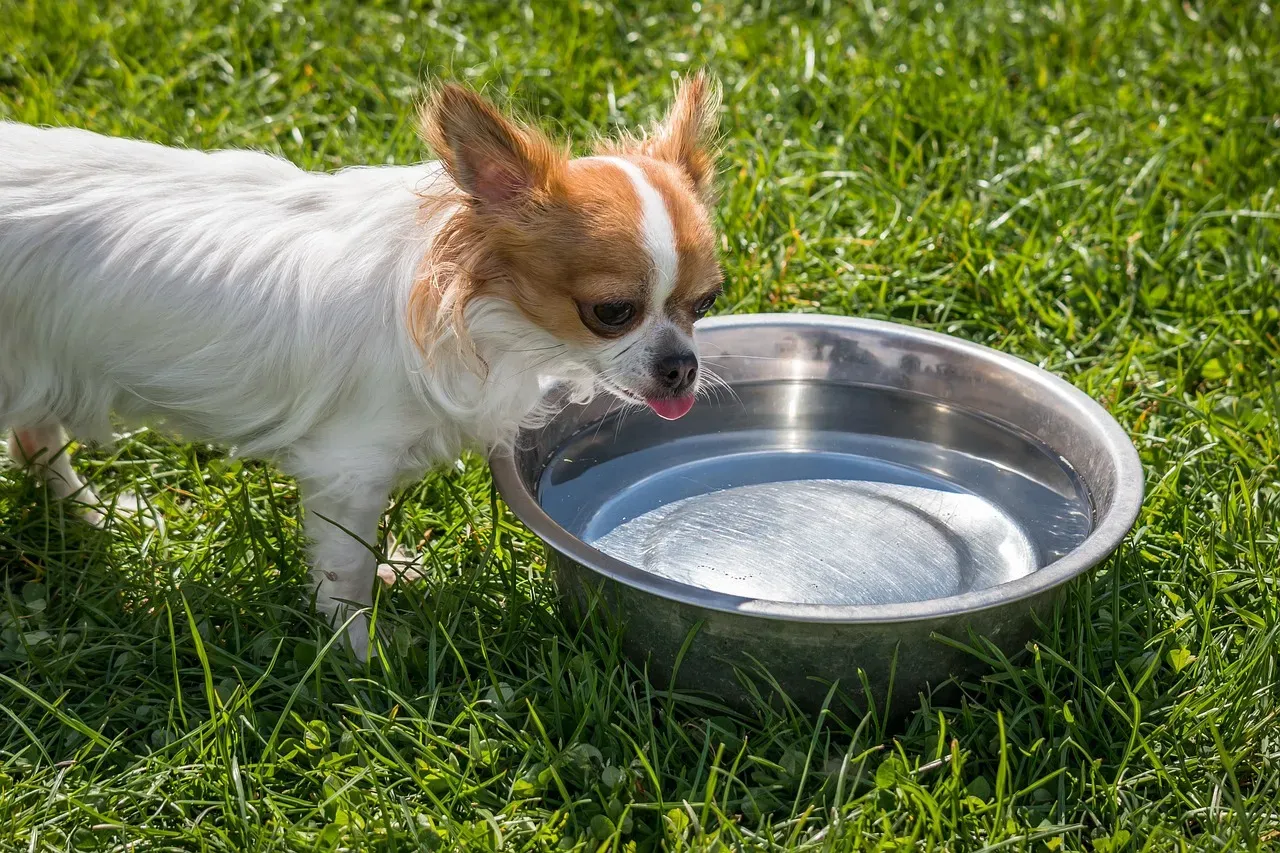
Bowls empty more slowly even though the dog still visits them regularly. Each drink becomes a brief, measured action rather than the enthusiastic lapping of earlier years.
Dehydration risk rises quietly when intake drops in tiny increments. The change often goes unnoticed until a vet visit reveals concentrated urine or other indicators.
Displaying minimal tail movement during calm moments
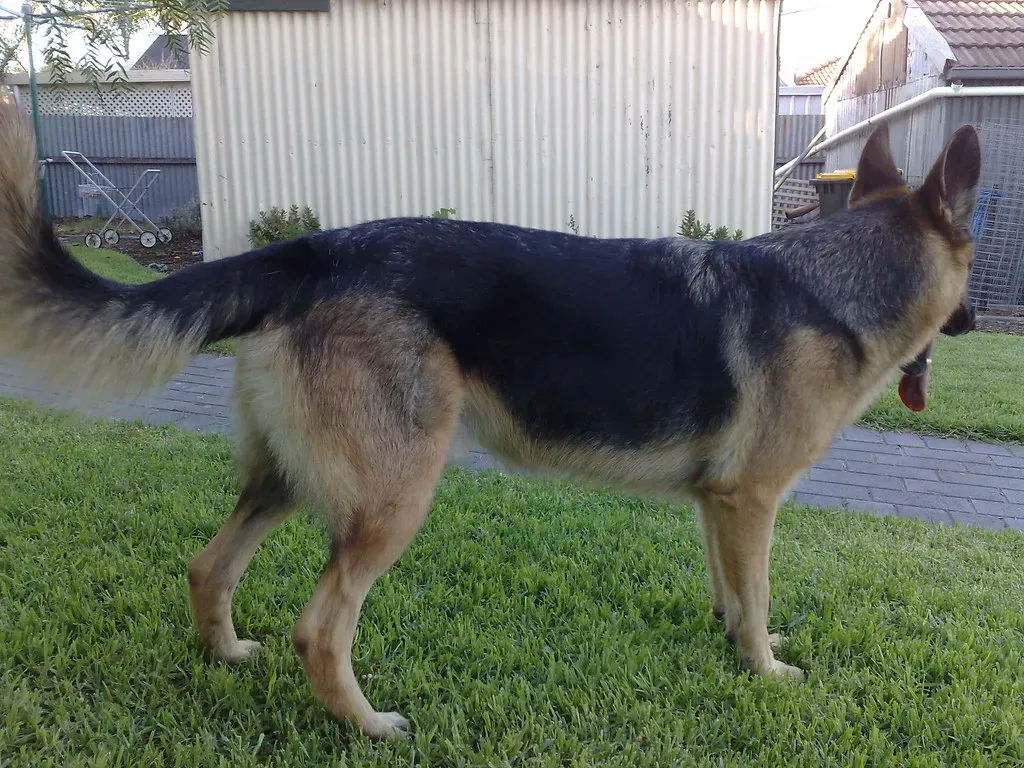
The tail rests lower and stays still even when familiar people enter the room. Occasional gentle thumps replace the sweeping motions that once signaled contentment.
This reduced expressiveness reflects both physical comfort and emotional state. It registers as a quiet detail rather than an obvious signal of distress.
Seeking warmer surfaces more consistently
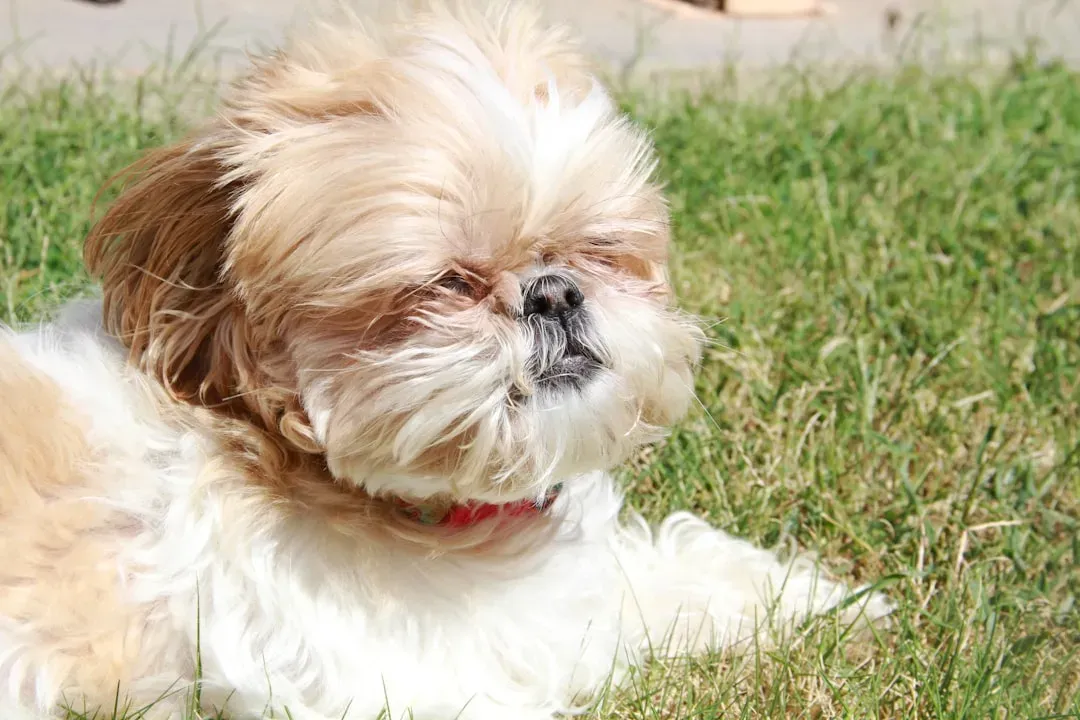
Sunny patches on the floor or heated blankets become preferred resting places even on mild days. The dog may linger longer in these spots than before.
Body temperature regulation can shift with age and illness, prompting this instinctive search for extra warmth. The preference develops without complaint or dramatic behavior.
Showing slower responses to name calls
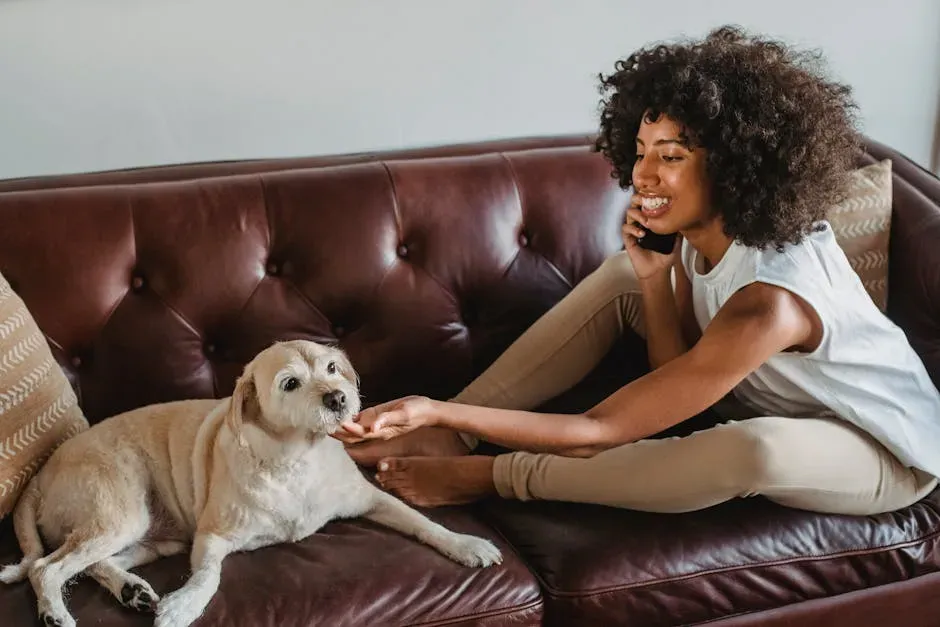
A spoken name may require repetition before the dog turns its head or acknowledges the voice. The delay stays brief yet noticeable to those attuned to the usual quick reaction.
Cognitive processing slows in subtle ways that do not prevent eventual response. Families often adapt by calling louder or closer without realizing the underlying change.
Leaving toys untouched for longer stretches
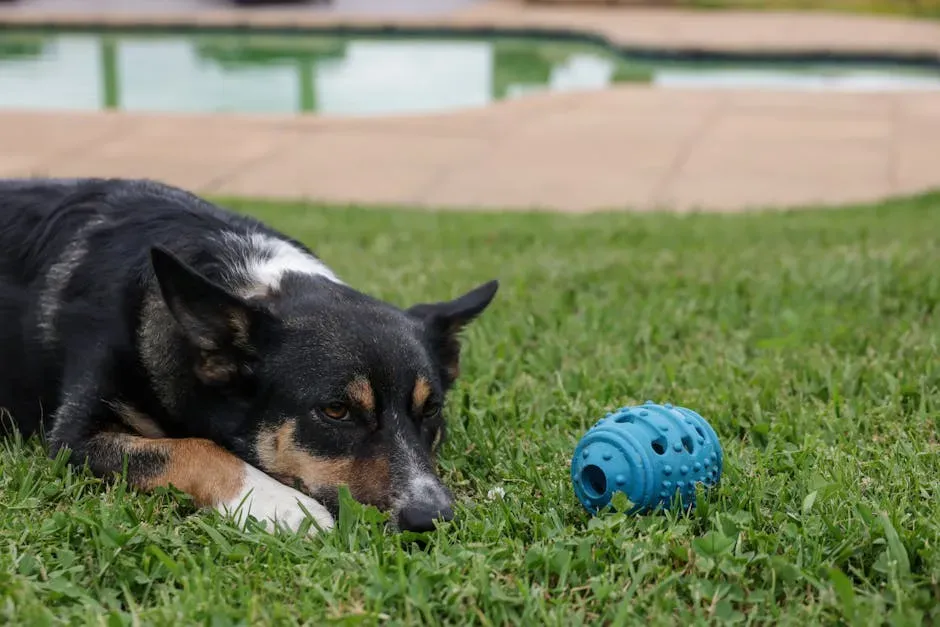
Favorite chew items or soft toys remain in their usual spots day after day. The dog may walk past them without the brief nudge or carry that once occurred.
Interest fades gradually rather than disappearing in a single afternoon. The absence of play attempts blends into the slower pace of senior life.
Exhibiting nighttime pacing in short bursts
Restless loops around a single room or hallway appear during hours when the house is quiet. The movement stays contained and lacks the frantic quality of earlier anxiety.
These episodes often resolve on their own after a few minutes. Owners sleeping nearby may register only faint sounds rather than full awareness of the pattern.
Offering brief, gentle leans against familiar legs
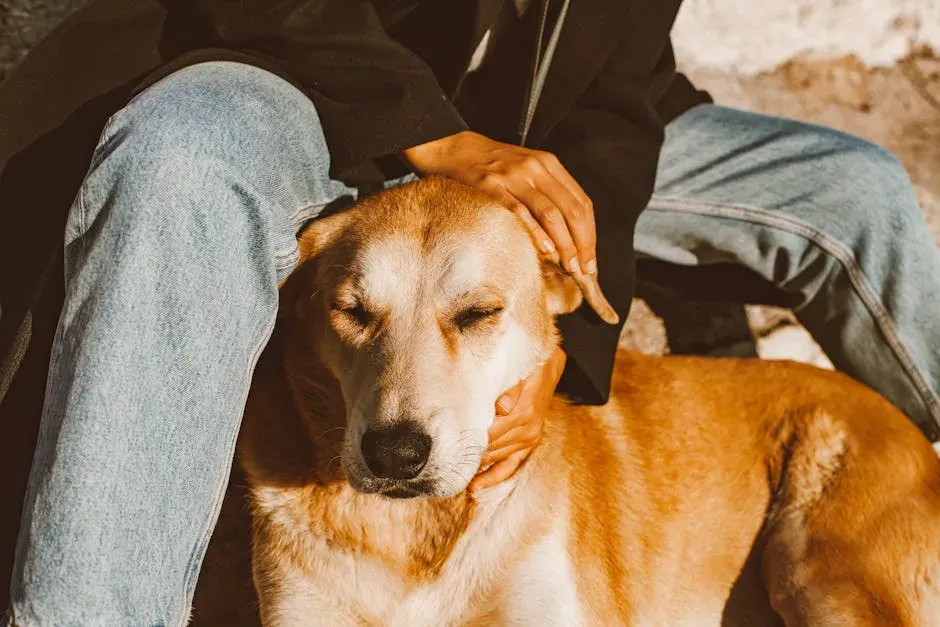
Light contact against a person’s calf or thigh replaces more vigorous affection displays. The gesture lasts only seconds yet carries a quiet request for closeness.
Such moments can feel like ordinary affection until their frequency and gentleness stand out against earlier habits. They represent one of the final ways the dog reaches out.
Paying attention to these quiet signals can deepen the final weeks or months you share. Small observations turn ordinary days into opportunities for extra comfort and presence.
Every dog writes its own ending, yet the language remains consistent enough that attentive eyes can read it. The reward lies in meeting those needs before they grow louder.


