
18 Tiny Daily Routines a Dog Keeps Up for Years Even After the Reason Disappears Entirely
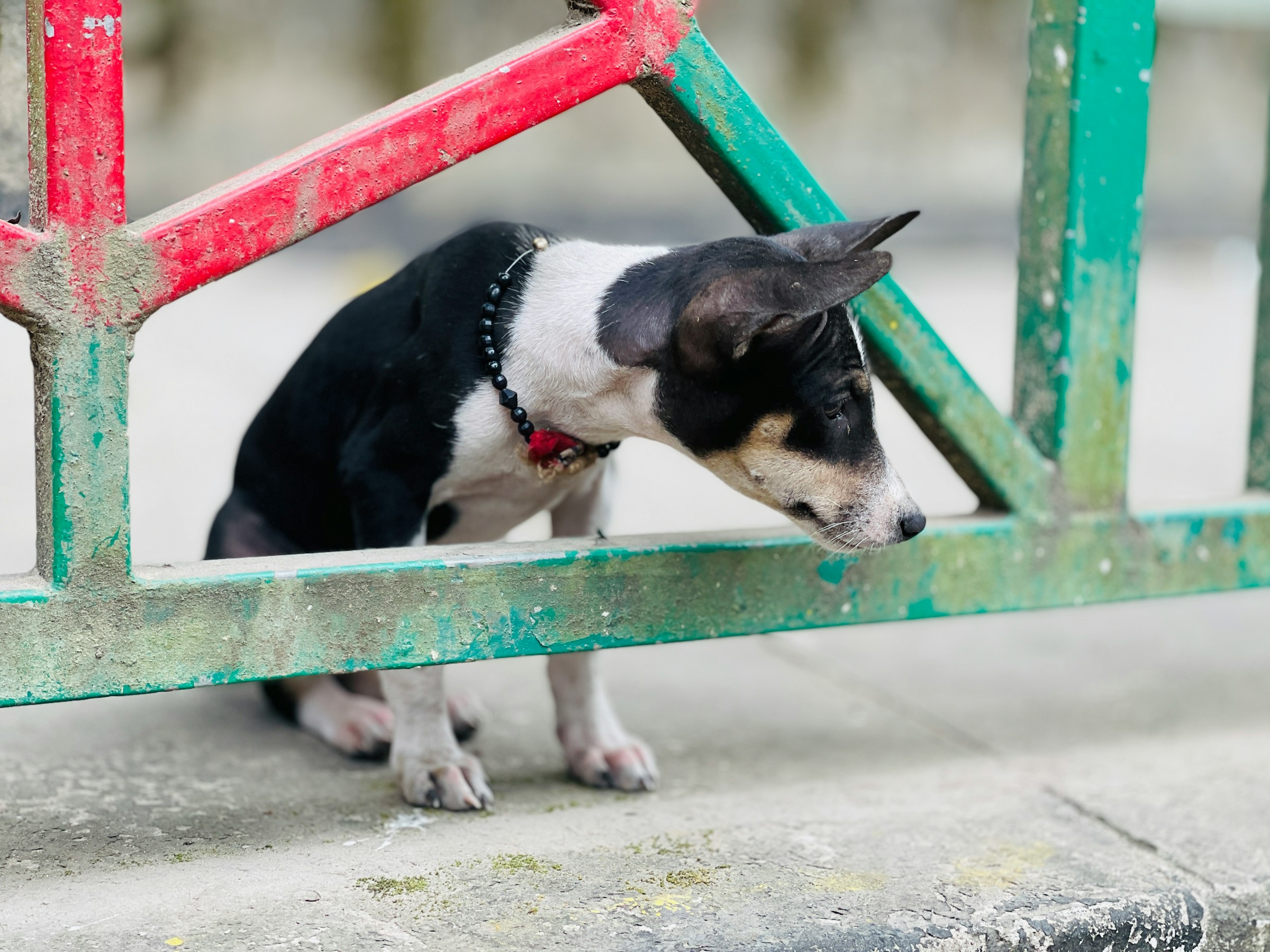
You’ve probably heard the line before: dogs live entirely in the present, no memory of yesterday, no worry about tomorrow. It sounds comforting. It’s also not quite true.
Watch a dog long enough – years, not days – and you start noticing something stranger. The truck that used to pull into the driveway hasn’t existed in a decade, but your dog still lifts its head at that exact hour. The sibling dog passed away years ago, but the sniffing at an empty bed never stopped. These aren’t accidents or coincidences. They’re wired-in scripts, and once a dog writes one into its day, it can keep running for the rest of that dog’s life – reason or no reason.
Below are 18 of these quietly heartbreaking, sometimes very funny routines – the ones behaviorists and long-time owners keep seeing, again and again, long after the “why” has completely vanished.
#1 – Waiting at the Door for Someone Who No Longer Comes Home
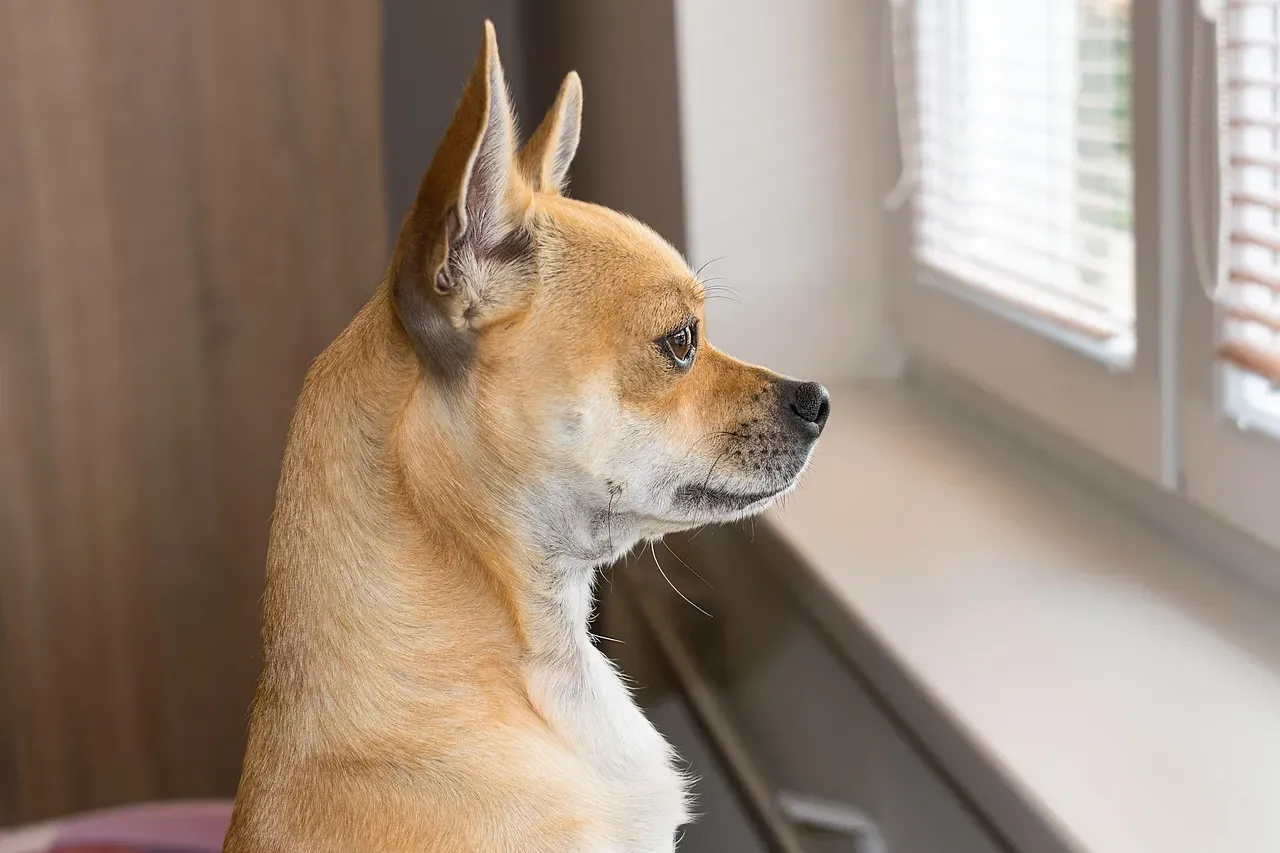
Many owners quietly admit this one: the dog still waits at the door for a person who moved out, or passed away. At the old arrival time – 5:30 p.m., 9 p.m., whatever it was – something flips on like an internal alarm. The dog wanders to the door or window, sits or lies down, and just waits.
Even if that person hasn’t crossed the threshold in years, the ritual can stay locked in. Dogs bind time, sound, and smell together into one memory, and those links don’t auto-delete just because life changed. Some owners can shrink the vigil from twenty minutes to a quick glance with distraction and new routines – but for a lot of dogs, it never fully disappears, even after a move to a brand-new front door.
#2 – Visiting the Empty Food Bowl at the Old Mealtime
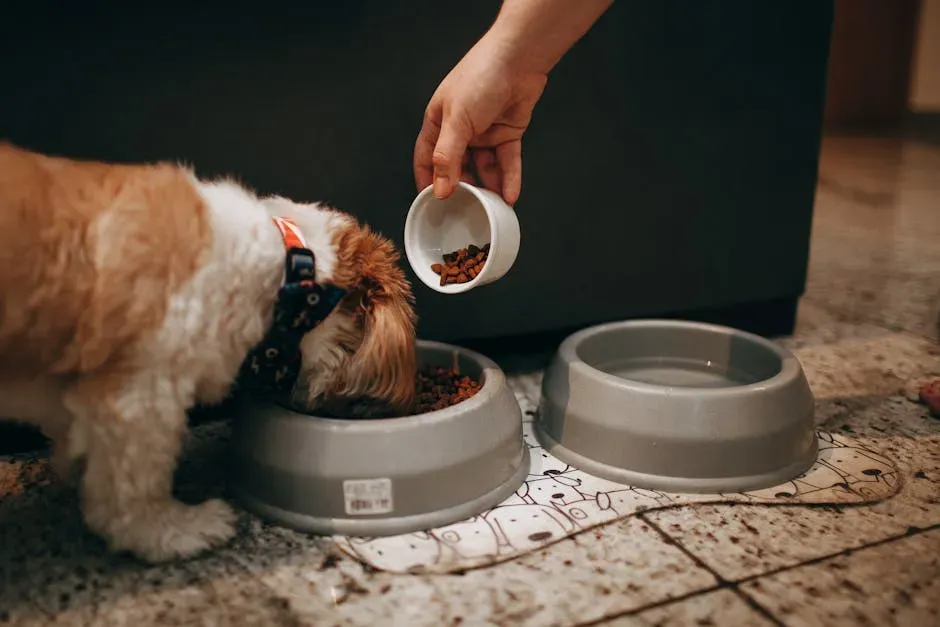
You might switch your dog from two meals to one, or from free-feeding to a strict schedule, but the body clock doesn’t get the memo. Dogs who once had an evening “second dinner” often still trot to the feeding area at that exact old time. They’ll check the spot, stare at the cabinet, then glance back at you like, well? We always did this.
The original routine is gone, but the expectation lives on in their internal timetable. This habit is built from pure repetition – same time, same clink of kibble, same smell – and that pattern doesn’t reset overnight. Some vets worry that indulging the “phantom meal check” with extra snacks fuels obesity; others argue a tiny, low-calorie nibble is worth the emotional payoff. Either way, this one can run for years.
Fast Facts
- Scientists call this pattern “food-anticipatory activity” – a rhythm powered by its own internal clock, separate from the one that runs on daylight.
- In lab studies, this anticipatory clock keeps firing at the old mealtime for days even after meals stop completely.
- Research on dogs specifically shows feeding frequency shapes activity levels around the old mealtime, sometimes even before the lights come on.
- The habit is driven by biology, not sentimentality – though from the couch, it sure looks like devotion.
#3 – Circling the Couch Where a Human Used to Sit
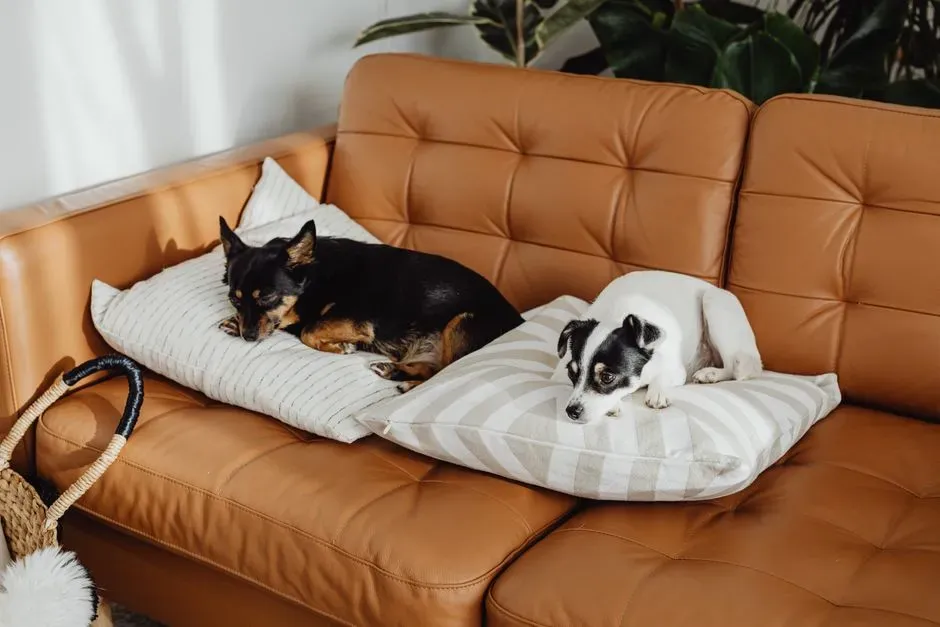
Dogs don’t just miss people – they miss where people used to be. If a family member always claimed the same couch corner, plenty of dogs keep a ritual of circling, sniffing, or gently pawing that exact spot, long after the scent has completely faded.
They’ll hop up, circle once or twice, lie down briefly, then suddenly jump off, as if remembering the missing piece mid-routine. It tends to happen at familiar times – TV hour, late-night talks, Sunday afternoons – because it was never really about the couch. It’s a script: human sits, dog joins, good things follow. When the human is gone, the dog still plays its half.
#4 – Checking the Spot Where the Treat Jar Used to Be
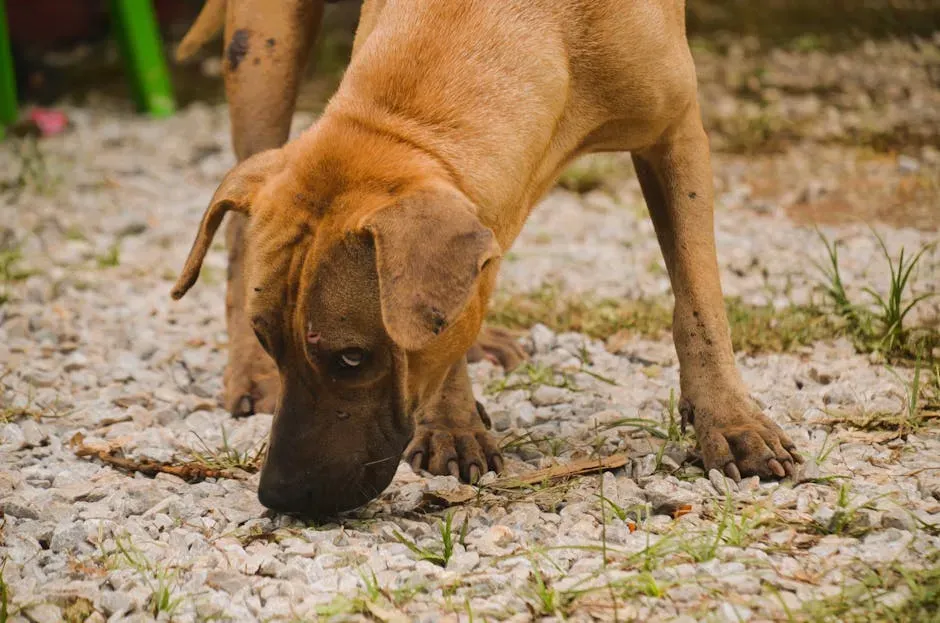
Move the treat jar and watch what happens: your dog will probably keep checking the old location like a glitching robot. Years after you reorganized the kitchen, some dogs still pop their head toward the former shelf, sniff the air, and only afterward remember the new spot.
The association was never “treats come from humans.” It’s “treats come from that spot,” and that’s a far more location-locked memory than most people expect. Behaviorists compare it to a person instinctively reaching for a light switch in the wrong place after moving apartments – except dogs will keep doing it for far longer, because nothing ever talks them out of it.
#5 – Guarding a Window That No Longer Faces the Action
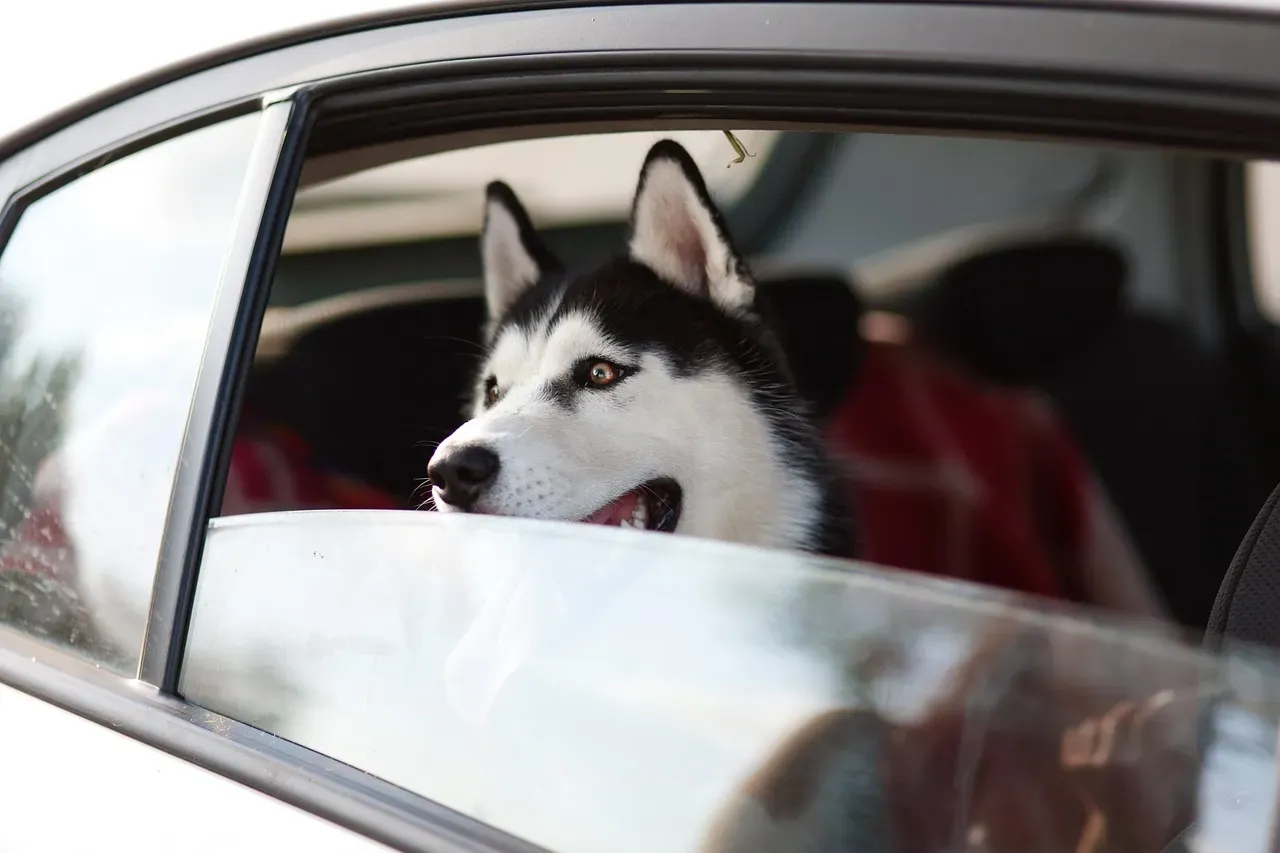
Maybe you once lived on a busy street, and your dog patrolled a big front window, barking at mail carriers and passing dogs all day. Then you moved somewhere quieter, or rearranged the furniture so that view is mostly blocked. Shockingly often, the dog still stations there anyway, like a retired security guard who never accepted the layoff.
They’ll stare at empty sidewalks, twitch an ear at nothing, and sometimes alarm-bark at absolutely no threat at all. Years of “intruder spotted, bark, adrenaline, owner responds” built a satisfying loop. Remove the job and the worker still shows up for the shift. Some trainers say you should interrupt this old duty to prevent anxiety; others insist it’s harmless enrichment that comforts the dog even without a real threat in sight.
#6 – Carrying a Toy to Bed From a Game You Stopped Playing
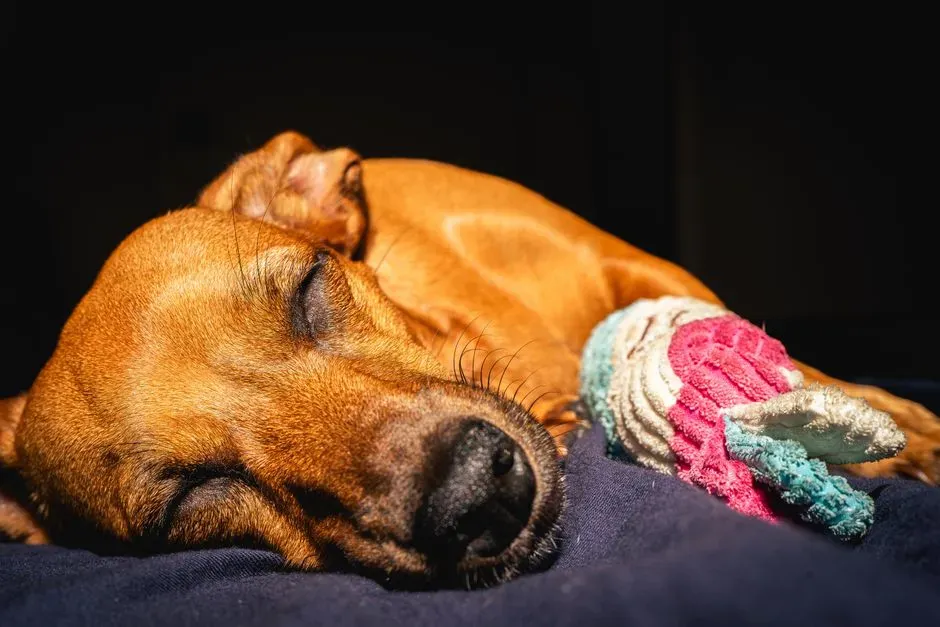
At some point you probably had a ritual: a few tosses of the squeaky duck, a “last one!”, then lights out. Drop that game entirely, and your dog may quietly keep one piece of it – carrying that same duck, ball, or ragged fox onto their bed every single night, for years.
This isn’t just cute, it’s layered. The toy carries your scent, the act signals “day is over,” and the motion itself is soothing. Some dogs even swap toys over time but keep the behavior itself intact, like a tiny bedtime ceremony that’s survived every cast change.
#7 – Pausing at a Gate You Stopped Using Years Ago
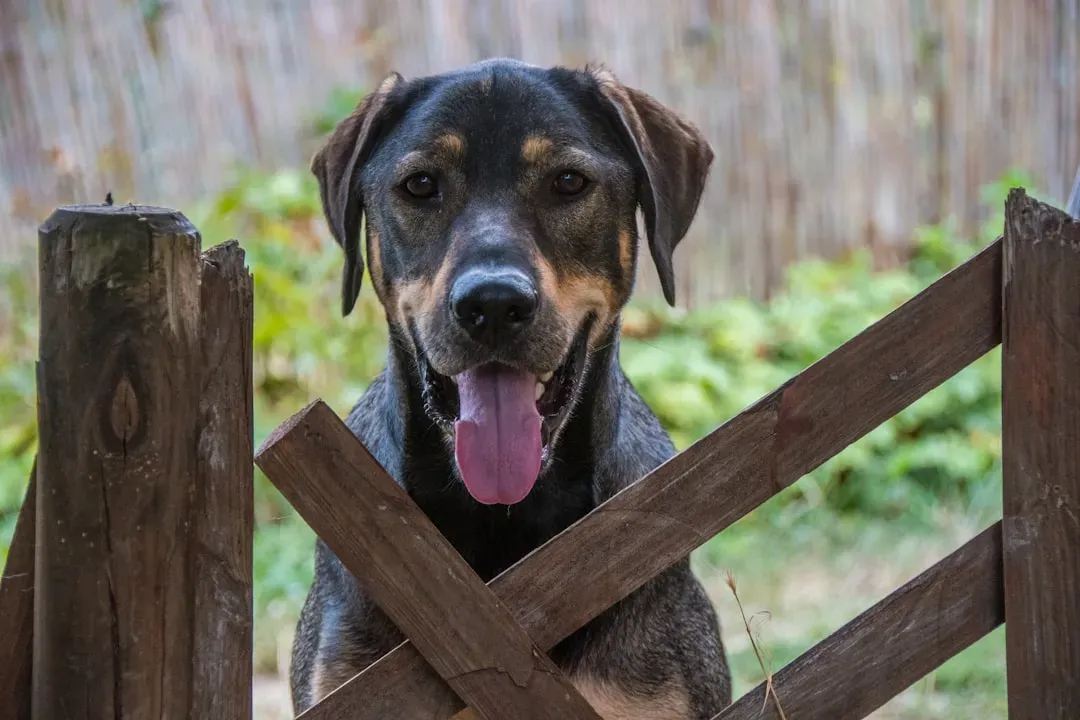
You remove a baby gate, rebuild a fence line, or fully remodel the yard – but your dog still pauses at the invisible line where the old boundary used to be. They’ll slow down, hesitate, glance at you for permission, then finally cross.
The physical obstacle disappeared, but the “do I have clearance?” micro-routine stayed fully programmed. What’s striking is how specific it is – the same dog might barrel through every other room without a second thought, but freeze at that one particular threshold. Some trainers even use these “ghost boundaries” to manage movement long after the hardware is gone, which critics call a little unfair – you’re leaning on old anxiety instead of real training.
#8 – Searching for a Lost Canine Friend at Their Old Hangouts
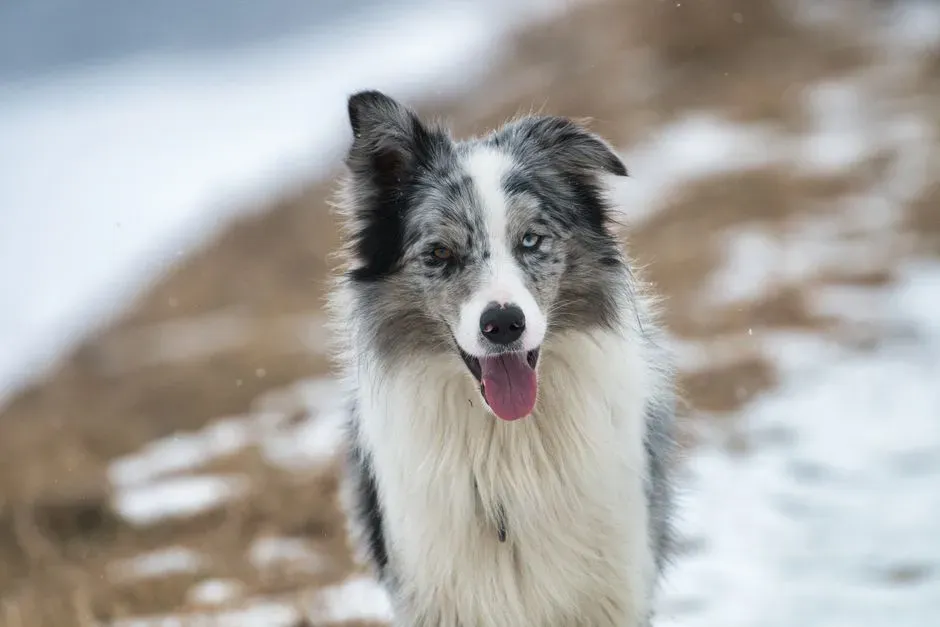
A dog loses a housemate, and people expect a few sad days. What they miss is the quiet searching that continues for weeks, months, sometimes years. Dogs revisit the other dog’s favorite sleeping spots, sniff old beds, and peer into rooms where the play used to erupt.
Some dogs keep glancing behind them on walks, as if checking that their missing friend is still catching up. Owners describe dogs “inviting” an empty space to play – bowing, hopping, then freezing when nothing responds. Science stays cautious about calling this grief, but anyone who has lived through it will tell you it looks exactly like it.
Worth Knowing
- A widely cited survey of owners with a surviving dog or cat found roughly three-quarters became noticeably more affectionate after losing a companion animal.
- About six in ten surviving pets were reported to keep returning to their lost companion’s favorite napping spots.
- Reduced appetite showed up in roughly a third of surviving dogs, with a small share refusing food outright for a stretch.
- Experts point out grieving owners often shift their own routines too, which can quietly deepen a dog’s sense that something has changed.
#9 – Begging at the Chair of the “Soft Touch” Guest
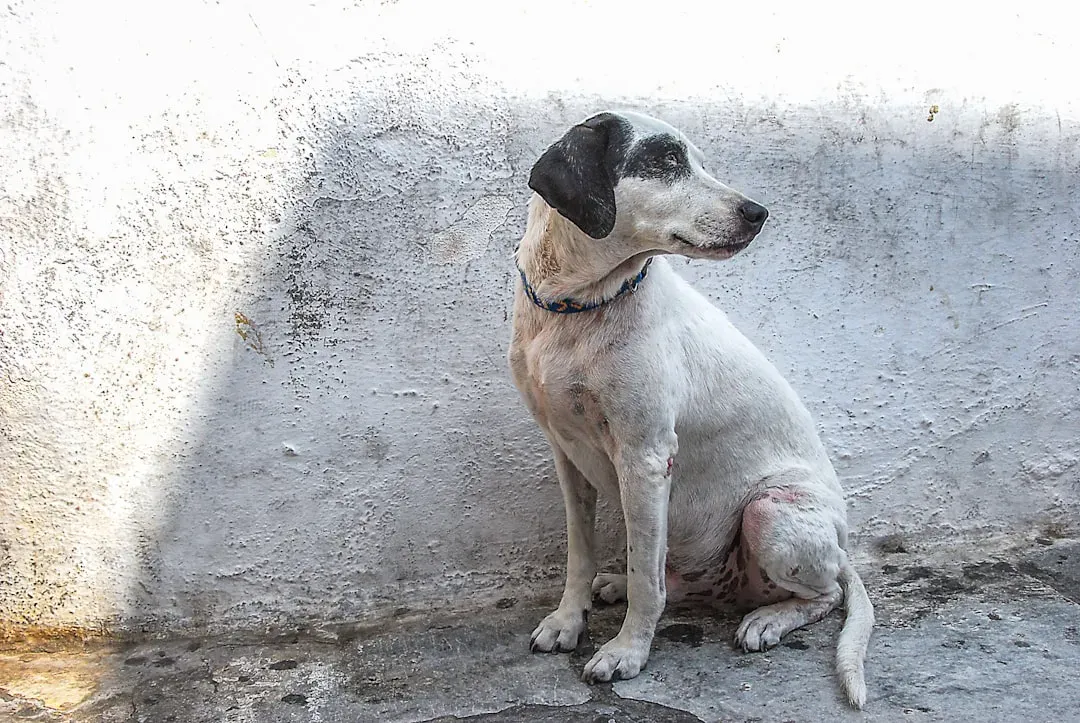
Every family has that one person who slipped food from the table – grandma, the new boyfriend, a kid who dropped half their dinner on purpose. Dogs are ruthless statisticians, and they never forget who paid out.
Even if that person only visited on holidays years ago, plenty of dogs will still park themselves at that exact chair the moment anyone sits in it. The original soft touch might be long gone, but the chair itself has become a slot machine. Some dogs generalize the begging to anyone new in that seat; others are eerily precise, only activating the big-eyed stare for a voice or build similar to the original feeder.
#10 – Sprinting to the Door at the Sound of a Long-Gone Vehicle
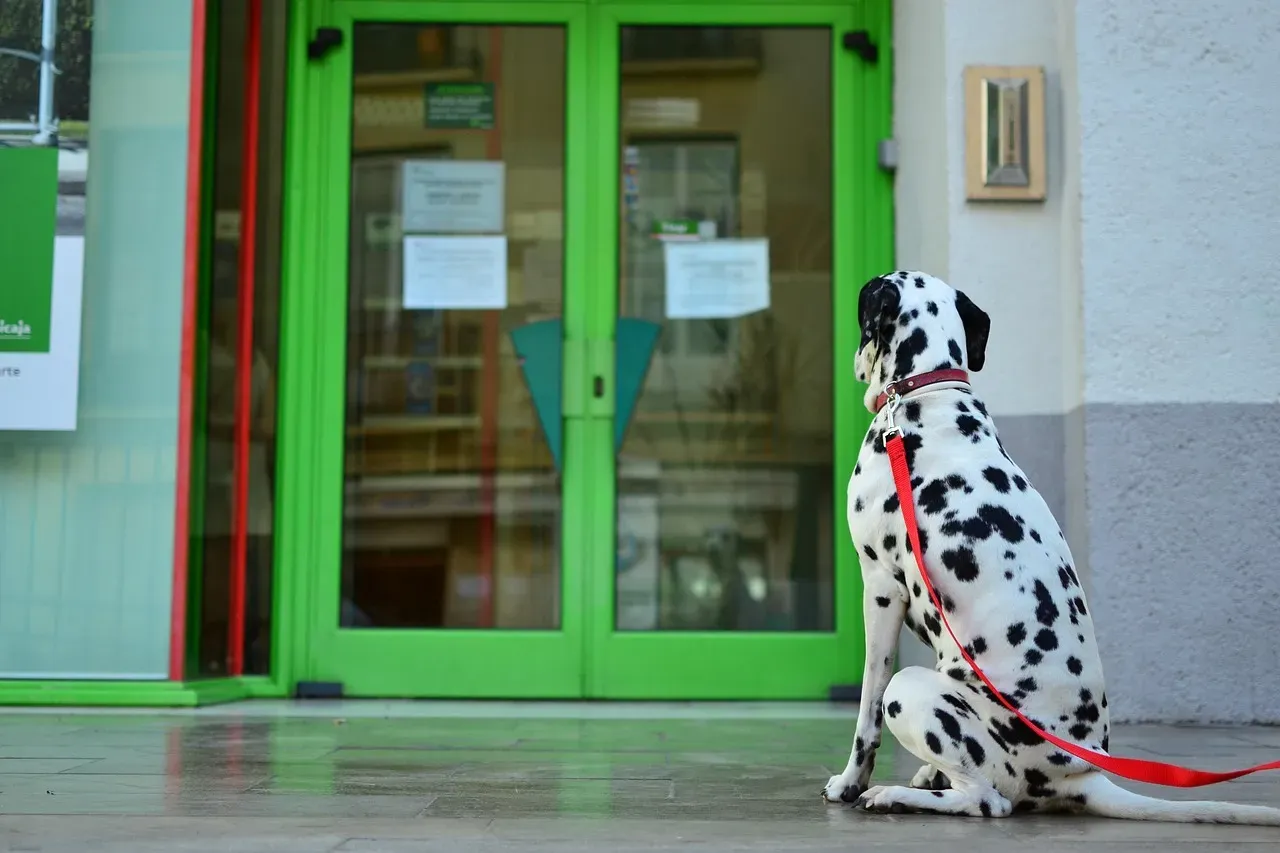
For years, a partner’s rusty truck pulled in at 6 p.m., or a roommate’s motorcycle roared down the street at the same time every night. You moved. They sold the vehicle. Life moved on – except for your dog, who still reacts to a vaguely similar engine sound with a full-body response: ears up, tail going, sprint to the door.
The exact sound is gone, but the “engine noise equals beloved human” wiring is still hot. Vehicle sounds are felt through floors and walls, not just heard, which makes the memory multi-sensory and stubborn. A similar rumble can trigger real excitement, followed by visible confusion when nobody walks through the door.
#11 – Doing the “Leash Dance” at Times You Don’t Walk Anymore
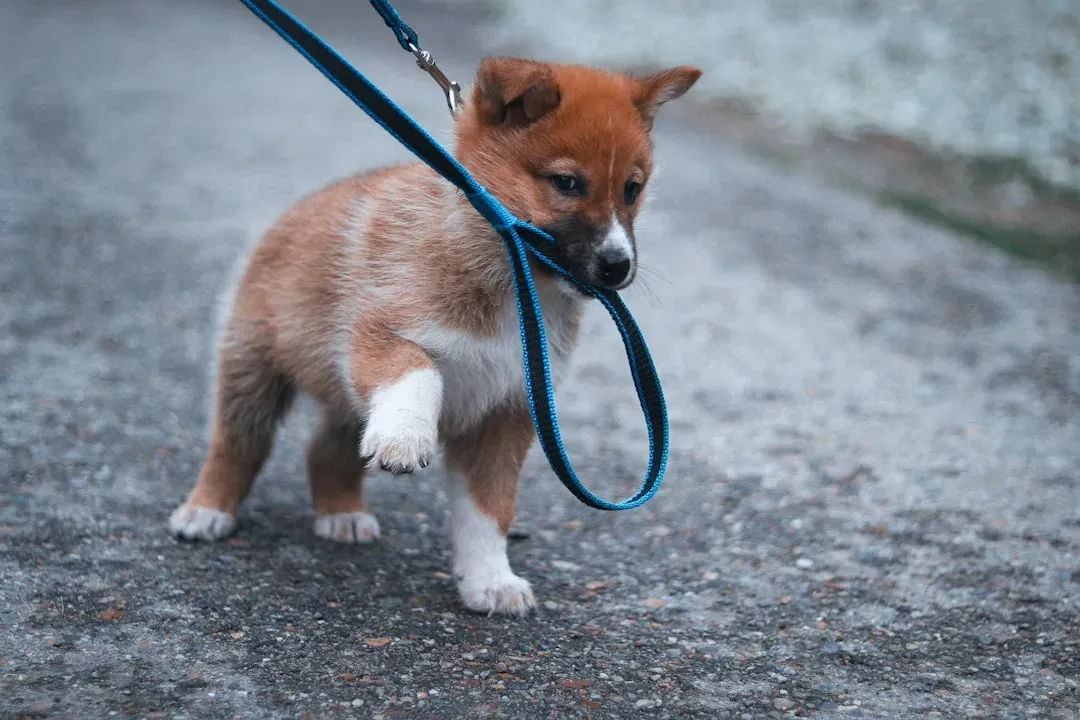
Change jobs, have a baby, move to a new climate – your walk schedule shifts fast. But at 7 a.m. sharp, the old time, you still see it: the spin, the prance, the hopeful stare at the leash hook.
Dogs can keep performing their pre-walk dance for months or years after the actual routine has changed, like their body refuses the calendar update. The anticipation itself floods their brain with feel-good chemicals before the walk ever happens, and canceling the walk doesn’t cancel that chemical trigger. Some dogs end up with two or three “ghost walk times” a day, still dancing for outings that no longer exist.
At a Glance
- Anticipation itself is thought to trigger a dopamine release in the brain – the reward hits before the walk even starts.
- That means the waiting is part of the payoff, not just a warm-up to it.
- This is a big reason the ritual can outlast the actual schedule by years: the internal cue still fires at the old hour.
- Trainers generally suggest slowly shifting the trigger cue (leash sound, shoe-tying) rather than ignoring the behavior cold turkey.
#12 – Checking the Crate or Room Where Puppies Used to Be
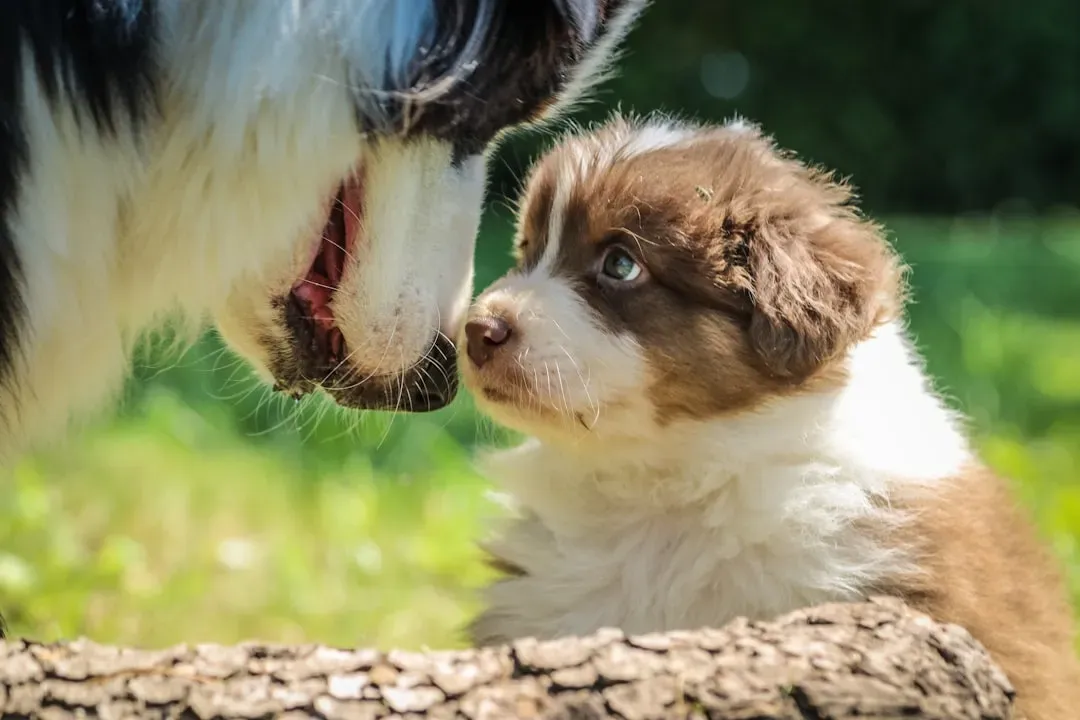
Mother dogs – and even some males who bonded closely with a litter – often keep a quiet checking ritual long after the puppies are gone. They poke their head into the old whelping room, sniff the corners, inspect the crate, then calmly walk away.
It plays out like a nightly roll call for babies that aren’t there anymore, and it can persist long after every trace of puppy smell has been scrubbed away. Breeders and fosterers notice the checking often spikes at the times the pups used to nurse or play loudest, which suggests it’s tied to a full sensory memory – sound, smell, touch – not just an empty room.
#13 – Stopping at the Old House on Walks After a Move
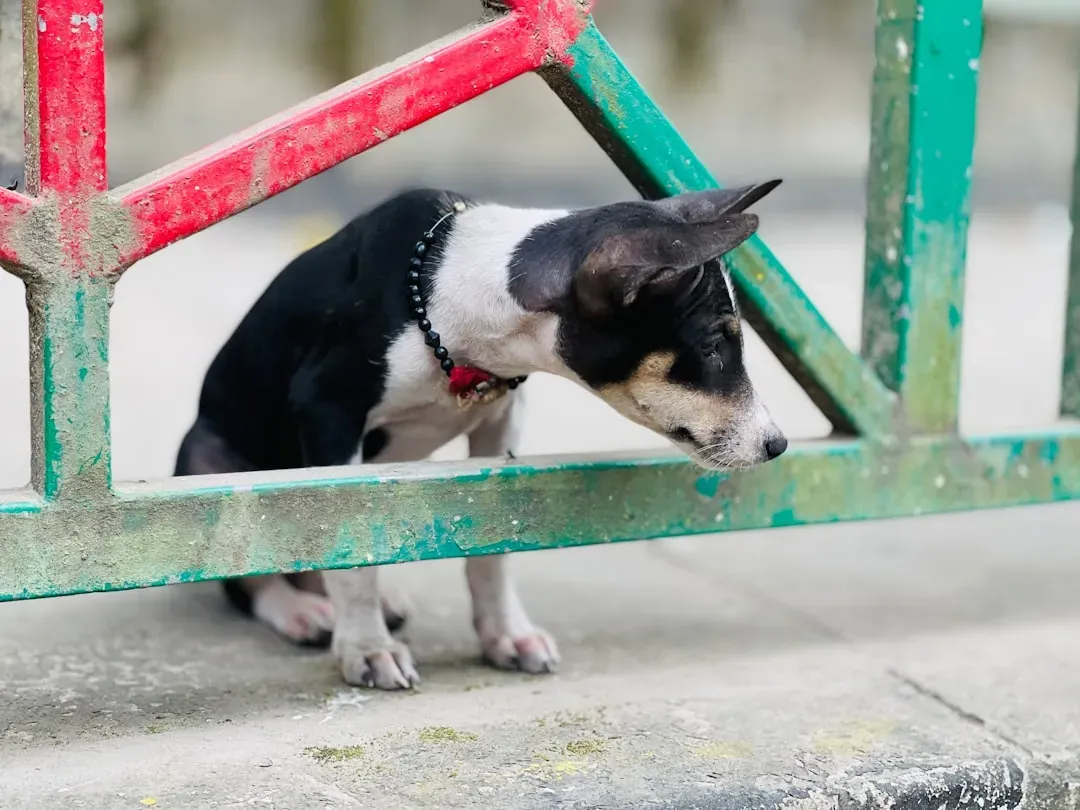
Move just a few streets over, and your dog may stubbornly insist on walking “home” – to the old place. Years of the same route built a mental map that doesn’t magically reroute just because you did.
They’ll slow or stop at the old driveway, sniff the gate, maybe even try pulling toward the old front door. To them, that door is still the correct ending to the journey. Even after hundreds of walks that start and end at the new house, some dogs will still glance back or veer subtly toward the old turn, like the route is etched somewhere training can’t fully reach.
#14 – Waking You Up at Your Old Alarm Time
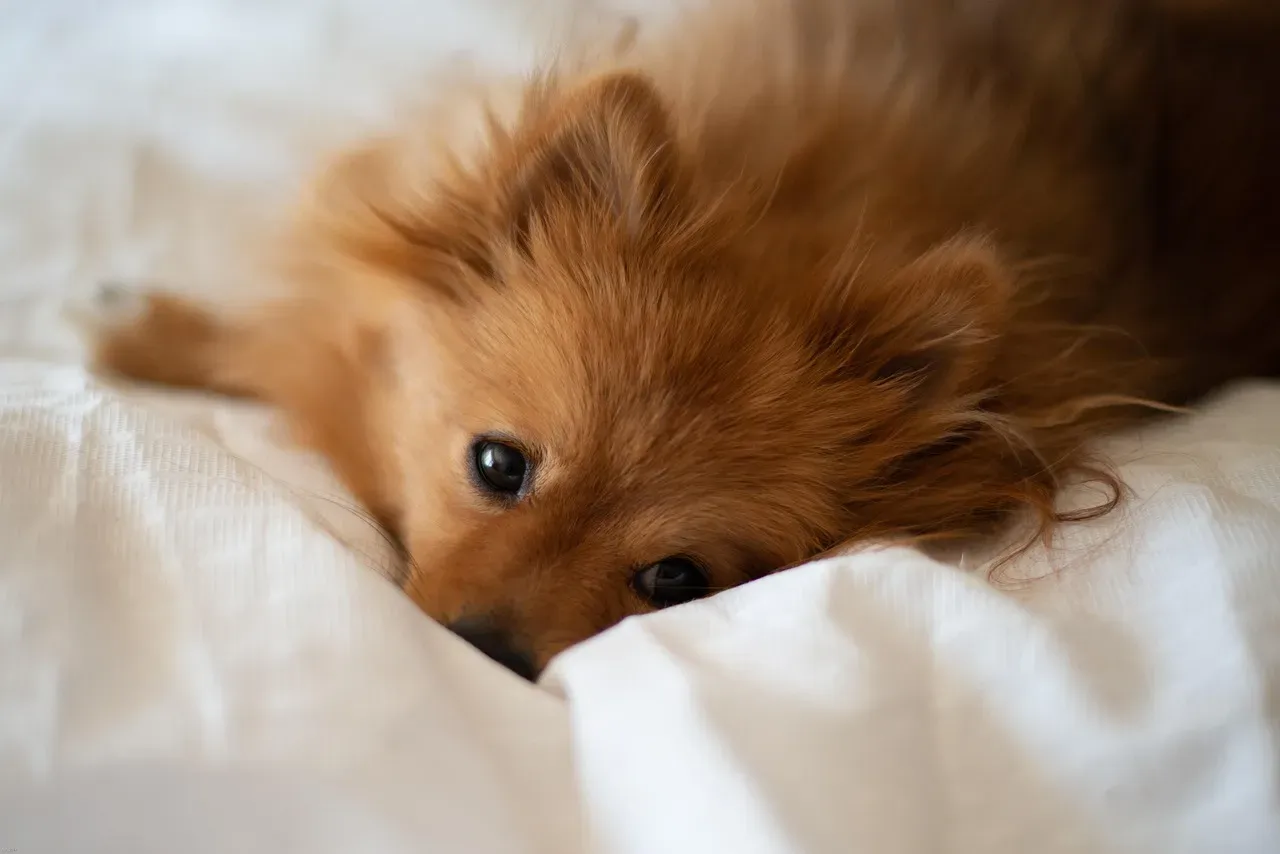
Switch from a 5 a.m. shift to a normal 8 a.m. schedule, and you might hope to finally sleep in. Your dog did not get that memo. Many keep their “alarm clock assistant” job long after your life changes, nudging, licking, or staring intensely at your face right at the old wake-up time.
The alarm sound itself doesn’t matter – your movement and energy at that hour were enough to imprint the pattern for good. Some dogs are more reliable than an actual alarm clock, waking you within a fifteen-minute window almost every single day, weekends included. Sleep experts call it a training problem to solve; most dog owners secretly call it kind of sweet, right before they complain about it online.
#15 – Sitting by the Bathtub for a Ritual You Ended Long Ago
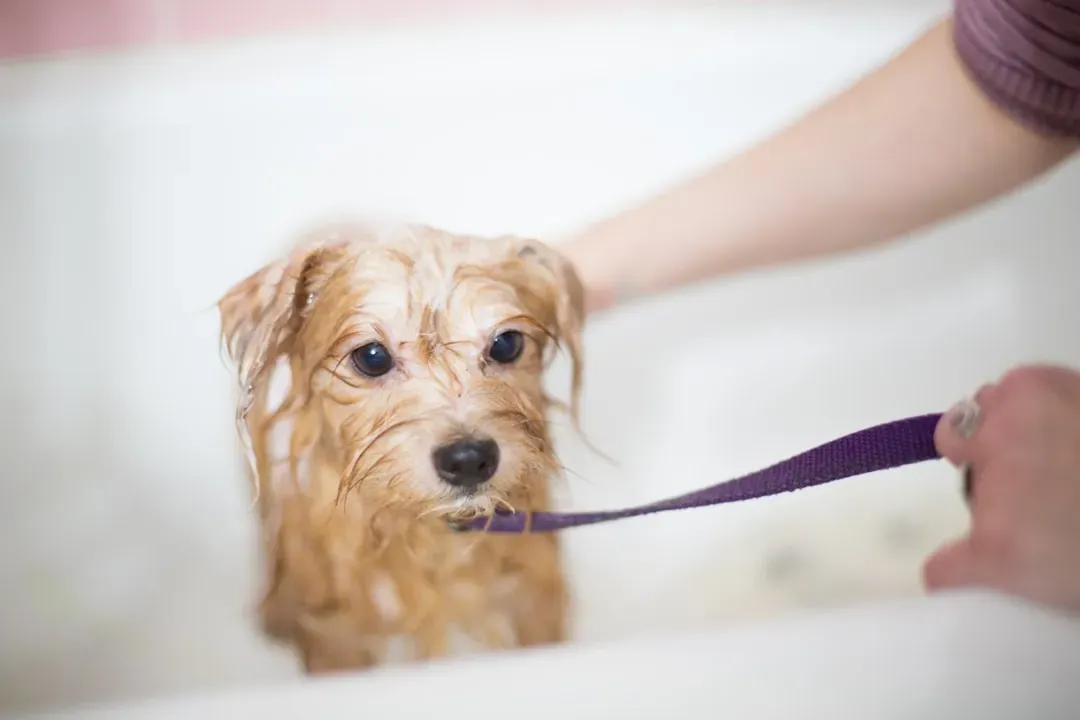
Some owners had a “bath night” or “spa night” ritual – maybe the dog got peanut butter on a lick mat while its person soaked in the tub. Life changes, the ritual ends, and yet the dog still pads into the bathroom, sits by the tub, and waits.
No running water, no peanut butter, no shampoo smell – just a ghost of a routine that once meant attention and calm. It tends to resurface at very specific times: Sunday evenings, post-hike days, after big muddy adventures. It can look almost eerie, the way a dog materializes the second you so much as turn toward the bathroom door.
#16 – Waiting by the Closet Where Leashes Used to Hang
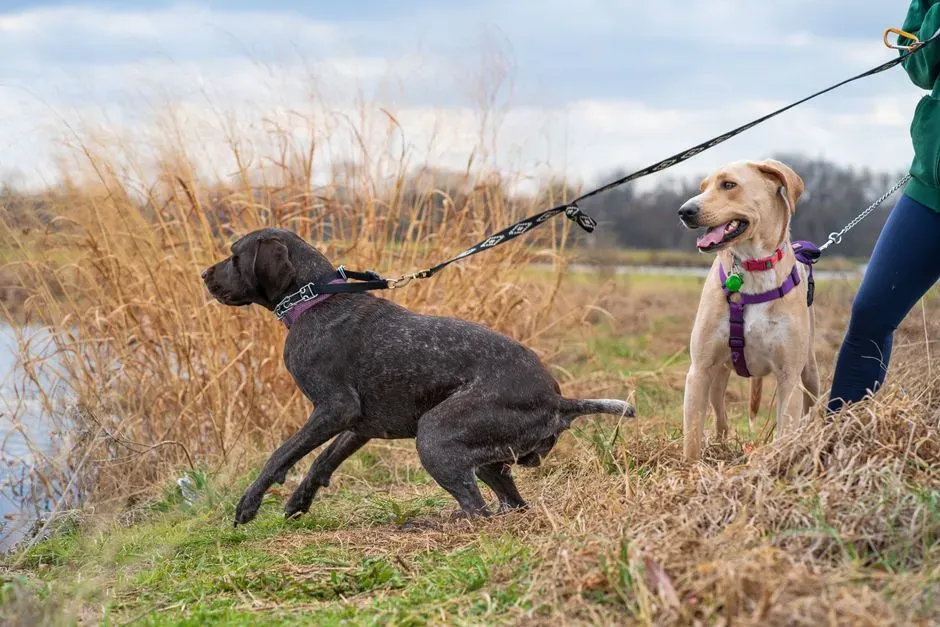
You reorganize the house, move the leashes to the garage, and never think about it again. Your dog does not forget. That hallway closet, that back door hook – it becomes a symbol of adventure that outlives its own usefulness by years.
Dogs will sit near the empty spot, glance up at the bare wall, then back at you, as if trying to will the leash back into existence. The sight of a hand reaching for that exact hook once predicted walk, car ride, park. Remove the hook, and you’ve created a small hole in their prediction system that never fully closes – some dogs linger there like a gambler outside a casino that shut down years ago.
Quick Compare
- Object-based cues (treat jar spot, leash hook) – often fade fastest once the visual trigger is truly gone for good.
- Time-based cues (mealtime, alarm, walk hour) – tend to linger for months or years since they run on an internal clock, not sight.
- Person-based cues (door waiting, chair circling, engine sounds) – usually prove the most stubborn, sometimes never fully fading.
- Companion-based cues (searching for a lost dog, checking on puppies) – can resurface out of nowhere around anniversaries or seasonal shifts.
#17 – Returning to an Old “Hide-and-Seek” Spot You Don’t Use Anymore
If you ever played hide-and-seek or “find me” with your dog, they likely burned one or two go-to spots into memory forever: behind the curtain, down the hallway, around the backyard shed. Stop playing, and they may still casually check those exact places during excited moments, especially when family walks through the door.
They’re running the old search pattern purely on instinct, with no game attached to it anymore. Some dogs seem to do this specifically when overstimulated or mildly stressed, almost as self-soothing – this is where fun used to happen, maybe it happens again if I check. The path your dog once carved while joyfully searching for you turns out to be one of the last routines to ever fully fade.
#18 – Visiting the Grave or “Memory Spot” of a Lost Human
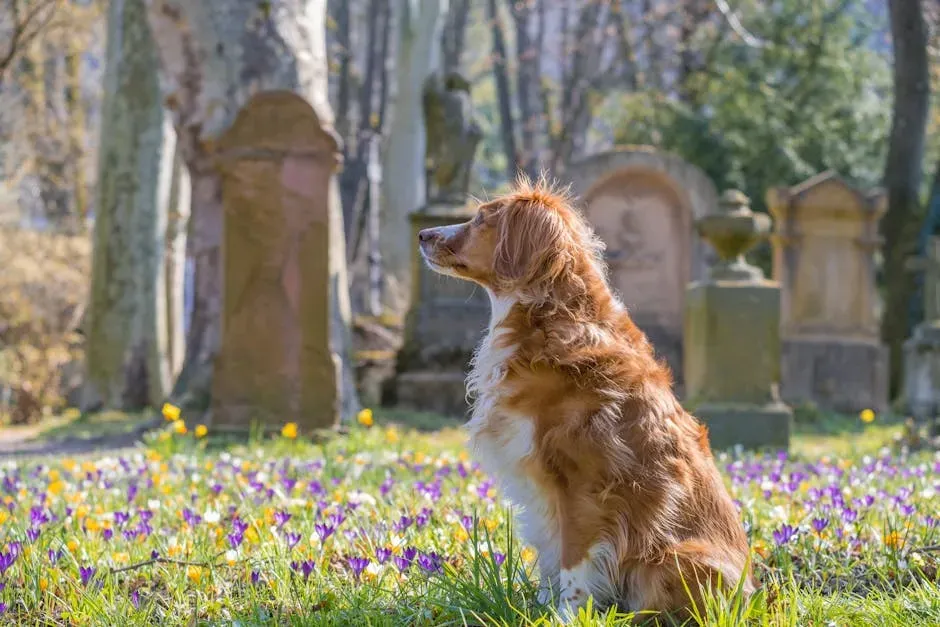
This is the one people rarely talk about, because it hits too hard. When a dog loses a primary person – whether there’s a literal grave, a favorite chair, or a specific garden spot – some dogs keep returning there with a quiet, almost reverent routine. They sit or lie down, sniff the air, and simply stay still.
Even after the scent is long gone and the person has been absent for years, that patch of earth or furniture becomes sacred in the dog’s mental map. Families notice the visits cluster around anniversaries, or the specific time of day that person used to be there. Skeptics call it projection. Anyone who has watched it happen calls it something closer to devotion.
Dogs are not our whole life, but they make our lives whole.
Roger Caras
The Bottom Line
If you walked in believing dogs “just live in the moment,” these 18 routines should have wrecked that idea completely. Ghost walks, phantom meals, visits to empty chairs and vanished gates – the pattern repeats over and over: the behavior outlives its own reason by years.
What looks like a random quirk is usually a deeply rehearsed emotional script your dog simply isn’t ready to delete. Some people call it stubbornness. I call it loyalty running on autopilot, long after we’ve stopped paying attention to what we taught them.
Here’s the uncomfortable part: we built most of these habits ourselves – our schedules, our indulgences, our departures – and then we moved on while the dog didn’t. That’s not sad, exactly. It’s a reminder that they take the small stuff far more seriously than we ever do.
So which of these ghost routines is your dog still running – and honestly, do you even want it to stop?