
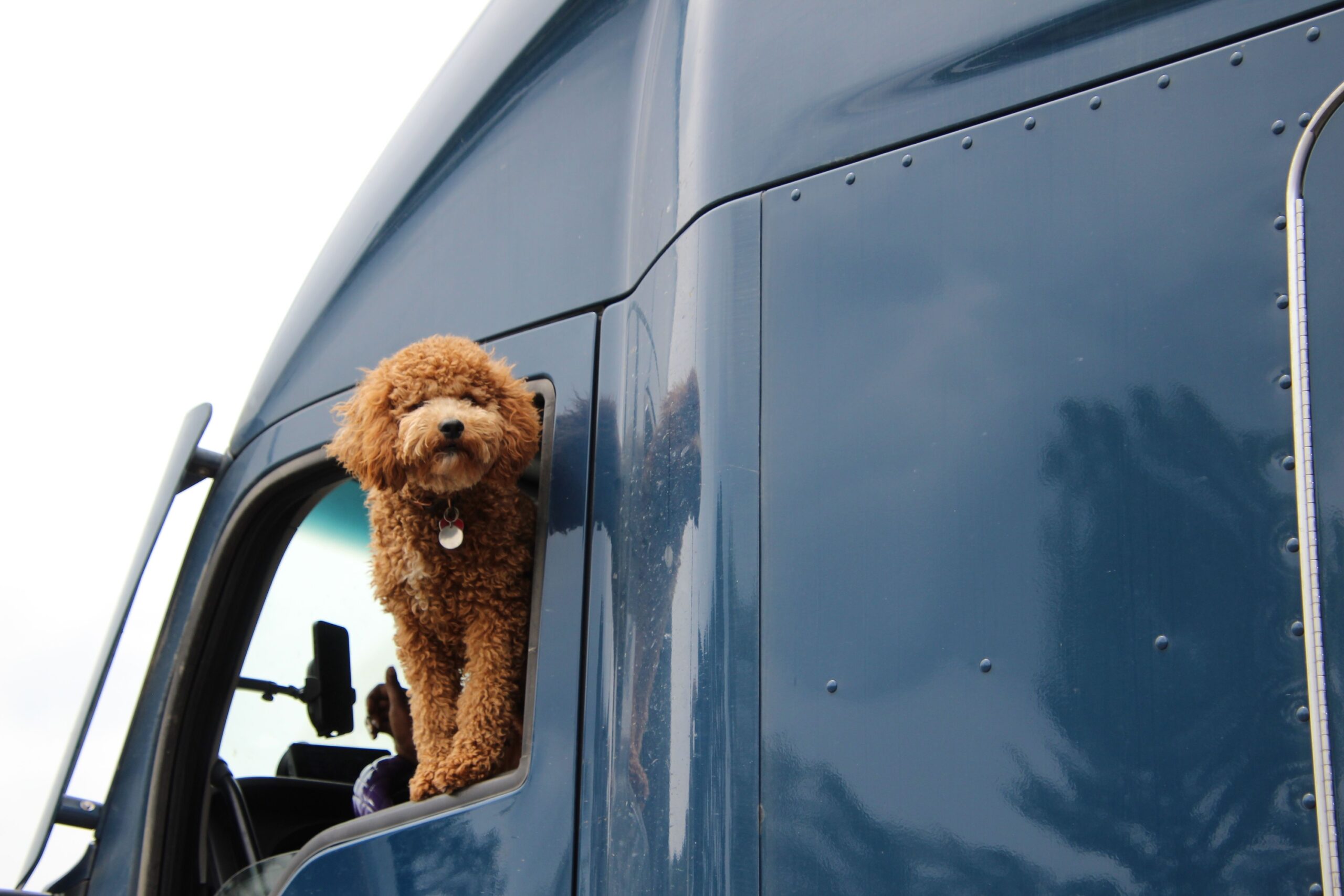
Summer break sounds like paradise for humans, but ask the family dog and you might get a very different answer. While the kids are counting down to pool days and popsicles, the dog is quietly absorbing a chaotic blur of noise, disrupted naps, and a routine that’s been thrown out the window. Most owners assume their dog is living its best life all summer long, soaking up extra attention and sunshine. Veterinarians and dog behaviorists say the truth is a lot messier than that.
Dogs are creatures of habit, and summer holidays quietly dismantle nearly every single one of those habits, one small disruption at a time. From sunburned noses to strangers parading through the living room, the family dog tolerates far more than most owners ever notice. Here’s the full list of what dogs actually put up with every summer, according to what animal behavior experts say happens behind the scenes.
#1 – The Sudden End of Peace and Quiet
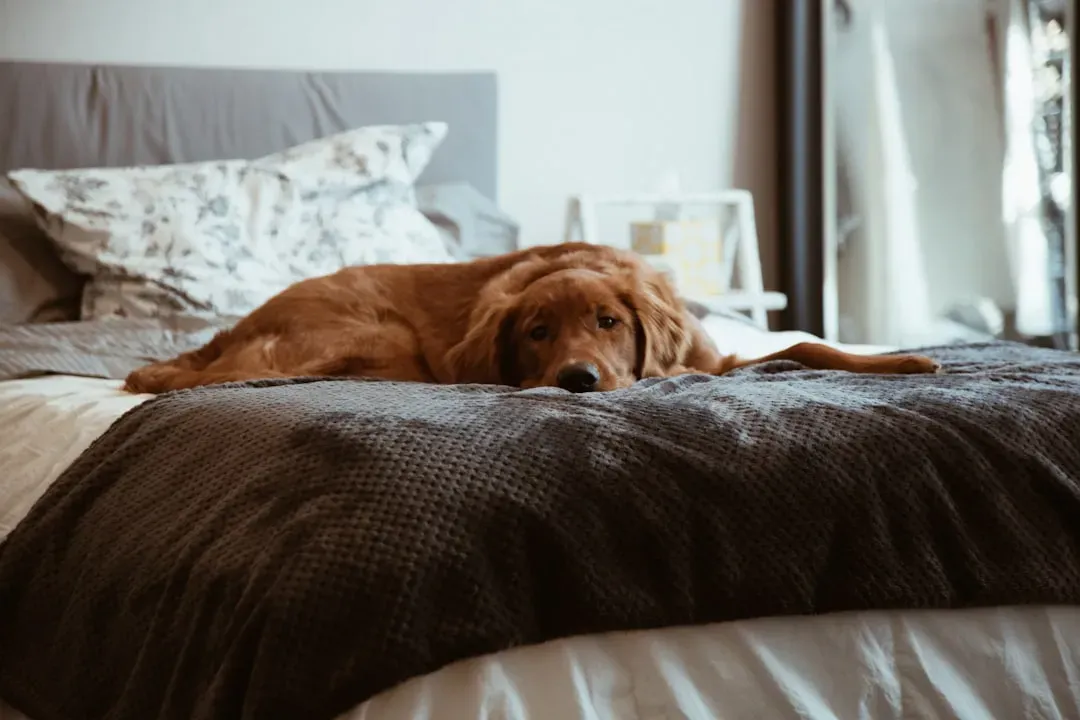
For ten months of the year, the house runs on a predictable rhythm, and dogs thrive on that structure. Then summer hits, and suddenly there are kids home all day, doors slamming, and a noise level that never seems to drop. Most dogs experience a measurable spike in stress hormones when their environment becomes unpredictable, and a house full of bored, restless kids qualifies.
Behaviorists note that dogs don’t get a mental “summer break” the way kids do. They still crave quiet corners and consistent nap times. Instead, they’re often forced to nap in shifts, sneaking rest whenever the chaos briefly settles.
#2 – Getting Dragged Into Every Water Activity Whether They Like It or Not
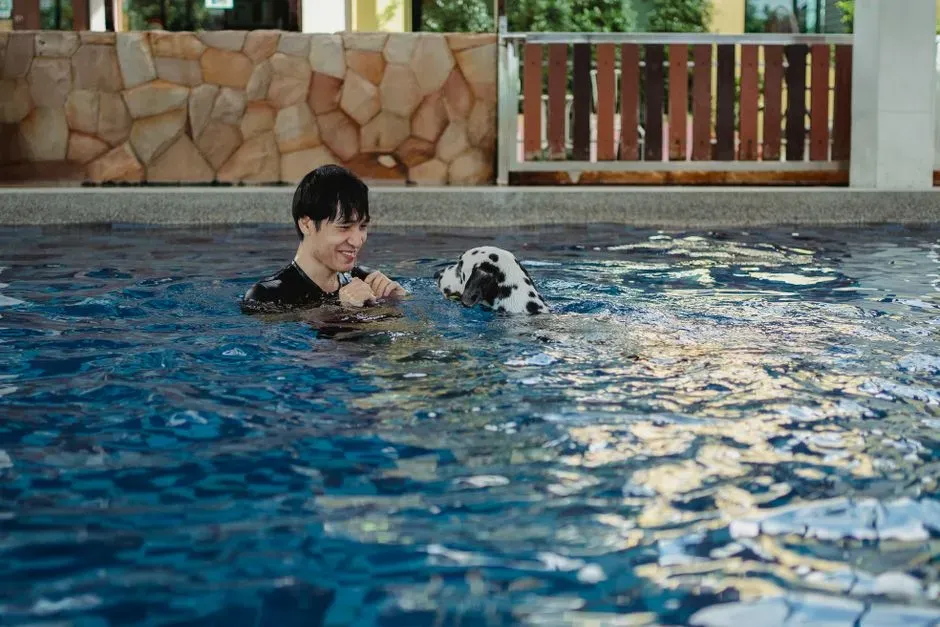
Not every dog is a natural swimmer, but summer holidays don’t seem to care about that fact. Sprinklers, pools, hoses, and beach trips become daily events, and dogs are often tossed into the mix regardless of their comfort level.
Some breeds genuinely love water, but plenty of dogs tolerate it purely to stay close to their family. Experts point out that forced water exposure can actually increase anxiety in dogs who are naturally hesitant swimmers. The dog isn’t having fun; it’s coping, and it’s one of those quietly controversial habits families rarely question.
#3 – Being Left in a Hot Car “Just for a Minute”
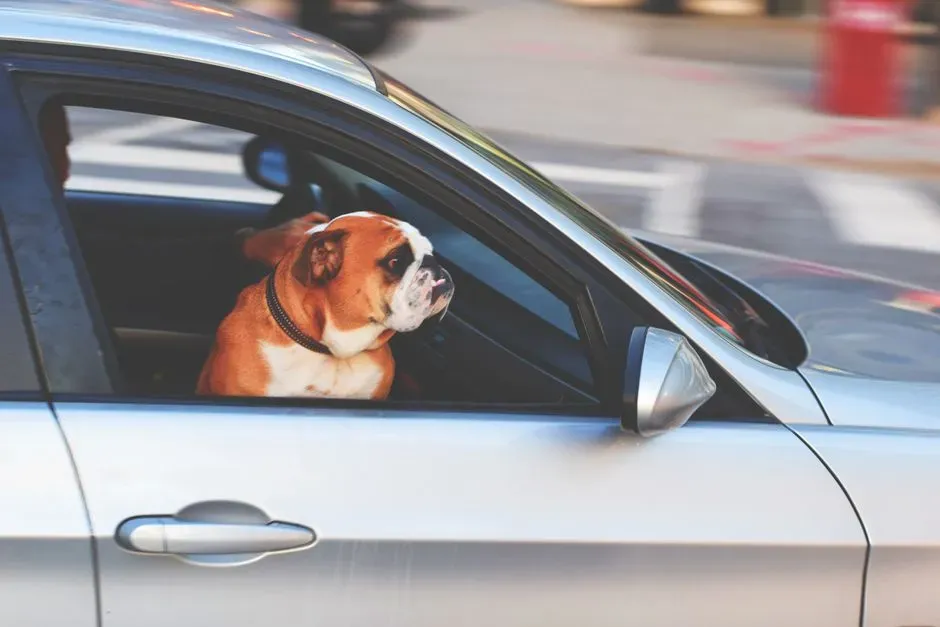
Even the most well-meaning parents fall into this trap during a hectic summer errand run. A quick stop turns into ten minutes, and temperatures inside a parked car climb far faster than most people expect. Vets warn that cars can become dangerously hot within minutes, even with the windows cracked.
Dogs can’t regulate their body heat the way humans do, and summer is prime time for this mistake because routines are looser and errands are constant. The dog just sits there, panting, trusting that the wait will be short. It’s one of the most preventable risks of the entire season, yet it happens constantly.
Fast Facts
- On a 70°F day, a car’s interior can reach 89°F after just 10 minutes and 104°F after 30 minutes.
- Stanford researchers found a parked car’s interior can heat up by an average of 40°F within an hour, no matter the outside temperature.
- Cracking the windows barely helps – researchers found it has an insignificant effect on how fast a car heats up.
- Even a mild, sunny 70-degree day has been linked to child and pet deaths inside parked cars.
#4 – Strangers Showing Up Nonstop All Summer Long
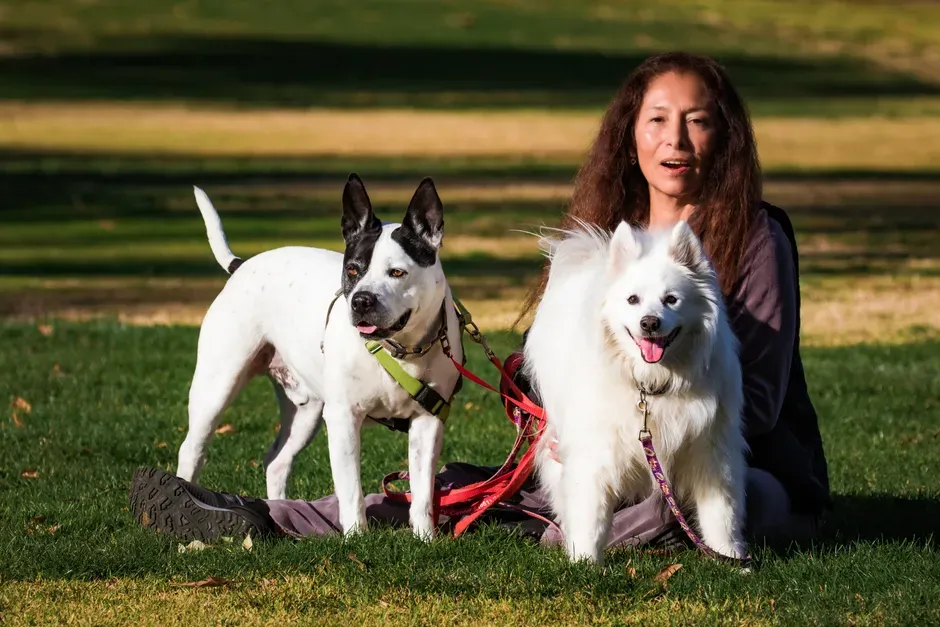
Family holidays mean visitors: cousins, grandparents, neighbors dropping by, and kids’ friends constantly cycling through the house. For a dog, this means a revolving door of new scents, new voices, and personal space invasions almost daily.
Behaviorists say frequent unfamiliar visitors are one of the top summer stressors for family dogs, especially for animals who aren’t naturally social. Even friendly dogs can become overstimulated when there’s no consistent quiet zone to retreat to. Most families assume their dog loves the attention. Often, the dog is simply enduring it.
#5 – Losing Their Favorite Nap Spot to Kids Home All Day
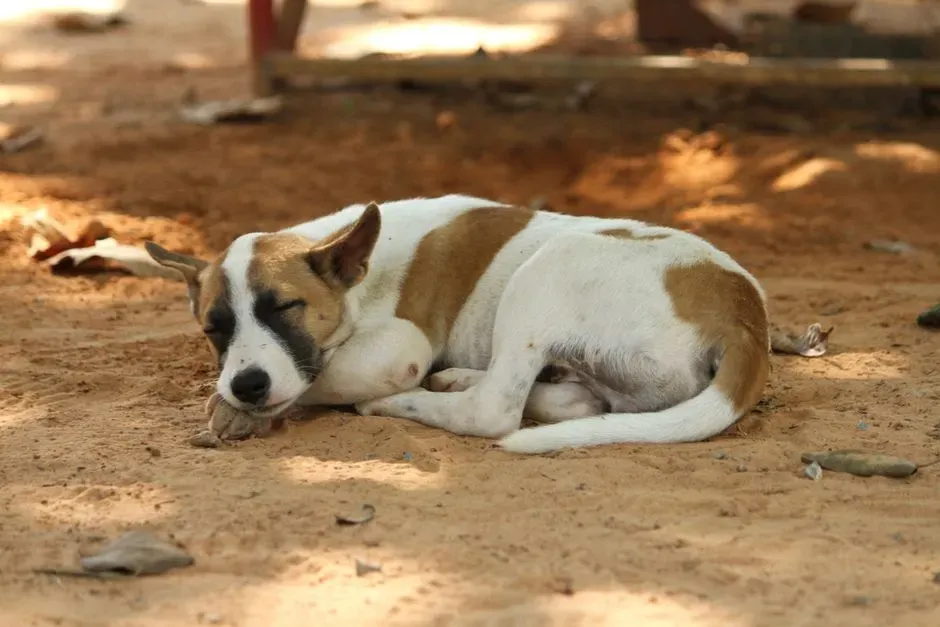
That sunny windowsill or shaded porch corner used to be the dog’s personal retreat during quiet weekday afternoons. Once summer hits, kids are home, and that spot suddenly becomes a play fort, a picnic table, or a spontaneous obstacle course.
Dogs are territorial about comfort zones more than people realize, and losing access to a reliable rest spot can subtly sour their mood. Many trainers report increased irritability in dogs who lose consistent access to their preferred resting areas. It seems minor, but consistency is everything for canine wellbeing.
#6 – Being the Unofficial Snack Disposal Unit
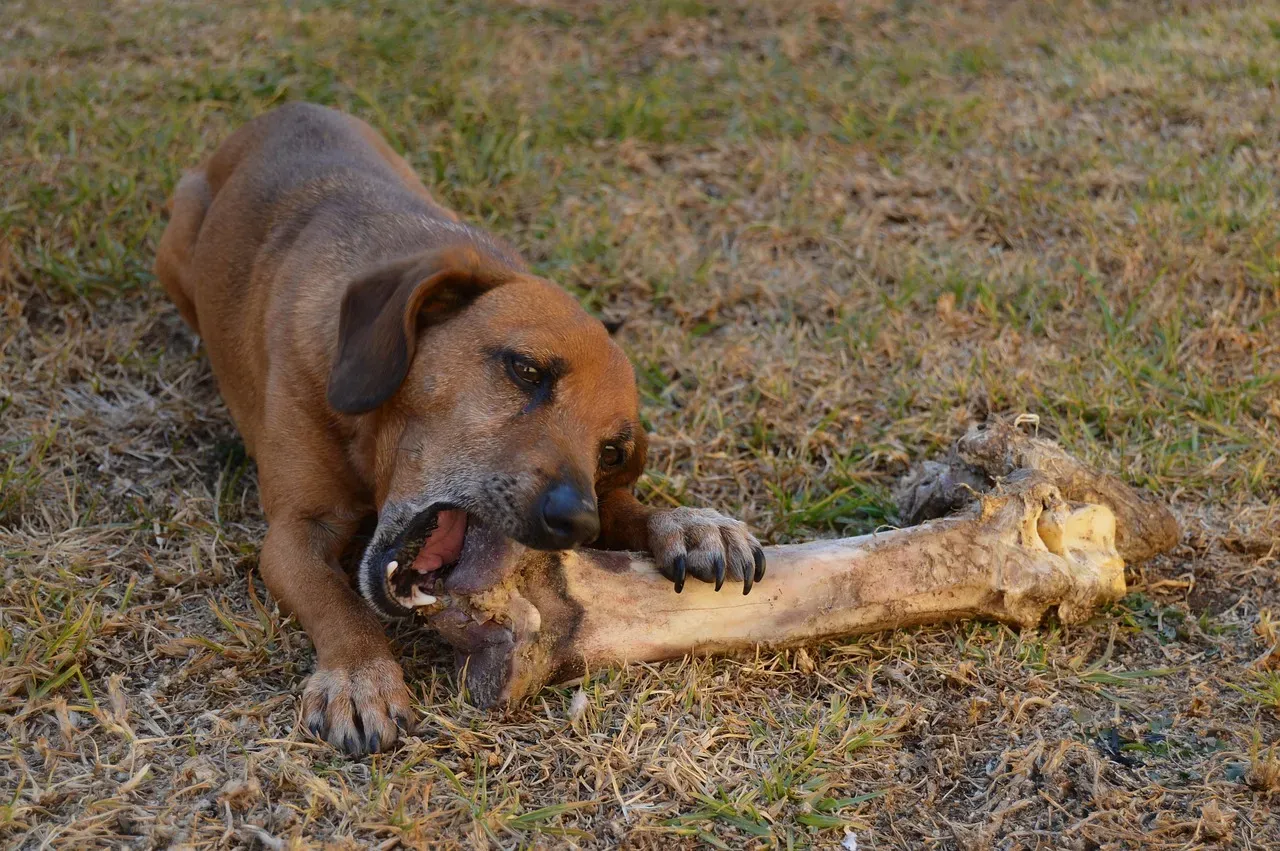
Summer means backyard barbecues, ice cream drips, and kids who “accidentally” drop food constantly. Dogs quickly become the family’s unofficial cleanup crew, and while that sounds harmless, it’s actually risky business.
Grapes, onions, certain artificial sweeteners, and fatty barbecue scraps are common holiday foods that are genuinely dangerous for dogs. Veterinarians consistently flag summer cookouts as a peak season for accidental food-related emergencies. Kids don’t always know what’s safe to share, and the dog rarely turns down free food, even when it hurts them later.
Worth Knowing
- Grapes and raisins can trigger sudden kidney failure in dogs, even in small amounts.
- Onions, garlic, and chives break down red blood cells and can lead to anemia over time.
- Xylitol, found in some sugar-free treats and gum, is toxic to dogs even in tiny doses.
- Greasy barbecue scraps like burger fat or hot dog bits can trigger painful pancreatitis flare-ups.
#7 – Overheating While Trying to Keep Up With Everyone
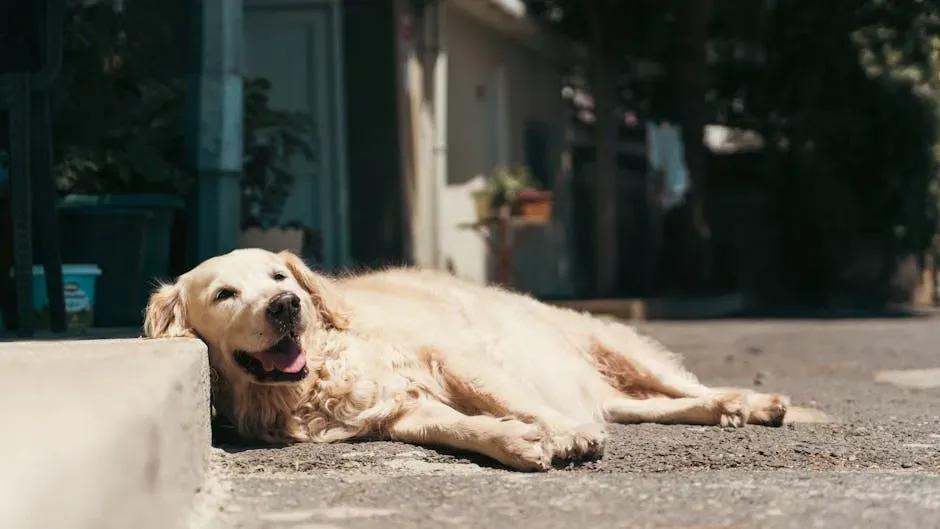
Family walks, bike rides, and backyard games move at a human pace, but dogs, especially those with thick coats or short snouts, struggle far more in the heat than owners assume. Panting isn’t always a sign of excitement; it’s often a sign of struggle.
Experts warn that certain breeds are significantly more prone to heat exhaustion during summer activities, yet families rarely adjust their pace for them. The dog keeps trotting along, trying not to fall behind. Plenty of owners insist their dog “loves” long summer walks, when in reality it may simply be enduring discomfort to stay close to the pack.
#8 – Constant Interruptions to Sleep Schedules
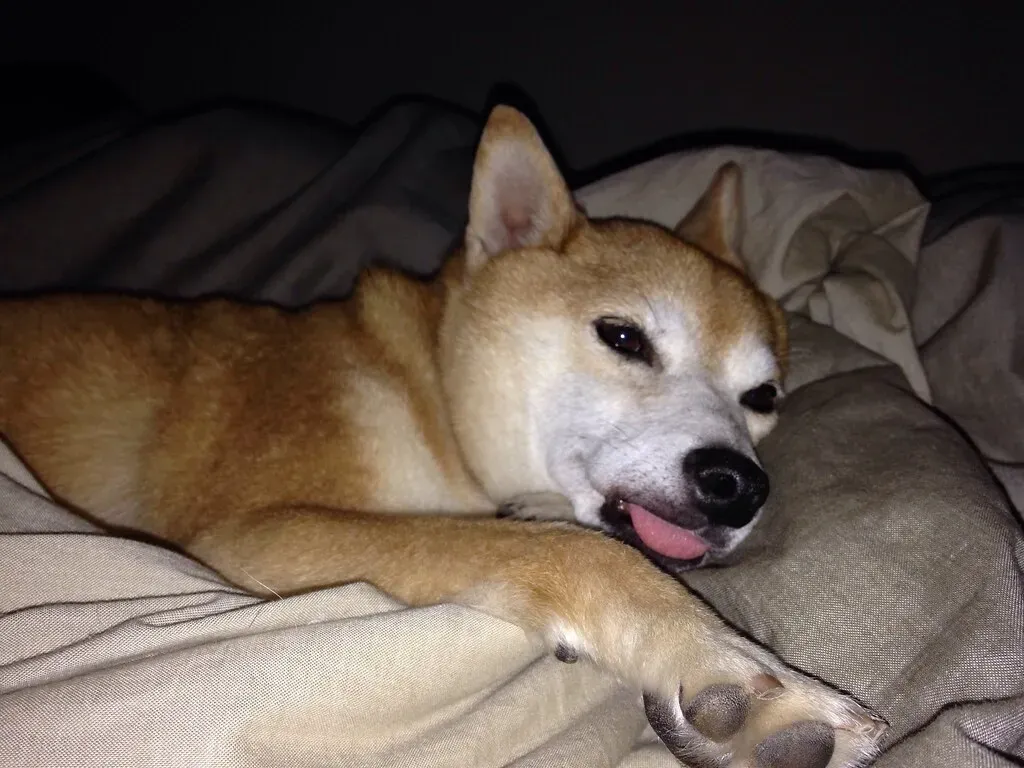
Dogs typically sleep in long, predictable stretches, especially during the day. Summer holidays destroy that pattern almost entirely, with kids running in and out, later bedtimes, and generally louder households from morning until night.
Sleep disruption in dogs has been linked to increased stress and reduced patience, which can show up as subtle behavioral changes like more barking or clinginess. It’s not misbehavior, it’s exhaustion. Most families never connect a grumpier dog to a chaotic summer schedule, but the timing is rarely a coincidence.
#9 – Being Roped Into Every Backyard Game
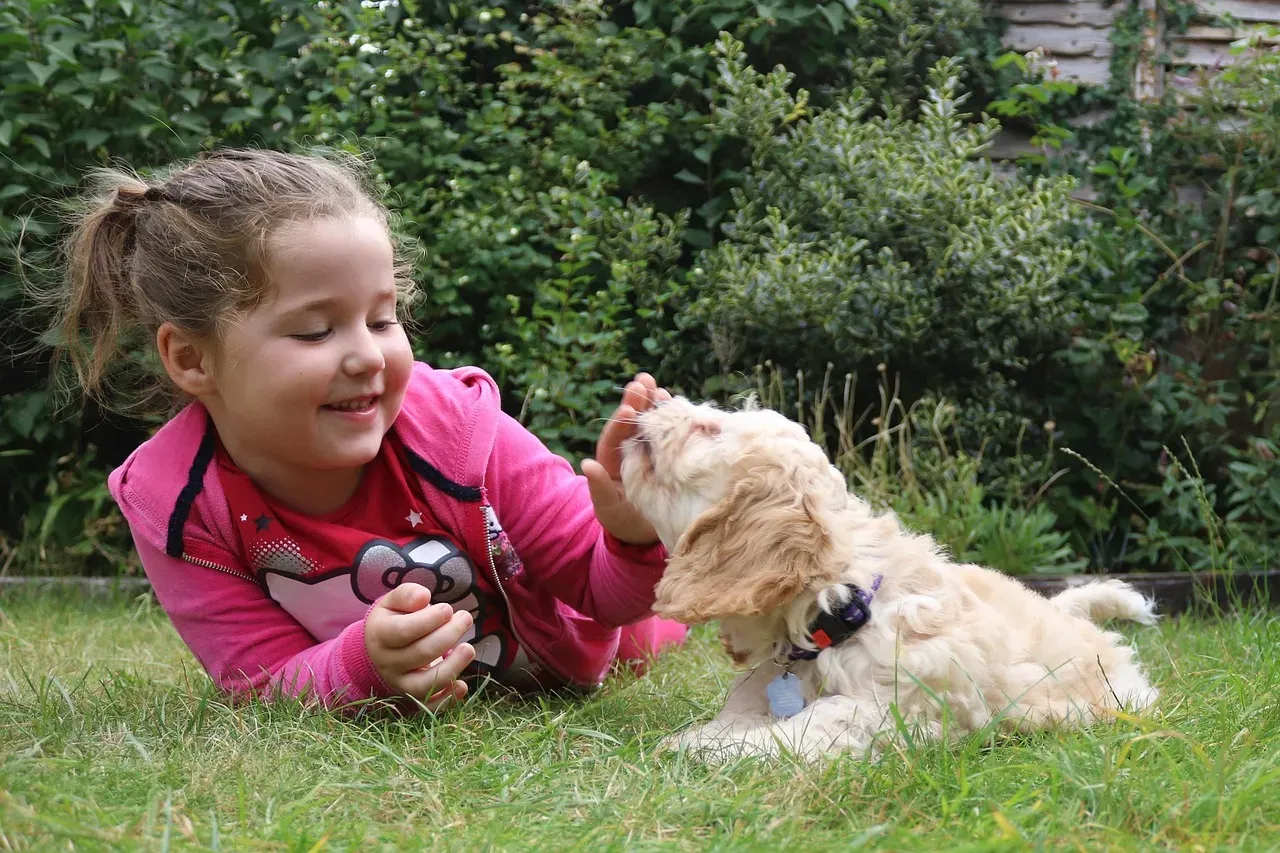
Whether it’s a game of tag, a water balloon fight, or an impromptu obstacle course, the family dog often gets pulled into the action whether they signed up for it or not. Kids naturally include pets in play, but that doesn’t always match what the dog actually wants.
Some dogs thrive on this energy, but others simply tolerate it to avoid being left out or scolded for wandering off. Trainers note that dogs frequently mask discomfort during high-energy play to stay socially connected to their family. It’s a subtle but real form of patience that goes largely unnoticed.
#10 – Sunburn Risks Nobody Talks About
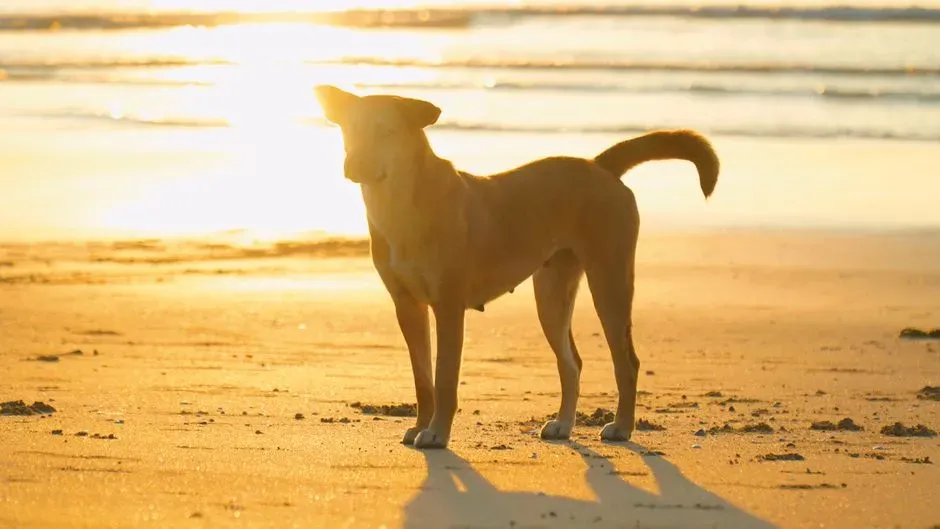
It sounds unusual, but dogs, particularly those with light or thin coats, can actually get sunburned during long summer days outside. This is a detail most families never even consider, let alone protect against.
Veterinary sources confirm that dogs with pink skin or short fur are especially vulnerable to sun damage, particularly on the nose, ears, and belly. Extended time outdoors during peak sun hours only raises the risk. Sunscreen for pets sounds excessive to some, but it’s becoming a more common summer recommendation from vets.
#11 – Being Left Home Alone More Often for Family Outings
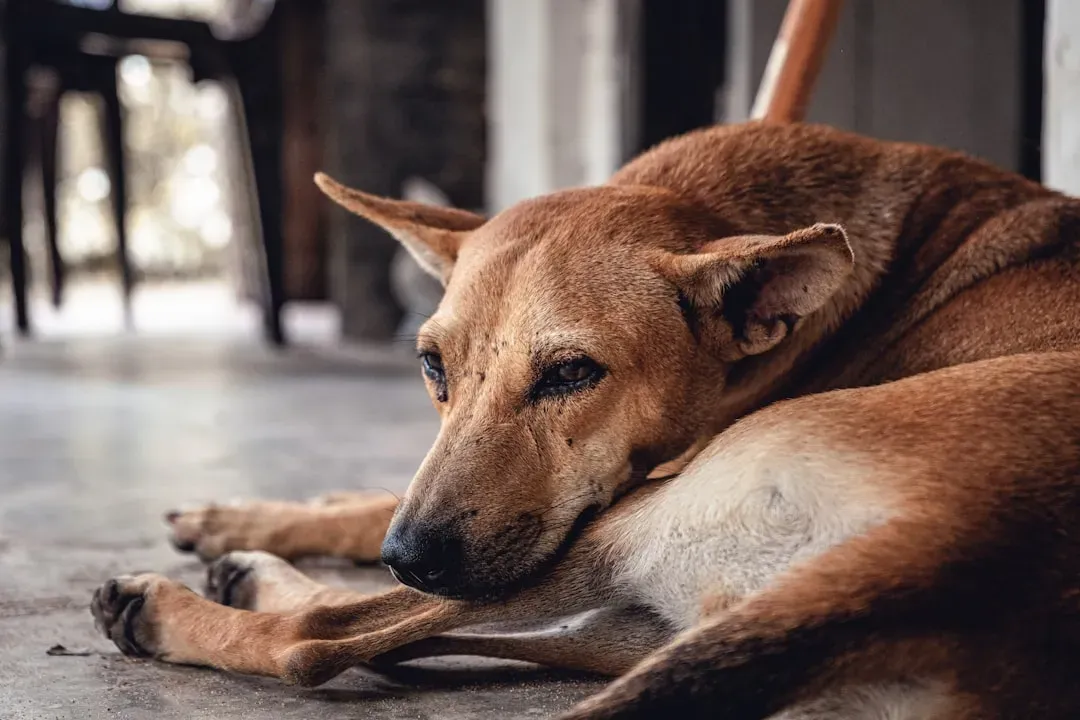
Ironically, despite the extra chaos at home, dogs are also left alone more during summer as families head out for day trips, amusement parks, or events pets simply can’t attend. The inconsistency itself becomes its own stressor.
One day it’s nonstop noise and attention, the next it’s total silence for hours. Behaviorists note that inconsistent attention patterns can be more stressful for dogs than either extreme alone. Dogs don’t get a say in this rotating schedule; they simply adapt as best they can.
#12 – Getting Dressed Up for Holiday Photos and Events
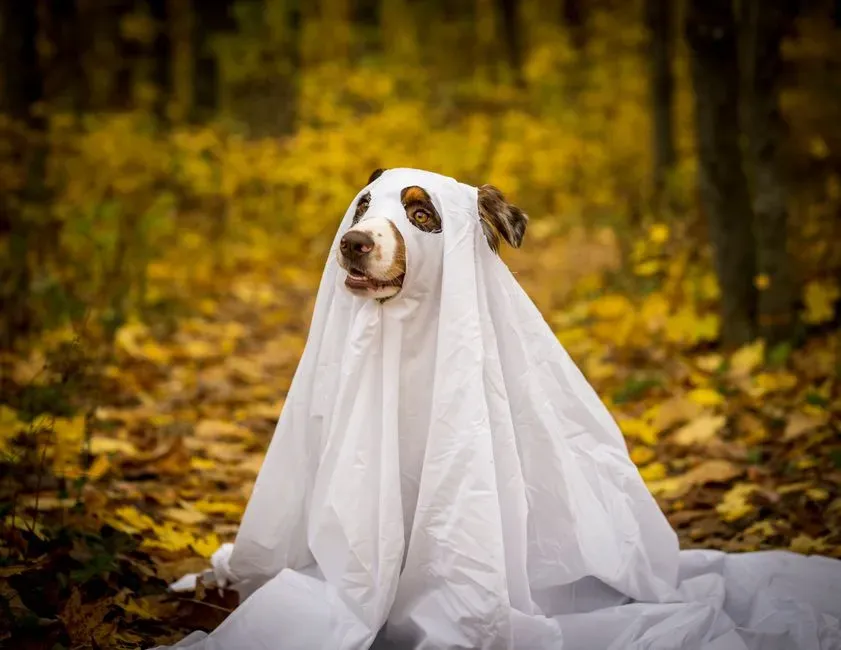
From patriotic bandanas to costume-like outfits for family gatherings, summer holidays bring a surprising amount of dog dress-up. It’s cute for social media, but not every dog enjoys being fitted into fabric in already hot weather.
Some trainers point out that forced costuming can increase a dog’s stress levels, especially in already warm conditions where extra layers add real discomfort. The dog tolerates it because resistance rarely works anyway. It’s a lighthearted but genuinely debated topic among pet owners: cute moment, or unnecessary stress?
#13 – Losing Access to Their Own Bed or Crate
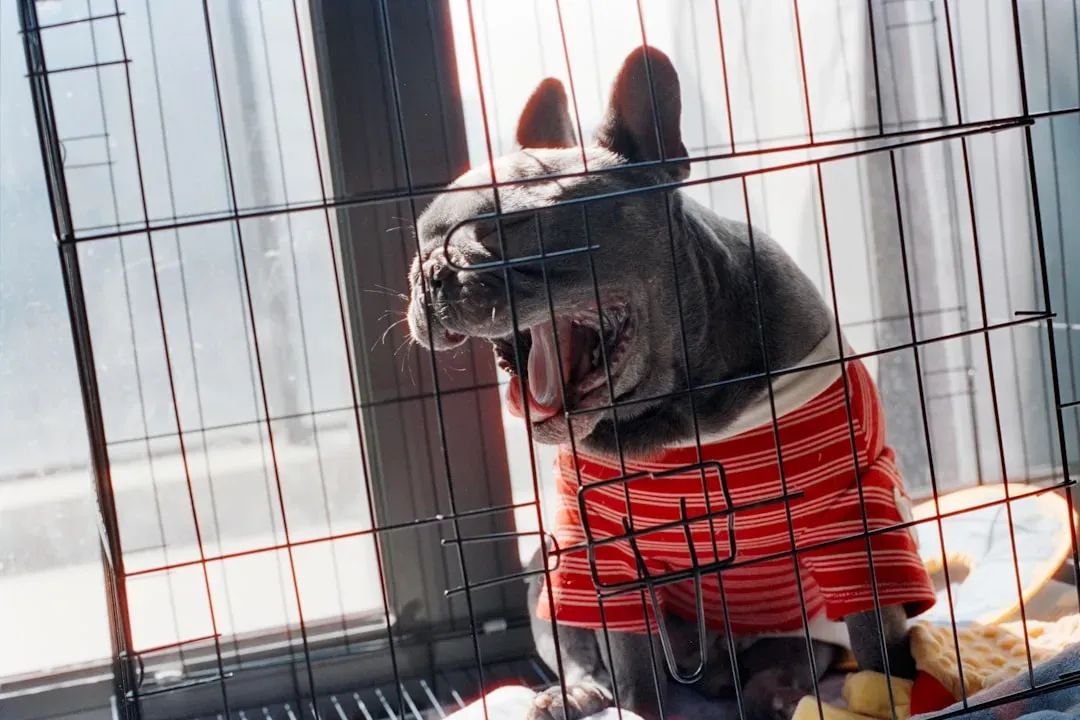
With more people around, guest rooms fill up, and sometimes that means the dog’s crate or bed gets shuffled, covered, or temporarily relocated to make space. It sounds minor, but for many dogs, that space is their safety zone.
Experts emphasize that a dog’s crate or bed functions as their primary sense of security, and disrupting access to it, even briefly, can raise anxiety levels. It’s one of the most overlooked casualties of a busy household. Guests rarely think about it, but the dog absolutely notices.
#14 – Enduring Fireworks With Zero Warning

Whether it’s a planned holiday celebration or random neighborhood fireworks, this is consistently ranked as one of the most stressful summer experiences for dogs. Unlike thunderstorms, fireworks offer no natural buildup or warning.
Veterinary behaviorists frequently cite fireworks as one of the leading causes of noise-related anxiety in dogs, sometimes triggering full panic responses even in otherwise calm animals. There’s no way to fully prepare a dog for the suddenness of it, and many families don’t grasp how distressing it is until they witness that panic firsthand.
At a Glance
- A PDSA survey found around 40% of dogs show visible fear during fireworks.
- A separate Rover survey put the number even higher, with 51% of pet parents saying their dog or cat is afraid of fireworks.
- The most common fear response is seeking out an owner for comfort, not running or hiding alone.
- Missing-pet reports climb sharply during fireworks season as spooked animals bolt from yards and homes.
#15 – Being Excluded From Certain Trips Without Explanation
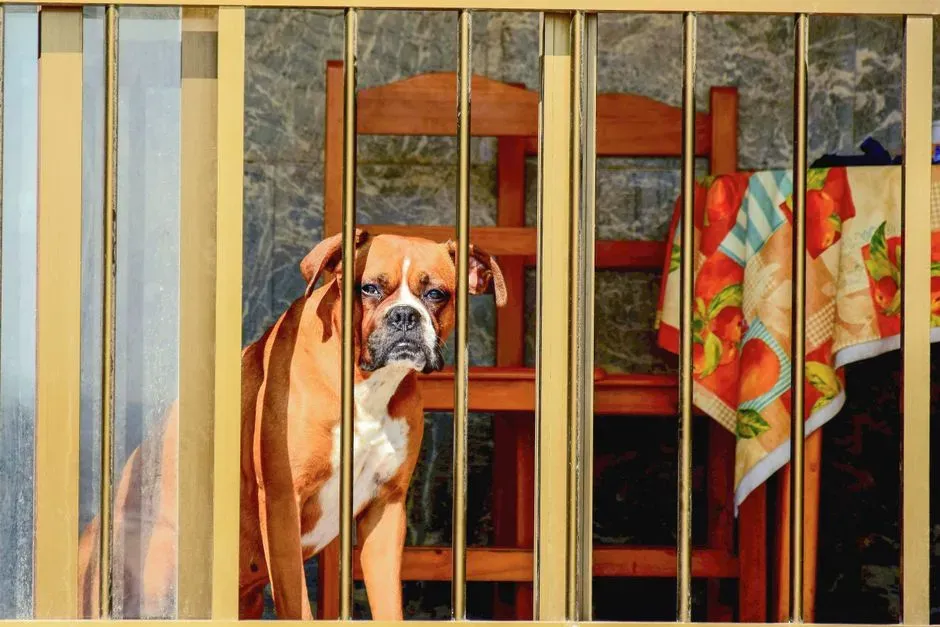
One week the dog is included in every outing; the next, they’re left behind for a special holiday trip with zero explanation. Dogs can’t understand the reasoning, they just experience the abrupt shift in routine.
This inconsistency can create real confusion, especially in dogs who are highly attuned to family patterns. Behaviorists suggest that unpredictability in inclusion versus exclusion can heighten separation-related stress over time. It’s unavoidable, but rarely acknowledged from the dog’s side of things.
#16 – Getting Overloaded With Ice Cream and “Pupsicle” Treats
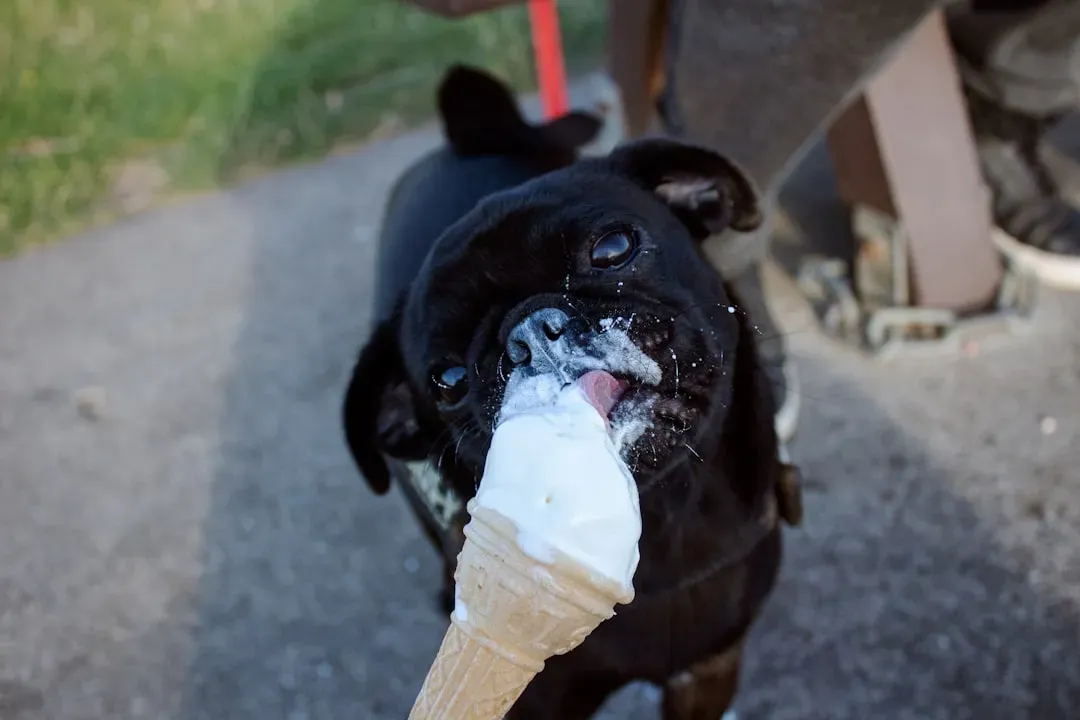
Summer brings a wave of frozen treats made specifically for dogs, and while some are genuinely fine in moderation, the sheer frequency during holidays can lead to overindulgence. Just like people, dogs can overdo the sugar and dairy.
Vets note that excessive dairy-based treats can cause digestive upset in many dogs, even when marketed as pet-safe. A single treat is rarely the issue; the daily repetition during a long summer break is. Owners mean well, but good intentions don’t always match a dog’s digestive tolerance.
#17 – Being Forced Into Group Photos They Clearly Don’t Want
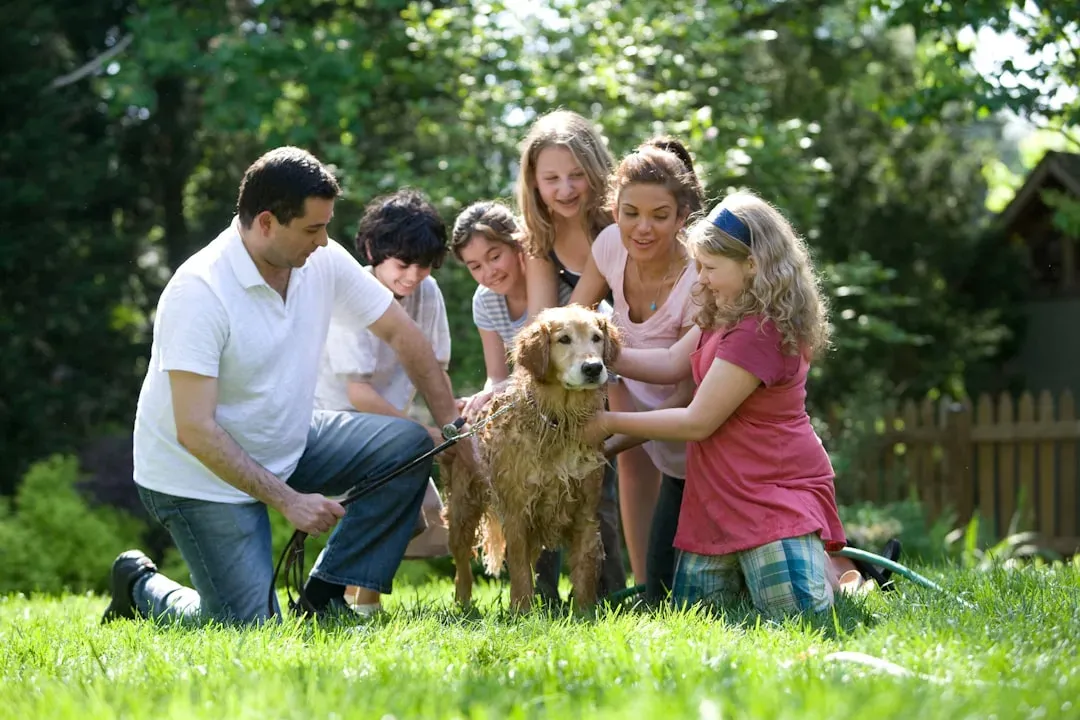
Family holiday photos are a summer tradition, and the dog is almost always required to participate, regardless of mood or comfort. Multiple takes, awkward poses, and prolonged sitting are common, even in direct sunlight.
Trainers note that repeated posing sessions can be more taxing on a dog’s patience than owners assume, especially when treats are used purely as bribery rather than reward. The dog sits, waits, and endures, because that’s the job. It’s harmless in the grand scheme, but it’s one more small tolerance test stacked onto an already busy season.
#18 – Dealing With Increased Shedding and Grooming Neglect
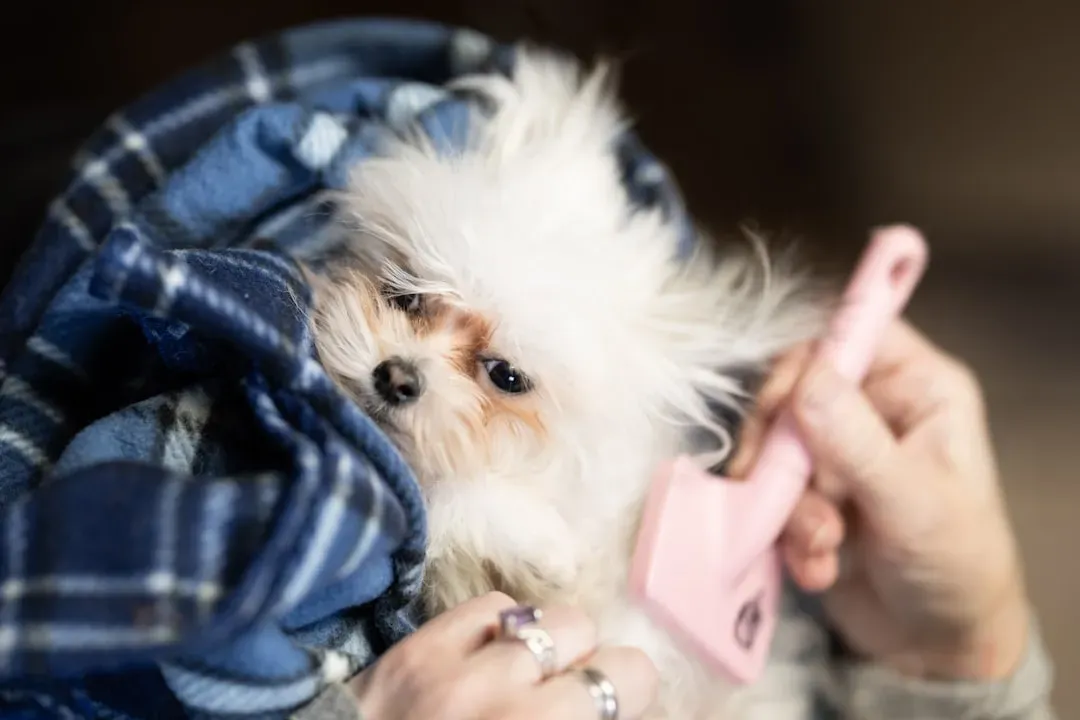
Ironically, even though dogs shed more heavily in summer to manage heat, grooming routines often slip during the busy holiday season. Brushing gets skipped, baths get postponed, and matting becomes a real issue for longer-haired breeds.
Veterinarians note that inconsistent grooming during shedding season can contribute to skin irritation and overheating. The dog’s coat needs more attention exactly when families have the least time to give it, a classic case of good intentions colliding with a hectic schedule.
#19 – Constant Exposure to Bugs and Parasites
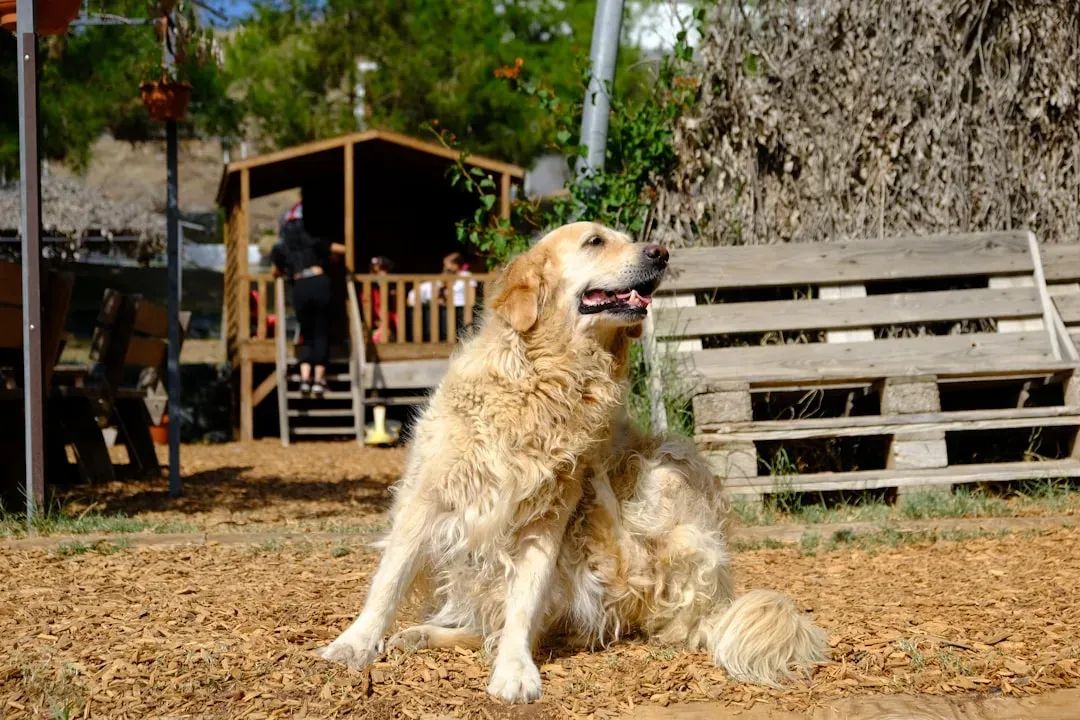
Summer holidays mean more time outdoors, and that means significantly higher exposure to fleas, ticks, and mosquitoes. Family trips to parks, lakes, or wooded areas often come with hidden risks that aren’t top of mind during vacation planning.
Veterinary experts consistently identify summer as peak season for flea and tick-related health issues in dogs. Preventative treatments matter more during this stretch than almost any other time of year. It’s an invisible risk that ramps up simply because the dog is outside more often.
Quick Compare
- Fleas: Thrive in warm grass and can infest an entire home within days of a single hitchhiking bite.
- Ticks: Most active from spring through early fall, especially in wooded areas or tall grass near lakes and trails.
- Mosquitoes: Just one bite can transmit heartworm, which is why year-round prevention matters most in summer.
#20 – Being the Emotional Support System for Overstimulated Kids
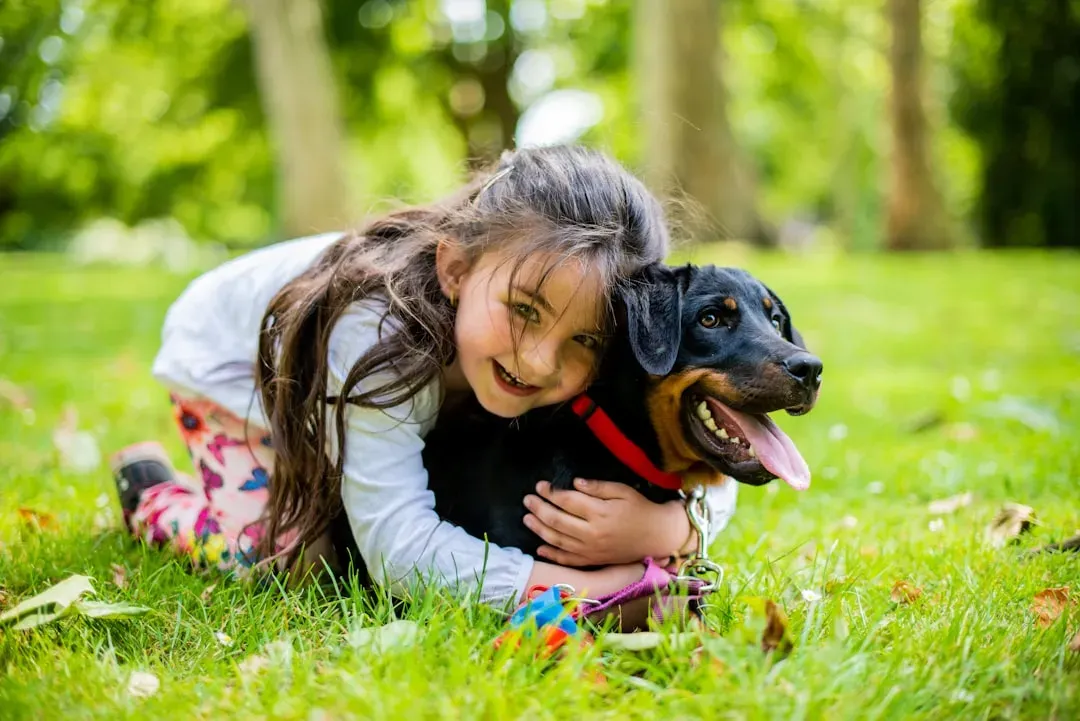
Summer holidays can be overwhelming for kids too, and dogs often become the default emotional outlet when children are tired, cranky, or overstimulated from nonstop activity. Hugs, clinging, and constant physical contact increase dramatically.
While this bond is genuinely sweet, behaviorists caution that dogs need breaks from constant physical affection just as much as they need social interaction. Nonstop contact, even loving contact, can become its own form of stress, a nuance that surprises families who assume more affection is always a good thing.
#21 – Navigating Unfamiliar Environments During Family Trips
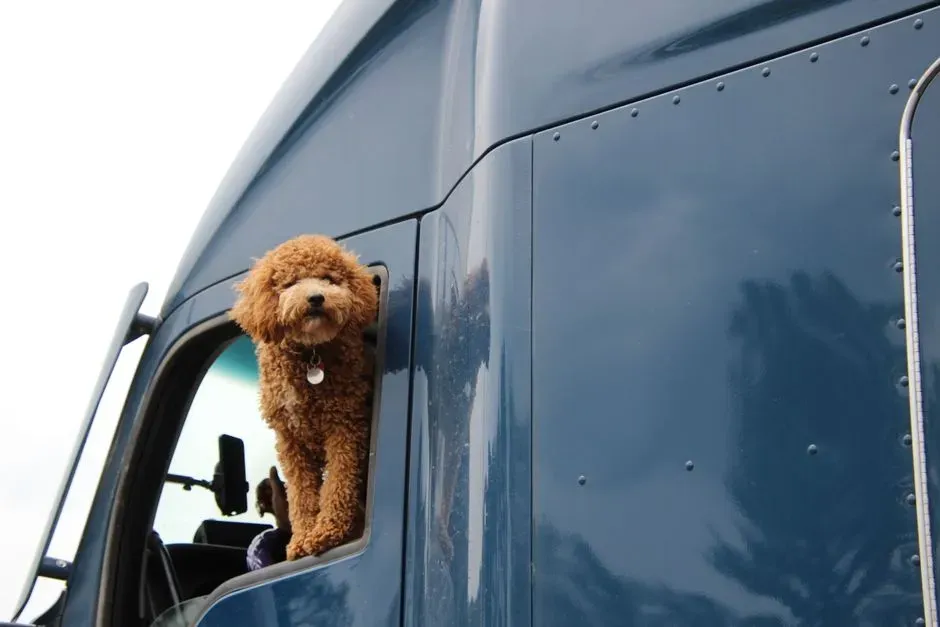
Whether it’s a lake house, a relative’s home, or a road trip pit stop, summer holidays often mean dogs spend time in spaces they’ve never encountered before. New smells, new layouts, and new rules can be genuinely disorienting.
Experts note that unfamiliar environments can significantly increase a dog’s baseline anxiety, even in otherwise confident animals. Adjusting takes time that a fast-paced holiday itinerary rarely allows for. Dogs adapt because they have to, not because it’s easy.
#22 – Enduring Long Car Rides With Little Preparation
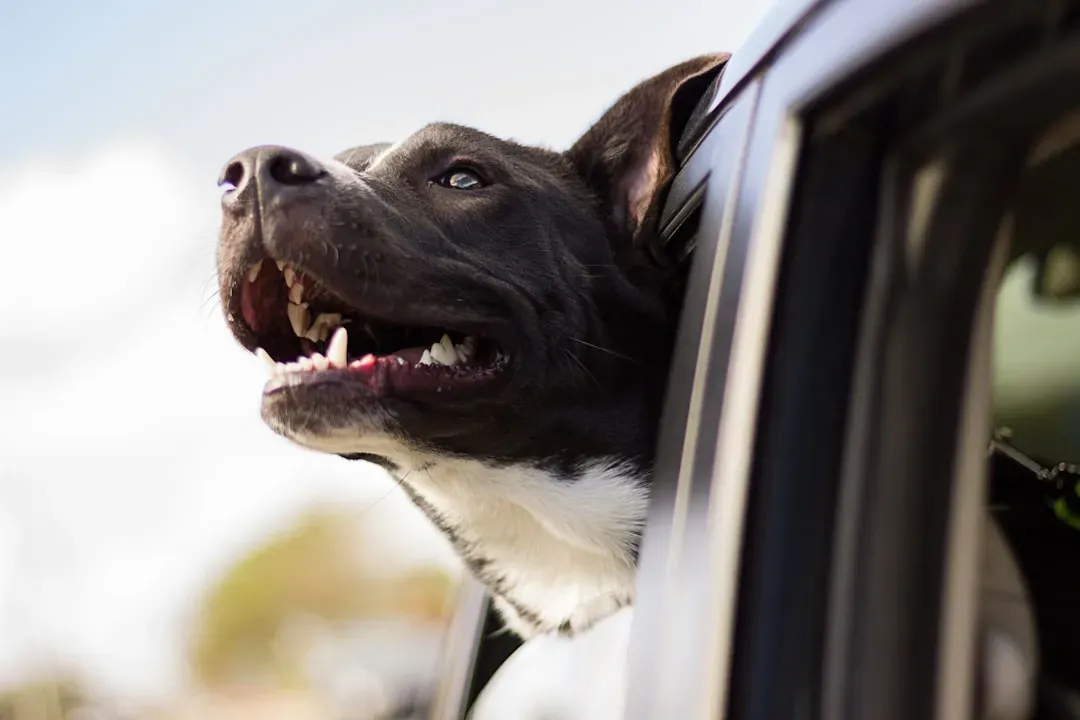
Family road trips are a summer staple, but not every dog is a natural traveler. Motion sickness, restlessness, and anxiety in moving vehicles are common issues that often go unaddressed until the trip is already underway.
Veterinarians point out that many dogs experience genuine travel-related nausea, which owners sometimes mistake for simple restlessness or bad behavior. The dog isn’t being difficult, it’s uncomfortable, and preparation is frequently overlooked in the rush of holiday planning.
#23 – Losing Consistent Feeding Times
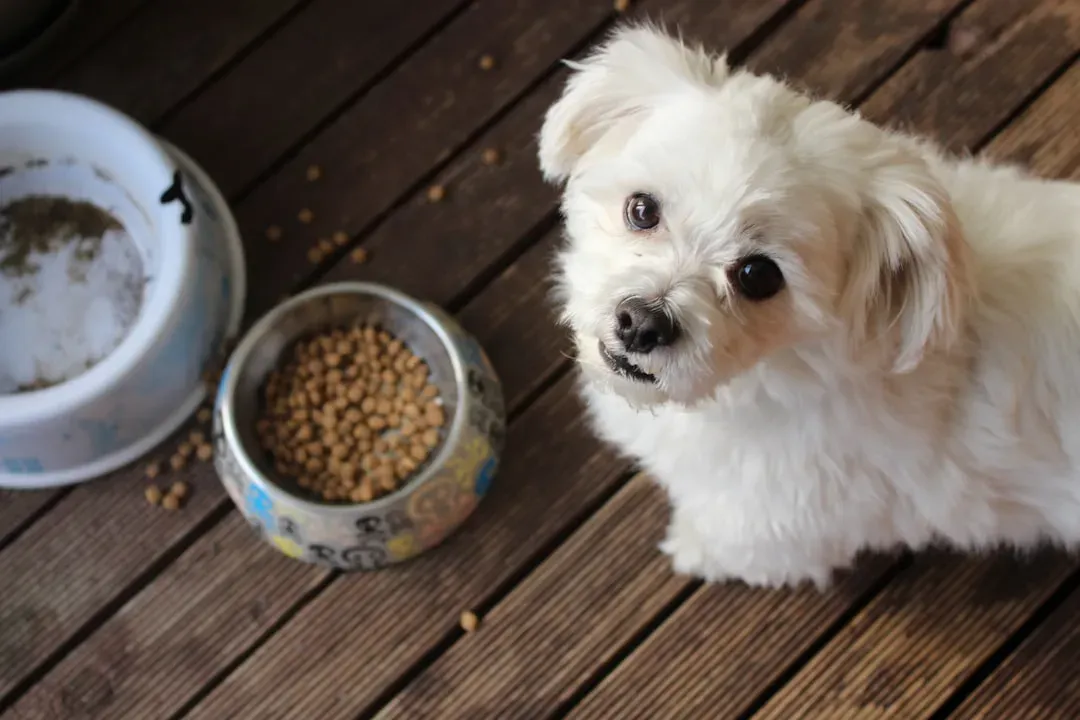
Regular schedules go out the window during holidays, and feeding times often shift along with everything else. Meals get delayed because of outings, celebrations, or general chaos, even though dogs rely heavily on consistent feeding routines.
Experts note that irregular feeding schedules can contribute to digestive issues and increased anxiety in dogs. It’s one of those quiet disruptions that rarely gets attention until it becomes a pattern. The dog doesn’t complain loudly, but the impact is real.
#24 – Being Blamed for Stress-Related Behavior Changes
When a dog starts acting out during a hectic summer, more barking, more chewing, more clinginess, it’s often labeled as “bad behavior” rather than recognized as a stress response to a disrupted routine. The dog gets scolded for something it didn’t create.
Emotional support is a two-way street. If you want your dog to be tolerant, calm, and adjust to your family and the demands you put on him or her, you need to reciprocate.
Cesar Millan
Behaviorists emphasize that most sudden behavioral shifts in dogs are directly tied to environmental changes, not defiance. Summer holidays are one of the most common triggers for exactly this kind of shift. Sometimes it’s the family, not the dog, that needs to adjust.
#25 – Watching Their Routine Disappear Entirely, Day After Day
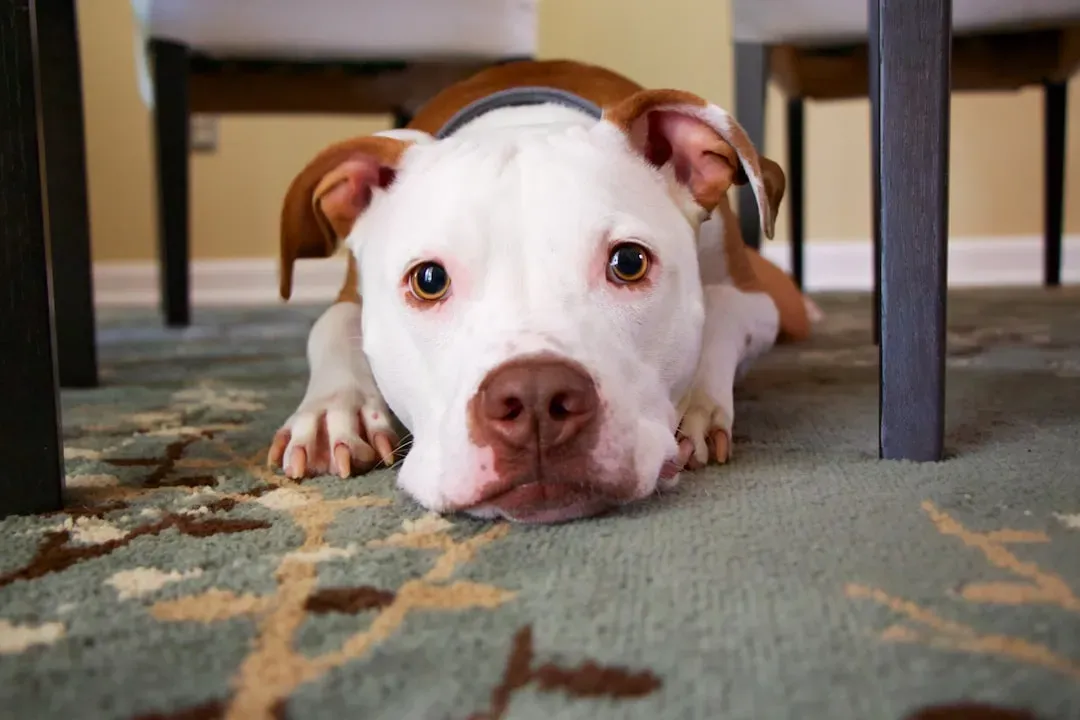
At the core of nearly everything on this list is one simple truth: dogs rely on routine more than almost any other factor for their wellbeing, and summer holidays dismantle that routine almost entirely. Walks shift times, meals shift times, sleep shifts, attention shifts, nothing stays consistent for weeks at a time.
Veterinary behaviorists widely agree that routine disruption is one of the most significant stressors dogs face, often more impactful than any single event on this list. It’s not one big thing; it’s dozens of small things, stacked daily, for weeks straight. By the end of summer, most family dogs aren’t relaxed from a long break, they’re simply relieved when normal life resumes.
The Bottom Line
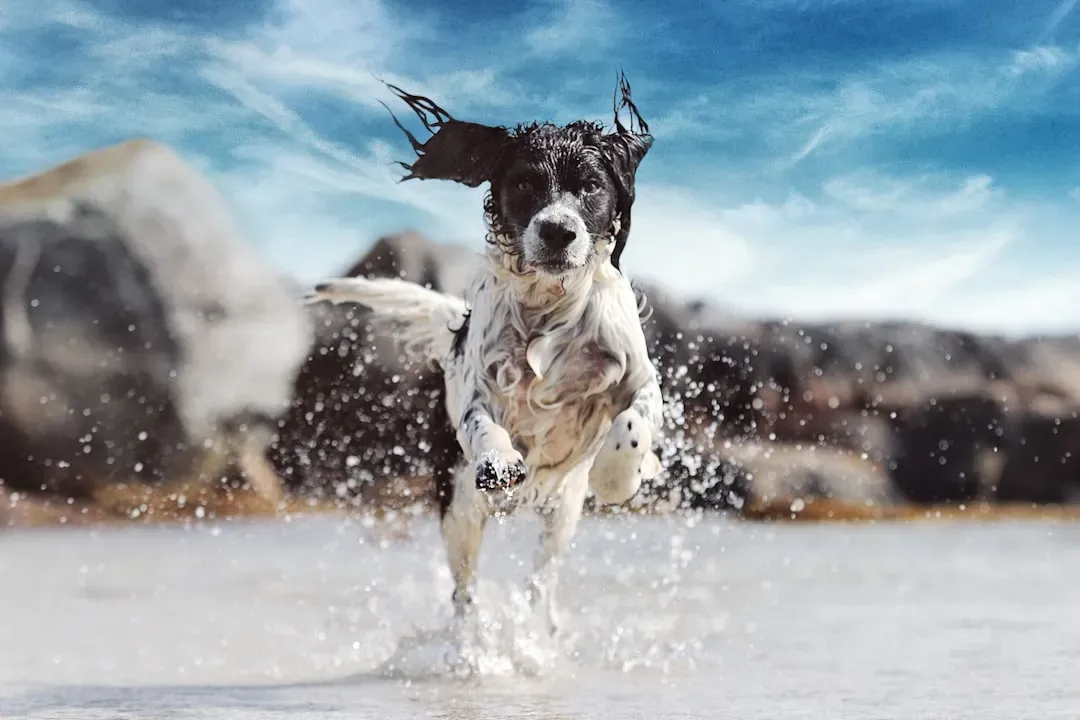
Summer holidays are marketed as a season of fun for the whole family, but for the family dog, it’s often a season of quiet endurance. Between heat exposure, disrupted sleep, constant visitors, and abandoned routines, dogs absorb far more stress than most owners ever notice.
Here’s the opinion worth sitting with: dogs don’t need extravagant summer activities. They need consistency, and that’s exactly what disappears the most this time of year. If your dog seems a little more tired, clingy, or irritable by August, it’s probably not the heat. It’s everything else, quietly stacked on top of each other since June.
What’s the one summer habit you never realized your dog was just tolerating? Drop it in the comments.


