
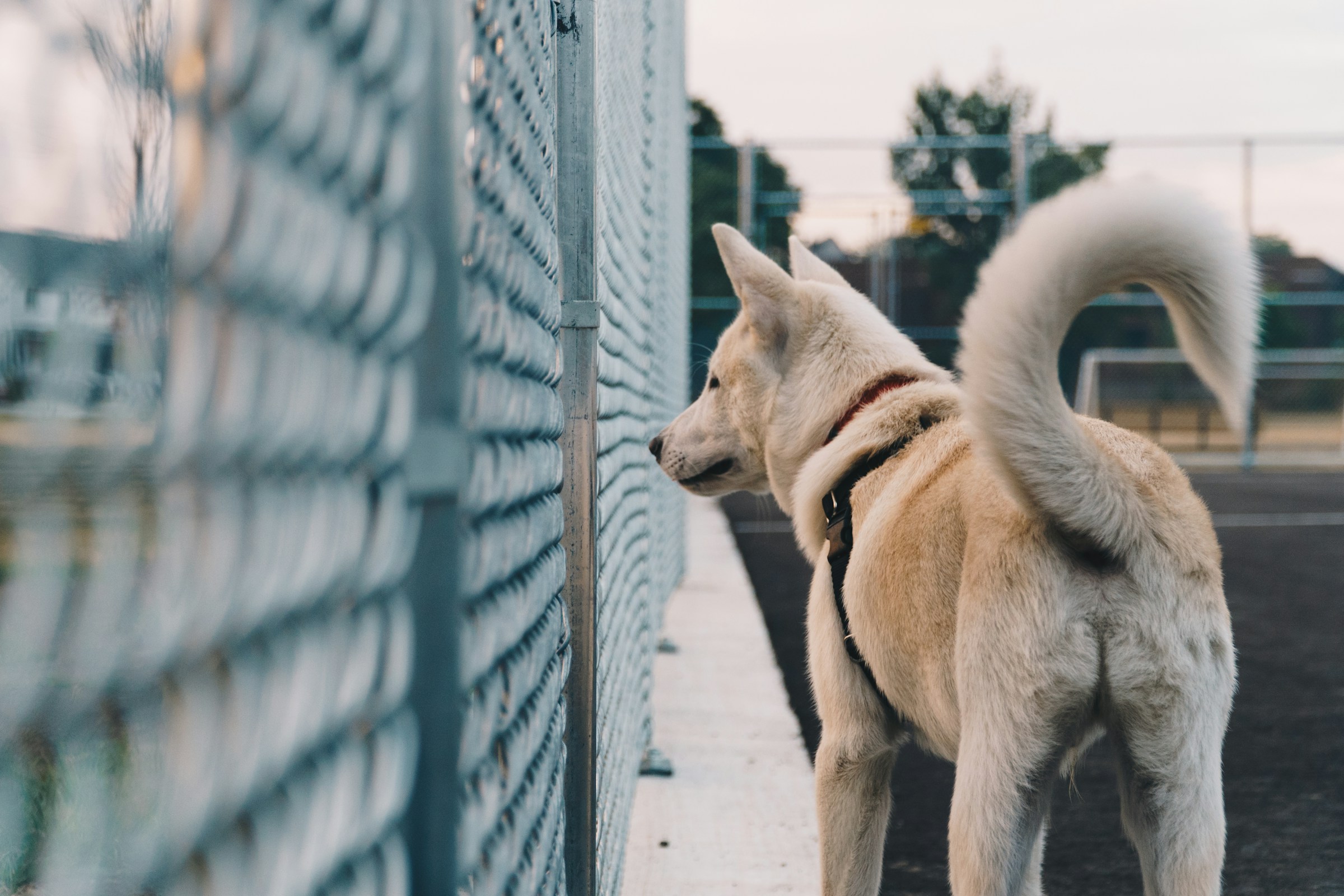
The backpacks vanish from the hallway hooks. The fridge stops slamming every ten minutes. And somewhere in the middle of all that sudden quiet, the dog just stands there, looking lost in a house that hasn’t actually changed all that much on paper.
Most owners assume the dog simply doesn’t notice when term-time swallows the kids back up after weeks of holiday chaos. That assumption is wrong, and the proof shows up in small, easy-to-miss behaviors that owners routinely write off as boredom, bad manners, or “just a dog thing.” Here’s what’s actually going on underneath the surface, and why the fourteenth sign on this list is the one vets say is impossible to fake.
#1 – Camping Out in the Kids’ Empty Bedroom
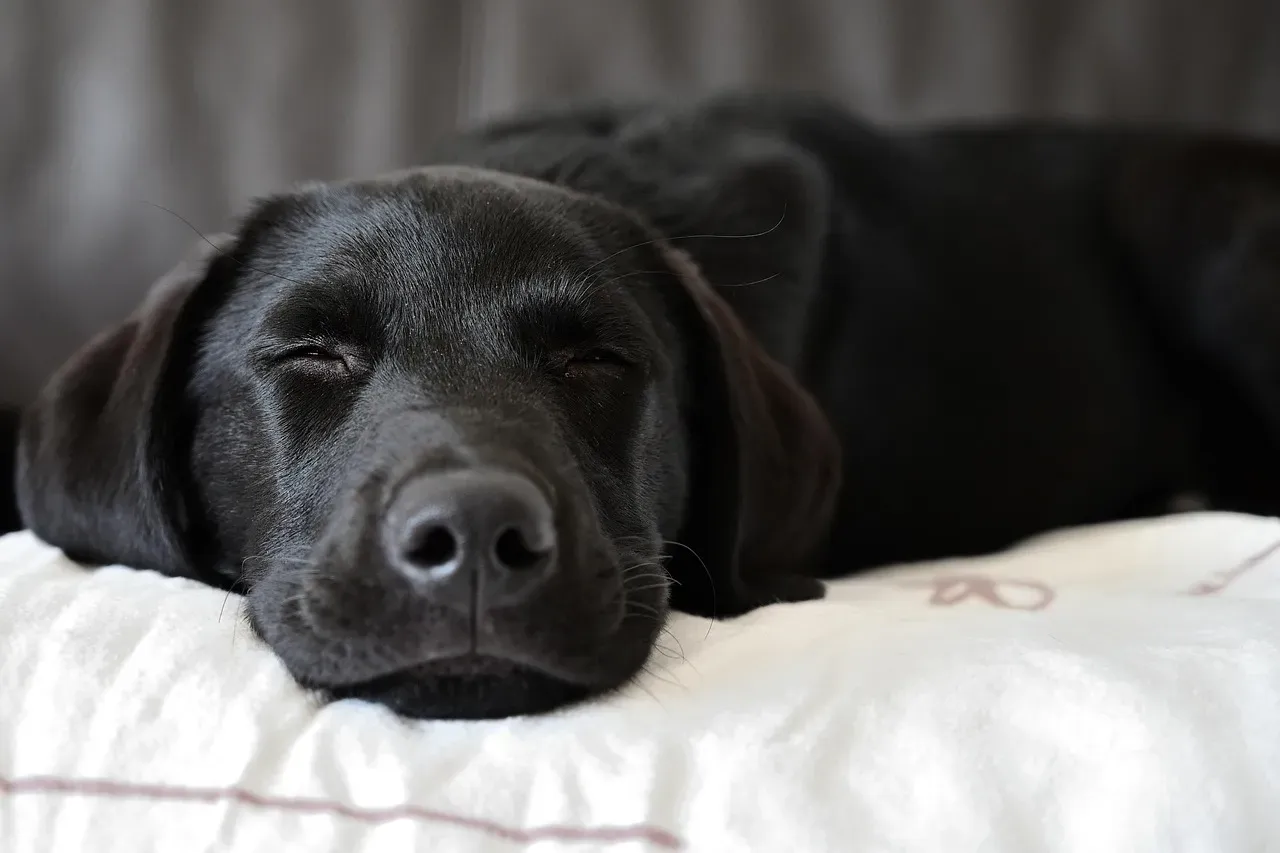
A dog that suddenly starts spending hours in an empty bedroom isn’t being nosy. Scent is a dog’s primary emotional anchor, and a child’s room holds weeks of concentrated smell after a long summer or half-term break.
When the room empties out during school hours, some dogs camp there anyway, curling up on the bed or the floor like they’re standing guard until someone comes home. It’s not random wandering. It’s a deliberate choice to stay close to the strongest trace of a person they associate with constant company.
Owners often find the dog asleep on a pile of school uniforms or tucked inside a wardrobe. It looks sweet, but it’s really a coping mechanism, the dog substituting scent for presence because the real thing isn’t available. If it drags on for weeks instead of days, that’s worth paying attention to.
#2 – Waiting by the Door at the Exact Same Time Every Day
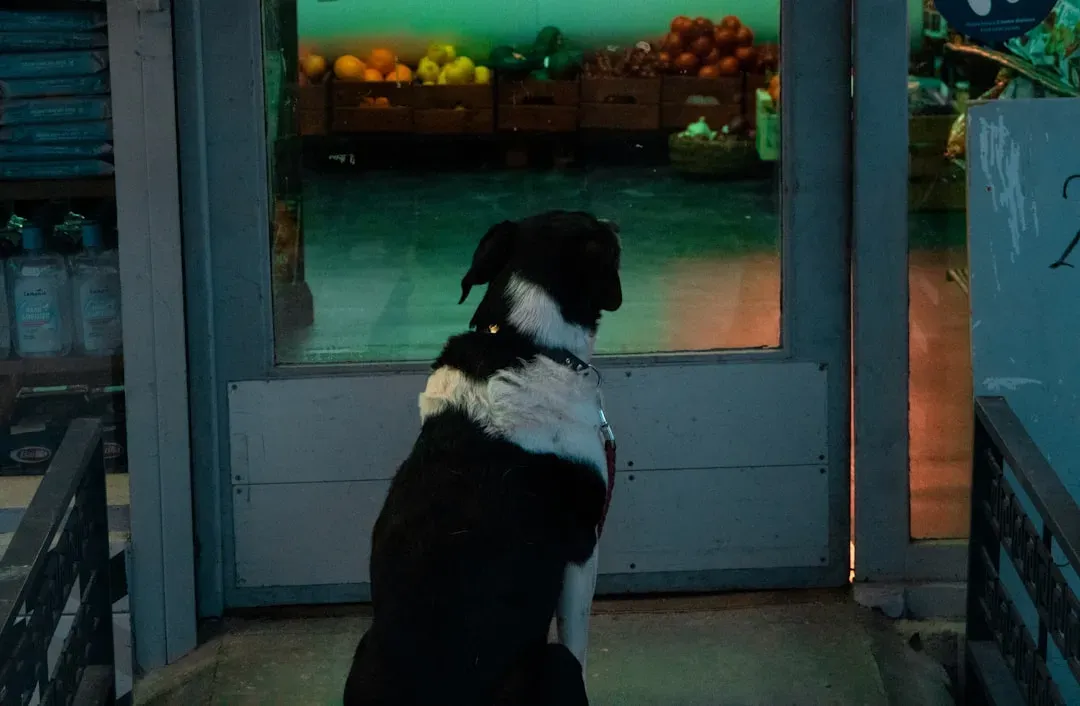
Dogs are relentless clock-watchers, and the school run is one of the easiest routines for them to memorize down to the minute. If your dog starts pacing near the window at roughly 3:15pm, that’s not a coincidence.
Dogs use light levels and daily rhythm to predict events, and a consistent pickup time becomes deeply ingrained within days. During the holidays, that internal clock resets completely because the child is suddenly home all day instead of arriving at a fixed hour.
Fast Facts
- Dogs rely on internal circadian rhythm plus cues like light and household sound to track daily routines.
- Many dogs anticipate recurring events, such as feeding or arrivals, within a tight window of the usual time.
- Even small shifts in routine can visibly throw off a dog’s sense of “when things happen” within days.
When term restarts, some dogs snap back to door-watching instantly. Others seem thrown off entirely, still waiting at the old holiday times like the schedule hasn’t caught up in their heads yet. That confusion is the tell. A genuinely settled dog doesn’t obsessively monitor a doorway.
#3 – Suddenly Eating Less
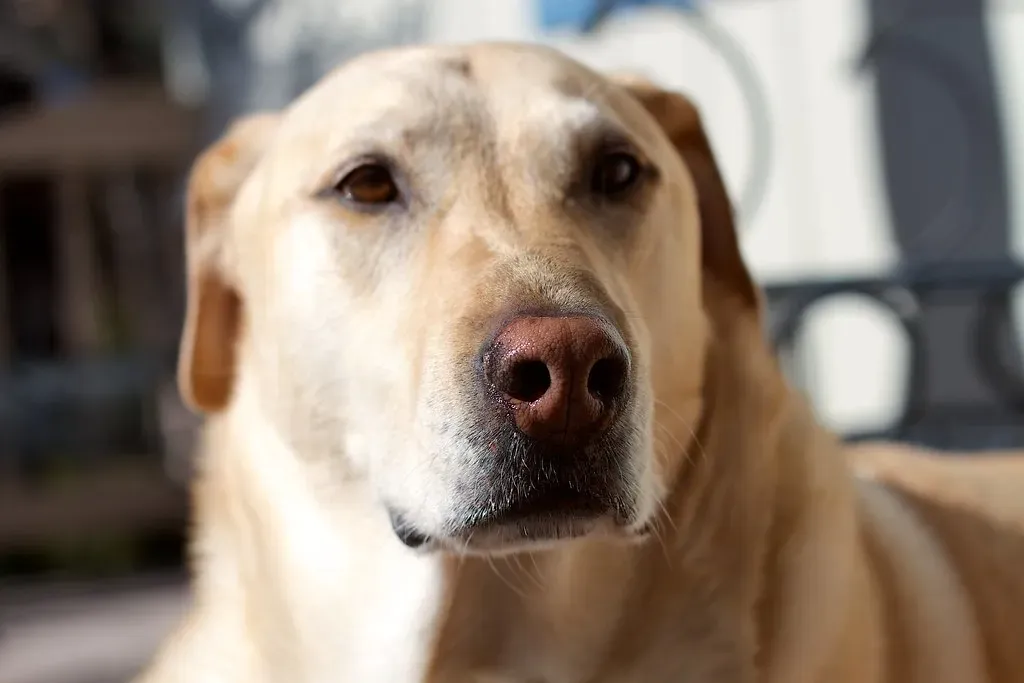
A dog that skips meals after a busy household goes quiet again is sending a real signal, not being fussy. Appetite changes are one of the most reliable stress indicators in dogs, and owners dismiss them constantly as pickiness.
Many dogs eat noticeably less in the days right after a schedule shift, especially if mealtimes used to overlap with a child’s snack routine or table-side company. It’s not about the food. It’s about losing a social eating environment the dog had gotten used to.
The mistake owners make here is switching brands to fix a problem that isn’t dietary at all. The better move is keeping feeding times steady and adding short bursts of attention around meals. If appetite hasn’t recovered within a week, that’s a vet conversation, since prolonged appetite loss hits smaller breeds fast.
#4 – Becoming Glued to Whichever Adult Is Left
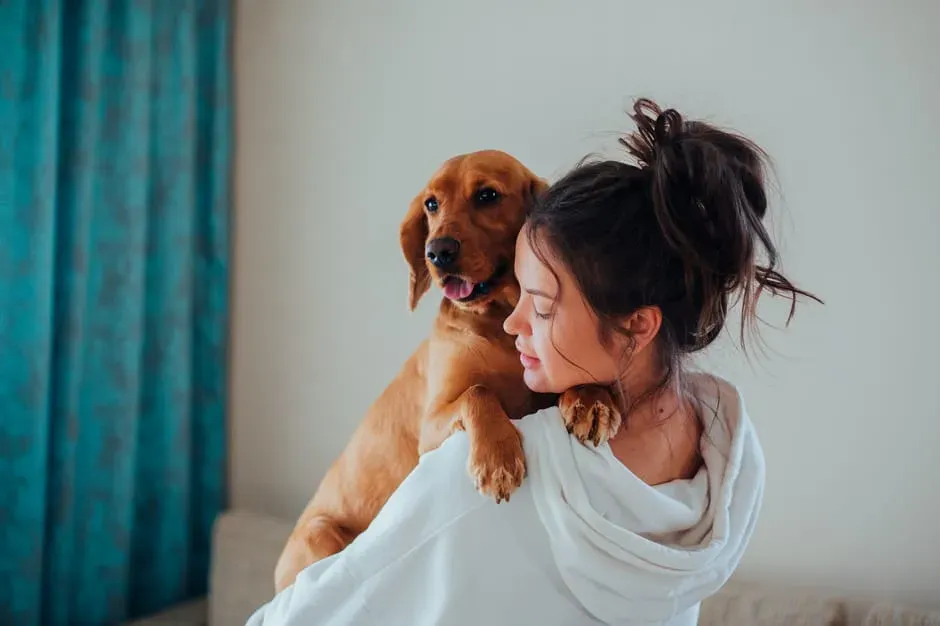
When the kids vanish into a school routine, some dogs simply transfer all their attention onto whoever’s still around. It’s called redirected attachment, and it’s far more common than most owners realize.
A dog that never used to follow anyone into the bathroom may suddenly refuse to leave a parent’s side, shadowing every movement through the house. It’s not neediness for its own sake. It’s the dog filling a social gap using the only human still available.
This clinginess often gets misread as general anxiety instead of grief over a changed routine. Structured attention beats constant lap time here, because reinforcing frantic following can deepen the attachment instead of settling it. A little independence training now heads off a bigger separation problem later.
#5 – Sighing, Groaning, or Quiet Whining at Nothing
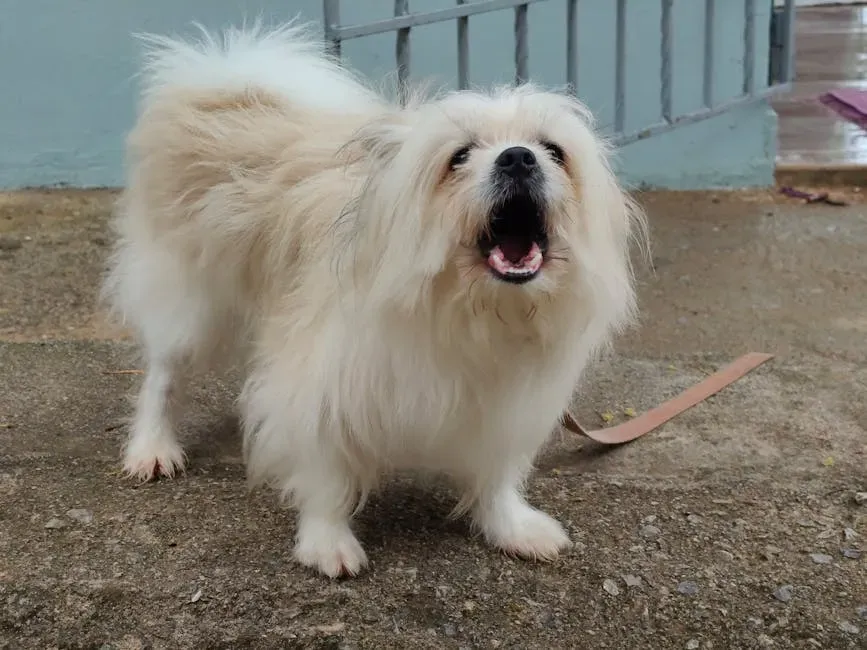
Dogs communicate emotional state through sound far more than most owners give them credit for. A low sigh while lying down, repeated groaning when settling, or a soft whine directed at nobody are classic signs of mild frustration or flatness.
Vocal tone shifts often show up before any visible behavioral change, making them an early warning system for anyone paying attention. After a loud, chaotic holiday period ends abruptly, some dogs vocalize more simply because the house feels emptier than it did days earlier.
It’s easy to write off as “just an old dog thing,” but pattern matters. A dog newly sighing at consistent times, right when the house empties out for school, is reacting to absence, not settling in for a nap.
#6 – Carrying Around One Specific Toy or Item
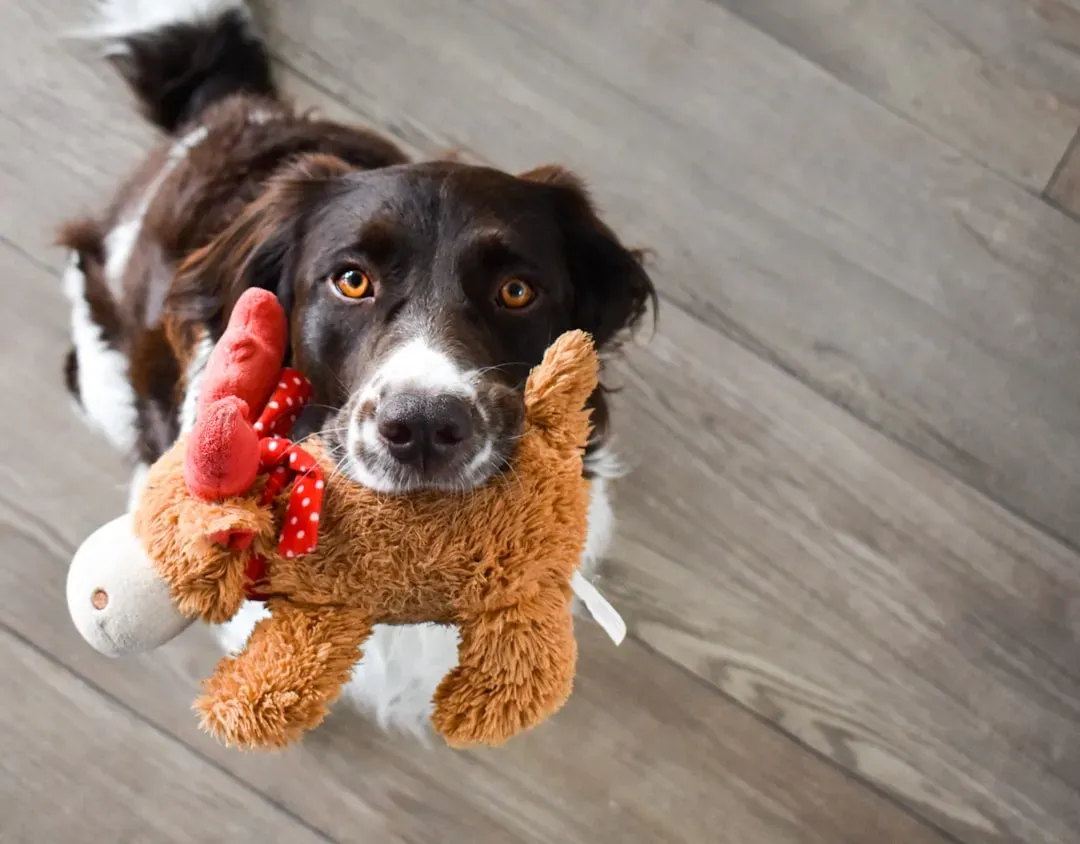
Some dogs develop an oddly specific habit of walking around with one particular object clenched gently in their mouth. Trainers call it toy fixation, and it tends to spike during periods of emotional uncertainty.
The item is rarely random. It’s usually something strongly linked to a favorite person, a stuffed toy a child gave them, or oddly, a shoe or sock belonging to that kid. Carrying it isn’t destructive chewing, it’s closer to a child clutching a security blanket.
Worth Knowing
- A dog’s sense of smell is estimated to be tens of thousands of times more sensitive than a human’s.
- Worn clothing and favorite toys hold a dense, personal scent signature that lingers for days or weeks.
- Taking a comfort item away abruptly tends to spike anxiety rather than resolve it.
Owners often try to take the item away, assuming it’s a bad habit. That’s the wrong move. Letting the dog keep the object nearby, as long as it’s safe, usually resolves the fixation faster than removing it, because forcibly taking it away can spike anxiety instead of calming it.
#7 – Pacing the Same Rooms Over and Over
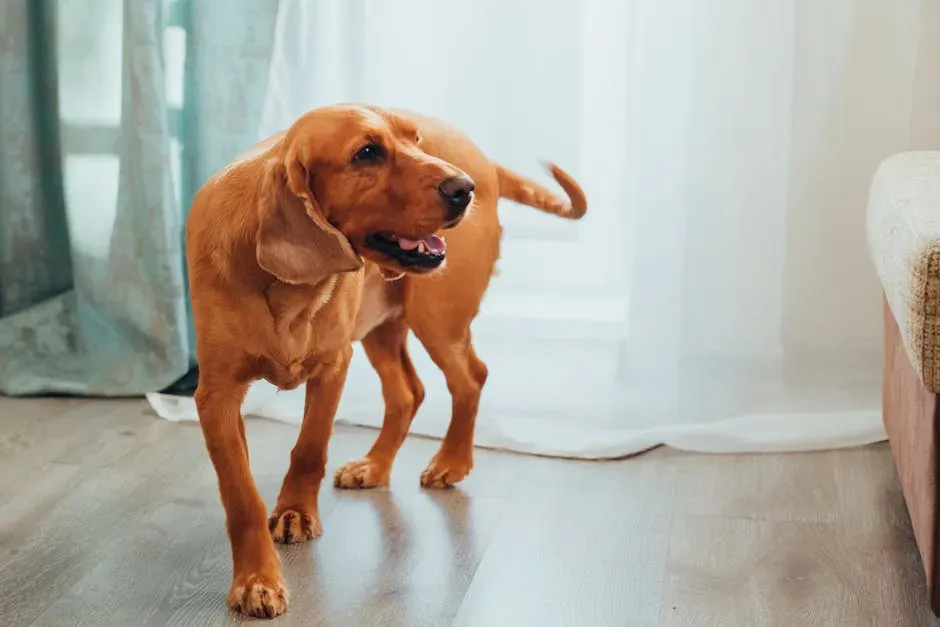
A dog that can’t seem to settle, circling the same rooms repeatedly, is showing one of the clearest physical stress signals there is. Pacing burns nervous energy the dog doesn’t know how else to release.
This behavior often intensifies specifically during the hours a child used to be home, then eases off later in the day once the household settles into its new quieter rhythm. It’s less general hyperactivity and more an internal mismatch between expectation and reality.
Dogs thrive on routine, and any disruption to that routine can result in stress-related behaviors like pacing or restlessness.
American Kennel Club
Letting the dog “just pace it out” without intervention usually makes things worse over time, not better. Redirecting that energy into a short walk or structured play during the restless window tends to shortcut the anxiety far faster than waiting for it to pass on its own.
#8 – Long, Fixed Staring Out the Window
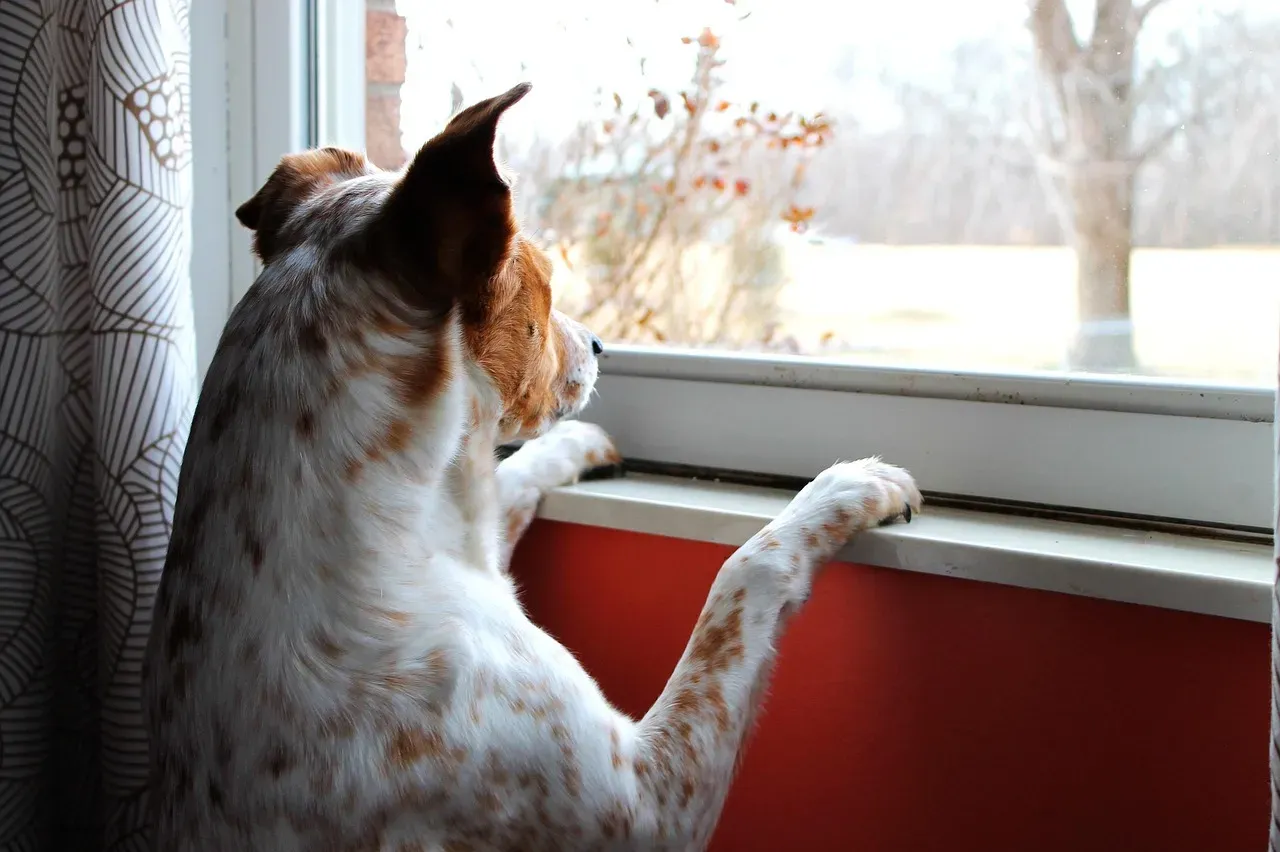
Window-watching looks passive, but it’s one of the more emotionally loaded behaviors on this list. A dog fixated on a window facing the direction a school bus normally comes from is engaging in what behaviorists call anticipatory monitoring.
This habit typically appears within the first week of a schedule change and can persist for several weeks if nothing actively counteracts it with new structure. It’s the dog’s way of trying to predict when the missing routine will return.
Here’s the unpopular part: many owners find this endearing and encourage it by narrating “they’ll be home soon” every time the dog looks out. That reinforcement can actually prolong the fixation. Redirecting toward an activity, not commentary, works better.
#9 – Backsliding on Habits That Used to Be Solid
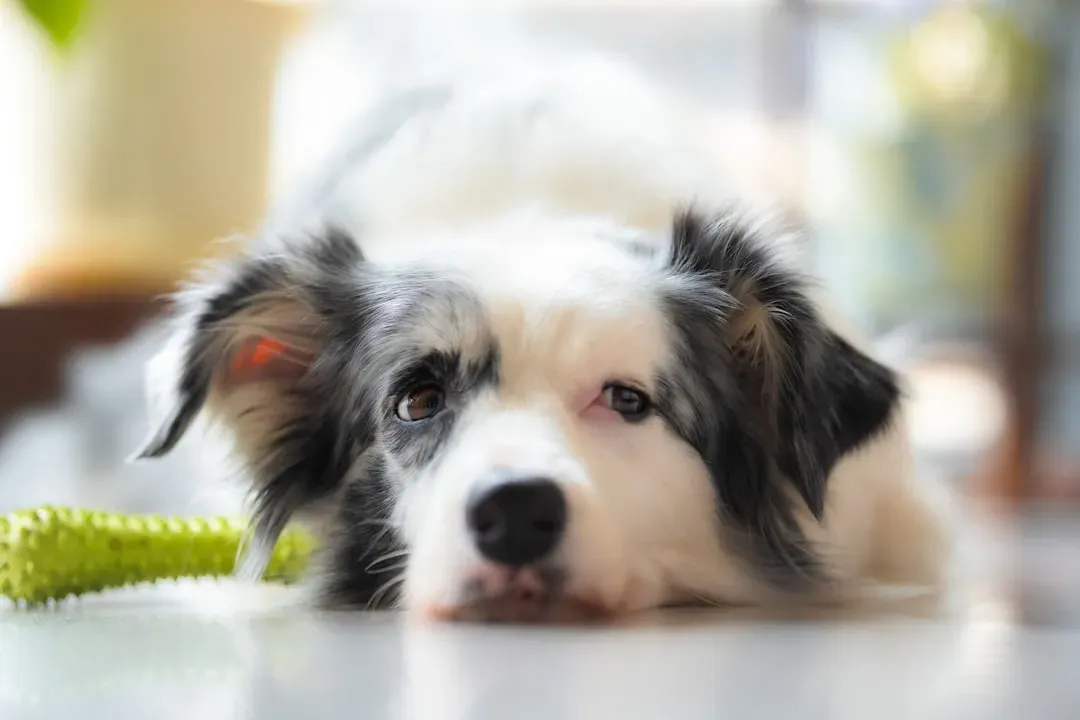
A well-trained dog suddenly having accidents indoors, or ignoring commands it’s known for years, is not “forgetting” its training overnight. Regression under stress is extremely well documented in dogs, and schedule disruption is one of the most common triggers.
Even dogs with years of consistent house-training can slip during emotional upheaval, because stress hormones directly interfere with impulse control and memory recall. It’s the canine equivalent of a stress response overriding learned behavior, not defiance.
Quick Compare
- Normal adjustment: A brief appetite dip, occasional pacing, or extra sleep for a few days.
- Needs a vet visit: Appetite loss beyond a week, repeated accidents, or pacing that won’t ease off.
Punishing this regression is the single biggest mistake owners make here, because it stacks fear on top of existing anxiety rather than fixing the root cause. Reinforcing calm routines and rewarding small wins generously gets most dogs back to normal within two to three weeks.
#10 – Sniffing Out Dirty Laundry and Backpacks
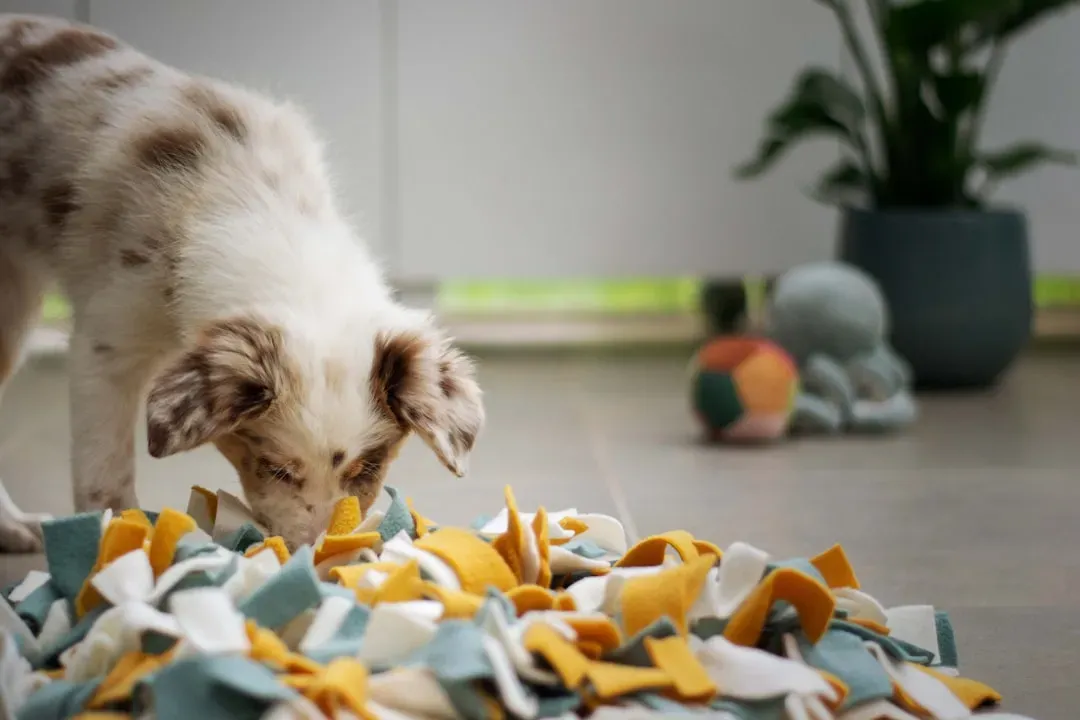
If your dog has started sniffing, lying on, or even sleeping inside a laundry pile that wasn’t there last week, there’s a reason. Worn clothing and school bags carry an incredibly dense scent signature, far stronger than clean laundry.
Scent-seeking behavior spikes noticeably when a strongly bonded person’s presence drops from the daily routine, and laundry baskets are often the richest, most accessible source in the house. It’s one of the most consistent behaviors owners report during term-time transitions.
Washing everything immediately for hygiene is fair, but doing it all at once removes every comfort scent source simultaneously. Staggering laundry over a few days gives the dog a gentler transition instead of an abrupt scent vacuum.
#11 – Sleeping Noticeably More Than Usual
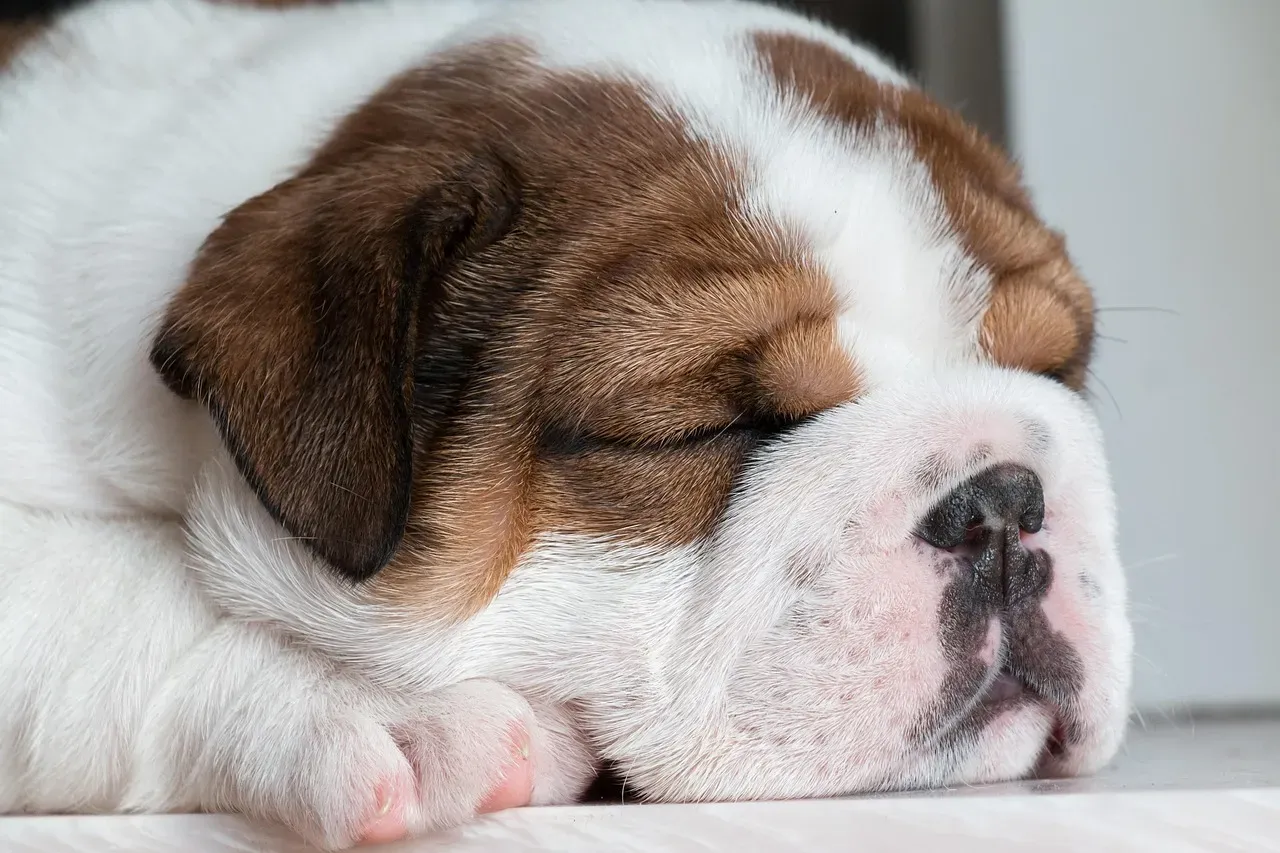
An uptick in daytime sleeping looks harmless, even convenient, but it can be a quiet red flag when it happens abruptly. Boredom and mild depression in dogs frequently present as excessive sleep rather than obvious sadness.
A dog used to constant activity and noise during a school holiday can experience a real dip in stimulation once that energy disappears overnight, and sleep becomes the default response to an under-stimulated day. This shows up especially in younger, high-energy breeds that thrived on chaotic play during the break.
Here’s the part few owners realize: more sleep isn’t automatically restful sleep. Stress-related sleep is often shallow and easily disrupted, so the dog may still seem tired despite dozing for hours. Puzzle feeders, new scents, and brief training sessions do more here than simply letting them rest.
#12 – Dragging Instead of Sprinting on Walks
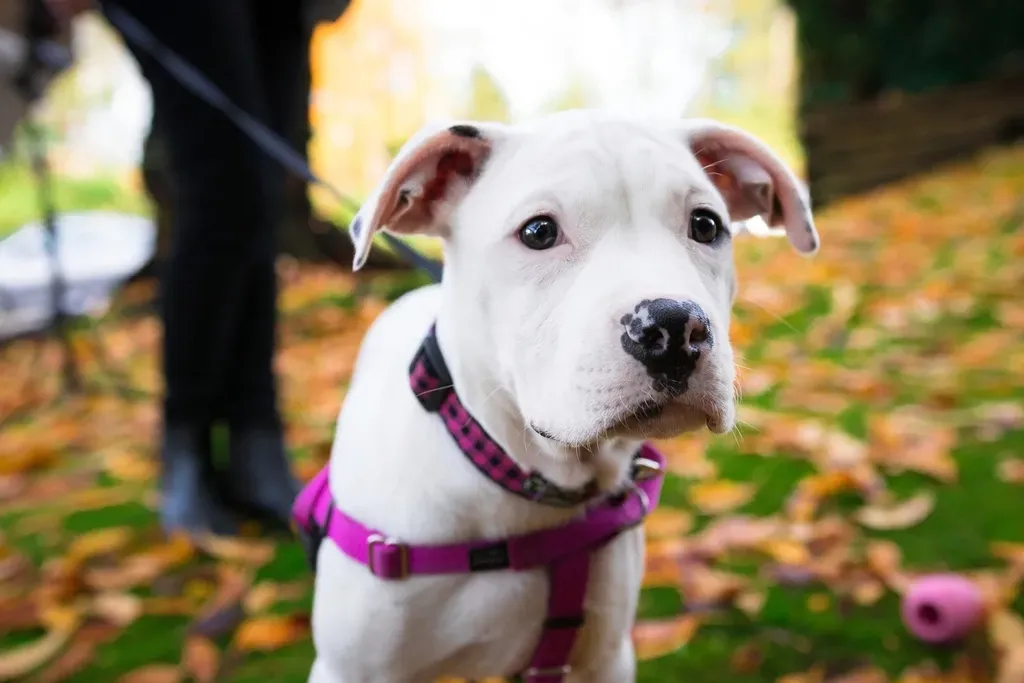
A dog that used to bolt for the door at the sight of a leash but now trudges along without much interest is showing a genuine mood shift, not laziness. Walk enthusiasm is one of the easiest behaviors to track because it’s so visually obvious day to day.
A drop in walk excitement frequently coincides with the loss of a favorite walking companion, particularly if a child previously joined during holiday weeks. The walk itself hasn’t changed, but the social context around it has, and dogs notice that difference immediately.
Owners sometimes respond by skipping walks altogether, assuming the dog “doesn’t want to go.” That’s the wrong call. Keeping the walk, even without full enthusiasm, holds a consistent anchor point in the dog’s day and restores interest faster than pausing the routine entirely.
#13 – Turning Into a Full-Time “Velcro Dog”
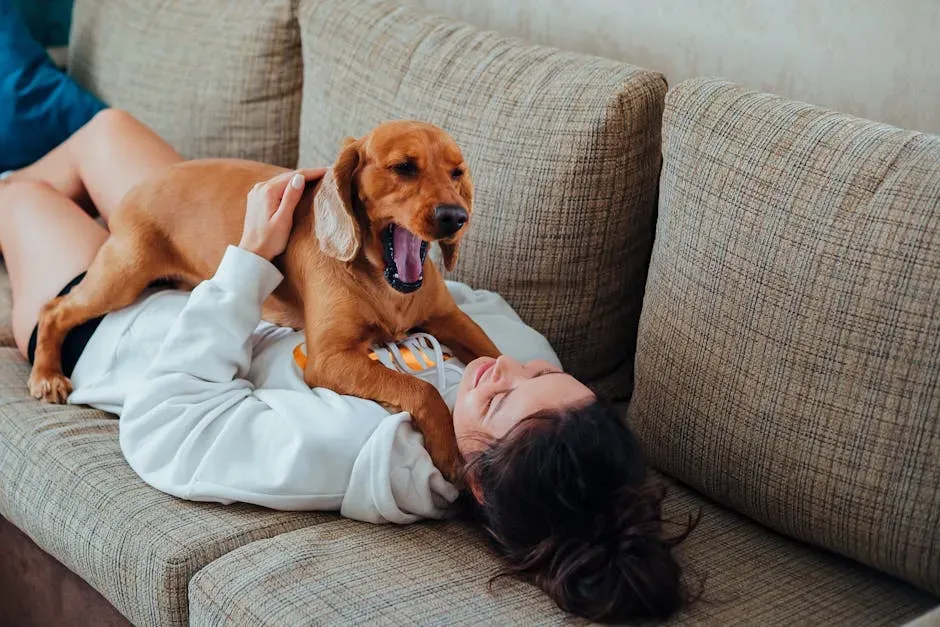
Some dogs stop wandering off independently altogether, shadowing a parent from room to room without exception. This tends to appear within days of a routine change rather than building gradually.
The sudden switch from independent behavior to constant shadowing is a strong indicator the dog is compensating for a missing attachment figure, using proximity to a substitute person to manage the discomfort. It’s not really about the adult being followed. It’s about filling an absence.
At a Glance
- Keep feeding and walk times consistent, even if the dog’s enthusiasm has dipped.
- Offer short bursts of structured attention rather than constant lap time or nonstop following.
- Let comfort items, like a favorite toy or worn clothing, stay accessible during the transition.
- Encourage brief independent time in another room with a chew toy a few times a day.
Trainers genuinely disagree on this one: some say let the dog follow freely to ease the transition, others insist it reinforces long-term dependency. The middle ground that tends to work is allowing closeness during calm moments while gently encouraging brief independent time, like settling in another room with a chew toy, a few times a day.
#14 – An Instant, Full-Body Reaction to School Sounds
The most telling sign of all happens almost involuntarily: a full-body reaction to a sound the dog associates directly with the missing child. A backpack zipper, a specific car door, or the school bus engine from streets away can trigger instant, unmistakable excitement, ears up, tail moving, sometimes a dash to the door before anyone else has even registered the noise.
This reaction is considered one of the strongest behavioral proofs of attachment memory in dogs, because it shows the animal has linked a specific, minor sound to a specific person’s return. No amount of general household noise triggers the same response.
What sets this sign apart is its consistency. Unlike sleep changes or appetite dips, which fluctuate day to day, this reaction stays sharp and immediate for months, sometimes firing instantly even after long stretches without hearing the sound. It’s less a passing behavior and more a lasting emotional bookmark the dog carries around the entire school year.
The Bottom Line
Dogs don’t experience “school holidays ending” the way children do, but they absolutely notice the sudden quiet, the empty bedrooms, and the missing footsteps at 3:15pm. Most owners underestimate just how deeply attached dogs become to a household’s rhythm, not just its people.
My honest opinion: treating these signs as cute quirks instead of real emotional responses is a mistake that can snowball into lasting separation anxiety, term after term, if nobody steps in. A little extra structure during the first two weeks back at school goes a long way toward closing that gap.
Has your dog shown any of these signs? Tell us which one hit closest to home in the comments.


