
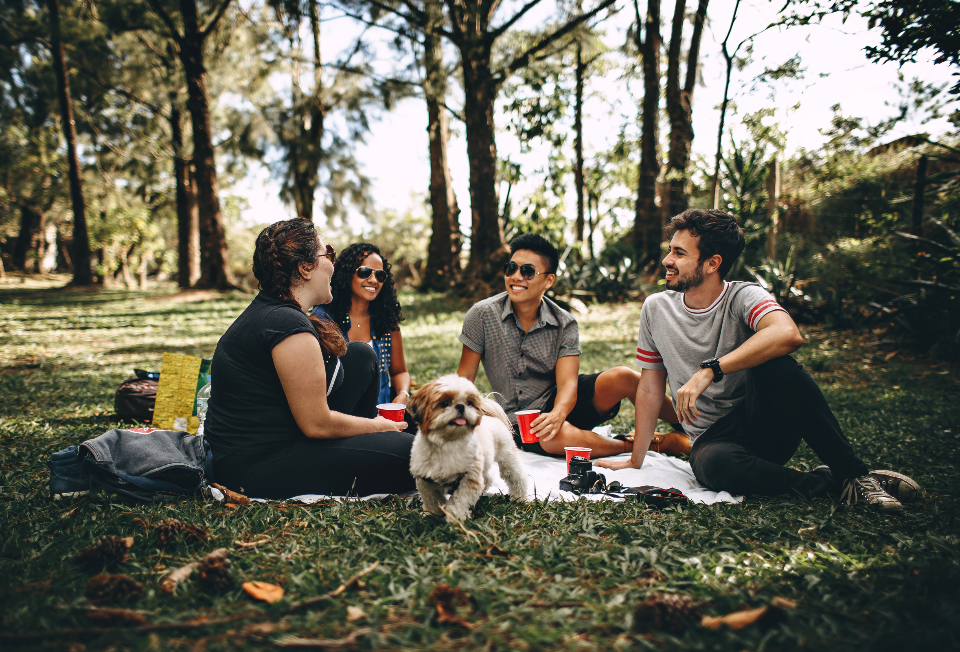
Everyone warns you about the hard first year with a puppy – the chewed shoes, the 2 a.m. potty breaks, the training meltdowns. Nobody warns you about the quiet gut-punch that shows up years later, when your dog’s muzzle turns gray and the stairs suddenly look like a mountain to them.
Aging dogs don’t decline in one dramatic, movie-style collapse. They fade in a hundred tiny ways, and most owners only notice the pattern once it’s already been happening for months. What follows are the 27 lessons vets, behaviorists, and long-time dog people say they wish someone had handed them earlier – before the accidents, the vet-visit dread, and the 2 a.m. pacing caught them off guard. Some of these will make you laugh in recognition. A few might sting. All of them are things you’ll be glad you knew before you needed them.
#1 – One Day You Realize They’re “Old”… and It Feels Sudden
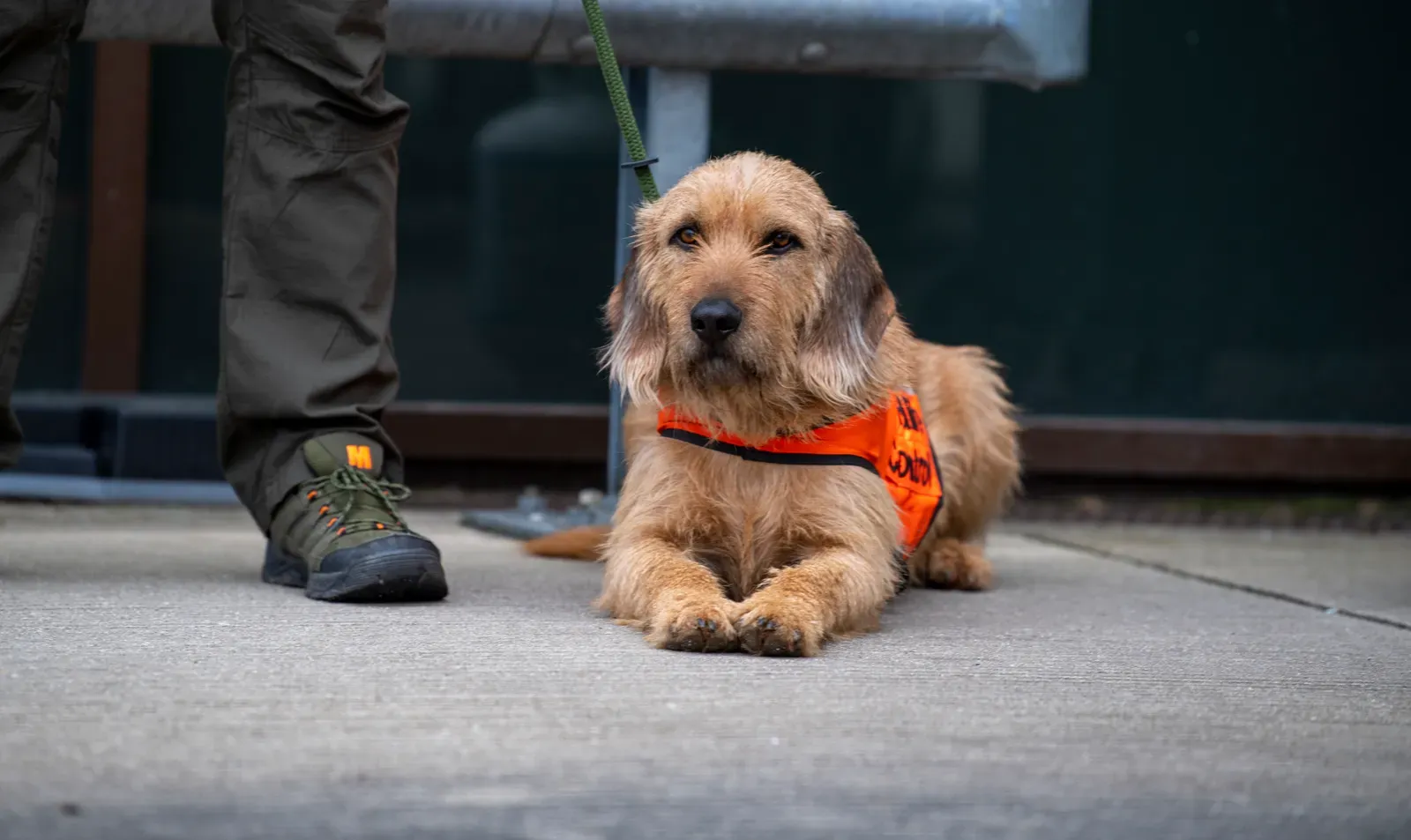
You never notice the first gray hair. But you will never forget the first time they can’t hop into the car without a running start.
Aging in dogs is sneaky. For years they seem exactly the same, then one random day you watch them hesitate at the bottom of the couch and your stomach just drops. In reality, their joints have been quietly wearing down, their eyes clouding, and their stamina shrinking for a long time – you just didn’t notice because you see them every single day.
- Take annual senior checkups seriously after about age 7-8.
- Start joint supplements, dental care, and blood work before they look old.
You’ll wish you’d prepared earlier, because that first obvious sign is rarely the beginning. It’s just the moment you finally noticed.
#2 – Their Personality Doesn’t Change… But Their Tolerance Does
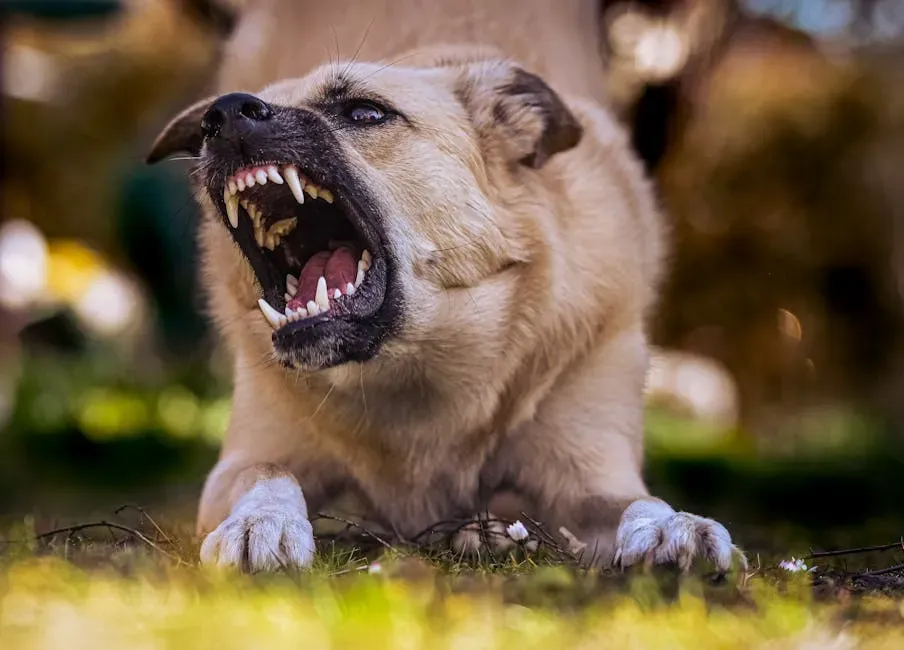
People love to say, “He’s exactly the same, just slower.” Not quite. Senior dogs still know exactly who they are, but their fuse gets shorter in ways most owners mistake for grumpiness.
That dog who once tolerated kids pulling his ears may now snap if handled roughly. Pain, arthritis, and dulled senses make sudden touches or loud chaos feel genuinely threatening. Vets see far too many bite cases where the “sweet family dog suddenly turned” – when really, the dog had been quietly coping for months before anyone noticed.
- Create kid-free zones where your dog can rest undisturbed.
- Teach visitors to avoid hugging, leaning over, or startling them.
It’s not that your dog changed. It’s that their body can no longer back up their old patience.
#3 – Stairs and Slippery Floors Turn Into an Obstacle Course
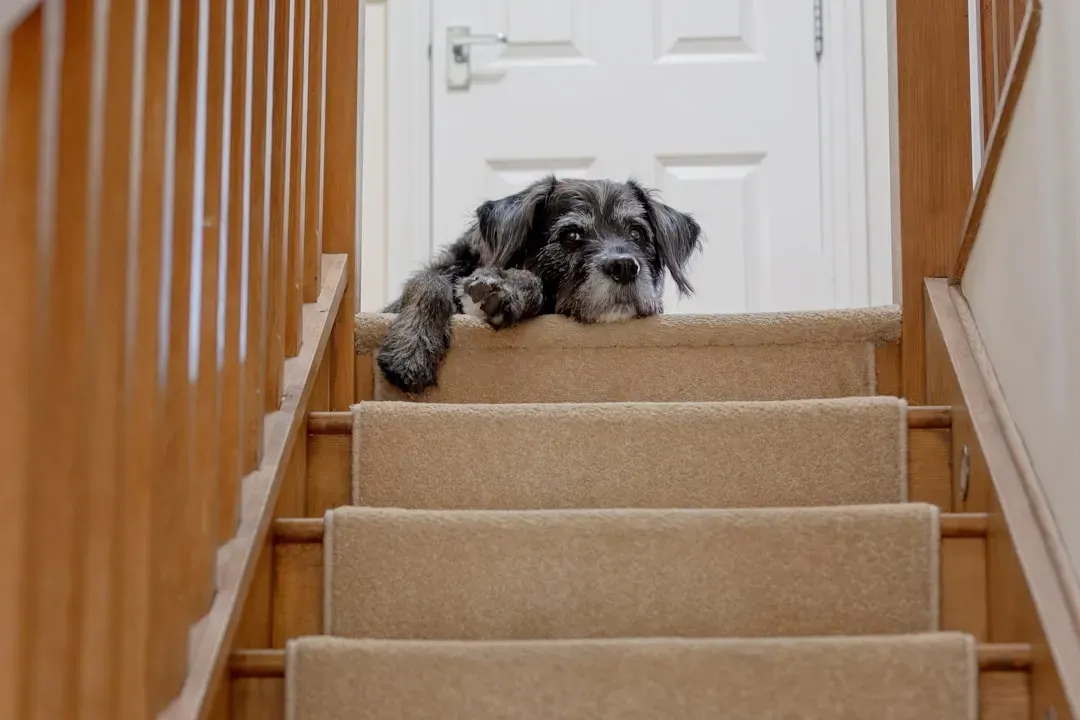
One day they fly up the stairs. A few years later, they stand at the bottom and just look unsure.
Joint pain, muscle loss, and fading vision turn ordinary house features into booby traps. Tile, laminate, and hardwood become ice rinks. Dogs slip, panic, and quietly start avoiding certain rooms altogether. Many owners only realize how bad it’s gotten after a fall, or when the dog begins “randomly” peeing downstairs because climbing back up feels impossible.
- Add area rugs or runners anywhere they walk.
- Use ramps or steps for couches and cars instead of jumps.
It feels like “just old age,” but it’s often a fixable environment problem making life harder than it needs to be.
#4 – Weight Gain Is Not “Cute Chubby”… It’s Painful
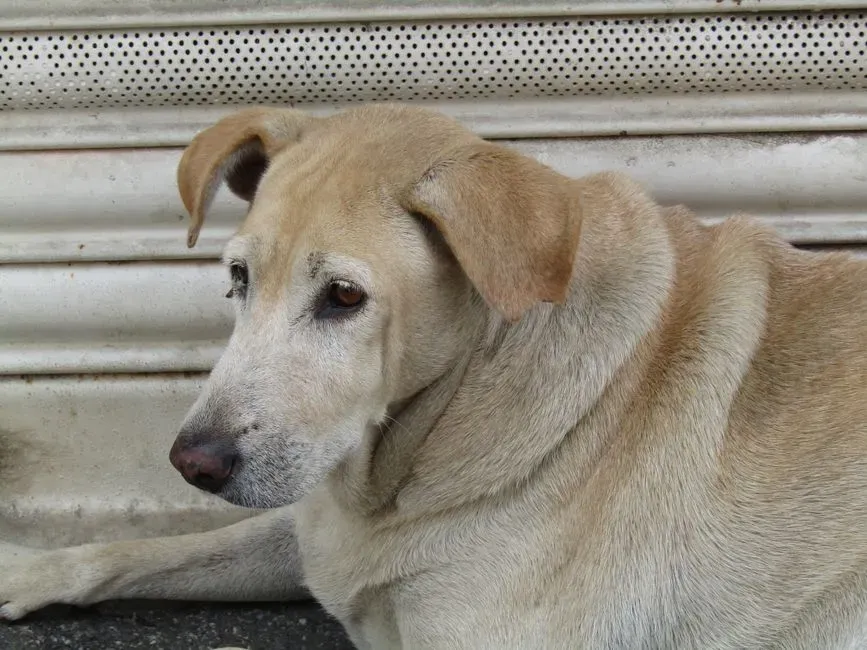
Most people secretly think a little extra fluff looks adorable on an old dog. Vets almost universally disagree.
Extra weight is one of the biggest, most preventable sources of pain in senior dogs. Every added pound loads their already-arthritic joints, strains their heart, and worsens their breathing. Owners say, “But he loves his snacks, I feel bad cutting back,” while that love quietly cuts months – sometimes years – off a comfortable life.
- Feed for ideal body condition, not whatever the bag suggests.
- Swap high-calorie treats for crunchy veggies or small, high-value bites.
Fast Facts
- Purina’s Life Span Study found a median life span of 11.2 years in dogs fed normally, compared to 13 years in dogs kept lean.
- Lean-fed dogs’ healthy years were extended by 1.8 years compared with their heavier littermates.
- Lean-fed dogs showed fewer impaired gaits, graying muzzles, and reduced activity at a later age.
- Ask your vet to score body condition at every visit – ribs should be easy to feel but not visible.
A lean senior dog almost always moves better, breathes easier, and enjoys more comfortable years than a pudgy one.
#5 – The Nose Fades Before the Ears (And It Confuses Them)
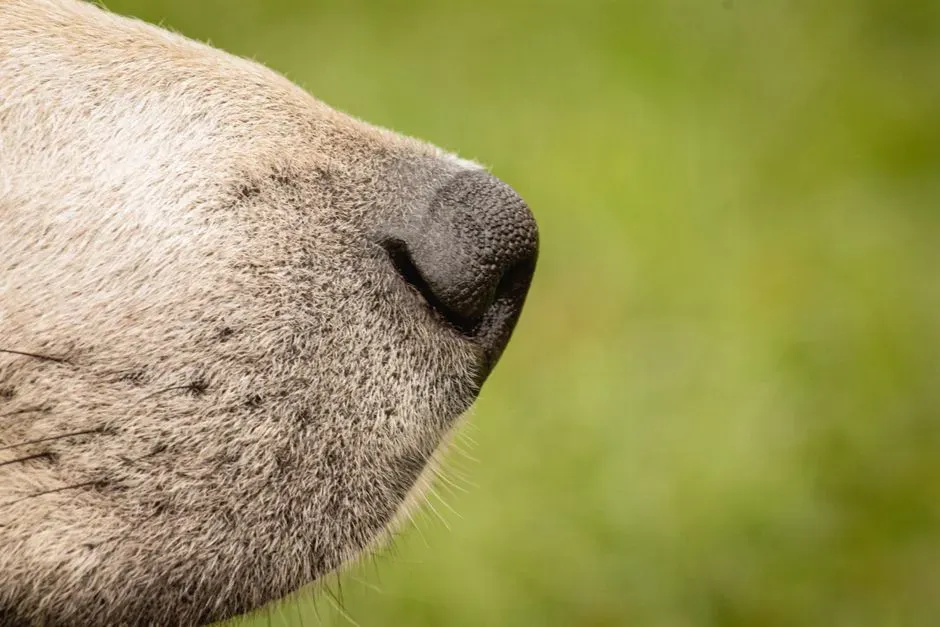
Everyone watches for hearing loss, but scent loss creeps in earlier and almost nobody talks about it.
Dogs navigate life through their noses. As they age, their sense of smell can dull, and suddenly their whole world gets less predictable. That senior who used to inhale meals may start wandering away from the bowl. They might walk right past a favorite toy as if it’s invisible – not stubbornness, just sensory decline. Imagine waking up and finding your world smells “quieter.” It’s disorienting.
- Warm up food slightly to boost its aroma.
- Use more verbal and visual cues instead of expecting them to “just know.”
Most owners don’t realize their dog’s inner GPS is failing until confusion starts showing up disguised as “weird” behavior.
#6 – “Accidents” Are Often a Medical Red Flag, Not Bad Manners
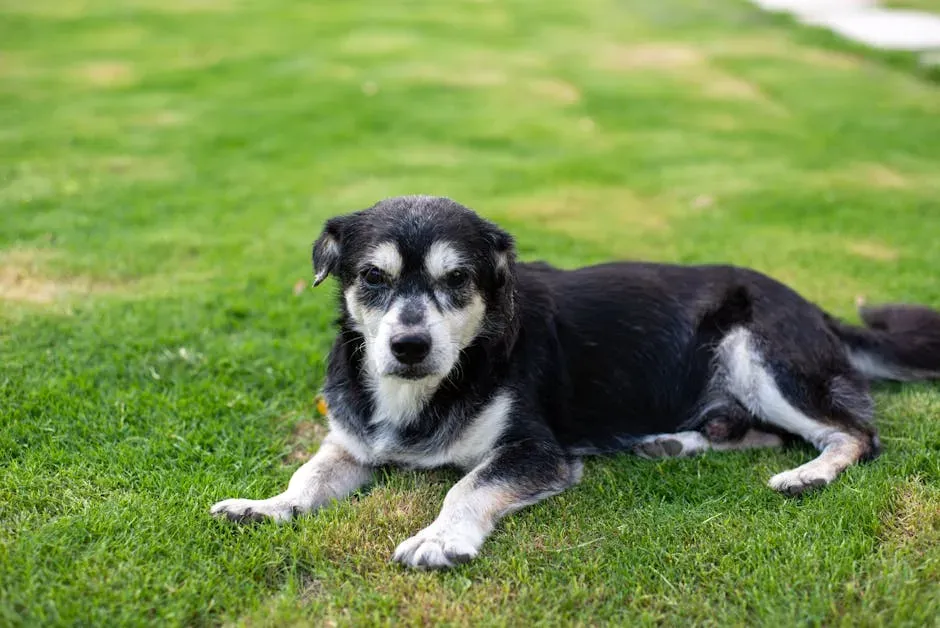
People get frustrated when an old, fully house-trained dog suddenly starts peeing inside. Understandable. Also dangerous.
In senior dogs, new accidents almost always mean something is wrong – urinary tract infections, kidney disease, diabetes, cognitive decline, or simply the inability to hold it as long as they used to. Punishing them is cruel and useless; the dog is usually already embarrassed and confused. Long-time owners will tell you the guilt of yelling that one time stays with you far longer than the stain ever did.
- Call the vet after the first few accidents, not the twentieth.
- Offer more frequent potty breaks and easier yard access.
Blaming them for what their body can no longer control is a mistake you can’t take back.
#7 – Sleep Changes Can Be Your First Clue of Cognitive Decline
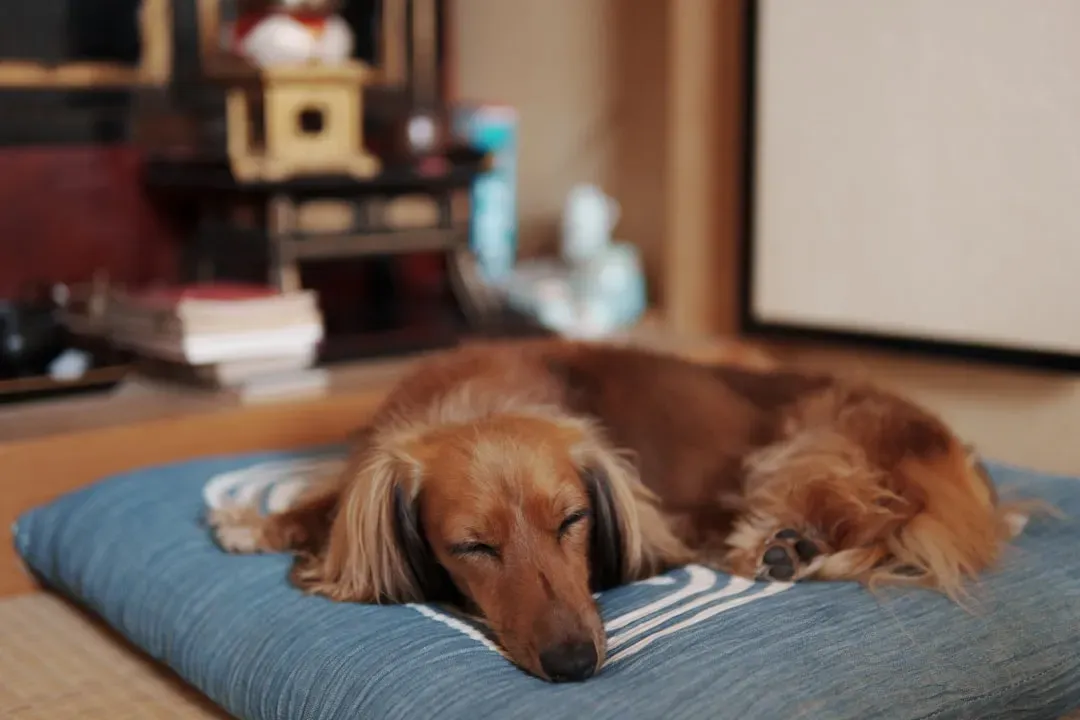
Everyone expects old dogs to sleep more. But how and when they sleep is what actually matters.
Canine Cognitive Dysfunction, or doggy dementia, often starts subtly: they pace at night, stand in corners, or stare blankly at walls. They may sleep all day, then wander restlessly at 2 a.m. Many owners assume it’s “just old age,” but these patterns can be early signs of brain changes similar to human Alzheimer’s. The good news is there are management options – medication, supplements, routine tweaks – but only if you catch it early.
- Watch for them seeming “lost” in familiar rooms.
- Notice if they wake you at odd hours, looking confused.
Most people only seek help once it’s severe, missing months where life could have been far calmer for both of them.
#8 – Your Dog Starts Watching You More Closely Than Ever
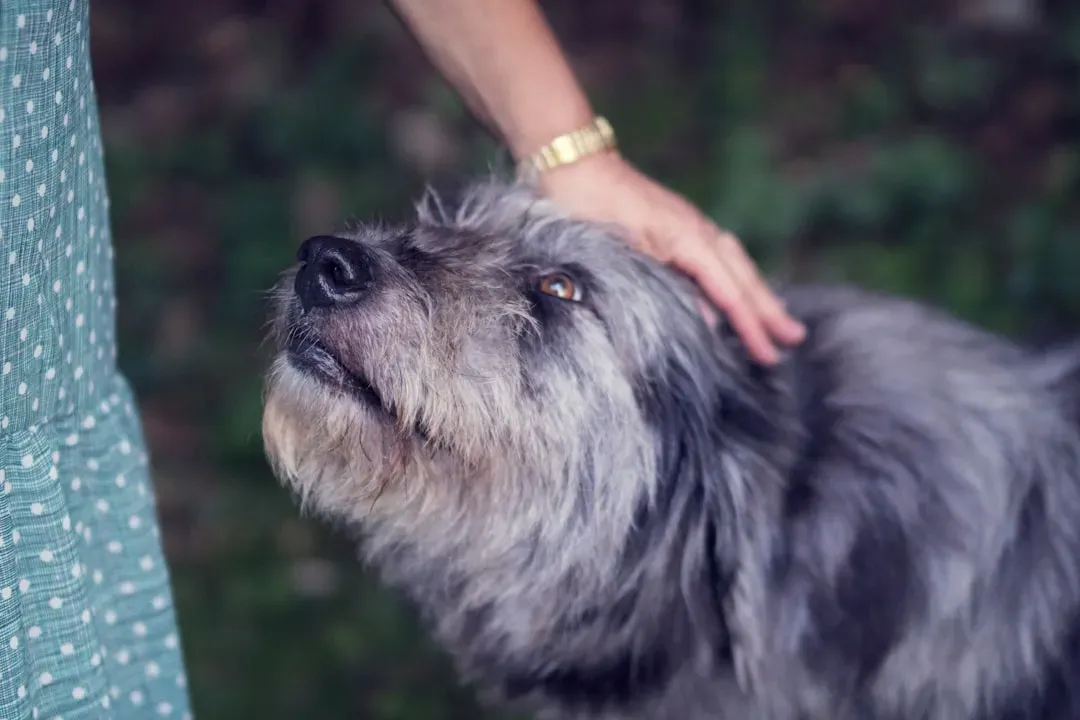
Puppies explore the world. Seniors mostly explore you.
As senses fade and mobility drops, your aging dog quietly shifts their attention from the environment to your face, your footsteps, your routine. They track where you are in the house, follow you slower but more consistently, and seem uneasy when you’re gone longer than usual. It’s not clinginess in a bad way – it’s survival. You are their map, their calendar, their entire security system now.
- Keep a predictable daily rhythm for feeding, walks, and bedtime.
- Develop consistent “we’re leaving” and “we’re back” rituals.
What feels like neediness is really deep trust, laced with a little fear of the unknown.
#9 – Walks Stop Being About Exercise and Start Being About Dignity
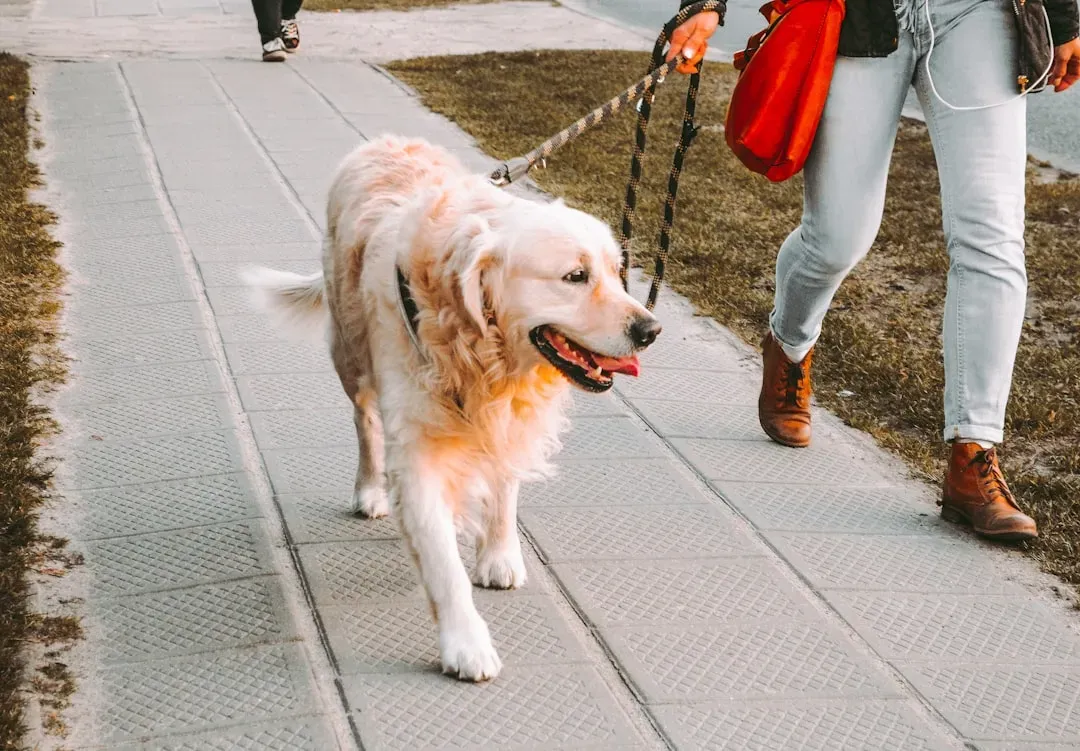
Most owners cut walks short as their dog ages. Ironically, that’s exactly when walks matter most.
Your senior might not need three miles a day, but those slow sniff-walks are their remaining window into the world. Joint-friendly outings help maintain muscle, improve joint lubrication, and keep their brain engaged. When people stop walking their old dogs altogether “because it’s too hard,” decline often speeds up – less movement means more stiffness, which makes future movement even harder.
- Trade long routes for multiple, slow 5-10 minute strolls.
- Let them sniff everything; mental work tires them out gently.
For an old dog, a good, unhurried sniff on the sidewalk is basically an amusement park day.
#10 – Play Changes, But They Still Crave It
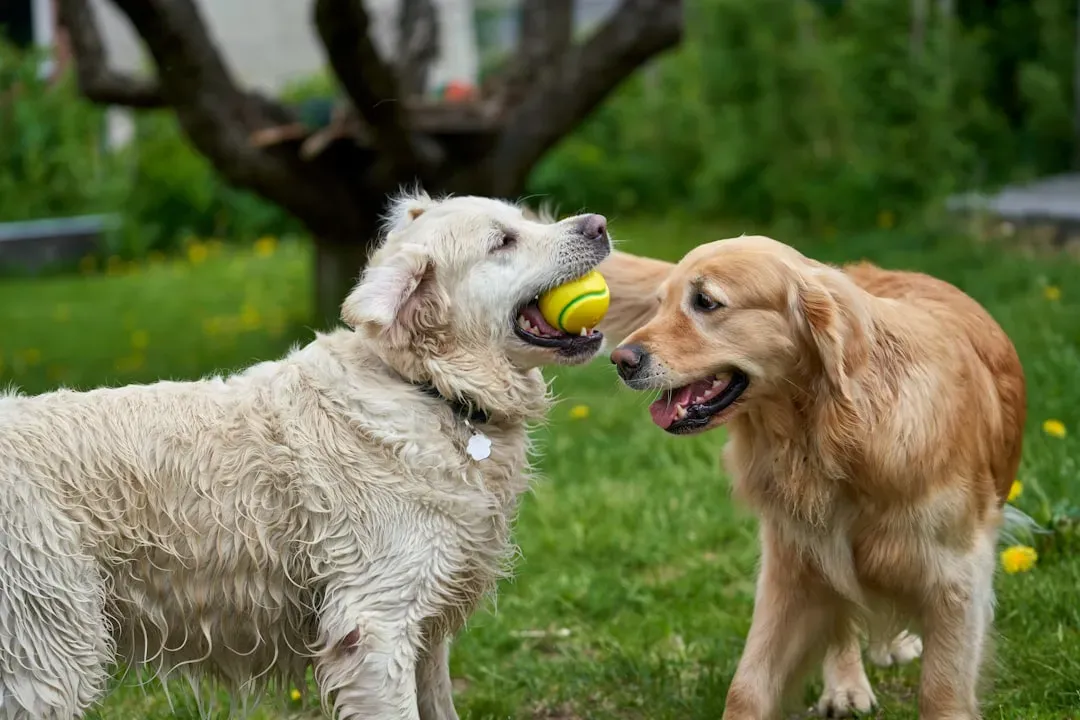
Owners often retire tug toys and tennis balls the minute a dog slows down. Big mistake.
Play doesn’t disappear with age – it just transforms. Many seniors still desperately want to engage; they just can’t keep up with high-impact games anymore. Fetch might become “roll the ball three feet.” Tug might be gentle, seated on a rug. Food puzzles, snuffle mats, and simple training games can light them up in ways people wrongly assume are “for puppies only.”
- Try nose-work: hide treats around a single room.
- Use soft plush toys for light toss-and-catch on carpet.
That spark in their eyes when they realize you still see them as fun, not fragile, is something owners remember forever.
#11 – Vet Visits Get More Frequent… and More Emotionally Loaded
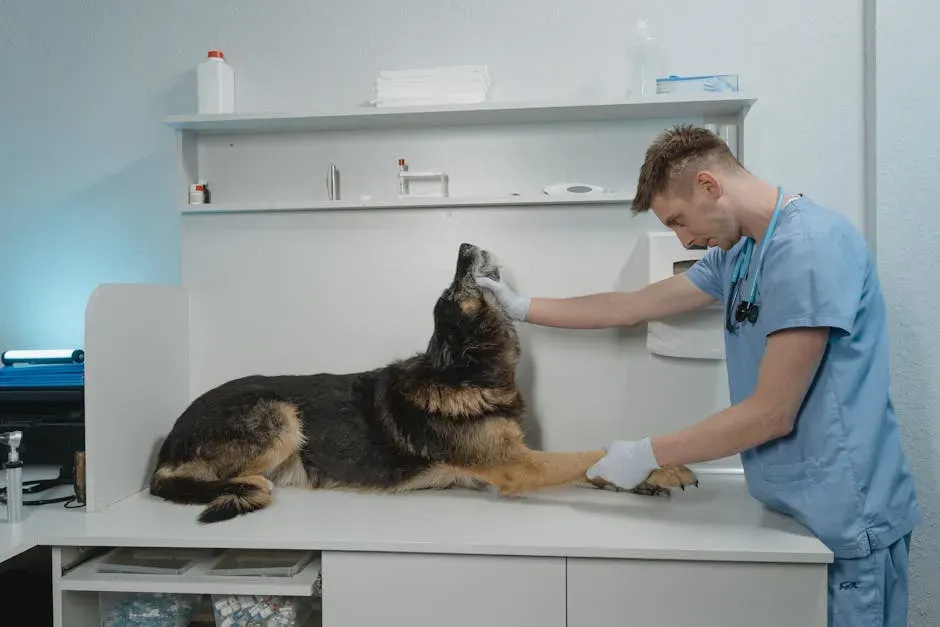
In the early years, checkups are quick reassurance. In the later years, they carry unspoken fear.
Senior dogs should ideally see the vet at least once a year, often twice. Bloodwork, dental exams, and physical checks catch problems while they’re still manageable. But every visit also comes with that quiet dread: is this the time I hear something awful? Some people avoid appointments to dodge that anxiety – ironically increasing the odds that any news will be bad by the time it finally shows up.
- Many age-related issues are manageable if you don’t wait.
- Building a trusting, honest relationship with your vet early pays off later.
At a Glance
- Ages 7-10: one senior wellness exam a year, plus baseline bloodwork and a dental check.
- Ages 10+: many vets recommend exams every six months, since conditions can shift quickly.
- Bring a short written list of any new behaviors, even small ones – they add up.
- Ask for a “baseline” on file so future changes are easier to catch early.
Skipping visits to avoid short-term anxiety just trades it for long-term regret.
#12 – Medications Become a Daily Part of Life (And That’s Okay)
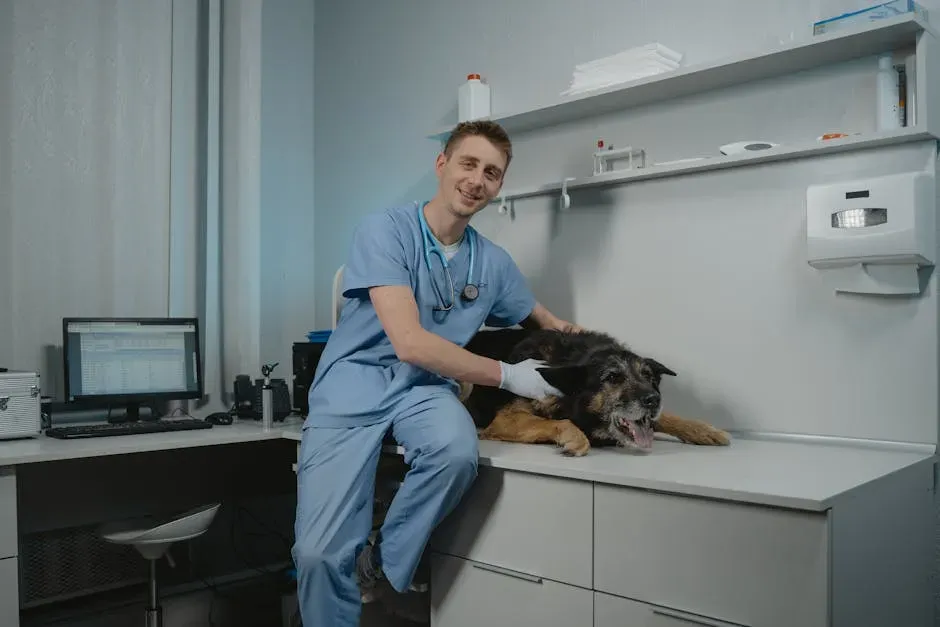
Some owners resist starting meds, insisting, “I don’t want him drugged up.” That’s not what this is.
Modern veterinary medicine isn’t about sedating a dog; it’s about giving seniors pain-free, dignified years. Joint meds, pain relievers, heart medications, even anxiety aids can dramatically improve quality of life. The dog who struggled to get up may actually trot a little again. Many owners later admit they waited too long out of fear – and once they saw their dog comfortable, they deeply regretted the delay.
- Pain is often silent in dogs; no limping doesn’t mean no pain.
- The goal isn’t to “tough it out” – it’s to stay comfortable and mobile.
If a simple morning pill means your dog enjoys their sunset years instead of enduring them, that’s not spoiling. That’s just decent.
#13 – Grooming Turns From Cosmetic to Critical
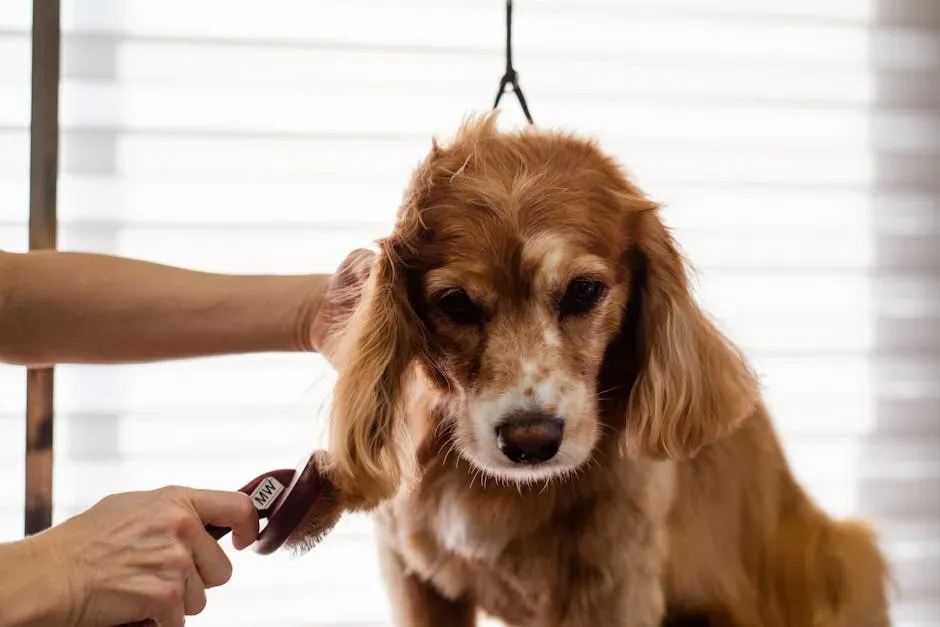
Brushing and nail trims feel optional when a dog is young. Not so later.
As mobility shrinks, ungroomed seniors can quietly suffer. Nails that grow too long change their gait and worsen arthritis. Mats behind the ears, thighs, and tail can pull on delicate skin and hide sores underneath. Overgrown fur around the eyes and paws makes walking and seeing even harder. Many very old dogs simply can’t self-groom anymore – they physically can’t reach that itch or clean that spot.
- Switch to shorter, calmer grooming sessions more often.
- Use non-slip mats and support slings during baths.
Ignoring grooming because “he’s old, let him be” often just means letting him be uncomfortable around the clock.
#14 – Their Friend Group Shrinks… Sometimes to Just You
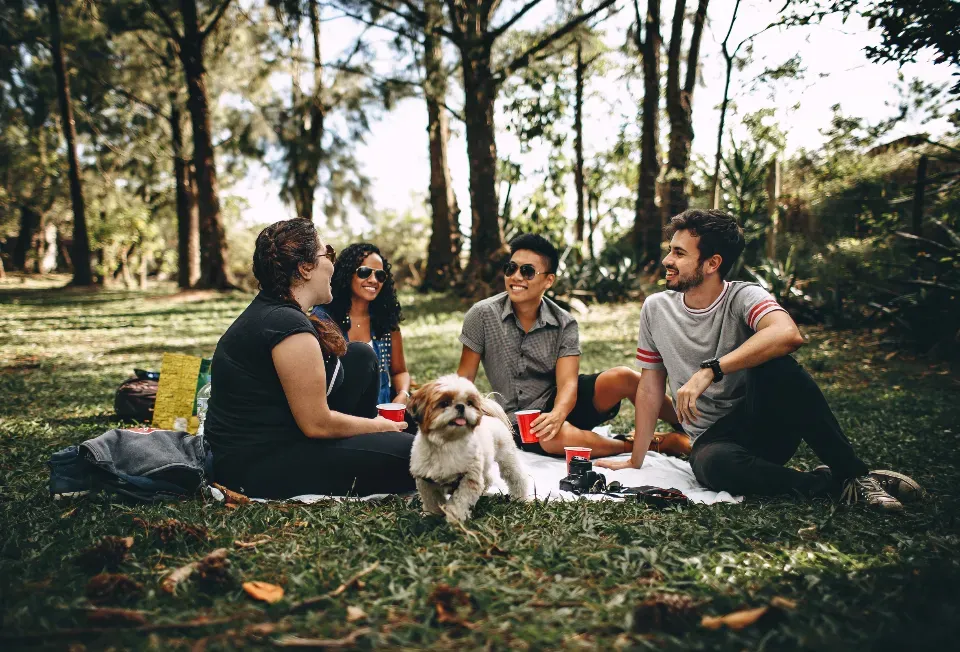
Dog parks and chaotic playdates usually fade out as the years stack up.
Old dogs often lose patience for pushy puppies or roughhousing buddies. They may growl more, hide behind you, or refuse to engage – not because they’re antisocial, but because they no longer feel safe in the chaos. The social circle that once included the whole neighborhood can narrow until you’re their only real companion. For many dogs, that’s enough – if you actually show up for them.
- Curate calmer dog friends or one-on-one meetups.
- Accept that skipping the dog park isn’t sad – it’s sensible.
Clinging to the idea that a “social dog” must always enjoy big crowds usually just makes everyone miserable, especially the dog.
#15 – Food Becomes Both Medicine and Love Language
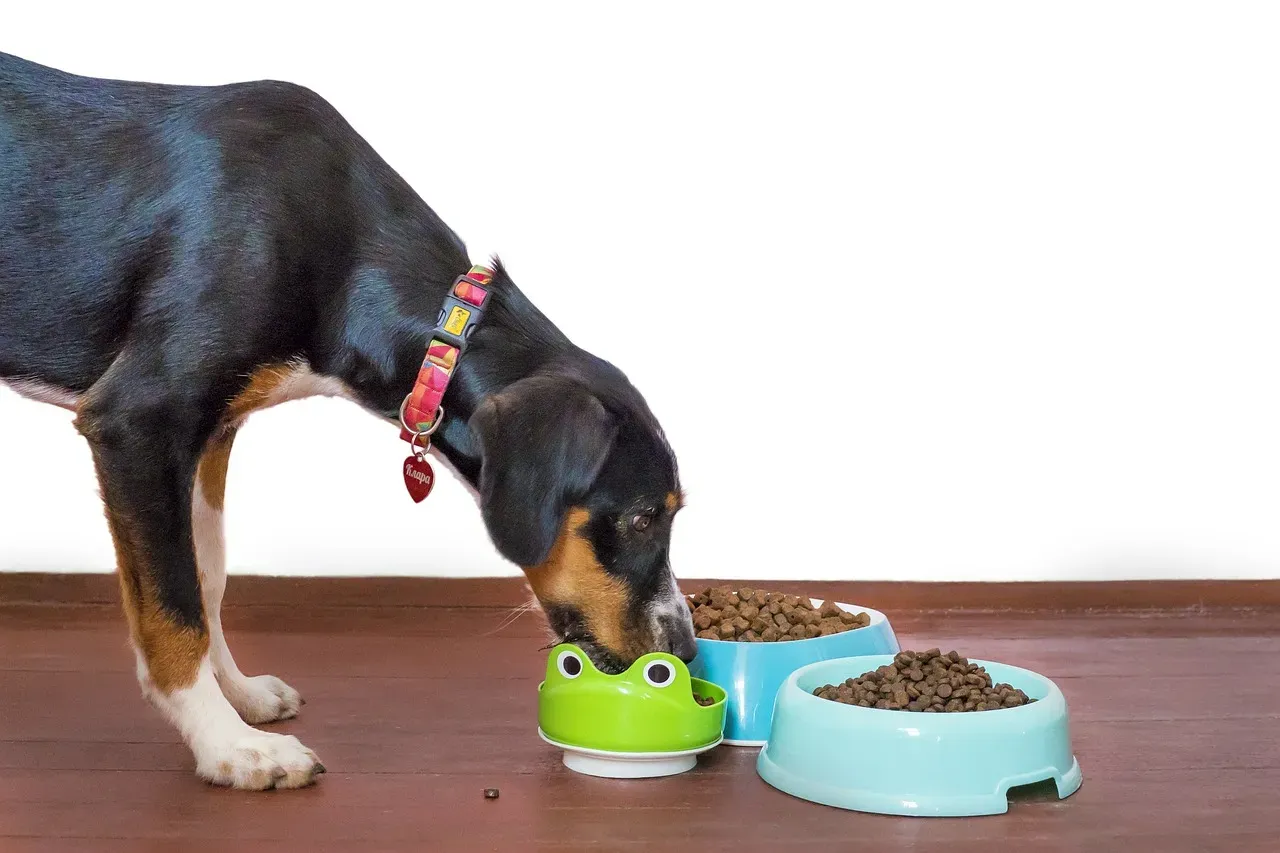
People keep feeding seniors like they’re young athletes, then wonder why things go wrong.
Diet can genuinely make or break an old dog’s comfort. The right food can support joints, reduce inflammation, and protect kidneys; the wrong food can quietly accelerate disease. At the same time, appetite often wobbles – they might go from vacuum-cleaner to picky eater within months. Suddenly mealtime is a puzzle: how do you get enough nutrients into a dog who’s bored or nauseous?
- Ask your vet about senior formulas or kidney/joint-support diets.
- Use toppers like bone broth or a bit of canned food to entice eating.
Quick Compare
- Adult formula: higher calorie density, built for activity and muscle maintenance.
- Senior formula: fewer calories, plus added joint support and easier-to-digest protein.
- Kidney-support diets: lower phosphorus and moderate protein for dogs with declining kidney function.
- Any switch should be gradual, over 7-10 days, to avoid stomach upset.
Balancing medical needs with the joy of a tasty bowl becomes a daily negotiation – one you’ll wish you’d learned earlier.
#16 – Photos Matter More Than You Think (And Not Just the Cute Ones)
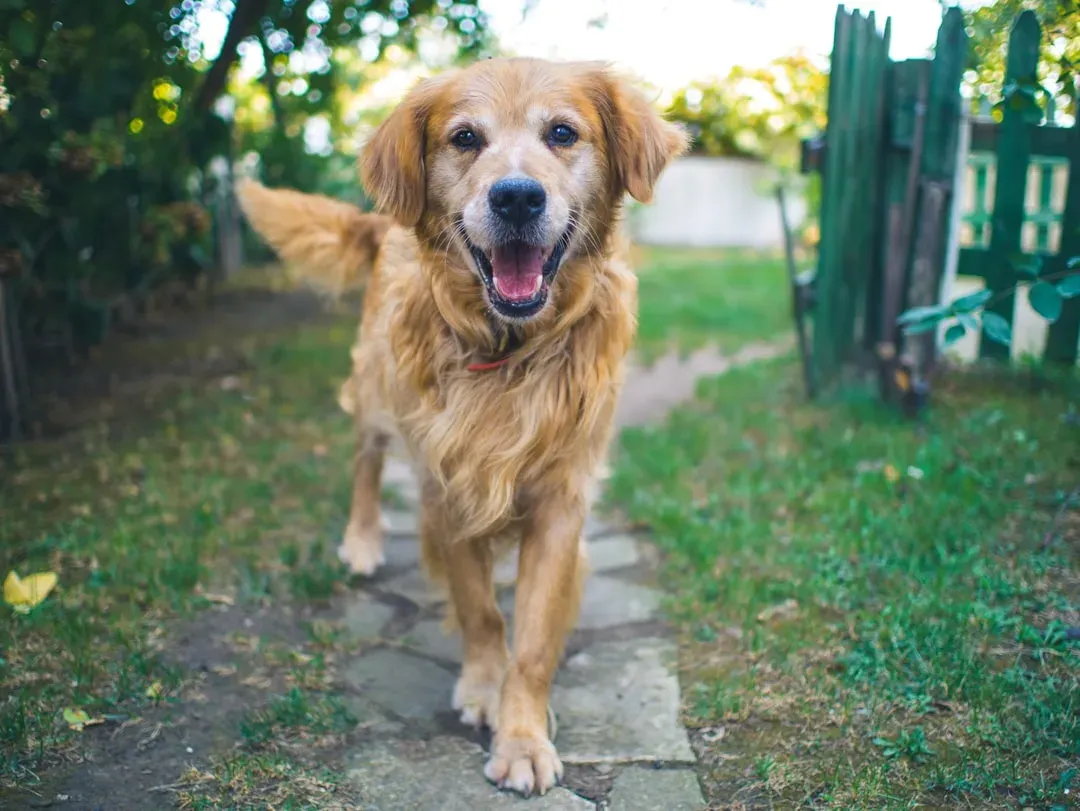
Everyone has a folder of puppy pictures. Far fewer people have good photos of their dog in the final years.
Owners often realize too late that they have endless shots of silly puppy chaos, but almost nothing of the quiet, gray-faced gentleness that came later. The way they curl on the couch, the slow blink when you scratch their chest, the careful old-man trot down the hallway – these moments feel “normal” right up until they’re gone. Then you’d give anything for one more blurry phone pic of them just existing in your space.
- Take occasional close-ups of their face, paws, and you together.
- Capture everyday routines: walks, naps, bedtime.
You’re not being morbid. You’re documenting the part of their life you’ll cling to hardest later.
#17 – Their World Shrinks to a Few Favorite Spots
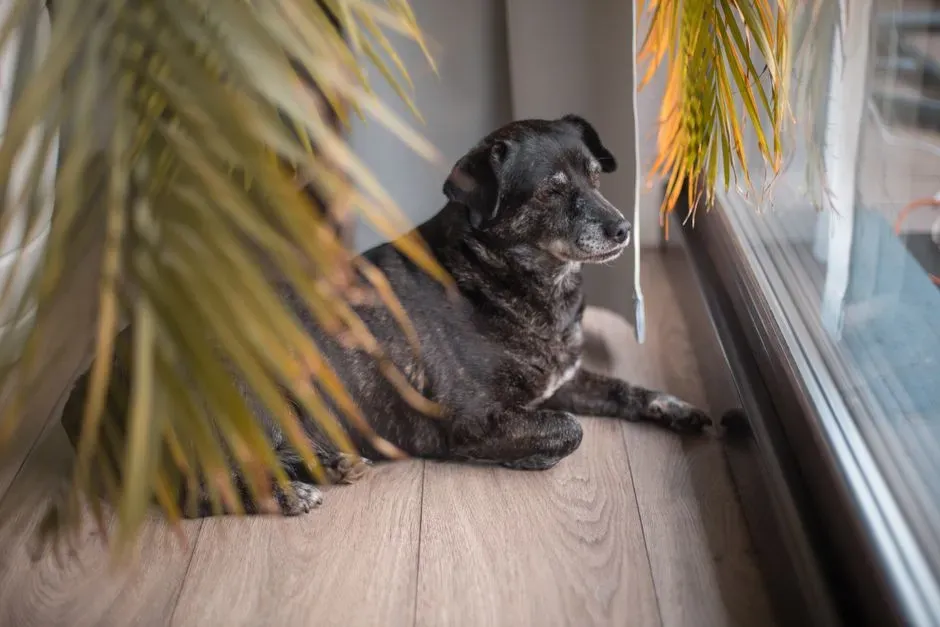
Puppies want to be everywhere. Seniors want their chair, their corner, their sunny patch by the window.
As bodies and senses fade, old dogs curate their environment down to a few “safe” locations. You’ll notice they always nap in the same place, choose one particular rug, or insist on that exact side of the bed. Rearranging furniture or blocking access to those spots can genuinely distress them, because those chosen places are predictable and easy to navigate without much thinking.
- Keep their preferred bed clean, cushioned, and accessible.
- If you must move things, introduce changes gradually.
When you respect those small territorial preferences, you’re really respecting the last bit of control they have left over their world.
#18 – Hearing Loss Changes How You Communicate… and Bond
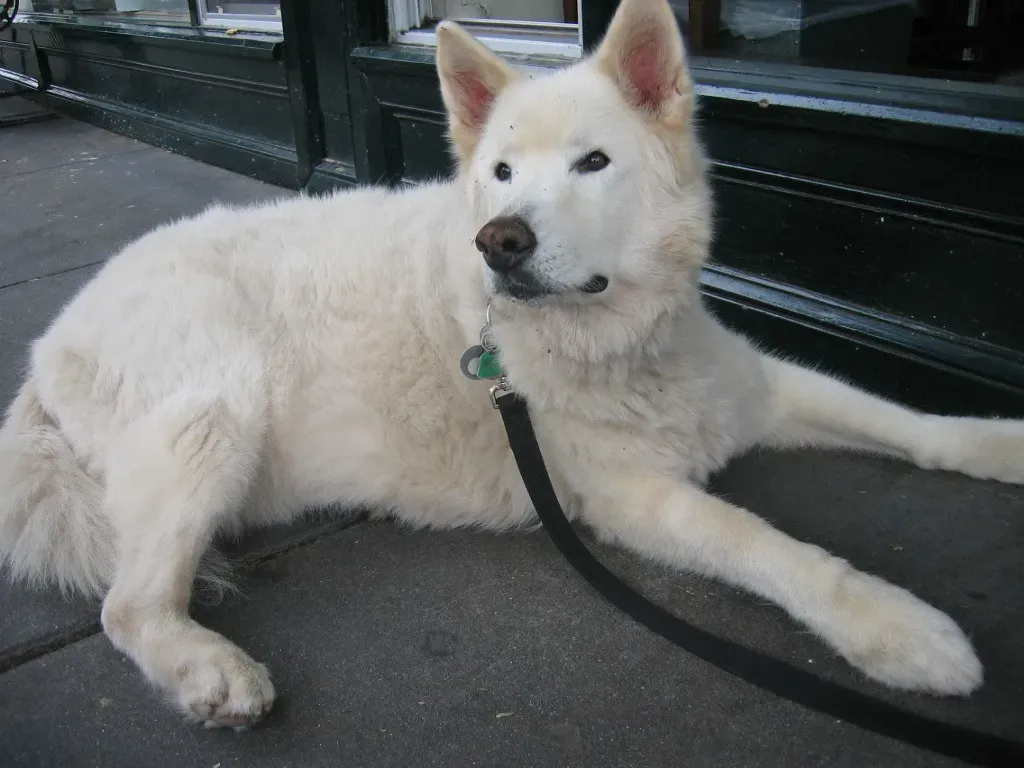
One day you’ll realize they didn’t come when you called – not because they’re stubborn, but because they never heard you at all.
Hearing loss is common in seniors and frequently misread. People assume “he’s ignoring me,” when the truth is he’s been compensating for months by watching your body language instead. Yelling their name louder does nothing. What actually works is visual cues, touch, and vibration. Many deaf senior dogs live perfectly happy lives once their owners stop expecting sound-based obedience.
- Hand signals can work just as well as voice commands.
- A gentle floor stomp or flipping lights on and off can mean “hey, look at me.”
Losing their hearing doesn’t have to mean losing your connection – unless you refuse to adapt.
#19 – Pain Is Often Invisible Until It’s Extreme

Most dogs don’t whine when they hurt. They withdraw, slow down, or get quietly “moody.”
By the time a senior actually cries out in pain, they’ve usually been hurting for a while already. Early signs are subtle: reluctance to jump, lagging on walks, licking a joint, a slight change in posture. Too many owners brush it off as “just slowing down,” missing an opportunity to intervene with pain relief, physical therapy, or lifestyle tweaks that could transform their day-to-day comfort.
- Watch for difficulty getting up after sleep.
- Notice a sudden dislike of being picked up or touched in certain spots.
Assuming silence equals comfort is one of the harshest lessons aging-dog owners learn.
#20 – Your Routine Quietly Reorganizes Around Them
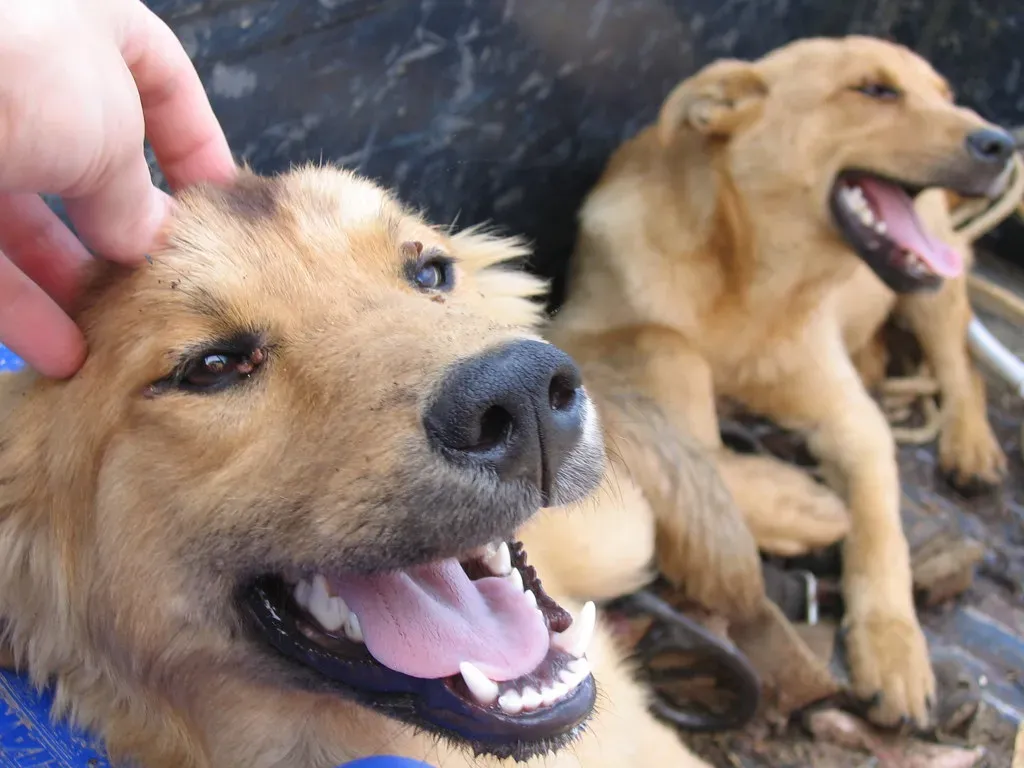
Without really noticing, you start planning your whole life around your old dog’s needs. You come home earlier, skip last-minute trips, choose social plans based on whether they can handle a sitter.
Their medication schedule becomes your clock. Walks align with their best-energy times, not your calendar. Some people resent this at first. Others come to see it as a privilege – the final chapter where you consciously show up for the creature who showed up for you every single day for years.
- Can you adjust now, while they’re still relatively mobile, instead of waiting?
- Are you giving your senior dog leftover time, or your real attention?
You never get these years back, and the regret of not rearranging your life a little sooner can sting for a long time.
#21 – Friends and Family Won’t Always Understand Your Level of Attachment
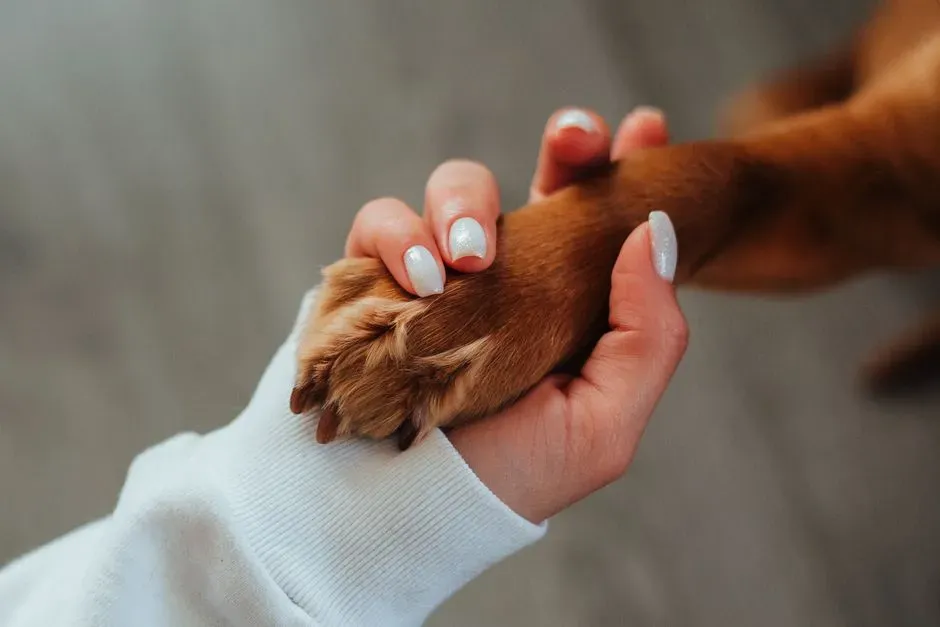
To some people, “it’s just a dog.” To you, it’s your main source of daily comfort.
As your dog ages, the emotional stakes rise – and not everyone around you gets it. They may roll their eyes at the vet bills, the special diets, the canceled plans. Some will say brutally dismissive things like “just get another one.” That disconnect can be genuinely isolating. Many owners find their real support in online groups, fellow dog people, or a trusted vet tech more than in their own extended family.
- You’re not overreacting if you’re grieving changes long before the final goodbye.
- You’re not overreacting if you start pre-mourning after a big diagnosis.
The world massively underestimates how deep the human-dog bond runs, especially in those last years.
#22 – You Start Bargaining With Time (And With Yourself)
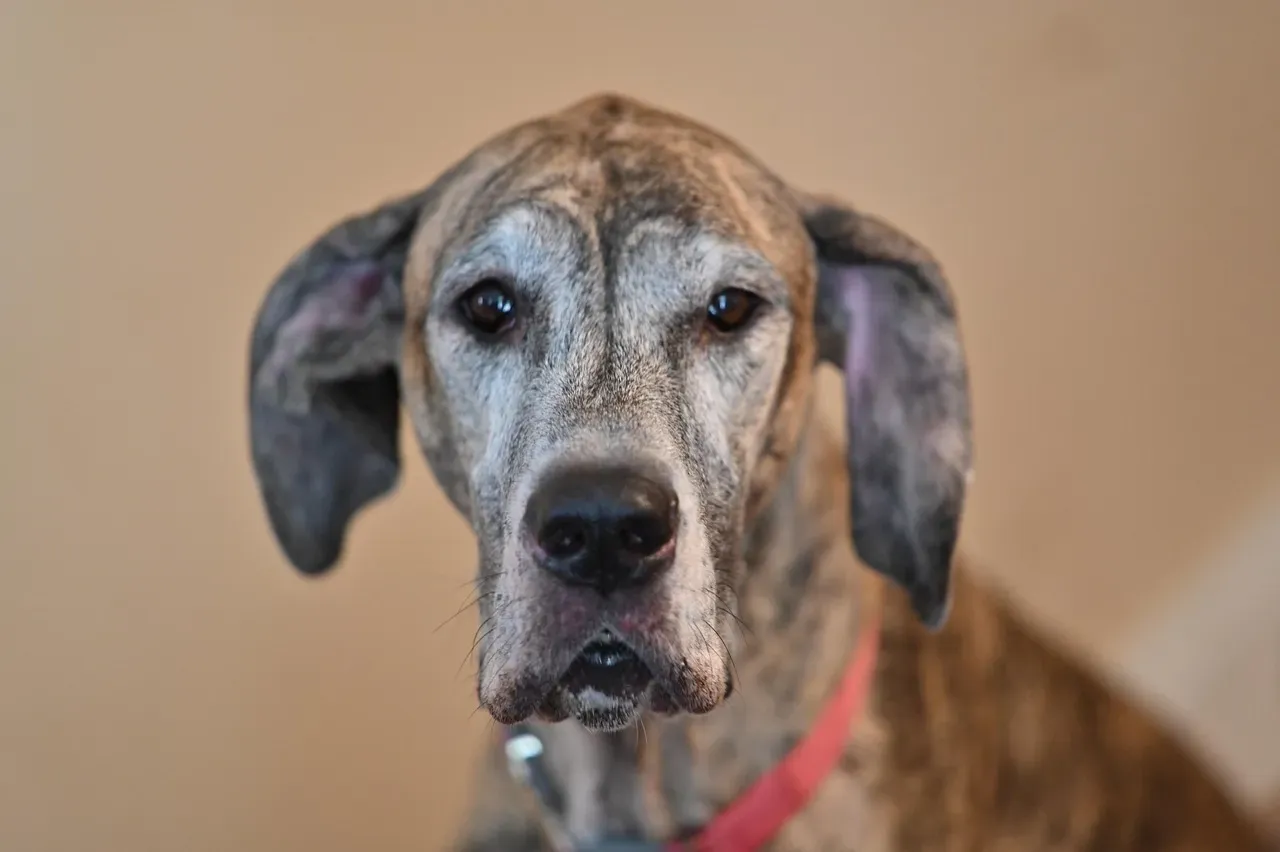
“Just let us have one more summer.” “Just make it to the holidays.”
Here’s a harsh but universal truth: aging-dog owners quietly make deals with the calendar. You watch every cough, every stumble, and start negotiating in your head. At the same time, you bargain with your own guilt – if I run this test, buy that food, add this supplement, maybe. It’s human. It’s also heavy, and no one warns you how much mental energy you’ll spend counting “lasts” while pretending they’re still “maybes.”
- Talk honestly with your vet about prognosis and quality-of-life scales.
- Share your fears with people who’ve been through it, not people who minimize it.
Those private bargains are a sign of love, but they can also cloud your judgment if you don’t check them.
#23 – Quality of Life Is a Moving Target, Not a Single Decision
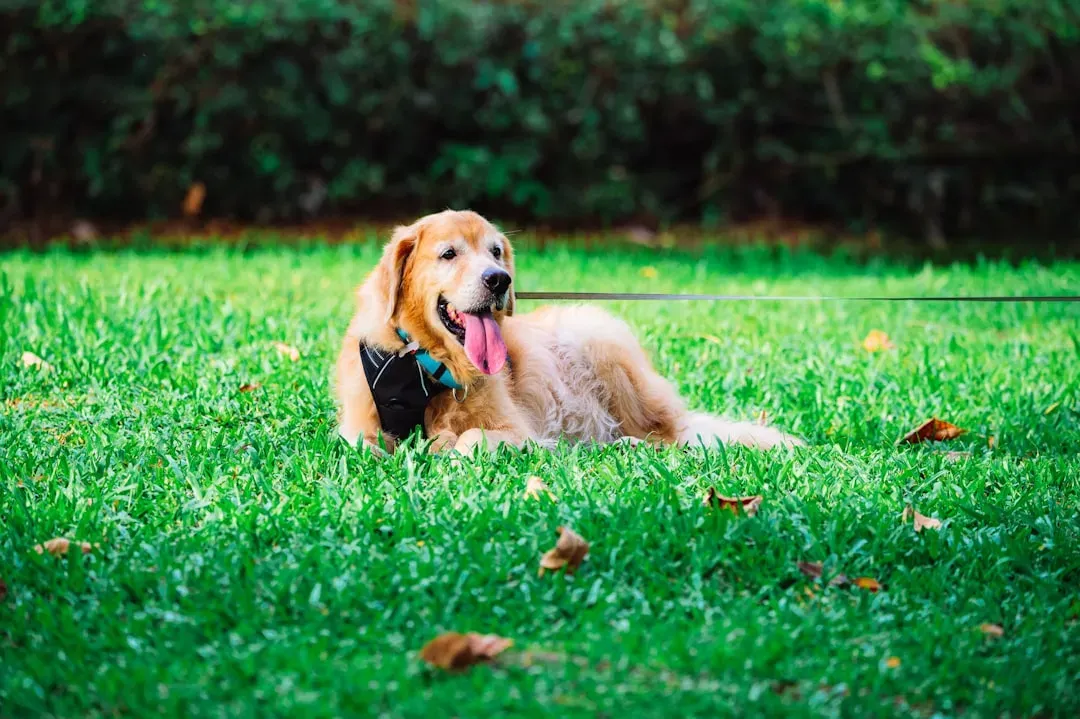
People imagine one big, dramatic “it’s time” moment. Reality is a lot grayer than that.
As dogs age, good days and bad days often mix unpredictably. One week they’re perky, the next they won’t eat. Owners cling to the good days and dread the bad, trying to solve an equation with no clear numbers. “Quality of life” isn’t just about pain level – it’s about joy, interest, and the ability to do basic dog things: eat, move, sleep comfortably, engage with you.
- Keep a simple daily log of appetite, mobility, interest, and pain signs.
- Use objective scales, which most vets have handouts for, instead of pure emotion.
Worth Knowing
- Veterinary oncologist Dr. Alice Villalobos created the Hurt, Hunger, Hydration, Hygiene, Happiness, Mobility, More good days than bad (HHHHHMM) scale to help owners assess quality of life.
- A total above 35 generally means quality of life is still acceptable, while a total that stays below 35 signals it’s time to talk with your vet about supportive or end-of-life care.
- Each of the seven categories is typically scored from 0 to 10, so no single bad hour skews the whole picture.
- Tracking scores over a week or two reveals patterns a single rough day simply can’t show you.
The hardest part is realizing that loving them sometimes means making a kind choice before things get unbearably bad.
#24 – You Will Second-Guess Yourself… No Matter What You Choose
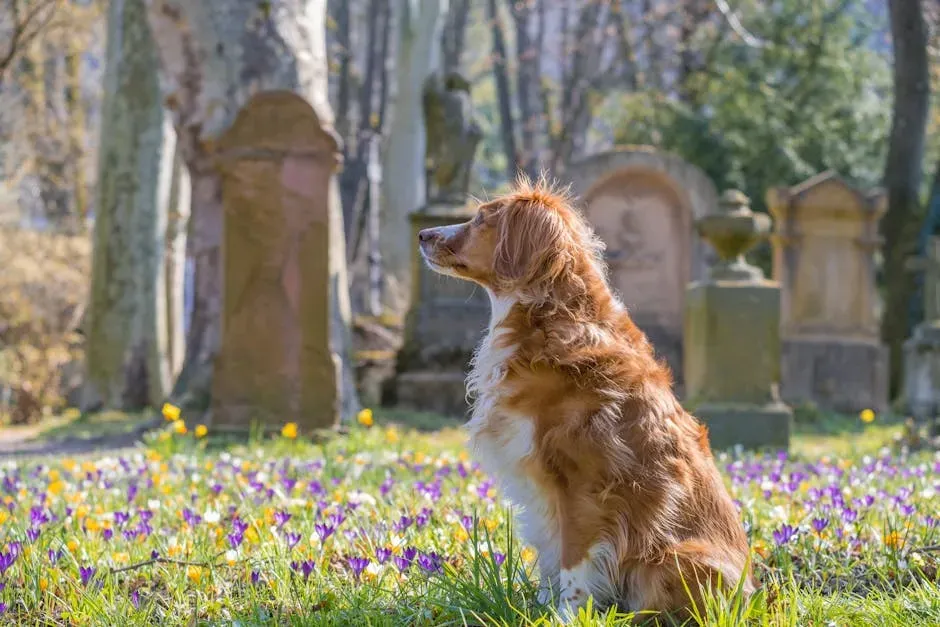
Ask any long-time dog owner about their biggest regret, and the answers echo each other.
Some say, “I waited too long – he suffered.” Others say, “I did it too early – what if he had more time?” The cruel truth is there’s almost never a perfectly clear-cut moment. You will replay that final stretch in your mind for years, dissecting every sign, every decision, every look in their eyes. This is normal, even when you made the most compassionate choice available to you.
- There is no painless way to lose them.
- Doubt is part of grief, not proof that you did it wrong.
The best you can do is make decisions from a place of love and information, not panic or denial.
#25 – Grief Starts Before They’re Gone (And Lingers Long After)

Most people think grieving begins after the last vet visit. Really, it starts months or even years earlier.
When you first notice they’re “old,” you begin mourning the dog they used to be while still loving the dog in front of you. That’s anticipatory grief, and it’s brutal because you can’t talk about it easily without feeling dramatic. After they’re gone, you might still hear phantom footsteps, check their usual spot on the rug, or reach for their leash out of pure habit.
Dogs’ lives are too short. Their only fault, really.
Agnes Sligh Turnbull
- There’s nothing “weird” about missing them like family – they were.
- Rituals help: saving a collar, framing a photo, planting a tree.
The size of the grief usually mirrors the size of the role they played in your daily life, and for many people, that role was massive.
#26 – You’ll Realize They Trained You Just as Much as You Trained Them
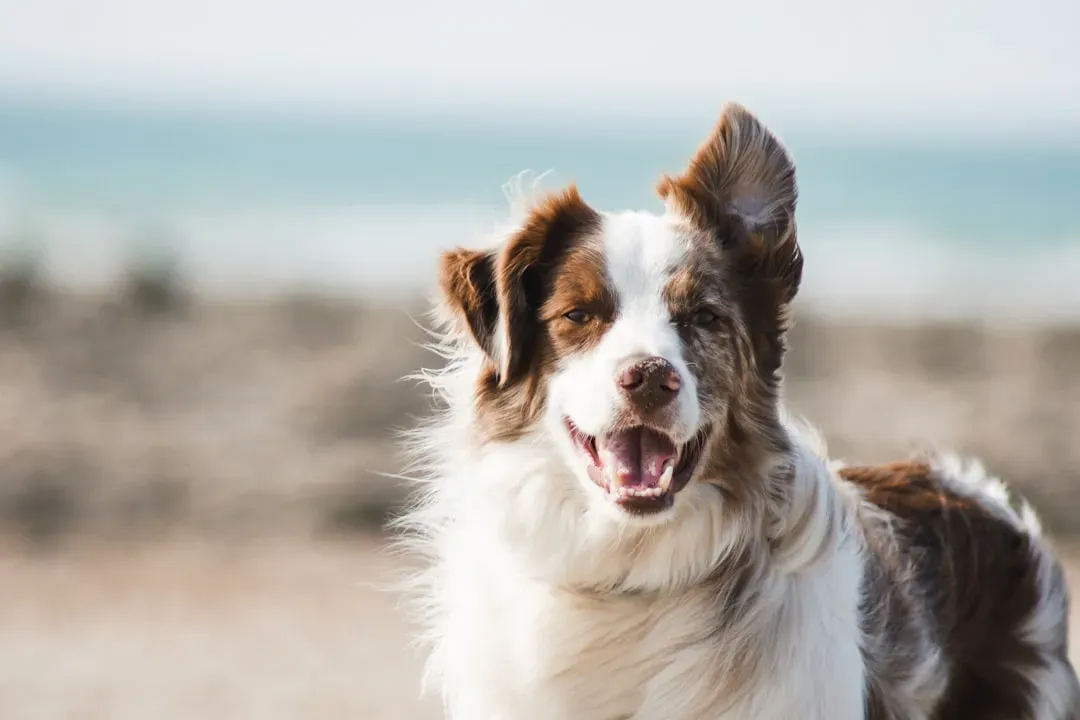
Puppy classes focus on teaching your dog. The senior years reveal what your dog actually taught you.
Living with an aging dog forces you to develop patience, empathy, and a completely different definition of commitment. You learn to slow down, notice subtle changes, and put another being’s comfort above your own convenience. You adapt your home, your schedule, even your personality – and slowly you realize the way you show up for your old dog is a pretty honest picture of who you are.
- Many people say caring for a senior dog changed how they treat aging parents and grandparents.
- You carry those habits – gentleness, presence, acceptance – into other relationships.
In a quiet, unglamorous way, your old dog is still shaping you every single day.
#27 – You’ll Never Regret the Extra Effort… Only the Moments You Rushed
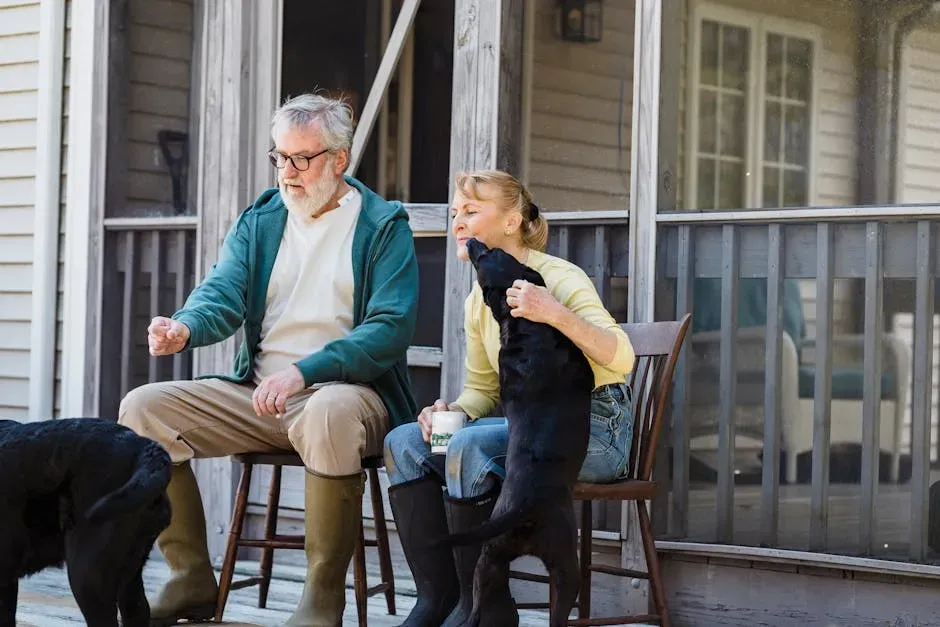
Here’s the truth almost every aging-dog owner eventually admits: the hard parts fade, but the guilt over being impatient never really does.
You won’t sit around years from now wishing you’d vacuumed more instead of lying on the floor with them. You won’t regret the money spent on meds or the Friday nights you stayed in because they had a shaky day. What sticks – sharply, permanently – is the time you snapped at them for moving slowly, or tugged the leash when they just wanted one more sniff. The stupid rush. The pointless hurry.
- Slowing down converts everyday chores into final, golden memories.
- You’ll know, when the end comes, that you actually showed up.
Most of us only learn this the hard way. You don’t have to.
The Bottom Line
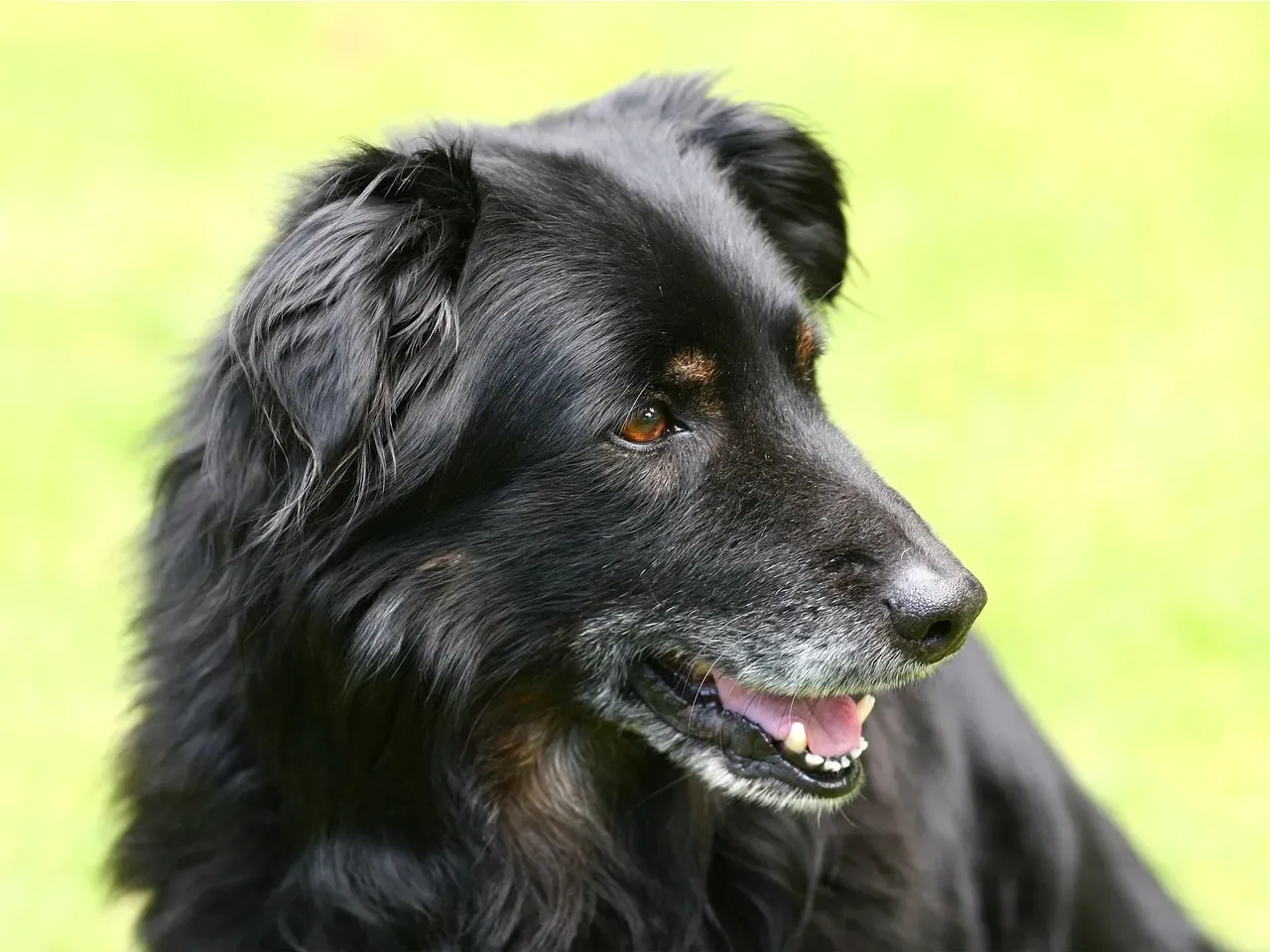
Owning an aging dog is basically signing up for a slow, beautiful heartbreak – and almost nobody tells you that at the start. The gray hairs, the stairs, the meds, the accidents, the late-night pacing, the impossible “is it time?” conversations: these aren’t failures. They’re the final proof that you chose to stick around when it got real.
Vets and long-time dog people quietly agree on one thing: the goal was never to keep them young. It was to keep them comfortable, seen, and loved right up to the end. Some people will tell you “it’s just a dog.” They’re wrong, and honestly, they’re the ones missing out. Aging dogs expose who we really are more honestly than most humans ever will – so be opinionated about it. They deserve better than “good enough” in their final years. Did we miss something you learned the hard way with your own senior dog? Drop it in the comments.


