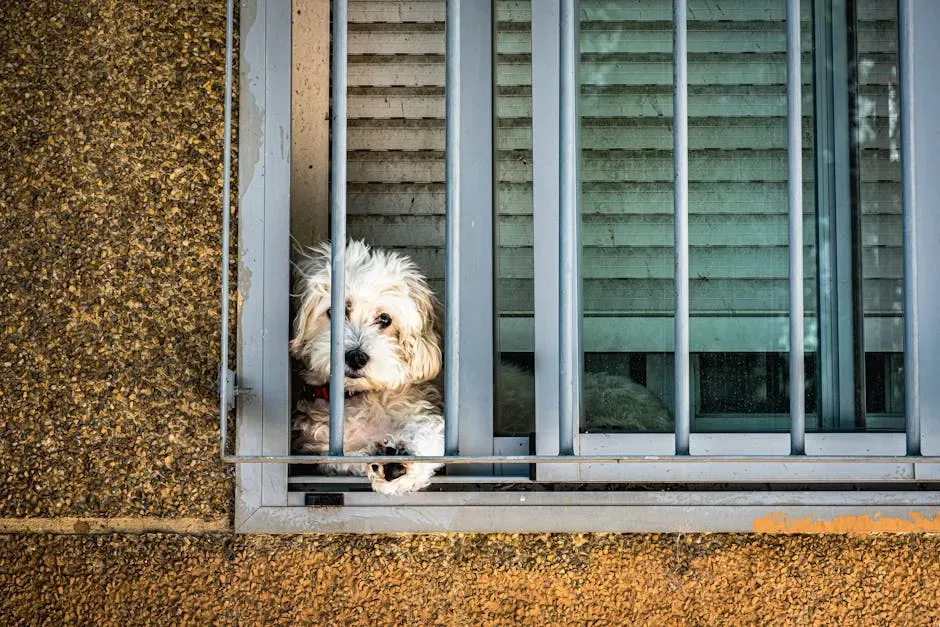
Bringing a new puppy into your home is a joyous occasion, filled with cuddles, playtime, and the promise of a lifelong bond. But what if your furry friend carries the invisible scars of abandonment, even from a tender age? Dogs, much like humans, can harbor memories of past traumas that subtly influence their behavior. Recognizing these signs is crucial in providing the love and support your canine companion needs to heal and thrive.
Excessive Fearfulness and Anxiety
Excessive Fearfulness and Anxiety (Image Credits: Unsplash)Does your dog cower at the sound of a door slamming or tremble when approached by strangers? Such heightened fear responses can be telltale signs of past abandonment. Dogs who have experienced neglect or desertion often develop an exaggerated startle reflex, reacting intensely to everyday stimuli.This pervasive anxiety isn’t just a fleeting moment of nervousness; it’s a deep-seated response rooted in past experiences. Your pup might display avoidance behaviors, such as hiding under furniture or retreating to secluded areas, especially during social interactions. These actions are their way of coping with the lingering fear of being left alone again.
Over-Attachment and Clinginess
Over-Attachment and Clinginess (Image Credits: Pexels)While it’s heartwarming to have a dog that follows you from room to room, an excessive need for constant companionship can indicate underlying issues. Dogs with a history of abandonment may develop an intense attachment to their new owners, shadowing them persistently and exhibiting distress when separated, even briefly.This over-attachment often stems from a deep-seated fear of being left behind once more. Your dog might become visibly anxious as you prepare to leave the house, displaying behaviors like whining, pacing, or attempting to block your exit. Such signs suggest a lingering memory of past separations that were traumatic.
Destructive Behavior When Left Alone
Destructive Behavior When Left Alone (Image Credits: Pexels)Returning home to find chewed furniture or shredded pillows can be frustrating, but for some dogs, this destruction is a cry for help. Dogs who remember being abandoned may exhibit destructive behaviors when left alone, driven by anxiety and the fear of reliving past traumas.This isn’t mere mischief; it’s a manifestation of separation anxiety. The destruction serves as a coping mechanism, a way for your dog to deal with the overwhelming stress of solitude. Understanding this behavior is the first step toward addressing the root cause and helping your dog feel secure.
Reluctance to Trust New People
Reluctance to Trust New People (Image Credits: Unsplash)A dog that shies away from new people or situations may be signaling a history of abandonment. Such reluctance often indicates a deep-seated fear of forming new bonds, only to have them broken again.This wariness isn’t about disliking people; it’s about self-preservation. Your dog might take longer to warm up to visitors, preferring to observe from a distance before engaging. Patience and gentle encouragement are key in helping them rebuild trust and confidence.
Changes in Appetite
Changes in Appetite (Image Credits: Pexels)A sudden loss of interest in food or erratic eating habits can be more than just picky behavior. Dogs with memories of abandonment may experience changes in appetite, reflecting their emotional turmoil.Stress and anxiety can significantly impact a dog’s desire to eat. They might skip meals or eat only when you’re present, seeking comfort in your company. Monitoring these changes and providing a stable, reassuring environment can help normalize their eating patterns.
Excessive Vocalization
Excessive Vocalization (Image Credits: Pexels)Does your dog bark, whine, or howl excessively, especially when you’re not around? This vocalization can be a sign of distress linked to past abandonment experiences.Such behaviors are often attempts to communicate their anxiety and fear of being left alone. It’s their way of expressing the inner turmoil and seeking reassurance. Addressing the underlying anxiety through training and positive reinforcement can help reduce these vocal outbursts.
Depression and Withdrawal
Depression and Withdrawal (Image Credits: Unsplash)A once playful and energetic dog becoming withdrawn and lethargic is concerning. Dogs who remember being abandoned may exhibit signs of depression, such as a lack of interest in activities they once enjoyed or a general disinterest in their surroundings.This withdrawal is a coping mechanism, a way to shield themselves from potential hurt. Recognizing these signs and providing consistent love and engagement can help your dog emerge from their shell and rediscover joy.
Conclusion
Conclusion (Image Credits: Pexels)Understanding and recognizing these behaviors is the first step in helping your dog heal from the invisible wounds of abandonment. It’s a journey that requires patience, empathy, and unwavering support. By creating a safe and loving environment, you can help your canine companion overcome their past and build a future filled with trust and happiness. After all, isn’t that what every dog deserves?