Canine Psychology Says Dogs Who Refuse to Leave Your Side During Arguments Are Seeking Personal Reassurance and Using Proximity to De-escalate Human Conflict
Canine Psychology Says Dogs Who Refuse to Leave Your Side During Arguments Are Seeking Personal Reassurance and Using Proximity to De-escalate Human Conflict
When tensions rise and voices escalate in a household, have you ever noticed your dog steadfastly by your side, refusing to budge? This behavior isn’t mere coincidence. Canine psychology suggests that dogs who cling to their owners during arguments are seeking personal reassurance and attempting to de-escalate human conflict through their presence.
Dogs’ Sensitivity to Human Emotions
Dogs’ Sensitivity to Human Emotions (Image Credits: Pexels)Dogs possess an extraordinary ability to detect and respond to human emotions. Their acute senses allow them to pick up on subtle changes in tone, body language, and even scent. When humans argue, dogs can sense the heightened emotional state and often react accordingly. This sensitivity is a testament to the deep bond shared between humans and their canine companions.Research indicates that dogs can even “smell” human emotions. When a person experiences fear or stress, their body releases specific chemicals that dogs can detect. This olfactory information, combined with visual and auditory cues, enables dogs to perceive and respond to their owners’ emotional states.
Seeking Personal Reassurance
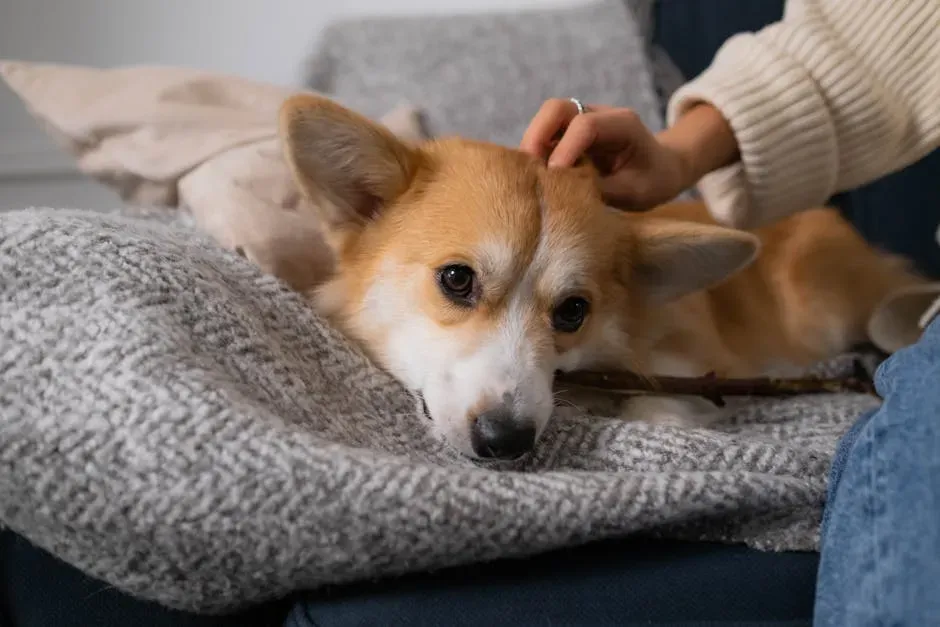
Seeking Personal Reassurance (Image Credits: Pexels)During conflicts, a dog’s instinct to stay close is often driven by a need for personal reassurance. The unfamiliar and unsettling environment created by an argument can cause anxiety in dogs. By staying near their owner, they seek comfort and security, much like a child clinging to a parent during distressing situations.This behavior underscores the reciprocal nature of the human-dog relationship. Just as dogs provide comfort to their owners, they also look to their humans for solace during times of uncertainty. Their proximity serves as a coping mechanism to navigate the emotional turmoil they perceive.
Attempting to De-escalate Conflict
Attempting to De-escalate Conflict (Image Credits: Pexels)Beyond seeking comfort, dogs may also attempt to de-escalate human conflicts. Their presence can serve as a calming influence, potentially diffusing tension between arguing parties. Some dogs might even engage in behaviors like nudging or placing themselves between individuals, seemingly trying to mediate the situation.This intervention is not just about self-preservation; it’s also about maintaining harmony within their “pack.” Dogs thrive in stable environments, and disruptions can be distressing. By inserting themselves into the conflict, they may be instinctively working to restore peace and balance.
Recognizing Stress Signals in Dogs
Recognizing Stress Signals in Dogs (Image Credits: Pexels)It’s crucial for owners to recognize signs of stress in their dogs during arguments. Indicators can include pacing, whining, trembling, or excessive licking. Some dogs might also display avoidance behaviors, such as hiding or turning away. Being attuned to these signals can help owners address their dog’s emotional needs effectively.Understanding these behaviors allows owners to take proactive steps to comfort their pets. Providing a safe space, using calming tones, and offering gentle reassurance can help alleviate a dog’s anxiety during tense moments.
Creating a Calm Environment
Creating a Calm Environment (Image Credits: Unsplash)To minimize stress for both humans and dogs, it’s beneficial to create a calm and stable environment. This includes managing conflicts constructively and being mindful of the emotional atmosphere in the home. Engaging in regular positive interactions with your dog can also reinforce their sense of security.Incorporating routines, providing mental stimulation, and ensuring physical exercise can further contribute to a balanced environment. These practices not only benefit the dog’s well-being but also foster a harmonious household dynamic.
Training and Socialization
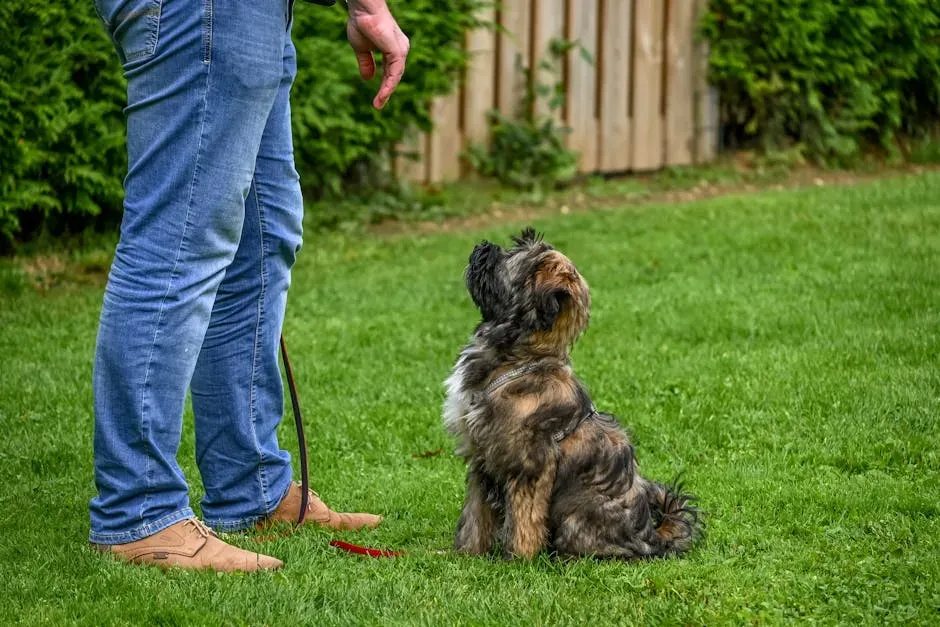
Training and Socialization (Image Credits: Pexels)Proper training and socialization can equip dogs with better coping mechanisms during stressful situations. Exposure to various environments, people, and experiences can build their confidence and resilience. Training that focuses on positive reinforcement can also strengthen the bond between dogs and their owners, providing a foundation of trust and understanding.Investing time in training not only enhances a dog’s behavior but also prepares them to handle unexpected situations with greater ease. This proactive approach benefits both the dog and the owner in the long run.
Conclusion
Conclusion (Image Credits: Pexels)When your dog refuses to leave your side during an argument, it’s more than just a quirk; it’s a profound display of their emotional intelligence and deep connection to you. By seeking personal reassurance and attempting to de-escalate conflict, they demonstrate a level of empathy that is both touching and instructive. Recognizing and respecting these behaviors can lead to a more compassionate and understanding relationship between you and your canine companion.So, the next time tensions rise, consider the silent, steadfast support sitting by your side. Isn’t it remarkable how much our dogs can teach us about empathy and connection?