
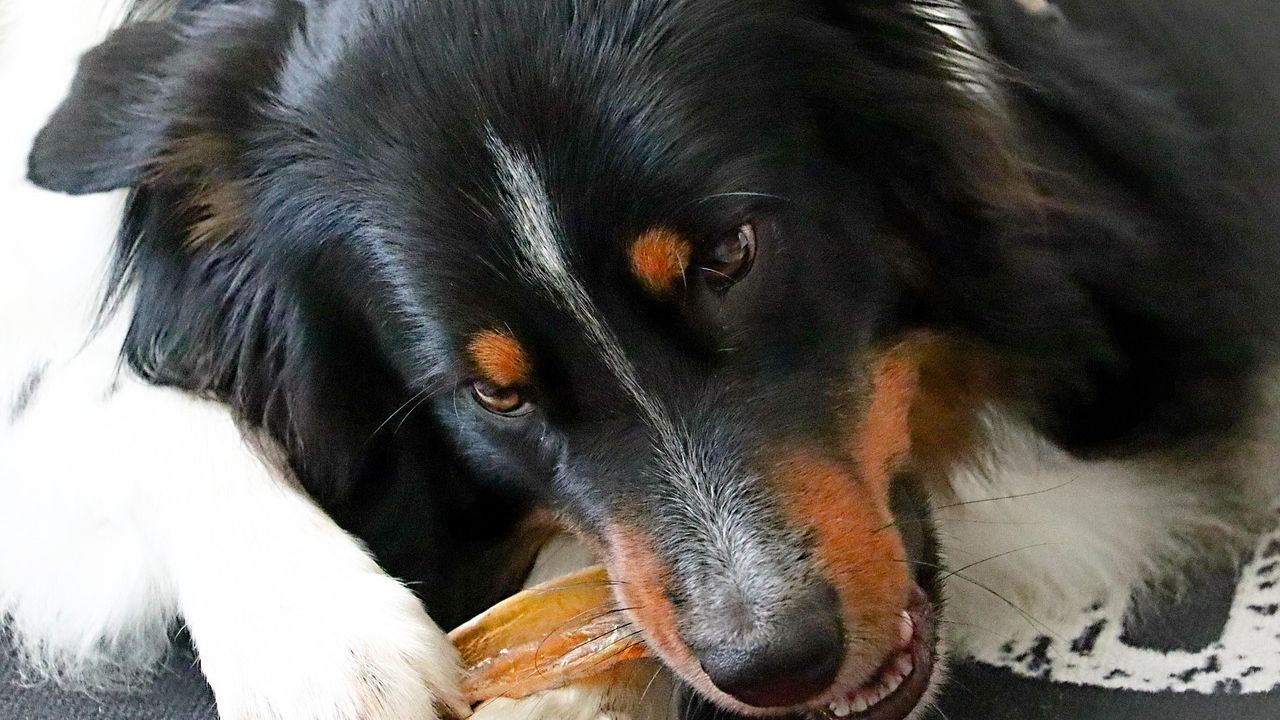
You come home after a long day, excited to relax on your couch, only to find it has been redecorated by four paws and a very determined set of teeth. Sound familiar? If you’ve ever lived with a heavy chewer, you know that mix of frustration, disbelief, and that tiny voice asking, “Did my dog seriously eat the armrest?” The truth is, chewing isn’t misbehavior. It’s deeply wired into who dogs are.
In the wild, chewing was normal survival behavior, where dogs would gnaw on bones to extract nutrients and develop their jaws for hunting. Dogs, especially puppies, are naturally playful and investigative, and exploration through chewing is one important way they learn about their environment. The real question isn’t whether your dog will chew. It’s which breeds take it to a whole new level, and what you can actually do about it. Let’s dive in.
1. Labrador Retriever: The Champion Chewer With a Mouth Made for Mischief
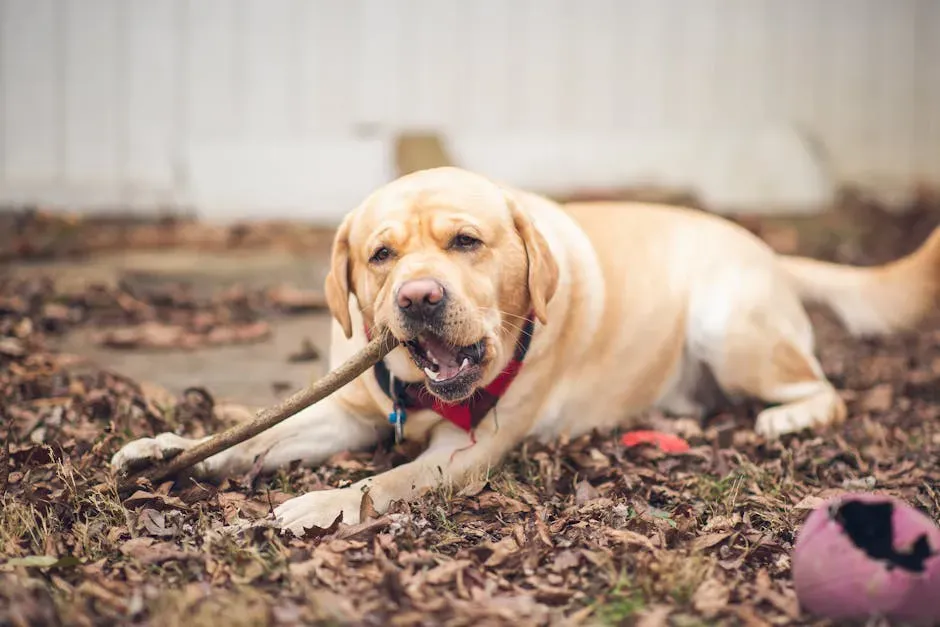
Here’s the thing about Labradors: they are one of the most beloved dog breeds on the planet, and also arguably the most notorious chewer. Labradors are lovable, energetic, and one of the most popular breeds, but they’re notorious for their chewing habits, with their boundless curiosity and high energy leading them to chew furniture, shoes, and just about anything they can sink their teeth into.
Labrador Retrievers are both playful and highly active, with an innate instinct as retrieving gundogs to pick things up in their mouths. If they are not sufficiently exercised, both mentally and physically, they may resort to exercising their jaws on whatever they can find. Think of it this way: a bored Lab is basically a furry wrecking ball with wagging tail.
Strong, long-lasting chews with flavour and variety, along with plenty of exercise, are recommended for these top chewers. Puzzle feeders, long fetch sessions, and rotating a solid variety of durable rubber toys are your best friends. Give that mouth something worthy of its talent.
2. Beagle: The Nose-Led Nibbler Who Cannot Be Stopped

Beagles are charming, soulful-eyed dogs that will make you fall completely in love with them. They will also chew through a surprising number of your belongings without a single shred of guilt. Beagles are small but mighty chewers. Their hunting instincts and love for exploring often lead them to chew through items in search of something interesting, and their stubborn nature can make training a real challenge. Beagles are highly energetic and thrive on mental stimulation, so a lack of it can intensify their chewing tendencies.
Beagles have been known to tear apart trash bags, dig into laundry, or chew through food containers in search of an interesting scent. That nose of theirs is always leading them somewhere it probably shouldn’t go. For these adorable little chewers, a toy with some kind of treat placed inside is highly recommended to keep their inquisitive noses busy. Kong toys stuffed with peanut butter, anyone?
3. Golden Retriever: Sweet Temperament, Sneaky Chewer
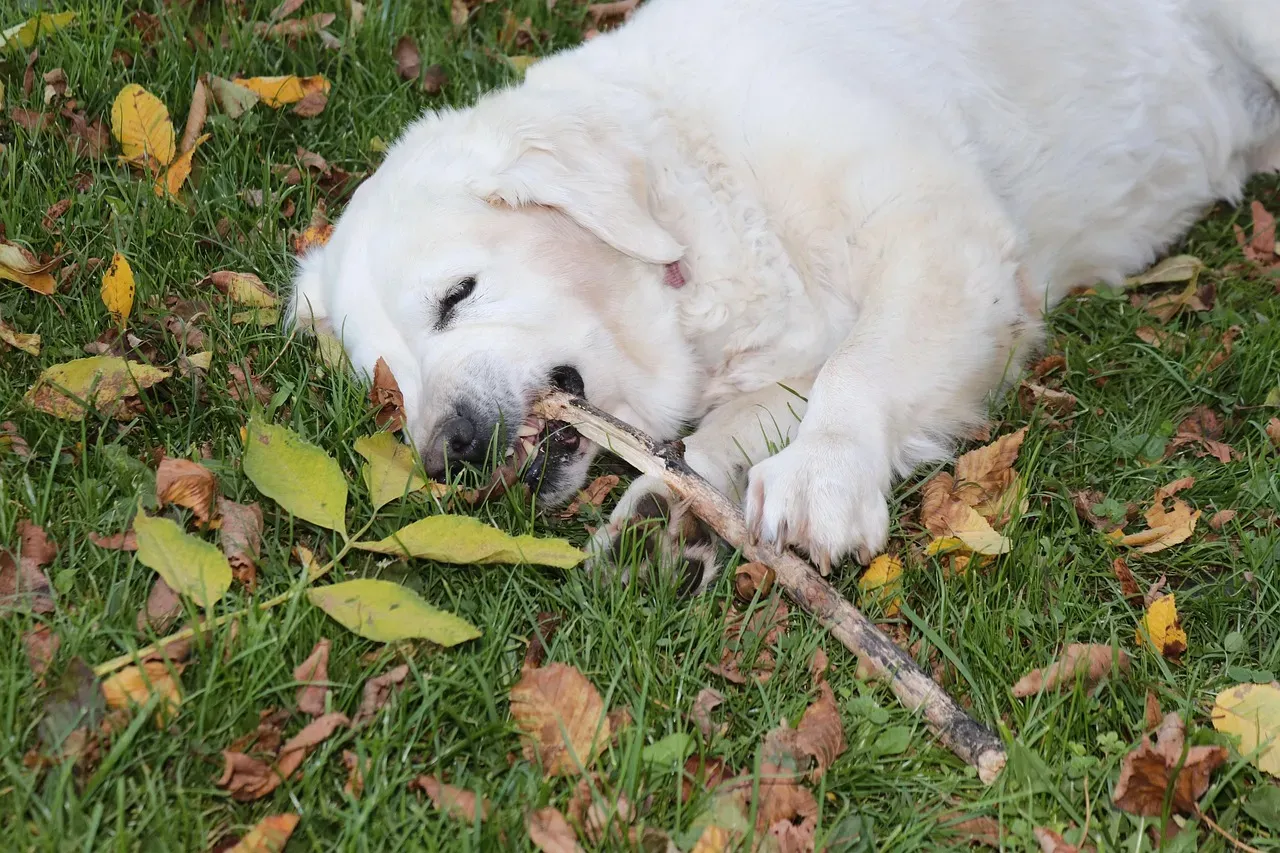
You might not expect the Golden Retriever, the poster dog of family-friendly breeds, to make this list. Honestly, it surprises a lot of people. Golden Retrievers are gentle and friendly, but they have a strong urge to chew, especially during their puppy years. Their love for carrying items in their mouths can sometimes lead to gnawing on household objects, and boredom or lack of mental stimulation can make this behavior even worse. Chewing often helps them relieve anxiety or excess energy.
Bred to be a working retriever, the Golden has a desire to do a job and be active, with a propensity to chew on whatever’s handy if they become bored. Positive reinforcement to direct them to appropriate chew toys from an early age helps curb destructive behavior. Start early, stay consistent, and never underestimate how much this sweet dog needs to feel productive each day.
4. Border Collie: The Overachiever Whose Boredom Is Your Problem

If Labradors are the enthusiastic chewers, Border Collies are the strategic ones. These dogs are wired to work, and if you don’t provide them with a job, they will absolutely invent one. Border Collies are among the most intelligent and high-energy breeds in the dog world. Their quick minds and active bodies make them natural explorers, often resulting in chewing on home belongings, shoes, or personal possessions. They tend to gnaw on items when they become bored, and their need to stay busy makes them frequent chewers.
Border Collies are bred to be herding dogs, meaning they have large supplies of energy and a keen intellect. With lots of energy and a sharp mind, Border Collies can get bored easily and become restless, and when they get bored, they start finding things to keep them busy, like finding out what the inside of the couch looks like. Agility training, herding games, or even learning complex tricks daily can genuinely save your furniture.
5. Jack Russell Terrier: Small Dog, Catastrophic Jaws

Do not be fooled by the size. Jack Russell Terriers are tiny dogs with an almost supernatural capacity for destruction. The Jack Russell Terrier has boundless energy, making them an excellent choice for terrier races and agility competitions. That energy, along with a seemingly endless desire to dig, means that if not given a job to do, they can easily become bored and destructive with both their jaws and their paws.
Jack Russells may be small, but their chewing habits can cause big problems. Their high energy levels and intelligence mean they need constant stimulation, and without proper outlets, they may resort to chewing anything within reach. Their tenacity and determination make them persistent chewers when bored. Keep a chew near your Jack Russell at all times, give them regular exercise, and teach new tricks to keep their body and mind busy.
6. Boxer: The Playful Powerhouse With a Low Boredom Threshold

Boxers are pure joy in dog form: bouncy, affectionate, and absolutely full of life. They’re also capable of some seriously impressive furniture damage when their needs aren’t met. As an active breed, Boxers have a low boredom threshold, which makes them more likely to help themselves to what they may view as a perfect chew toy. Boxers are playful and energetic, but their powerful jaws and playful nature can lead to destructive chewing. They often chew out of boredom or to release pent-up energy, and their loyalty means they dislike being left alone, which can make the behavior worse.
Boxers, which require lots of exercise, can be destructive to owners’ homes, with a significant average damage cost per year. I think the key thing to understand with Boxers is that they’re not naughty. They’re just desperately seeking engagement. Boxers thrive on attention and activity, so ensuring they have enough physical exercise and mental engagement is essential. Durable chew toys designed for strong chewers are ideal, and establishing boundaries early with consistent training can help channel their habits in a positive way.
7. Siberian Husky: The Escape Artist With an Appetite for Furniture
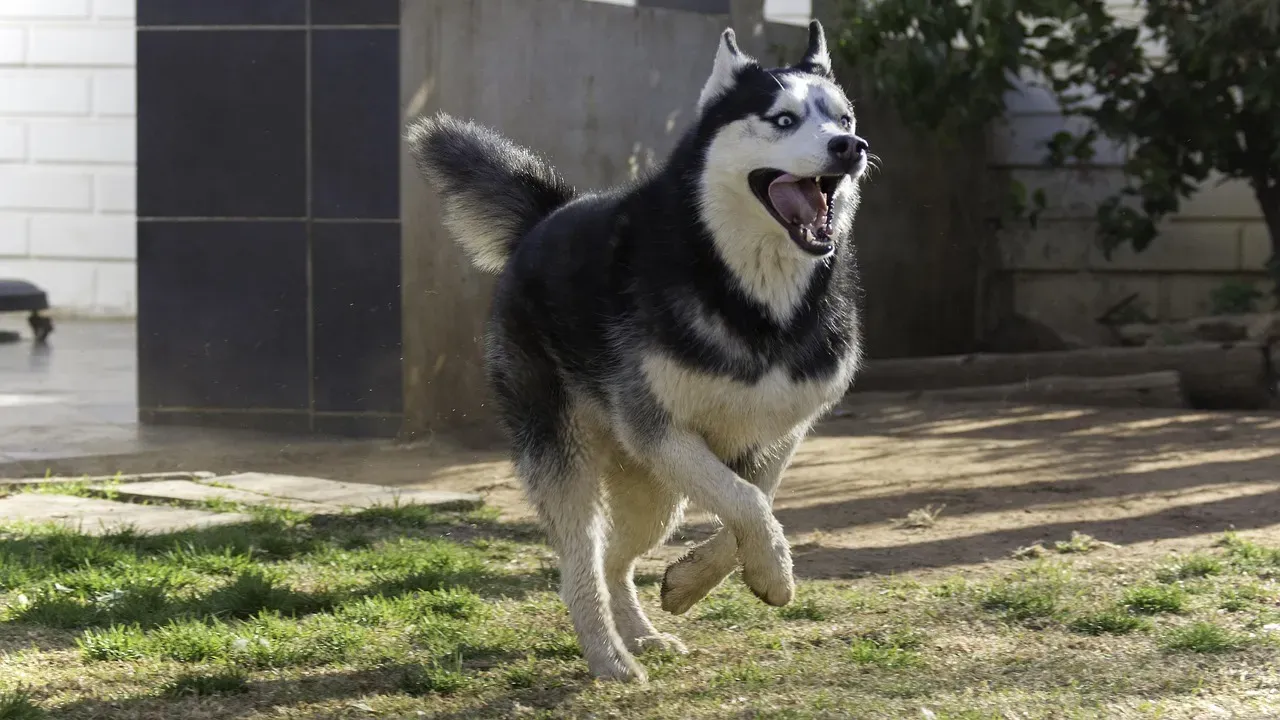
Siberian Huskies are breathtaking creatures. They are also, let’s be real, one of the most challenging breeds to live with if you aren’t prepared for their energy levels. Huskies are high-energy dogs with a knack for mischief, including chewing. Their independent and curious personalities often result in them chewing when bored or left alone for long periods, and their strong teeth can make quick work of many household items. Huskies often chew as a way to release pent-up energy or to combat separation anxiety.
Chewing and destructive behaviors in dogs can also be a response to anxiety. Dogs that are confined in areas where they feel insecure may dig and chew in an attempt to escape, and dogs experiencing separation anxiety may turn to chewing as an outlet. With Huskies, this rings especially true. Ensuring they get enough exercise, mental challenges, and using durable chew toys can help manage their tendencies, and regular socialization along with structured routines can play a significant role in reducing destructive behaviors.
What Every Dog Owner Can Do Right Now to Save Their Furniture
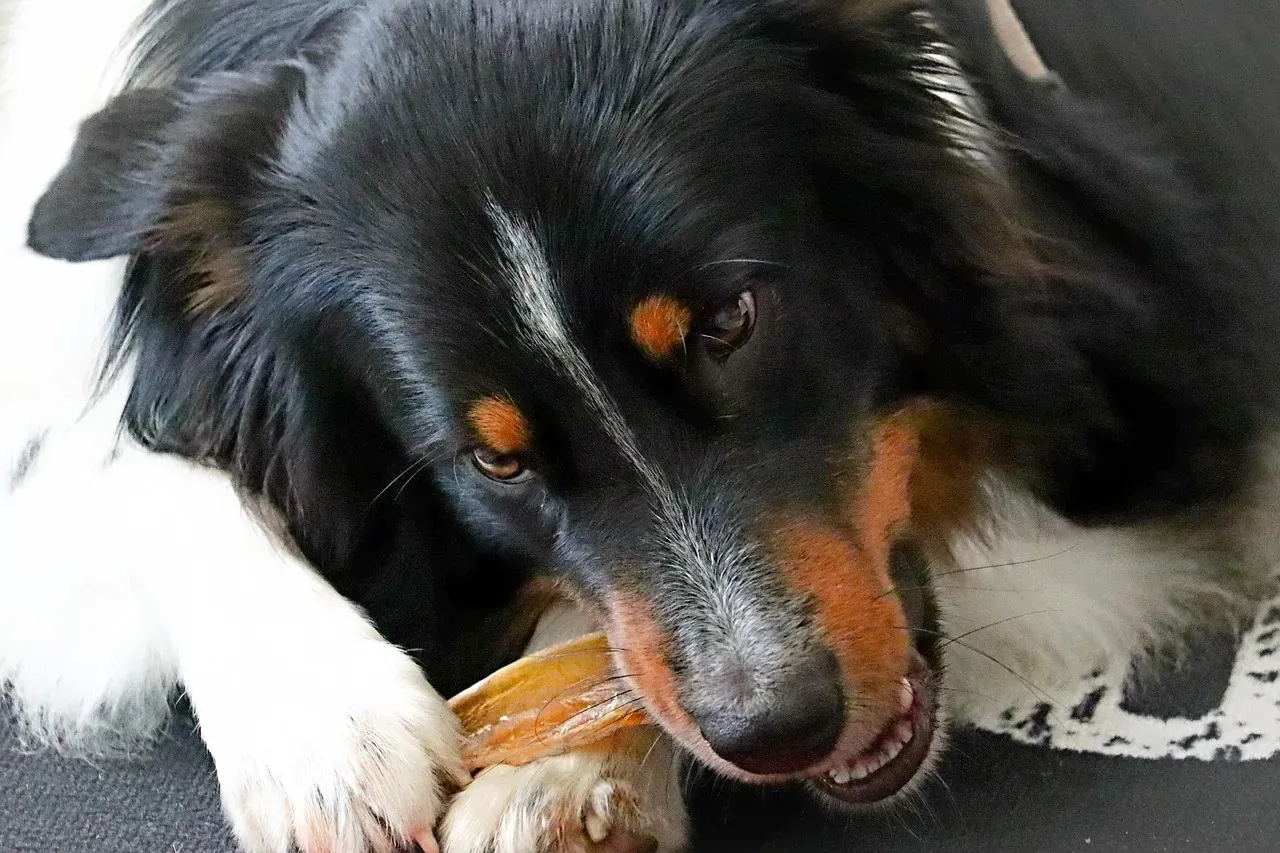
Now that we’ve met the culprits, let’s talk real solutions. The good news is that destructive chewing is manageable with the right approach. The solution is good management: keeping your dog or puppy exercised, providing proper chews and toys to alleviate boredom, and watching what your dog is doing. It sounds simple, but it genuinely works when you’re consistent.
The most effective way to stop dog chewing is a combination of management and redirection. First, limit access to furniture using gates or crates when you cannot supervise. Second, make the furniture unappealing using a pet-safe bitter spray. Apple cider vinegar features a strong scent and an unpleasant bitter taste that should stop your dog from chewing whatever you spray it on, and it won’t hurt them if they give it a little lick.
In some cases, excessive chewing may be a sign of underlying health issues, such as dental problems or gastrointestinal discomfort. If you notice a sudden increase in chewing behavior, it’s advisable to consult with a veterinarian to rule out any potential medical causes. Never skip that vet check. Sometimes a chew problem is actually a health signal in disguise.
Consistently reward your dog for chewing on appropriate toys and redirect them away from furniture. Use a specific command, such as “leave it” or “drop it,” when redirecting your dog from furniture. Pair this with patience, and you’ll see real change over time. In general, dogs need physical exercise at least twice a day for at least 20 minutes, and some breeds need considerably more depending on their recommended activity levels.
Final Thoughts: Your Dog Isn’t Bad. They’re Just Being a Dog.

Here’s what I want every frustrated dog owner to hear: your chew-happy dog isn’t trying to punish you. Your dog might chew your furniture because they’re teething, bored, or anxious, maybe lacking appropriate chew toys, or suddenly in pain. It’s not because they’re bad or seeking attention. Chewing is their language, and it’s our job to help them find a better vocabulary.
Preventing excessive chewing isn’t just about saving your belongings. It’s about understanding your pet. You can redirect their chewing habits with the right toys, training, and care, which keeps them happy and your home safe. Think of every chew toy you provide as a small investment in your relationship with your dog.
The couch can be replaced. The bond you build by responding to your dog’s needs with empathy and consistency? That’s priceless. So the next time you come home to a chewed-up chair leg, take a breath, grab a treat, and remember: you’ve got this.
Which breed on this list sounds exactly like your dog? Tell us in the comments below!


