
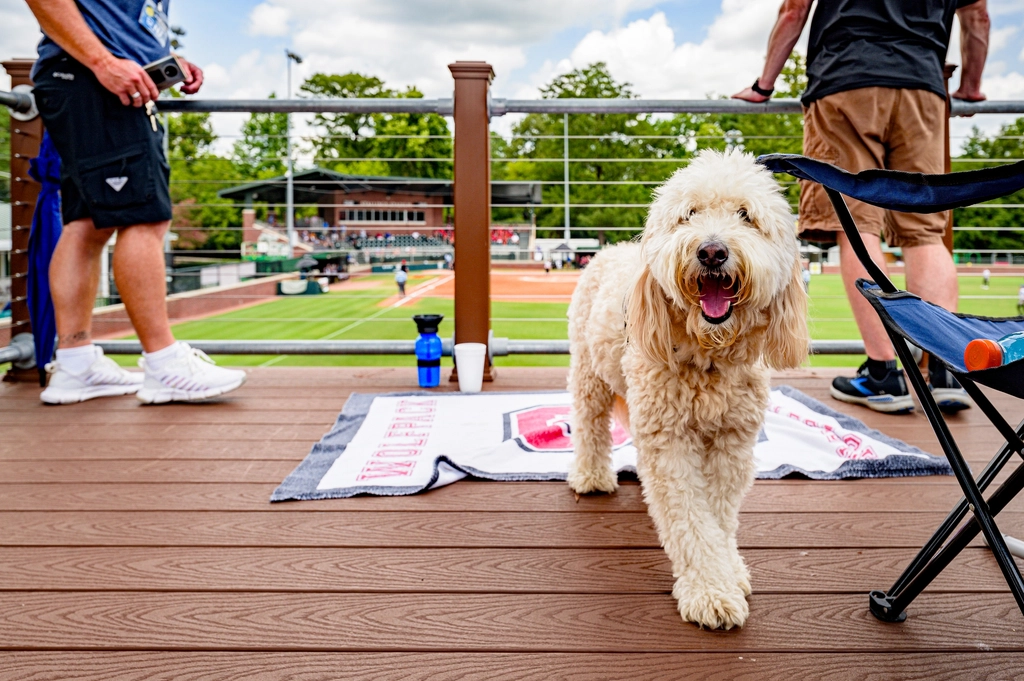
Losing a partner reshapes life in a way that no one can really prepare you for. The house gets quieter, the days feel longer, and even simple routines like making coffee can suddenly feel heavy. For many widows and widowers, bringing a dog into their life is not about “replacing” anyone, but about adding warmth, purpose, and a bit of joyful chaos back into the everyday.
Not every dog is a good match for someone over 65, though, especially if you’re dealing with health issues, limited mobility, or you simply don’t want the intensity of a high-energy breed. Some dogs are naturally calmer, easier to train, more intuitive with emotions, and better suited to a slower, gentler lifestyle. Let’s walk through seven breeds that tend to fit beautifully into the lives of older adults looking for a real companion, not just a pet.
Cavalier King Charles Spaniel: The Affectionate Lap Companion
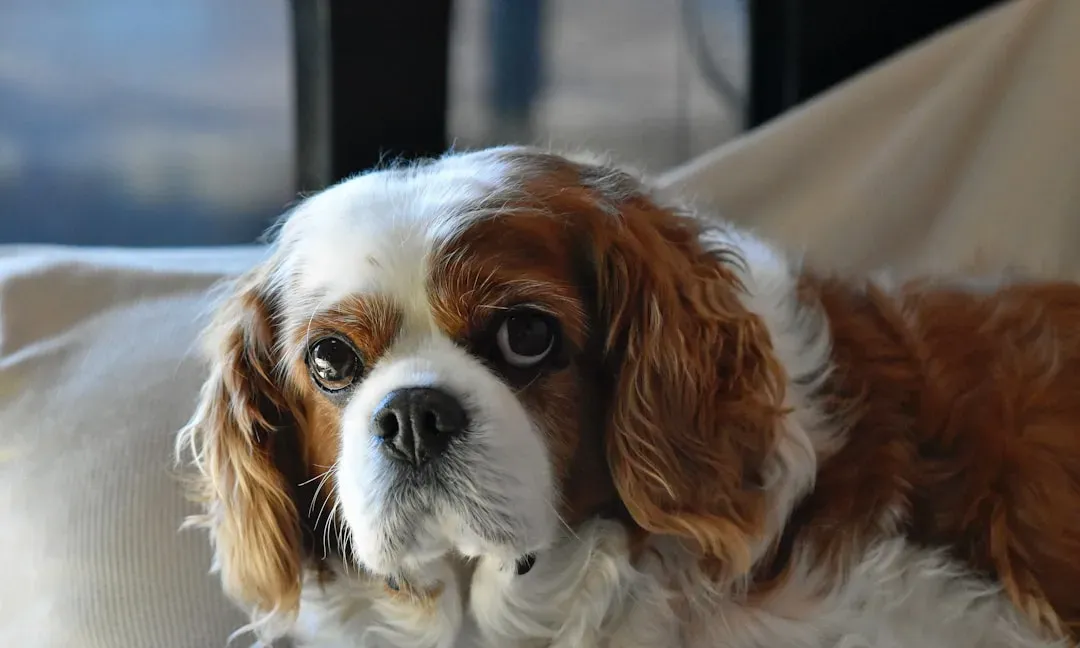
If you imagine your ideal day involving a cozy chair, a good book or a favorite show, and a warm little body curled up against you, a Cavalier King Charles Spaniel might be exactly what you’re picturing. This breed is known for being extremely people-focused and often prefers to be wherever you are, whether that’s on the couch, at the kitchen table, or sitting out on the porch. Their small size makes them easy to handle, pick up, and travel with, which can be especially important if lifting or strength is an issue.
They typically have moderate energy: happy with a couple of gentle walks and some playtime, but usually not demanding hours of exercise. Cavaliers are often described as sensitive to their owner’s mood, which can be incredibly comforting if you’re dealing with grief, loneliness, or anxiety. Because of their silky coat, they do need regular brushing and occasional professional grooming, but many owners actually find the grooming routine soothing and bonding.
Poodle (Miniature or Toy): Smart, Hypoallergenic, and Surprisingly Adaptable
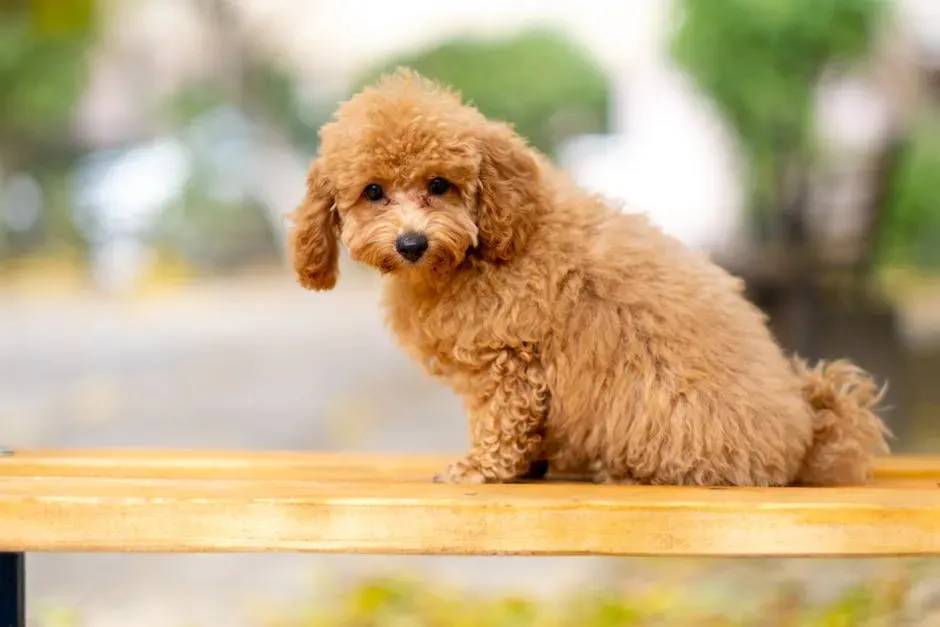
For older adults who want a dog that’s both clever and relatively easy on allergies, Miniature or Toy Poodles are hard to beat. Poodles are one of the most intelligent dog breeds, which makes them easier to train and quick to learn routines like sitting politely at the door, walking nicely on a leash, or waiting calmly for meals. That intelligence also means they enjoy mental stimulation, so simple puzzle toys or short training sessions can become a fun daily activity that keeps both you and the dog engaged.
Because their coat grows continuously and sheds very little, Poodles are often recommended for people with mild allergies or who hate vacuuming dog hair off everything. The trade-off is that they need regular grooming, either at home or with a groomer, to keep their curls in good shape. Energy-wise, Miniature and Toy Poodles do well with a few short walks and some play, but they are also happy to relax at home once their needs are met. For a widow or widower who wants a dog that feels almost like a tiny, furry roommate with a big personality, this breed is a strong option.
Bichon Frise: The Cheerful Mood Lifter
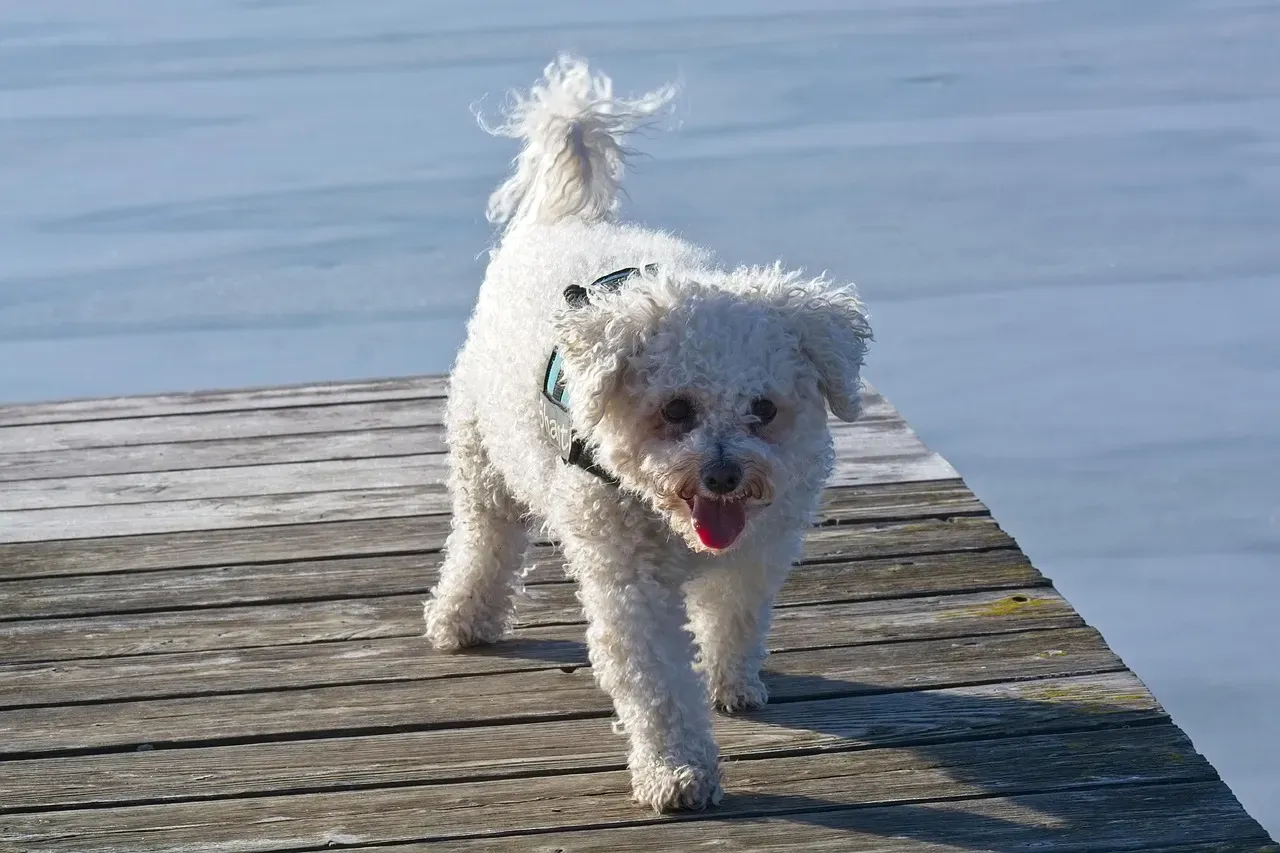
If you’re craving a bit more lightness and laughter in your day, the Bichon Frise is often described as a little ball of sunshine on four legs. These small, fluffy dogs tend to be friendly, social, and naturally upbeat, which can gently pull you out of your own head on hard days. Their size makes them well-suited to apartments, condos, and smaller homes, and they usually adapt well to different living situations as long as they’re loved and included.
Bichons have a soft, curly coat that sheds very little, again making them a popular choice for people with allergies or who want less hair around the house. They do, however, need regular grooming and brushing to prevent matting. In terms of exercise, they enjoy short walks and play sessions but usually do not require long hikes or intense activity. Many older owners find their clownish, affectionate nature a real emotional boost, especially when the house has felt a bit too quiet for too long.
Shih Tzu: The Calm, Indoor-Friendly Companion

Shih Tzus were originally bred as companion dogs, and that history really shows in their temperament. They tend to be content with a quieter lifestyle, making them excellent for people who are not very active or who may have mobility challenges. A few short walks and some indoor playtime often meet their needs, and many are perfectly happy to nap near you while you go about your day.
They are small but sturdy, with a calm, often slightly regal presence that can be oddly comforting in a home that has lost its previous sense of structure. Their long coat can be kept flowing or trimmed shorter for easier care, depending on your preference and energy for grooming. Because they are less driven by high-energy instincts like chasing or herding, Shih Tzus are often easier to manage for older adults who want companionship more than constant activity.
Labrador Retriever: The Gentle, Steady Best Friend
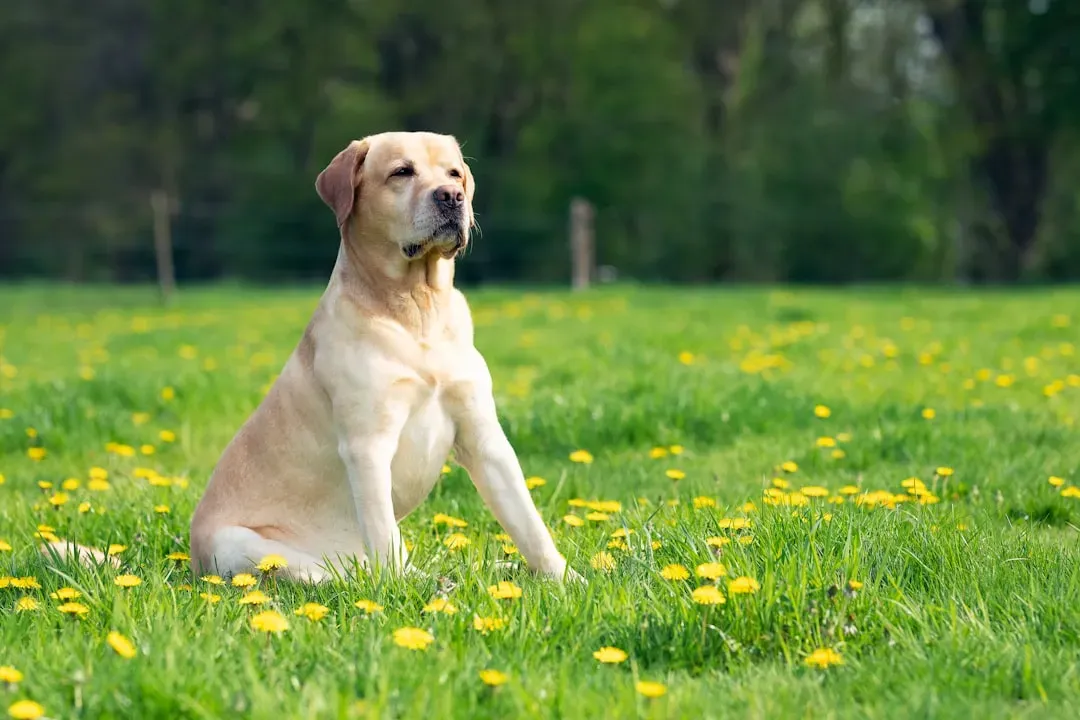
For widows and widowers who still enjoy being active and want a bigger dog, an adult or senior Labrador Retriever can be a wonderful match. Labs are famous for their gentle, friendly nature and often bond very deeply with their people. While young Labradors can be quite energetic, adopting a middle-aged or older Lab often means you get all the sweetness with a more manageable energy level.
Labs are typically eager to please and trainable, which helps if you want a dog that can walk nicely on leash, travel with you, or even accompany you to social events or outdoor gatherings. Their size can be reassuring if you live alone and want a dog that feels physically substantial, but you do need to be comfortable handling a larger animal. Regular walks, some play, and mental stimulation keep most Labradors happy. For many older adults, a Lab becomes not just a pet, but a steady, grounding presence that gets them outside and moving every single day.
Goldendoodle (Mini or Medium): The Friendly, Low-Shedding Hybrid
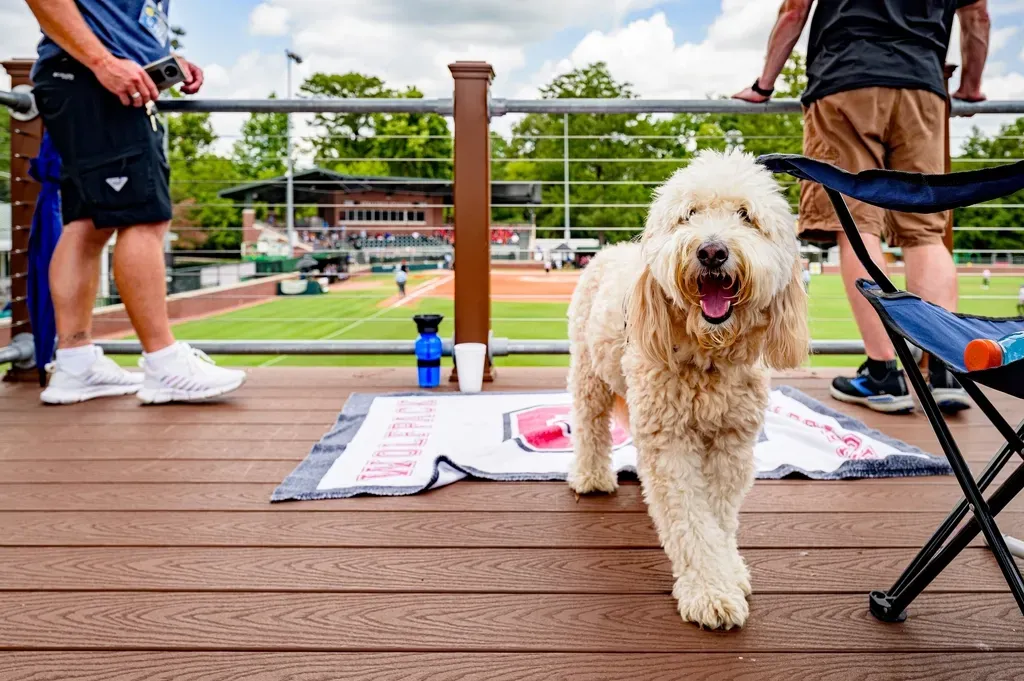
Goldendoodles, a cross between a Golden Retriever and a Poodle, have become very popular for good reason, especially the mini and medium sizes. When responsibly bred, they often combine the gentle, people-oriented nature of the Golden with the intelligence and lower shedding coat of the Poodle. For an older adult, that can translate into a dog that is enthusiastic but not overwhelming, affectionate but not clingy, and relatively easy to train.
Their coat can vary from wavy to curly and tends to shed less than many traditional breeds, but grooming is still necessary to prevent mats. Mini and medium Goldendoodles are large enough to feel sturdy and companionable on walks, but small enough to be more manageable than a full-size large breed. Emotionally, many owners describe them as very tuned in to the household mood, offering comfort on sad days and playful energy when you are ready for a bit of fun. If you want a “grandkid energy” dog in a more manageable package, this mix is worth considering.
French Bulldog: The Low-Energy, Big-Personality Clown
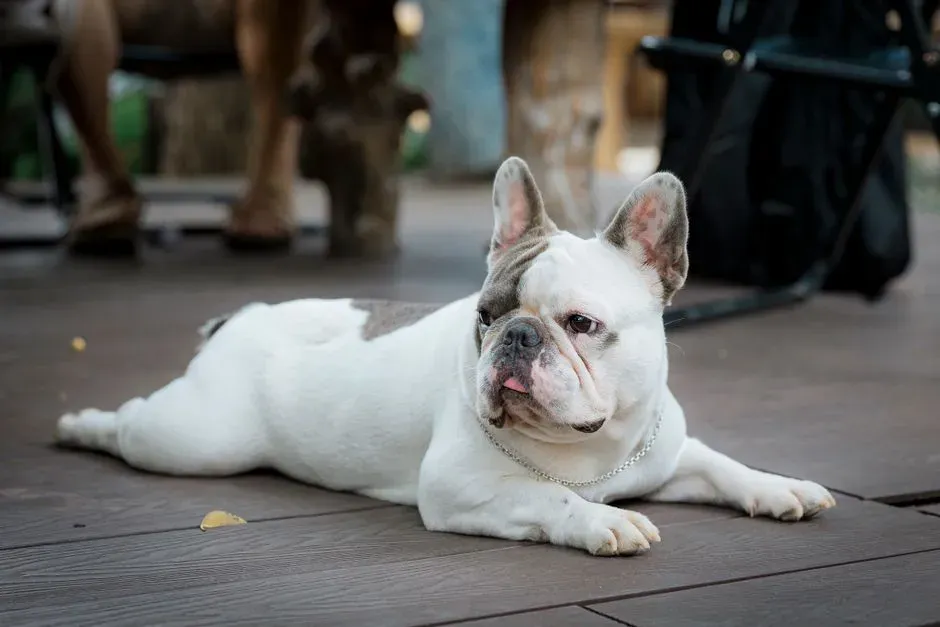
French Bulldogs have become famous for their expressive faces and comical antics, but what often makes them appealing for older adults is their relatively low exercise needs. Most Frenchies are content with short, leisurely walks and a lot of lounging around the house, which fits well with a quieter, more home-based lifestyle. They are usually very people-oriented and prefer to be near their humans, often following you from room to room like a little shadow.
Their short coat is easy to care for, and they do not require grooming beyond basic bathing and nail trimming. However, because they are a brachycephalic (flat-faced) breed, they can be prone to breathing issues and do not do well with intense heat or heavy exercise. For a widow or widower who wants a dog that makes them laugh, keeps them company on the sofa, and does not demand long walks, a French Bulldog can feel like the perfect, slightly ridiculous roommate in the best possible way.
Conclusion: Choosing a Dog That Fits Your Heart and Your Life
Bringing a dog into your life after losing a spouse is not a small decision. It is emotional, practical, and deeply personal all at once. The right breed (and even more importantly, the right individual dog) should match your energy level, your health, your living situation, and your emotional needs. For some, that will be a tiny Cavalier who never leaves their side; for others, it might be a calm adult Labrador who gets them out into the fresh air every day.
What matters most is not chasing trends, but being honest about what you can realistically handle and what kind of companionship feels healing to you. That might mean choosing an older rescue dog instead of a puppy, or picking a small, low-maintenance breed rather than the big dog you had in your younger years. In the end, the best dog for a widow or widower over 65 is the one that makes the house feel alive again, without overwhelming your body or your schedule. If you picture your ideal day a year from now, can you see a wagging tail in it?


