
There’s a moment many older adults remember clearly: you look at your dog one day and something just feels off. Maybe it’s the way they hesitate at the stairs, or how they suddenly cling to you like they’re afraid of being alone. It’s easy to brush it off as “just getting old” – for them and for you – but sometimes those subtle changes are your early warning siren.
Dog behavior often shifts gradually, almost quietly, and because you know your dog so well, you might normalize worrying changes without realizing it. If you’re over 65, ignoring those red flags is risky, not only for your dog’s health but for your own safety, independence, and peace of mind. Let’s walk through six specific changes you should never dismiss – and why paying attention now can save heartache, money, and in some cases even prevent accidents.
1. Sudden Clinginess or Unusual Distance

Has your once-independent dog suddenly become your shadow, following you from room to room, whining when you close the bathroom door, or pacing if you leave their sight? A dramatic increase in clinginess can be a sign of anxiety, pain, cognitive decline, or even changes in their hearing or vision that make them feel less secure. Dogs often draw closer when they feel vulnerable, and for an older owner, a constantly underfoot dog can also create a serious tripping hazard.
On the flip side, if a normally affectionate dog starts avoiding contact, hiding, or choosing to be alone, that can be just as concerning. Dogs that feel pain, nausea, or confusion sometimes retreat rather than seek comfort, especially if they’re trying to protect themselves. When you’re over 65, your dog is also part of your emotional support system, so any big personality shift – extra clingy or strangely distant – deserves a vet check rather than a shrug.
2. New Night-Time Restlessness or “Sunset Confusion”

If your evenings have suddenly turned into a circus – pacing, whining, panting, or your dog wandering the house at 2 a.m. – that’s not just “old dog stuff” you have to tolerate. Night-time restlessness can be a sign of pain, arthritis flares when it cools down, urinary or kidney problems, or canine cognitive dysfunction (often described as a dog version of dementia). For a person over 65, chronic sleep disruption from a restless dog can quickly erode your own health, mood, and ability to manage daily tasks.
Some dogs with cognitive changes get what many vets call “sundowning”: they seem more confused, anxious, or agitated as evening approaches. They might stand staring at corners, get stuck behind furniture, or forget familiar routines like where the door is. These behaviors are not just quirks; they often indicate brain changes that can sometimes be eased with medication, supplements, lighting adjustments, earlier walks, and calmer routines. Ignoring it means both of you suffer longer and miss the chance to improve quality of life.
3. Hesitating With Stairs, Car Rides, or Jumping on the Couch
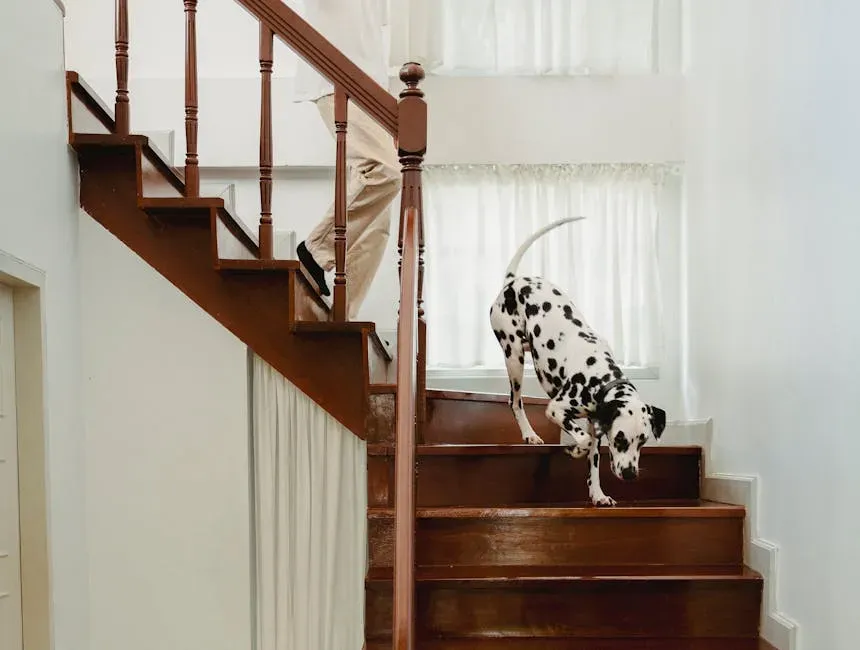
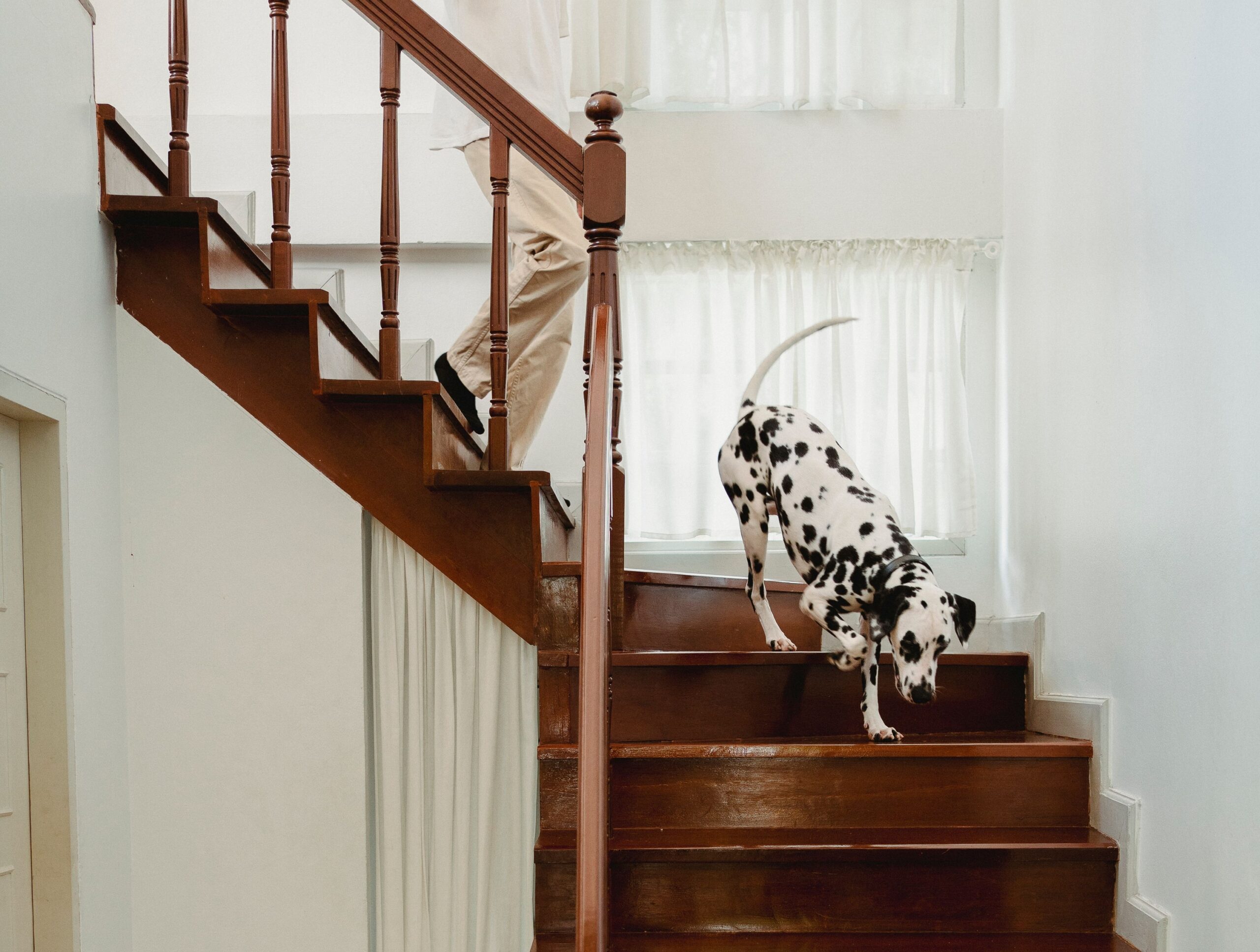
One of the most common early warning signs people miss is a small pause. Your dog stands at the bottom of the stairs just a second longer than usual, or circles before deciding to jump into the car, or stops trying to hop onto their favorite chair. Many older owners say “Oh, we’re both slowing down,” and leave it at that. But a hesitation is often your first clue about arthritis, joint pain, spinal issues, or early neurologic problems.
For someone over 65, this matters more than you might think. A dog that slips on stairs, panics when being lifted, or loses balance when you’re walking side by side can easily pull you down. Addressing mobility issues early – with pain relief, joint support, ramps, carpets for traction, or shorter, flatter walks – protects your dog’s comfort and your own physical safety. If you notice your dog suddenly refusing steps or car rides they used to handle easily, treat it as a medical question, not a personality change.
4. Changes in House-Training or “Accidents Out of Nowhere”

If a dog that has been reliably house-trained for years suddenly starts having accidents indoors, that’s never just stubbornness or revenge, even if it feels personal when it happens on your carpet. In senior dogs, new accidents can point to urinary tract infections, kidney disease, diabetes, incontinence, spinal issues, or cognitive decline affecting their ability to “hold it” or remember where to go. Sometimes, they may stand at the door but not signal clearly, or they simply cannot wait as long as they used to between outings.
For older adults, this is not only a cleaning hassle; it can be a hidden fall risk. Slipping on urine on a tile floor, bending or kneeling frequently to scrub, or trying to rush a dog outside in a panic can all lead to injury. A vet can help identify if the cause is infection, hormonal changes, pain, or brain-related, and in many cases treatment or management strategies work surprisingly well. If your steady, polite dog suddenly “forgets” their manners, assume their body is asking for help, not misbehaving.
5. Subtle Changes in Eating, Drinking, or Weight
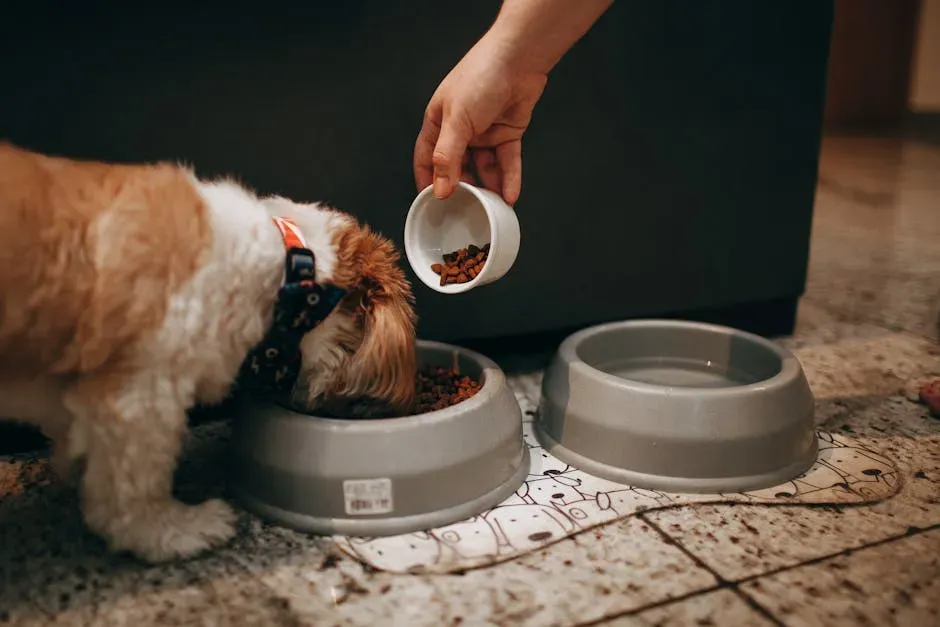
Many people over 65 are incredibly tuned into their own medications, blood pressure, and diet changes, but they underestimate slow shifts in their dog’s feeding habits. If your dog starts leaving food behind, chewing more slowly, dropping kibble, or taking longer at the bowl, this can signal dental disease, nausea, pain when bending, or deeper organ issues. On the other hand, a dog that suddenly seems ravenous all the time, or starts drinking and peeing more, might be showing early signs of endocrine diseases like diabetes or Cushing’s, or kidney problems.
Because weight changes can be gradual, they’re easy to miss, especially when you see your dog every day. Running your hands over their ribs and spine regularly is a simple habit that can reveal weight loss or gain sooner than your eyes notice. For an older owner, catching these clues early often means simpler treatments, fewer emergencies, and less emotional and financial strain. If something about your dog’s bowl habits feels “just a bit off,” trust that feeling and ask your vet, rather than waiting for more dramatic symptoms.
6. New Aggression, Startle Reactions, or “Out of Character” Snapping

One of the most alarming changes for any owner, but especially for those over 65, is when a gentle, well-behaved dog suddenly growls, snaps, or seems on edge. This can be deeply upsetting, and some people blame themselves or assume the dog has simply become “grumpy with age.” In reality, new aggression in a senior dog very often has a medical root: pain, vision loss, hearing loss, neurological changes, or confusion can make them feel threatened or startled more easily. Dogs in pain may lash out if touched in a sore spot, even by the person they love most.
This is not just a behavior issue; it’s a safety issue for you and for others in your home or caregivers who visit. A dog that startles easily can react unpredictably when someone uses a walker, leans over them, or touches them while they sleep. Getting a thorough veterinary exam, including pain evaluation and sensory checks, is crucial before anyone labels the dog as “bad.” In many cases, pain relief, environmental adjustments, and clear communication about how to approach and handle the dog can de-escalate the problem and keep everyone safe.
Why Listening to These Signs Matters Even More If You’re Over 65
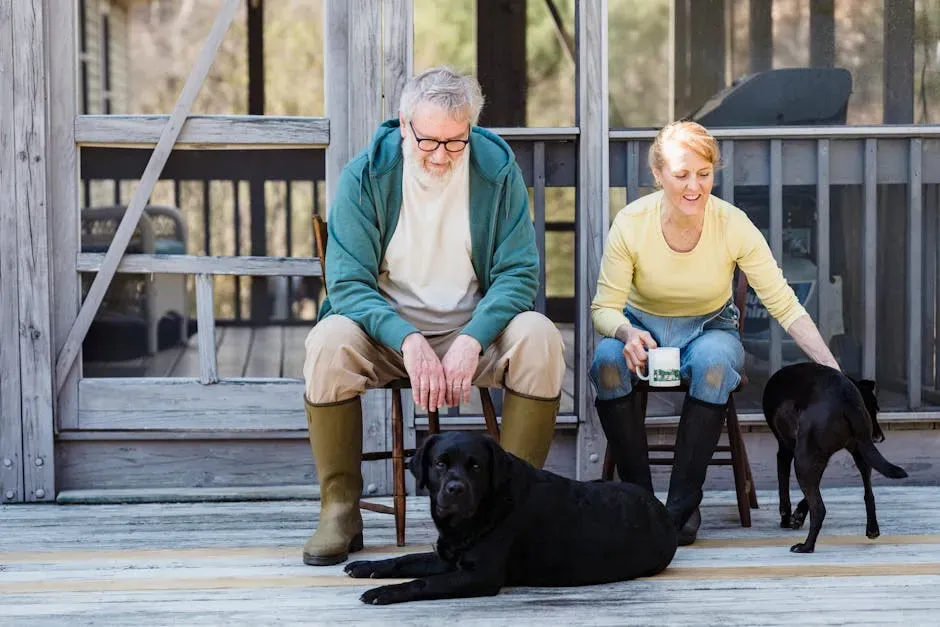
When you’re older, your dog is rarely “just a pet.” They are your routine, your company, sometimes your reason to get out of bed and go for a walk. Ignoring early signs of trouble does not protect you from heartbreak; it usually brings it faster and with more drama, like emergency vet visits in the middle of the night or sudden, difficult decisions. The emotional shock of a crisis can be harder to bounce back from as you age, especially if your support circle is small.
There’s also a very practical side: your dog’s health and your safety are tied together. A dog in pain can pull you off balance; a dog that needs to go out every hour at night can exhaust you; a dog that becomes confused or aggressive can strain relationships with family and caregivers. Taking changes seriously, asking questions early, and working with a vet you trust is not being dramatic; it’s being wise and kind to both of you. In my opinion, the most loving thing an older dog owner can do is pay attention to the little shifts, not wait for a disaster to prove something was wrong.
Conclusion: Your Dog’s Changes Are Messages, Not Annoyances
Living with a dog as both of you grow older is a strange, beautiful dance. You slow down together, nap more together, maybe creak down the hallway at the same pace. It’s tempting to see every new behavior as “age, nothing more,” but that mindset can quietly rob you of good months or even years you could have shared more comfortably. Those six changes – clinginess or distance, night-time restlessness, hesitation with movement, new accidents, shifts in eating and drinking, and out-of-character aggression – are not random quirks; they are messages.
You do not have to panic every time your dog has an off day, but you also do not have to accept suffering as the price of getting old together. The sweet spot is paying attention, trusting your gut when something really feels different, and being willing to ask for help sooner rather than later. Your dog gave you a lifetime of loyalty; noticing their early warning signs is one of the best ways to return the favor. When you look at your dog today, is there anything you’ve been quietly explaining away that might actually be a sign asking you not to ignore it?


