
7 Reasons Dogs Sometimes Sit With Their Back Pressed Against You

You know that oddly specific move your dog does where they plop down right in front of you and push their back or bum against your leg, like you’re a piece of furniture? It can feel random, funny, or even a little weird the first time it happens. But that simple lean or press is actually packed with emotional and behavioral meaning, and once you understand it, you’ll probably never see it the same way again.
When I first started fostering dogs, I assumed the “back press” was just a quirky comfort thing. Over time, especially with nervous rescues, I realized it was often their way of talking without words: I trust you, watch my back, I want you close. Let’s break down what might really be going on in that furry little head when your dog plants themselves against you like you’re their personal wall.
1. A Silent Sign Of Deep Trust And Bonding
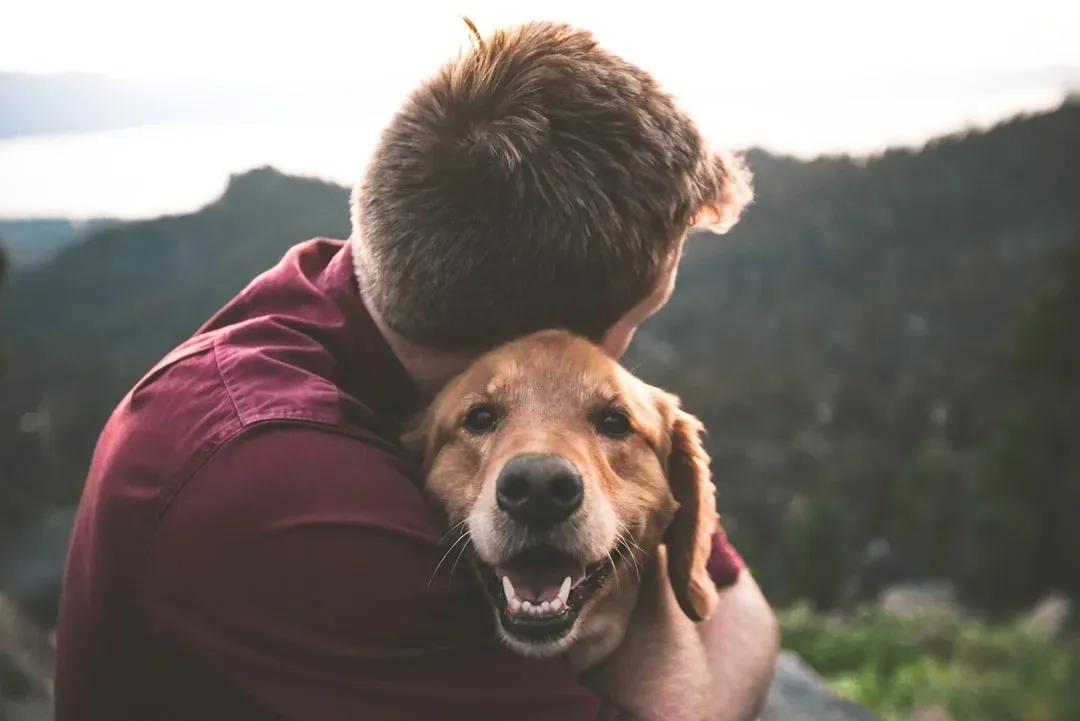
Imagine going to sleep in a crowded room: you’d probably turn your back only to people you trust not to hurt you. Dogs are similar. When they , they are literally exposing one of their most vulnerable angles, which suggests they feel safe enough to relax their guard and let you “watch their six.” That is not something a dog does with just anyone.
Over time, this little habit can become a ritual between you and your dog, almost like their version of holding hands. It is their way of saying, you’re in my inner circle, I feel secure when you are near, and I am okay letting you handle what I cannot see. If you take a second to really notice it, that simple lean can feel incredibly moving, especially if your dog came from a rough start and did not trust easily at first.
2. Seeking Comfort, Warmth, And Physical Contact
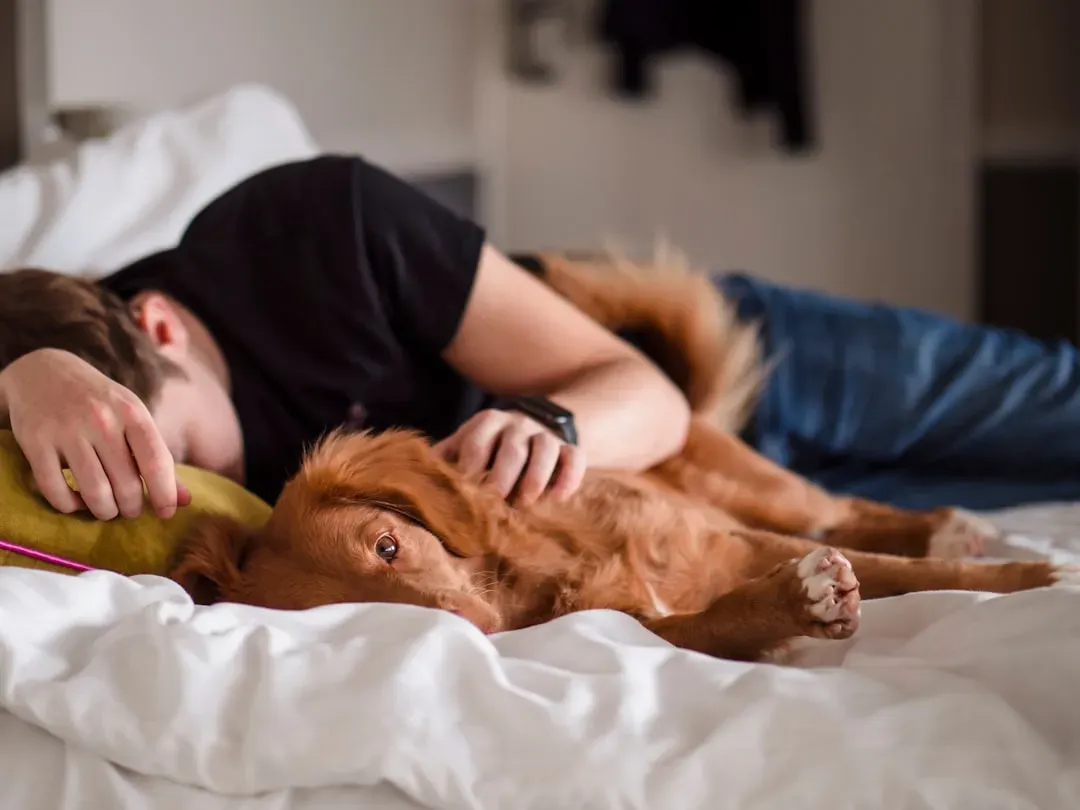
Sometimes the reason is delightfully simple: you are cozy. Your body gives off warmth, your clothes feel soft, and to your dog, you are basically a heated pillow that talks and hands out snacks. Many dogs are naturally drawn to physical closeness, and pressing their back into you lets them soak up your warmth while still keeping their eyes on the room.
This kind of contact can be especially soothing during colder weather, when your dog is tired, or after a stressful day full of unfamiliar noises and smells. It is a bit like you leaning into the couch after work, except your dog’s version of the couch is… you. For touch-oriented dogs, this physical closeness can lower their stress and help them settle, in the same way that a comforting hug or weighted blanket can help a person unwind.
3. A Subtle Way Of Asking For Attention Or Affection
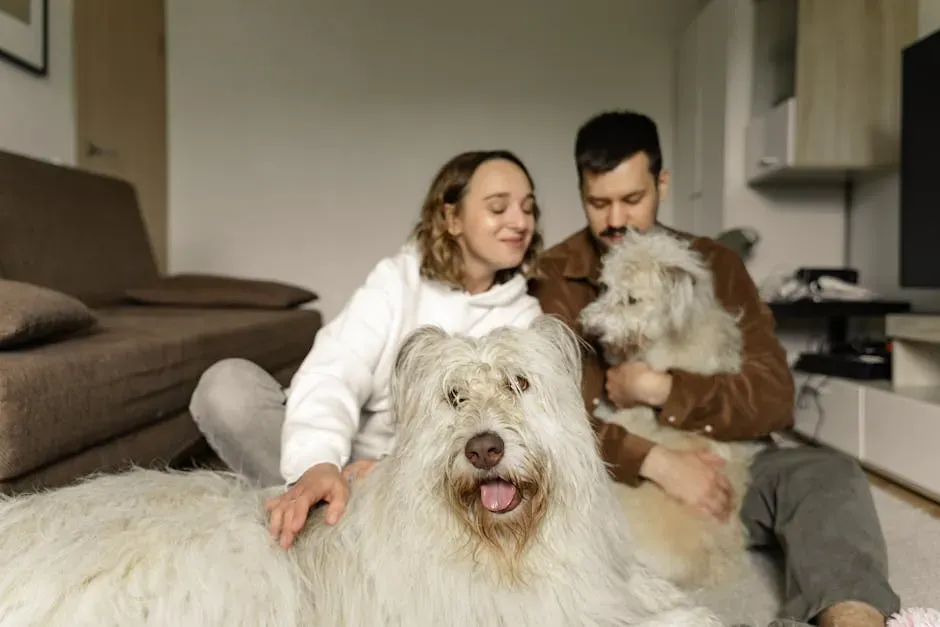
Dogs are incredibly good at learning what gets your focus, and many figure out that physically anchoring themselves to you is a nearly foolproof way to get noticed. When they , they might be hoping for a few butt scratches, a gentle rub along their sides, or even just a quick word from you. The position puts them close enough that any small movement from you is likely to involve them.
Over time, this can turn into a polite little habit: instead of barking or pawing, your dog just quietly backs up into you like, hey, I am here, remember me? It is a much less disruptive way to ask for attention compared to jumping or whining. If you often respond with pets or praise when they do this, you are probably reinforcing the behavior without even realizing it, which is not a bad thing as long as it stays calm and respectful.
4. Guarding You While Trusting You To Guard Them
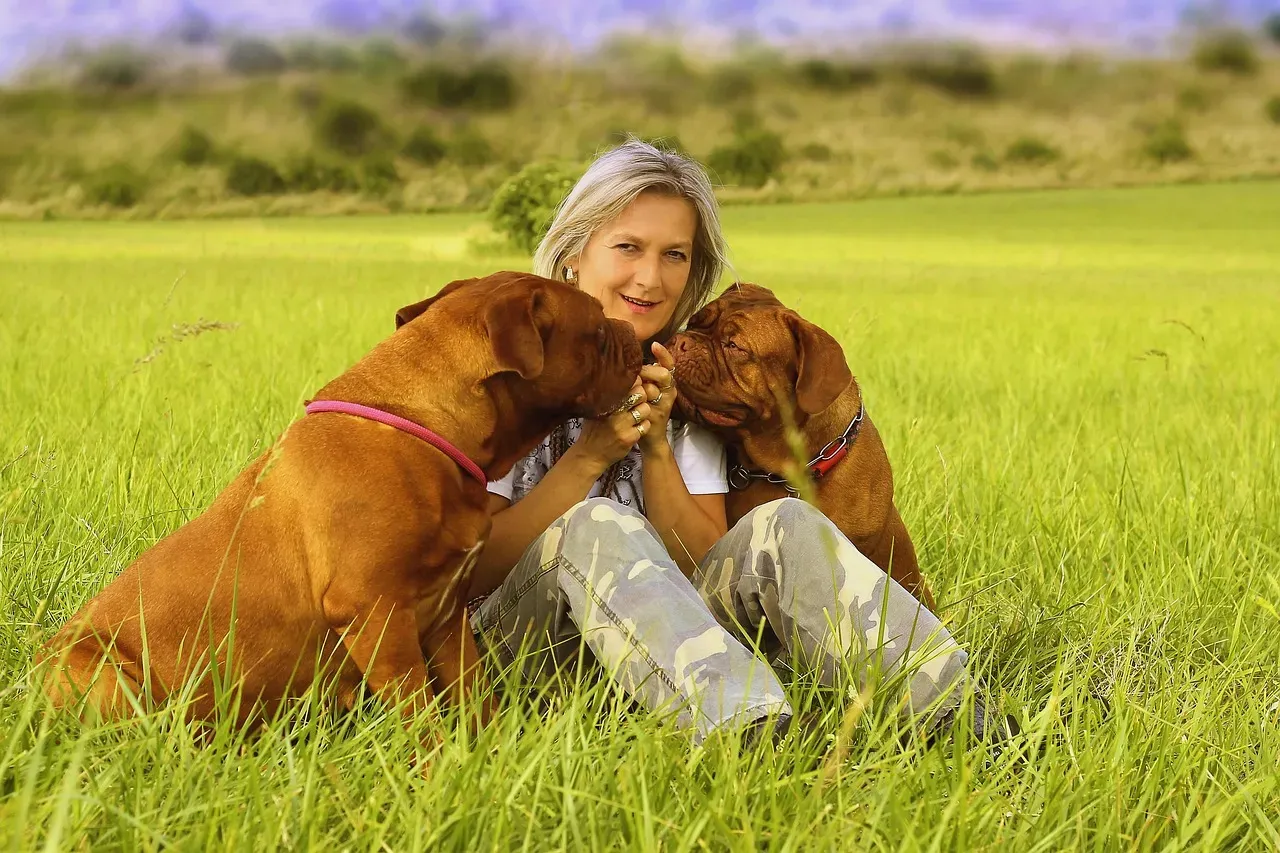
There is an interesting balance of independence and reliance happening when a dog faces outward and leans their back into you. In that position, they can watch the environment, scan for movement, and feel like they are “on duty” while still using you as a solid point of security. Think of it as a tiny two-member security team: your dog takes the front, and you unknowingly cover the rear.
Some dogs, especially more alert or protective types, seem to naturally adopt this arrangement in busy environments like parks, patios, or gatherings. By sitting with their back against you, they are signaling both ownership and partnership: this is my human, I am paying attention, but I am also grounded by their presence. It is not always about aggression or guarding in the dramatic sense; often it is just an instinctive way of sharing responsibility for safety and staying connected.
5. Marking You As “Theirs” Through Scent And Contact
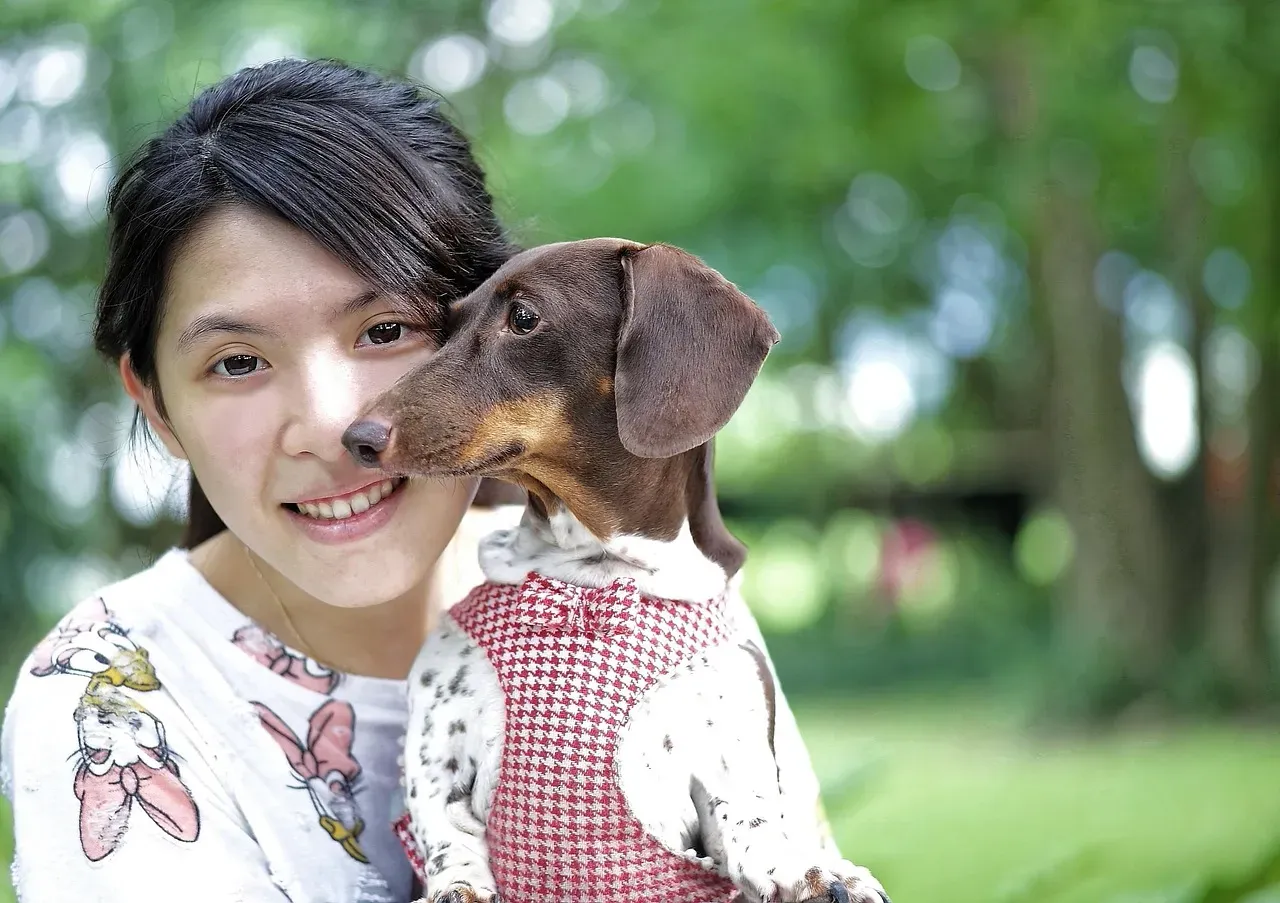
Dogs live in a world of scent, and their bodies carry natural odors and oils that leave invisible marks on the things and people they rub against. When your dog repeatedly sits or leans their back into you, they are not just cuddling; they may also be subtly mixing their scent with yours. In their mind, you become even more a part of their social group, like a shared family smell.
This is not usually some dramatic dominance move, despite what older myths might suggest. It is more like your dog saying, this is my person, I belong to them and they belong to me. By pressing their body against you, they are constantly refreshing that mutual scent “signature,” similar to how they might rub on the couch or their favorite bed. It’s social, it’s comforting, and it reinforces the idea that you are a unit, not just two separate beings living in the same space.
6. Managing Anxiety, Insecurity, Or Overwhelm
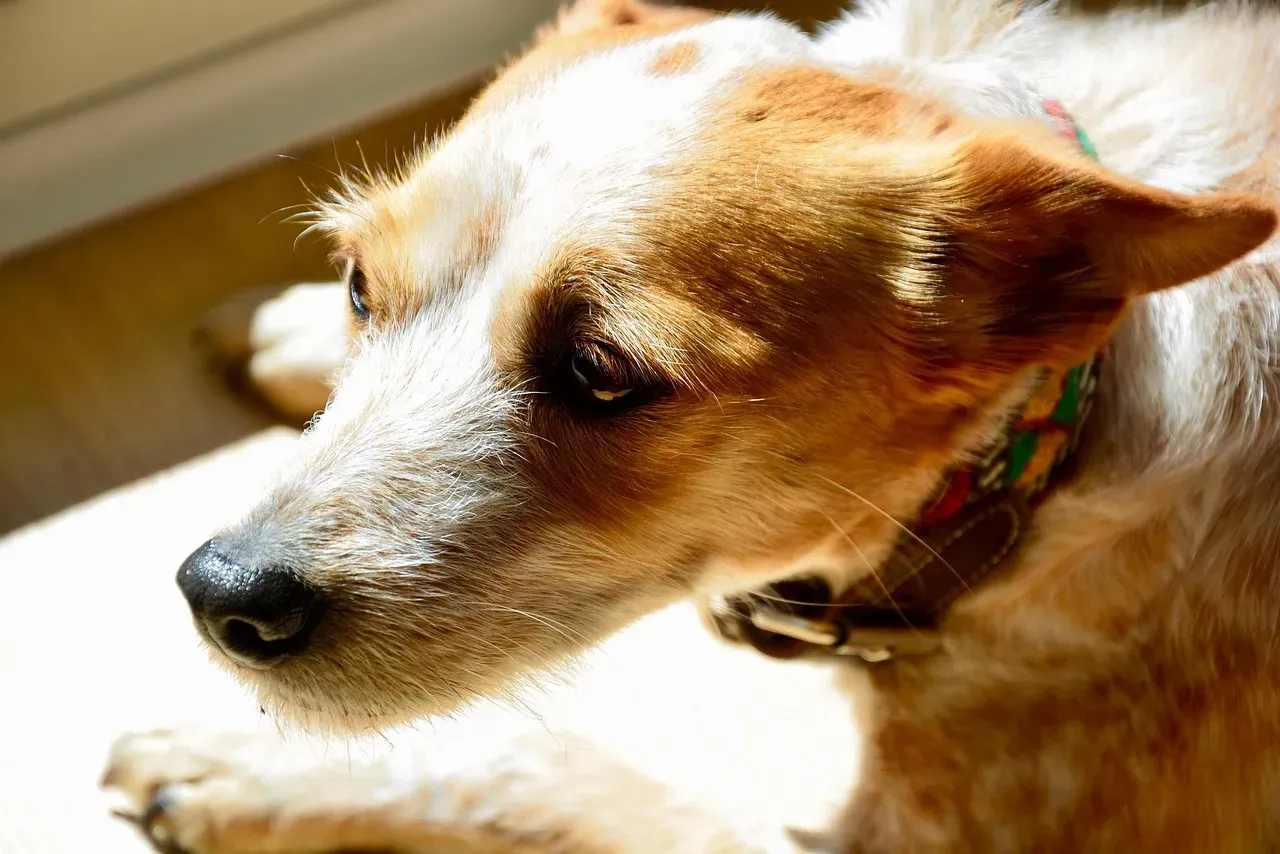
For some dogs, the back press shows up the most when they are uncertain: during thunderstorms, loud parties, vet visits, or even when a new dog visits the home. Leaning their back into you can function like an emotional anchor, a way to say, I am nervous, stay with me. Your steady presence becomes a buffer between them and whatever feels unpredictable or scary out there.
If you notice your dog doing this more often in specific situations, it can be a useful clue about what makes them uneasy. Instead of brushing it off, you can treat it as a quiet request for reassurance: using calm words, gentle touch, and, when needed, some distance from the chaos. In my opinion, this is one of the most touching reasons behind the behavior: a tough-looking dog choosing to lean into you when the world feels too big is a reminder that even the bravest need a safe person sometimes.
7. Simple Habit And Comfort From Repetition
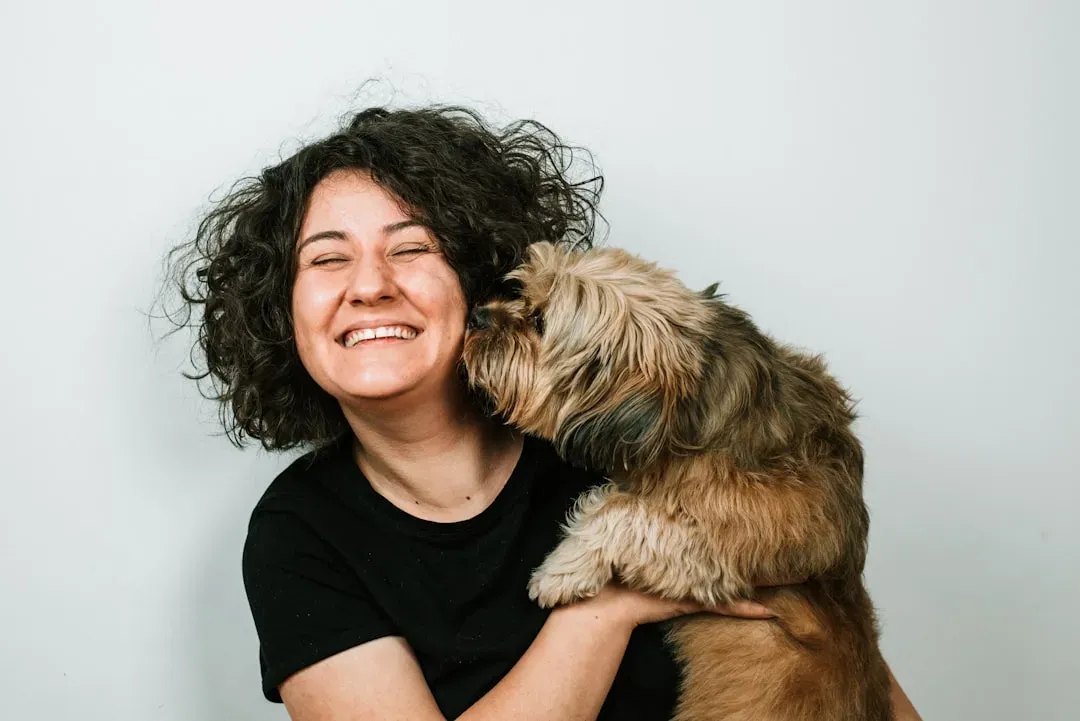
Not every behavior has a deep psychological mystery behind it. Sometimes your dog presses their back against you because they did it once, it felt good, they got a nice scratch or a laugh, and now it is just part of the routine. Dogs are creatures of habit, and if a position feels safe, comfortable, and occasionally rewarded, they are likely to keep repeating it without overthinking it.
Over months and years, this can become one of those small, ordinary rituals that quietly define your relationship: the morning coffee back-lean, the movie-night couch press, the “I am home” hallway bump. It may not be dramatic, but it is meaningful in the way that all everyday rituals are. Those small, repeated moments of contact add up to a strong, layered bond that feels less like pet ownership and more like a shared life.
Conclusion: A Quirky Habit That Says More Than You Think
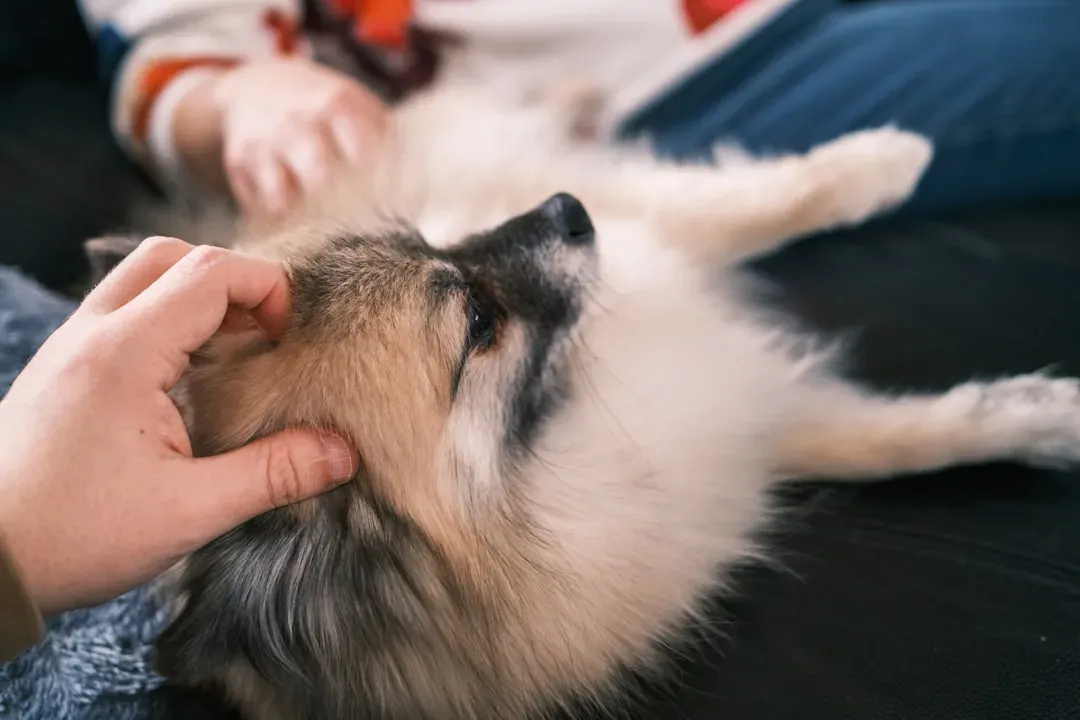
When you zoom out, that funny little move where your dog plants their back against you is not random at all. It can be a mix of trust, comfort, subtle protection, scent sharing, anxiety management, and plain old habit, all rolled into one simple posture. In a world where we often demand flashy shows of loyalty or viral-level cuteness from pets, this quiet physical nudge is, in my view, one of the most honest forms of connection they offer.
If anything, I think we underestimate just how carefully dogs choose where to put their bodies, especially when they are resting or vulnerable. The next time your dog shuffles backward and presses into your leg like you are part of the furniture, you might want to pause before shifting away. That small, warm weight might be their way of saying more than any trick or tail wag ever could. Now that you know, what will you feel the next time your dog chooses you as their favorite place to lean?