
8 Reasons a Dog May Carry Food Away From the Bowl Before Eating It
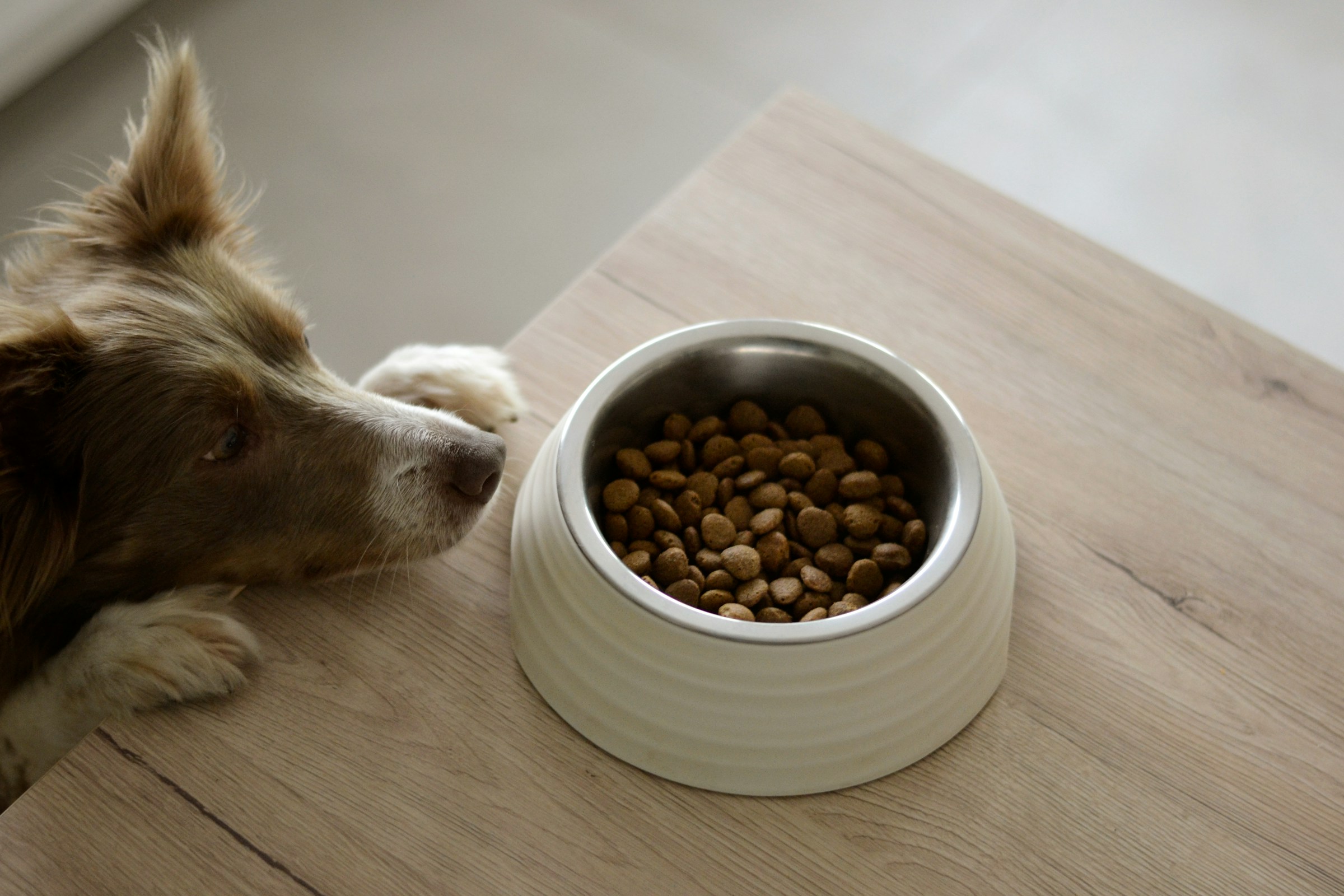
If your dog grabs a mouthful of kibble, trots into another room, and only then starts chewing, you’re not alone. It can look funny, annoying, or even a little worrying the first time you see it. I remember the first evening my own dog did this; I honestly thought she was hiding snacks for later like a tiny, furry dragon hoarding treasure.
As strange as it seems, this behavior is almost always rooted in normal canine instincts, emotions, or simple preference. Once you understand what might be going on in that fluffy head, it feels a lot less mysterious and a lot more like your dog just being… a dog. Let’s unpack the most common reasons behind this quirky habit and what, if anything, you should do about it.
1. Ancient Pack Instincts And “Safe Eating Spots”
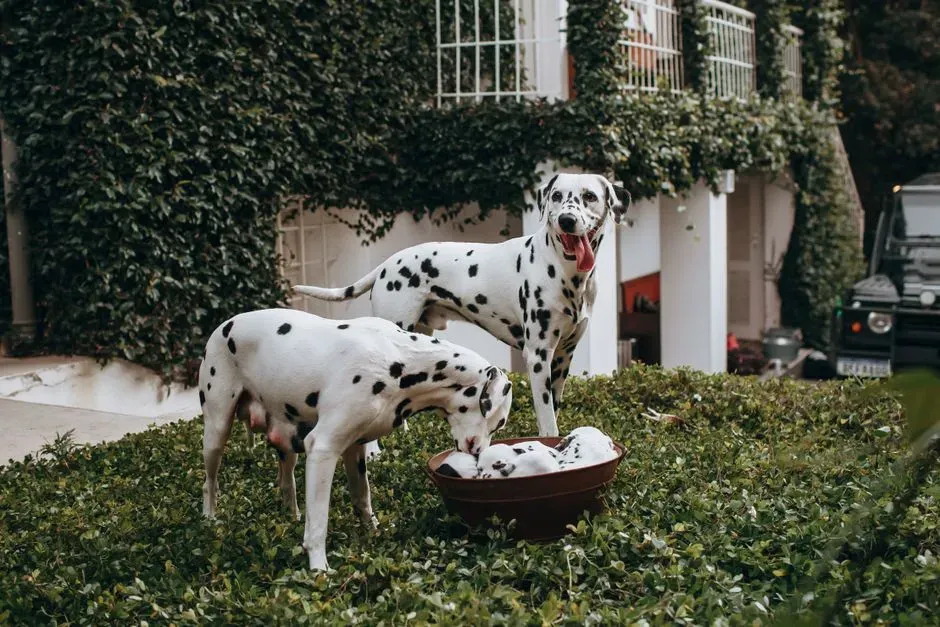
Imagine your dog as a tiny wolf living in your living room. In the wild, canines often carry food a short distance away from a kill so they can eat in peace, away from competition or danger. Even though your dog has never hunted a day in their life, traces of those old survival instincts can still show up whenever food is involved.
For some dogs, picking up food and moving it elsewhere is their way of creating a safe little “bubble” to eat in. They may feel less exposed in a corner, behind the couch, or on a rug instead of by a noisy bowl in the middle of the kitchen. It’s not that they think you’re going to steal their dinner; it’s just that their brain quietly prefers a tucked-away spot, the same way you might like eating on the couch rather than at the dining table sometimes.
2. Guarding Resources From Real Or Imagined Competition
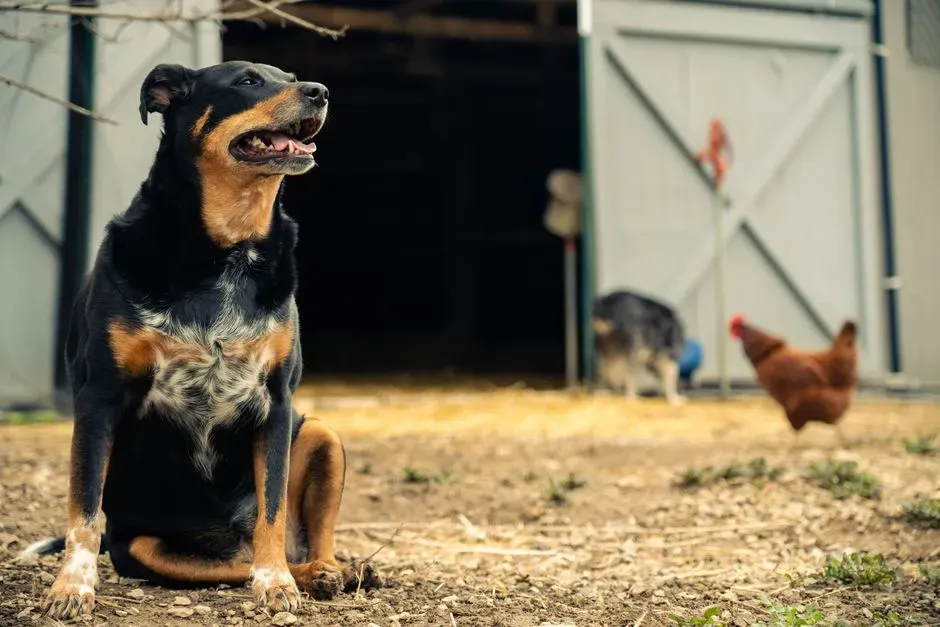
Even if your dog is the only animal in the house, they might still act like there’s competition nearby. In multi-dog homes, this is especially common: one dog snatches food, carries it to another room, and eats it there to keep a sibling from swooping in. It’s basic resource guarding behavior, often subtle and not aggressive at all, just “I’ll take this over here, thanks.”
Sometimes, though, the competition is more in their head than in reality. A dog that grew up in a shelter or came from a background where food was scarce may stay in that grab-and-go mindset even after years in a stable home. Carrying food away can be a leftover coping strategy, like a person who always eats a bit too fast because they remember times when there wasn’t enough. It doesn’t mean you’re doing anything wrong; it just shows how powerful early experiences can be.
3. The Bowl Itself Feels Weird, Noisy, Or Uncomfortable
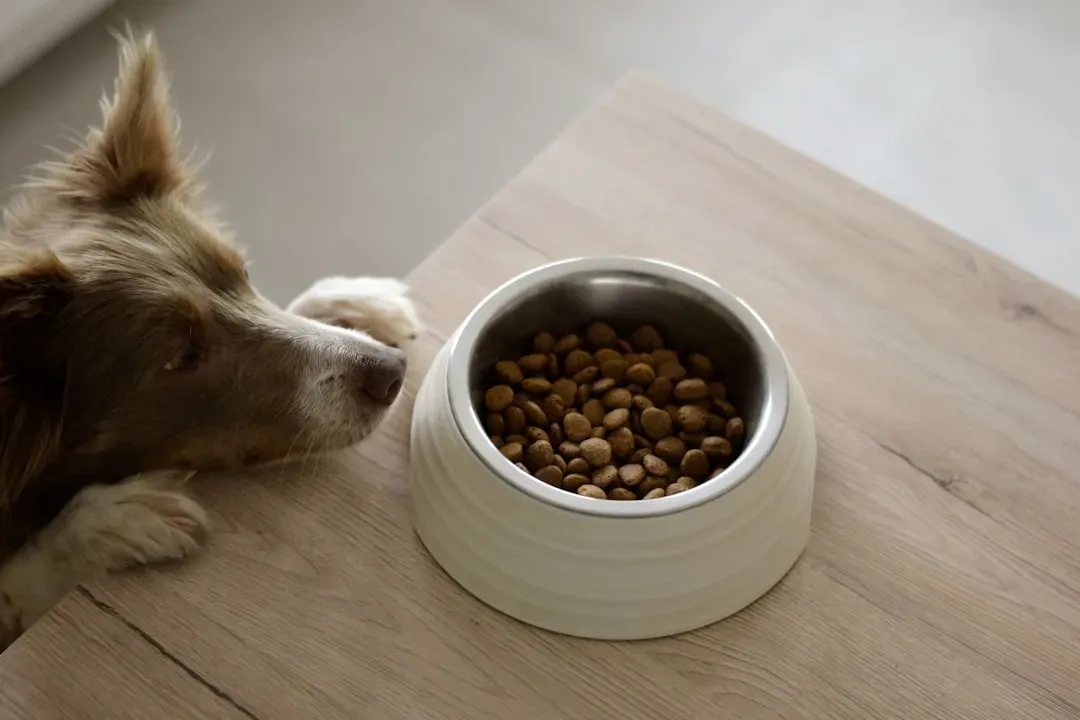
Sometimes the bowl is the problem, not the dog. Metal bowls can clank against the floor, echo when a dog’s tags hit them, or move around and make scraping sounds. For a sound-sensitive or cautious dog, that can be surprisingly stressful. Instead of pushing their face into a rattling dish, they’ll grab some food and step away from the “noisy monster” before eating.
Even the shape and depth of the bowl can make a difference. Dogs with long snouts or whisker sensitivity may find deep, narrow bowls uncomfortable, like trying to eat with your head in a bucket. Flat-faced breeds can have trouble too and might prefer scooping food out and eating it more freely. In those cases, the habit of carrying food away is just them adapting to a setup that doesn’t feel great to them.
4. Seeking A Quieter, More Comfortable “Dining Room”
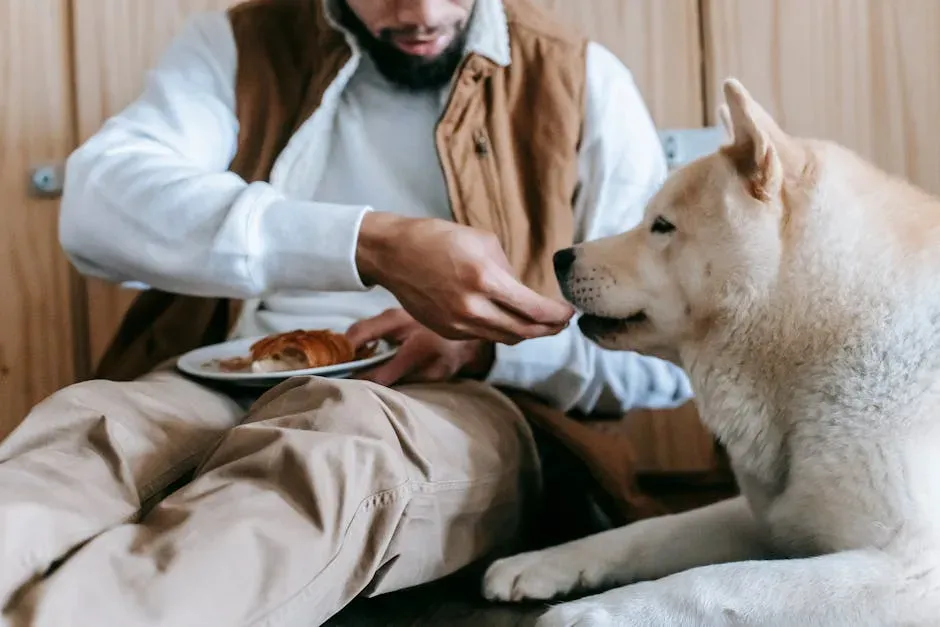
Your dog might simply be looking for better vibes. Kitchens and feeding areas are often busy places full of footsteps, clattering dishes, kids rushing through, and doors opening. A dog who is a bit anxious or easily distracted can find all that activity overwhelming. So they take a mouthful of food and head for a calmer spot where they can actually relax enough to chew.
Many dogs prefer to eat on soft surfaces like rugs, beds, or mats rather than on hard tile or slippery floors. It may feel more secure, smell “more like them,” or just be their version of choosing the cozy booth at a restaurant instead of the table by the door. From their perspective, they’re not being weird; they’re just customizing the experience, even if that means turning your hallway into a snack zone.
5. Habit, Personality, And A Bit Of Doggie Quirkiness
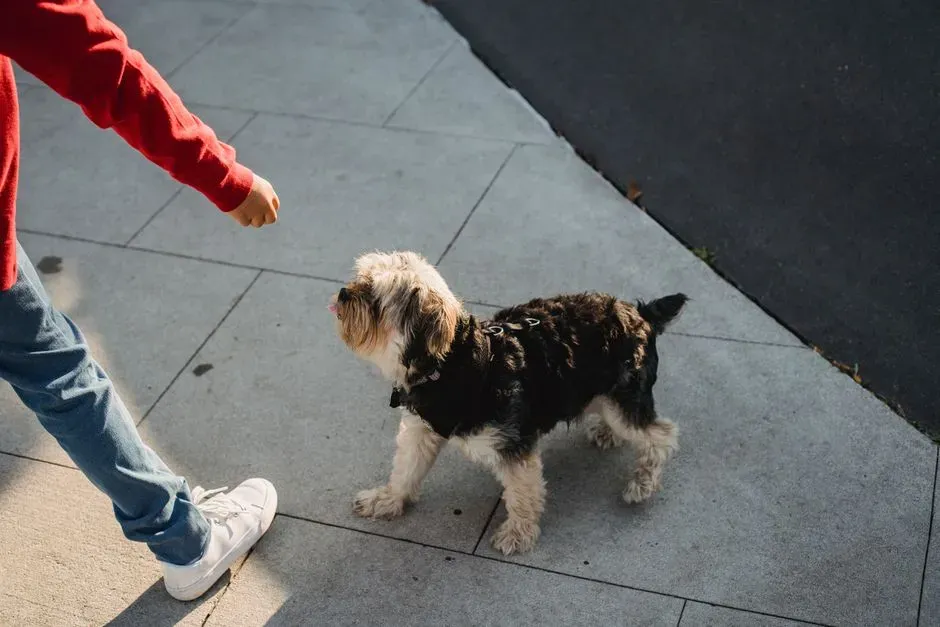
Some dogs carry food away simply because… that’s what they do. They tried it once, nobody stopped them, and now it’s part of their little routine. Dogs are creatures of habit; if something feels even slightly rewarding or comfortable, they’ll repeat it. Before you know it, you’ve got a long-term behavior that started as a random one-time choice.
Personality plays a huge role too. Independent, cat-like dogs often prefer doing their own thing away from the center of the action. More playful or curious dogs might treat each mealtime as an adventure, sampling a few bites here and there around the house. It can be tempting to overanalyze every quirk, but sometimes the truth is boringly simple: your dog just likes it this way, the same way some people like eating at the coffee table instead of the dining table.
6. Dental Pain Or Discomfort While Eating
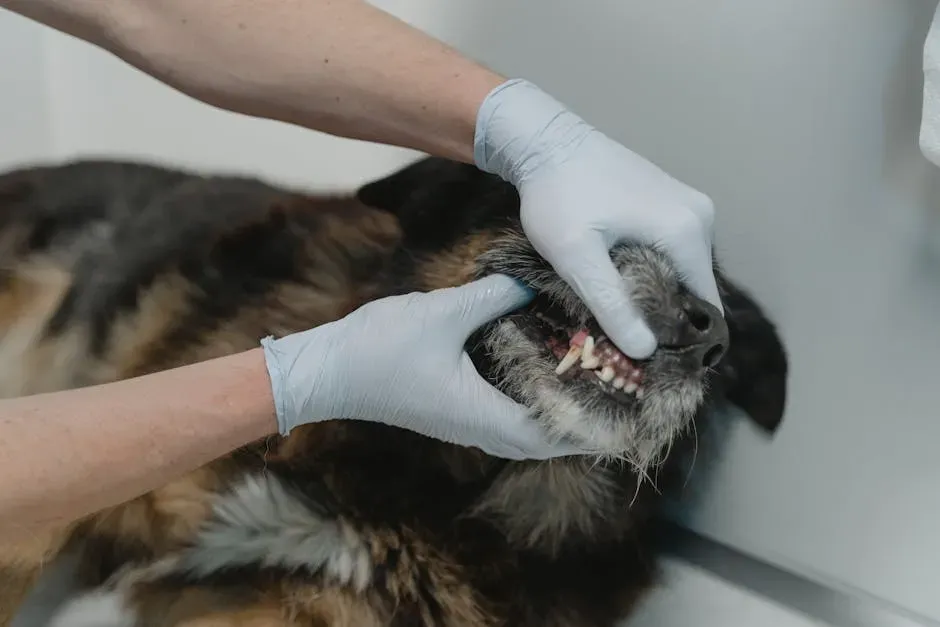
If a dog that used to eat normally suddenly starts carrying food away, pain should be on your radar. Dental problems like broken teeth, gum disease, or sore spots in the mouth can make eating from a hard bowl uncomfortable. They may pick up food, drop it somewhere else, chew awkwardly, or seem hesitant and slow. Soft or wet food may disappear faster while dry kibble gets scattered around.
Sometimes the change is subtle: maybe they approach the bowl, pause, pick up a few bits, retreat, and then chew with their head tilted or with one side of their mouth. If you notice drooling, bad breath that seems worse than usual, pawing at the face, or any sign that eating looks like work instead of joy, it’s worth talking to a vet. In those cases, the “carry food away” routine is not just a quirk; it might be your dog quietly telling you that something hurts.
7. Storing, Playing, Or Treating Food Like A Prize
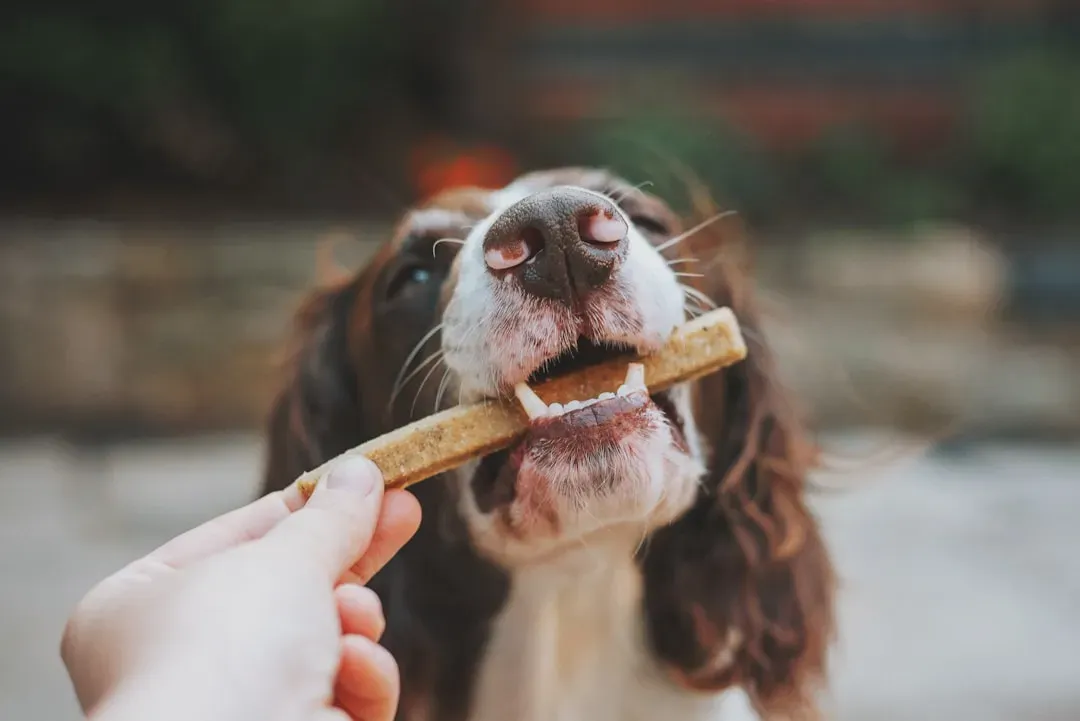
Some dogs act like their food is a toy or a treasure rather than just a meal. They might carry a piece around, toss it, pounce on it, or stash it under blankets and cushions. This can be especially common with high-value items like chews, bones, or special toppers mixed into their food. To us it looks ridiculous; to them it’s a fun, natural mix of play and food motivation.
There’s also a mild “hoarding” instinct in some dogs, especially those who have had to compete for resources in the past. They may take a few pieces, stash them in a favorite spot, and come back later, like someone hiding chocolate in their nightstand. As long as they are maintaining a healthy weight, not guarding aggressively, and not leaving piles of food to rot, it’s generally harmless. It just means your dog is treating their snacks with extra enthusiasm and a bit of strategy.
8. Anxiety, Stress, Or Feeling Watched While Eating
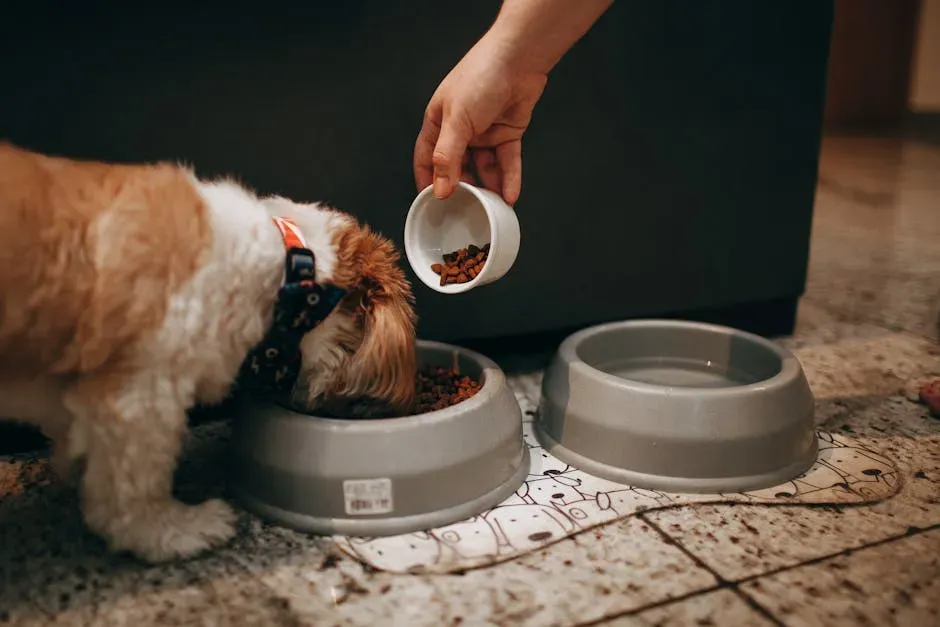
Eating is a vulnerable moment for animals. Some dogs simply do not like eating while being stared at, hovered over, or surrounded by chaos. If your dog seems tense at the bowl, looks up constantly, freezes when someone walks by, or only eats well when they can take the food somewhere more private, anxiety could be the underlying driver. Carrying food away becomes their coping mechanism to create a little bubble of safety.
Big life changes can make this behavior pop up or intensify: a move to a new home, a new pet or baby in the house, or even schedule changes. From the dog’s perspective, the bowl area might now feel too exposed or unpredictable. Giving them a calm, low-traffic feeding location and backing off the pressure to “just eat” often helps. In many cases, once they feel secure again, the need to sneak their dinner to another room starts to fade on its own.
Conclusion: When To Worry And When To Just Let Them Be Weird
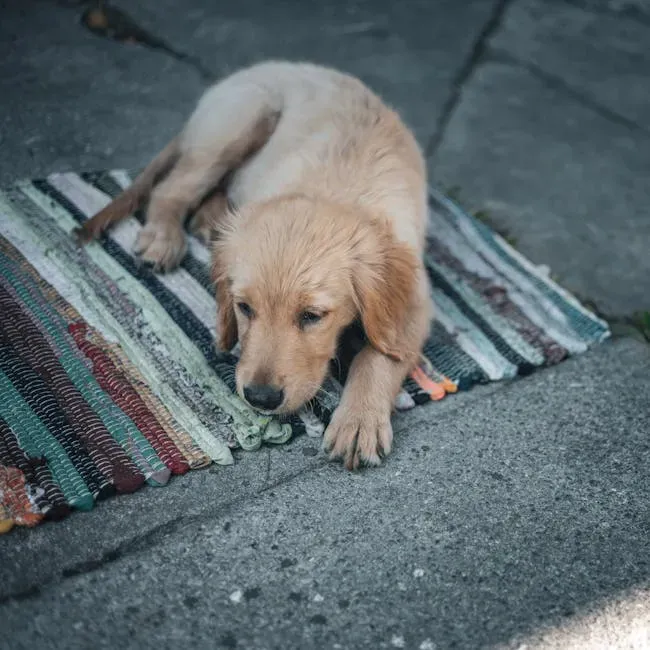
Here’s my honest opinion: if your dog is healthy, eating enough, and not showing signs of stress or aggression, carrying food away from the bowl is usually not a big deal. It’s one more example of how dogs bring their own history, instincts, and preferences into our very human homes. We invite a former hunter-scavenger into a tiled, stainless-steel kitchen and then act surprised when they want to eat on the rug instead of at the shiny bowl we picked out.
Where I draw the line is if the behavior comes with red flags: sudden changes in eating habits, weight loss, obvious anxiety, dental pain, or real resource guarding that puts people or other pets at risk. In those cases, it’s absolutely worth dialing in your setup, talking to a vet, or involving a trainer. But if none of that is happening, I’d argue it’s okay – even healthy – to let your dog be a little odd and make their own choices about how they eat. After all, in a world where we obsess over picture-perfect feeding routines, maybe the real question is: are they actually happier doing it their way than ours?