
7 Reasons Hamsters Carry Bedding in Their Cheeks Instead of Only Food
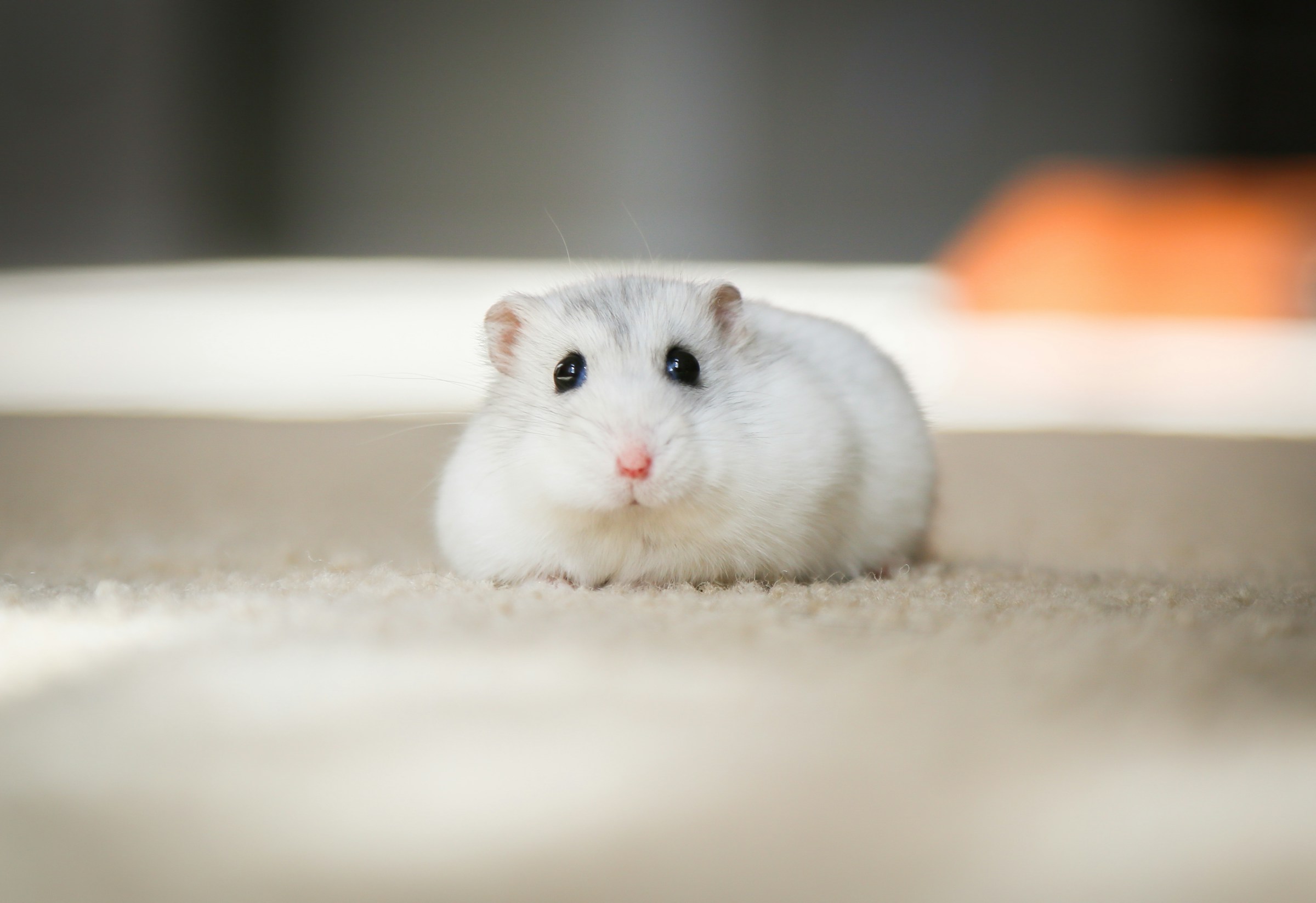
If you’ve ever watched a hamster waddle across its cage with cheeks so stuffed it looks like it’s smuggling golf balls, you know the mix of confusion and pure delight that follows. Most people assume those chubby pouches are only for hoarding snacks, but then you see your hamster unloading wood shavings, paper, or nesting fluff like a tiny moving truck and suddenly nothing makes sense. Why on earth would a creature designed to survive harsh deserts waste those precious pockets on anything that isn’t edible?
The truth is, hamsters using their cheek pouches for bedding is not some random quirk; it’s a seriously clever survival strategy that’s been shaped by life in the wild. Once you understand the real reasons behind it, that cute little habit starts to look a lot more like genius. Let’s unpack what is really going on when your hamster turns its face into a portable bedding bag – and why it matters more than you might think.
1. Building a Safe, Insulated Nest in Record Time
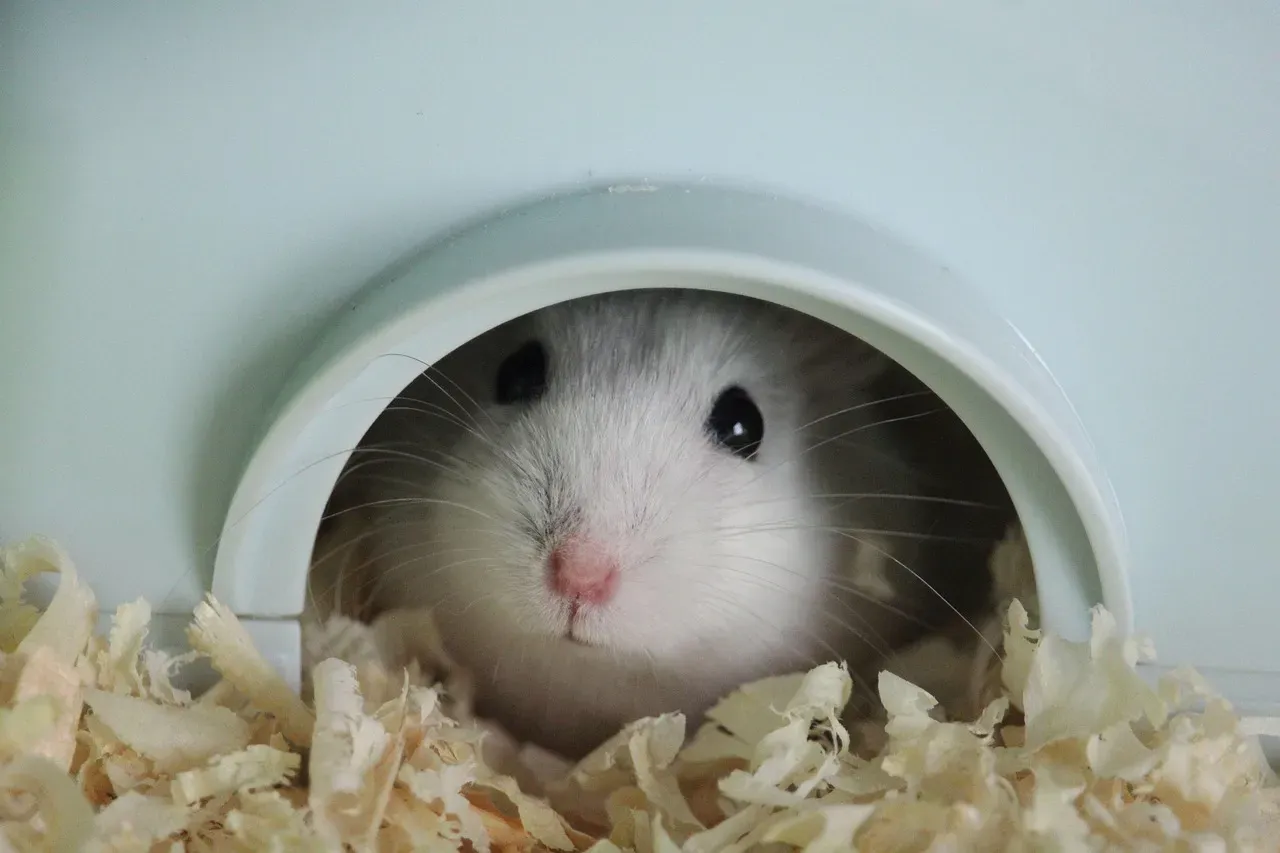
One of the biggest reasons hamsters haul bedding in their cheeks is simple: they are in a mad rush to build or upgrade their nest. In the wild, a good nest can make the difference between surviving the night and becoming someone else’s late-night snack. Being able to scoop up big loads of material and sprint back to the nest means they spend less time exposed in the open, where predators could easily spot them.
Think of their cheeks like a construction worker’s wheelbarrow, just furrier and much faster. Instead of grabbing one piece of grass or leaf at a time, they cram as much as they can in one trip, dash to their burrow, and quickly reshape it into cozy bedding. In a cage, there might not be hawks circling above, but the instinct is still there. That frantic gather-and-go behavior you see at night is your hamster acting out a survival script that has worked for generations.
2. Keeping Body Heat Locked In While They Sleep
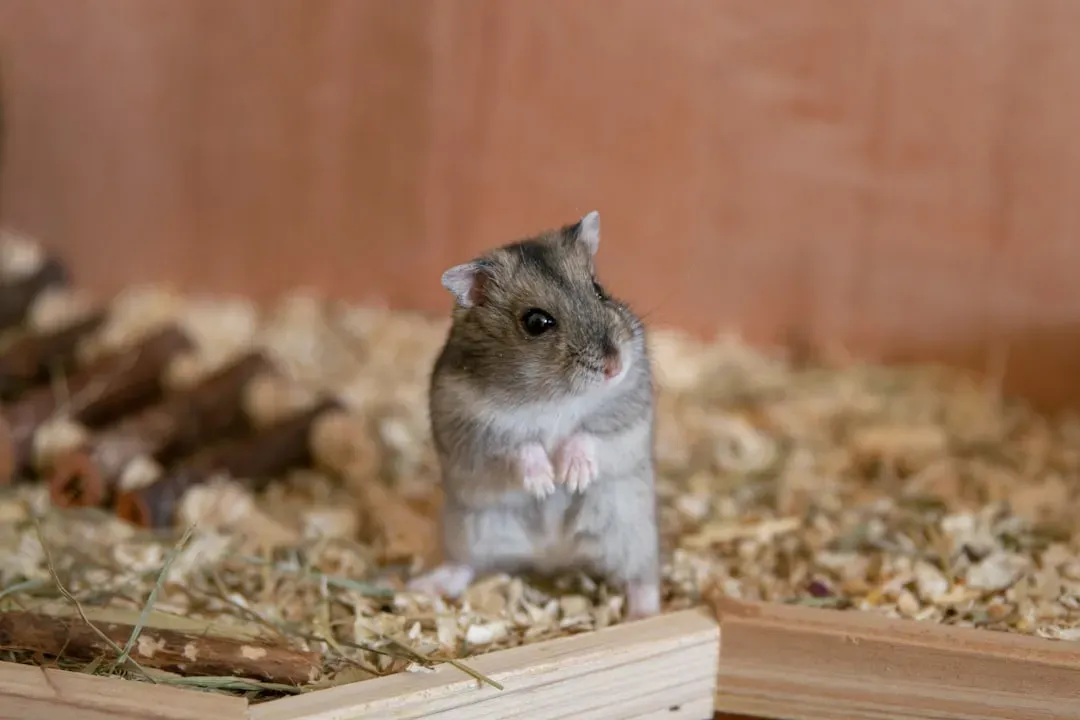
Hamsters are tiny, and tiny bodies lose heat quickly, especially in open spaces or poorly insulated nests. When they stuff soft bedding into their cheeks and transport it to a sleeping area, they are essentially upgrading their insulation system. A well-lined nest traps warm air around their body, keeping them comfortable and reducing how much energy they burn just staying warm.
If you’ve ever wrapped yourself in an extra blanket on a chilly night, you already understand this instinct. Hamsters cannot drag a blanket, so they do the next best thing: they move dozens of small, fluffy pieces to exactly where they need them. Using their cheeks lets them haul a lot more material in one go, so they can turn a basic burrow into a snug, heat-holding cocoon surprisingly fast. That cozy little ball of fluff you see them sleeping in is the result of many carefully planned, cheek-powered trips.
3. Staying Hidden and Minimizing Time in the Open
In the wild, hamsters are basically snack-sized animals living in landscapes full of predators. Every moment spent wandering around collecting bedding is a moment they could be spotted from above or ambushed from behind. Using their cheeks turns multiple short trips into fewer, more efficient supply runs, which means less time out in the open and a better chance of staying alive.
Imagine grocery shopping in a dangerous neighborhood where you only feel safe inside your house. You’d probably prefer one big trip rather than ten tiny ones where you keep going back and forth. That is exactly the kind of trade-off hamsters are solving by loading their cheeks with bedding. Even though your pet at home is perfectly safe, its brain is still wired for that worst-case scenario, so it keeps behaving as if danger is just one step away.
4. Turning Their Cheeks into a Handy Transport Tool
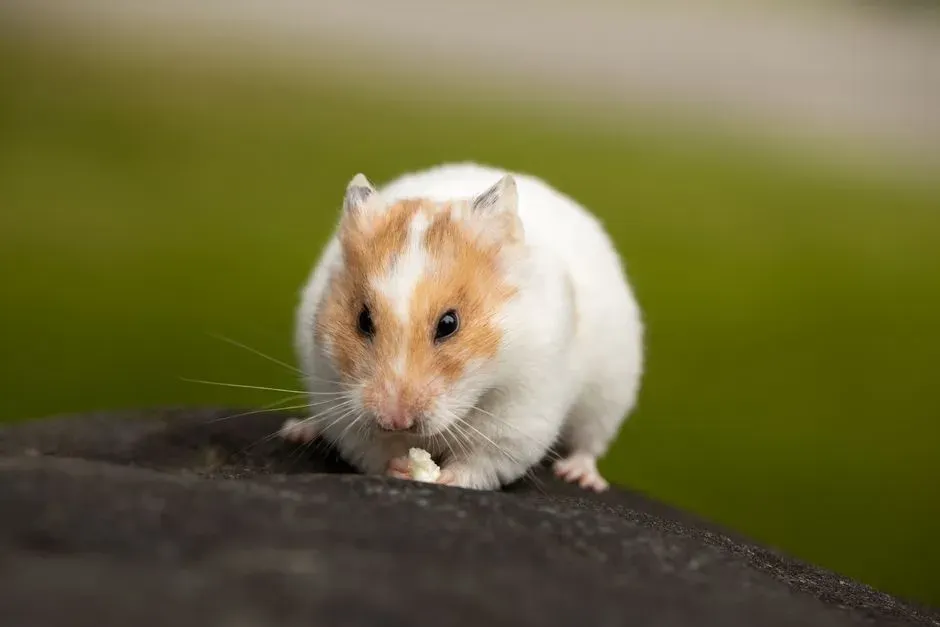
Hamsters’ cheek pouches are not just little skin folds; they are surprisingly large, flexible pockets that extend way back toward the shoulders. They evolved as versatile storage systems, not strictly food-only compartments. So when a hamster discovers that fluffy bedding fits just as well as seeds or grains, its natural instinct is simply to use the tool it already has in the most efficient way possible.
It’s a bit like having a backpack: you might buy it to carry books, but eventually you throw in a sweater, a water bottle, maybe even groceries. The original “design” purpose does not limit how you use it in real life. Hamsters operate the same way. Anything light, small, and safe to hold can go into those cheek pouches, and bedding checks all the boxes. From the hamster’s perspective, it would almost be wasteful not to take advantage of that built‑in transport system.
5. Customizing Their Sleeping Space Like Tiny Interior Designers
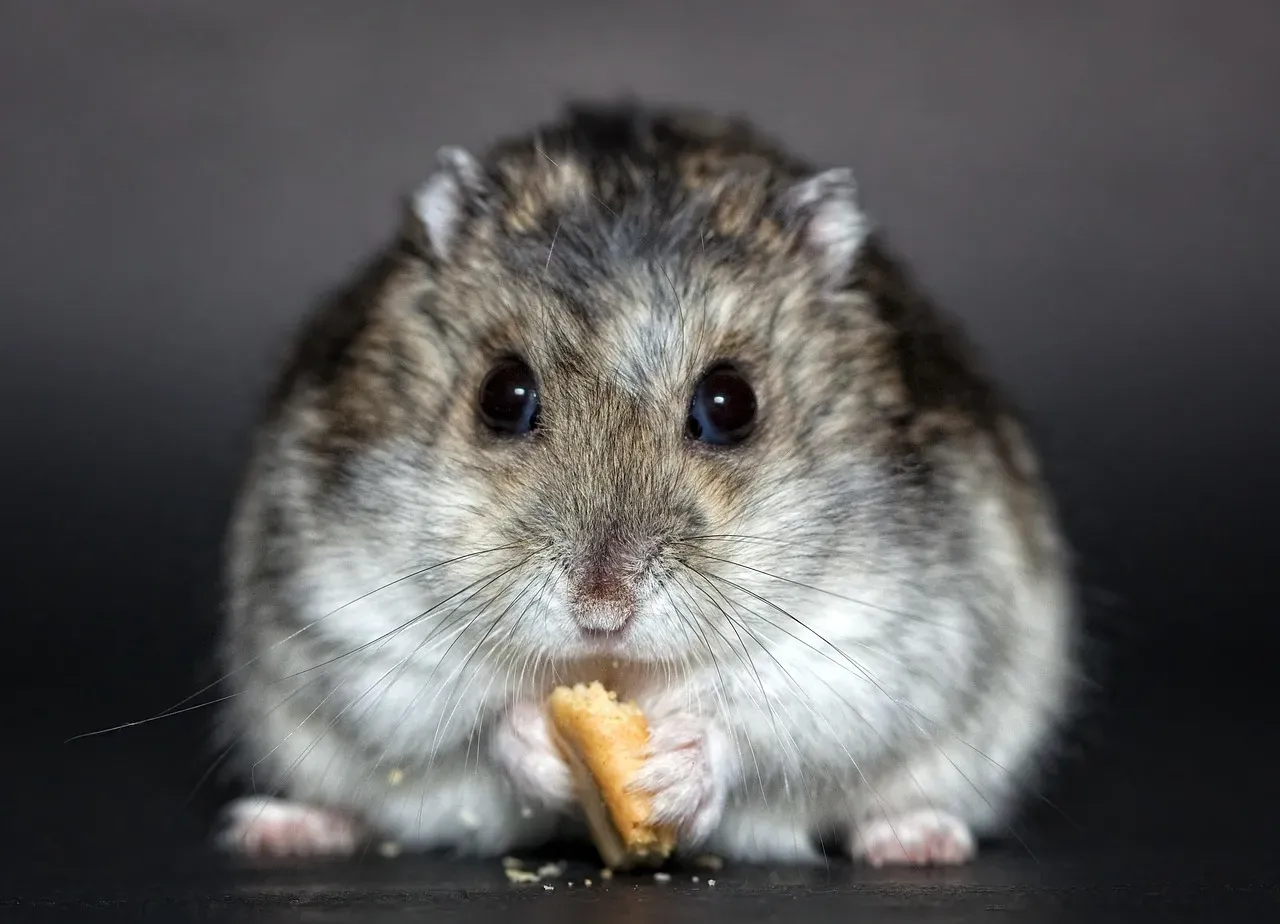
Hamsters are surprisingly picky about their nests. They do not just accept whatever layout happens to be there; they move, rearrange, and edit their environment constantly. Carrying bedding in their cheeks lets them fine-tune the exact feel of their sleeping space. They can grab specific textures – softer paper here, chunkier shavings there – and place them exactly where they want them inside the nest.
Watching a hamster do this is a little like watching someone obsessively fluff pillows and reposition blankets before bed. It looks fussy, but it serves a purpose: comfort, security, and a sense of control. When your hamster disappears with cheeks full of bedding and then spends time burrowing and arranging, it is basically redecorating its tiny bedroom. It is not just instinctual survival; it also seems to show a kind of personality in how each hamster prefers its nest arranged.
6. Protecting Sensitive Skin and Whiskers from Rough Surfaces
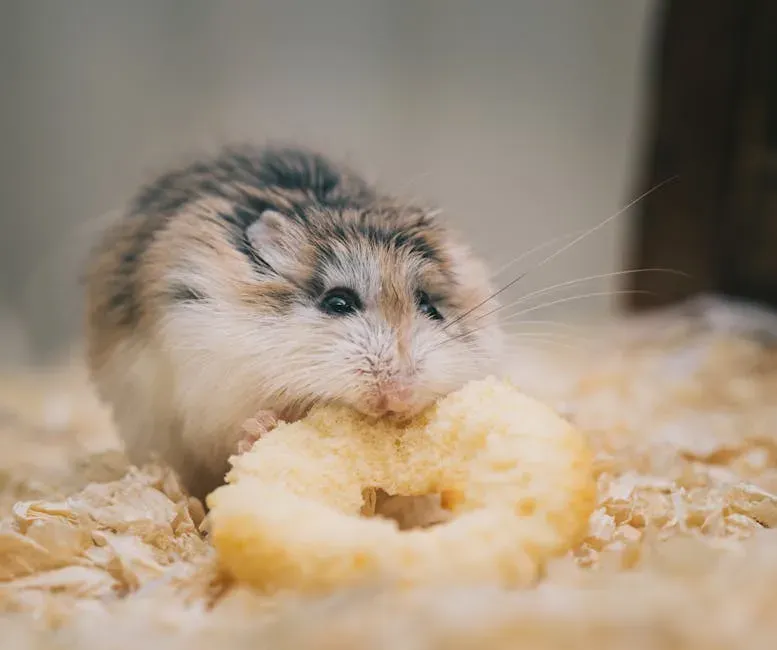
Bedding is not only about warmth; it also protects delicate hamster skin from hard cage floors, sharp edges, or rough substrate. By packing bedding into their cheeks and unloading it in layers, they create a padded barrier that shields their underside and face when they sleep or burrow. This is especially helpful with wood shavings or other materials that could be a bit scratchy if used too thinly.
Imagine trying to sleep directly on a wooden bench versus on a pile of plush towels you personally arranged. Hamsters may not consciously think in these terms, but their behavior suggests a drive to create a soft, forgiving surface. Using the cheeks to move more material at once means they can quickly turn a harsh or uneven area into a cushioned spot, protecting their whiskers, paws, and belly as they dig and nestle in.
7. Following Deep Instincts That Blur the Line Between Food and Bedding
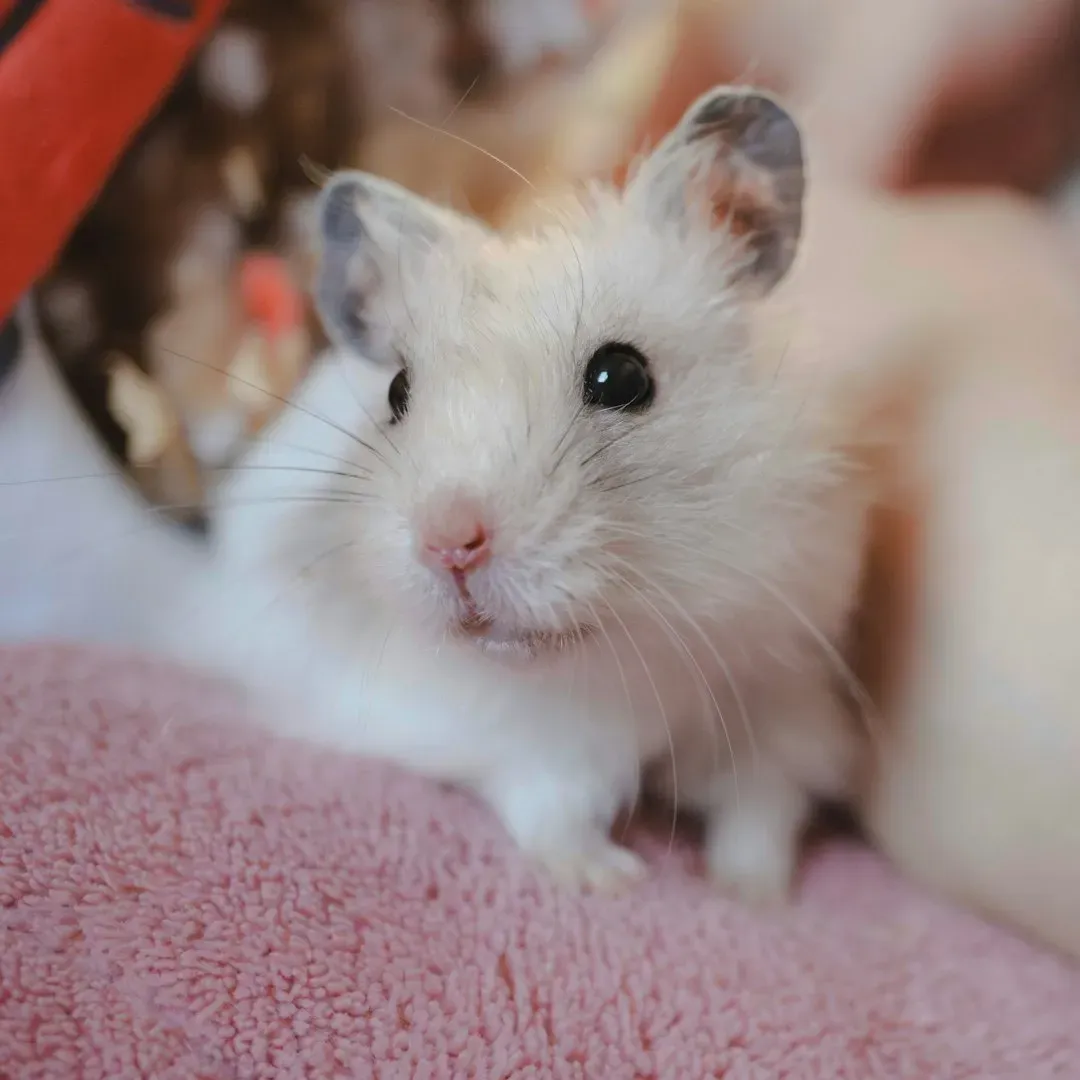
In a hamster’s world, the distinction between “things I carry to my nest to survive” is more important than a tidy human category like “food versus bedding.” In the wild, they may carry seeds, plant fibers, and other soft items all in the same pouches and deposit them in the same burrow system. Over time, their brains have linked cheek stuffing with safety, preparation, and security, rather than with only eating.
That is why you sometimes see them grab bedding right after grabbing food, or mix both in the same trip. To us, it looks a bit chaotic, like mixing groceries and laundry in the same bag, but for them it is just efficient multitasking. Their instincts tell them: fill the nest, stock the pantry, do it fast, do it often. Cheek pouches are simply the all‑purpose carrier that makes that entire survival routine possible, whether the cargo is edible or just incredibly cozy.
Conclusion: More Than Just Cute – It’s Survival, Comfort, and Personality
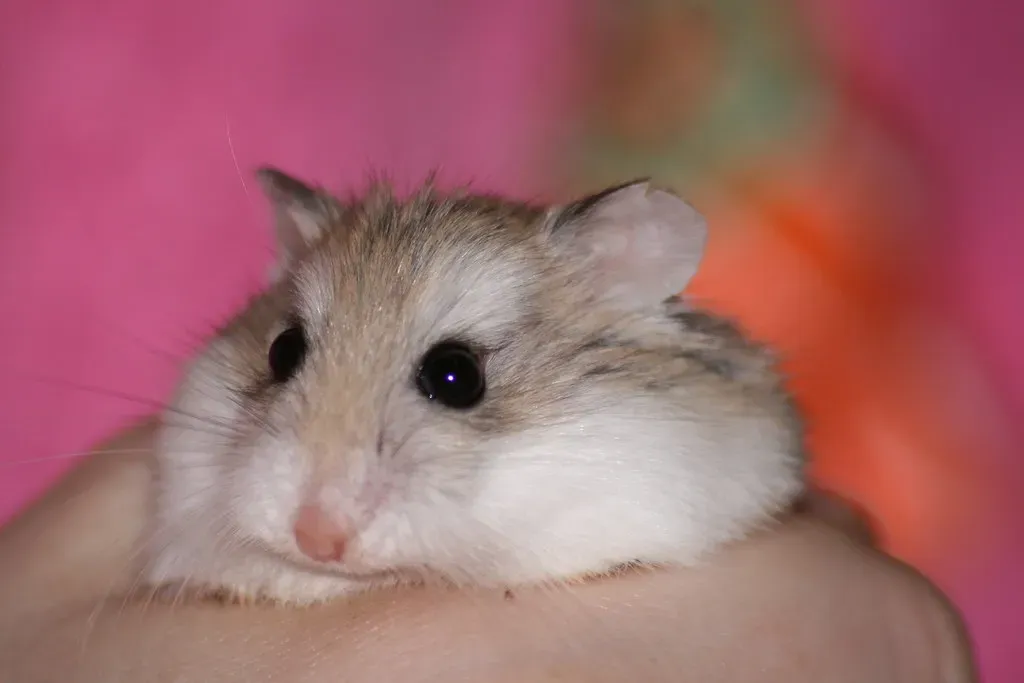
When I first kept hamsters, I honestly thought their cheeks were nothing more than built‑in snack storage, and I remember being weirdly surprised the first time I saw one unload a mouthful of bedding like it was unloading a moving van. The more you look into it, the clearer it becomes that this behavior is not random at all. It is a blend of survival instinct, engineering genius, and a little bit of hamster-level interior design, all packed into a pair of stretchy cheek pouches.
In my opinion, watching a hamster carry bedding in its cheeks is one of the best reminders that even the cutest pets have deep, wild instincts still running the show. They are not just being adorable; they are solving real problems the way their ancestors did, using the tools evolution gave them. So next time your hamster waddles past with a lopsided, overstuffed face, maybe see it less as a funny quirk and more as a tiny masterclass in survival strategy. Knowing what you know now, will you ever look at those chubby cheeks the same way again?