
When Your Dog Turns Their Head Away While You Hug Them, They’re Not Being Rude – They May Be Communicating Something Important
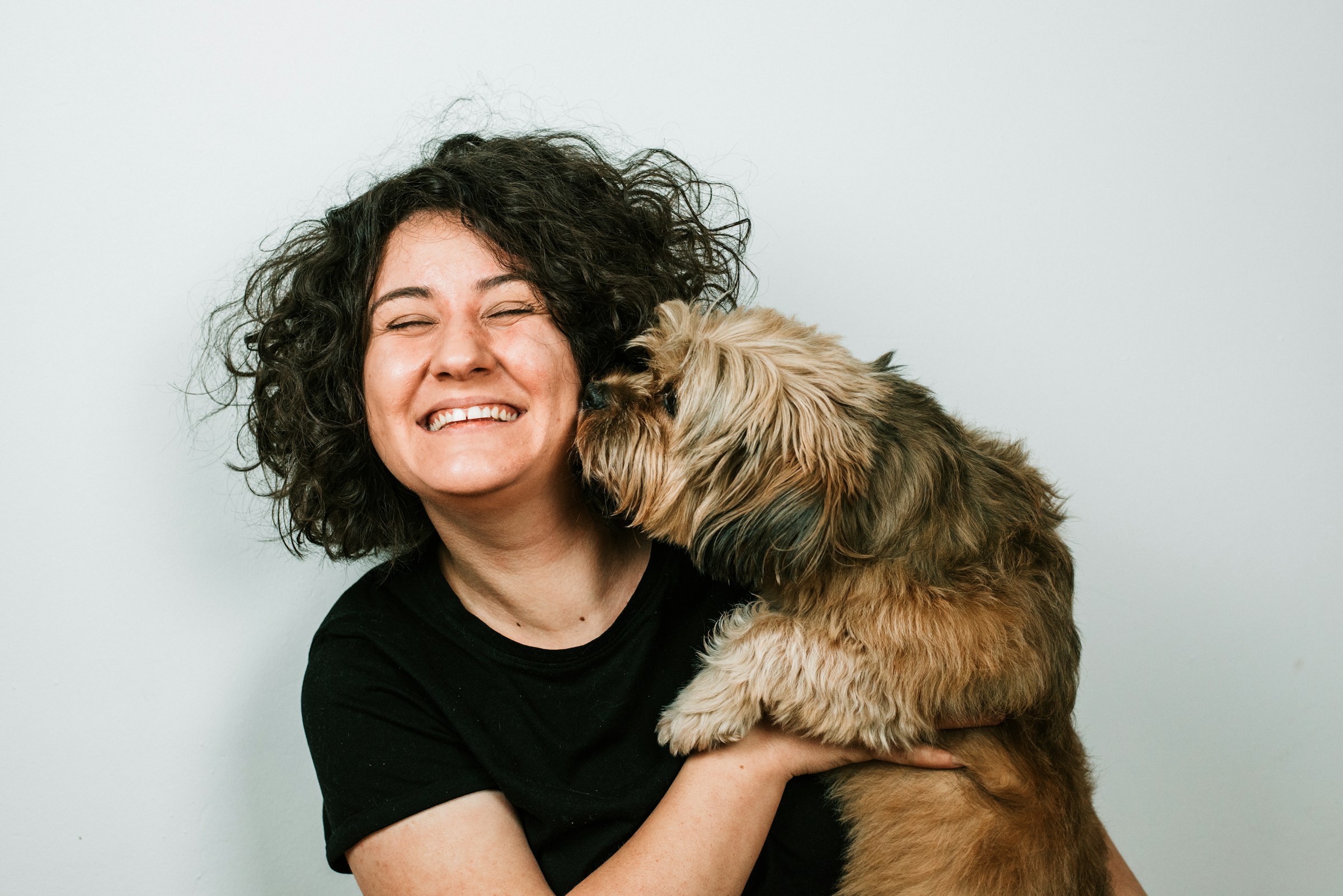
You wrap your arms around your dog, bury your face in their fur, and instead of snuggling back, they slowly turn their head away. Ouch, right? It can feel like a tiny rejection from the creature you love most. But that quiet little head turn is often not about being rude or ungrateful. It is a message, spoken in a language we rarely get taught to understand.
Once you start to notice it, you’ll see it all the time: at the vet, during selfies, when kids squeeze a bit too tight. Dogs are constantly talking with their bodies, and the head turn is one of their most underrated signals. Learning what it means can completely change how you see your dog’s behavior – and honestly, it can deepen your bond in a way that feels almost magical.
Your Dog’s Head Turn Is Often a Polite “I’m Uncomfortable, But I Trust You”
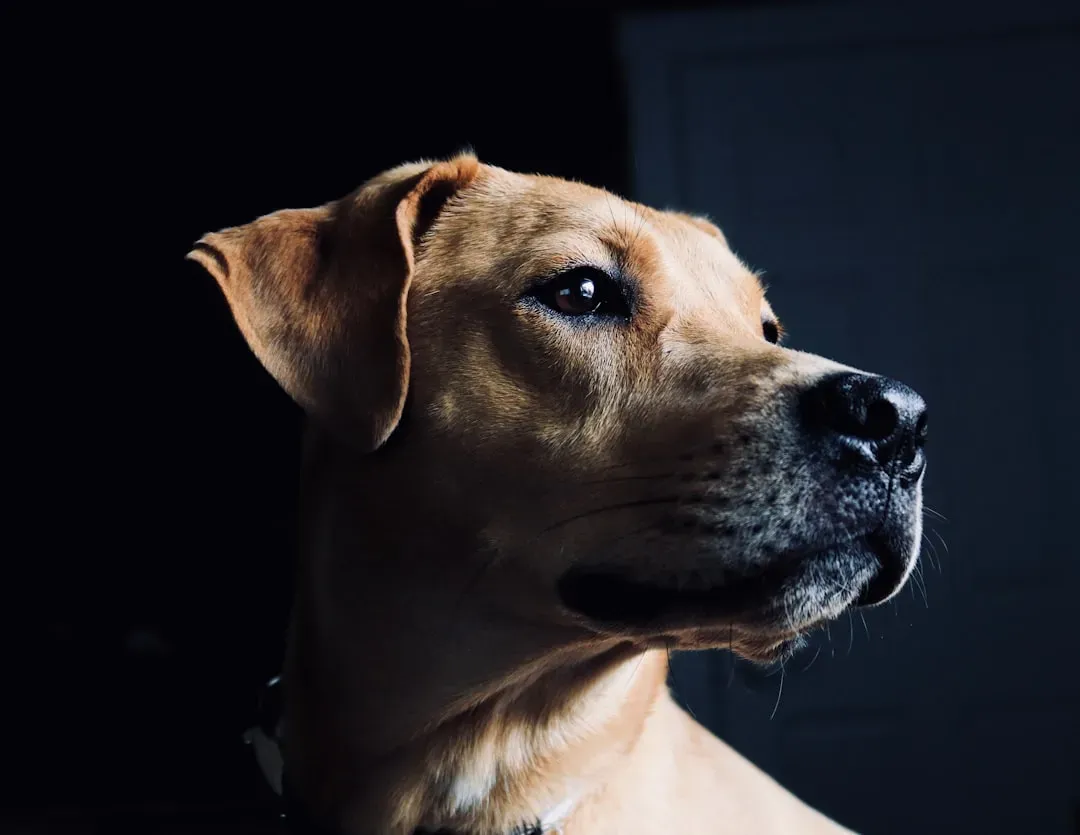
That gentle turn of the head when you hug your dog is usually not defiance; it is more like a whisper saying, “This is a little much for me right now.” Many dogs find full-frontal hugs overwhelming or even slightly threatening, because in dog language, face-to-face, full-body contact can feel intense. When they turn away instead of growling or snapping, they are actually choosing a peaceful, polite way to cope.
I remember the first time I realized this with a friend’s rescue dog. I thought he was being aloof when I hugged him and his head slowly drifted away, eyes half-closed. In reality, he was doing the emotional equivalent of a person taking a deep breath and looking at the wall rather than starting an argument. Once we read that behavior correctly, we stopped forcing hugs and he became visibly more relaxed around us.
Dogs Use “Cut-Off Signals” To Calm Themselves And Everyone Around Them
In dog body language, behaviors like turning the head, looking away, sniffing the ground, or blinking softly are sometimes called calming or cut-off signals. These moves are like social brakes. Instead of pushing into a tense situation, a dog will gently dial things down by breaking eye contact and softening the moment. Your hug, no matter how loving, can still be intense sensory input for them.
Think of it like when someone leans too close into your personal space on the train. If you do not want to cause a scene, you might subtly lean back, look out the window, or pretend to check your phone. You are not ending the friendship – you are just saying, “Let’s put a tiny bit of space here.” Your dog’s head turn is that same quiet boundary, expressed in a body that cannot use words.
Why Hugs Feel Natural To Us But Weird To Many Dogs
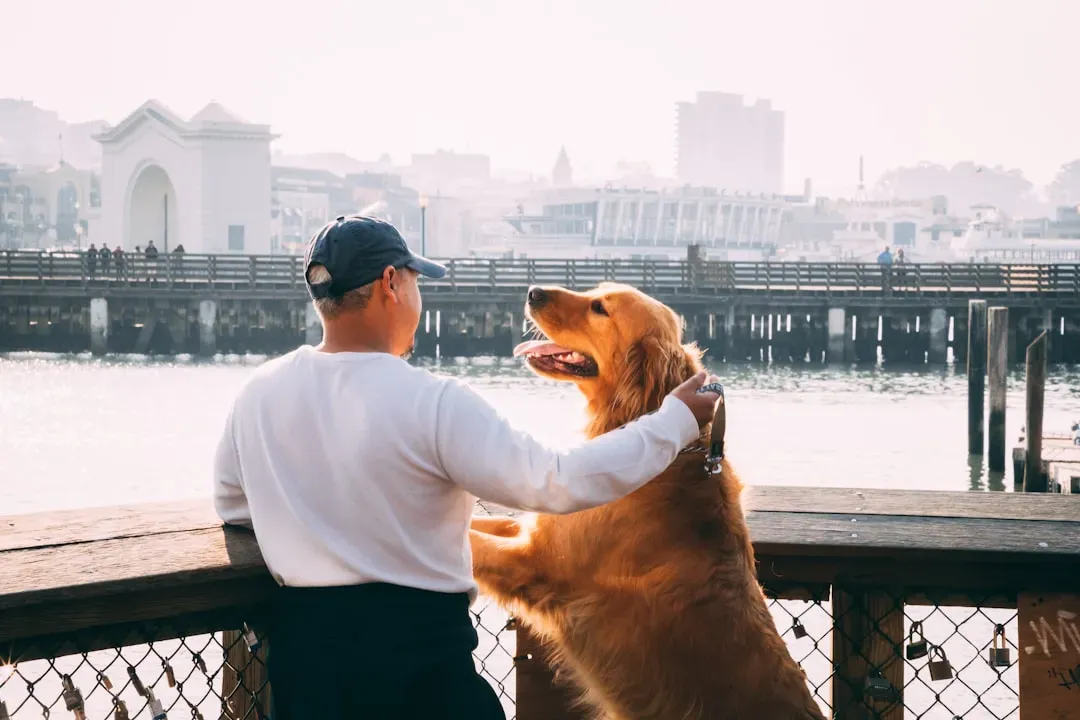
Humans hug to show love, comfort, and connection. We are wired to see wrapping our arms around someone as warm and safe. Dogs, though, did not evolve that way. For them, being pinned or tightly held can limit their ability to move away if they feel worried, which can be uncomfortable even if they trust you deeply. Some dogs learn to tolerate hugs; others never truly enjoy them, even if they adore your presence.
Imagine if your best friend showed love by picking you up off the ground every time they saw you. You might get used to it, but you probably would not relax into it completely. For dogs, a hug can feel a little like that. Your dog’s head turn is not a commentary on your relationship – it is simply them trying to stay comfortable in a situation that does not quite match their natural way of expressing affection.
Other Subtle Signs Your Dog Is Saying “This Is Too Much”
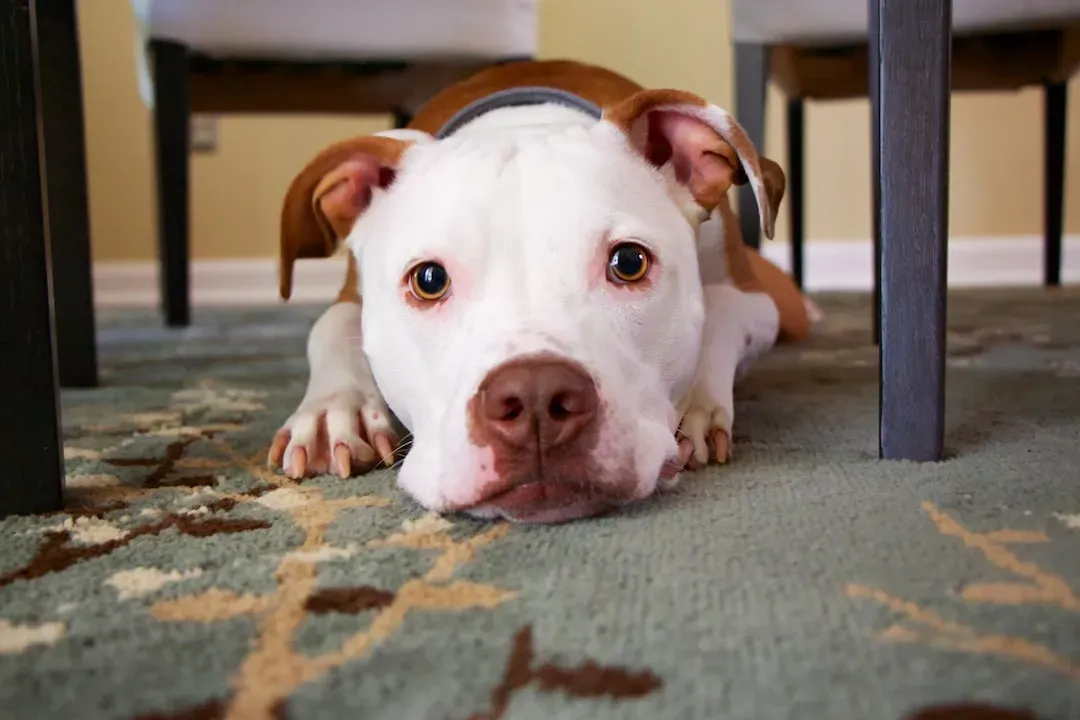
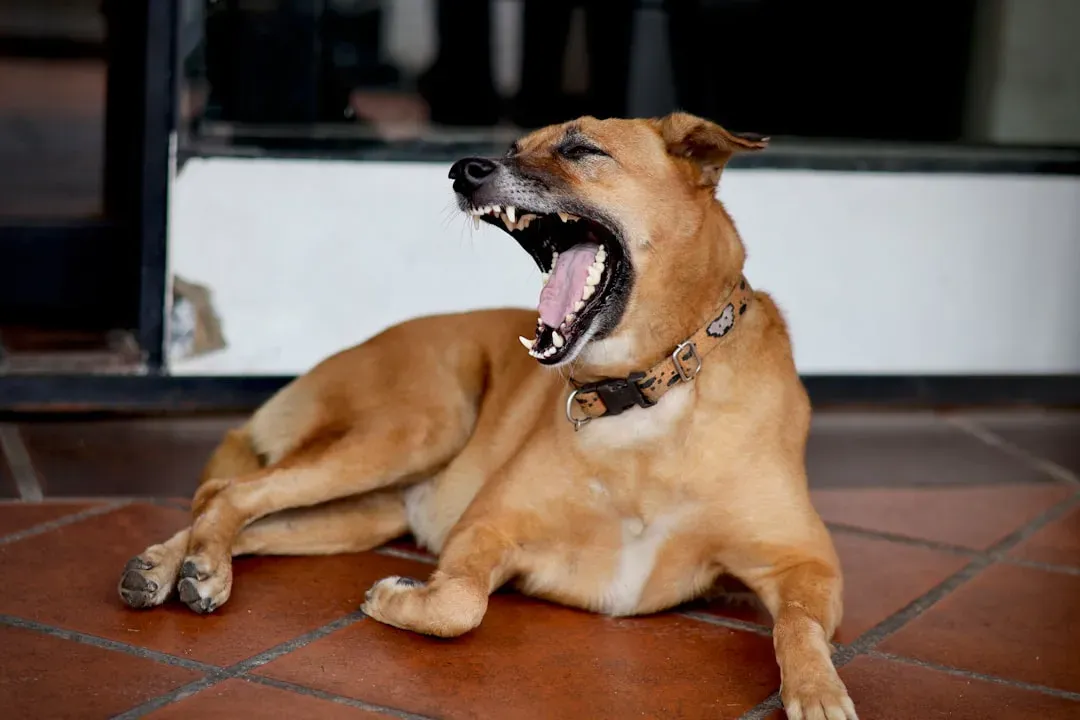
The head turn rarely comes alone. If you watch closely, you will often see a small cluster of signals that all point in the same direction. Your dog might lick their lips when there is no food around, yawn in a slightly stiff way, blink rapidly, or show the whites of their eyes in what people sometimes call “whale eye.” Their body might go a bit still or their tail might wag in a tight, uncertain way rather than a loose, happy sweep.
None of these signs automatically mean panic or misery; they often mean your dog is on the edge of what feels okay. It is the difference between “No way, I’m out” and “I am hanging in there, but this is a lot.” Once you start pairing the head turn with these other signals, you become fluent in your dog’s emotional subtitles, and that fluency lets you step in before they ever have to escalate to growling or snapping.
How To Respond When Your Dog Turns Their Head Away
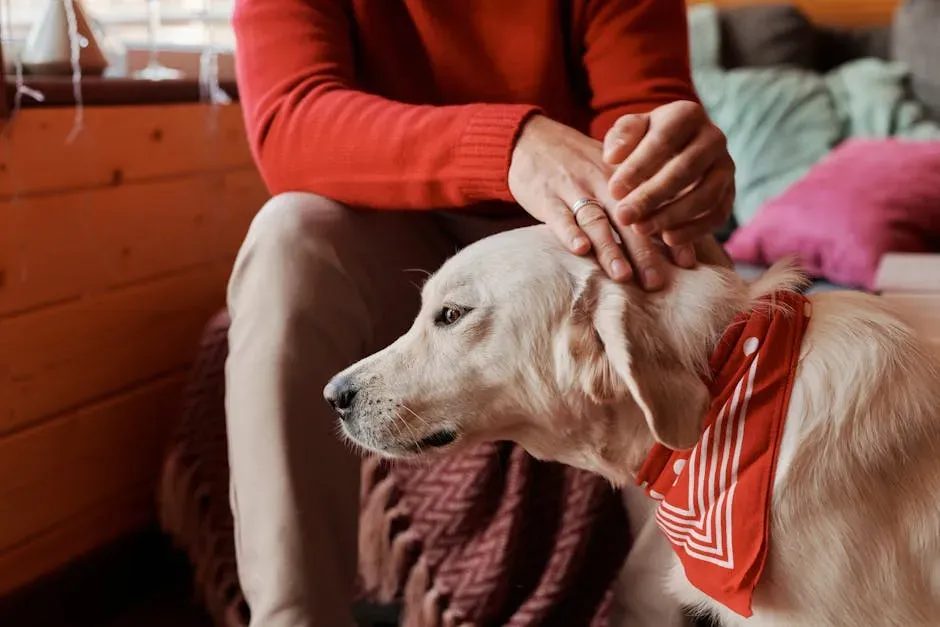
When you notice your dog turning their head away while you hug, the kindest thing you can do is give them just a bit more space. Loosen your arms, shift to petting them on the chest or shoulders instead of holding them tight, or simply sit next to them so they can choose how close to be. You are not “letting them win”; you are showing that you listen when they speak, even if they speak with their body.
Over time, this respectful approach builds massive trust. A dog that learns you will stop when they say “that is enough” often becomes more willing to come close, lean into you, or seek contact on their own terms. Ironically, the less you insist on hugs, the more physical affection your dog may freely offer, because they feel safe knowing they are not going to be overwhelmed or trapped.
Better Ways To Show Affection That Dogs Actually Enjoy
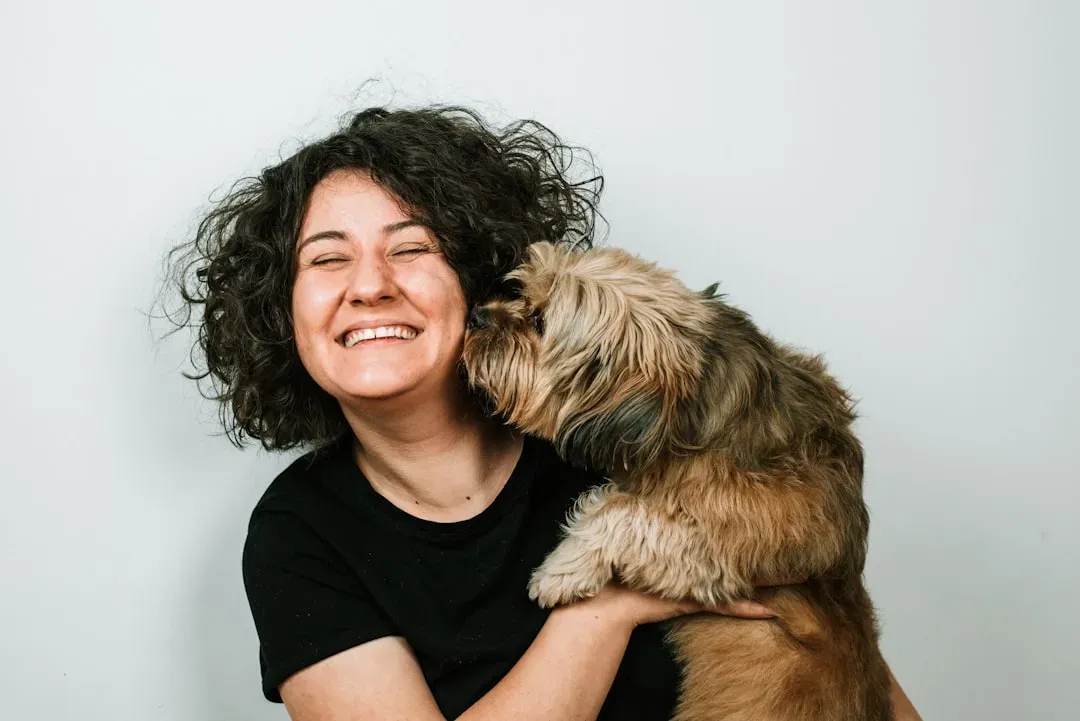
If hugs are a bit much, what do most dogs genuinely like? Many prefer gentle scratching on the chest, shoulders, or the base of the neck, rather than hands swooping over their head. Some love leaning their body weight against your legs, curling up near your feet, or resting their chin on your lap. Slow, calm petting that follows the direction of their fur is often more soothing than fast, excited pats.
You can also watch for your dog’s personal love language. Do they light up when you get on the floor and sit sideways to them? Do they wiggle closer when you quietly talk to them or when you invite them onto the couch? Paying attention to what your dog chooses – where they settle, how they approach, which touches make them melt rather than freeze – turns affection from something you do to them into something you share with them.
Kids, Photos, And Well-Meaning People: Setting Your Dog Up For Success
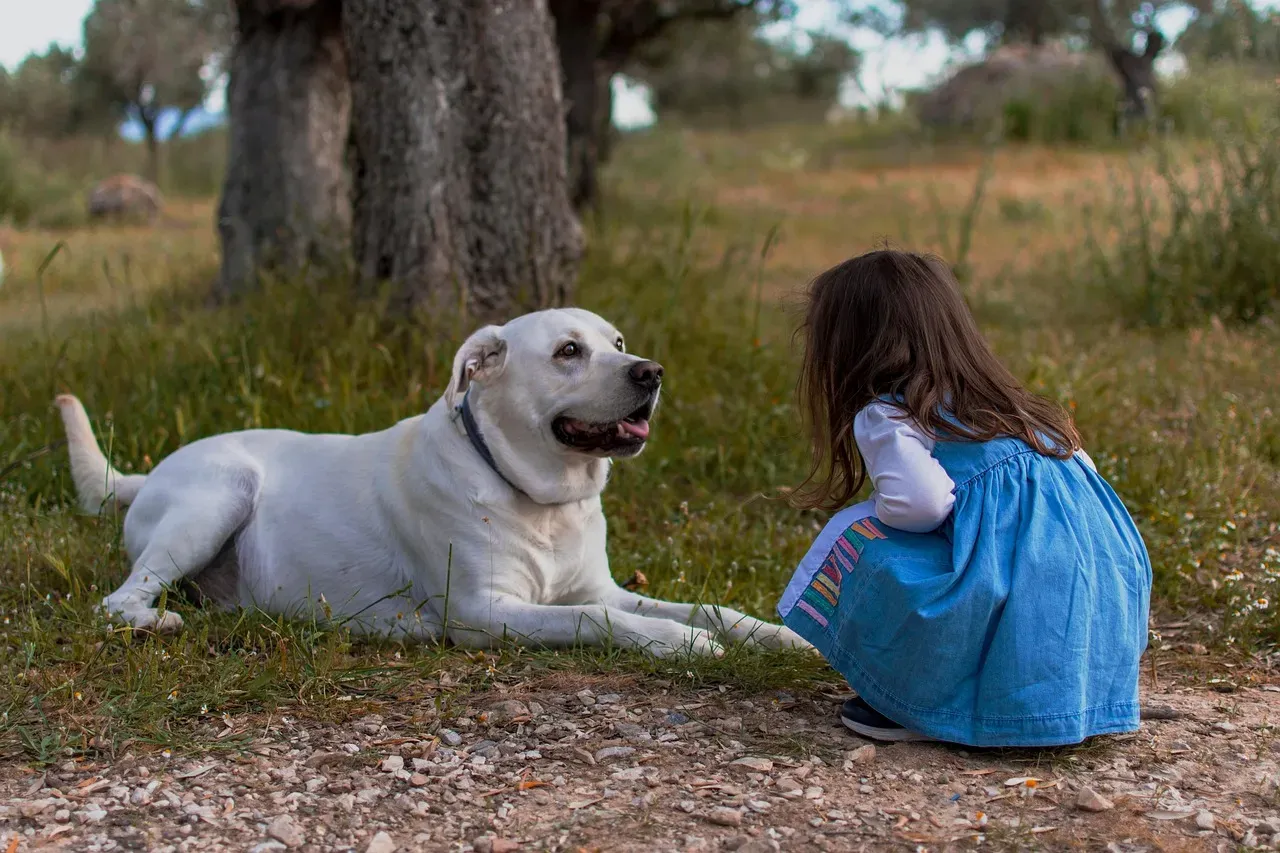
One of the saddest patterns is seeing a dog’s head turn away in photos where someone is squeezing them tight for a cute shot. The dog looks away, licks their lips, maybe even yawns, while the person beams at the camera. Everyone thinks it is adorable, but the dog is quietly saying, “I am not okay with this.” This is not about shaming anyone; it is about realizing we can do better now that we know more.
With kids especially, it is important to teach them that a dog is not a stuffed animal. Show children how to sit and let the dog come to them, how to pet gently on the chest or side, and how to stop as soon as the dog starts turning their head away or trying to move off. You can still get sweet photos, but frame them around voluntary closeness – like a dog choosing to lean against a child – rather than forced hugs that ignore what the dog is clearly trying to say.
Conclusion: Listening To The Quiet “No” Is The Real Love Story
I am going to be blunt here: when we ignore a dog’s head turn and keep hugging anyway, we are not being more loving – we are being a bit selfish, even if we do not mean to be. We are prioritizing our need to feel close over their need to feel safe. Understanding that hurt when I first realized I had done it, but it also completely changed how I relate to dogs now, and our relationships are better for it.
When your dog turns their head away, they are not rejecting you; they are trusting you enough to show a soft boundary instead of exploding. That is not rudeness, that is emotional intelligence in a fur coat. If you can accept that quiet “this is a bit much” and adjust, you are proving that your love is bigger than your ego. And honestly, that is the kind of bond that feels far deeper than any Instagram-perfect hug – now that you know what that tiny head turn really means, what will you choose to do the next time you see it?