
12 Dog Breeds That Enjoy the Same Routine Every Day

Some dogs wake up every morning like clockwork: same stretch, same bowl, same walk, same nap spot. If you’ve ever had a dog who appears personally offended when you’re five minutes late for dinner, you already know how much comfort routine can give them. For certain breeds, a predictable schedule is not just nice to have, it is their happy place.
This list dives into twelve dog breeds that typically thrive on repetition and structure. Of course, every dog is an individual, but these breeds are known for loving habits they can count on. If you’re the kind of person who likes to plan your day down to your coffee breaks, you might be surprised how many of these dogs are secretly your soulmates.
Border Collie
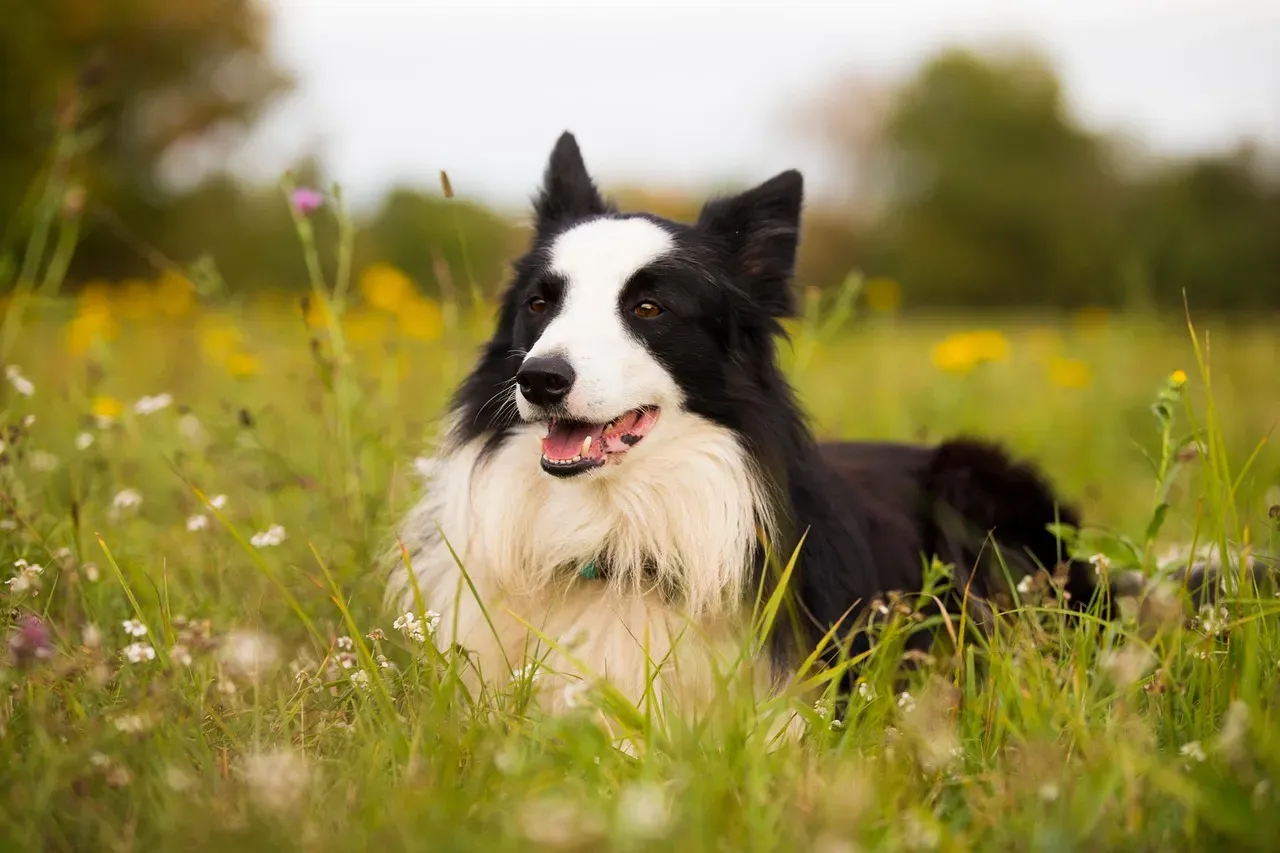
Border Collies are often described as workaholics in fur, and their love of routine fits that perfectly. These dogs were bred to manage livestock all day, which meant doing the same job, in the same fields, following the same patterns, for years on end. That kind of selective breeding hardwired them to feel calm and satisfied when they know what is coming next.
In a home, this can look like a Border Collie who expects the morning walk at a certain time, training games in the afternoon, and a puzzle toy before bed. When the schedule is stable, they often seem more relaxed and less likely to invent their own “jobs,” like herding kids or chasing shadows. Because they are so smart, sudden changes can frustrate them, but give them a reliable routine and they will often meet it with almost military precision.
German Shepherd
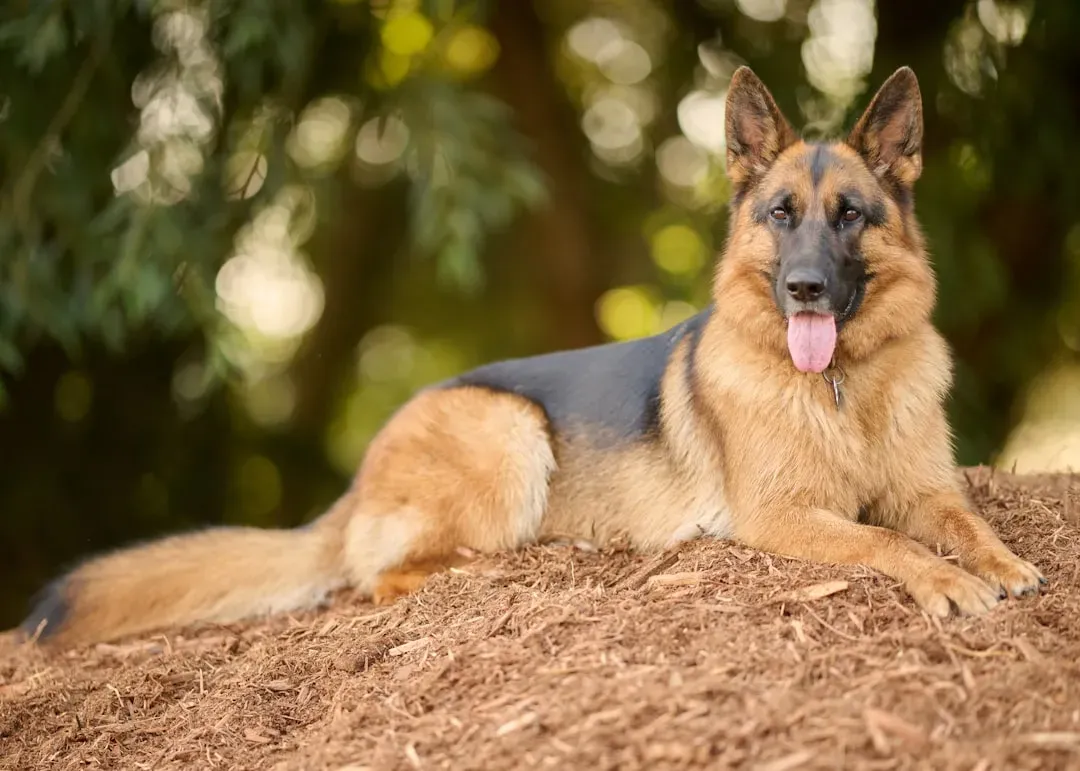
German Shepherds are famous for their roles in police, military, and service work, and that is no accident. These jobs are based on strict routines: regular training, structured duties, repeated commands, and consistent expectations. Over generations, the breed has been shaped to feel secure when life is organized and predictable.
At home, a German Shepherd typically settles best when there is a clear daily rhythm: set times for walks, training, meals, and rest. Many owners notice that their Shepherd will come over at the “usual” training time or pace by the door at what has become the normal walk hour. It is not just habit; for many of these dogs, a steady routine lowers anxiety and reinforces their natural desire to have a role and a purpose in the household.
Labrador Retriever
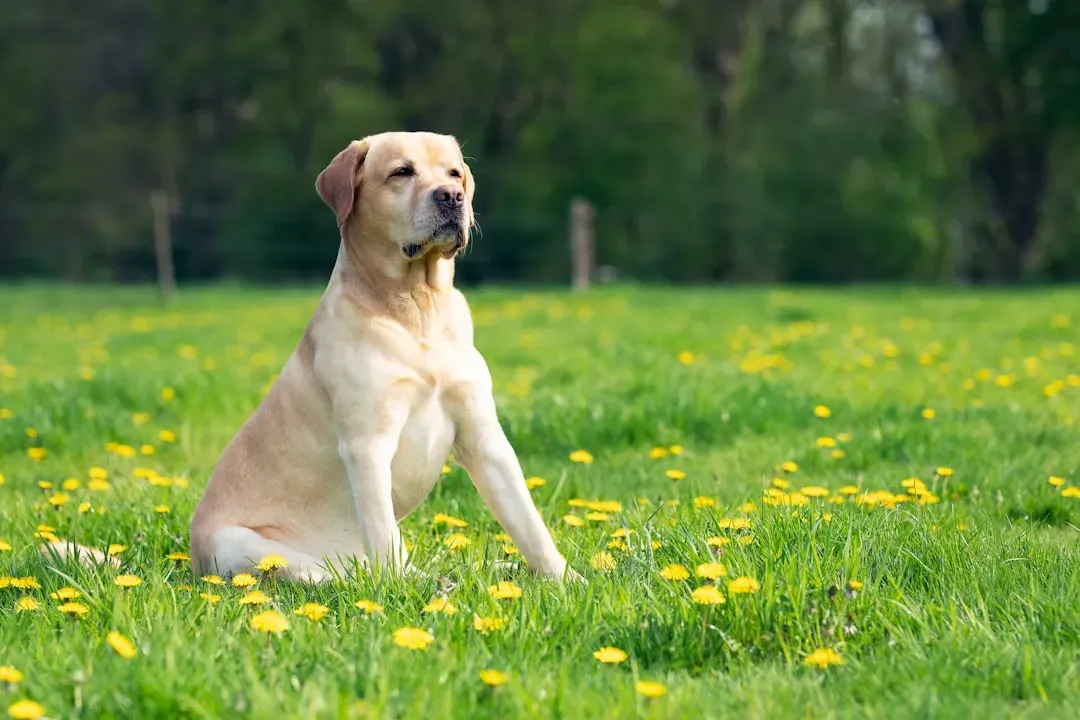
Labradors may have a goofy, easygoing reputation, but underneath that cheerful exterior is a dog that really appreciates knowing how the day will go. Historically, Labs were used for retrieving in hunting and working alongside humans in fairly repetitive tasks. That background makes them quick to pick up daily patterns and eager to lean into them.
Many Lab owners can tell you their dog knows exactly when it is mealtime or when the kids usually arrive home from school. Labs tend to get especially excited about predictable fun: the same park every Saturday, the same fetch session after dinner, the same treat before bed. While they can adapt to change better than some more sensitive breeds, they often seem happiest and most balanced when the general outline of their day stays the same.
Golden Retriever
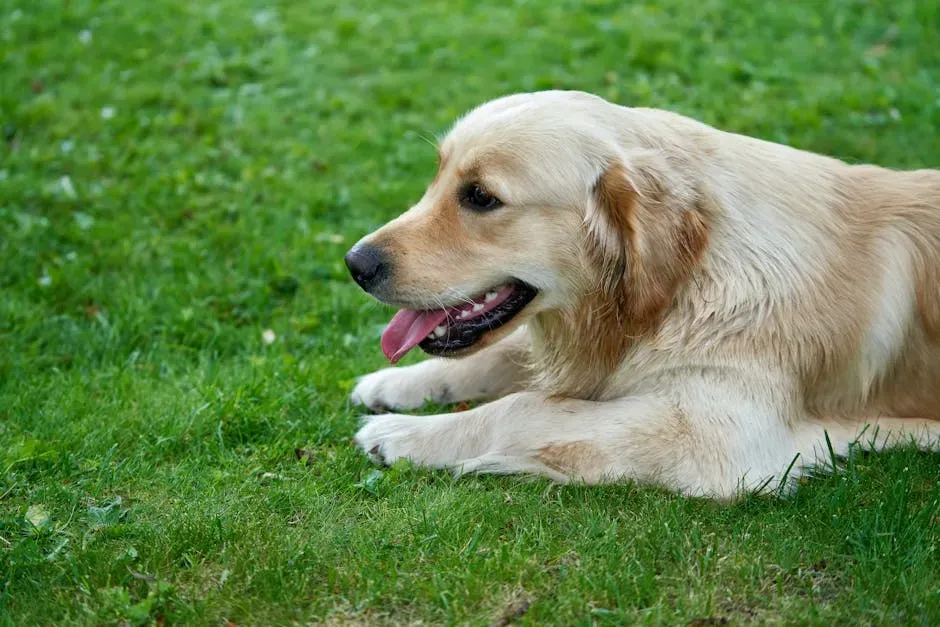
Golden Retrievers are people-pleasers to the core, and a routine gives them a script for how to succeed. When they understand the daily pattern – wake up, outside, breakfast, playtime, rest – they quickly learn where they fit and what is expected of them. That sense of clarity can be incredibly soothing for such emotionally attuned dogs.
Because Goldens are so sensitive to human moods, a stable routine also helps them feel like the household is under control. You might notice a Golden strolling to their bed right after the evening walk because that is what you usually do, or gently nudging you at the same time every day for your shared couch cuddle. Their love of regular, gentle rituals makes them especially wonderful for families who appreciate a cozy, predictable rhythm of life.
Poodle (Standard and Miniature)

Poodles are sometimes stereotyped as fancy show dogs, but at heart they are sharp, active workers who thrive on mental patterns and structure. Originally bred for retrieving in water and later used for circus work and advanced obedience, Poodles have spent generations repeating highly trained routines. That history shows up today in how quickly they lock onto daily schedules.
Many Poodles seem to memorize household rhythms almost frighteningly fast: they know when the kids put on shoes for school, when you usually sit down to work, and when the evening walk happens. Once those patterns are formed, they often expect them to continue. For owners, setting a consistent routine of grooming, training, and exercise helps Poodles stay content and less likely to channel their big brains into mischief.
Shiba Inu
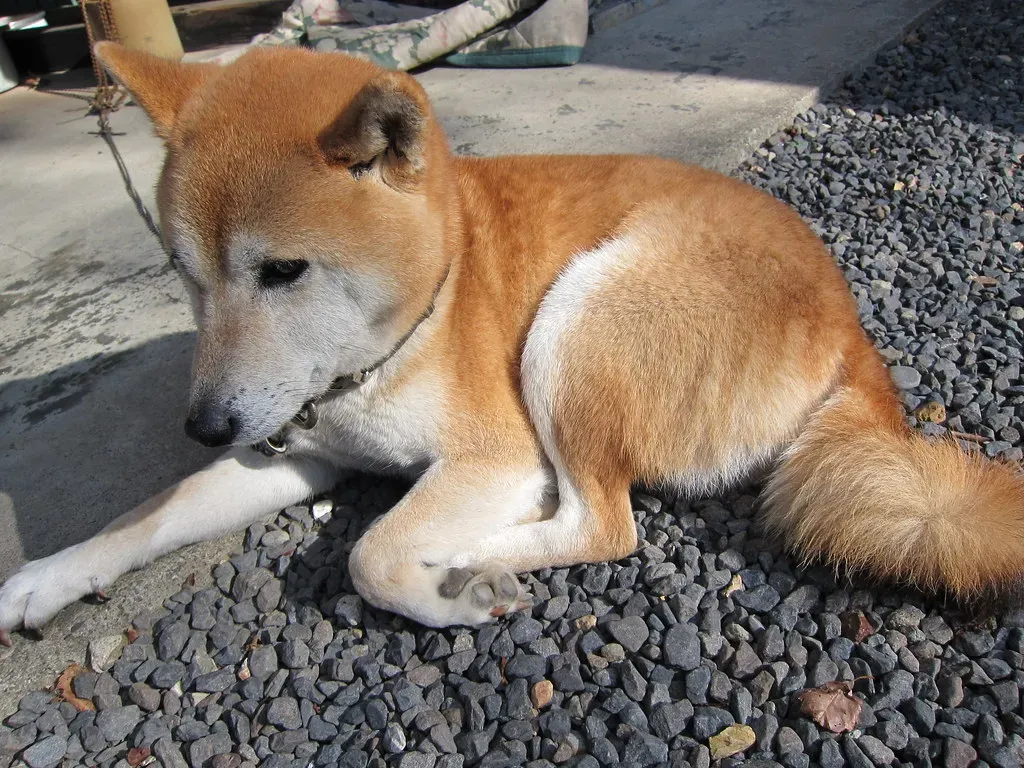
Shiba Inus have a reputation for being independent and a bit dramatic, but they also tend to love consistency. They are creatures of habit who often choose the same sleeping spot, the same route on walks, and even the same window perch to watch the world go by. That preference for familiar patterns is part of what makes them such interesting companions.
Many Shibas can appear unsettled when their routine is suddenly disrupted – say, a different feeding time or an unexpected visitor at their usual nap hour. On the flip side, when life follows a relatively steady pattern, they often relax into their quirky rituals and become more predictable. If you live with a Shiba, you may find yourself adjusting your day around their favorite times for everything from play to peaceful alone time.
Bulldog (English Bulldog)

English Bulldogs are not exactly thrill-seekers, and that is part of their charm. They tend to prefer a calm, predictable life where the biggest surprises are maybe a new chew toy or an extra cuddle on the couch. Their laid-back nature pairs beautifully with a steady daily routine that does not change much from day to day.
Owners often notice that Bulldogs fall into very strong patterns: same nap corner, same short walk route, same slow trot toward the food bowl at the same time. Because Bulldogs can be physically sensitive to heat and overexertion, a well-structured routine with set times for gentle exercise, cool-down, and rest can actually support their health as well as their emotional comfort. When life is steady, they are usually at their wrinkly, snoring best.
Beagle

Beagles were bred to hunt in packs and follow scent trails, activities that tend to follow repeatable routines and clear structures. Even though they have a playful, sometimes mischievous side, many Beagles really do better when their days are not chaotic. A regular schedule helps channel their sniffing obsession and boundless curiosity into safe, expected outlets.
In many households, a Beagle will quickly learn the usual walk times and become vocal if those are delayed, as if reminding you of the daily contract. They can also grow attached to familiar walking routes and sniffing spots, revisiting the same bushes with almost scientific dedication. A predictable pattern of exercise, training, and mental games helps keep Beagles from getting bored enough to follow their nose into trouble.
Shih Tzu
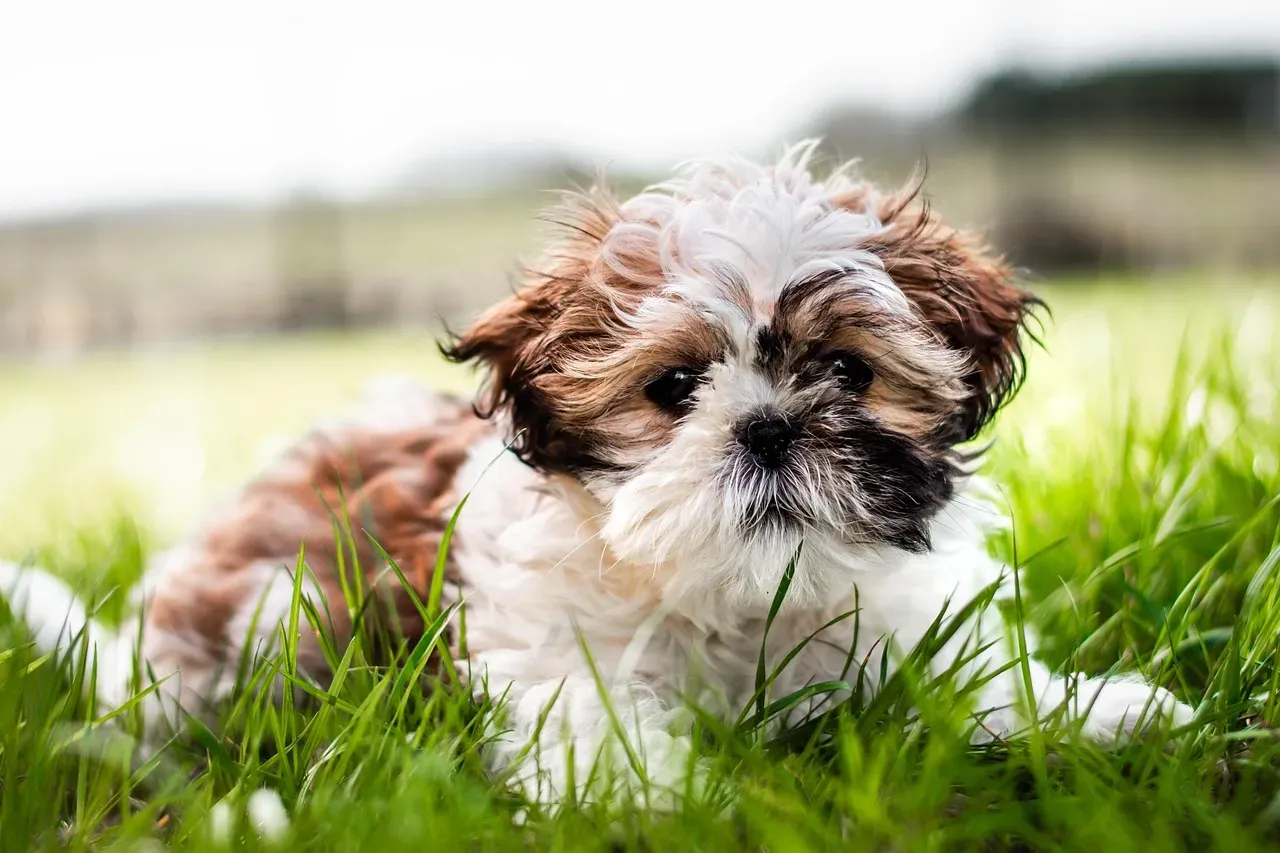
Shih Tzus may be small lap dogs, but they often have big feelings about their daily rituals. Historically bred as companion dogs, their main job was to be reliably present, calm, and charming by their person’s side. That sort of role naturally falls into routine: regular grooming, regular cuddle times, regular quiet walks or indoor play.
Many Shih Tzus attach themselves to specific parts of the day: morning lap time, evening grooming, a late-night bathroom break followed by bed. When those little routines stay consistent, they often seem more secure and less prone to clinginess or barking. For people who like a cozy, predictable home life, the way a Shih Tzu settles into familiar patterns can feel almost like having a tiny, fluffy roommate with a shared daily script.
Cavalier King Charles Spaniel
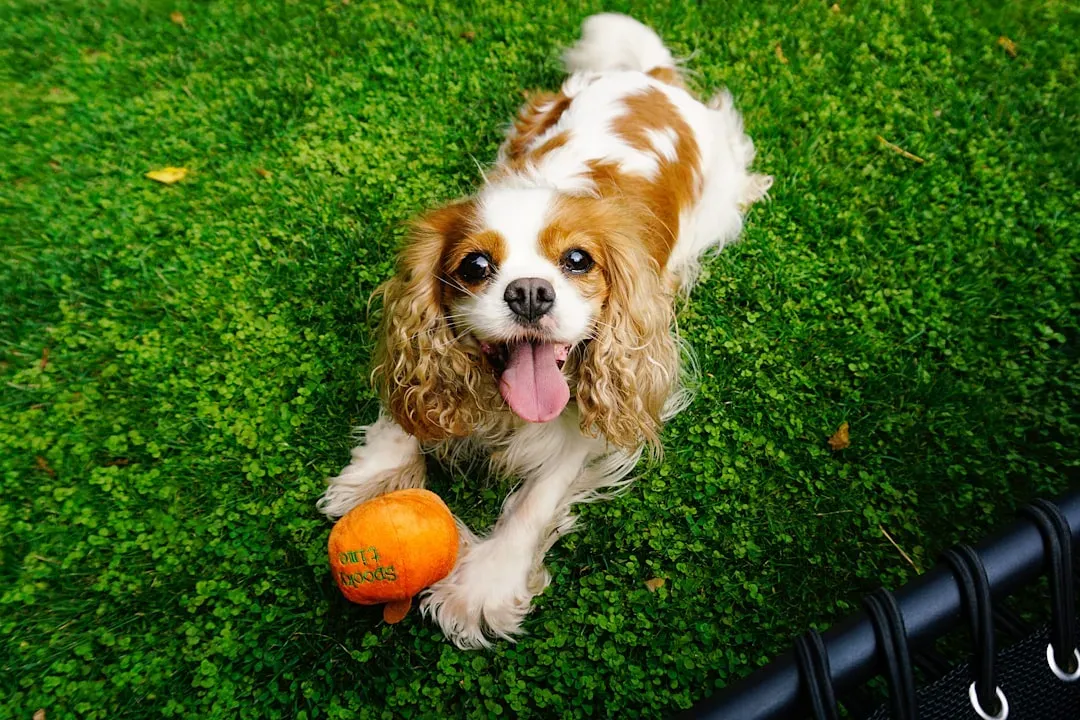
Cavalier King Charles Spaniels are gentle, affectionate dogs that thrive on emotional stability, and a consistent routine is a big part of that. They do not usually crave intense variety; instead, they like knowing that every day will bring the same reliable mix of cuddles, short walks, and quiet time with their humans. For such sensitive little hearts, repetition is reassuring.
Owners often notice that Cavaliers naturally align themselves with a household schedule, curling up for a nap when you work, popping up for attention at your usual break times, and following you through your daily rituals. When the pattern of the day is stable, they are often calmer and less anxious, especially if they tend toward separation worries. Routines that include predictable affection, gentle exercise, and mental stimulation help them shine.
Doberman Pinscher
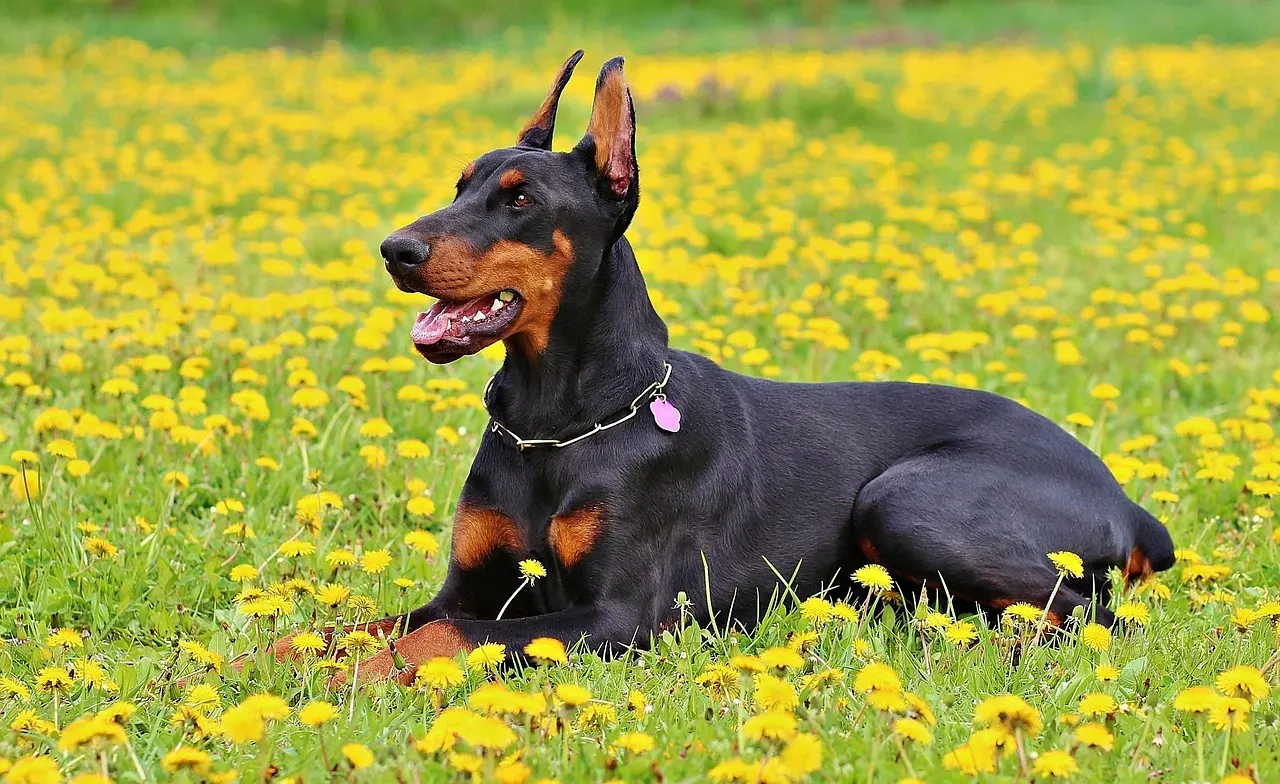
Dobermans are intense, loyal, and highly trainable, traits that make them excellent candidates for structured environments. Many Dobermans excel in obedience and protection work, activities that are built on repetition and clear daily expectations. Because they are so tuned into their owners, they quickly pick up on schedules and often seem to enforce them themselves.
At home, a Doberman who knows when training, play, and rest usually happen is often more confident and settled. They are the kind of dog who might stare at you pointedly when you skip their usual jog or forget their evening brain game. A consistent routine gives them a way to use their energy and intelligence constructively, instead of leaving them to invent their own potentially less desirable pastimes.
Rottweiler

Rottweilers were historically used as drover and guard dogs, jobs that involve steady, repeated tasks and a strong sense of structure. Modern Rottweilers often still reflect that love of order. They frequently do best when they understand exactly what the day will bring, who is in charge, and how their energy will be used.
In a family, a Rottweiler often relaxes when there are fixed times for walks, training, play, and quiet time. They tend to bond deeply with their humans and can become unsettled by random, unstructured chaos. Providing them with a regular pattern helps reinforce boundaries, reduce confusion, and allow their natural steadiness and loyalty to come forward in a balanced way.
Australian Shepherd
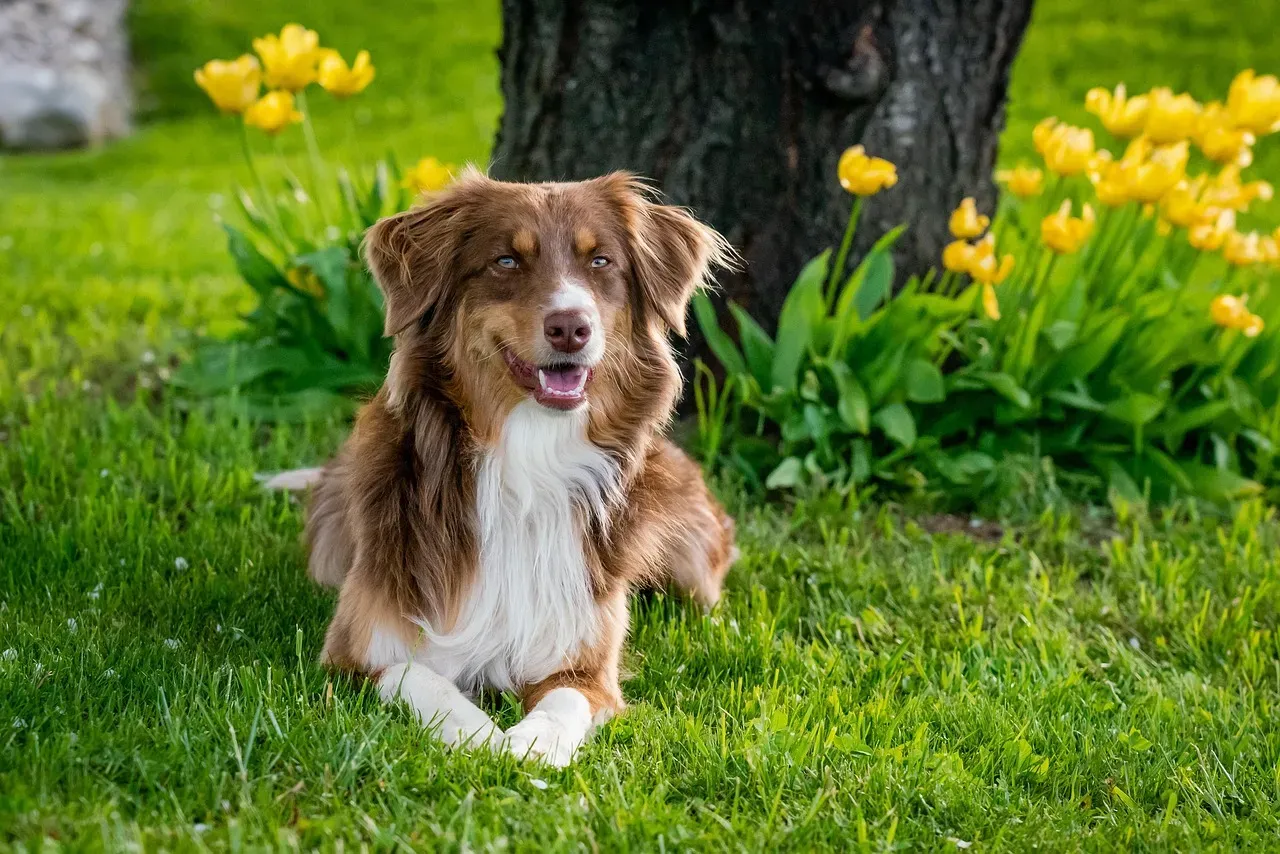
Australian Shepherds, like Border Collies, are intensely focused working dogs that thrive when they have a job. Routines give them that job, even in a suburban backyard. A daily pattern of exercise, training, and tasks – like agility, herding games, or advanced tricks – gives structure to all that energy and intelligence.
Owners often notice that Aussies quickly memorize the sequence of the day and even anticipate it: they might bring you a ball at the usual playtime or wait by the door just before your regular hike. When their schedule is steady, they are typically less likely to engage in destructive behaviors or excessive barking. For people who like active, planned days, an Australian Shepherd can become a partner that thrives on repeating your shared routine over and over, with happy enthusiasm.
Conclusion: Why Routine-Loving Dogs Feel So Relatable
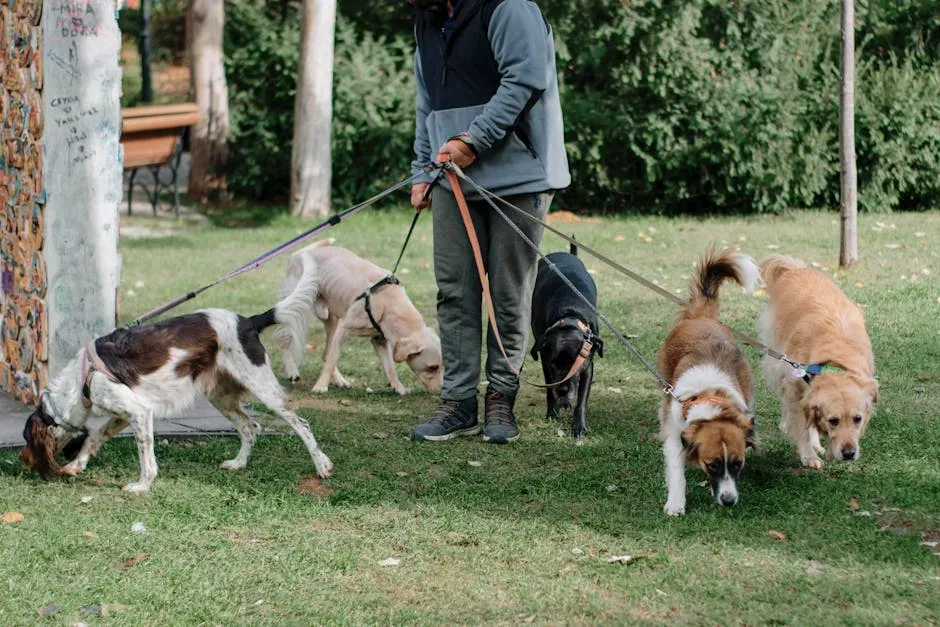
Looking across these breeds, a pattern jumps out: many dogs that love routine were bred for jobs that demanded steady, repeated work. To me, that makes their affection for predictable days feel very understandable. In a world that often feels noisy and chaotic, there is something deeply grounding about a dog who just wants the same walk, the same meal, and the same cozy spot on the sofa, every single day.
I used to think dogs always craved novelty, but living with routine-oriented breeds changed my mind. Now I see their love of repetition less as boredom and more as a quiet kind of happiness, the way some people cherish morning coffee in the same mug or a nightly walk around the same block. If anything, these dogs are a reminder that a stable, gentle routine can be its own kind of joy. Which of these routine-loving breeds feels most like you on your best, most contented day?