
Why Your Dog Comes Running When You Laugh (They May Be Responding to More Than the Sound of Your Voice)
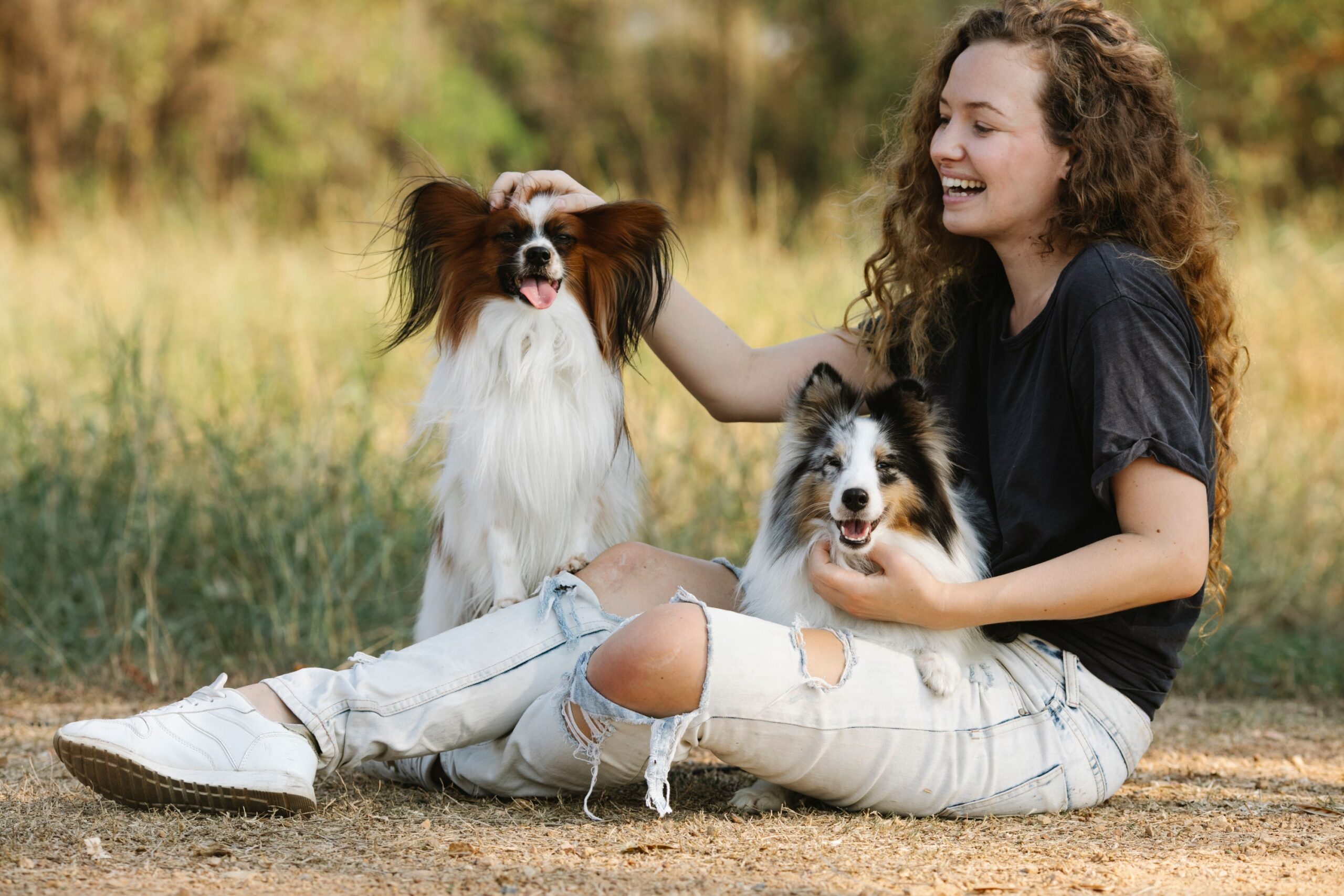
Ever noticed how you barely get a laugh out before your dog comes trotting over, tail going like a metronome on fast-forward? It feels adorable and random, but it’s actually one of those tiny everyday moments that reveals just how deeply your dog is tuned in to you. There’s a lot more going on than a simple “heard a noise, came to investigate” reaction.
What looks like a cute quirk is really a cluster of instincts, learning, body language decoding, and emotional attunement all firing at once. When I first realized my own dog would appear every time I burst out laughing at a show, it hit me: this isn’t coincidence, this is communication. Let’s unpack what’s really happening when your laugh acts like a magnet and pulls your dog straight to your side.
Your Dog Reads Your Whole Vibe, Not Just Your Voice
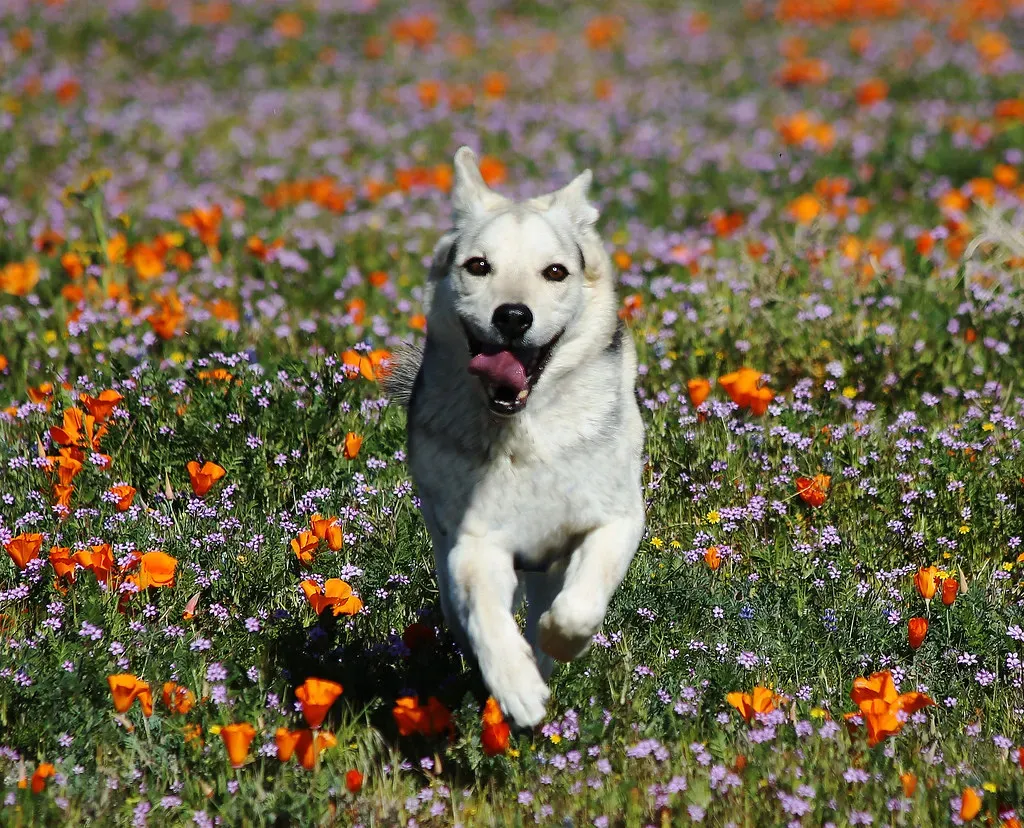
The surprising truth is that your laugh is only one piece of a bigger emotional picture your dog is constantly scanning. Dogs are experts at interpreting your overall “vibe”: your posture, your facial expression, how fast you move, even the way you breathe. When you laugh, all of that usually shifts at once into what looks like high, happy energy.
To a dog, that sudden burst of energy is like a notification popping up on their emotional radar: something is happening with their person. They see your shoulders relax, your face light up, and your movements become bouncier or more animated. Over time, they learn that this combination usually means play, affection, or at least a positive atmosphere they want to be part of. So they head straight toward you, not just because of the sound, but because your whole emotional state just changed, and they felt it.
Laughter Often Predicts Good Things (And Your Dog Has Noticed)
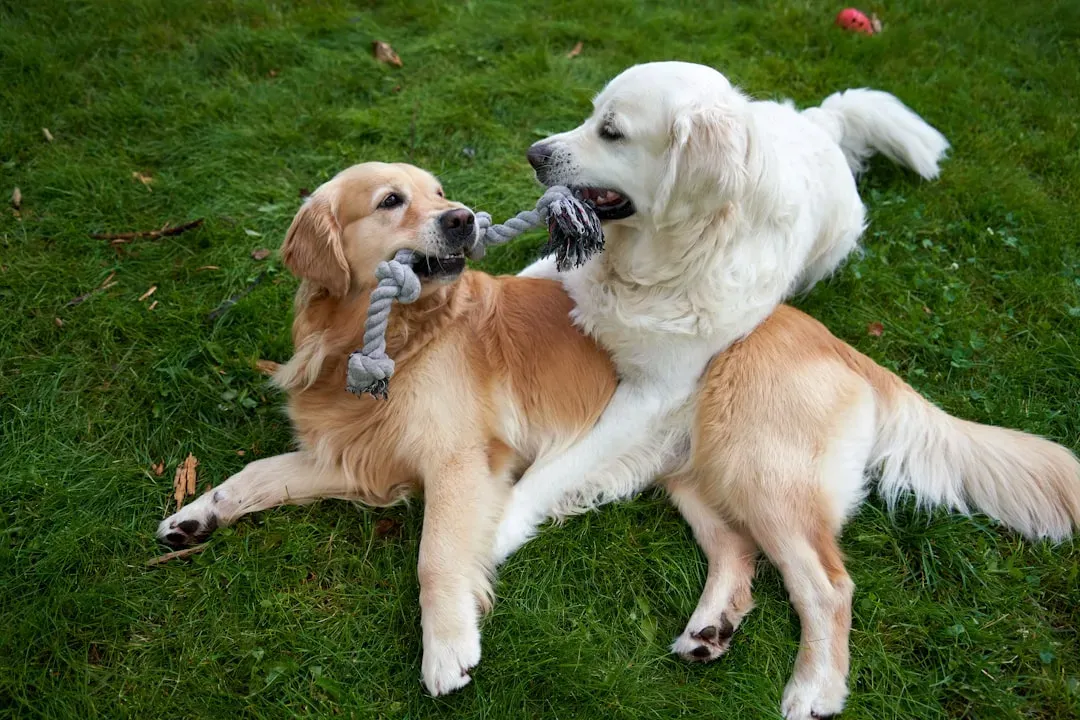
Think about what usually happens right after you laugh around your dog. Maybe you reach out to scratch their ears, grab a toy to show someone how funny they act, or invite them up on the couch. Dogs are masters at connecting patterns: if laughter is frequently followed by attention, touch, or play, they’re going to treat it like a cue that good stuff is coming.
From your dog’s perspective, your laugh becomes a kind of “jackpot sound.” It might mean treats fall on the floor when you double over, or that friends in the room start calling their name and fussing over them. It’s not that they philosophize about humor; they just know that historically, that funny noise from you tends to lead to warmth, fun, and connection. So when they hear you laugh, they rush in like someone heard the ice cream truck down the street.
Your Emotional State Changes Your Scent and Body Language

Here’s a weird but fascinating layer: when you experience emotions, your body chemistry shifts in subtle ways, and dogs can detect those changes. While science is still unpacking every detail, there is evidence that dogs respond differently to the smells and movements associated with calm happiness versus fear or anger. When you laugh, your body often relaxes, your breathing becomes less tense, and your muscles lose some of their tightness.
Your dog might not consciously think “oh, joyful pheromones,” but they do respond to the package deal your body presents when you’re in a good mood. You move more loosely, you may lean forward or open your arms, and your voice has a lighter, sing-song quality even between laughs. To a dog, that whole mix feels safe, inviting, and exciting. You become, in that moment, a walking open door of friendliness, and they walk right through it.
Dogs Are Wired to Seek Social Connection With Their “Family”
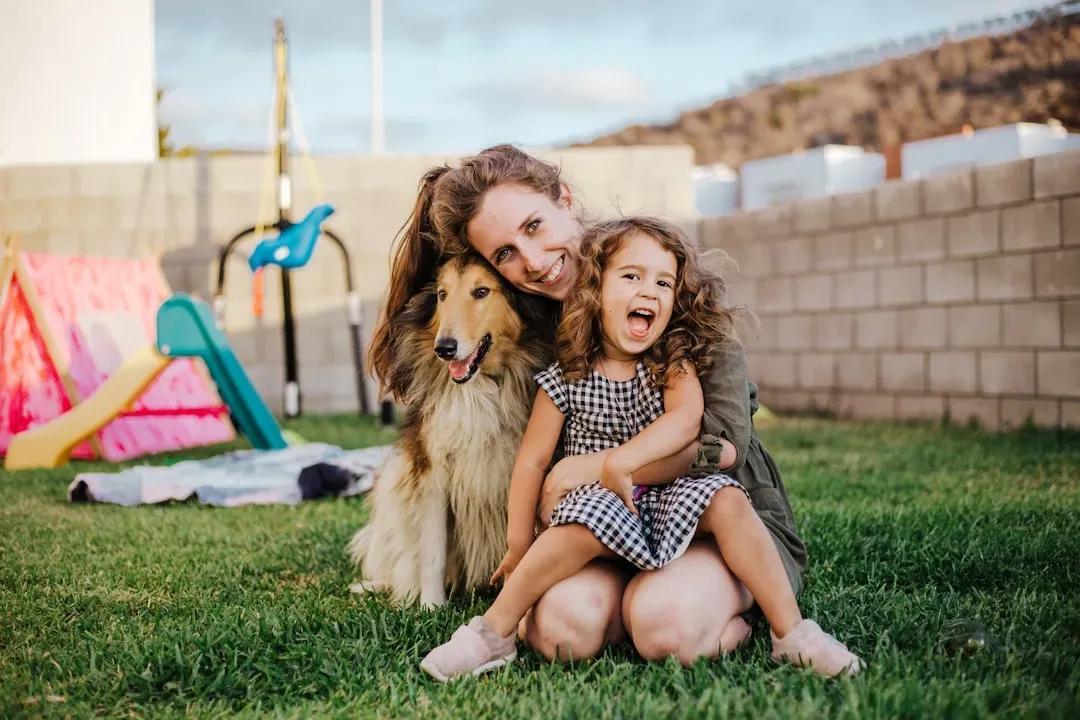
Dogs are social animals who evolved to stick close to their group, both for survival and for emotional security. In your home, you are their group, their pack, their chosen family. Any rise in social energy – like laughter, chatter, or people gathering – naturally pulls them in. They do not want to be left out of what looks and sounds like a good time.
When you laugh, your dog may interpret that as a sign that something is happening that they should be involved in, almost like a party starting without them. They might dash over, nudge your hand, or circle around the room to get closer to the center of the action. It is less about understanding the joke and more about not wanting to miss out on the emotional bonding that often happens when people are happy together.
Your Dog May Be Checking That You’re Safe (Excitement Can Sound Like Distress)
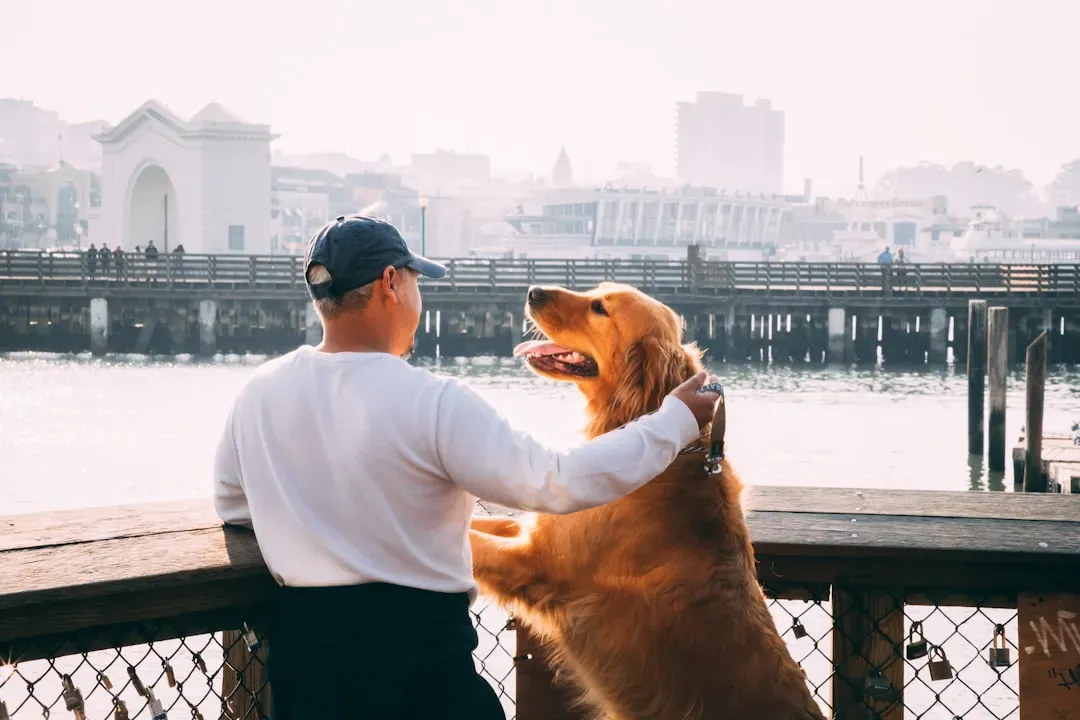
Here’s an angle people often overlook: some dogs come running when you laugh because, to them, it might initially sound like a cry, shout, or change in breathing that signals distress. If you have a big, gasping, dramatic laugh, your dog might sprint over just to make sure you are okay. What looks like excitement can, to sensitive dogs, sound vaguely like someone struggling or calling out.
Once they reach you and see relaxed posture, smiling faces, and calm body language, they realize everything is fine. Over time, many dogs adjust and recognize your laughter as normal and positive, but that initial instinct to investigate a sudden, intense sound often comes from a place of concern. It is a strangely sweet possibility: your dog rushes to your side because any abrupt emotional shift from you is worth checking on.
Some Dogs Treat Your Laughter as a Play Invitation
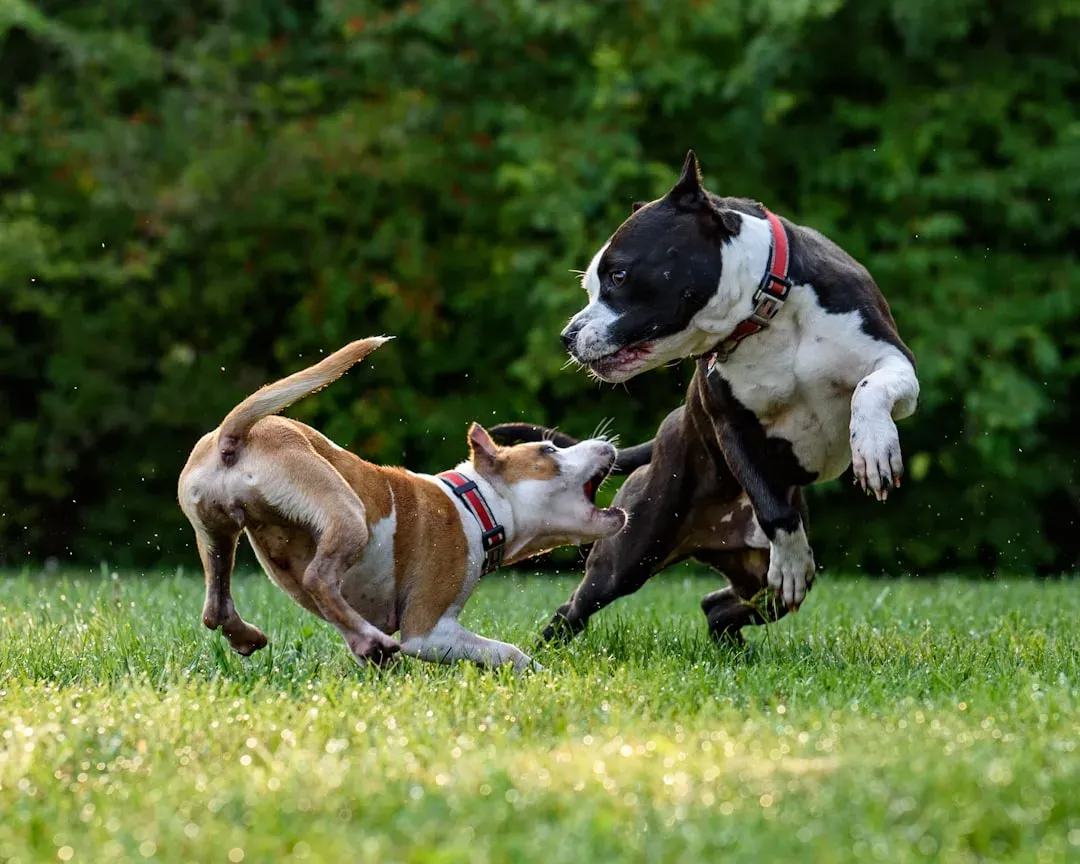
Watch what your dog does immediately after you laugh: do they grab a toy, do a little bow, or start bouncing around? For many dogs, your laughter becomes part of their play soundtrack, something they associate with silly movements, games of chase, or roughhousing on the living room floor. In their mind, your laughter can function a bit like another dog’s play bark or goofy growl.
They may mirror your high energy with their own, zooming around the room or nudging you to join their game. This is especially common with younger or more playful breeds that are wired to respond quickly to signs of excitement. Your dog is not just reacting to sound; they’re interpreting your emotional signal and tossing back their own version of “let’s have fun” right at you.
Your Bond Makes Your Reactions Incredibly Meaningful to Them
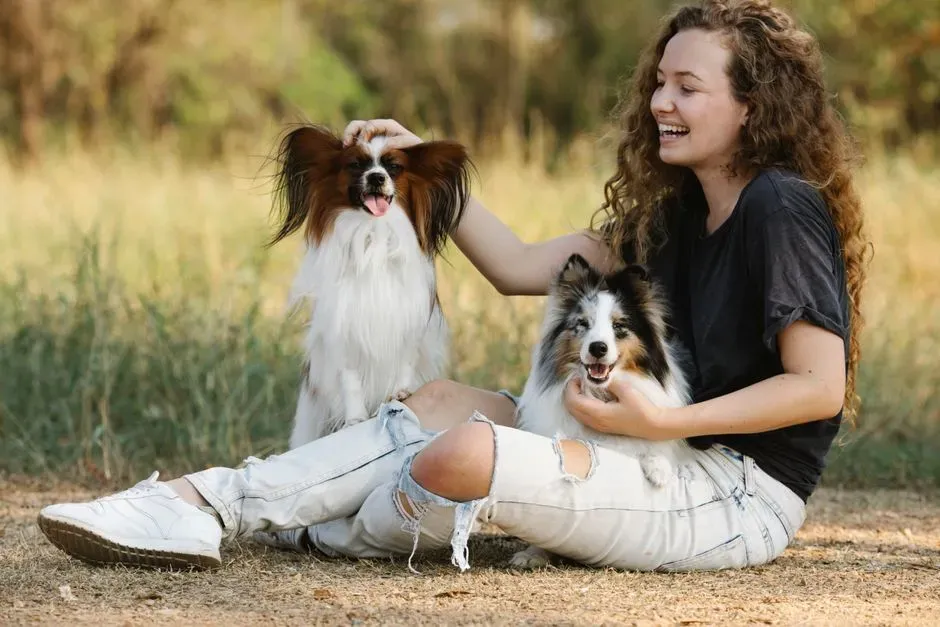
Underneath all the behavior patterns and instincts, there is the simple truth that your dog is deeply bonded to you. They spend much of their day tracking where you are, what you are doing, and how you are feeling. Your laughter is one more clue in that ongoing puzzle. It tells them you are engaged, awake, and emotionally lit up, which is usually when you are most available to them.
I have noticed in my own life that my dog is far more likely to approach when I am animated and expressive than when I am quiet and withdrawn. It feels a bit like having a furry emotional barometer who registers every spike and dip. When you laugh, your dog comes running not just because of a sound, but because your inner world just flared brighter – and for them, your inner world is the most important thing in their universe.
Why This Matters: Seeing Laughter Through Your Dog’s Eyes
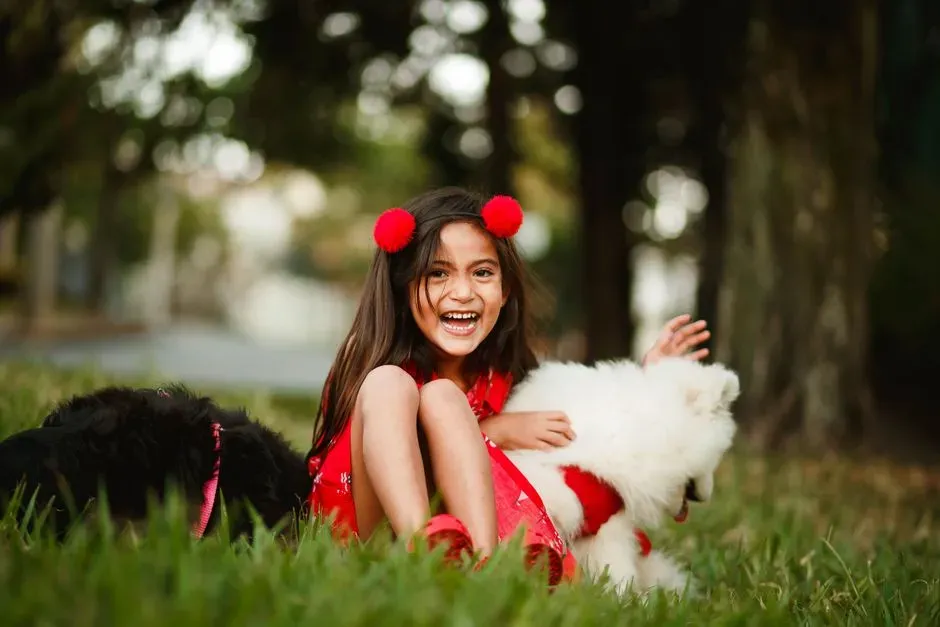
When you realize your dog is responding to your entire emotional state – not just to your voice – it changes how you see those little moments. Your laughter becomes less of a random trigger and more of a shared social signal, something that invites your dog into your joy. That can be humbling and a bit mind-blowing: every time you crack up at a meme or a movie, your dog sees a chance to connect with you.
My personal opinion is that we should lean into that instead of brushing it off as a funny quirk. If your dog comes running when you laugh, that is an opportunity. Reach down, give them a pat, toss a toy, or simply make eye contact and smile. You are teaching them that your happiness includes them, not just the people or screens you are laughing at. In a world where so many things pull our attention away, a dog who runs toward your joy is a gift. The real question is: the next time you burst out laughing, will you treat it as just noise, or as your dog’s invitation to share the moment with you?