
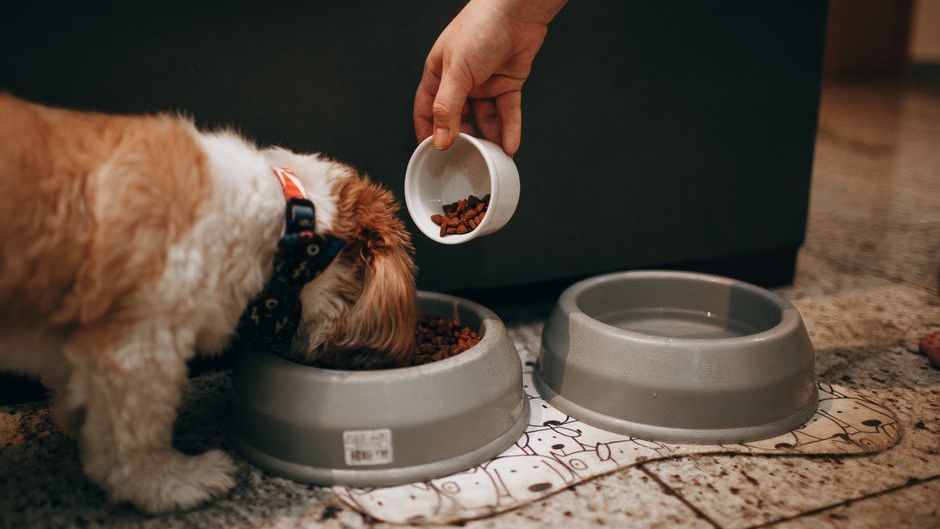
Ever noticed how your dog seems to mirror your emotions, especially during anxious moments? It’s not just your imagination. Dogs are incredibly attuned to their owners’ feelings, often responding in ways that provide mutual comfort. Here are seven behaviors commonly exhibited by people with anxiety that their dogs actually find soothing.
1. Seeking Physical Closeness
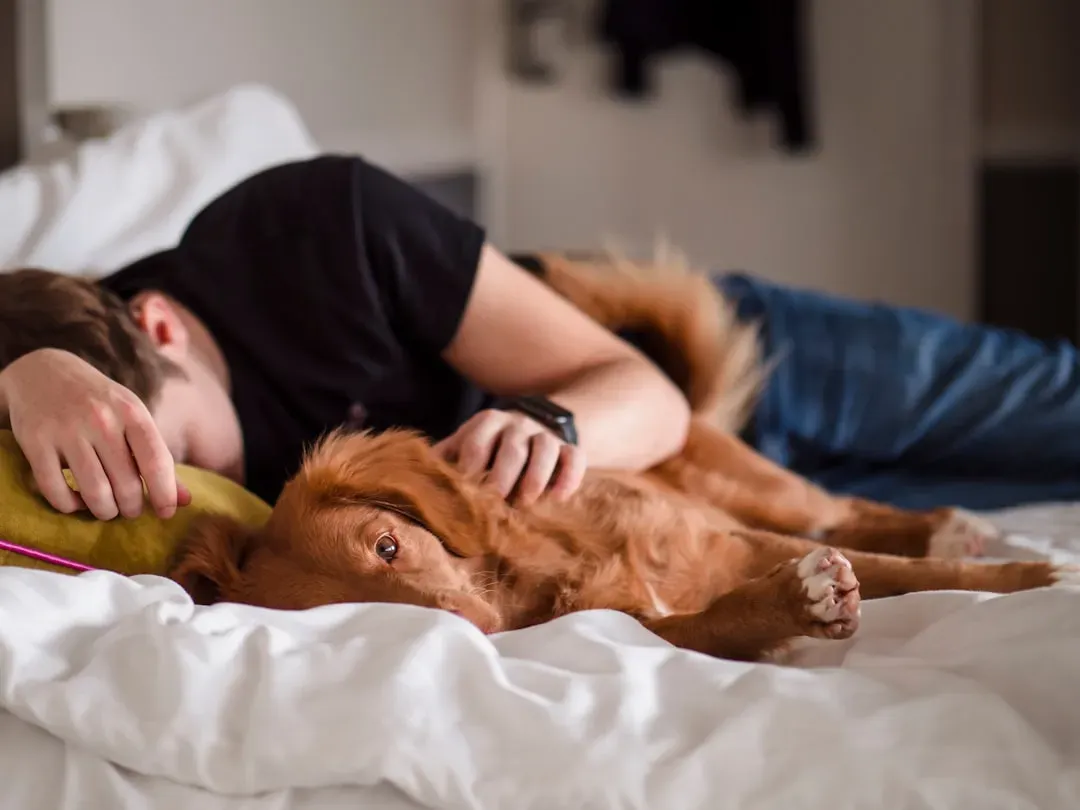
When anxiety strikes, many individuals instinctively seek physical closeness, often cuddling or leaning into their dogs. This behavior isn’t just comforting for the person; dogs thrive on physical contact too. The act of snuggling releases oxytocin, the “love hormone,” in both humans and canines, fostering a sense of security and bonding. This mutual exchange can significantly reduce stress levels for both parties.
Moreover, dogs often interpret their owner’s need for closeness as a sign of trust and affection. By allowing their human to draw near, they feel valued and connected, reinforcing the deep bond shared between them. This closeness can be especially reassuring for dogs that are naturally affectionate or those that have a strong attachment to their owners.
2. Engaging in Gentle Petting
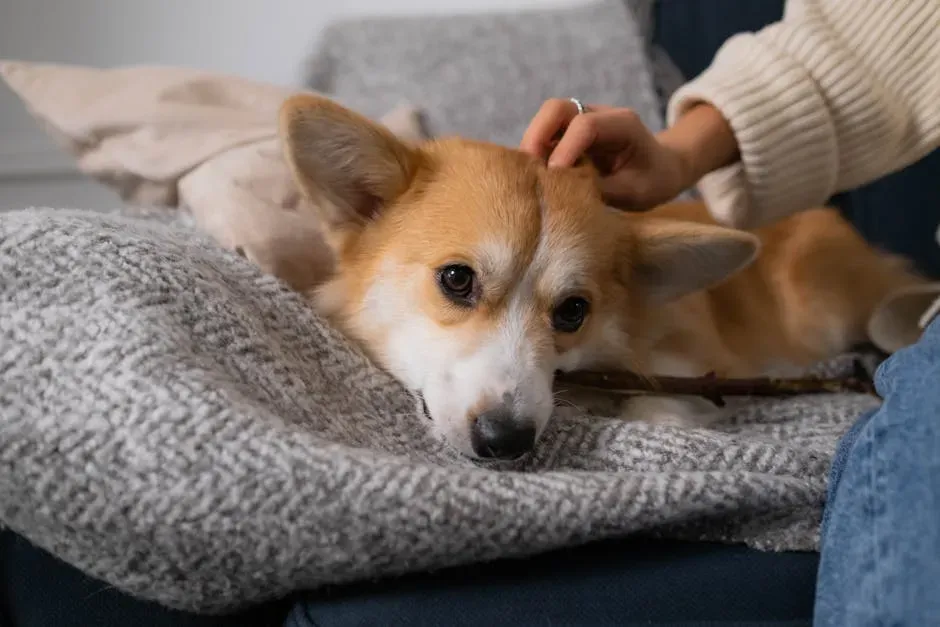
During moments of anxiety, individuals often find solace in the repetitive motion of petting their dogs. This gentle stroking isn’t just a self-soothing mechanism; it has tangible benefits for the dog as well. Regular, calm petting can lower a dog’s heart rate and promote relaxation, creating a peaceful environment for both the pet and the owner.
Additionally, this shared activity can serve as a distraction from anxious thoughts, redirecting focus to the present moment. For dogs, the consistent touch reaffirms their bond with their owner, providing them with a sense of purpose and contentment. It’s a simple yet effective way to nurture the emotional connection between human and canine.
3. Speaking in Soft, Reassuring Tones
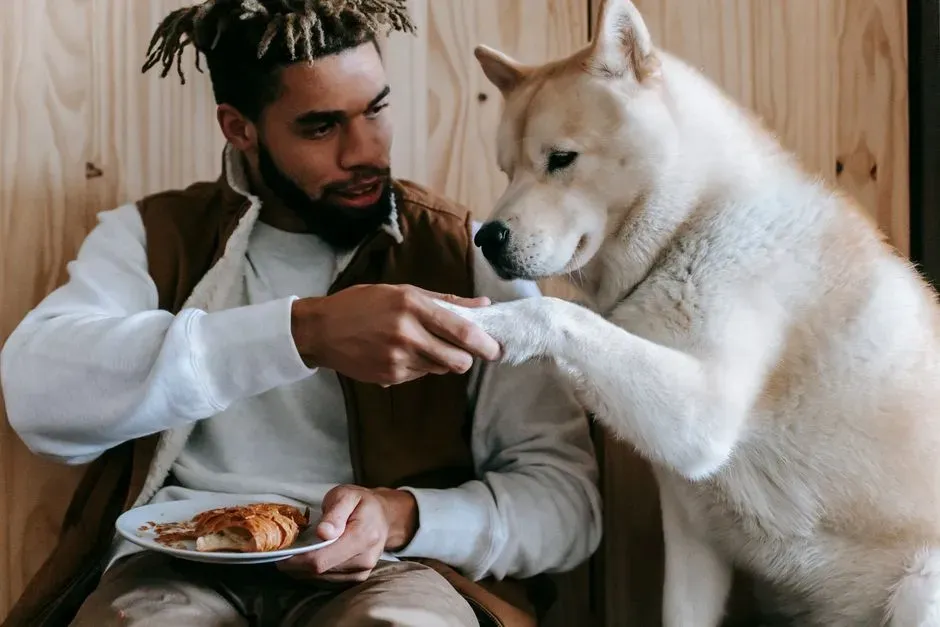
When anxiety levels rise, people often speak in softer, more soothing tones, either to calm themselves or their surroundings. Dogs are highly sensitive to vocal cues and can pick up on these subtle changes. A gentle voice can signal to a dog that everything is okay, reducing their own stress and promoting a calm demeanor.
Furthermore, this soft-spoken communication can enhance a dog’s trust in their owner. It reassures them that their human is in control and that there’s no immediate threat. Over time, this practice can strengthen the dog’s confidence and reduce their own anxiety-related behaviors.
4. Establishing Routine and Predictability
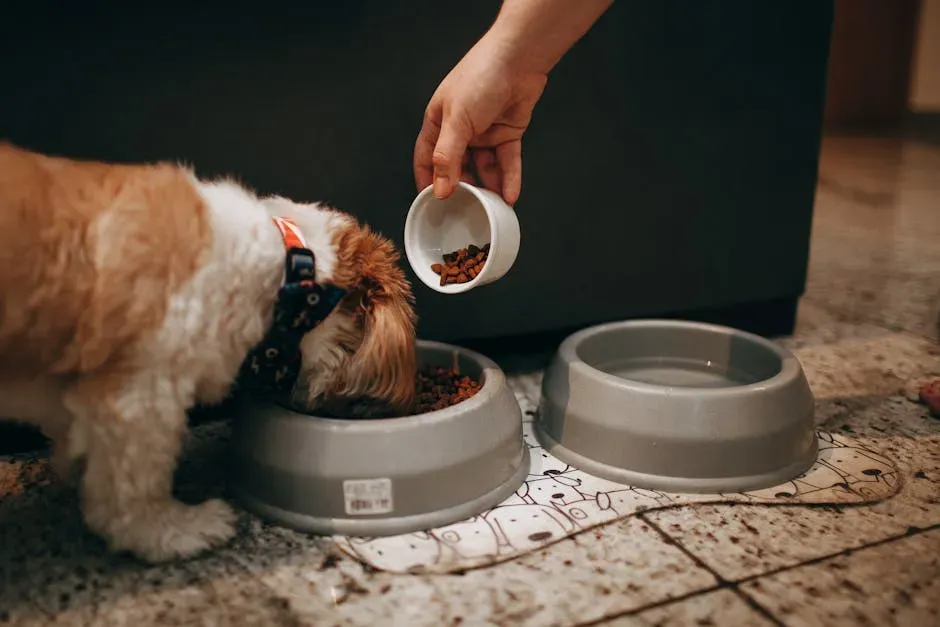
Individuals with anxiety often find comfort in routines, as predictability can alleviate feelings of uncertainty. Dogs, too, thrive on routine. Regular feeding times, consistent walks, and predictable play sessions provide a sense of stability that dogs find comforting.
By maintaining a structured schedule, owners not only manage their own anxiety but also create an environment where their dogs feel secure. This mutual reliance on routine can lead to a harmonious household where both human and canine know what to expect, reducing stress for both parties.
5. Practicing Mindfulness and Deep Breathing
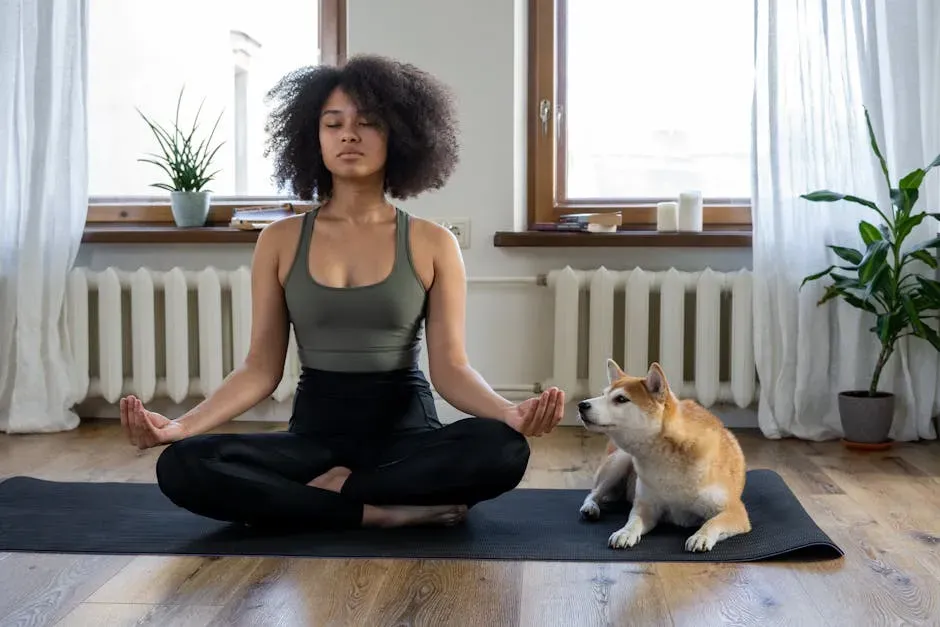
Techniques like mindfulness and deep breathing are common strategies for managing anxiety. Interestingly, dogs can pick up on these calm behaviors. When an owner practices deep breathing, their dog may mirror this relaxed state, leading to synchronized calmness.
This shared tranquility can be particularly beneficial during stressful situations, such as thunderstorms or visits to the vet. The dog’s ability to sense and respond to their owner’s calmness can make challenging experiences more manageable for both.
6. Engaging in Gentle Play

To distract from anxious thoughts, individuals might engage in gentle play with their dogs. This interaction isn’t just a diversion; it provides mental stimulation and physical activity for the dog, both of which are essential for their well-being.
Playtime also reinforces the bond between owner and pet, offering moments of joy and connection. For dogs, these playful interactions can be a highlight of their day, providing them with the attention and engagement they crave.
7. Creating a Safe Space
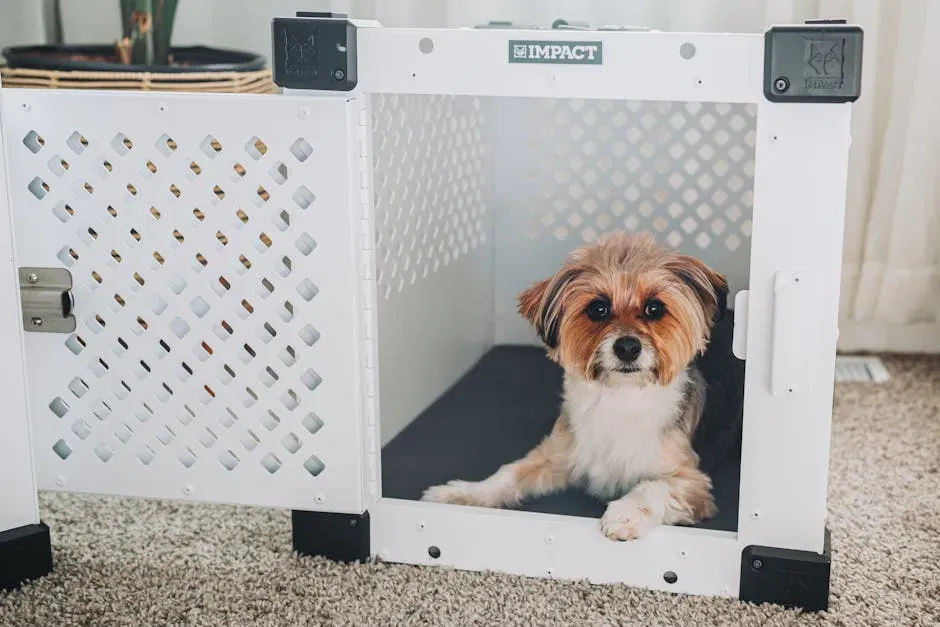
People with anxiety often designate certain areas as “safe spaces” where they can retreat and feel secure. Dogs appreciate having their own safe zones too. When owners create cozy corners with their dog’s favorite bed or blanket, it offers the pet a sanctuary to relax and feel protected.
Recognizing and respecting a dog’s need for a safe space can enhance their sense of security. It also provides them with a place to retreat when they’re feeling overwhelmed, ensuring they have a coping mechanism during stressful times.
In conclusion, the behaviors exhibited by individuals with anxiety can have a profound impact on their canine companions. By seeking closeness, maintaining routines, and engaging in calming activities, owners not only manage their own anxiety but also create an environment where their dogs feel loved and secure. This mutual support system highlights the deep, empathetic bond shared between humans and their furry friends. Isn’t it remarkable how our vulnerabilities can lead to such profound connections?


