
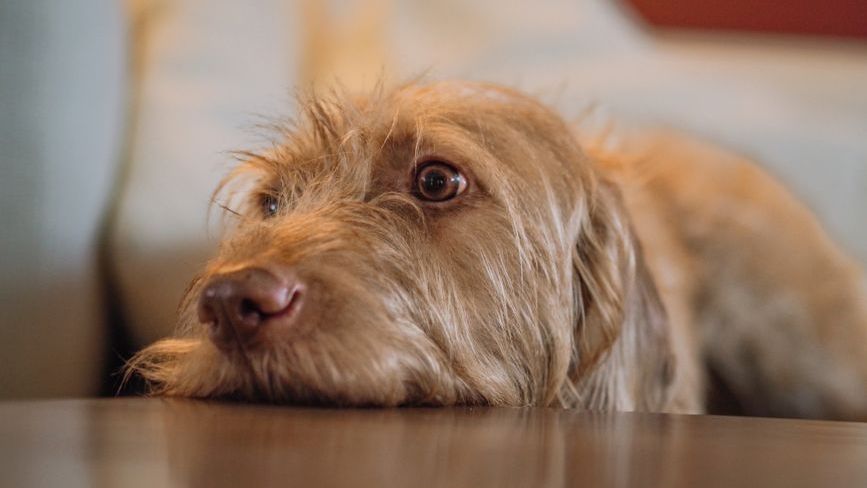
Ever noticed your dog lingering nearby during a heated argument, refusing to budge? It’s not mere curiosity; the psychology behind this behavior is both profound and touching. Let’s delve into the reasons your canine companion stays close during conflicts.
Dogs Are Masters of Emotional Perception
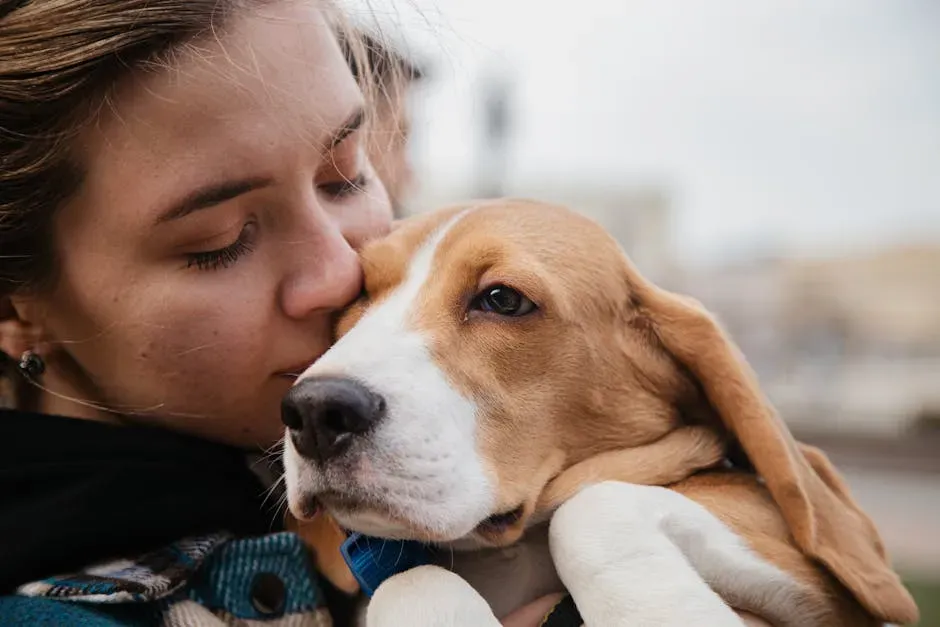
Dogs possess an uncanny ability to read human emotions. They pick up on subtle cues like tone of voice, body language, and even changes in scent. When tensions rise, your dog senses the shift and becomes acutely aware of the discord. This heightened sensitivity stems from their evolutionary history as pack animals, where understanding social dynamics was crucial for survival.
Interestingly, studies have shown that dogs can experience emotional contagion, meaning they mirror the emotions they observe in humans. So, when you’re upset, your dog isn’t just noticing your distress – they’re feeling it too. This shared emotional experience explains why your dog might stay close during arguments, offering silent support.
The Protective Instinct Kicks In
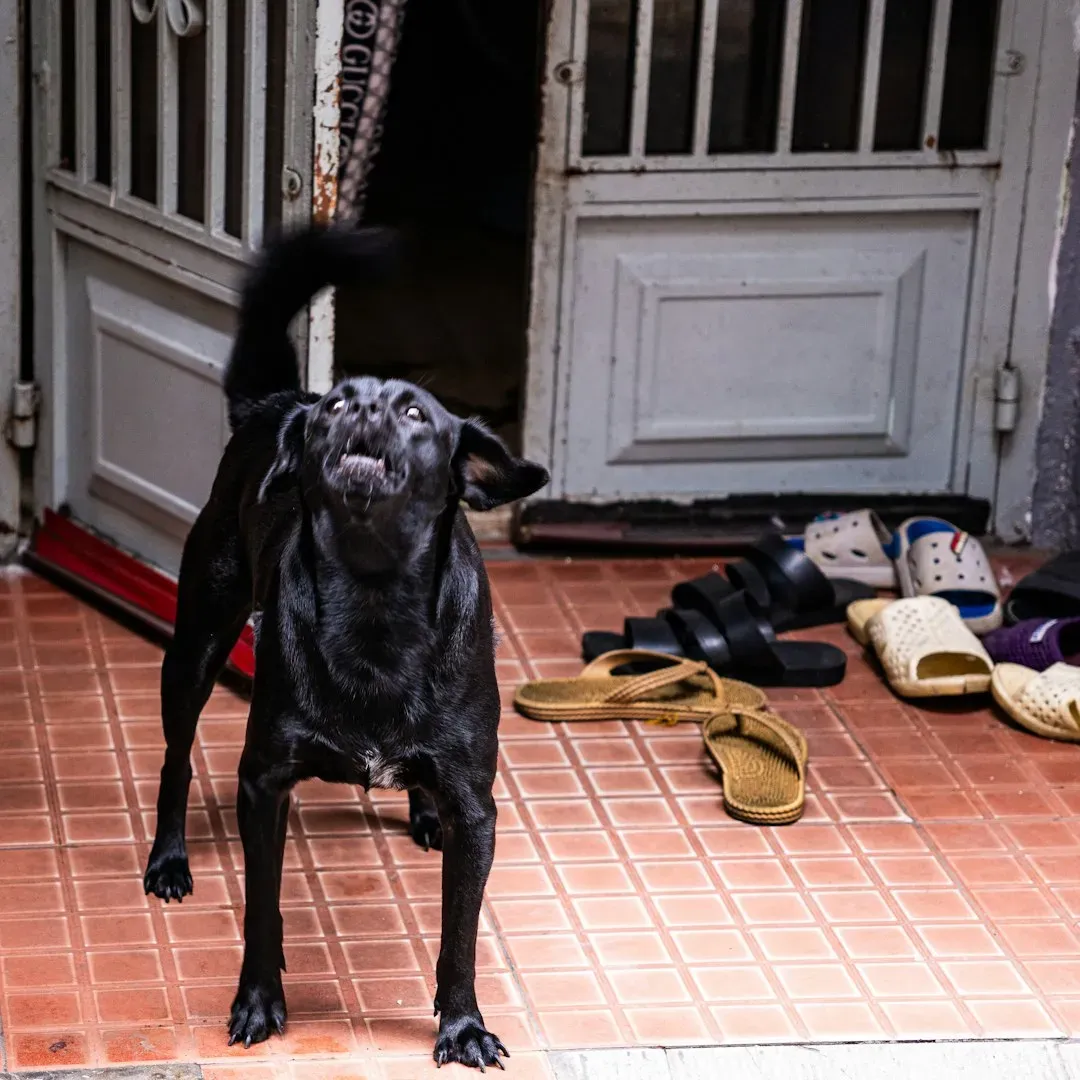
Beyond empathy, dogs have a strong protective instinct. In the wild, pack members look out for each other, and this behavior translates into the human-dog relationship. When voices are raised and body language becomes aggressive, your dog may interpret the situation as a threat to the pack’s harmony.
In response, your dog might position themselves between arguing parties, bark to interrupt the conflict, or display other behaviors aimed at de-escalation. This isn’t just about protection; it’s about maintaining the stability of their social group – you and your family.
Seeking Reassurance Amidst Chaos
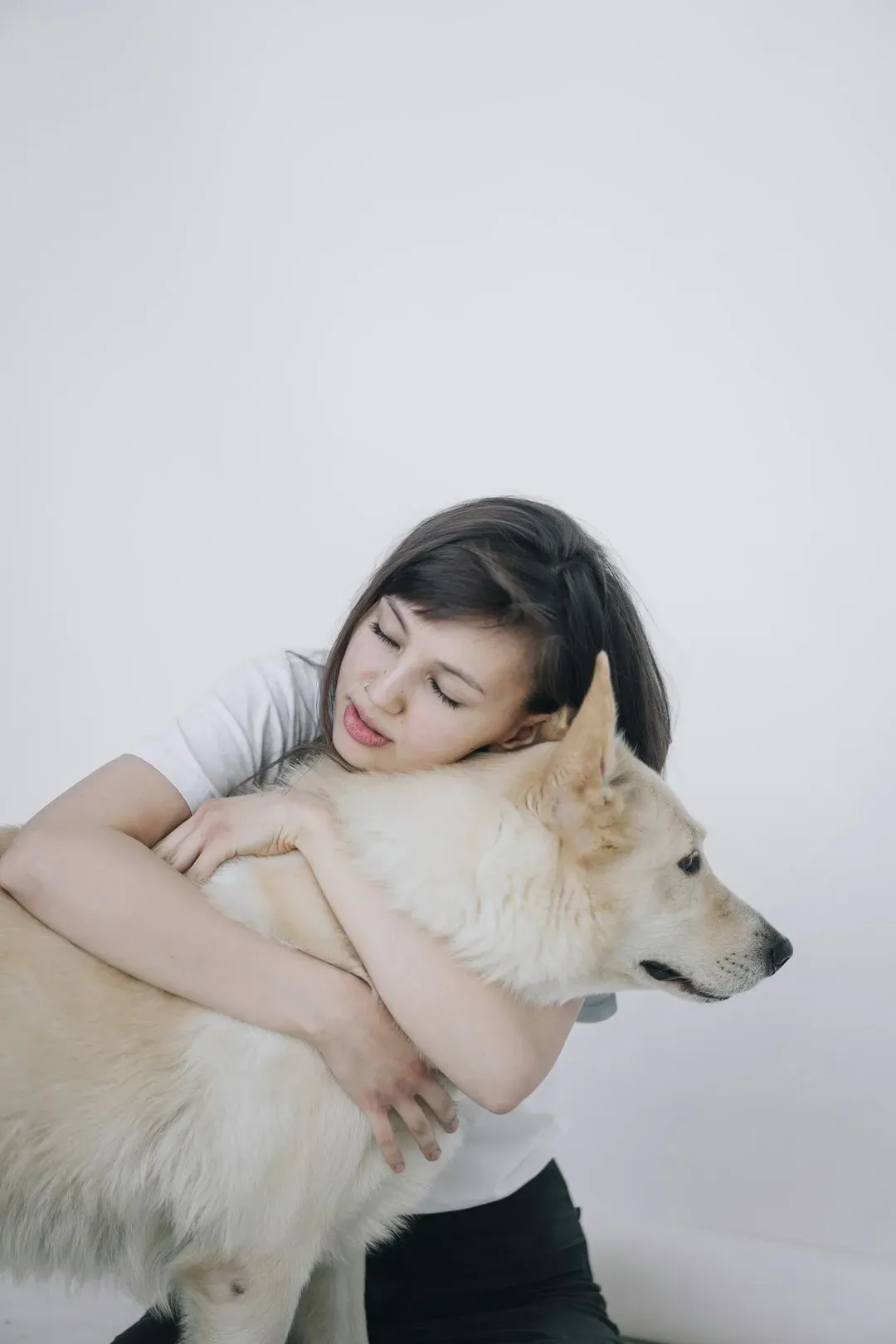
Arguments can create an environment of uncertainty and stress. For a creature that thrives on routine and predictability, this disruption can be unsettling. By staying close, your dog seeks reassurance from their primary source of comfort – you.
This behavior is akin to a child clinging to a parent during a storm. Your presence provides a sense of security, helping them navigate the emotional turmoil. It’s their way of coping with the stress induced by the conflict unfolding before them.
Intervening to Restore Peace
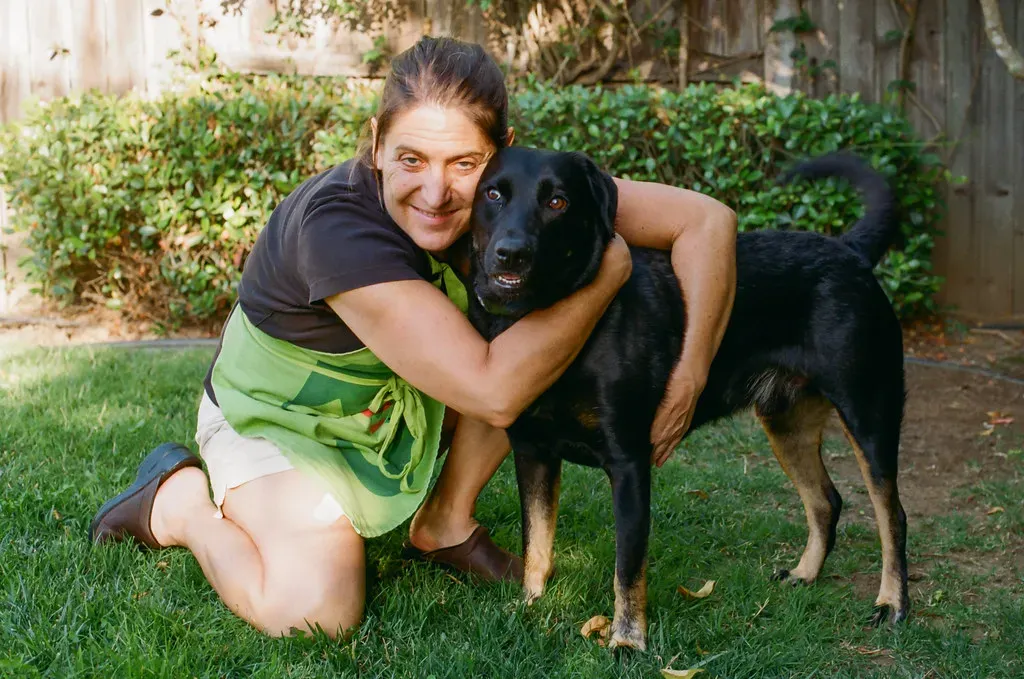
Some dogs go beyond passive observation and actively try to intervene during arguments. They might nudge you with their nose, paw at you, or even bring a favorite toy as a distraction. These actions are their attempts to redirect attention and diffuse the tension.
This intervention isn’t just about stopping the noise; it’s about restoring harmony. Dogs are attuned to the emotional climate of their environment, and they strive to maintain a peaceful atmosphere. Their actions reflect a deep-seated desire to keep the pack cohesive and content.
Recognizing Signs of Stress in Your Dog

It’s essential to recognize when your dog is stressed by household conflicts. Signs include excessive panting, drooling, whining, or changes in behavior like hiding or aggression. These indicators suggest that the arguing is affecting your dog’s well-being.
Being aware of these signs allows you to take steps to comfort your dog and minimize their exposure to stressful situations. Providing a safe space or engaging in calming activities can help alleviate their anxiety during tense moments.
Creating a Harmonious Environment
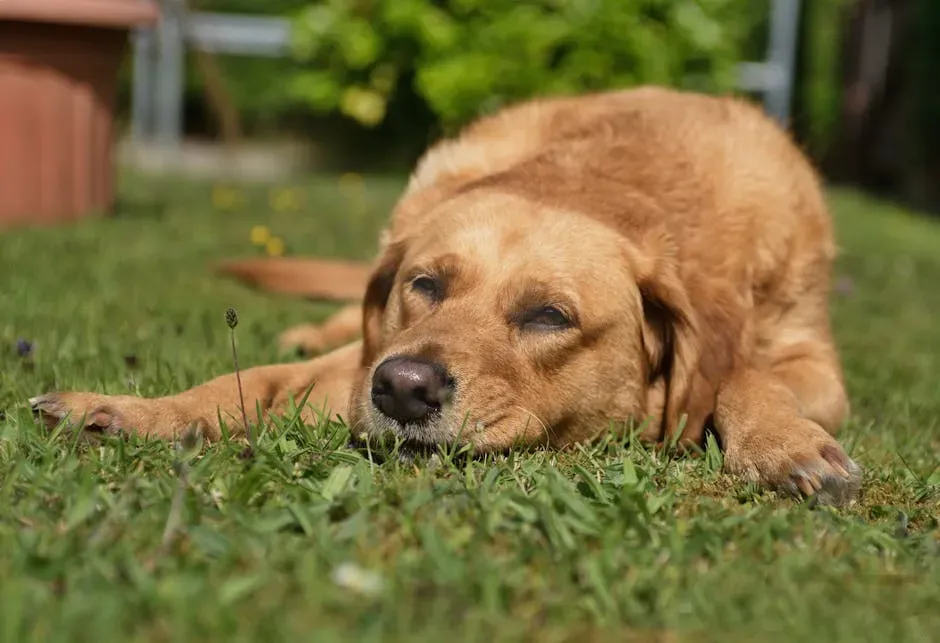
While disagreements are a natural part of human relationships, it’s beneficial to manage them in ways that minimize stress for your dog. Practicing calm communication, resolving conflicts away from your pet, and maintaining a stable routine can help create a more harmonious environment.
Remember, your dog looks to you for cues on how to react. By modeling calm behavior, you not only reduce their anxiety but also reinforce a sense of security and trust within your shared space.
Conclusion: A Testament to Unwavering Loyalty
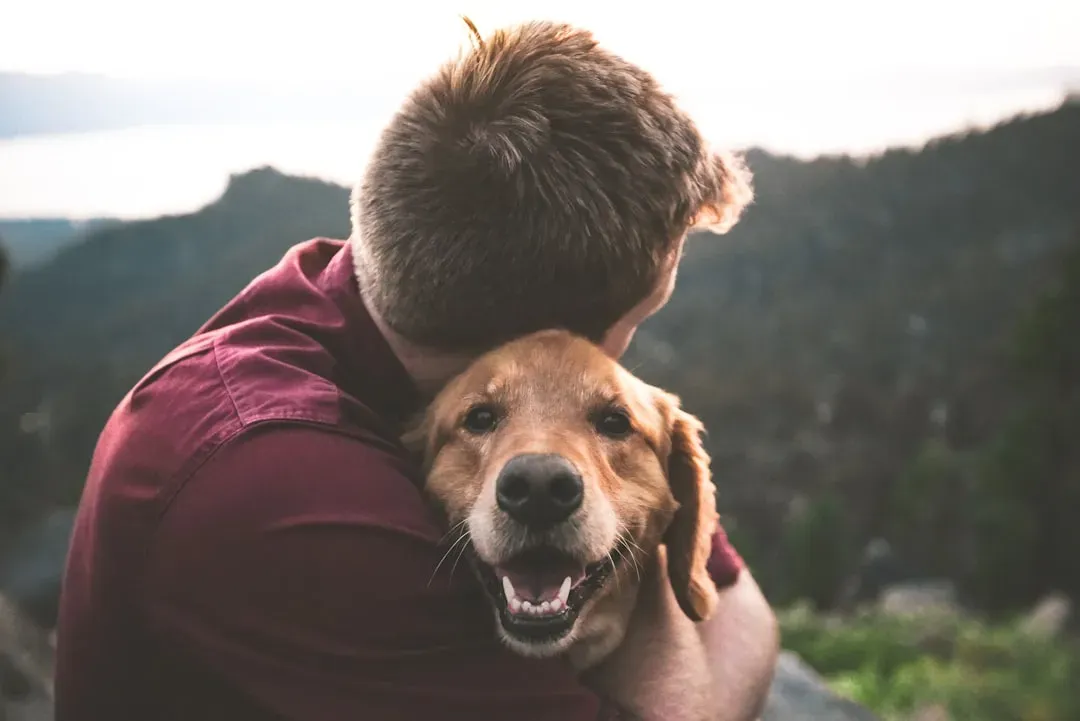
Your dog’s refusal to leave the room during arguments is a testament to their deep bond and loyalty. They sense your distress, share in your emotions, and strive to protect and comfort you. This behavior underscores the profound connection between humans and their canine companions.
So, the next time you notice your dog sticking close during a disagreement, recognize it as their way of saying, “I’m here for you.” It’s a silent, yet powerful, expression of love and solidarity. Isn’t it remarkable how much our furry friends understand and care for us?


