1. Unexplained Weight Loss or Gain
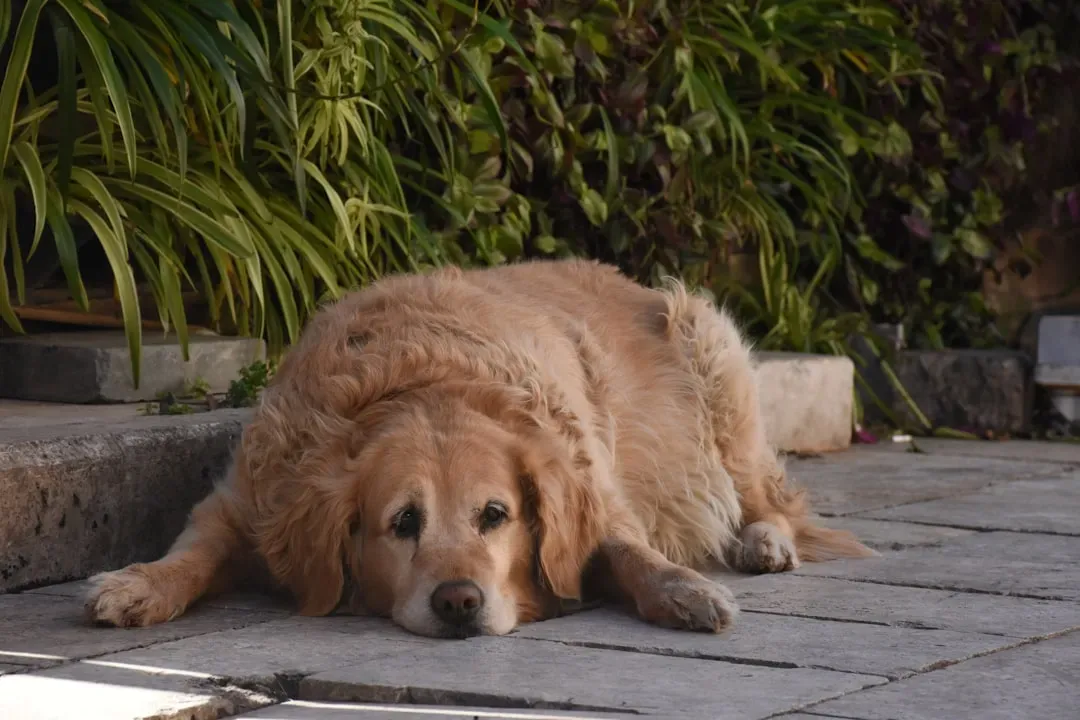
Sudden changes in your dog’s weight can be alarming. Unexplained weight loss might suggest issues such as diabetes, kidney disease, or cancer. Conversely, unexpected weight gain could indicate hypothyroidism or heart disease. Regular monitoring of your dog’s weight and consulting with your veterinarian about any significant changes is essential to address potential health concerns promptly.
Maintaining a balanced diet tailored to your senior dog’s needs, along with appropriate exercise, can help manage weight fluctuations. Your veterinarian can provide guidance on dietary adjustments and exercise routines suitable for your dog’s age and health status.
2. Increased Thirst and Urination
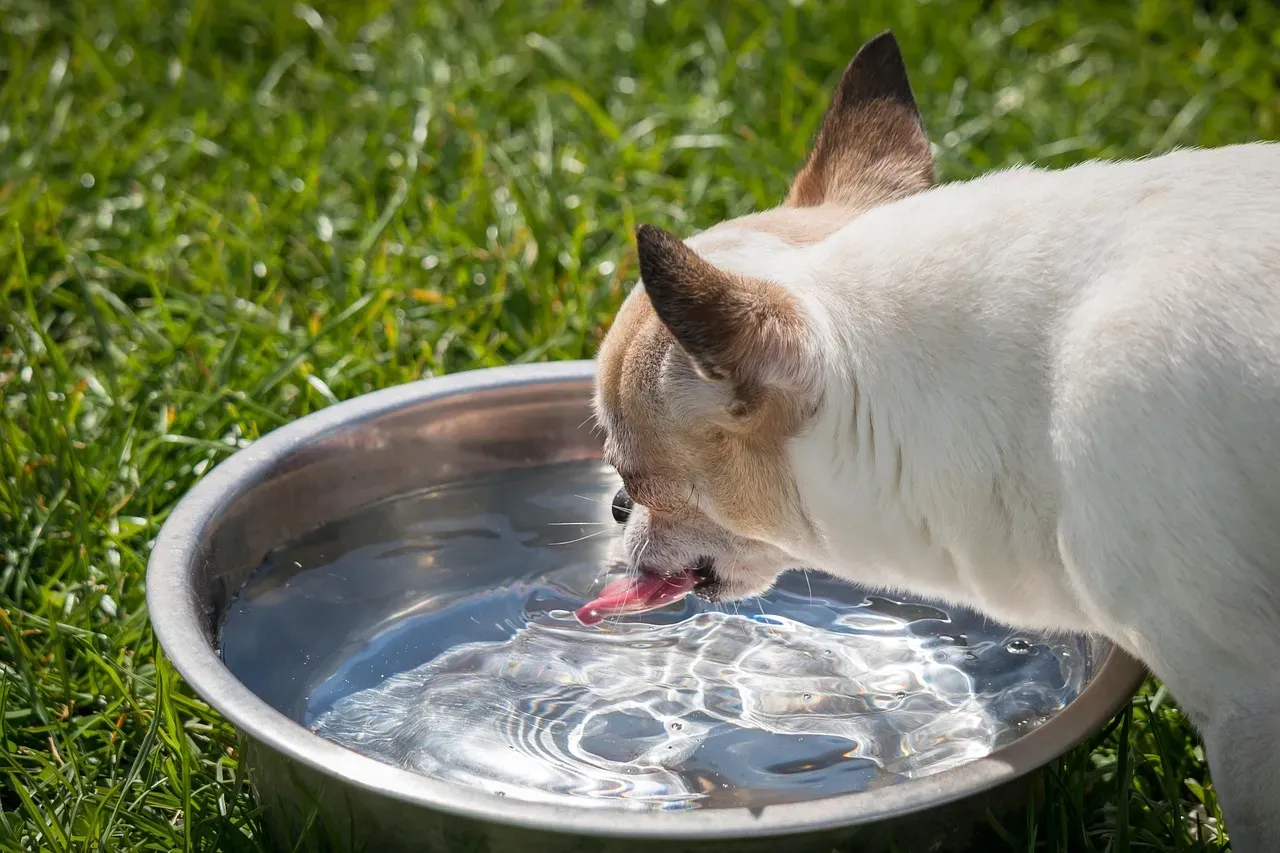
If your senior dog is drinking more water than usual and urinating more frequently, it could be a sign of underlying health issues such as diabetes mellitus or kidney disease. These conditions are common in older dogs and require immediate veterinary attention to manage effectively.
Monitoring your dog’s water intake and bathroom habits can provide valuable information for your veterinarian. Early detection and treatment of these conditions can significantly improve your dog’s quality of life and prevent further complications.
3. Difficulty Moving or Stiffness
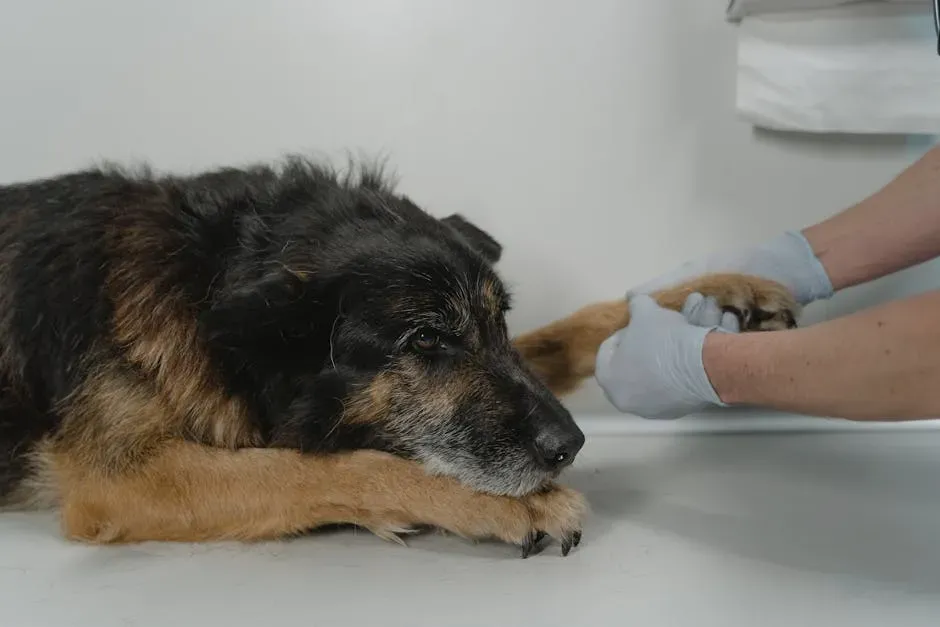
Arthritis and joint pain are prevalent in aging dogs, leading to stiffness, difficulty rising, or reluctance to climb stairs. These mobility issues can cause discomfort and reduce your dog’s activity levels. Implementing supportive measures like orthopedic bedding, gentle exercise, and prescribed medications can alleviate pain and improve mobility.
Regular veterinary check-ups can help identify and manage arthritis early. Your veterinarian may recommend physical therapy, weight management, or supplements to support joint health and maintain your dog’s comfort.
4. Changes in Appetite
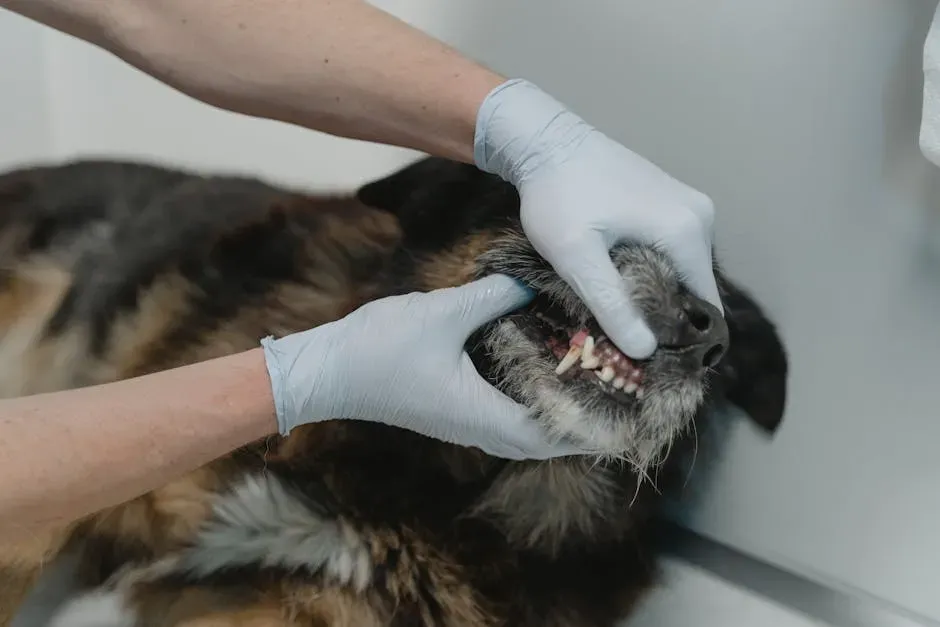
A noticeable decrease or increase in appetite can signal various health problems, including dental disease, gastrointestinal issues, or systemic illnesses. Dental problems, such as periodontal disease, are common in senior dogs and can make eating painful, leading to reduced food intake.
Regular dental care, including professional cleanings and at-home brushing, can prevent dental disease and associated appetite changes. If you notice any alterations in your dog’s eating habits, consult your veterinarian to determine the underlying cause and appropriate treatment.
5. Behavioral Changes
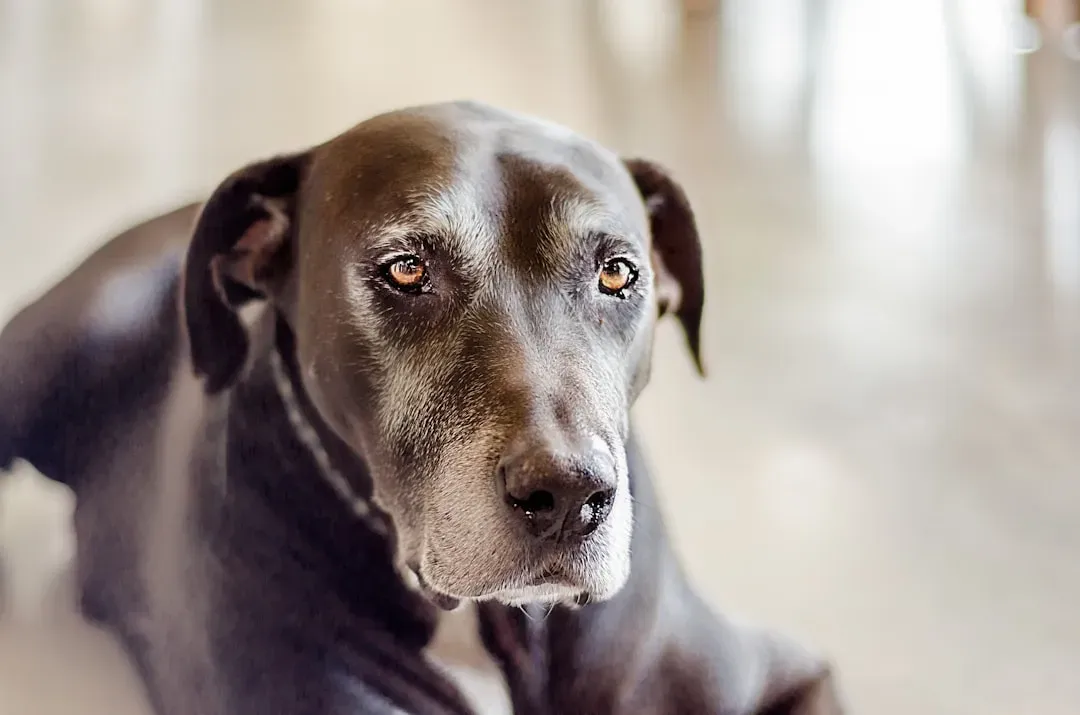
Alterations in behavior, such as increased aggression, anxiety, confusion, or withdrawal, may indicate cognitive dysfunction syndrome (CDS), akin to dementia in humans. Senior dogs with CDS might forget familiar routines, become disoriented, or exhibit changes in sleep patterns.
While aging can bring about behavioral changes, it’s crucial to differentiate between normal aging and signs of cognitive decline. Your veterinarian can assess your dog’s behavior and recommend interventions, including medications or environmental modifications, to support cognitive function.
6. Persistent Coughing or Breathing Difficulties
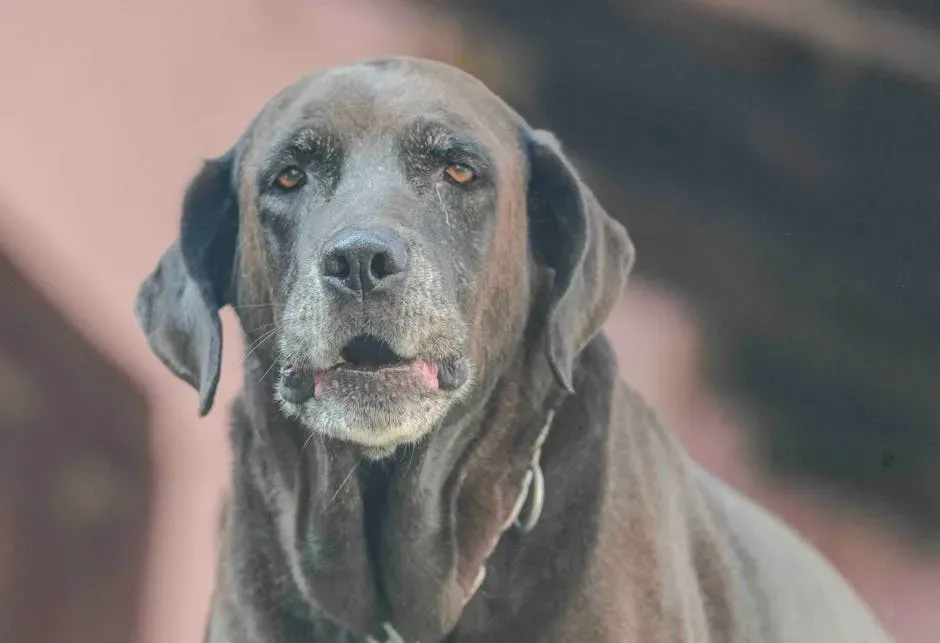
Chronic coughing, wheezing, or labored breathing in senior dogs can be indicative of heart disease, respiratory infections, or lung tumors. These symptoms should never be ignored, as they can signify serious health issues requiring immediate attention.
Prompt veterinary evaluation can lead to early diagnosis and management of respiratory or cardiac conditions. Treatment may involve medications, lifestyle adjustments, or other interventions to improve your dog’s breathing and overall well-being.
7. Changes in Vision or Hearing
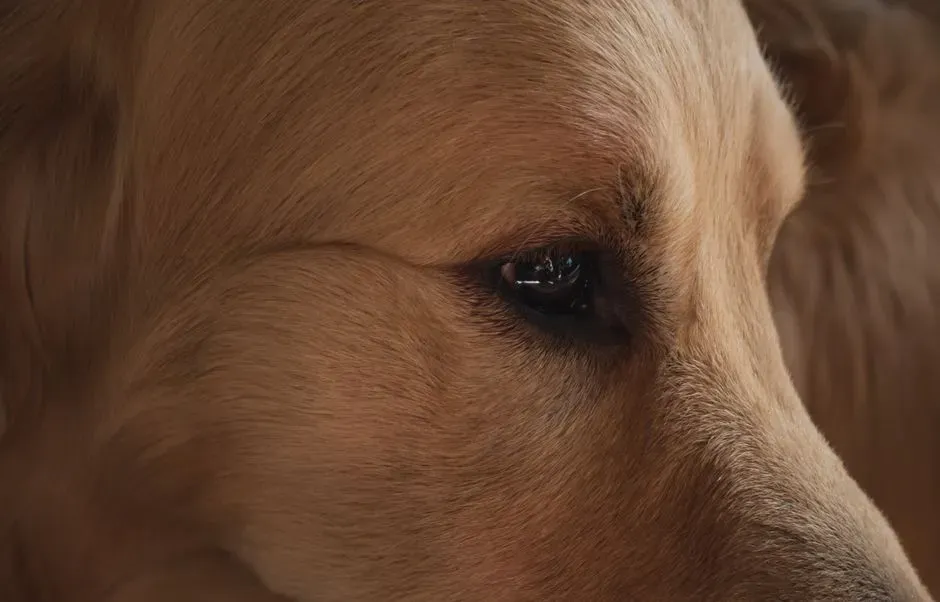
Gradual loss of vision or hearing is common in aging dogs. Signs include bumping into objects, reluctance to move in unfamiliar environments, or not responding to auditory cues. While some sensory decline is a normal part of aging, sudden or severe changes warrant a veterinary examination.
Adapting your home environment, such as keeping pathways clear and using tactile cues, can help your dog navigate more comfortably. Your veterinarian can also provide guidance on managing sensory loss and ensuring your dog’s safety and comfort.
8. Incontinence or House Soiling
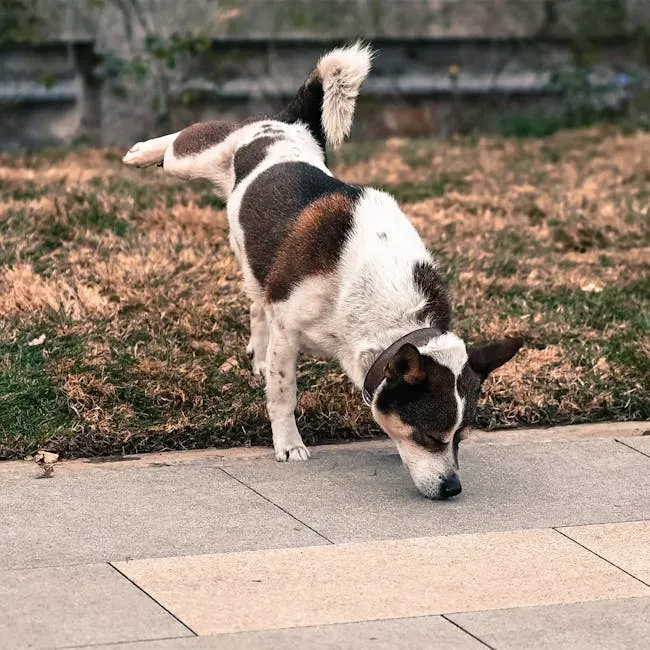
Accidents in the house or loss of bladder control can result from various issues, including urinary tract infections, kidney disease, or age-related muscle weakening. While incontinence can be distressing, it’s important to address the underlying cause rather than attributing it solely to aging.
Consulting your veterinarian can help identify the cause of incontinence and determine appropriate treatments or management strategies. Options may include medications, dietary changes, or modifications to your dog’s routine to accommodate their needs.
Conclusion