
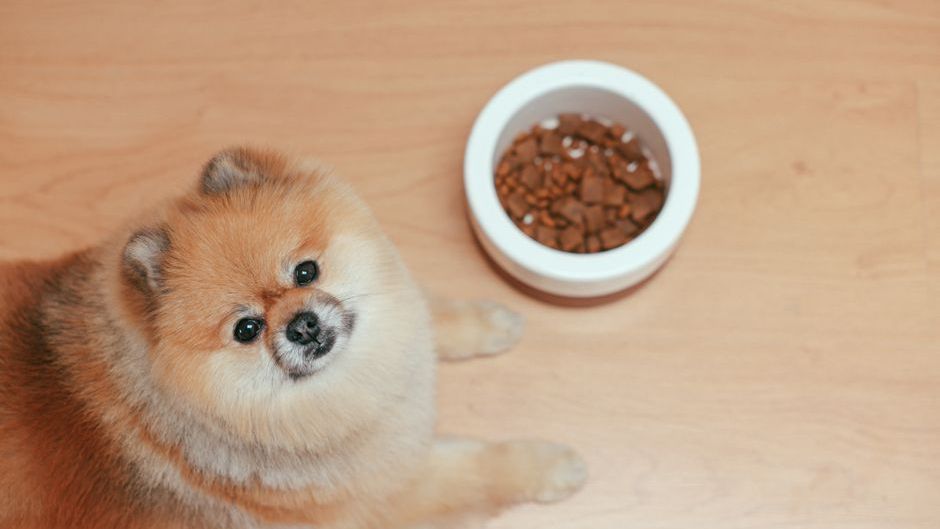
Dogs notice shifts in the air long before people do. They pick up on subtle changes in routine, scent, and energy that hint at something final. This quiet awareness often shows up in small, repeated actions that stand out from everyday habits.
Owners sometimes describe these moments as eerie or deeply moving. The behaviors feel tied to an understanding that the separation ahead will not end with a return. Watching for them can reveal just how closely dogs track the people they love.
Following You From Room to Room
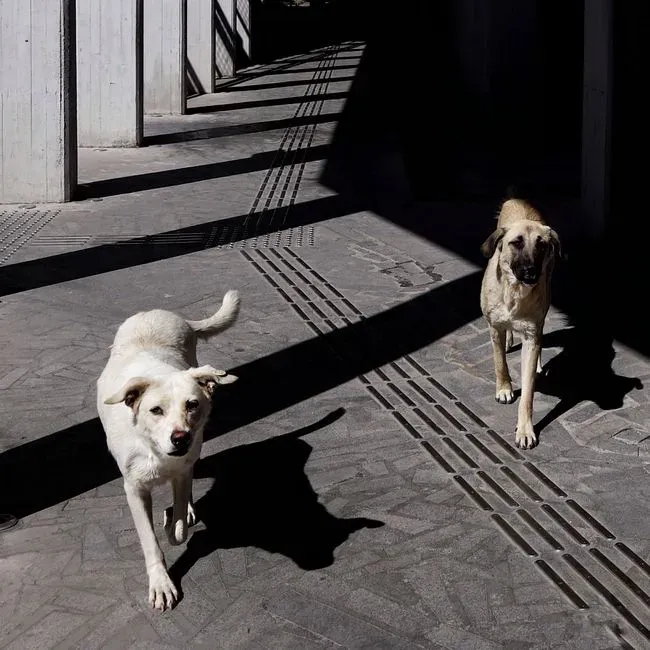
Your dog starts shadowing every step you take, even into spaces they usually ignore. The pattern feels different from normal curiosity because it carries a steady persistence that does not fade after a few minutes. They pause at doorways and wait for you to move again rather than settling down elsewhere.
This closeness often replaces their usual independent spots on the couch or by the window. They choose to stay within a few feet no matter how many times you shift position. The behavior builds a quiet pressure that makes the house feel smaller and more connected at the same time.
Skipping Meals They Normally Devour
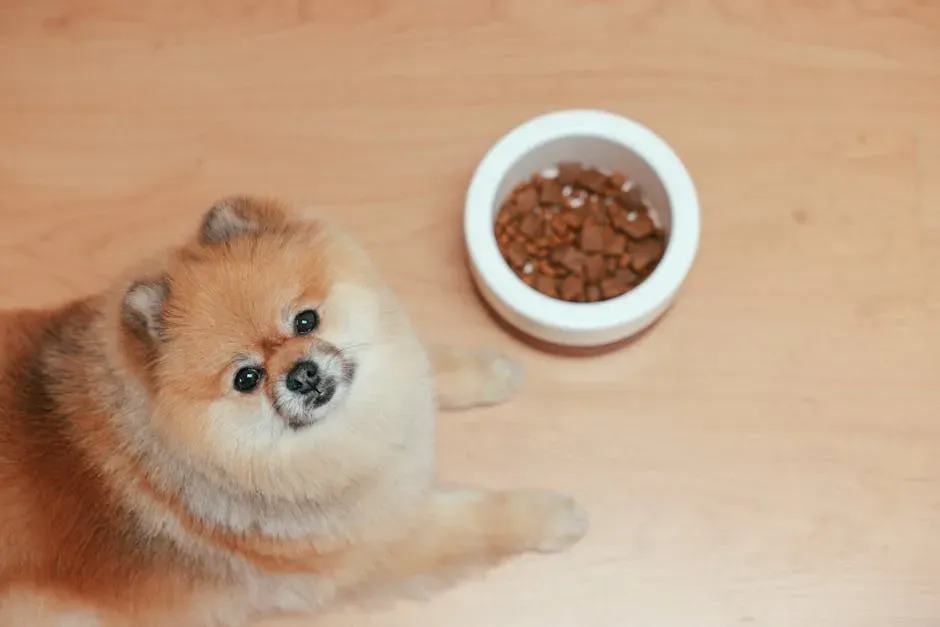
Food bowls sit untouched even when favorite treats appear. The refusal lasts beyond a single skipped meal and shows up at every feeding time without the usual excited pacing or tail wags. Dogs that once finished dinner in seconds now nose the kibble aside and walk away.
Owners notice the change feels deliberate rather than a passing stomach upset. Water intake may stay steady while solid food loses its appeal. The pattern points to a deeper shift in how the dog experiences the daily rhythm of the household.
Releasing Long, Low Howls at Odd Hours
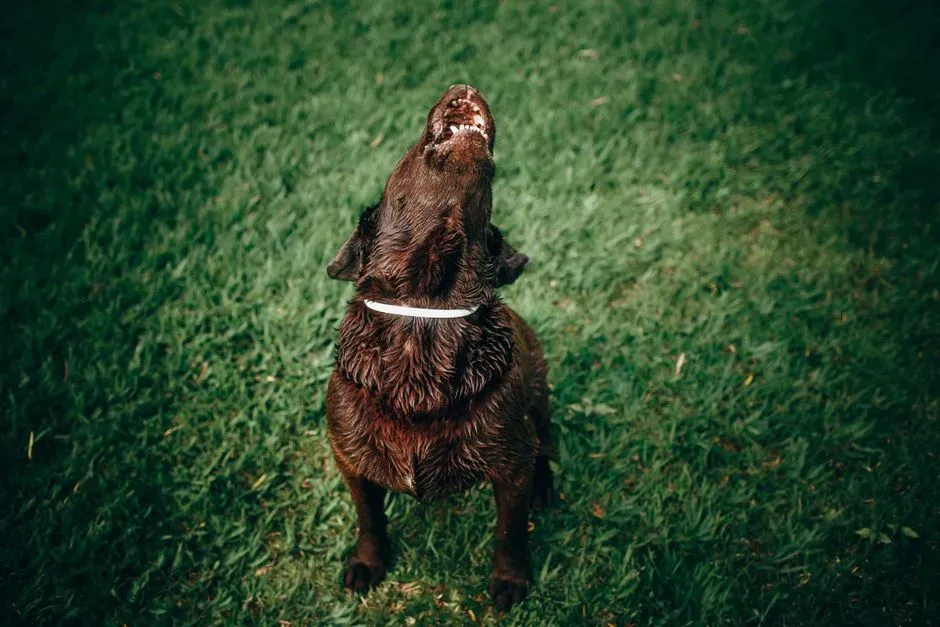
A new vocal sound emerges, deeper and more drawn out than typical barking or whining. It surfaces during quiet periods when nothing obvious triggers it, such as late at night or early morning. The howl carries a steady tone that repeats in short bursts before fading.
Neighbors or family members sometimes comment on the unusual timing. The sound lacks the sharp alert quality of guarding behavior and instead feels more like an expression of something unsettled. It tends to occur when the dog is alone in a room or near the door you last used.
Claiming Your Favorite Chair or Side of the Bed
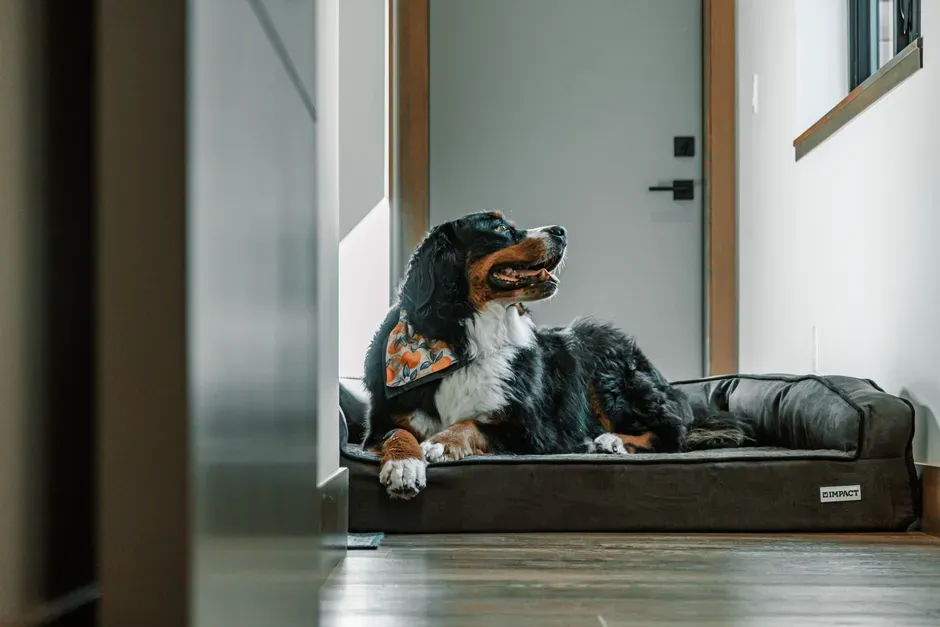
The dog begins settling into spots that belong to you, such as the cushion you always choose or the left side of the mattress. They curl tightly rather than sprawling, and they resist gentle nudges to move. The choice of location repeats across several days instead of happening once.
This shift replaces their own bed or mat in many cases. The dog may leave a light layer of fur behind as a marker of the new routine. The behavior creates a visible trace of their presence in the spaces you occupy most often.
Bringing Toys and Dropping Them at Your Feet
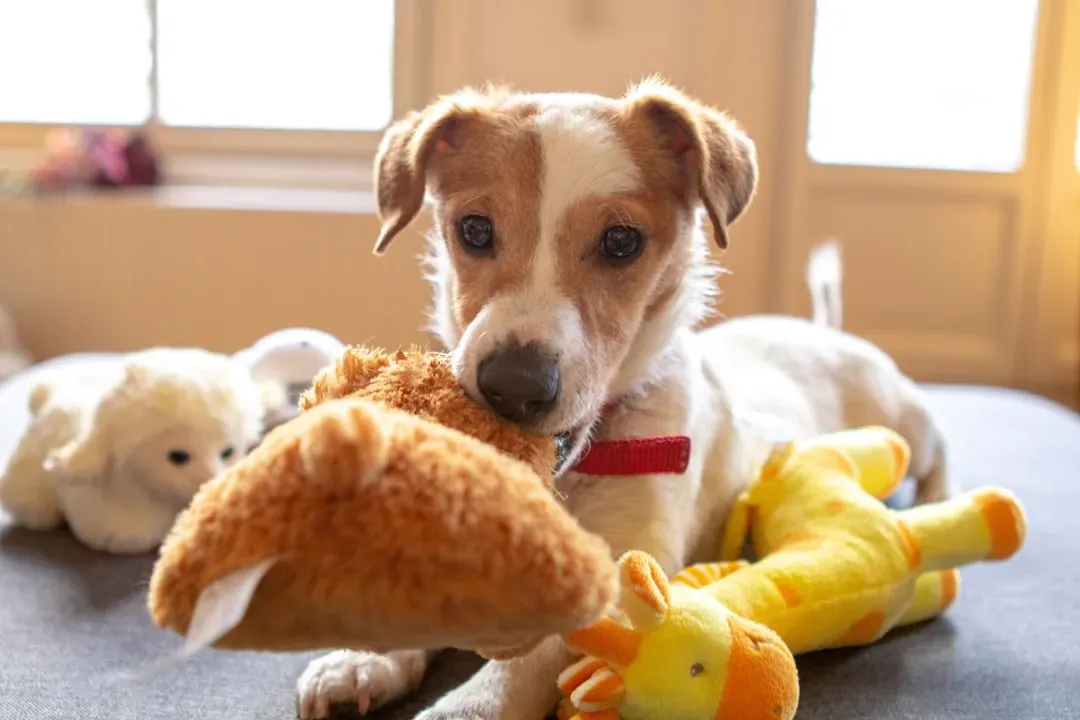
Familiar toys appear more frequently near your chair or beside the bed. The dog carries them over and releases them without the usual invitation to play. The gesture repeats even when you do not respond with a game or praise.
Some owners notice the items chosen are the ones you have handled recently. The pattern feels less like a request for attention and more like an offering left in place. It continues steadily rather than stopping after the first few attempts.
Holding Longer, Unblinking Stares
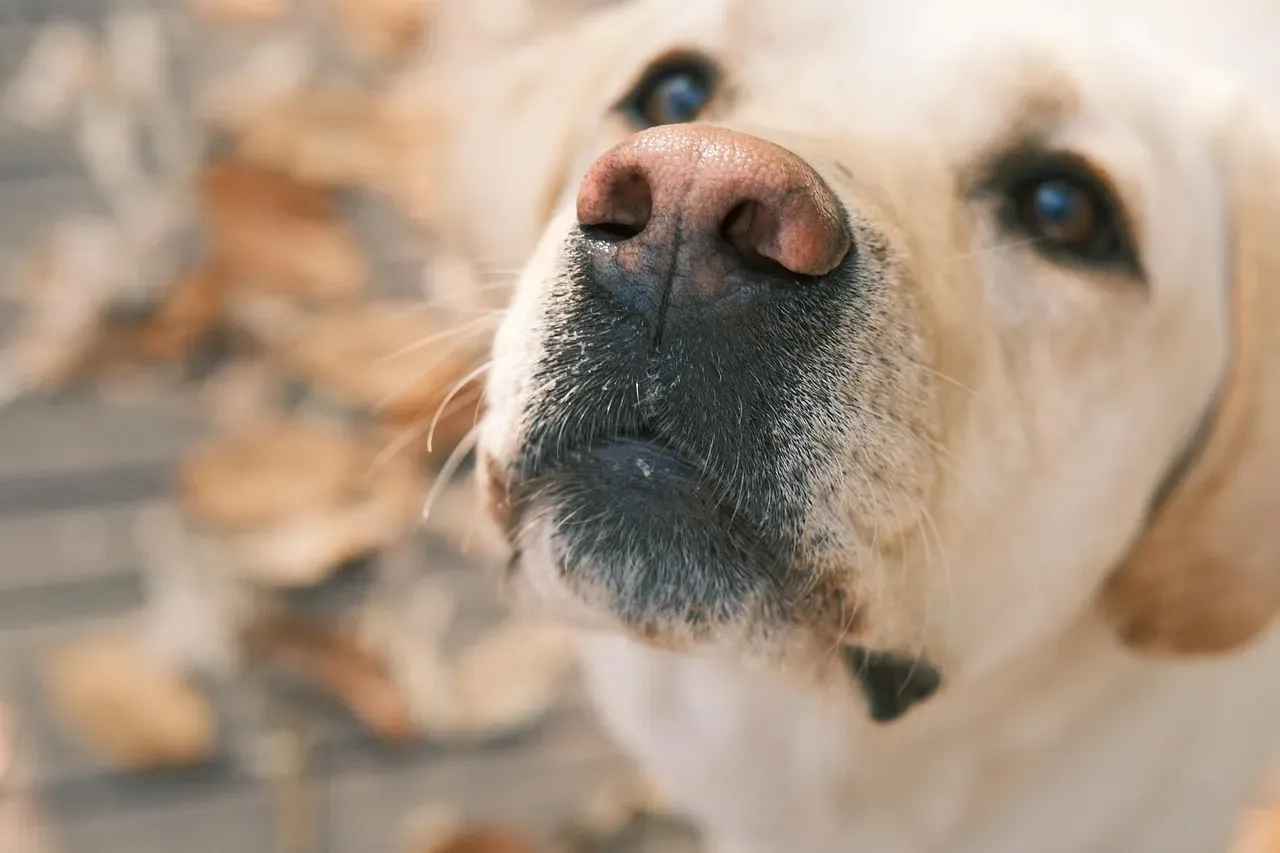
Eye contact lasts several seconds longer than usual and lacks the quick glances that normally break the moment. The dog watches from across the room or from a few feet away without looking away when you move. The gaze carries a steady quality that feels heavier than everyday observation.
This happens during quiet times when no commands or treats are involved. The dog may tilt its head slightly but keeps the focus fixed. The change stands out because it replaces the quick, darting looks that mark normal curiosity.
Losing Interest in Walks and Games They Once Loved

Leashes and balls no longer spark the same rush to the door or excited spins. The dog may start the outing but returns early or moves at a slower pace without the usual sniffing stops. Play sessions shorten and end without the familiar zoomies or repeated requests to continue.
The drop in energy appears across multiple days rather than after one tiring afternoon. Favorite toys stay on the floor untouched even when offered directly. The overall shift replaces the lively routines that once filled the afternoons and evenings.
These quiet signals remind us how deeply dogs read the people closest to them. Paying attention to small changes can strengthen the daily bond long before any final moment arrives. In the end, the real lesson lies in showing up fully while the time together still stretches ahead.


