
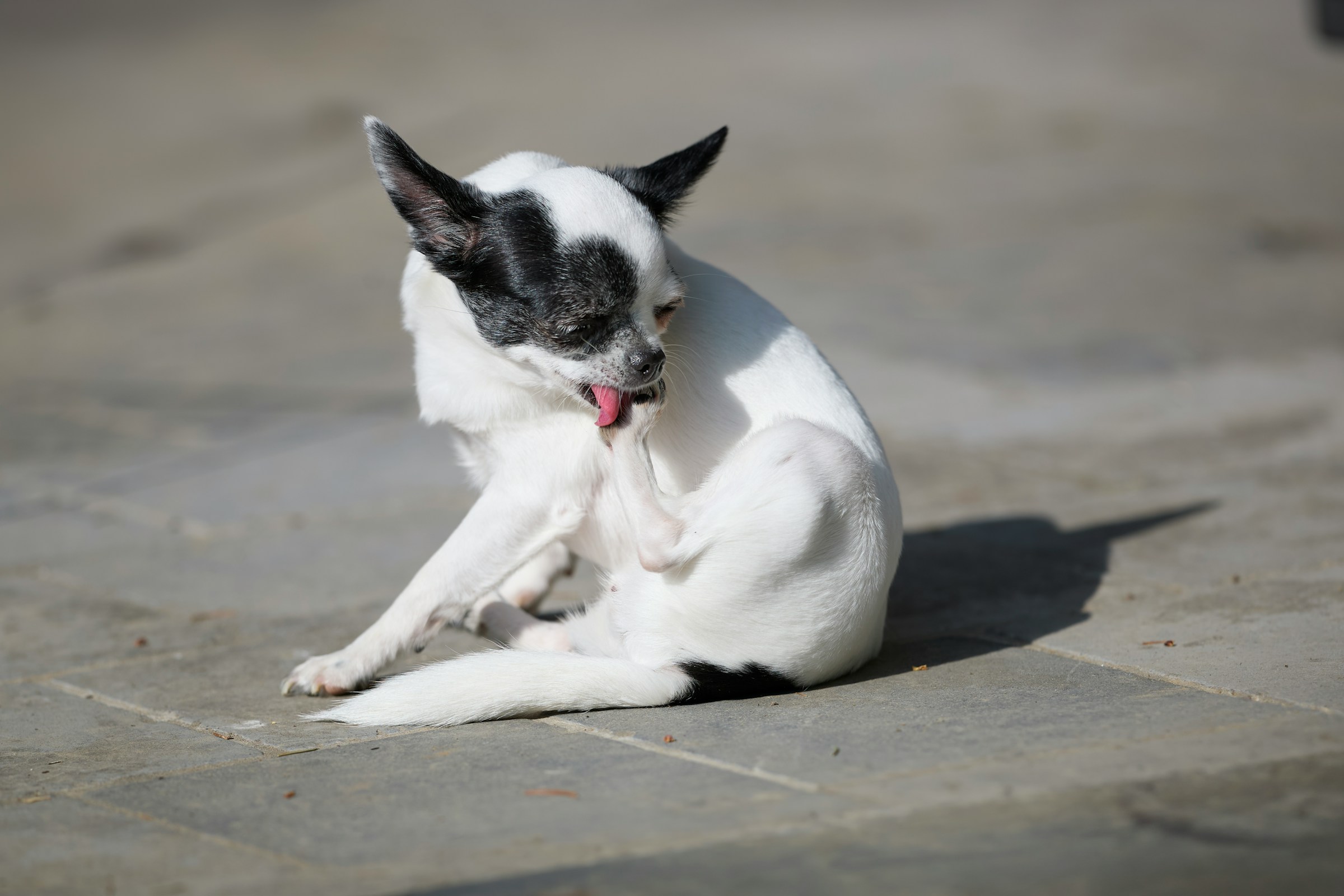
You know that awkward thing humans do where we check our phones in the middle of a tense conversation, even when there’s no new notification? Dogs have their own version of that, and it can look a lot like random scratching. One moment everything feels a bit uncomfortable, and the next your dog is suddenly attacking an invisible itch on their neck or behind their ear. It seems harmless, even funny, but dog psychologists say there’s often something deeper going on.
That sudden scratch might not be about fleas or dry skin at all. It can be what’s called a displacement behavior – a kind of emotional smoke screen your dog uses when they’re conflicted, frustrated, or unsure what to do. Once you see it, you can’t unsee it, and it completely changes how you read your dog’s body language. Let’s unpack what might really be happening when your dog “gets itchy” at the worst possible moment.
What Exactly Is Displacement Behavior in Dogs?

Displacement behavior is a fancy way of saying your dog is doing something that looks out of place for the situation they’re in. It’s like their brain temporarily switches channels to a random behavior because they’re feeling stuck between options – maybe they want to approach, but they’re nervous, or they want to get away, but they feel they shouldn’t. So instead of doing either, they scratch, sniff the ground, or suddenly start licking themselves.
In dog psychology, these behaviors are seen as pressure-release valves. They help the dog cope with emotional tension without directly confronting whatever is making them uncomfortable. It’s not manipulative or dramatic; it’s simply the nervous system trying to find a way out of a stressful moment. Scratching is just one of the more common and easy-to-miss versions of this coping strategy.
Why Dogs Scratch When They Feel Tense or Conflicted

When a dog suddenly starts scratching smack in the middle of a tense moment, it’s often because their emotional state is overloaded. Maybe a stranger is leaning over them, two dogs are squaring off, or you’ve just raised your voice. The dog feels that something is off, but they don’t know whether to freeze, flee, or try to appease. So their body defaults to a familiar, neutral action: scratching as if they’re itchy.
This scratching can actually help your dog regulate themselves. The repetitive motion and physical sensation give them something simple and predictable to focus on when everything else feels uncertain. Think of it like someone fiddling with a ring, tapping their foot, or playing with their hair when they’re stressed. It’s not that their head suddenly itches; their mind just needs somewhere to send that extra emotional energy.
Common Situations Where “Fake Itch” Scratching Shows Up

You’ll often see displacement scratching during social tension. That might be when two dogs meet nose to nose and things feel a bit stiff, or when a dog is being stared at by another dog or person. Instead of engaging directly, one dog might suddenly turn away and scratch behind their ear, almost like they’re pretending to be very busy with something else. It’s their way of saying they’re unsure and would like to defuse the tension.
It can also pop up in day-to-day life at home. Maybe you call your dog in a sharper tone than usual because you’re upset, and they pause, look at you, then start scratching. Or you’re about to trim their nails, and as you reach for their paw, they suddenly stop and dig at their neck. These are not random events; they can be little emotional blips where your dog is telling you the situation feels uncomfortable, even if they’re not outright panicking.
How to Tell If It’s Displacement Scratching or a Real Itch

Of course, sometimes a scratch is just a scratch. The trick is to look at context and patterns. If your dog scratches occasionally throughout the day in relaxed situations, that’s normal. But if the scratching always seems to appear right when there’s tension – a stranger approaches, two dogs get stiff, you scold them, or there’s conflict in the room – that’s a big clue you might be seeing displacement behavior instead of a genuine itch.
You also want to pay attention to the rest of their body language. Are their ears slightly back, eyes a bit wide, mouth tight, or body a little stiff? Do they pause, scratch quickly, then go right back to whatever was tense a moment ago? That “pause-scratch-resume” pattern is very telling. On the other hand, if your dog is frequently scratching, chewing, licking, or has red patches or flakes, that’s a sign to involve a vet and rule out allergies, parasites, or skin issues before chalking it up to emotions.
Other Displacement Behaviors You Might Be Missing
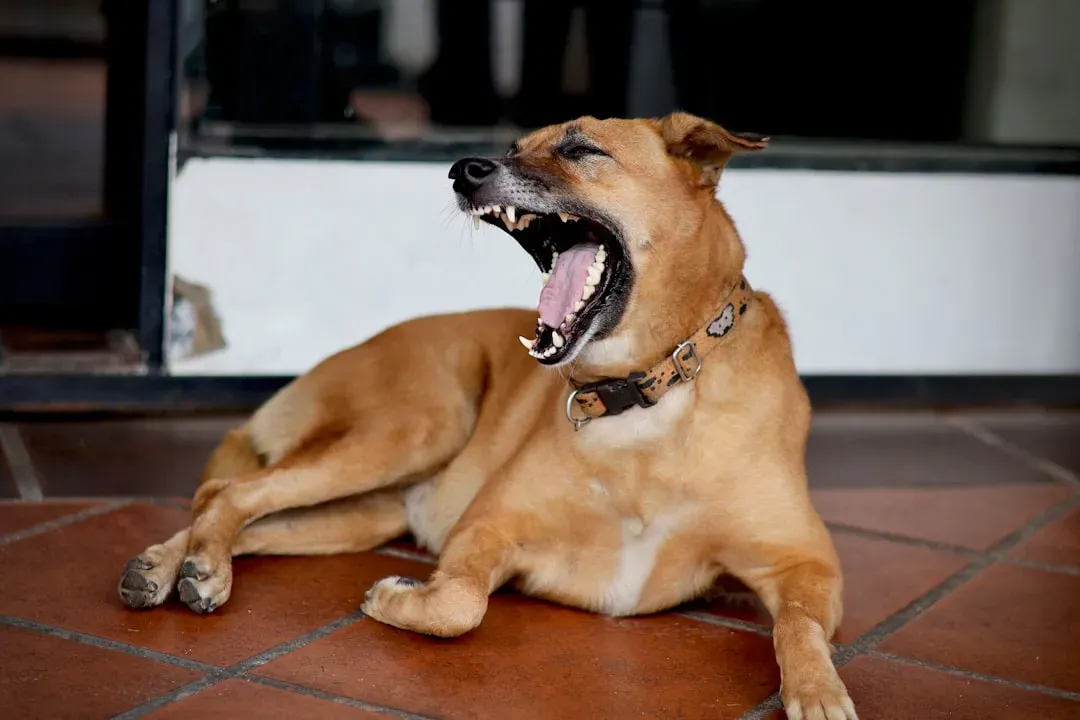
Scratching is just one entry in a whole catalog of displacement behaviors dogs use. You might see sudden sniffing of an apparently boring patch of ground right when someone reaches to pet them, random yawning during training, or an exaggerated shake-off when nothing wet has happened. Each of these can function as a little emotional reset when the dog feels conflicted or uncertain.
Once you start noticing these things, you realize your dog has been “talking” to you in subtle ways all along. For example, a dog who yawns three times in a row during a family hug session might not be tired; they might feel squished or overwhelmed. A dog that suddenly licks its lips and turns away while a child runs up can be quietly signaling discomfort. These small, seemingly out-of-place actions are like the dog’s version of nervous laughter or an awkward shrug.
What You Should Do When Your Dog Starts Scratching in a Tense Moment
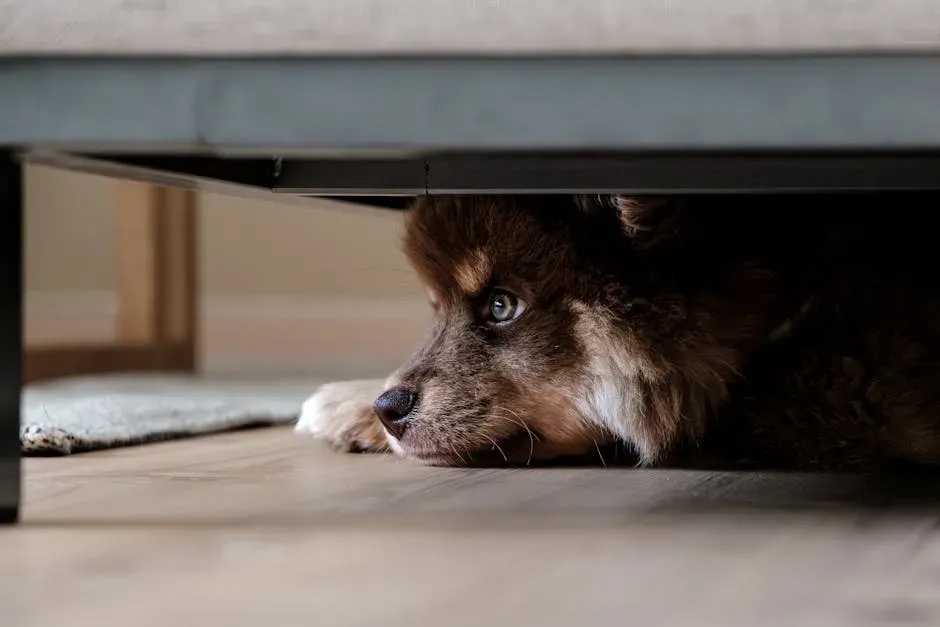
When you see that sudden scratch in a heavy moment, don’t punish it, rush it, or snap them out of it. Your dog is not being rude or ignoring you; they’re coping. The kindest response is to give them a little breathing room and soften the situation if you can. That might mean increasing distance from another dog, asking a person to stop leaning over them, or lowering the intensity of whatever you’re asking your dog to do.
You can also quietly support them by speaking in a calmer tone, turning your body slightly sideways instead of facing them head-on, or giving them a simple, easy cue they know well and enjoy. Over time, if you consistently respect these signs, your dog learns that you’re paying attention to their emotional comfort, not just their obedience. That alone can reduce how often they feel pushed into that tense, “I don’t know what to do” headspace.
Using This Knowledge to Build a Stronger Relationship With Your Dog
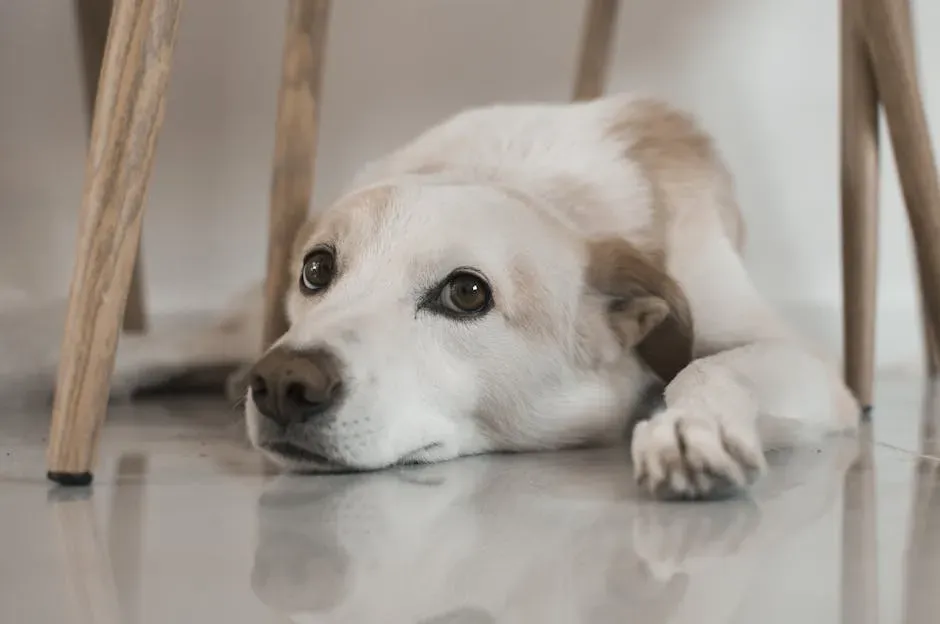
Understanding displacement scratching turns you from a casual dog owner into a kind of emotional translator. Instead of thinking your dog is being dramatic or “itchy at the worst times,” you start to see a sensitive animal trying to navigate a world full of loud noises, intense humans, and confusing social rules. That shift changes how you handle training, visitors, kids around dogs, and even how you interpret your own frustration when things go sideways.
I’ve found that once you really commit to reading these little signals, you stop expecting dogs to behave like robots and start meeting them where they really are: feeling, thinking creatures with their own coping habits. For me, it’s made rude behavior look a lot more like stressed behavior that needs support, not punishment. If scratching in a tense moment is your dog’s way of saying they’re overwhelmed, the real question becomes: will we treat that as a problem to correct, or as a conversation they’re bravely trying to start?


