
You know that little stab of guilt when you close the front door and your dog’s eyes lock on yours? A lot of people push that feeling down by telling themselves that dogs are fine alone for a full workday. But the truth is far more complicated, and in many homes, dogs are quietly struggling in ways their owners never notice.
How long a dog can safely be left home alone is not a one-size-fits-all number. It shifts with age, health, training, breed tendencies, and even the layout of your home. Once you see how many moving parts there really are, the old “eight hours is fine” rule starts to look pretty shaky.
The Myth of the “Standard” Number of Hours
People love simple rules, and the idea that a dog can be left alone for some neat number of hours, like a full workday, feels reassuring. It makes life easier to schedule, but it does not match how dogs actually cope physically and emotionally over time. What sounds convenient for humans can be quietly unfair for the animal stuck on the other side of the door.
In reality, that magic number changes dramatically depending on the dog. A calm six-year-old dog that sleeps most of the day is a completely different story from a restless one-year-old herding mix. Treating them the same is like assuming a toddler and a teenager can handle the exact same day with the same amount of supervision. They cannot – and neither can most dogs.
Age Changes Everything: Puppies, Adults, and Seniors

Age is one of the biggest factors in how long a dog can handle being alone, and it is often the most misunderstood. Puppies are like tiny bladders with legs; they simply cannot hold it for long and they need frequent bathroom breaks, play, and reassurance. Leaving a young puppy alone for hours on end is basically setting them up for accidents, stress, and future behavior problems.
Adult dogs typically have more bladder control and emotional resilience, but that does not mean they are robots that can be parked at home from dawn to dusk without consequences. Senior dogs often circle back to puppy-like needs, with weaker bladders, more anxiety, or medical issues that make long stretches alone physically uncomfortable and frightening. When you bring age into the equation, you realize how dangerous it is to rely on a single rule for every stage of a dog’s life.
Bathroom Needs: The Hard Physical Limit We Can’t Ignore
Even if a dog seems stoic or quiet, their body has a limit on how long it is fair to expect them to hold it. Many dogs will avoid soiling the house to the point of real discomfort, silently suffering because they do not want to break the “house rules.” Chronic over-holding can increase stress and in some cases contribute to urinary or digestive problems over time.
Think of it this way: if you would not be comfortable going that long without a bathroom break yourself, it is probably too long for your dog, especially day after day. Weather, water intake, health conditions, and medication can all reduce how long they can comfortably wait. Ignoring those details because “they did fine yesterday” is a bit like ignoring your own body’s signals because your calendar is full – it catches up eventually.
Emotional Well-Being: Boredom, Loneliness, and Silent Stress
Even if a dog can technically hold their bladder, that does not mean they are emotionally okay being alone for that same amount of time. Dogs are social animals; being left without company, stimulation, or control over their environment for long stretches can lead to boredom, frustration, and deep loneliness. Some dogs show this loudly through barking, howling, or destruction, but many simply shut down and sleep because there is nothing else to do.
Owners sometimes mistake a dog that lies around all day for a dog that is content, when in reality the dog may be under-stimulated and mentally checked out. Over months and years, low-level chronic stress and boredom can chip away at a dog’s quality of life in ways that are easy to miss. Emotionally, many dogs need shorter alone stretches than their bodies technically could endure, and that gap is where a lot of hidden suffering lives.
Breed, Personality, and Energy Level: Why Some Dogs Struggle More
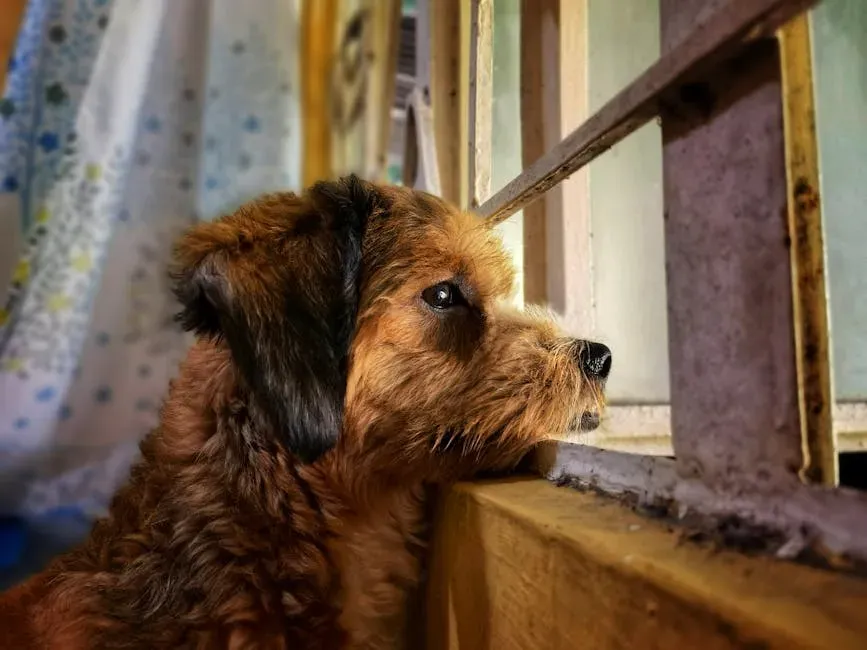
Not all dogs are wired the same. A mellow, low-energy breed or individual might tolerate long naps while you are gone, while a high-drive working or herding dog can feel like they are crawling out of their skin by mid-afternoon. Expecting a high-energy dog to calmly wait for hours on end with nothing to do is like asking a marathon runner to sit in a waiting room all day with no phone, no book, and no idea when they get to leave.
On top of breed tendencies, personality plays a massive role. Some dogs are naturally more independent and enjoy quiet time, while others are sensitive, clingy, or anxious and feel genuinely distressed when left alone. If your dog shadows you from room to room, struggles to relax when you pick up your keys, or explodes with frantic relief when you get home, that is a sign they are not just idly passing the time when you are gone.
Training, Routine, and the Power of Preparation
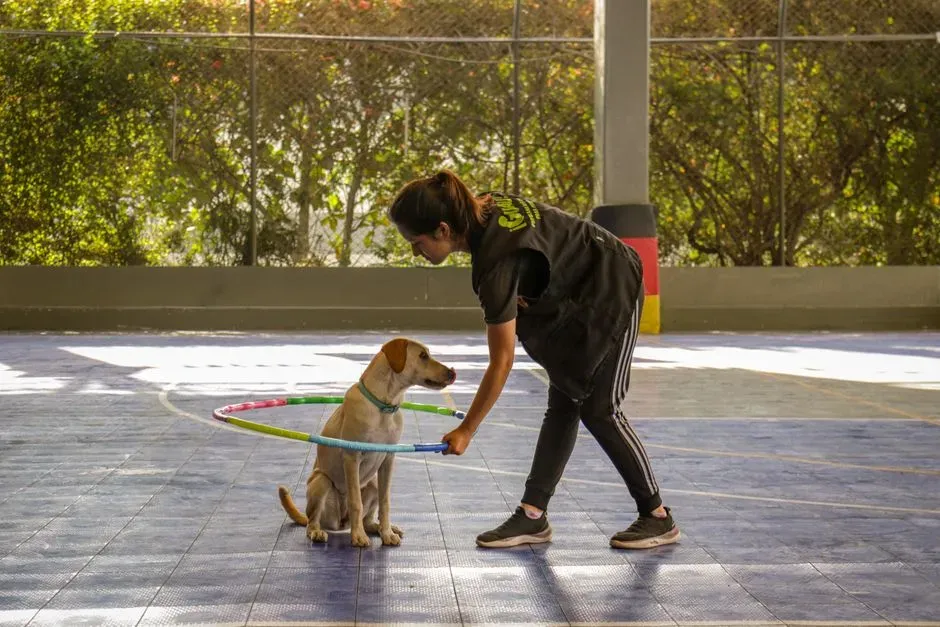
How you structure your dog’s life can stretch or shrink the amount of time they can handle being alone without harm. Dogs who are gradually taught to be okay with short periods of separation, given clear routines, and offered things to do – like chew items or safe puzzle toys – tend to cope better. On the other hand, dogs that go from constant company to sudden long absences often struggle hard, because the change is confusing and scary.
A predictable rhythm also matters more than people realize. Many dogs do better with a stable pattern of shorter alone blocks instead of unpredictable marathon stretches. If a dog knows they get a walk, some attention, and a chance to relieve themselves at certain points every day, they feel safer. In my own life, I have seen dogs transform from needy wrecks into calm companions once their humans stopped winging it and started planning the day around realistic, dog-friendly alone times.
Making Long Days Work: Practical Ways to Cut the Alone Time
For a lot of people, work and life schedules are genuinely tough; not everyone can just be home more. But that does not mean the dog has to face the same long, empty stretch of time every single day. Dog walkers, trusted neighbors, family members, doggy day care, or even alternating lunch breaks between partners can turn one long chunk of isolation into shorter, more manageable pieces.
Enriching the environment matters too: safe chews, food-dispensing toys, comfortable resting spots, background sound, and windows to look out of can all help a dog pass the hours with more calm and less tension. None of these completely replace human company, but they absolutely soften the impact. When owners treat their dog’s alone time like a serious welfare issue rather than an afterthought, the whole routine starts to bend in the dog’s favor.
An Opinionated Reality Check: Most Dogs Are Left Alone Too Long
Here is the uncomfortable opinion that a lot of people do not want to hear: in many modern homes, dogs are being left alone longer than they should be, and everyone just calls it normal. We have built lives around commutes, long shifts, and endless errands, and then squeezed dogs into the cracks with the hope that they will adapt. Some do, on paper – but adapting is not the same as thriving, and a quiet dog is not always a content dog.
If you share your life with a dog, it is worth asking a harder question than “What is the maximum they can tolerate?” and instead asking, “What is actually fair?” That mindset shift usually leads to creative changes: shared responsibilities, remote work days, professional help, or even choosing not to get a dog until life is more stable. Loving a dog means caring about the hours when you are not there just as much as the moments when you are. When you look at it that way, how long would you really leave yours alone?


