
Some dogs seem to make a secret pact with time: they get older, but somehow never really grow up. Their muzzles may turn silver, their naps a little longer, yet the moment you jingle a toy or say the word “walk,” that same goofy sparkle appears in their eyes. If you’ve ever met a grey-faced dog pogo-jumping at the front door like a teenager, you know exactly the kind of magic we’re talking about.
This article dives into fifteen dog breeds that stay notably playful well into their senior years, hanging onto their puppy side long after most dogs mellow out. Of course, every dog is an individual and good health and environment matter a lot, but these breeds have a well-earned reputation for acting delightfully younger than their age. If you’re dreaming of a companion who still wants to chase balls, learn silly tricks, and zoom through your living room at ten years old, you might just meet your future best friend in this list.
Labrador Retriever
Labrador Retrievers are the classic “never stop playing” dogs, and there’s a reason you so often see grey-muzzled Labs bouncing around like oversized puppies. Bred as working retrievers, they thrive on having a job, and for many family Labs, that “job” becomes chasing balls, splashing in any body of water they can find, and greeting every person like a long-lost friend. Even as they age, many Labs maintain that wiggly whole-body wag that makes them look like their tail controls the rest of them.
One thing I’ve noticed over and over with older Labs is that their play just gets a bit more thoughtful, not less enthusiastic. Instead of endless sprints, they might opt for shorter bursts of fetch followed by flopping down at your feet with the ball still proudly in their mouth. With decent joint care, healthy weight, and mental games like hide-and-seek or scent puzzles, a Lab’s playful spirit can stay front and center well into their golden years.
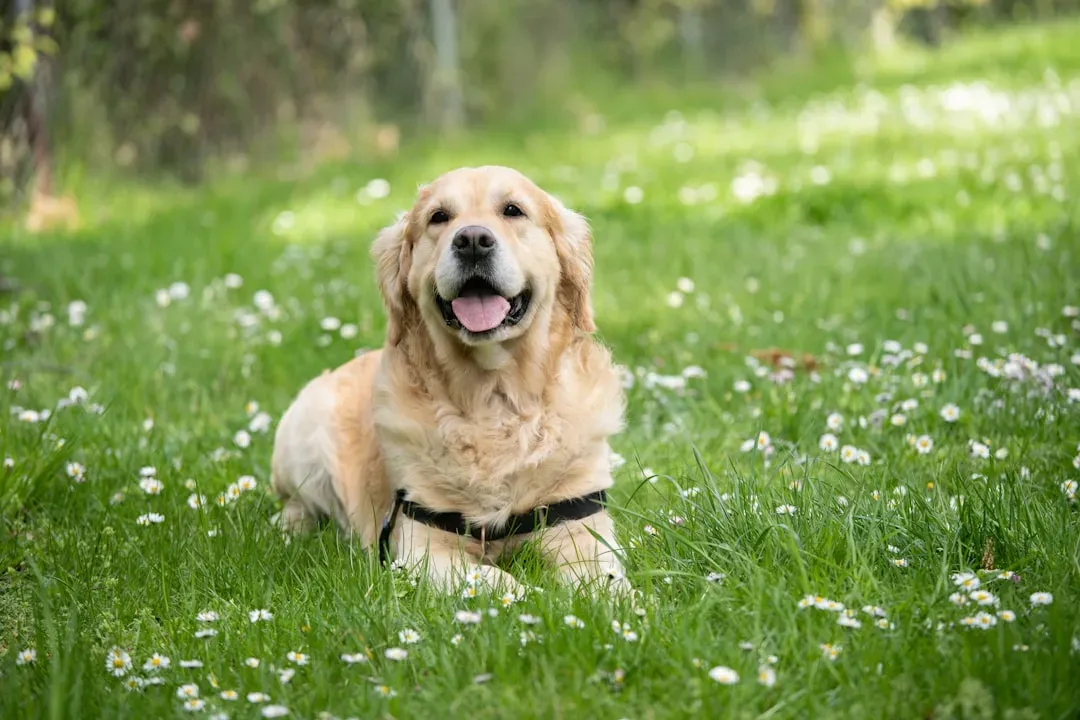
Golden Retriever
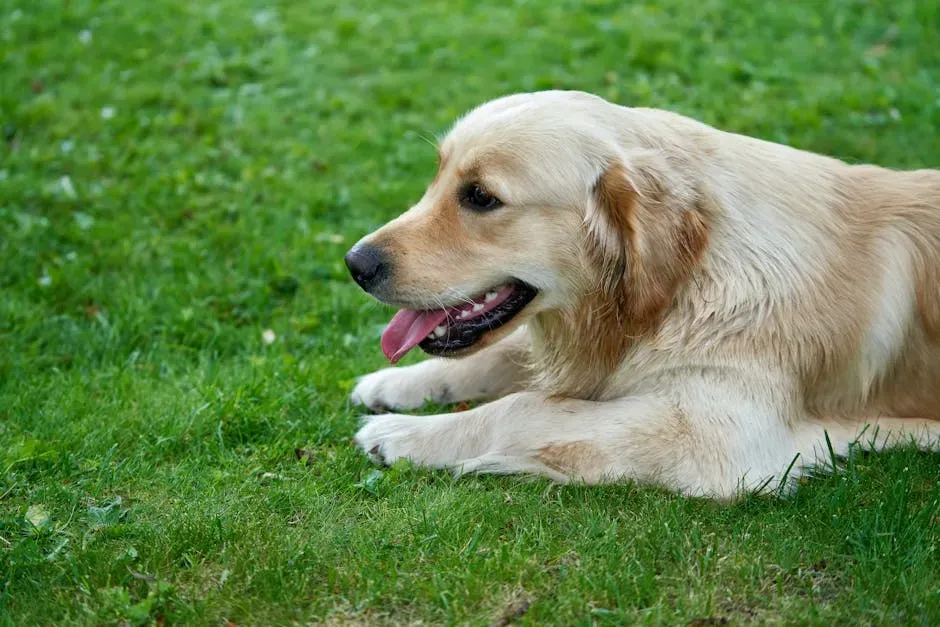
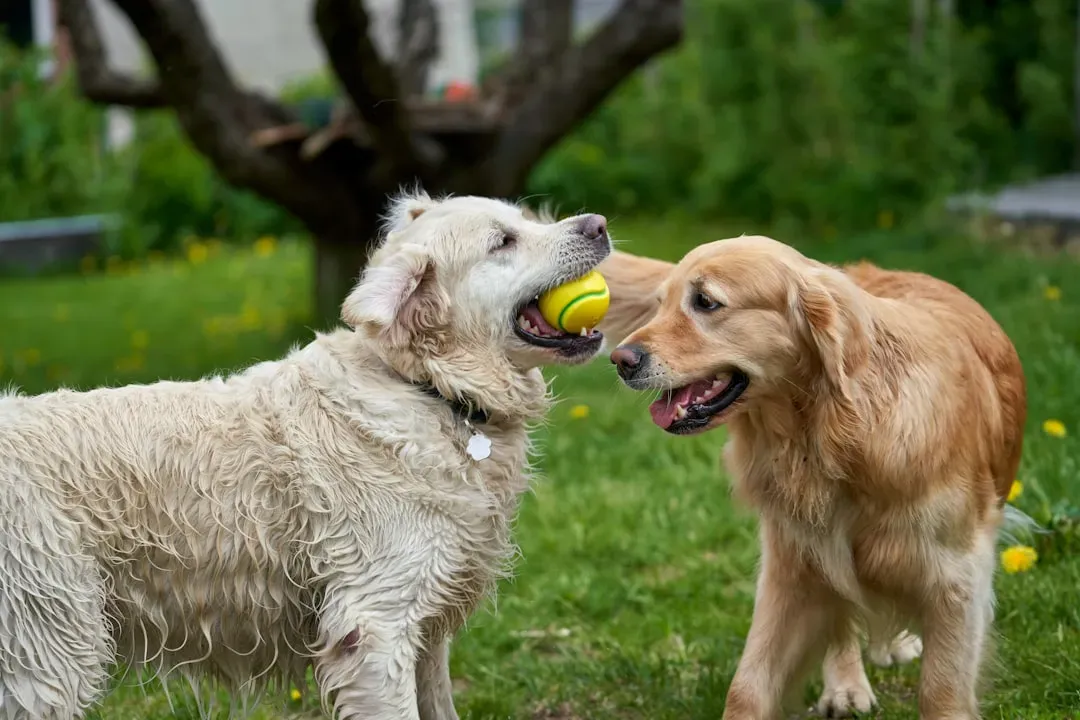
Golden Retrievers are the fluffy optimists of the dog world, and that sunny personality often shows up as lifelong playfulness. Even when their faces are dusted with white, many Goldens still bounce for toys, shove their favorite stuffed animal into your hands, and do that joyful little hop when they know it’s time for a walk. Their combination of intelligence, eagerness to please, and social nature keeps them interested in games and learning new tricks long after puppyhood.
What really stands out with older Goldens is how their play is woven tightly into their love of family. They’re the dogs who will still nudge your elbow with a slobbery tennis ball during movie night, or try to coax the kids into a game of chase in the yard even if they take more breaks between zoomies. Interactive play, swimming, and low-impact retrieve games are fantastic ways to keep a Golden’s body moving and that famously cheerful spirit sparkling as they age.
Beagle
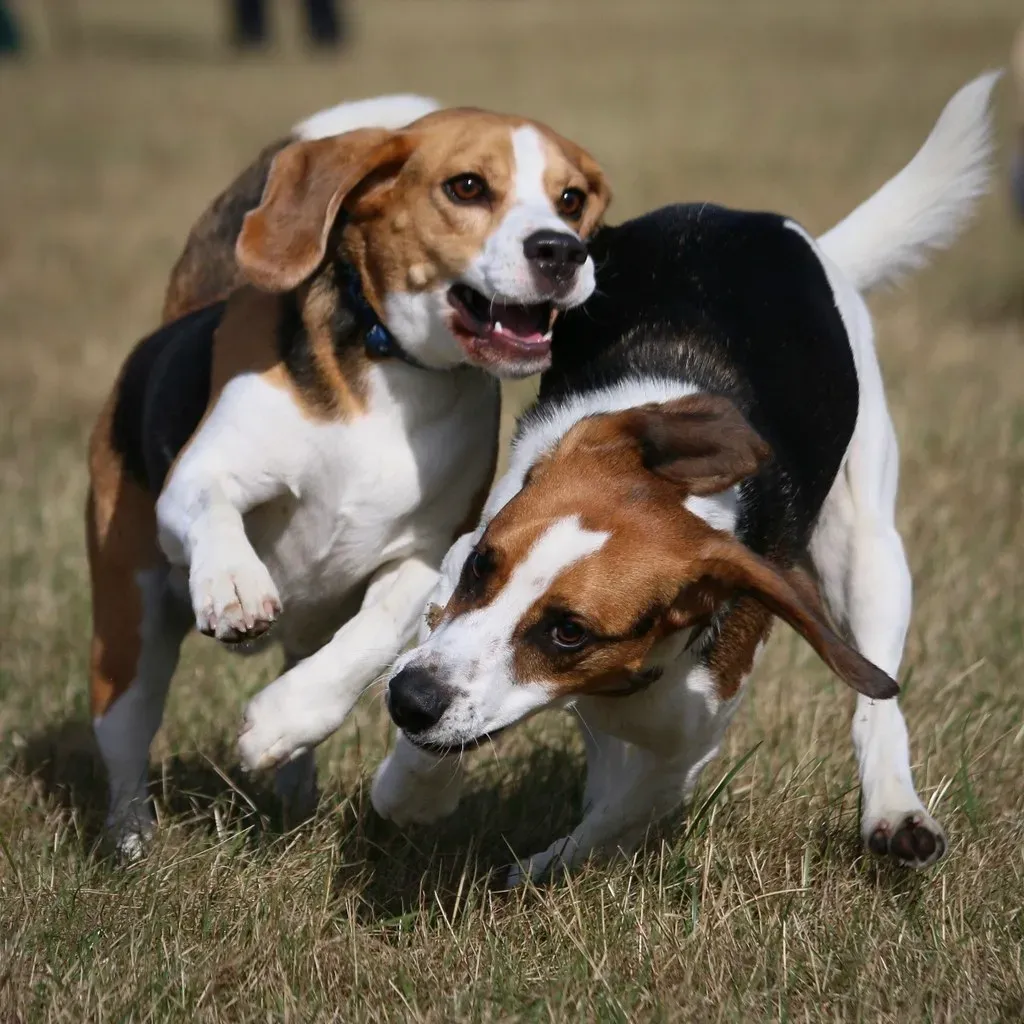
Beagles might get a little round in middle age if you are not careful with food, but that does not usually stop them from wanting to play. This merry scent hound tends to keep a youthful curiosity about the world, happily following interesting smells, poking their nose into bags and bushes, and turning walks into little adventures well into later life. Many older Beagles still love a good game of chase or wrestling match with a canine buddy.
Because their noses are such a big part of how they experience the world, Beagles stay engaged by games that let them sniff, track, and search. Simple “find the treat” games around the house or yard can light them up like puppies, even when their bodies are starting to slow down. In my experience, a Beagle with a balanced diet and steady exercise can stay surprisingly bouncy and mischievous way beyond the years when many other breeds start acting “older.”
Jack Russell Terrier (and Similar Small Terriers)
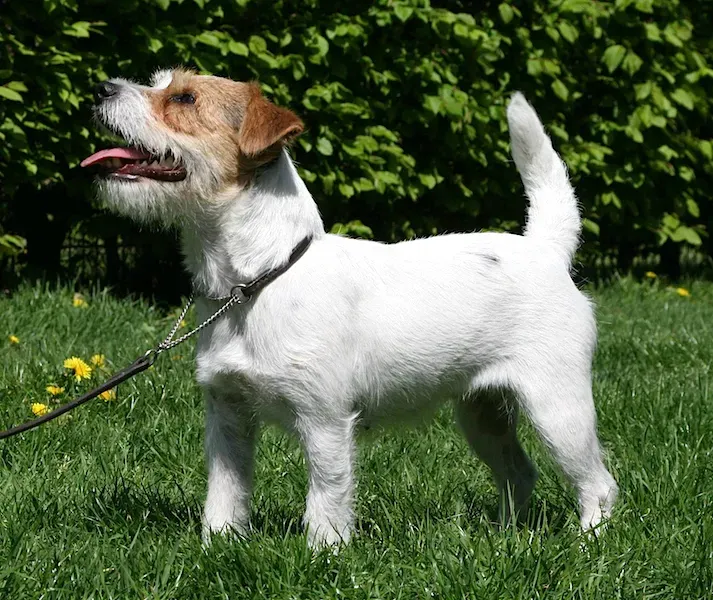
Jack Russell Terriers are legendary for their energy, and that fire does not vanish just because they hit a certain birthday. Many of them seem to live in a permanent state of “ready to go,” sprinting for toys, leaping after birds they will never catch, and inventing their own games around the house. Even when they get greyer and a bit creaky, you often still see that wild sparkle in their eyes and a readiness to play that surprises people who assume “small and older” means “calm.”
The same is true of several other small terriers with similar backgrounds: they were bred to work, dig, and hunt, and that drive often turns into lifelong playfulness in a modern home. The key is channeling their energy into safe, age-appropriate activities: controlled fetch, puzzle toys, trick training, and short bursts of play in secure spaces. If you love a dog with a big personality and a toy obsession that lasts a lifetime, a Jack Russell or close cousin can be a hilarious, lovable handful even as a senior.
Cavalier King Charles Spaniel
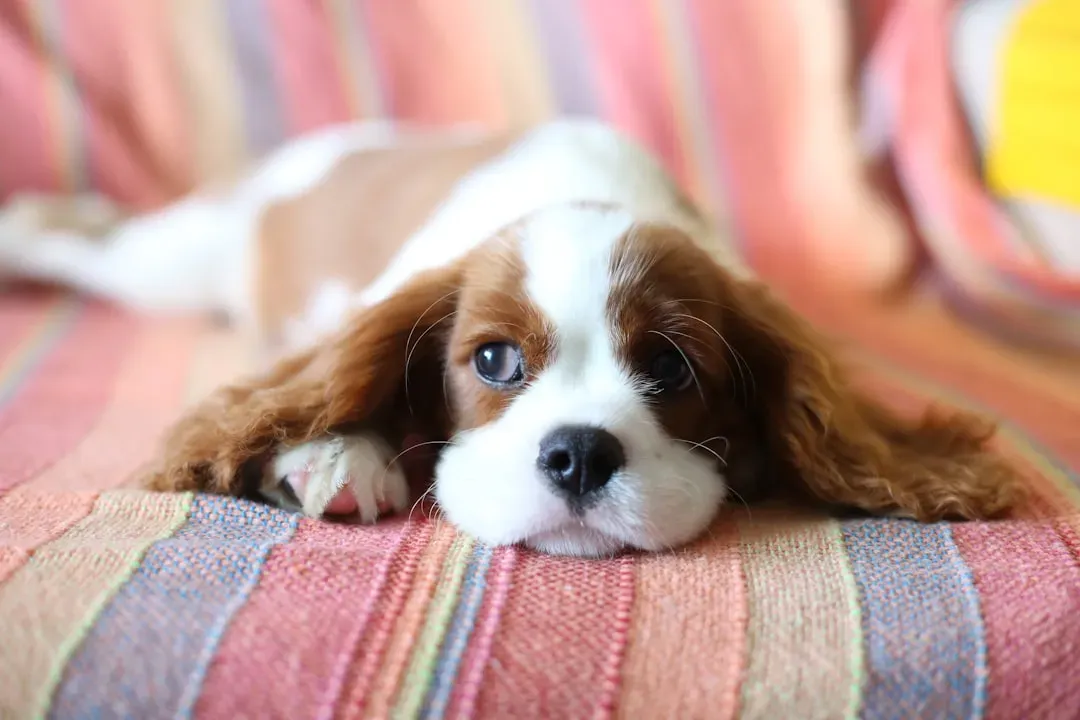
Cavalier King Charles Spaniels are often labeled “lap dogs,” but people are sometimes surprised by how playful they stay across their whole lives. Many older Cavaliers still bounce at the sight of a favorite toy and happily join in gentle games of chase or tug in the living room. They typically have a soft, sociable nature, which means they rarely lose interest in interacting with their people, even when they do start to slow down physically.
What I like about Cavaliers is that their play is often a mix of sweetness and silliness. They may dash around with a toy, then suddenly drop it and roll over dramatically for belly rubs, as if the whole game was just an excuse to get closer to you. Low-impact play, easy fetch, and short exploratory walks can keep a Cavalier’s playful side active into older age, especially if their heart and joints are well monitored by a vet.
Border Collie
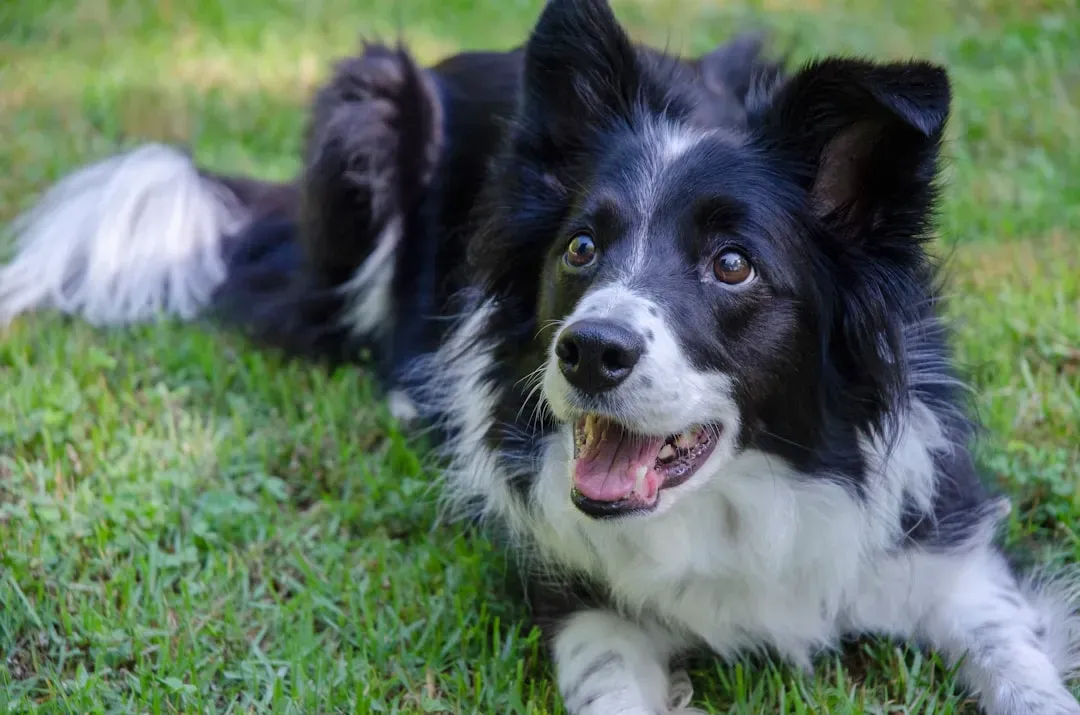
Border Collies are one of the most intelligent and driven breeds, and that sharp mind is part of why their playfulness tends to last. Many older Border Collies still light up at the sight of a ball, frisbee, or herding-style game, and they often invent their own “jobs” if you don’t give them one. You will see seniors who still try to herd children, other dogs, or even vacuum cleaners, which is their way of staying engaged with the world.
Because their brains are so active, boredom is the real enemy, not age. Older Border Collies often thrive with mentally challenging games rather than just physical ones: advanced trick training, nosework, and gentle agility-style exercises adjusted for their body. If you live with one, you quickly learn that you do not simply “retire” a Border Collie; you help them shift from high-intensity zooms to clever, playful tasks that keep that bright, slightly obsessive spark burning.
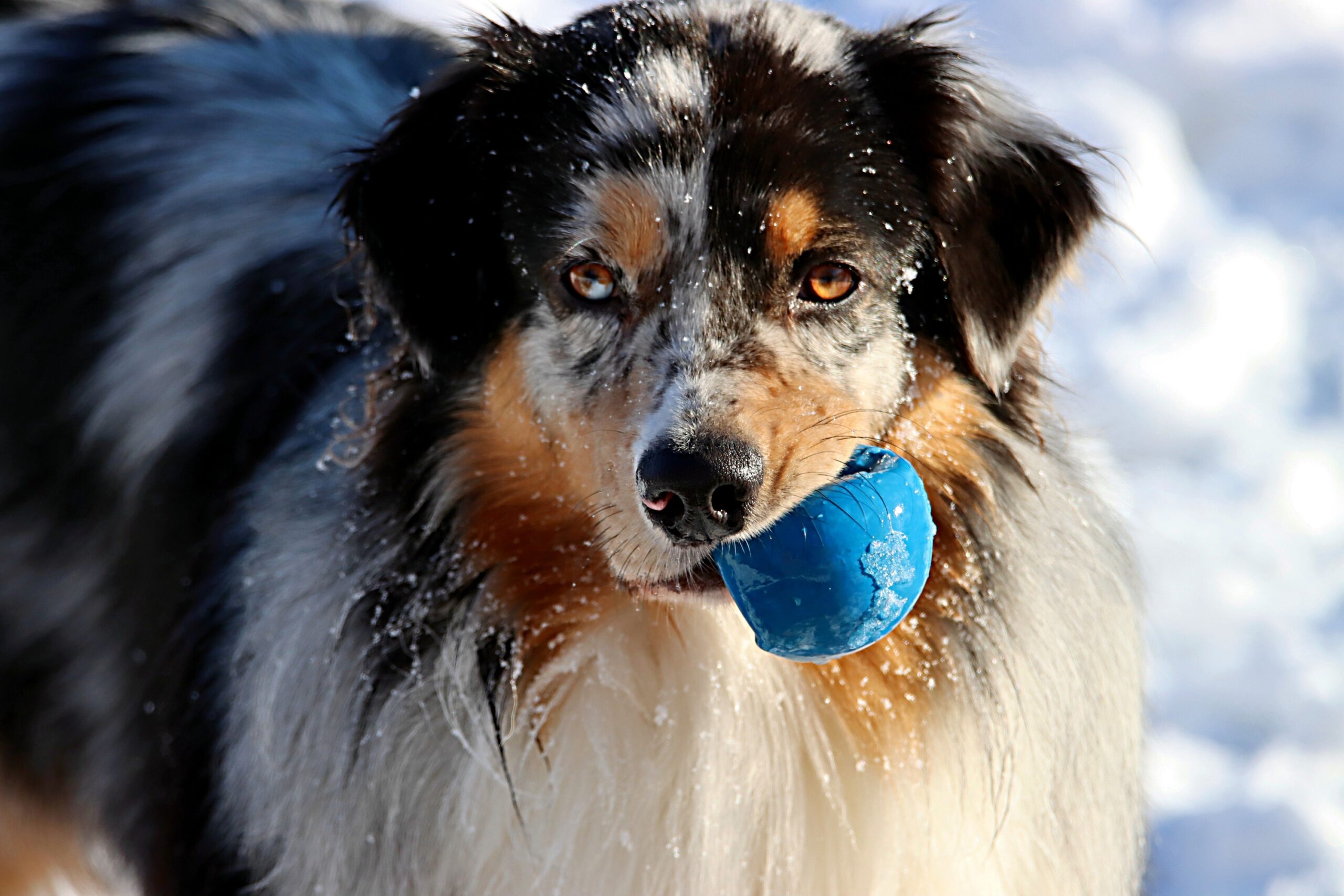
Australian Shepherd
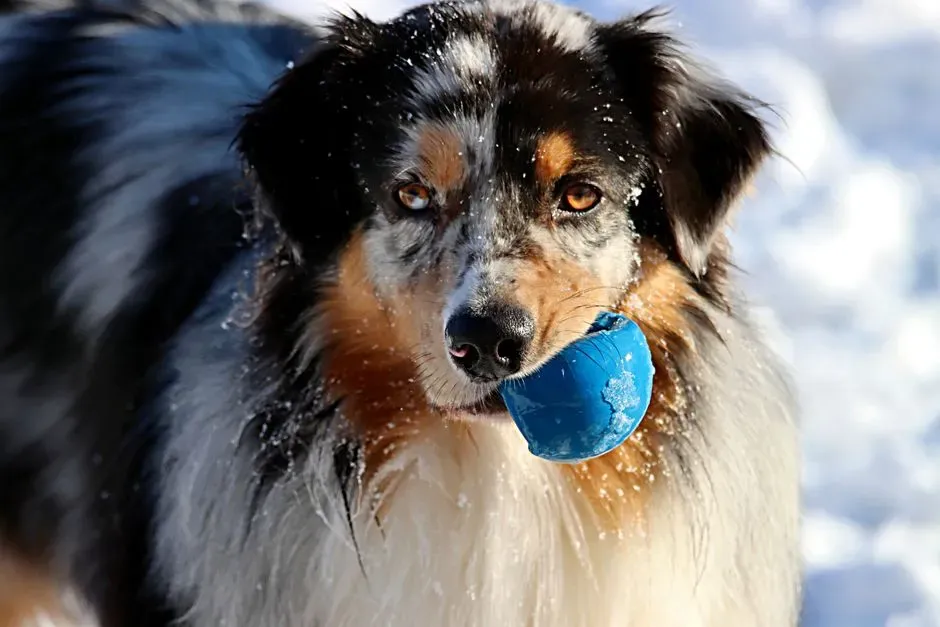
Australian Shepherds share a lot of traits with Border Collies, including a tendency to stay youthful and playful well into their later years. These dogs are natural problem-solvers and often maintain a strong work ethic, which easily translates into “always down for a game.” Older Aussies often still love fetch, tug, and even toned-down versions of herding games, particularly if they get to do it with their favorite humans.
What sets many Aussies apart is their emotional intensity; they bond deeply with their people and often use play as a way to stay connected. I have seen older Aussies who will trot up with a toy, drop it carefully at your feet, then stare at you with an almost comical level of focus as if to say that this is the most important mission of the day. With good joint support, varied exercise, and plenty of mental challenges, an Australian Shepherd can keep a young-at-heart play style for many years.
Pembroke Welsh Corgi
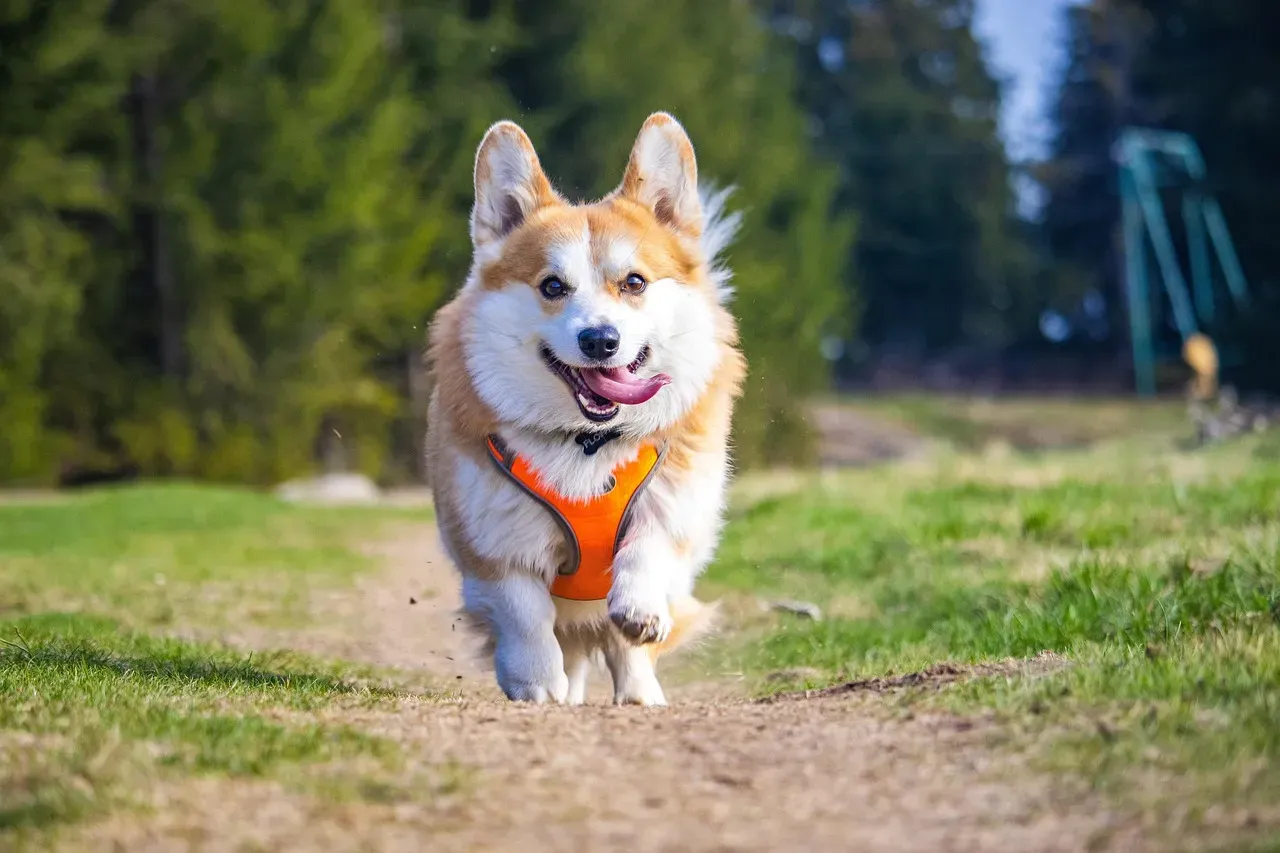
Pembroke Welsh Corgis, with their short legs and big personalities, can be surprisingly playful well into seniorhood. Many older Corgis still romp for toys, zoom around furniture in ridiculous low-to-the-ground sprints, and happily join in social games with other dogs or people. That herding background often shows in their enthusiasm for chase games and anything that lets them move, even if their bodies ask for more breaks with age.
The fun thing about Corgis is that they often carry themselves like they are much bigger than they actually are, which makes their style of play pretty entertaining. They might waddle up looking serious and then suddenly burst into a little dance when you show them a squeaky toy. Because of their long backs and shorter limbs, careful management of weight and jump-heavy activities is important, but with that in place, many Pembrokes hold onto a cheeky, puppyish spirit far longer than you would expect.
Poodle (Standard, Miniature, and Toy)
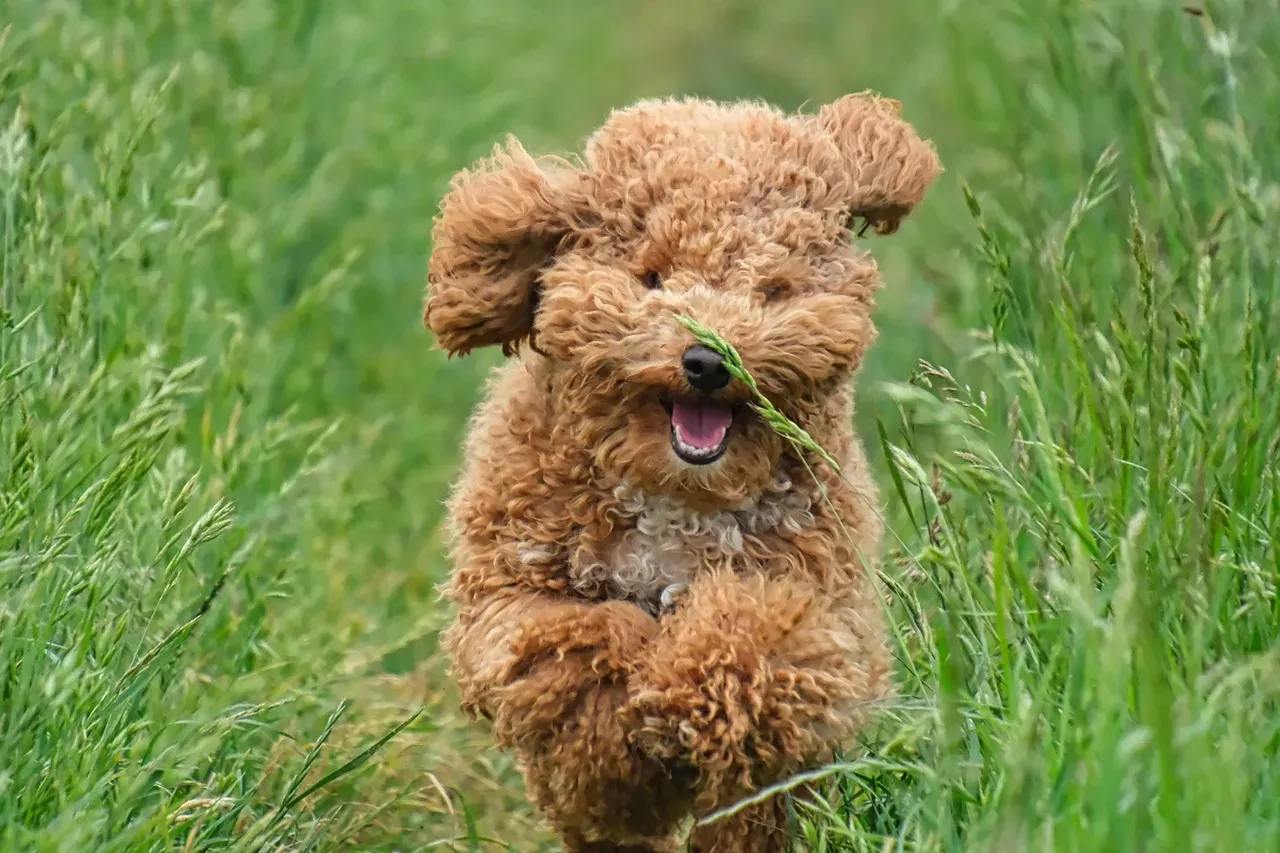
Poodles of all sizes have a reputation for being both sharp and playful, and that combination often sticks with them throughout life. Many older Poodles stay keen on games that make them think: fetch with a twist, shape or scent discrimination, or hide-and-seek with toys or family members. You will often see older Poodles doing little prancing steps and enthusiastic spins, especially when they know a fun activity is coming.
In my view, one of the underrated perks of Poodles is how adaptable their play can be. A senior Standard Poodle might enjoy gentle jogging or swimming, while a Toy Poodle may prefer indoor games and trick training sessions. Because they tend to be quick learners, they often enjoy picking up new tricks even as seniors, which keeps that youthful curiosity alive and gives them a satisfying outlet for their energy without overtaxing their bodies.
Shih Tzu
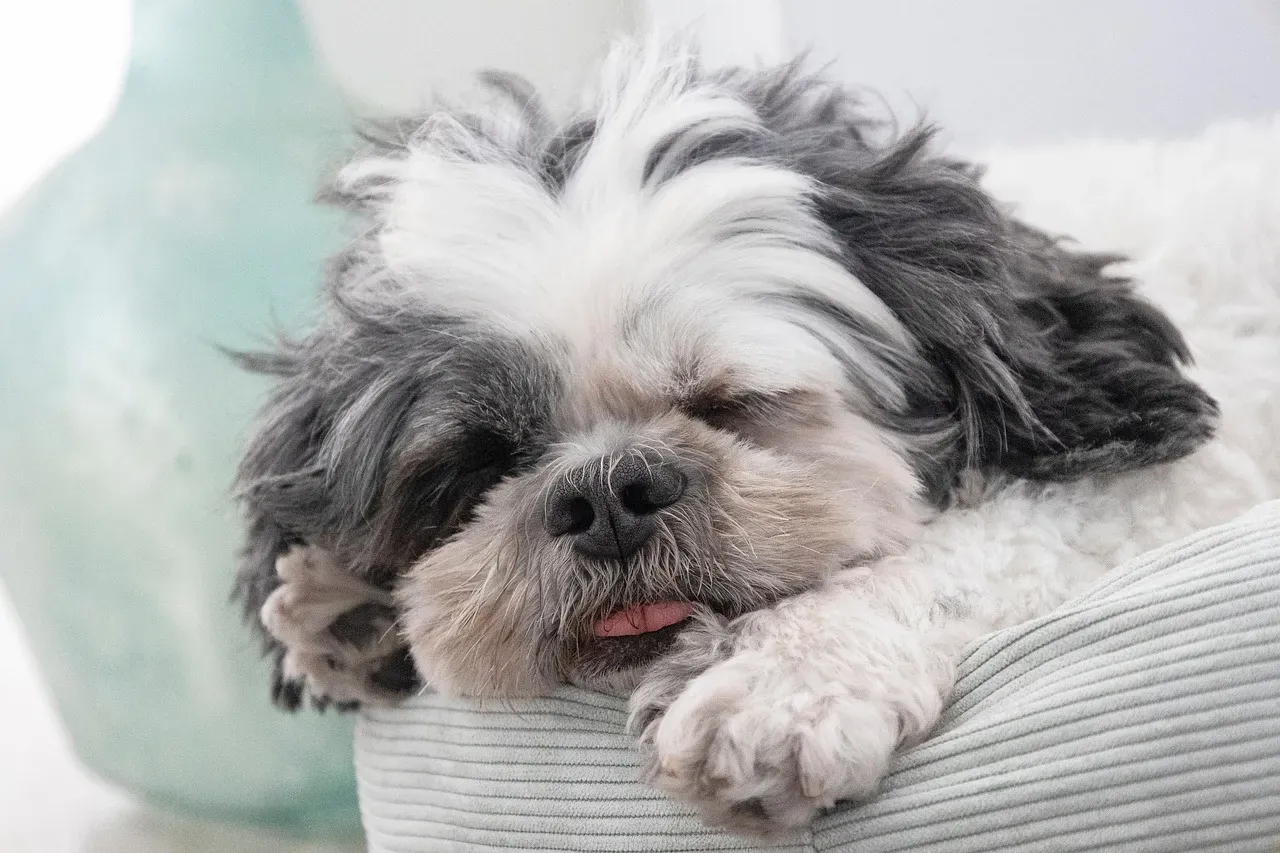
Shih Tzus may look like little royalty with their flowing coats and expressive faces, but under all that hair there is often a playful, slightly clownish spirit that sticks around for years. Even older Shih Tzus commonly enjoy short chases down the hallway, spirited games with small toys, and animated interactions with their people. They rarely lose their taste for attention and can turn play into a hilarious little performance.
Because they are small and not as physically intense as some breeds, their version of “lifelong playfulness” is usually gentle and easily adapted for aging bodies. A senior Shih Tzu might switch from wild zooms to shorter bursts of excitement followed by lots of cuddles, but the desire to engage and be silly very often remains. With routine grooming and sensible exercise, they can be like little comedians in your home well into their older years.
Papillon
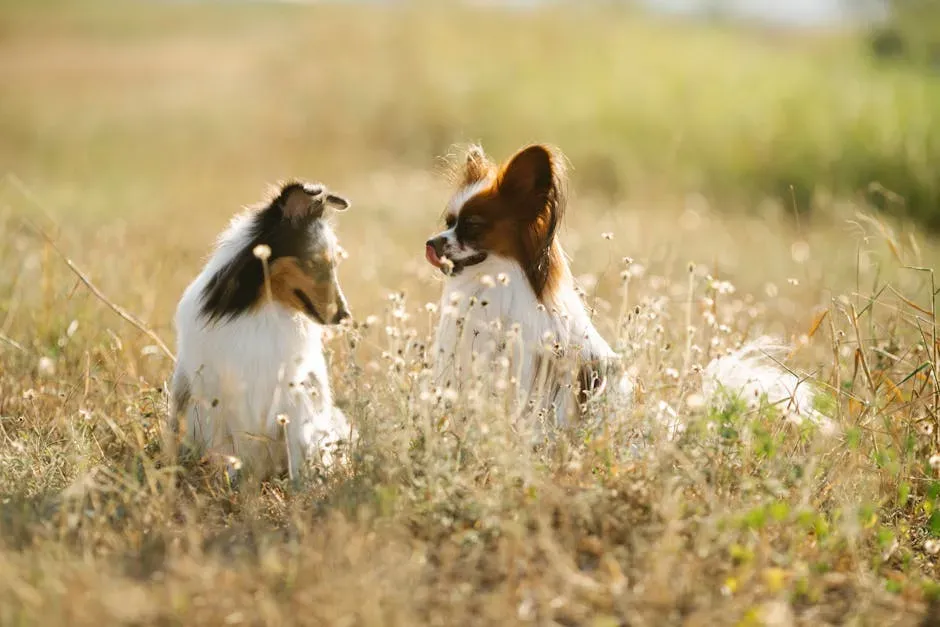
Papillons are tiny, light-footed dogs with big ears and an even bigger zest for life, and they tend to stay lively and playful for a long time. Many older Papillons still jump for toys, dart after balls, and weave around furniture with impressive agility. They were originally bred as companion dogs with an alert, active nature, which often means their interest in play and learning new things never really fades.
What I love about Papillons is that they quite often seem unaware of their own size. They play with a boldness and confidence that makes them look like miniature athletes, even as they age. Because they are small, it does not take a huge yard or heavy workout to keep them engaged; indoor games, short training sessions, and gentle fetch can easily keep an older Papillon entertained and acting younger than their years suggest.
Boston Terrier
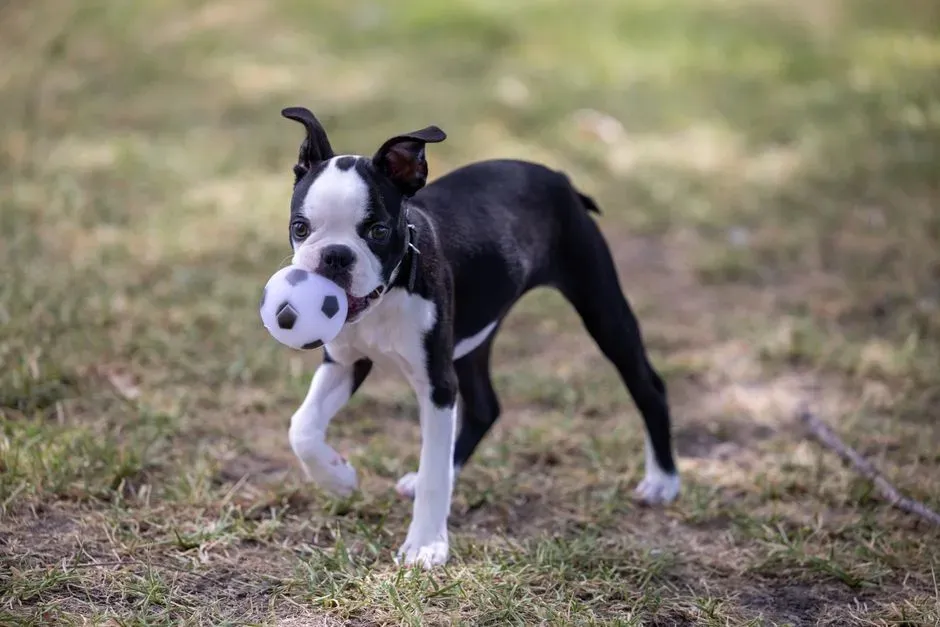
Boston Terriers are sometimes called little comedians, and that playful streak often endures throughout their lives. Many older Bostons still bounce like springs when they see their leash, chase balls with gusto, and engage in goofy play sessions that leave their families laughing. They are often social, people-focused dogs, which means they will keep trying to get you involved in their games long after many breeds would have settled for napping.
Older Bostons may not run quite as far or as long, but they typically retain that compact, muscular build that is well suited to short, energetic bursts of play. Because they are a brachycephalic (short-nosed) breed, you need to be careful with heat and intense exercise, especially as they age. Within those limits, though, many Boston Terriers stay delightful little play partners, full of enthusiasm and always ready to turn a quiet room into a mini party.
Shetland Sheepdog
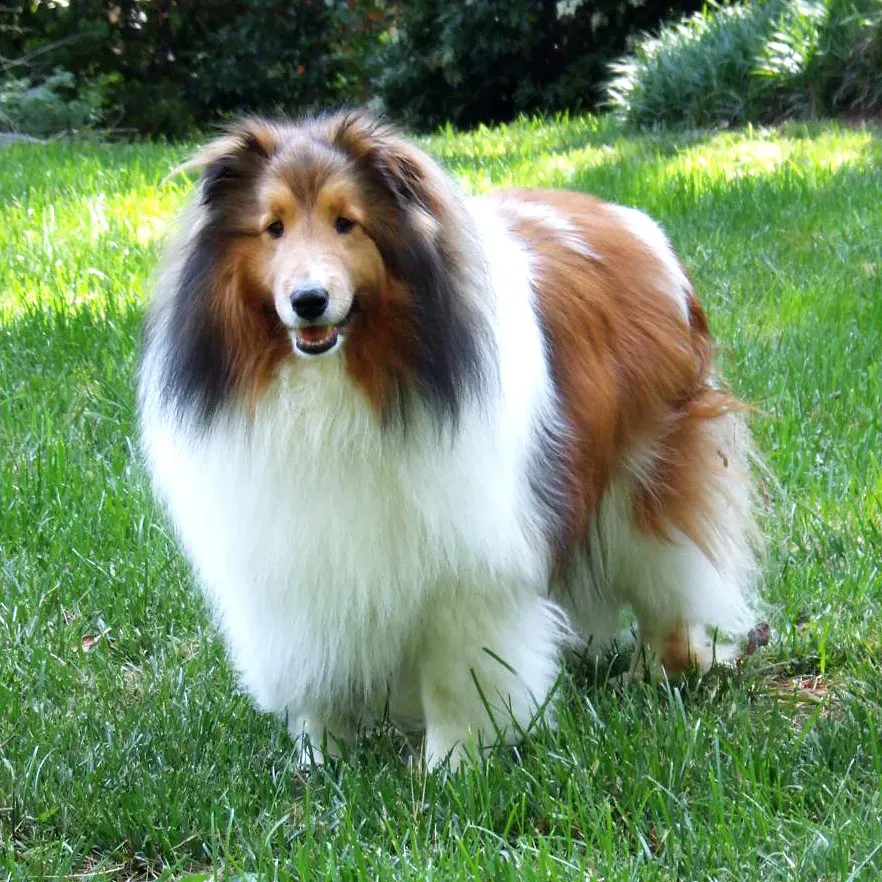
Shetland Sheepdogs, or Shelties, are nimble herding dogs with a strong work drive and a big dose of sensitivity. Many of them stay puppy-like in their desire to run, chase, and learn, even as they get older. You will often see senior Shelties still racing after balls, weaving gracefully in the yard, or trying to herd other pets as if they are stubborn sheep that need organizing.
What makes their playfulness especially enduring is their combination of intelligence and emotional connection to their people. Shelties often enjoy interactive games that reinforce their bond, like recall games, trick training, and cooperative agility-style obstacles scaled down for age. With decent coat care and regular but controlled exercise, they tend to hold onto that sprightly, bright-eyed look that makes them seem younger than the number on their vet chart.
Boxer
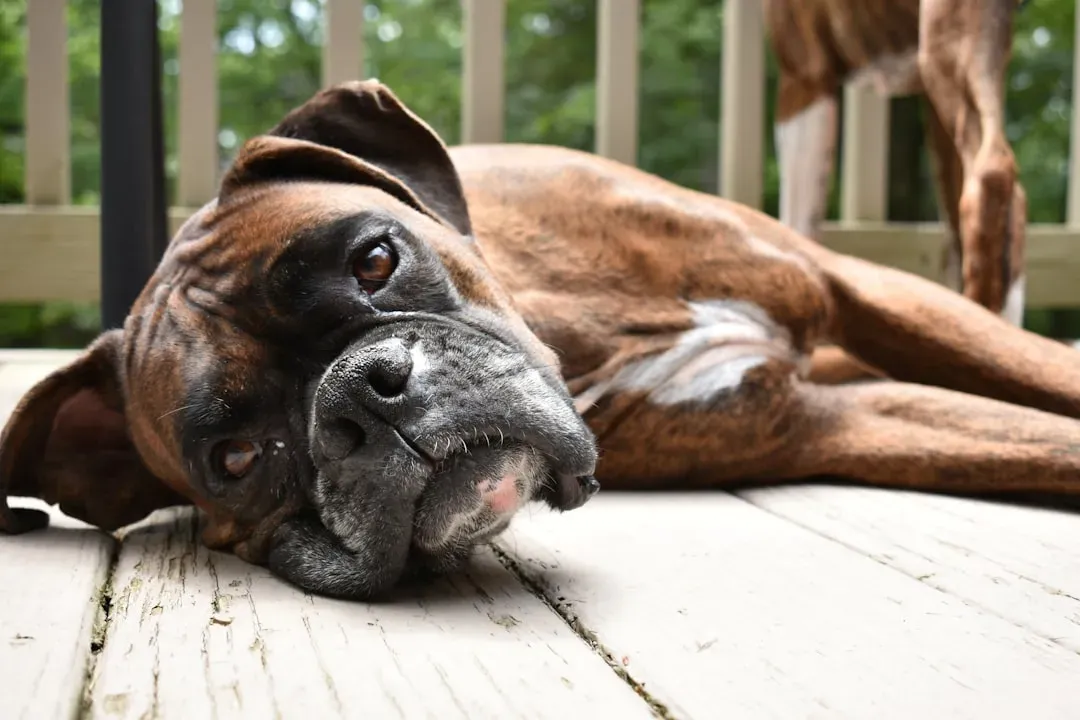
Boxers are famously described as “perpetual puppies,” and older Boxers often prove this description right. Many of them remain bouncy, exuberant, and sometimes a little clumsy in the most endearing way, long after other breeds have settled into a calmer rhythm. You can see ten-year-old Boxers still doing play bows, wiggling in circles, and bouncing at the chance for a game of tug or a silly wrestling match with a trusted human or dog buddy.
The flip side is that Boxers are a physically intense breed, so their joints and overall health need close attention as they age. If you manage their exercise thoughtfully, many Boxers maintain a shockingly youthful spirit. Their facial expressions alone can feel like a cartoon, and that expressive, jokester personality is a big reason people fall in love with the breed and stick with them. They are living proof that aging does not have to mean losing your sense of fun.
Miniature Schnauzer
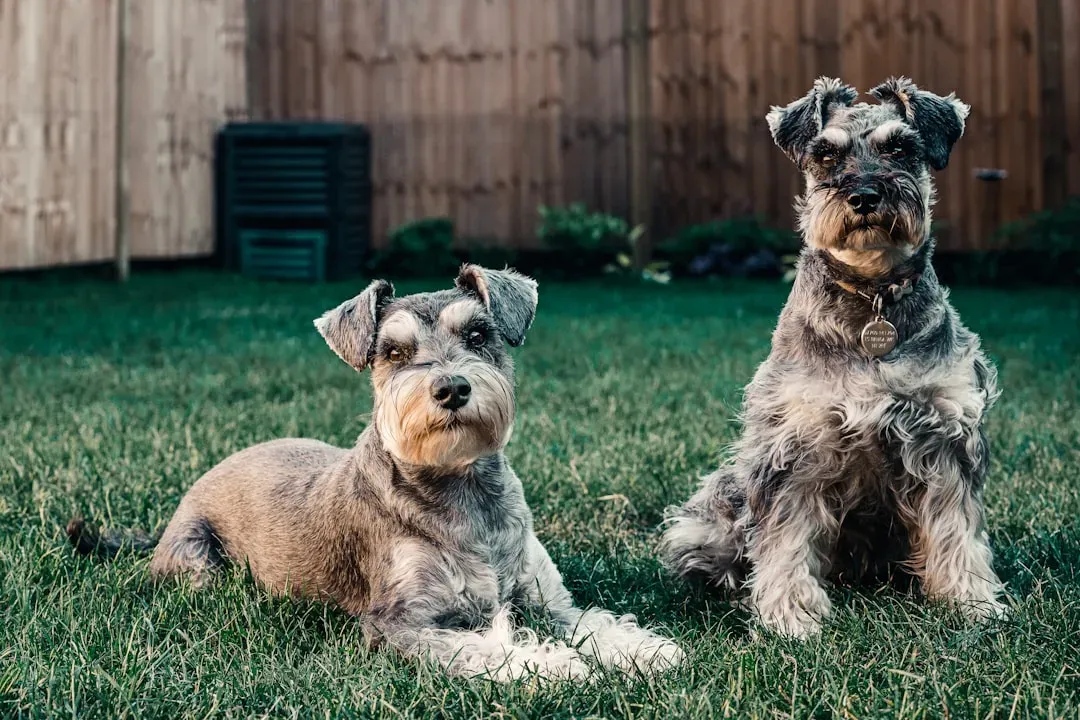
Miniature Schnauzers often have a charming mix of seriousness and mischief that keeps them playful well beyond their puppy years. Many older Minis still bounce to answer the door, chase toys, and trot around with a confidence that makes them look like they are in charge of the world. Their terrier-like roots show up in their curiosity and love of exploring, which helps them stay active and mentally engaged.
From what I have seen, Miniature Schnauzers often thrive on human interaction, and play is a key way they stay connected. They may especially enjoy games that let them use their brains, such as puzzle feeders, trick sequences, and short sniff-and-search tasks around the home. When they are well exercised and their beards are not full of snack crumbs, they can be surprisingly puppyish seniors, greeting each day with a jaunty step and a readiness to join in whatever you are doing.
Conclusion: Choosing a Dog That Grows Older Without Growing Dull
Every dog will slow down with age, but some breeds seem almost determined to keep that spark of puppy mischief alive as long as they can. From the goofy, ball-obsessed Labrador to the tiny, fearless Papillon, the breeds on this list tend to stay playful, curious, and eager to interact far into their senior years when given decent care and attention. That does not mean they never face health issues or that every individual dog will fit the stereotype perfectly, but the odds of sharing your life with a long-term playmate are higher with these breeds.
Personally, I think a dog that stays youthful in spirit is one of the best quiet joys you can bring into a home. There is something deeply moving about seeing a white-faced dog still chase a toy, still learn a new trick, still light up when you say their name as if every day together is a bonus round. If you are weighing which breed to welcome into your life, it is worth asking not just how cute the puppy is, but how that dog is likely to age beside you. After all, would you rather have a companion who retires early from fun, or one who keeps dragging you into little moments of play, year after year, reminding you not to grow old too fast yourself?


