
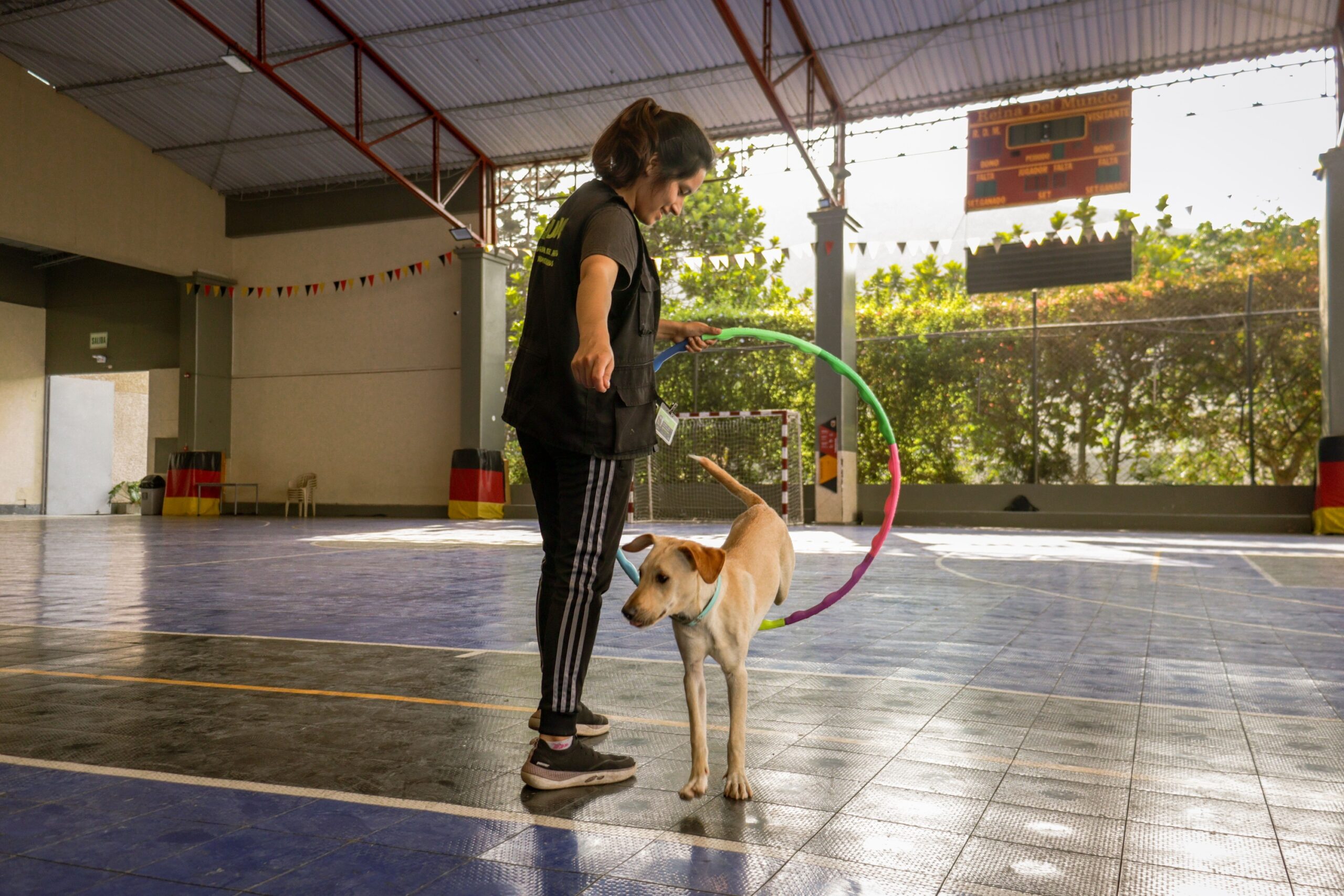
You know that moment when your dog pauses, ears perked, eyes flicking from a weird object to your face like they’re reading your mind? That’s not just cute behavior; it’s animal psychology in action. Dogs are constantly checking in with us, using our emotional reactions as a kind of social radar to decide if something new is safe, suspicious, or downright terrifying. In a world that can be loud, confusing, and full of strange things like vacuum cleaners and men in big hats, your reaction is often their compass.
I still remember walking past a giant inflatable snowman with my own dog for the first time. She froze, stared, then whipped her head toward me like she was asking for a verdict. I laughed, softened my posture, walked up to it, and touched it calmly. Within seconds, her tail relaxed, and she trotted closer to sniff it, acting like she’d always known it was harmless. That tiny interaction captures something powerful: to your dog, you’re not just a food dispenser; you’re their emotional reference point for the whole world.
How Dogs Read Human Emotions Like a Second Language
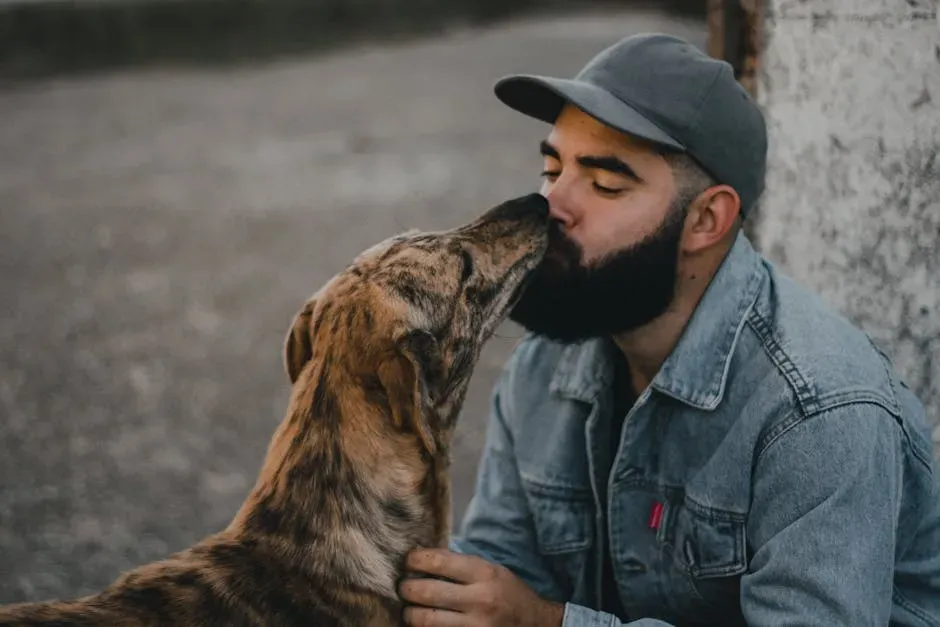
It’s honestly wild how good dogs are at reading us. Over thousands of years living alongside humans, they’ve become experts at decoding our body language, tone of voice, and facial expressions. When something unfamiliar appears, they don’t just react instinctively; they often pause and study you, looking for clues in your posture, your eyes, and even how you’re breathing.
Think about how your dog behaves when you’re relaxed versus when you’re anxious. If you see a strange person approaching and unconsciously tense up, your dog may instantly become alert or even defensive, picking up on that shift before you say a word. In contrast, when you laugh, speak gently, and move with easy, loose motions, your dog tends to mirror that calm. To them, your emotional state is essentially a live commentary track on how safe the world is right now.
The Science of Social Referencing: Dogs Checking With Their Humans
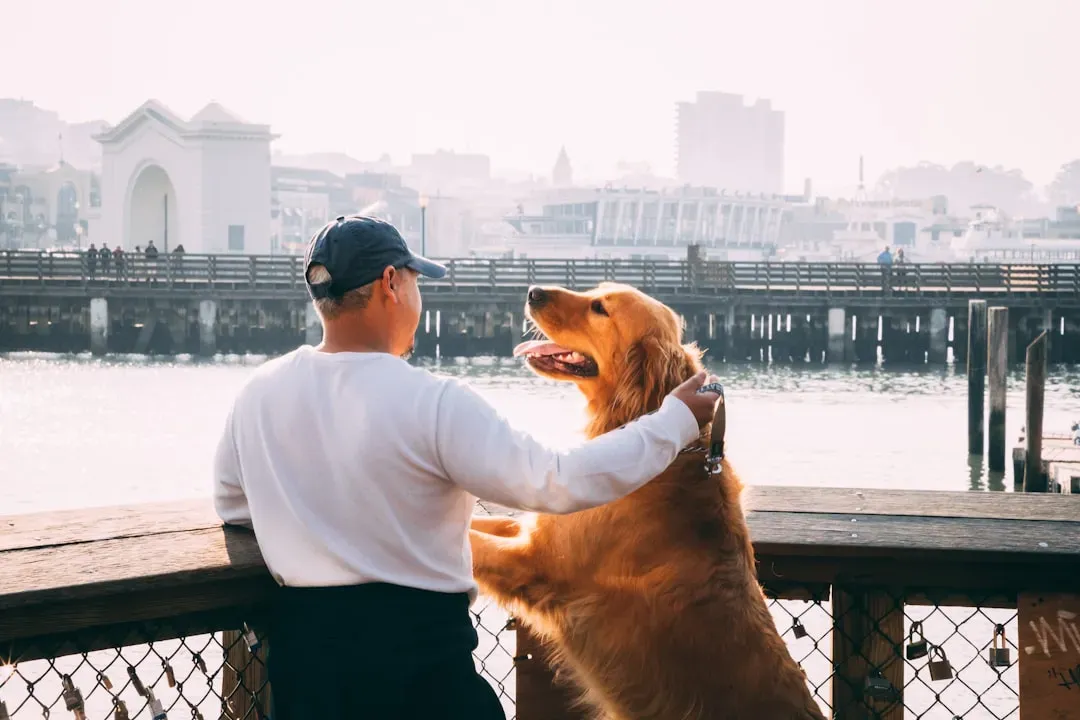
Animal psychologists often describe this behavior with a term called social referencing. It basically means an animal looks to a trusted individual to figure out how to respond to something new or ambiguous. Human toddlers do this all the time: they see a strange toy, then immediately look back at a parent’s face to decide if it’s fun or frightening. Dogs do something remarkably similar with the people they’re attached to.
In controlled studies, dogs are exposed to unfamiliar objects or situations while their owners act either calm and positive or nervous and fearful. Again and again, dogs use the human reaction as a guide. When the person behaves in a relaxed, encouraging way, dogs are more likely to explore and approach the new thing. When the person acts worried or tense, dogs often hesitate, avoid, or even show signs of stress. They’re not just reacting to the object; they’re reading the emotional context you wrap around it.
Why Your Calm (or Panic) Becomes Your Dog’s Reality
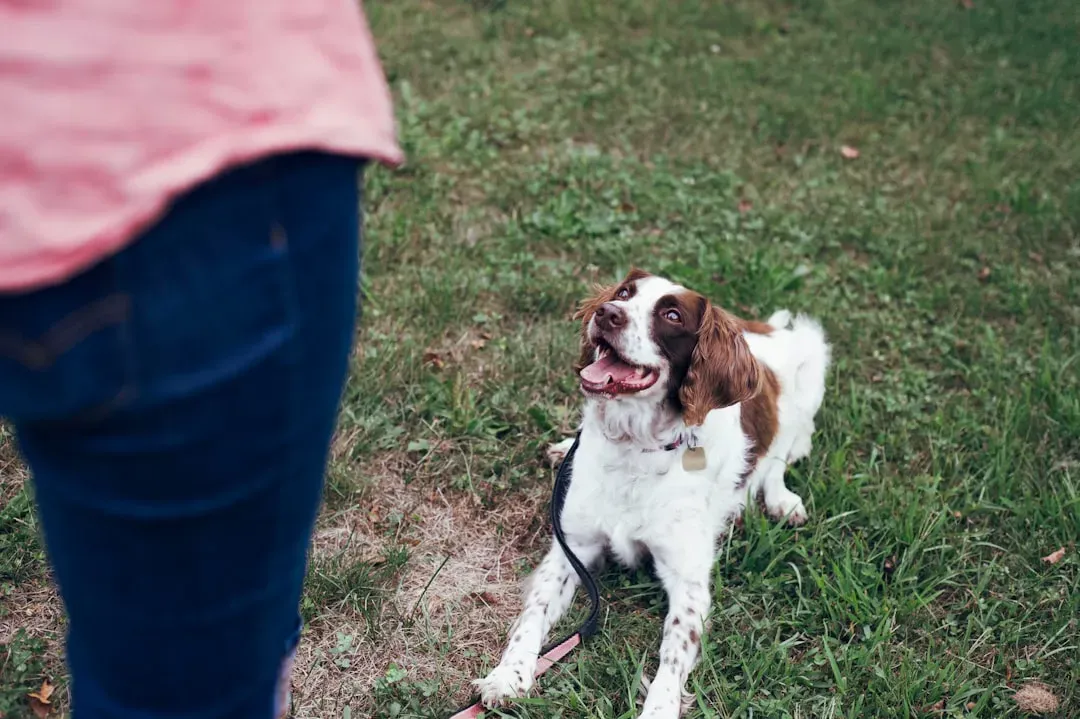
Your emotional reaction to something unfamiliar can literally shape your dog’s perception of it. If you scream and grab your dog’s collar every time you see another dog on a walk, you’re unintentionally teaching your dog that other dogs are a problem. Over time, the unfamiliar “other dog” becomes automatically associated with your tension, and your dog may start reacting before you even have time to think about it.
On the other hand, if you intentionally soften your body, keep your voice light, and guide your dog with quiet confidence, you’re sending a very different message: this might be new, but it’s not a threat. Dogs are incredibly sensitive to tiny changes in our behavior, often ones we don’t even notice ourselves. That sensitivity is a survival strategy for them, but it also puts a lot of quiet responsibility on us. Whether we like it or not, we are constantly broadcasting to our dogs what kind of world we live in – dangerous and unpredictable, or challenging but manageable.
From Fireworks to Vacuum Cleaners: Real-Life Examples of Emotional Contagion
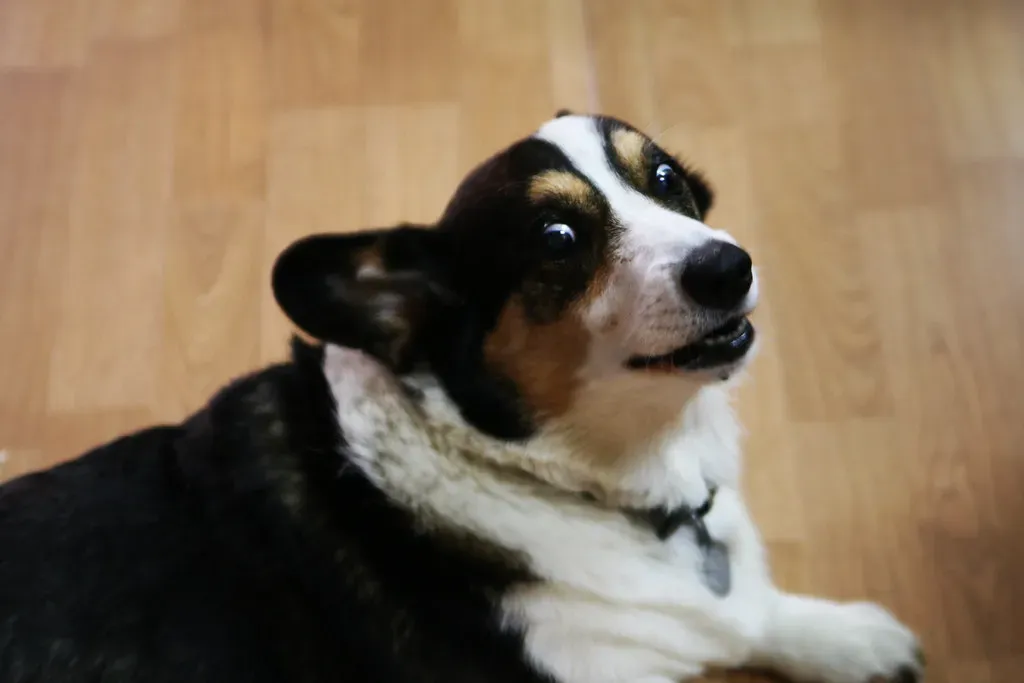
Think about fireworks season. Many dogs are terrified of the sudden booms and flashes, and understandably so. But the way we react makes a huge difference. If we jump up, curse the noise, run around closing windows in a panic, we’re essentially confirming our dog’s worst fears that something awful is happening. They do not understand fireworks, but they know your adrenaline and frantic movements mean danger is near, so their fear deepens.
Now imagine handling it differently: you hear the first bang, you stay seated, maybe toss your dog a treat, turn on some TV noise, and keep your tone playful or soothing. Over time, many dogs learn that while the sound is weird, it doesn’t predict actual harm. The same pattern shows up with vacuum cleaners, bikes, skateboards, people in uniforms, or even the dreaded plastic bag blowing down the street. Your reaction doesn’t just color their experience; in many cases, it defines what that unfamiliar thing will mean to them for years.
How Puppies and Rescue Dogs Lean Even More on Your Reactions
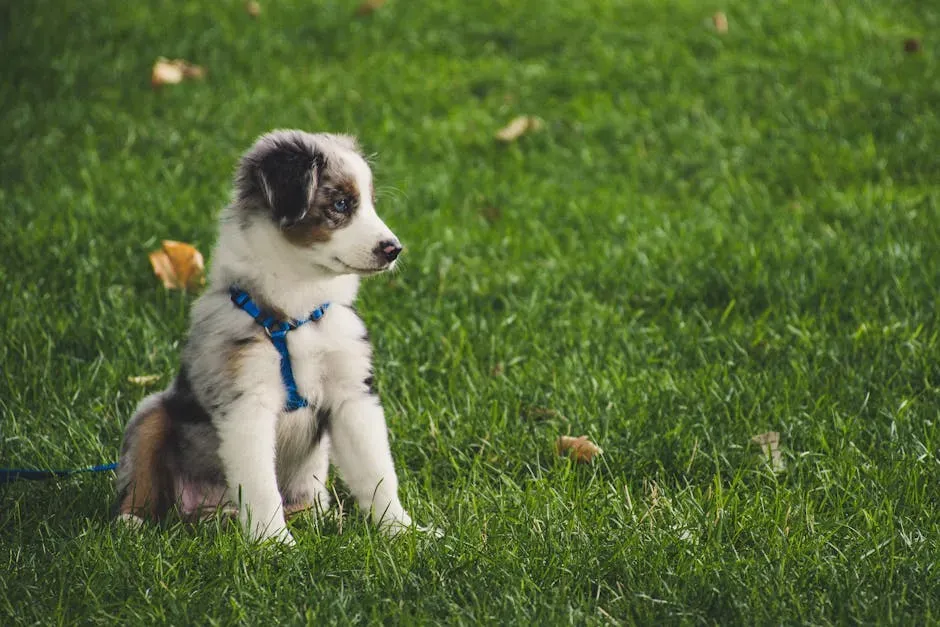
Puppies are like sponges for emotional information, and they’re especially likely to use your reactions to make sense of the world. During their early socialization period, every new object, sound, and situation is either being filed under “safe, normal life stuff” or “maybe danger, better be careful.” If you brush off a loud truck with a relaxed stroll and a soft word, your puppy is more likely to do the same in the future.
Rescue dogs, particularly those with shaky pasts, often rely on social referencing even more. When they land in a new home, they may already be on high alert, scanning constantly for threats. In that fragile stage, your calm consistency or your unpredictability can heavily influence how they interpret unfamiliar things. I’ve seen nervous rescues slowly transform when their people intentionally modeled confidence around strangers, noises, and novel environments, almost like the dog was borrowing courage from their human until their own kicked in.
Practical Ways to Use Your Reactions to Help Your Dog Feel Safer
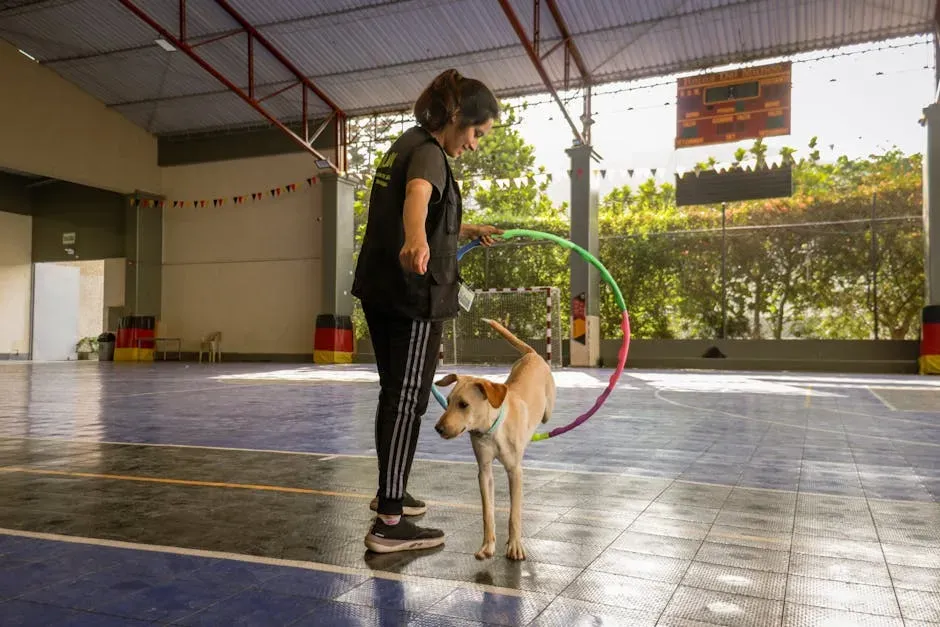
The empowering part of all this is that you can actively use your reactions to help your dog. When something unfamiliar pops up – a strange sound, a new object, a person in a hat – start by consciously relaxing your body. Unclench your jaw, drop your shoulders, and breathe normally. Move at a steady, unhurried pace, and use a neutral-to-cheerful tone. You’re basically telling your dog, with your whole body, that this is not an emergency.
You can also pair unfamiliar things with good experiences. If your dog spots a new object and seems unsure, you might say something light, turn slightly sideways to appear less intense, and offer a treat or brief play. You’re not forcing them to approach; you’re inviting them to consider that this new thing might be safe or even rewarding. Over time, your dog learns a powerful rule: when you stay calm and positive, it usually means they can afford to be curious instead of scared.
When Your Dog Is Right to Be Worried: Trusting Their Instincts Too

Of course, this doesn’t mean your reaction should always override your dog’s instincts. Sometimes, your dog’s caution is actually useful information. If a normally relaxed dog suddenly becomes wary of a person, place, or situation, it can be worth paying attention. Dogs experience the world differently from us; they smell stress hormones, hear distant sounds, and notice patterns we simply miss.
The goal is not to bulldoze over your dog’s feelings with fake positivity but to create a partnership. You guide them through unnecessary fears, and they alert you to genuine concerns. If your dog consistently reacts fearfully to something, instead of dismissing it, you can use their social referencing tendency to slowly reshape that response through calm exposure, distance, and patience. At the same time, you respect that they are not robots; they are sentient beings with their own perceptions and boundaries.
Conclusion: Your Dog Is Not Overreacting – They’re Listening to You
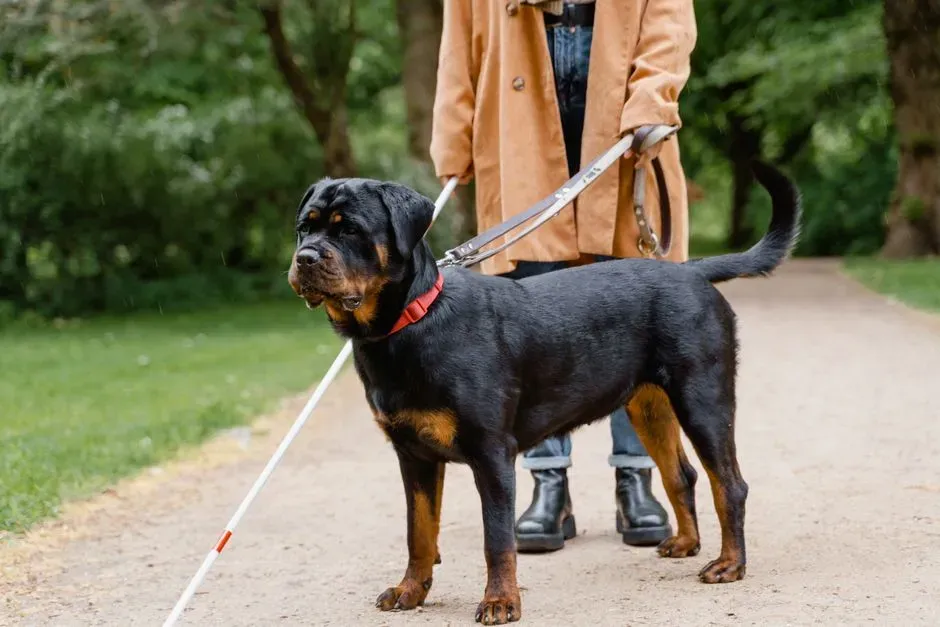
The more we learn from animal psychology, the clearer it becomes: dogs are not being dramatic when they cling to us in new situations. They’re doing exactly what evolution and experience have taught them to do – use the reactions of their social group to survive. In everyday life, that means our sighs, laughs, flinches, and even the way we stand in a doorway all matter more than we realize. In my opinion, anyone who lives with a dog has a quiet moral responsibility to be aware of the emotional signals they’re sending.
To me, the most humbling part is this: your dog does not have a news feed or a weather app or a safety manual. They have you. When something unfamiliar appears, they turn to your reaction as if it were a verdict from the universe itself. So the next time your dog pauses, looks nervous, and then searches your face for guidance, remember that you are not just a bystander – you are the lens through which they see the world. Knowing that, how do you want them to feel about it?


