
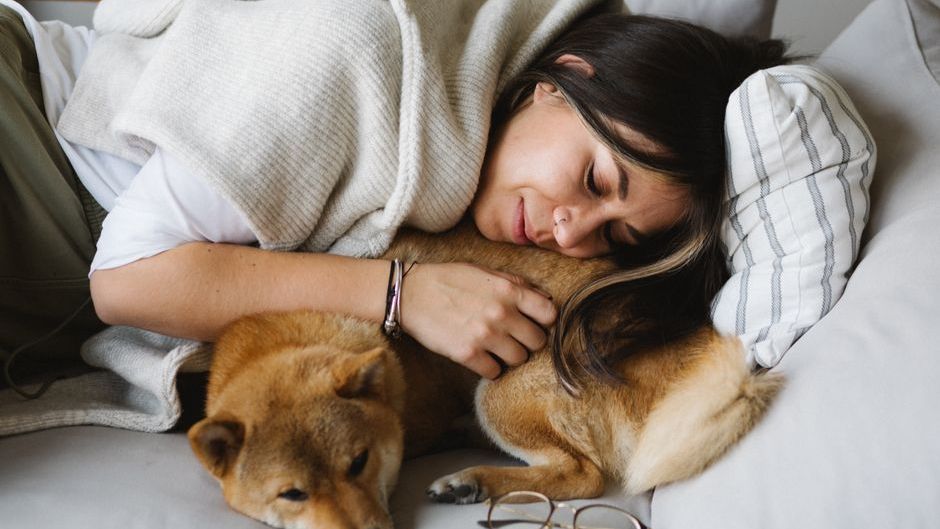
They Press Close Without Making a Sound
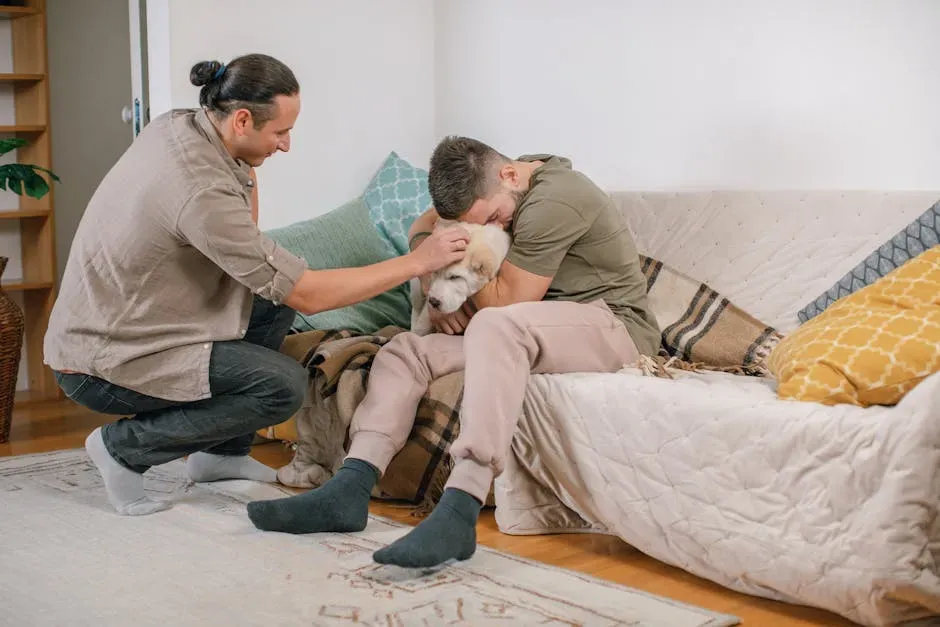
Many dogs will quietly close the distance the moment they notice the change in your breathing or posture. They settle right beside you on the couch or floor, their body a steady presence that does not demand attention yet fills the space around you. This silent approach often happens within seconds of the first sob, as if they have been waiting for the cue.
Owners frequently describe the weight of that body as grounding, a reminder that someone is simply there. The dog does not fidget or look away. It stays, breathing in rhythm with the room, until the storm passes or longer if needed. That kind of steady companionship speaks volumes about the bond that has formed over time.
They Offer Gentle Licks on Your Hands or Face
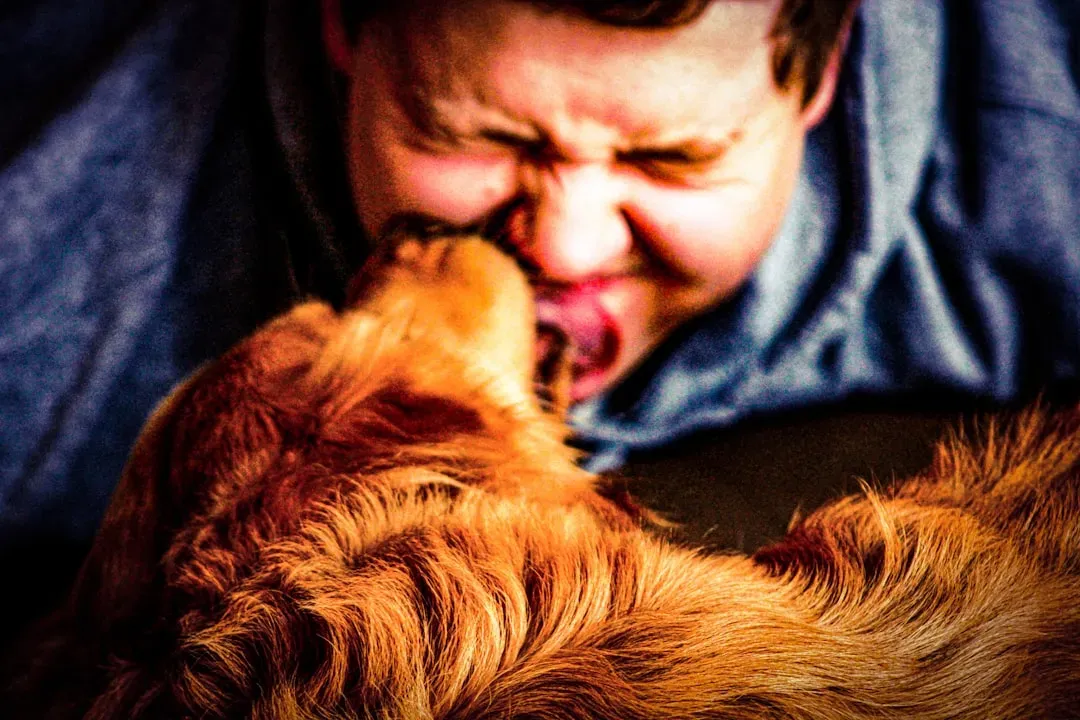
A soft tongue brushing across knuckles or cheeks is one of the first physical gestures many dogs make when they sense distress. The action feels deliberate rather than playful, almost as though they are trying to wipe the sadness away in their own language. It tends to be slower and more careful than the usual enthusiastic greeting licks.
Some dogs focus on the exact spots where tears have fallen, repeating the motion until you respond with a small laugh or a hand on their head. The gesture rarely escalates into full excitement. It remains measured, a quiet check-in that says they have registered the emotion and chosen to meet it with contact.
They Bring a Favorite Toy or Blanket
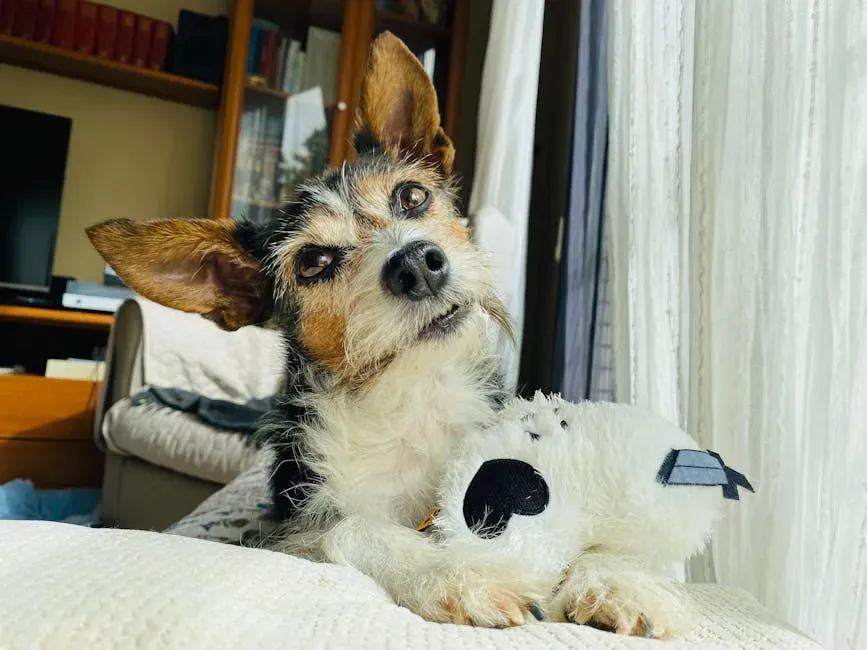
Retrievers and other toy motivated breeds often disappear for a moment only to return carrying something familiar. They drop the item near your feet or nudge it into your lap without the usual game invitation attached. The choice of object can feel surprisingly personal, as if they have selected the one thing they know brings you comfort on ordinary days.
Even dogs that do not usually fetch will sometimes grab a nearby sock or cushion in these moments. The delivery is gentle, followed by a pause while they watch for your reaction. It is their version of sharing resources, an instinctive move that turns an ordinary household item into a small offering of care.
They Rest Their Head on Your Lap or Leg

Placing the full weight of their head against you creates an immediate point of connection. The pressure is steady and warm, often accompanied by a long exhale that seems to mirror the release of tension in the room. This posture can last for minutes, the dog adjusting only slightly to stay in contact as you shift.
Breeds with expressive eyes tend to keep them half closed during these moments, creating an almost meditative stillness. The gesture requires no words and no movement from you. It simply arrives and remains, turning your lap into a shared space where the crying can happen without isolation.
They Match Your Energy With Softer Movements

Instead of their usual bouncy entrance or loud greeting, dogs often slow their steps and lower their tails when they sense tears. The change is noticeable because it contrasts so sharply with their everyday personality. They may circle once before settling, choosing a spot that keeps you in view without crowding.
This adjustment can feel almost protective, as though they have decided the household needs a calmer atmosphere for a while. Even high energy dogs will suppress their usual zoomies or toy shaking until the moment passes. The restraint itself becomes part of the message they are sending.
They Stay Nearby Even When You Move Rooms
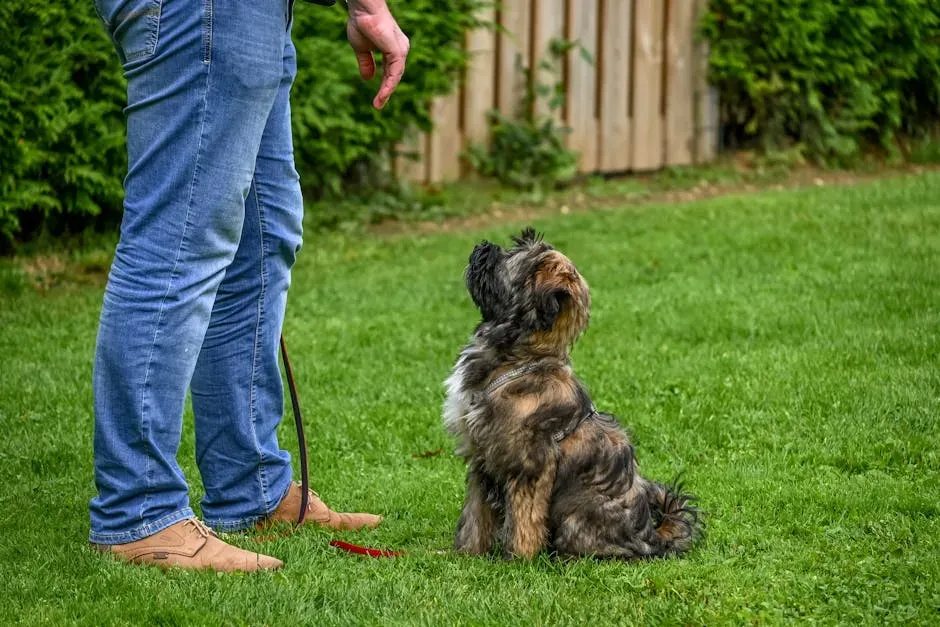
When you stand up to grab tissues or walk to another part of the house, many dogs follow at a respectful distance rather than racing ahead. They pause at doorways or settle just outside the new space, maintaining a line of sight without intruding. This shadowing behavior can continue until your breathing returns to normal.
The consistency matters more than the distance. A dog that normally prefers its own bed will suddenly choose the hallway outside the bathroom or the edge of the bedroom rug. That willingness to rearrange their own comfort for yours reveals a level of attunement that builds over years of shared routines.
They Offer a Quiet Sigh or Soft Whine

Some dogs release a single long sigh once they have positioned themselves close to you. The sound carries no complaint, only a kind of acknowledgment that the atmosphere has shifted. Others produce a low, almost musical whine that rises and falls in time with your own breathing patterns.
These vocalizations rarely escalate into barking or attention seeking. They function more like background music, a gentle reminder that the dog has registered the emotion and chosen to stay present. Over time owners learn to recognize the specific tone as part of their dog’s personal vocabulary of care.
The behaviors described here are not dramatic rescues or trained responses. They are small, repeated choices that accumulate into something larger. When a dog consistently meets tears with presence rather than confusion or avoidance, it becomes difficult to dismiss the connection as anything less than genuine. That steady, wordless loyalty is what many people come to recognize as love in its simplest form.


