
1. They Anthropomorphize Their Pets
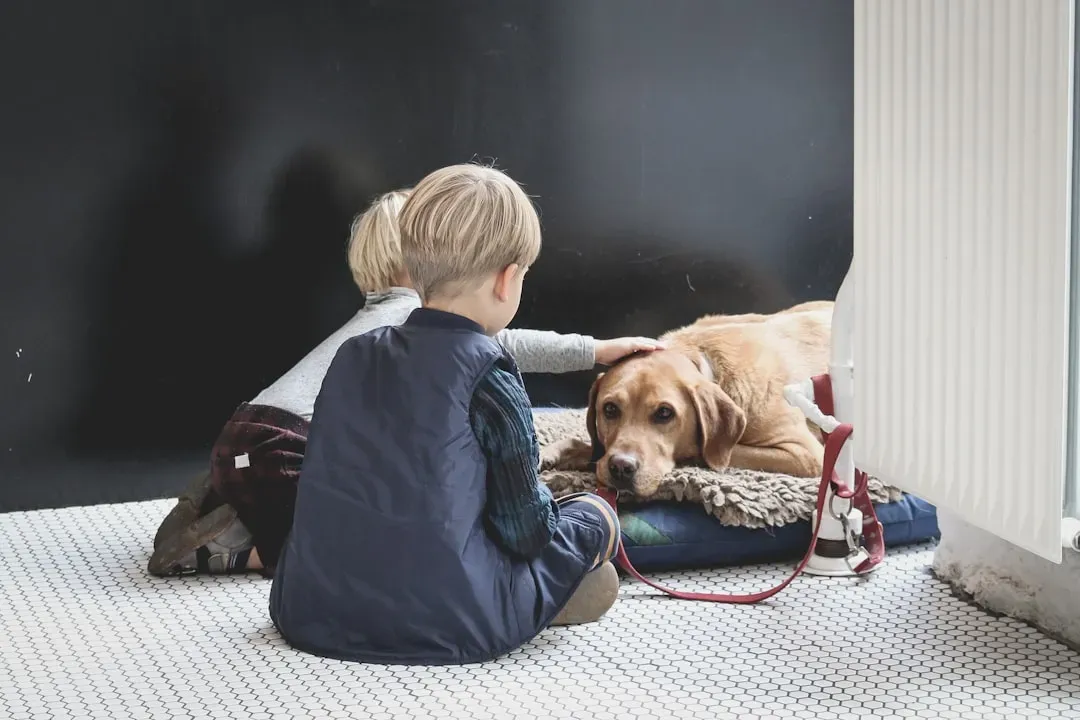
People who view pets as children often assign human thoughts and feelings to them without hesitation. A dog’s tilt of the head becomes curiosity about a conversation, while a cat’s slow blink signals affection rather than simple comfort. This tendency goes beyond casual playfulness and shapes daily decisions about what the animal might enjoy or dislike.
Psychologists note that such attribution helps fulfill a natural drive to nurture and connect. It also creates richer daily interactions because the owner imagines a two-way emotional exchange. Over time the pet becomes a personality with preferences, moods, and even opinions in the household narrative.
2. They Experience Parental-Style Emotions
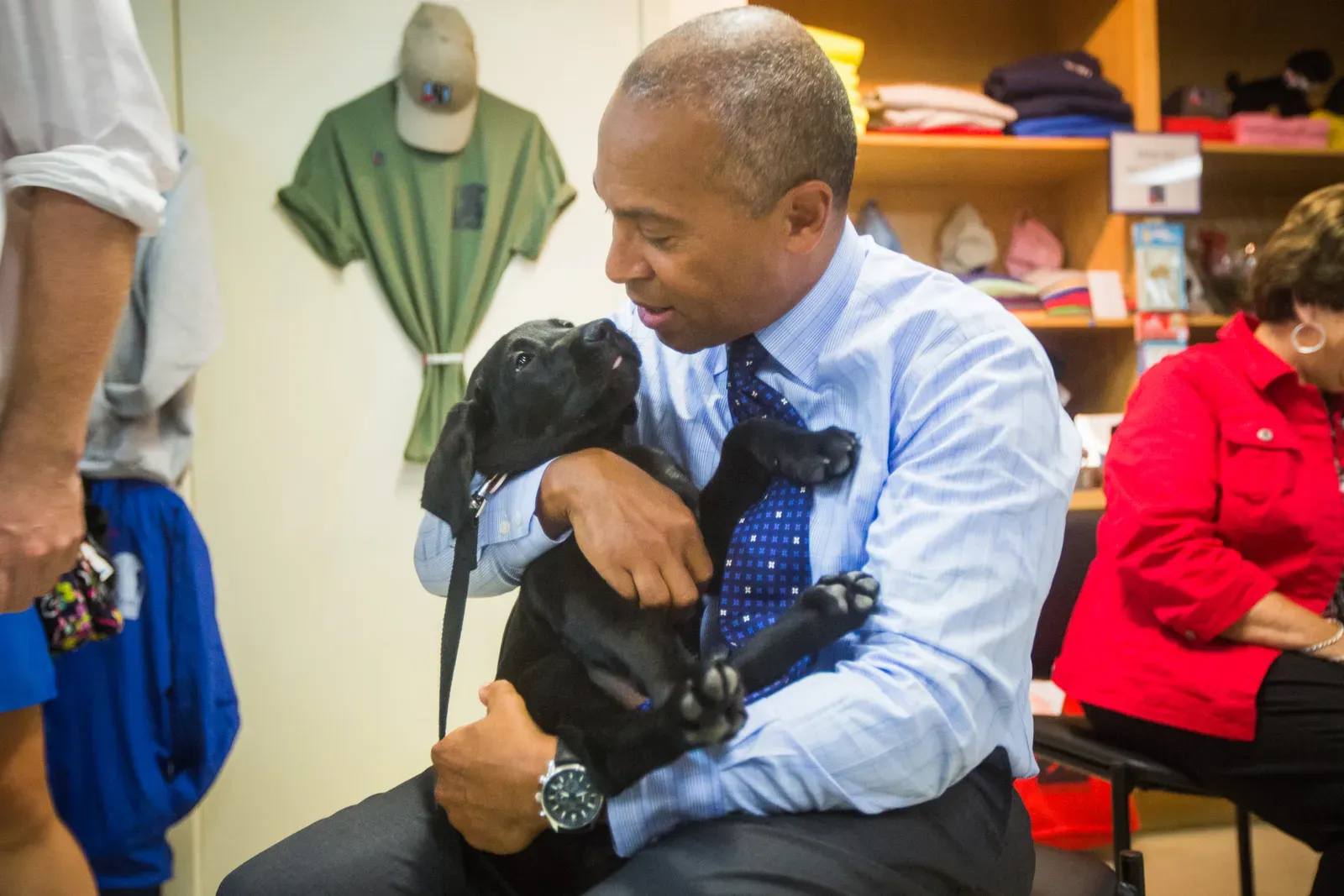
Separation from the pet can trigger genuine anxiety that mirrors what parents feel when leaving a child. Owners report checking cameras repeatedly or cutting outings short because they worry about the animal’s well-being. These feelings arise from the same caregiving circuits in the brain that activate with human offspring.
Joy at small milestones, such as a successful vet visit or a new trick, carries the same pride parents describe. The emotional investment runs deep enough that the pet’s happiness directly influences the owner’s mood for hours afterward. This pattern reflects a consistent extension of parental instincts rather than simple fondness.
3. They Rearrange Life Around the Pet’s Needs
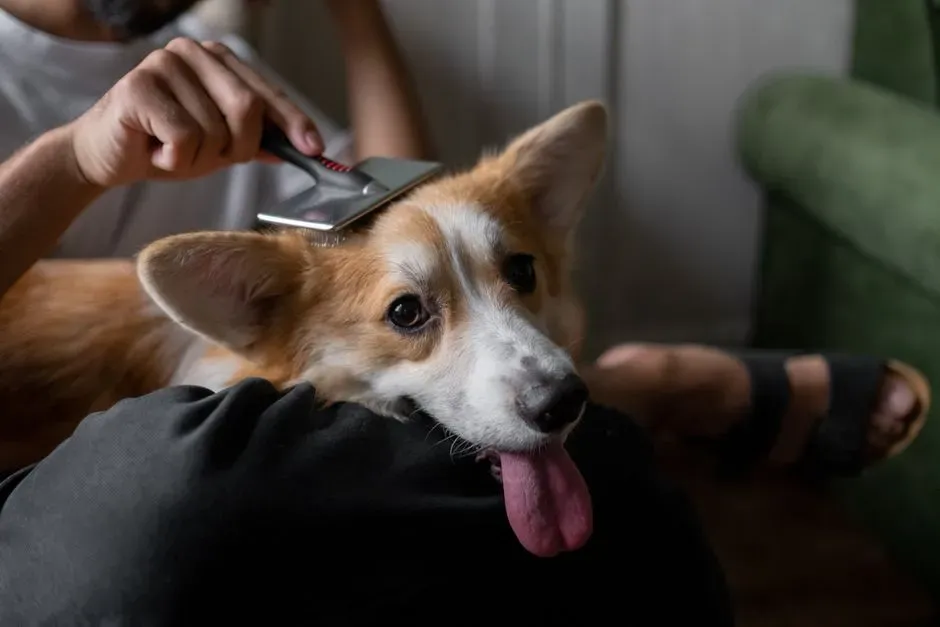
Daily schedules often revolve around feeding times, walks, and play sessions in the same way parents plan around school and activities. Vacations get chosen based on pet-friendly policies, and social plans sometimes shift if the animal seems unsettled. The priority feels natural rather than burdensome to those who hold this view.
Work arrangements may include remote options or shorter hours to avoid leaving the pet alone for long stretches. Home layouts change too, with furniture chosen for comfort and safety rather than adult aesthetics alone. These adjustments accumulate quietly until the household rhythm clearly centers on the animal’s routine.
4. They Use Family Language Without Irony
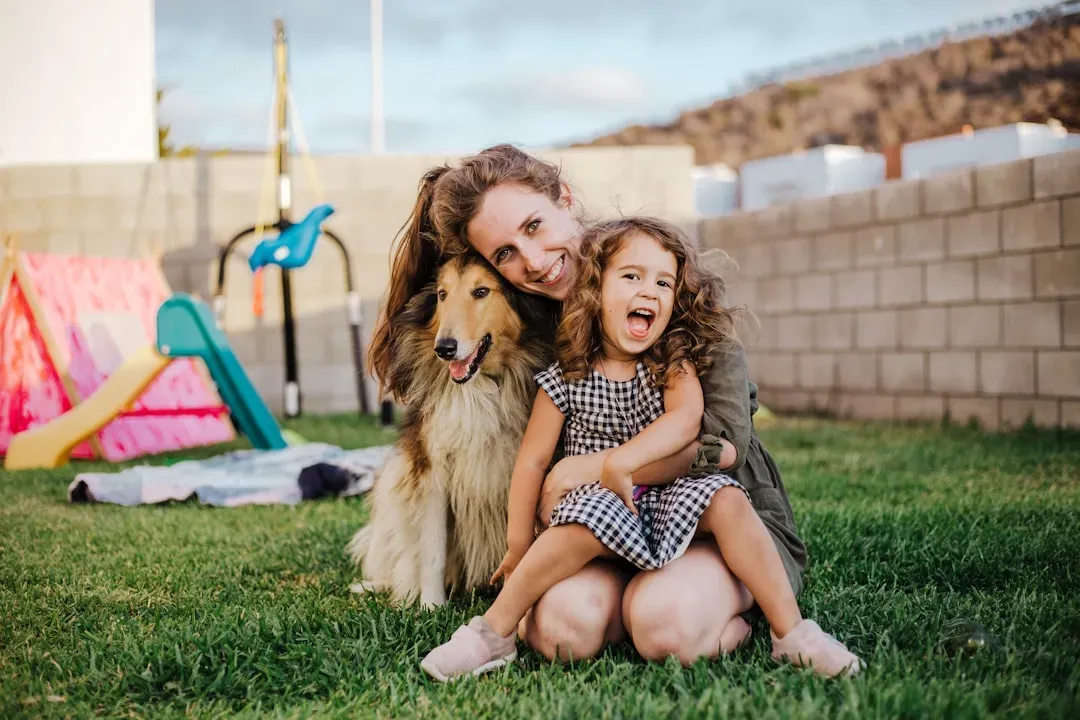
References to “my kid” or “the children” when speaking about pets occur regularly and without self-consciousness. Holiday cards include the pet’s name alongside human relatives, and introductions at gatherings treat the animal as a core family member. This language choice signals an internal reality rather than a joke or exaggeration.
Psychologists observe that consistent use of such terms reinforces the bond and shapes how others perceive the relationship. It also helps the owner process the pet’s role as a source of unconditional support similar to what children provide. The vocabulary becomes a quiet marker of deeper attachment.
5. They Grieve Pet Loss With Child-Like Intensity
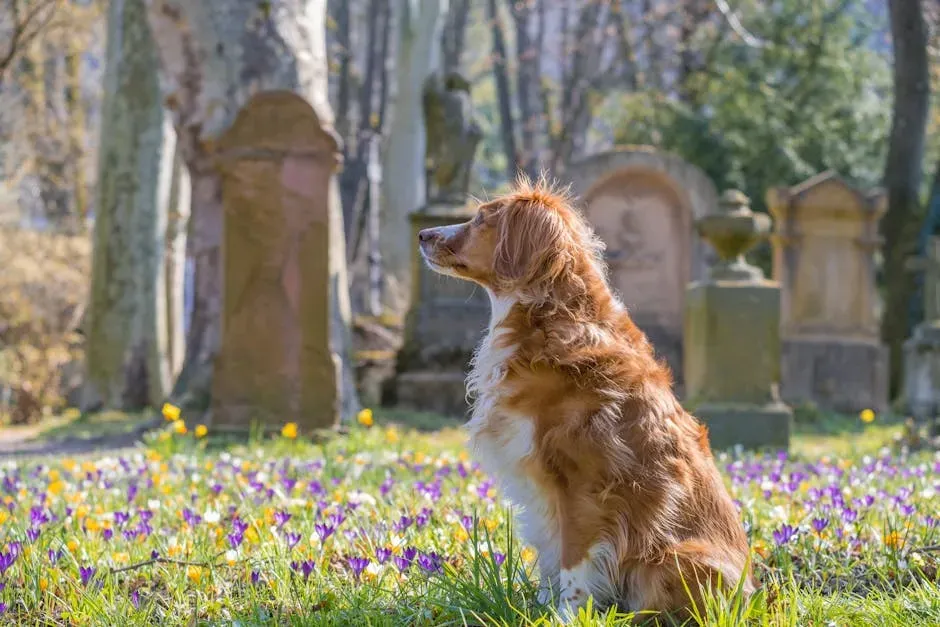
The death of the pet produces mourning that can last months and includes rituals such as memorial photos or dedicated spaces in the home. Friends sometimes underestimate the depth of sorrow because society still treats pet loss as lesser than human loss. Yet the emotional response follows many of the same stages seen in parental bereavement.
Owners describe feeling a void in daily structure and affection that no quick replacement can fill. Some take time off work or seek counseling specifically for the grief. This intensity stems from the same attachment system that forms between parents and children, making the loss feel profound and personal.
6. They Seek Emotional Fulfillment Through Caregiving
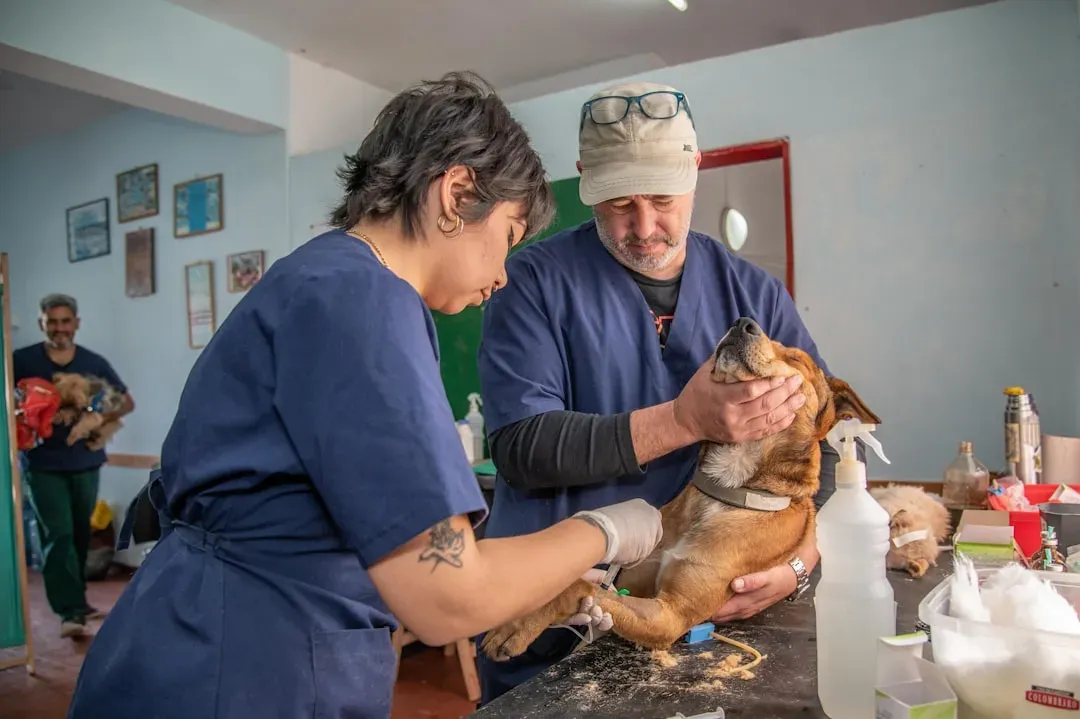
The act of meeting the pet’s needs supplies a steady sense of purpose that parallels the rewards of raising children. Small acts like preparing meals or offering comfort during storms create repeated moments of connection and achievement. This loop of giving and receiving sustains well-being over years.
Psychologists link this pattern to broader human needs for nurturing that may not be met through other relationships. The pet becomes both recipient and source of emotional regulation. Owners often report lower stress levels tied directly to these consistent caregiving interactions.
7. They Integrate the Pet Into Social Identity
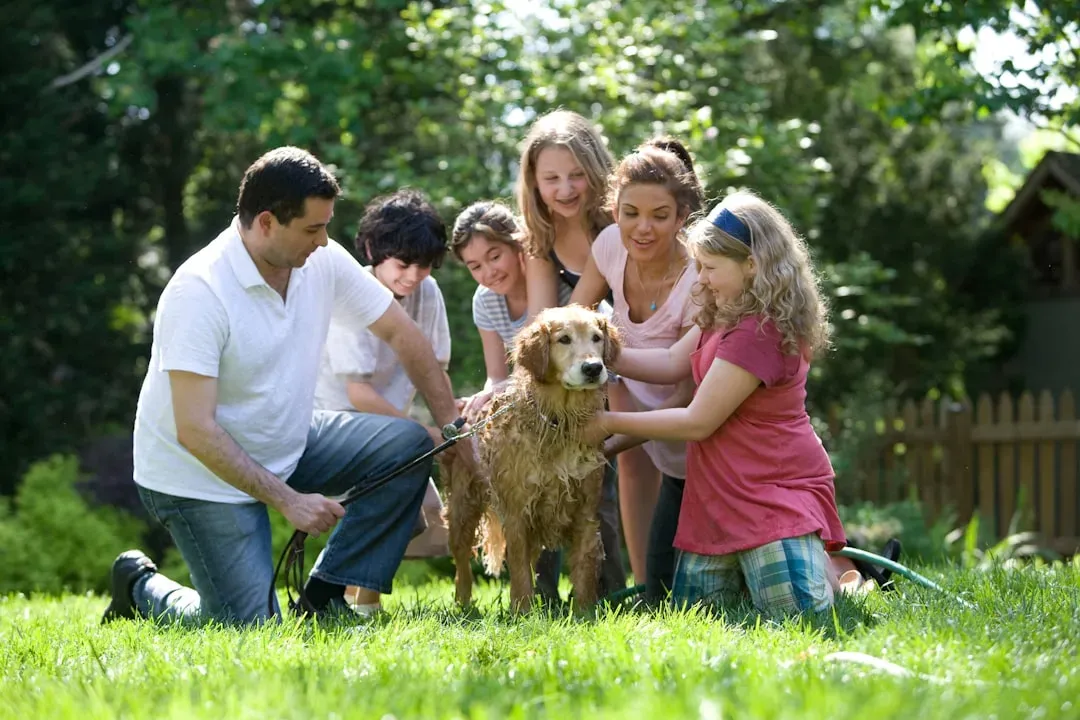
Friendships and community ties frequently form around shared pet experiences, from playdates to breed-specific groups. The animal appears in personal stories and photos as naturally as any child would. This integration turns the pet into part of how the person presents themselves to the world.
Decisions about housing, neighborhoods, and even career moves sometimes factor in the pet’s comfort and access to suitable spaces. The social circle expands or contracts based on how welcoming others are to the animal’s presence. Over time the pet shapes not just private life but public identity as well.
In the end, treating pets as children reveals less about eccentricity and more about how people adapt their capacity for love to the relationships available to them. It reflects a quiet reshaping of what family can mean when traditional structures shift. Those who live this way often find the arrangement deeply sustaining, even if outsiders sometimes struggle to understand the depth of the bond.


