
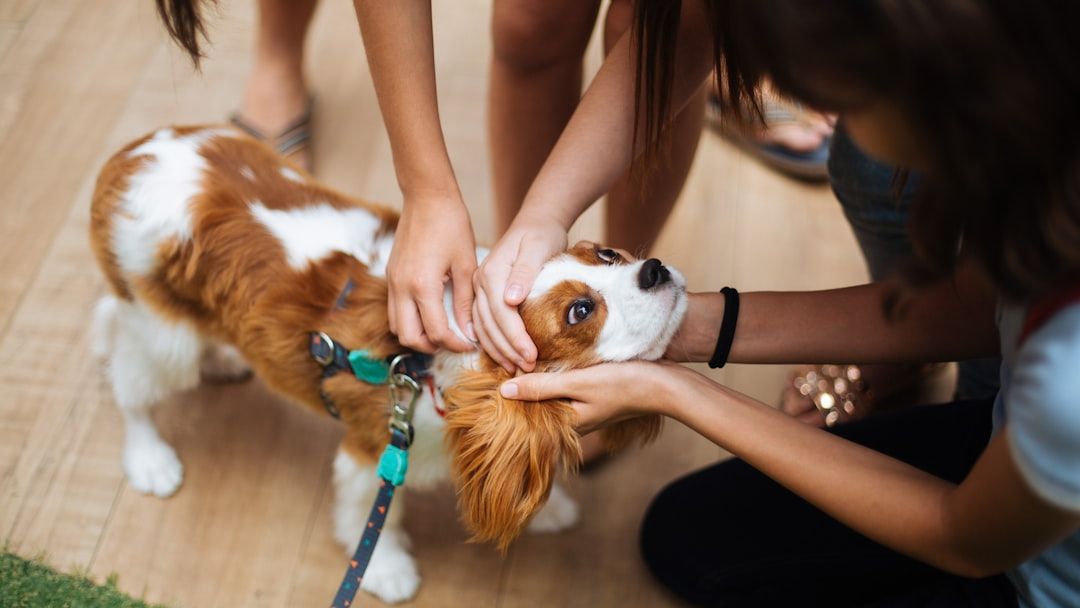
Labrador Retriever

Labradors thrive on human company and often struggle when routines change suddenly. Their social nature means long absences can lead to pacing, whining, and even digestive troubles like vomiting or diarrhea from the stress. Owners frequently notice these dogs lose interest in food or develop loose stools during separations that last more than a few hours.
Bred originally as working companions, Labs carry a strong drive to stay close to their people. This attachment can turn into physical symptoms when the bond feels broken. Training with gradual alone time helps many of them adjust, though some still show clear signs of distress through their bodies rather than just their behavior.
Border Collie
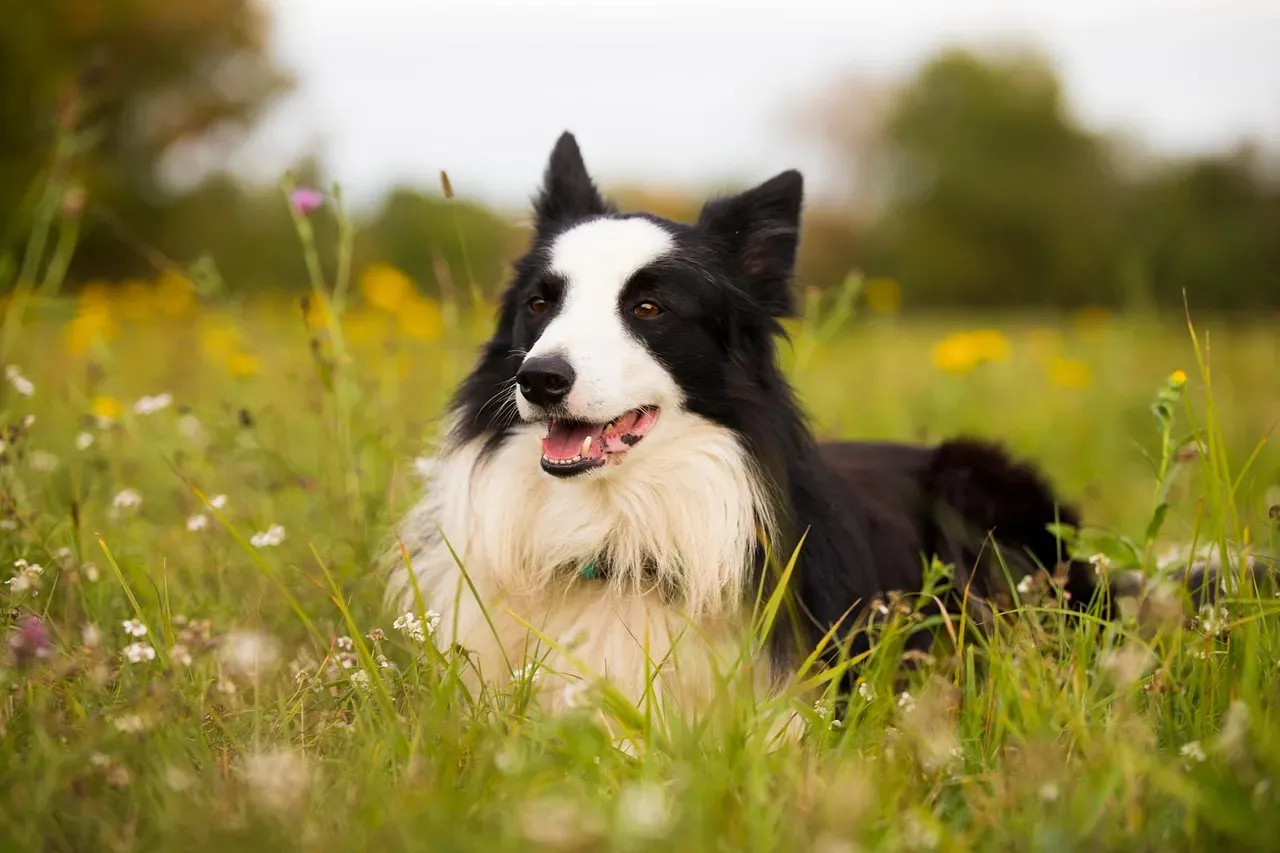
Border Collies bring intense focus and energy to everything they do, including their relationships with owners. When left alone, the mental strain often shows up as stomach issues or excessive drooling that points to real discomfort. Their high intelligence makes boredom and anxiety hit harder, sometimes resulting in self-soothing behaviors that affect their health.
These dogs were developed for constant work alongside people, so isolation feels unnatural. Physical signs like appetite loss or even mild trembling can appear quickly in sensitive individuals. Consistent mental stimulation paired with short practice separations tends to ease the load over time.
German Shepherd
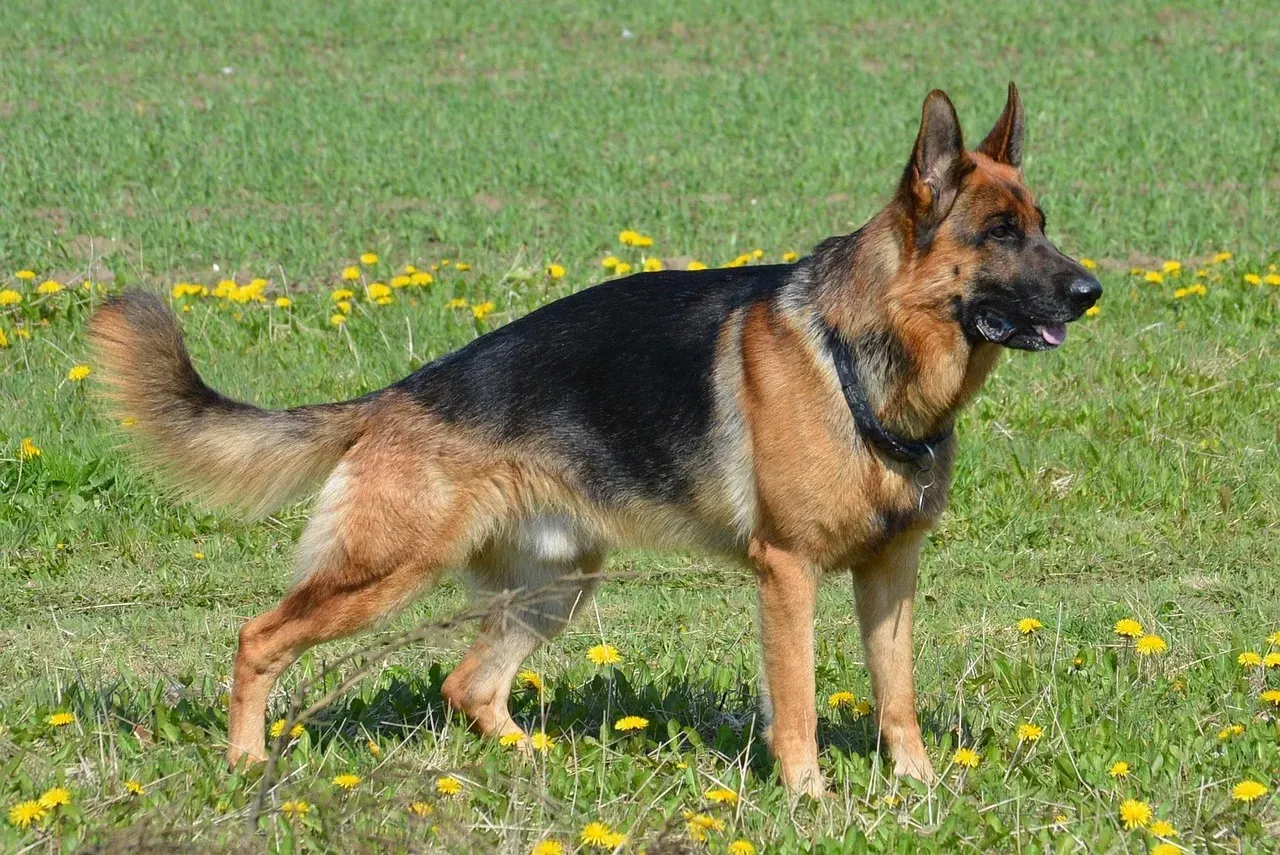
German Shepherds form deep loyalties that make them protective and attentive companions. Separation can spark anxiety that manifests physically through panting, pacing, or gastrointestinal upset. Their alert temperament means they stay on edge, and that tension sometimes translates into actual illness when the person they trust most is gone.
Originally working dogs with strong handler bonds, they carry that expectation into home life. Many owners report their Shepherds refusing meals or showing signs of nausea during longer absences. Early socialization and structured alone-time routines make a noticeable difference for this breed.
Chihuahua

Chihuahuas pack big personalities into small frames and often attach intensely to one main person. Time apart can trigger trembling, whining, and stomach problems that owners describe as stress-induced. Their size makes any physical reaction more noticeable and sometimes harder to manage without intervention.
These little dogs were bred as companions, so solitude runs against their wiring. Digestive sensitivities combined with anxiety can lead to accidents or vomiting when routines shift. Calm environments and familiar scents from the owner help reduce the physical fallout for many of them.
Cavalier King Charles Spaniel

Cavaliers were developed to be constant lap companions, and that history shows in how they handle time alone. Separation often brings on physical symptoms such as loss of appetite or soft stools tied directly to emotional stress. Their gentle nature makes the distress feel especially acute when their person steps out.
These spaniels form close attachments quickly and can become visibly unwell without that connection nearby. Owners note everything from excessive yawning to actual nausea in some cases. Short, positive departures practiced consistently tend to build their tolerance without overwhelming their systems.
Jack Russell Terrier

Jack Russells bring boundless energy and a terrier stubbornness that extends to their people bonds. When separated, the frustration can surface as physical illness, including digestive upset or frantic behaviors that leave them exhausted and unwell. Their drive to stay busy makes idle time particularly hard on their bodies.
Bred for independent hunting yet still deeply loyal, they walk a fine line between self-reliance and attachment. Many show clear signs like diarrhea or refusal to settle when left for extended periods. Plenty of exercise before departures combined with puzzle toys can ease some of the physical tension.
French Bulldog

French Bulldogs crave closeness and often mirror their owners’ emotions closely. Separation anxiety in this breed frequently leads to physical reactions such as heavy breathing, stomach issues, or general lethargy that signals real discomfort. Their brachycephalic build can make stress symptoms appear more dramatic than in other dogs.
These compact companions were shaped for human company above all else. Owners commonly see appetite changes or mild vomiting when schedules disrupt the daily rhythm. Keeping departures low-key and providing a safe, familiar space helps many Frenchies manage the strain better.
Vizsla

Vizslas earn their nickname as Velcro dogs because they stick so close to their people. Time apart can produce physical signs of distress like trembling, drooling, or digestive problems that reflect their deep need for connection. Their athletic build and sensitive temperament amplify how separation affects them bodily.
Developed as hunting partners who worked side by side with handlers, they expect constant presence. Many owners observe clear physical withdrawal or stomach upset during absences that feel too long. Regular activity and gradual independence training support their well-being without forcing them into isolation they cannot handle. Some breeds simply carry a stronger wiring for attachment, and recognizing that helps owners prepare rather than feel surprised by the fallout. The right mix of routine, enrichment, and patience often turns a difficult situation into something manageable for both dog and person. In the end, these dogs remind us that loyalty has a cost, and meeting it with understanding makes all the difference.


