
Chihuahua
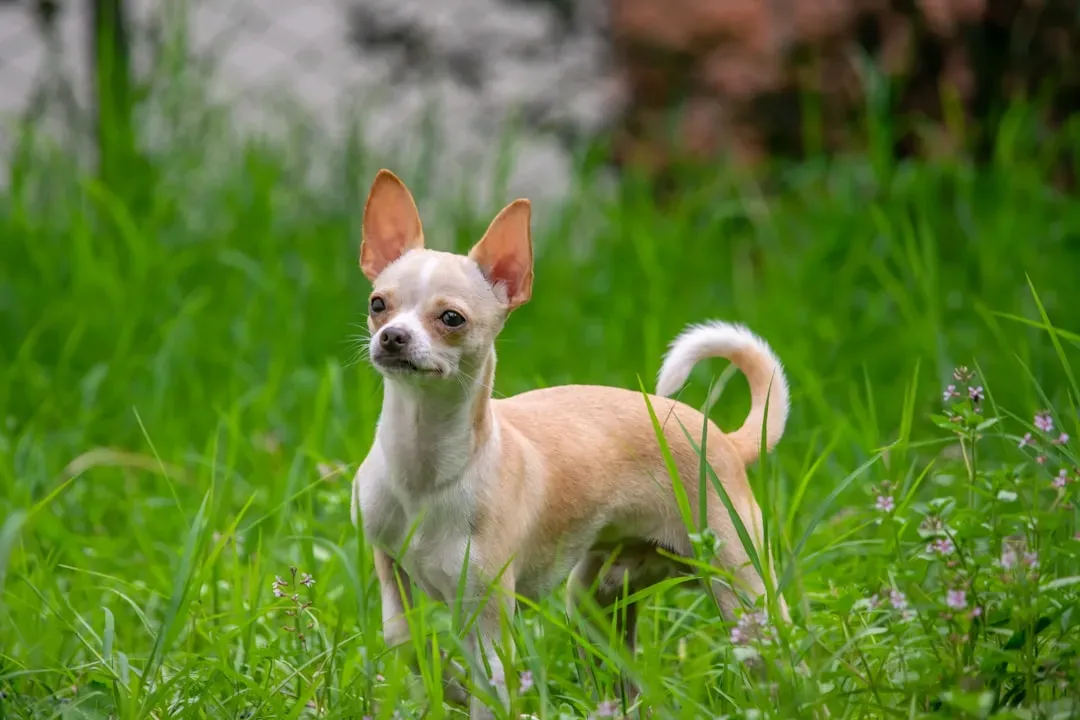
Chihuahuas carry a reputation for big personalities packed into tiny frames, and that intensity often extends to how they process stress. A sudden change in household routine or a frightening encounter can leave them withdrawn, with meals left untouched for days. Their small size makes any drop in eating especially noticeable and concerning to owners who already watch them closely.
Veterinarians note that these dogs frequently develop strong attachments, so separations or loud disruptions hit them hard. When appetite vanishes after such events, it usually signals a need for quiet reassurance and gradual reintroduction to normal feeding spots. Patience and consistency help most Chihuahuas regain interest in food once the immediate threat feels distant.
Border Collie
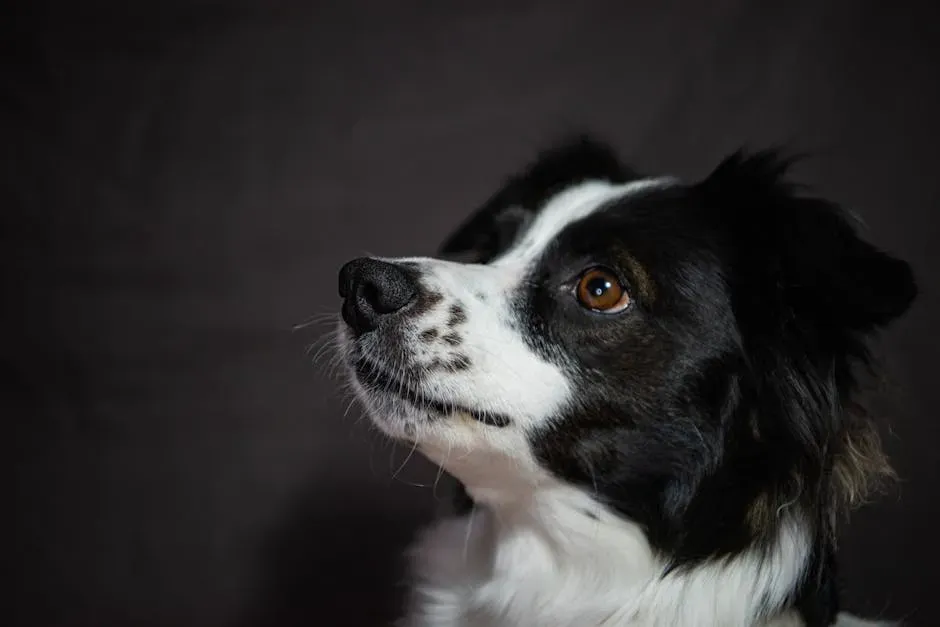
Border Collies thrive on structure and mental engagement, so any trauma that disrupts their sense of order can trigger a sharp decline in appetite. These working dogs often internalize stress through pacing or avoidance rather than obvious panic, yet the result is the same: bowls sit full while energy levels drop. Their high intelligence makes them quick to associate certain places or sounds with past distress.
Owners report that even brief boarding stays or household arguments can prompt this reaction in sensitive individuals. Rebuilding trust through short, positive training sessions paired with familiar meals tends to restore normal eating patterns over time. The breed’s drive to please usually works in their favor during recovery.
Italian Greyhound
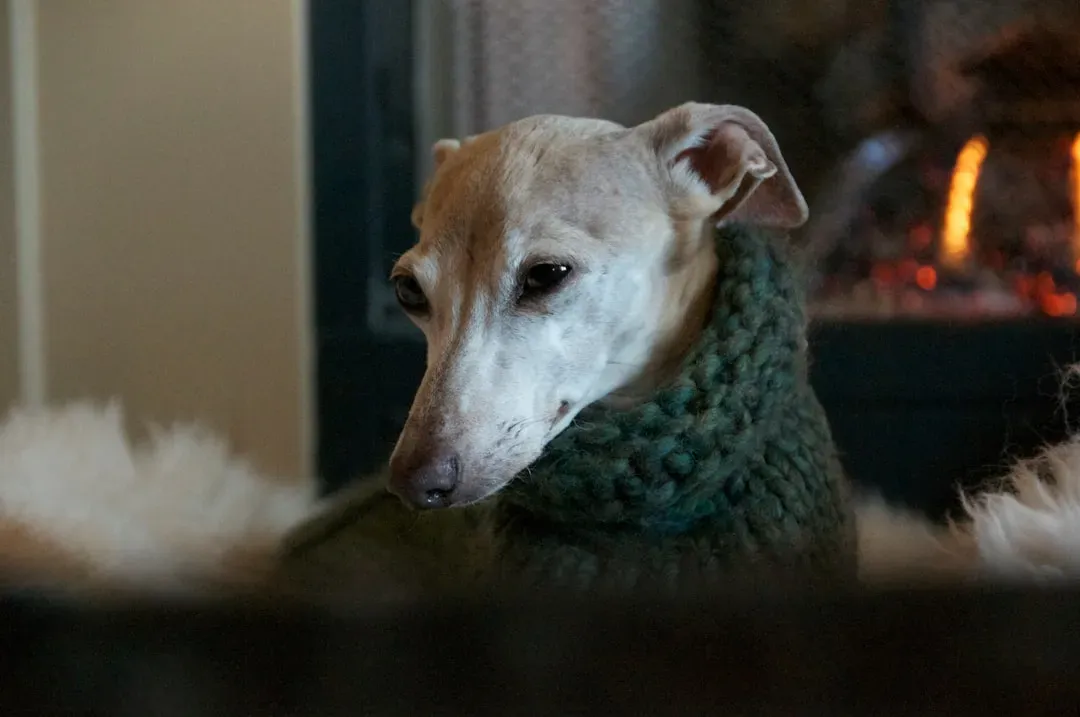
Italian Greyhounds combine elegance with a nervous temperament that makes them prone to shutting down after unsettling experiences. A single loud noise or rough handling can lead to days of skipped meals as they seek out hiding spots. Their slender builds leave little room for missed nutrition, which is why vets often flag them early when appetite issues arise.
These dogs form deep bonds and can interpret changes in their person’s behavior as personal rejection. Gentle handling, warm blankets, and hand feeding small portions help bridge the gap until confidence returns. Many recover fully once the environment feels predictable again.
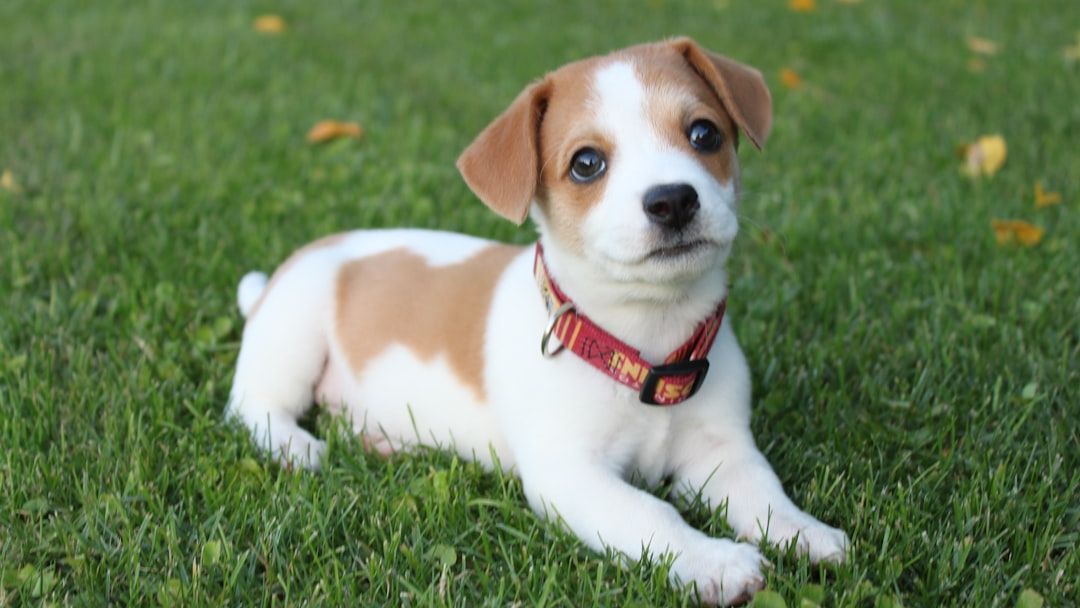
Jack Russell Terrier
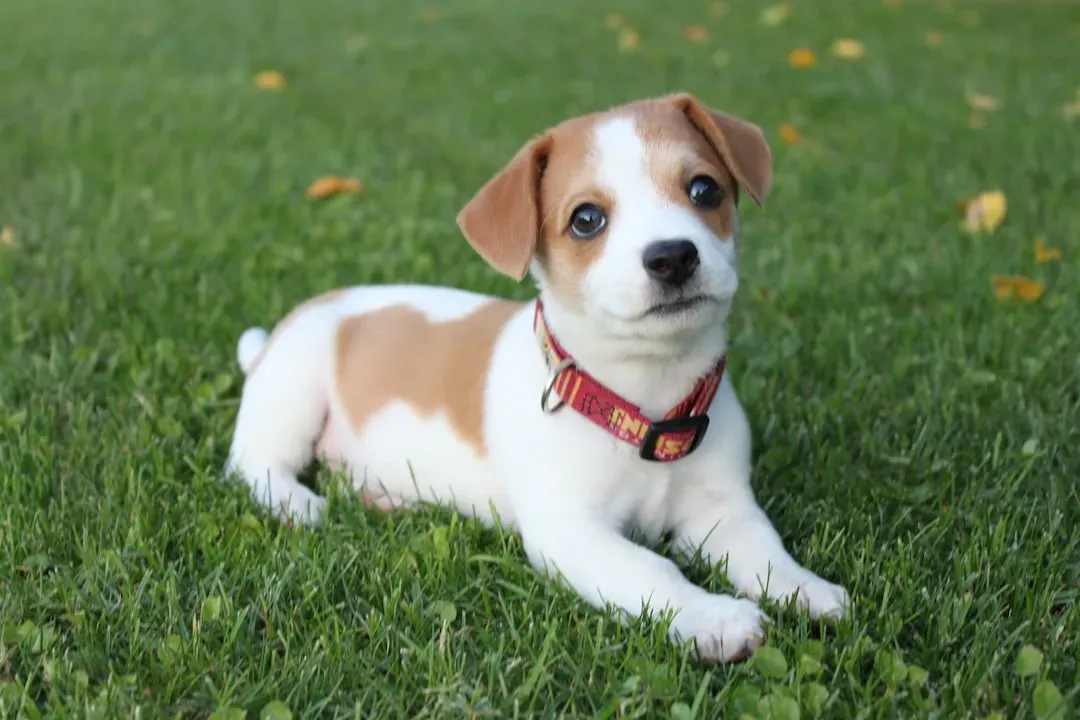
Jack Russells bring boundless energy to daily life, yet that same spark can flip into complete withdrawal when trauma strikes. A vet visit gone wrong or an aggressive encounter with another animal sometimes leaves them refusing food as a form of protest or self protection. Their terrier stubbornness means the behavior can persist longer than in more easygoing breeds.
Owners find that maintaining a steady routine and offering favorite treats in calm settings gradually reawakens interest. Because these dogs love play, pairing meals with short games often speeds the return to normal habits. Early intervention prevents the issue from becoming a lasting pattern.
Cavalier King Charles Spaniel

Cavalier King Charles Spaniels are known for their affectionate nature, which leaves them emotionally exposed when routines break or loved ones disappear. Trauma such as rehoming or the loss of a companion can manifest as prolonged appetite loss rather than overt fear. Their gentle disposition means they rarely vocalize distress, making the empty bowl the main clue.
Vets often recommend creating a cozy feeding area away from household traffic to reduce pressure. Small, frequent offerings of warmed food can entice them back without overwhelming their senses. With steady companionship, most Cavaliers regain their usual enthusiasm for meals.
Australian Cattle Dog
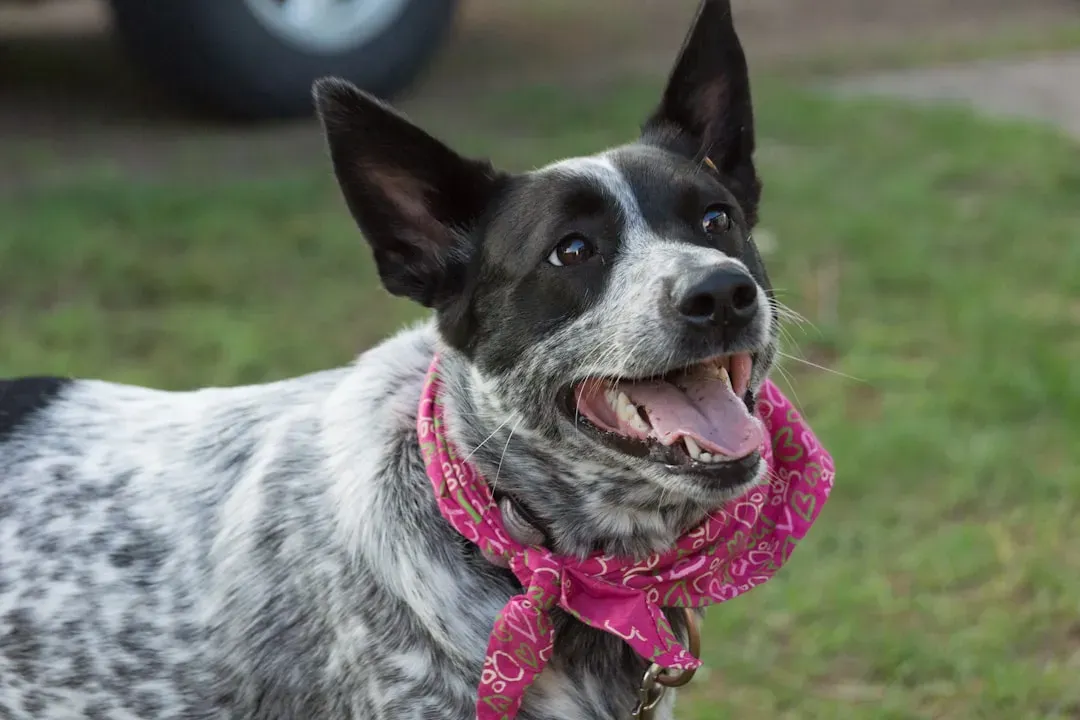
Australian Cattle Dogs were bred for tough work and independent thinking, yet they still carry a surprising sensitivity to emotional upheaval. Trauma from loud environments or inconsistent handling can cause them to skip meals while they assess whether their world remains safe. Their loyalty makes them particularly attuned to shifts in their owner’s mood or schedule.
Reestablishing clear daily patterns and using puzzle feeders for mental distraction often helps restore appetite. These dogs respond well to calm leadership that signals stability. Recovery tends to be steady once trust in the household returns.
Whippet
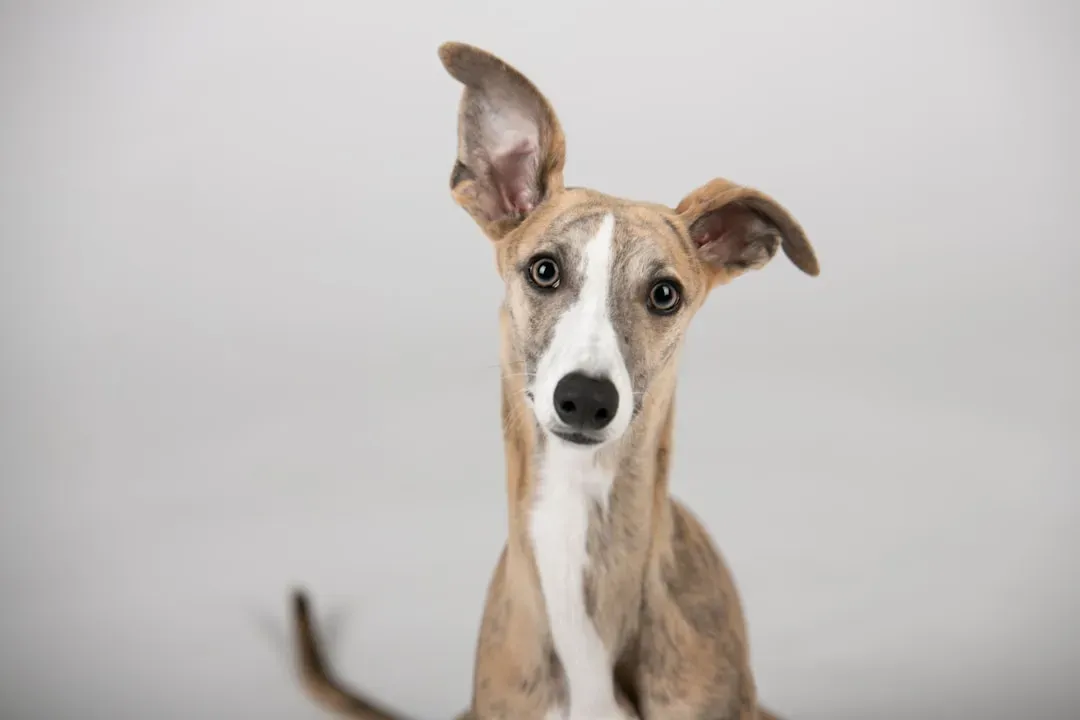
Whippets combine speed with a delicate emotional makeup that makes sudden changes feel overwhelming. A traumatic event like a car ride gone wrong or exposure to aggressive dogs can result in complete food refusal as they retreat into themselves. Their thin frames amplify the urgency when eating stops.
Owners succeed by offering meals in quiet, familiar corners and avoiding any pressure during the initial days. Soft music or a favorite blanket nearby sometimes eases the tension enough for interest to return. Most Whippets resume normal eating once the memory of the event fades.
Miniature Pinscher
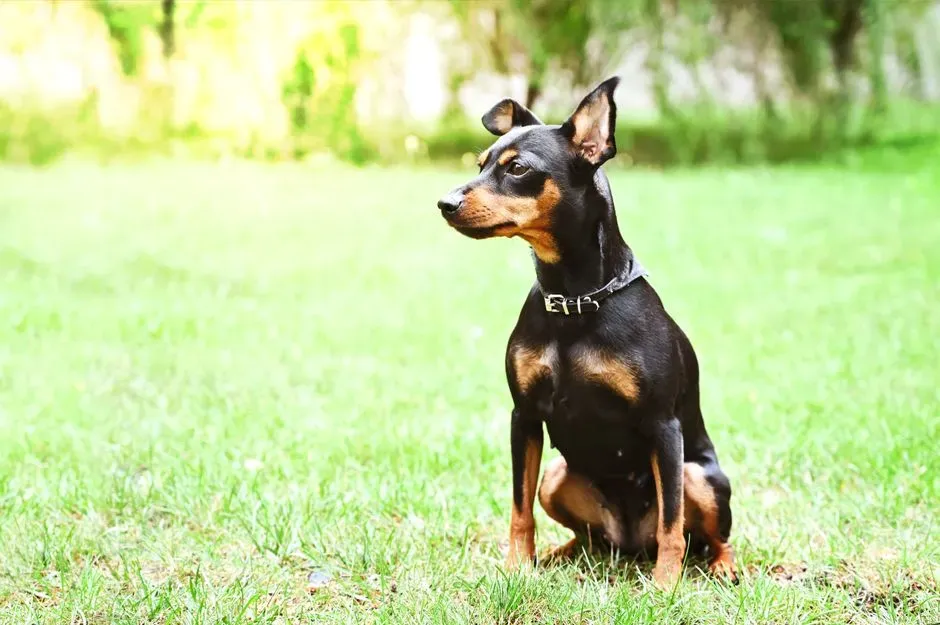
Miniature Pinschers project confidence but often hide a reactive streak that surfaces after stressful incidents. Trauma from rough play or unexpected visitors can lead to days without interest in food while they process the experience. Their alert nature means they notice every shift in the home environment.
Short periods of calm interaction followed by favorite kibble scattered on the floor can encourage tentative eating. These dogs benefit from predictable schedules that reduce overall anxiety. With time and gentle consistency, appetite usually rebounds fully.
The reality is that any dog can lose interest in food after trauma, yet these breeds seem to carry an extra layer of vulnerability that owners and veterinarians have learned to watch closely. Paying attention to early signs and responding with steady care makes all the difference in how quickly they find their way back to the bowl. In the end, the strongest safeguard remains the quiet, reliable presence of someone they trust.


