
The Gesture at Its Core
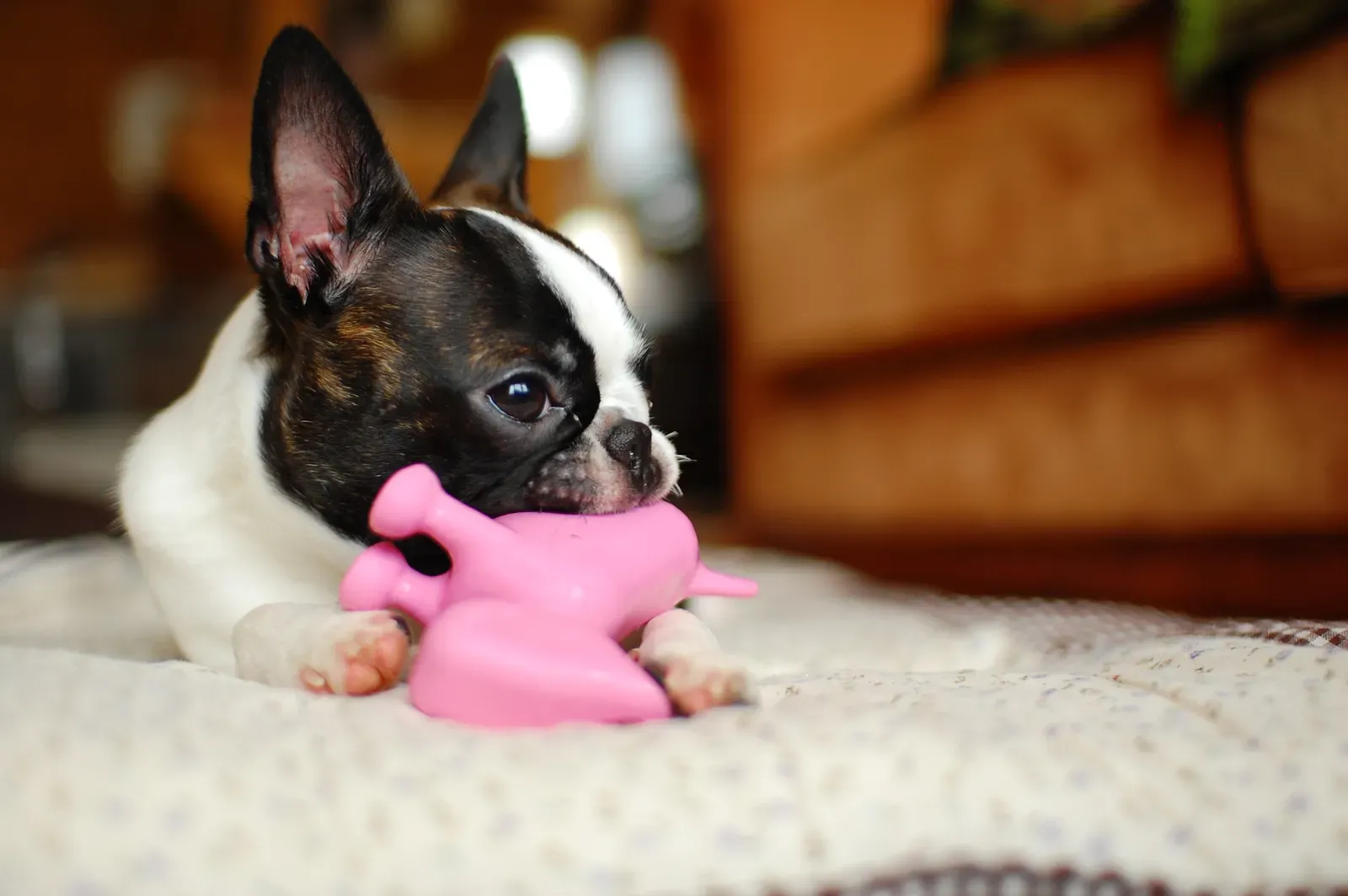
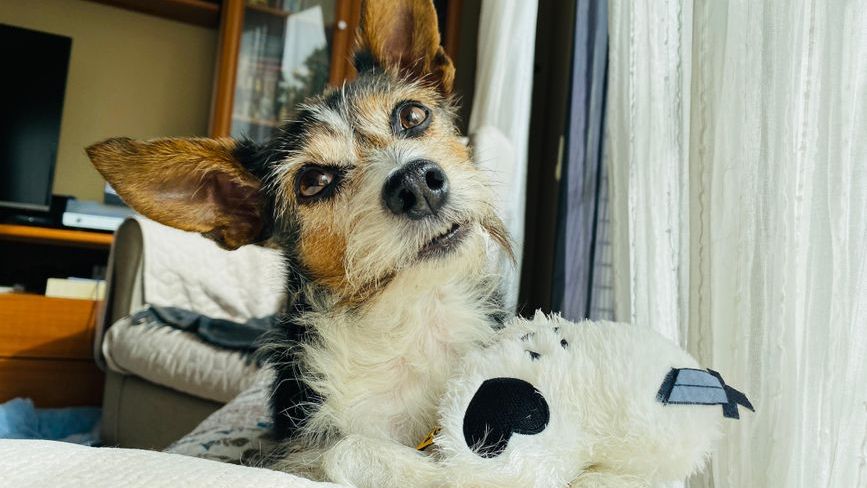
Dogs often bring toys when they notice changes in their owner’s mood. The action looks like an invitation to play, yet it carries a layer of comfort that goes beyond fun. Owners report the timing feels deliberate, especially during moments of visible distress like tears or slumped posture.
This response likely stems from years of living closely with humans. Dogs learn to associate certain sounds and movements with emotional shifts. Bringing an object becomes one way they attempt to shift the energy in the room.
How Dogs Pick Up on Human Emotions
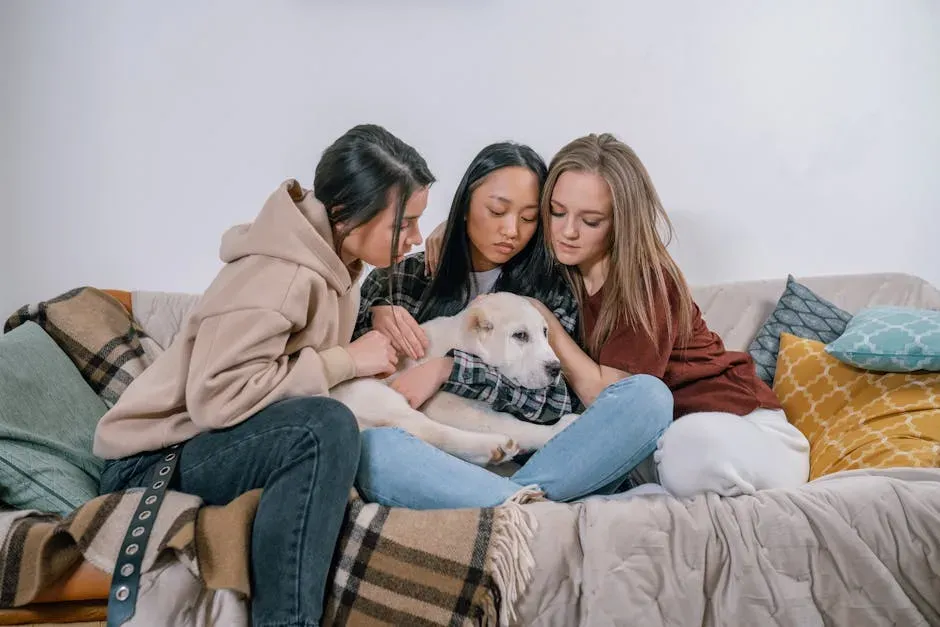
Research into animal behavior shows dogs respond to human facial expressions and vocal tones with surprising accuracy. They can distinguish between happy and sad cues, often adjusting their own actions accordingly. When crying occurs, many dogs approach rather than retreat, suggesting an instinct to stay close.
Their sensitivity comes from both evolution and daily life with people. Over time, dogs have developed skills to read subtle signals that help them navigate household dynamics. This awareness makes their toy offering feel like a targeted response rather than random play.
Toys as Personal Treasures
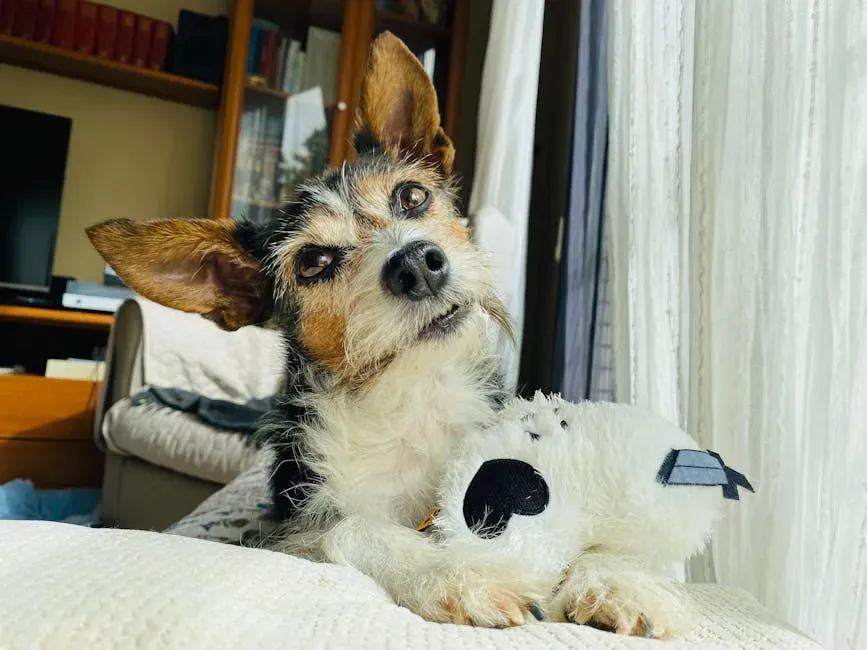
For a dog, a favorite toy holds real value. It represents playtime, security, and sometimes even a link to their own comfort routines. Offering it during an emotional moment shows a willingness to share something they could easily keep to themselves.
That choice stands out because dogs guard prized items in other situations. When they release the toy instead, it points to a different priority. The gesture places the owner’s state above their own attachment to the object.
Signs of Empathy in Everyday Life
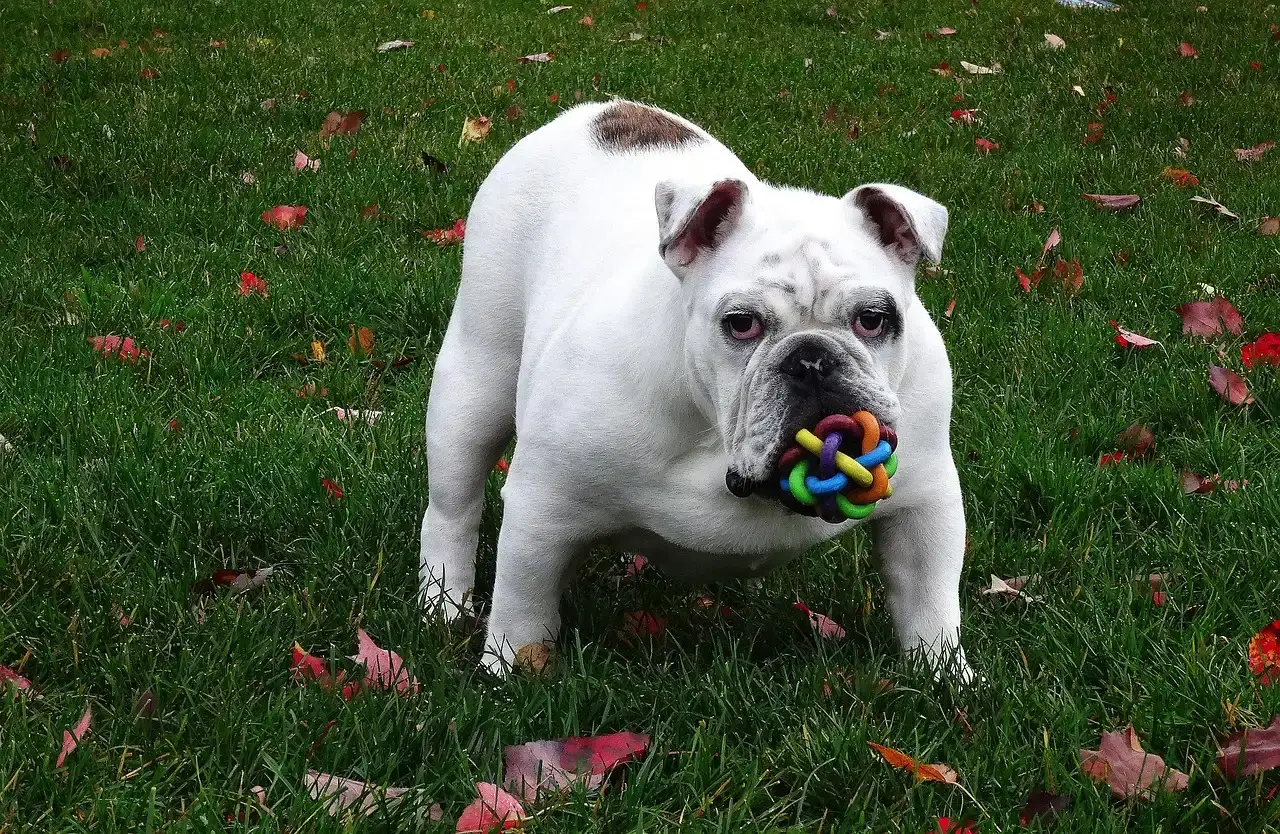
Empathy in dogs shows up in small, repeated ways rather than dramatic displays. They might lean against a person who seems low or mirror a calm energy after sensing tension. The toy delivery fits into this pattern as an active attempt to engage and lift spirits.
These moments build over time through shared routines. A dog learns what works by watching reactions and adjusting future behavior. The consistency of the action across different households suggests it reflects a genuine response rather than coincidence.
The Human Side of the Exchange
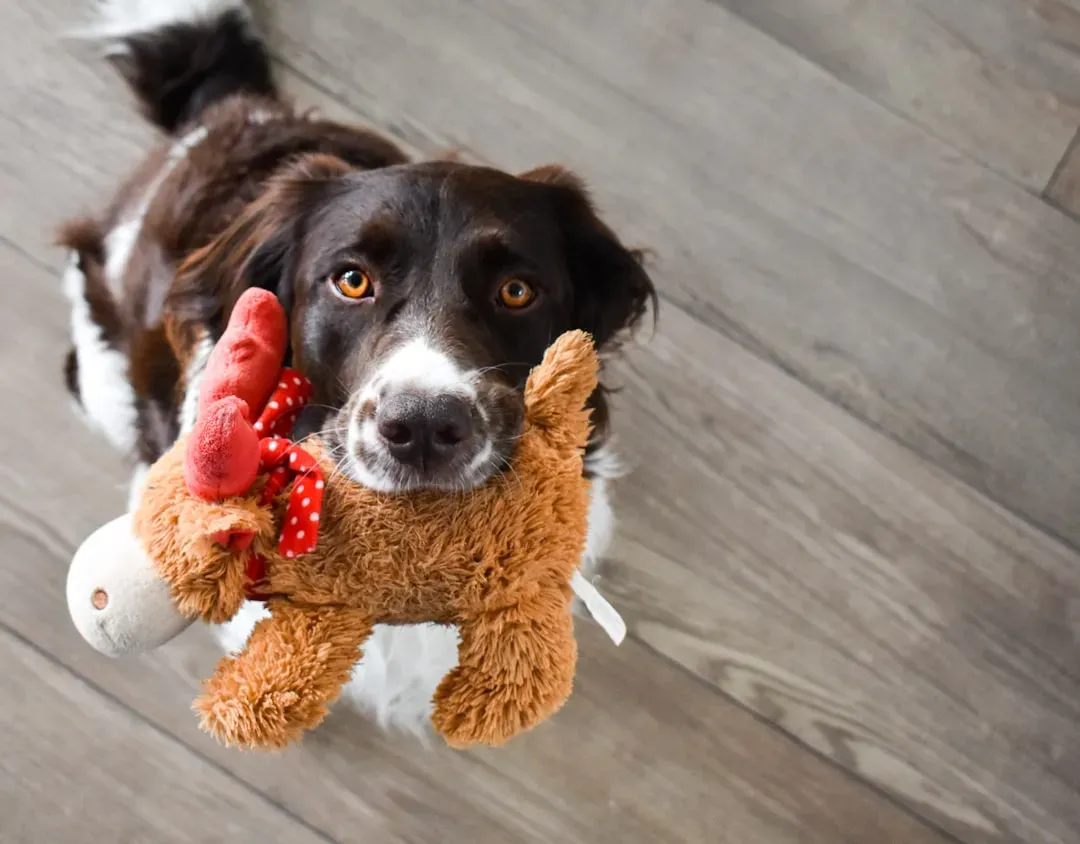
People often feel an immediate lift when their dog offers the toy. The simple act interrupts a spiral of thoughts and reminds them they are not alone. It creates a brief bridge back to the present through the dog’s presence and effort.
Over repeated instances, these interactions strengthen the sense of partnership. Owners start to notice patterns and respond with gratitude or renewed calm. The exchange becomes part of how the relationship handles difficult days.
Building Stronger Daily Connections
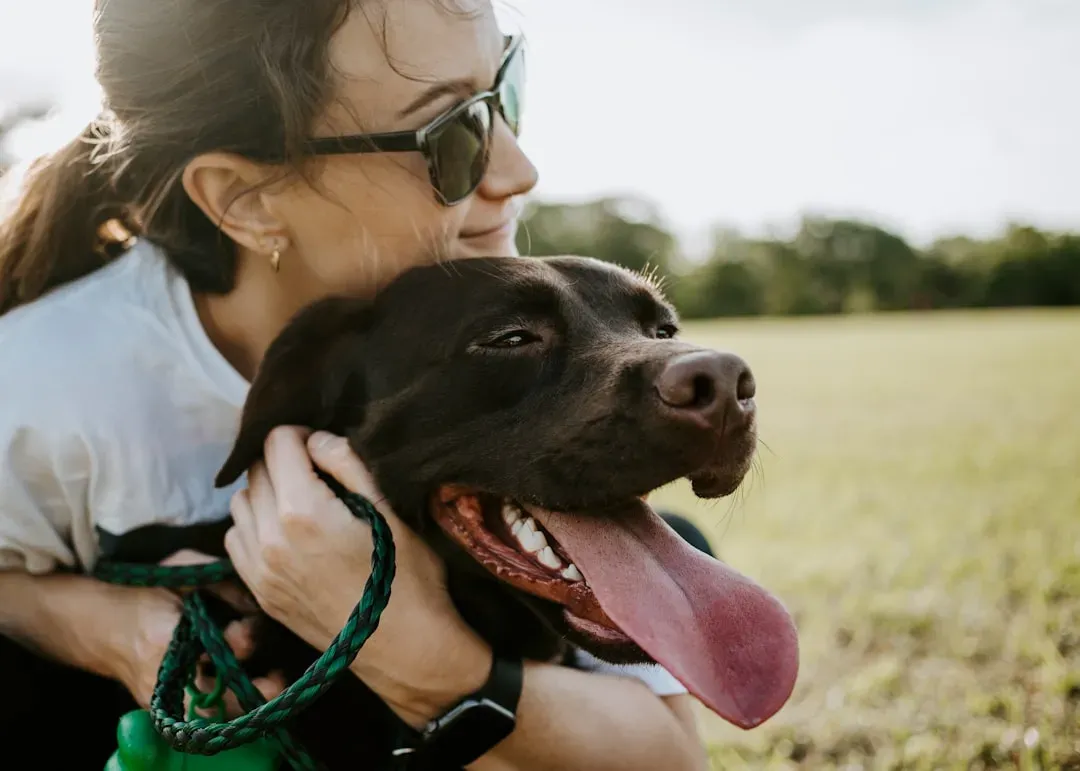
Recognizing this behavior encourages owners to meet it with attention. A gentle acknowledgment or light play can reinforce the dog’s choice to reach out. Small responses like these keep the channel open for future moments of support.
Paying attention also helps owners stay tuned to their own emotional signals. Dogs notice shifts quickly, so consistent care on both sides deepens trust. The result feels like a quiet teamwork that grows naturally from ordinary life.
Why These Moments Matter in the Long Run
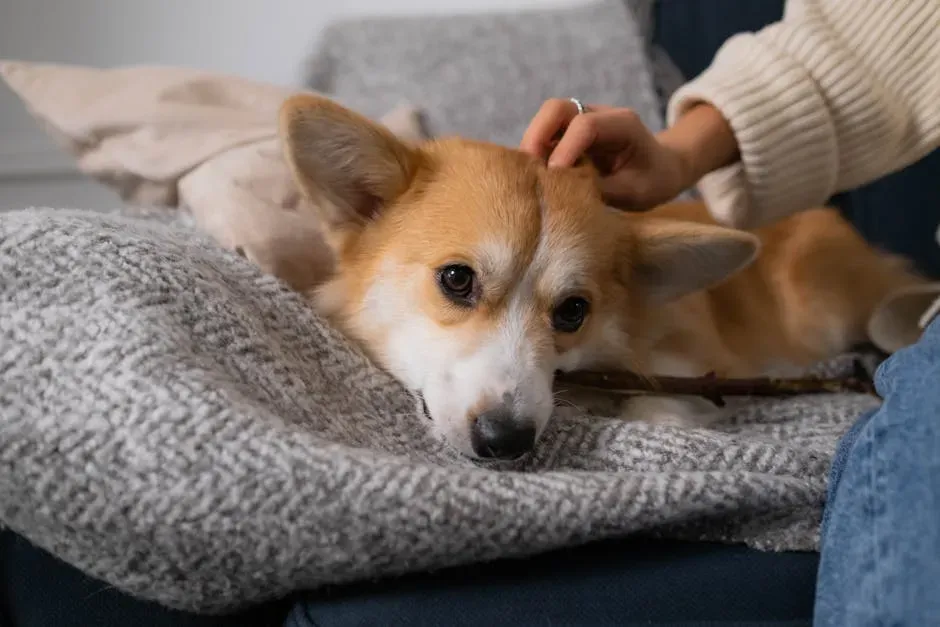
Ultimately, the toy offering reveals how dogs weave themselves into our emotional world without words. Their actions remind us that comfort can arrive in unexpected forms, often from the ones who share our space most closely. It is a reminder that presence and small gestures carry real weight over time.
In the end, these quiet exchanges highlight the depth possible in a human dog bond. They invite us to value the everyday ways animals show care and to respond in kind. That mutual attention turns ordinary days into something steadier and more connected.


