
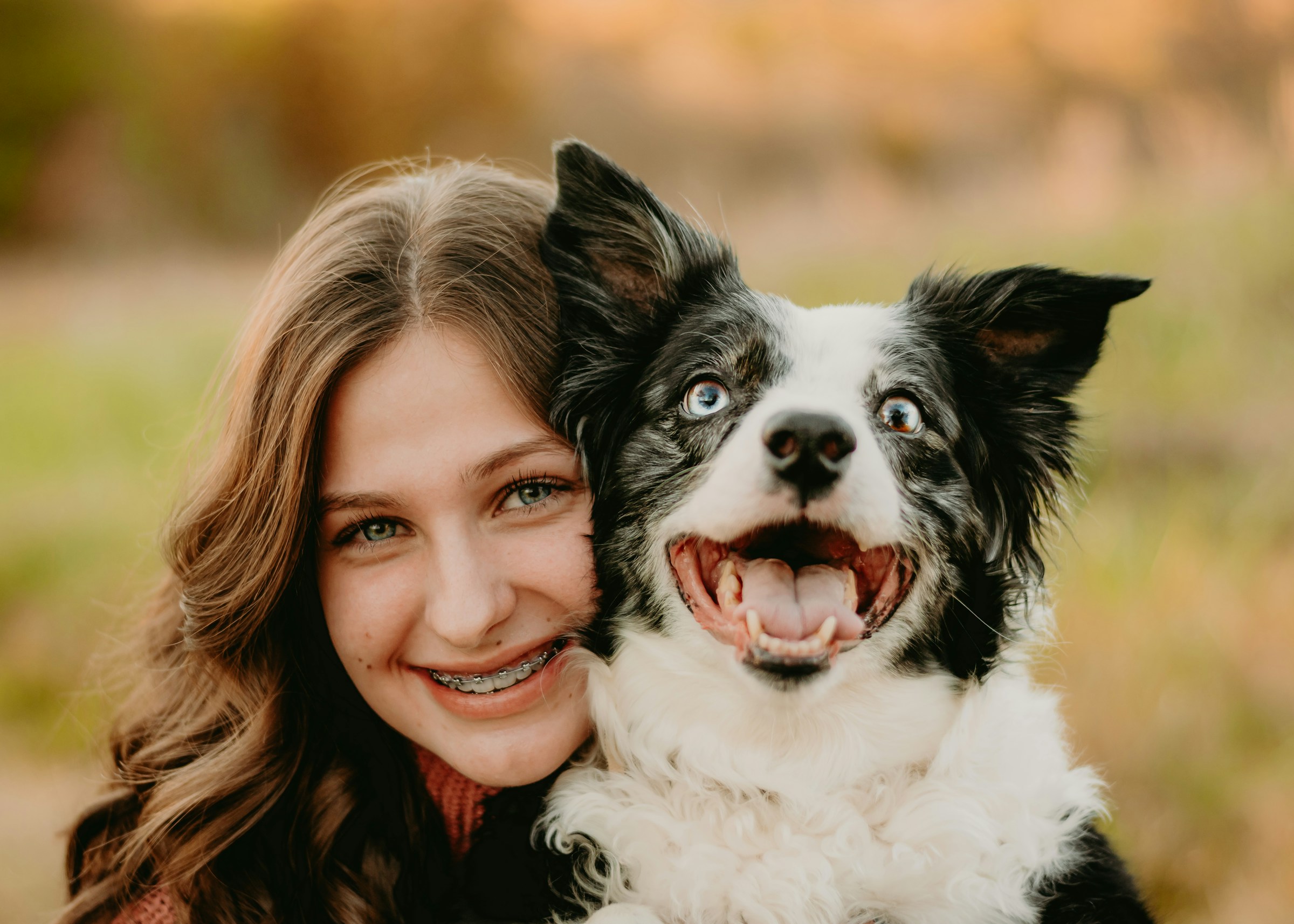
Next time your dog stares into your eyes, it might be doing something surprisingly sophisticated: scanning the right side of your face the same way other humans do. Far from being a cute quirk, this left gaze bias hints at a deep, almost eerie level of emotional reading that dogs have developed while living alongside us. In other words, your dog is not just looking at you; it is decoding you.
Scientists studying animal psychology have discovered that dogs, like humans and some primates, tend to focus more on the right side of a human face, using their own left visual field. This side of our face usually shows stronger emotional cues, and dogs seem to have learned that this is where the good stuff is. Once you understand this, everyday moments with your dog – that head tilt, that long stare, that instant reaction to your mood – suddenly feel much more intentional and a lot more impressive.
Why the Right Side of Your Face Matters More Than You Think

Human faces are not perfectly symmetrical, especially when it comes to emotion. Research has shown that the right side of the face (from the viewer’s perspective, that is your left cheek) often displays stronger and more intense emotional expressions. Subtle shifts in the eyes, the tightening around the mouth, or a raised eyebrow on that side can give away how we truly feel, even when we think we are hiding it.
Dogs appear to have tapped into this human pattern. By focusing more attention on the right side of our faces, they are essentially reading the emotional “headline” we are broadcasting without words. It is like they have learned to skip small talk and go straight to the part of our expression that reveals whether we are relaxed, stressed, excited, or upset. This is not just cute; it is adaptive. Knowing our emotional state helps dogs decide whether to play, stay calm, seek comfort, or give space.
What “Left Gaze Bias” Actually Means in Dog Behavior
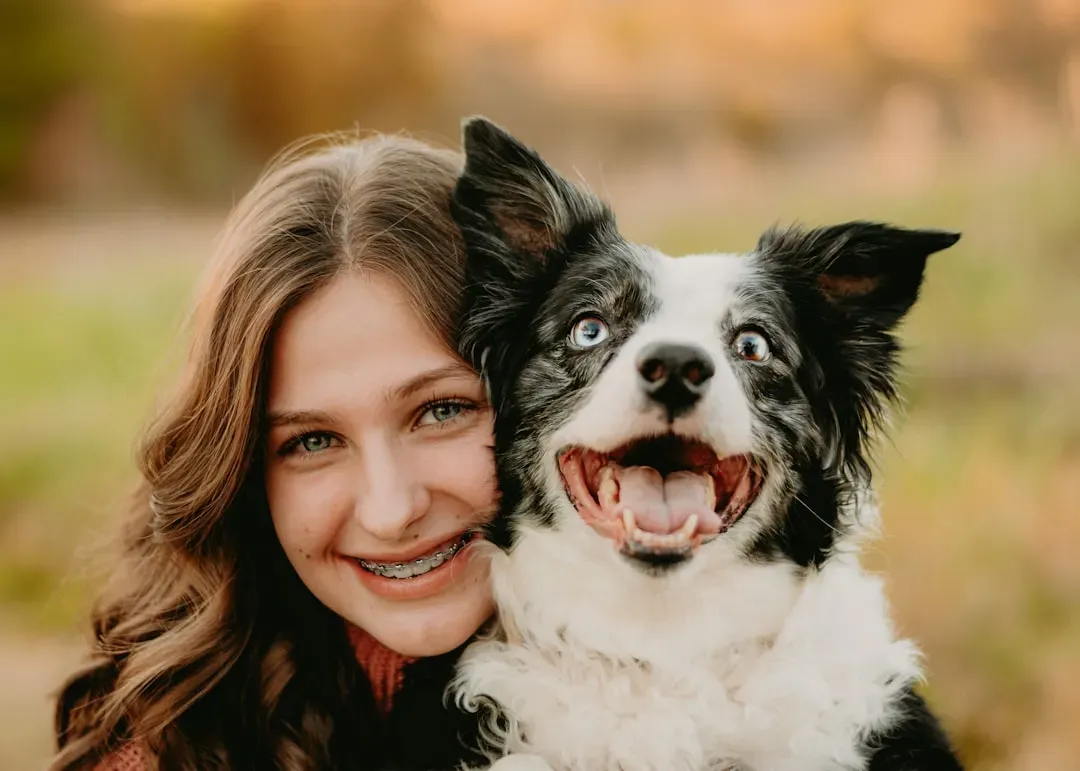
Left gaze bias describes a simple but powerful habit: when dogs look at human faces, they tend to direct their eyes slightly more to the left side of their visual field. Because of how vision and the brain are wired, that left visual field is mainly processed by the right hemisphere of the brain, which is strongly involved in emotion, social cues, and fast reactions. In practice, this means dogs are orienting themselves to pick up emotional information more efficiently.
This bias is not random wandering of the eyes. In controlled experiments, dogs are more likely to show left gaze bias when looking at human faces than when looking at objects or other kinds of visual patterns. That suggests they treat faces as special, information-rich targets. It is similar to how humans quickly scan someone’s face to figure out if they are safe, friendly, angry, or dangerous, even before a single word is spoken. Dogs are essentially running their own version of that social scan on us.
Dogs, Humans, and Primates: A Shared Emotional Strategy
One of the most striking things about left gaze bias is that it is not just a dog thing; it shows up in humans and some primates too. When people look at faces, they also tend to focus more on the side that reveals stronger emotional signals. Primates, like chimpanzees and some macaque species, show similar scanning patterns, suggesting that this is a deeply rooted social strategy in animals that rely heavily on visual communication.
The fact that dogs, a species that did not evolve from primates, now use a similar gaze pattern on humans is remarkable. It suggests that through thousands of years of living alongside us, dogs have tuned into our emotional “language” in a way that parallels our own processing. They may not understand happiness or sadness the way we do conceptually, but they clearly pick up on the visual patterns that go with those emotional states and respond in ways that are often uncannily appropriate.
How Domestication Shaped the Canine Emotional Radar
Dogs did not always live inside our homes, sleep in our beds, or read our moods from across the room. Over many generations of domestication, humans unconsciously selected dogs that were better at understanding us, responding to us, and fitting into our social world. Animals that could read subtle cues – a frown, a soft voice, a tense posture – had a big advantage. They were more likely to be cared for, protected, and bred.
Left gaze bias appears to be part of that long evolutionary story. It is unlikely that wolves, living far from human contact, evolved to scan human faces this way on their own. Instead, as early dogs moved closer to human communities, the ones that naturally paid attention to human faces and reacted to emotional shifts probably did better. Over time, that sensitivity may have crystallized into the patterns we now see in domesticated dogs: they watch us, they interpret us, and they adjust themselves in ways that keep the bond going.
From Head Tilts to Heartbreak: Everyday Signs Your Dog Is Reading You
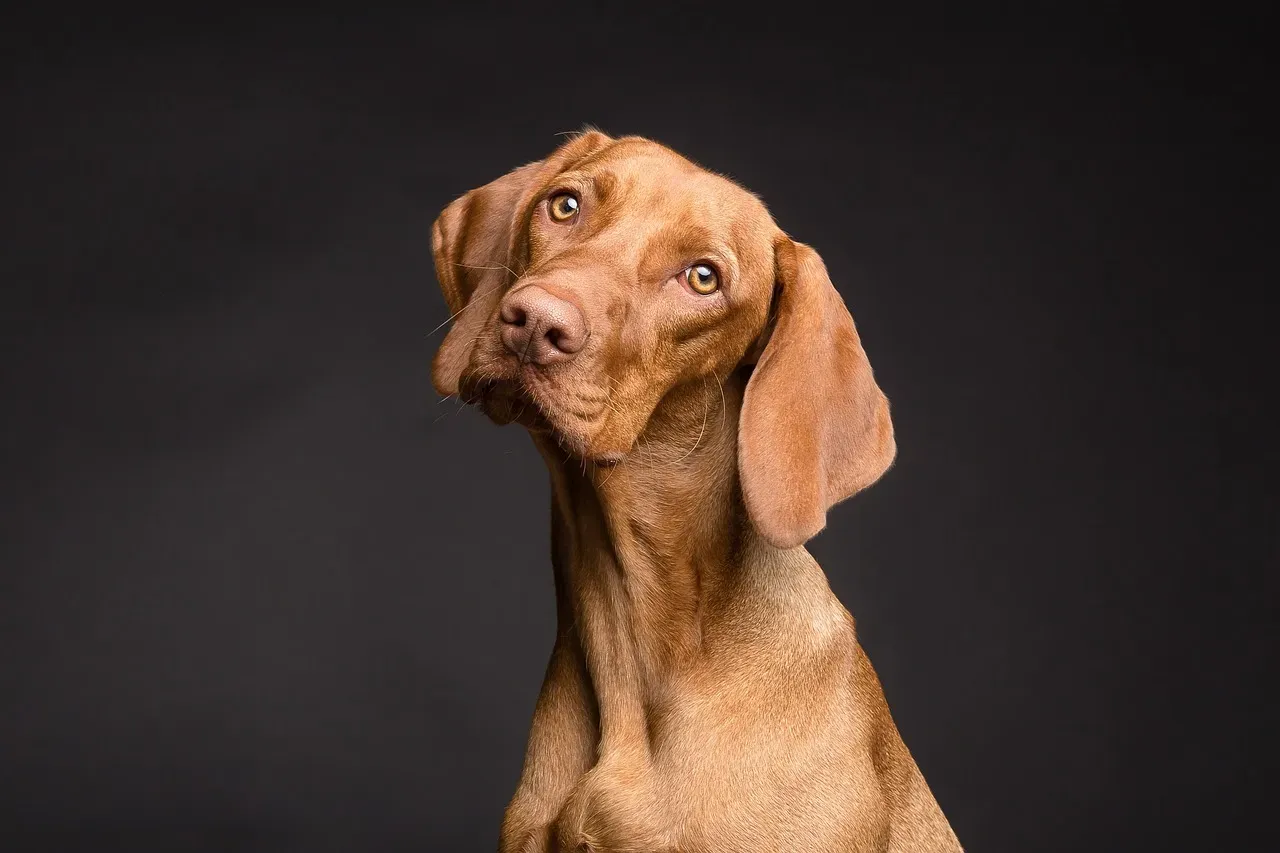
You do not need a lab experiment to see your dog’s emotional radar in action; you just have to pay attention on an ordinary day. Think about how your dog behaves when you come home after a long, exhausting day. Before you speak, your posture, your face, and your movements already tell a story, and many dogs respond instantly – maybe with gentle, quiet closeness instead of wild play, or with an excited burst when they sense your good mood. That is their gaze bias and emotional reading playing out in real life.
Even the classic head tilt – the one that melts people on social media – may be a sign your dog is trying to fine-tune the way it sees and hears you. While not every tilt is deeply meaningful, it often happens when dogs are paying close attention to our cues. I have noticed in my own life that my dog seems to linger on one side of my face when I am upset or on the verge of tears, as if it is zooming in on the “loudest” emotional side of my expression. It feels less like a pet responding by instinct and more like a quiet friend who is truly paying attention.
Misunderstandings and Limits: Dogs Are Smart, Not Psychic
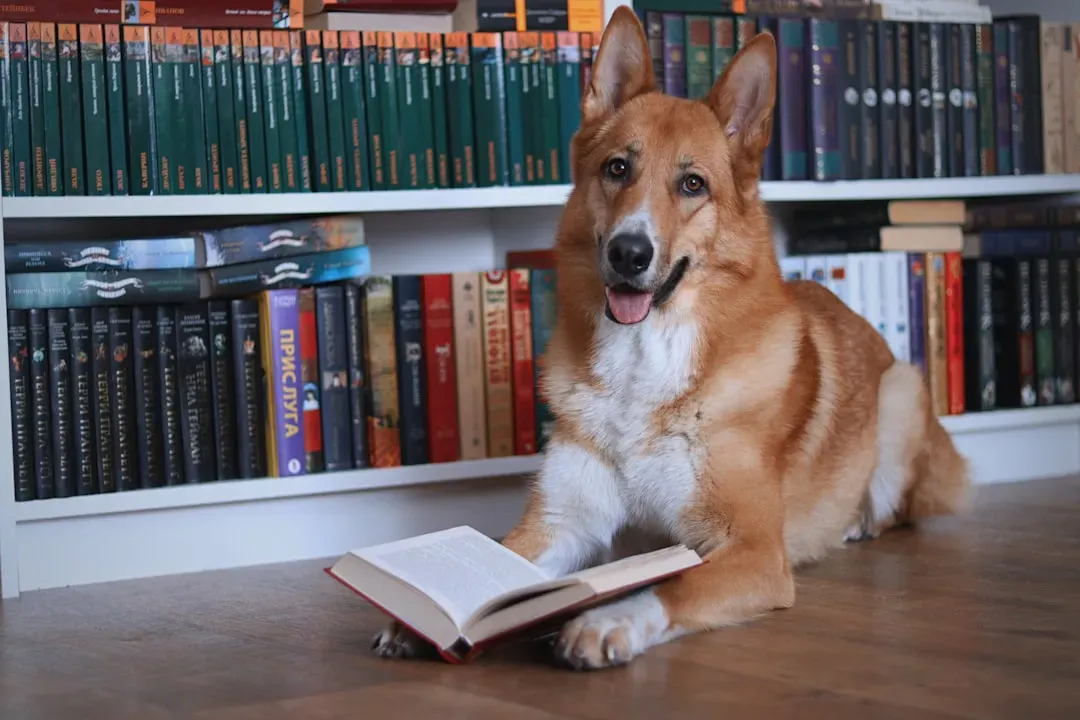
As impressive as left gaze bias is, it is important not to over-romanticize what dogs can do. They are keen observers of our expressions and body language, but they are not mind readers and they do not grasp the full complexity of human emotions and motives. Sometimes they get things wrong – mistaking loud laughter for aggression, or interpreting tense silence as anger aimed at them. Their emotional radar is tuned in, but it is still built on associations and patterns more than abstract understanding.
There is also a lot we still do not know. Not all dogs show left gaze bias in exactly the same way, and individual differences, past experiences, and even breed traits likely shape how strongly a particular dog relies on this visual strategy. Scientific studies offer snapshots, not complete biographies of every dog’s mind. The safest, fairest way to see it is this: dogs are extremely good at reading certain parts of our emotional display, but they are still working with limited data. We should respect their abilities without imagining them to be flawless or magical.
What This Means for Your Relationship With Your Dog
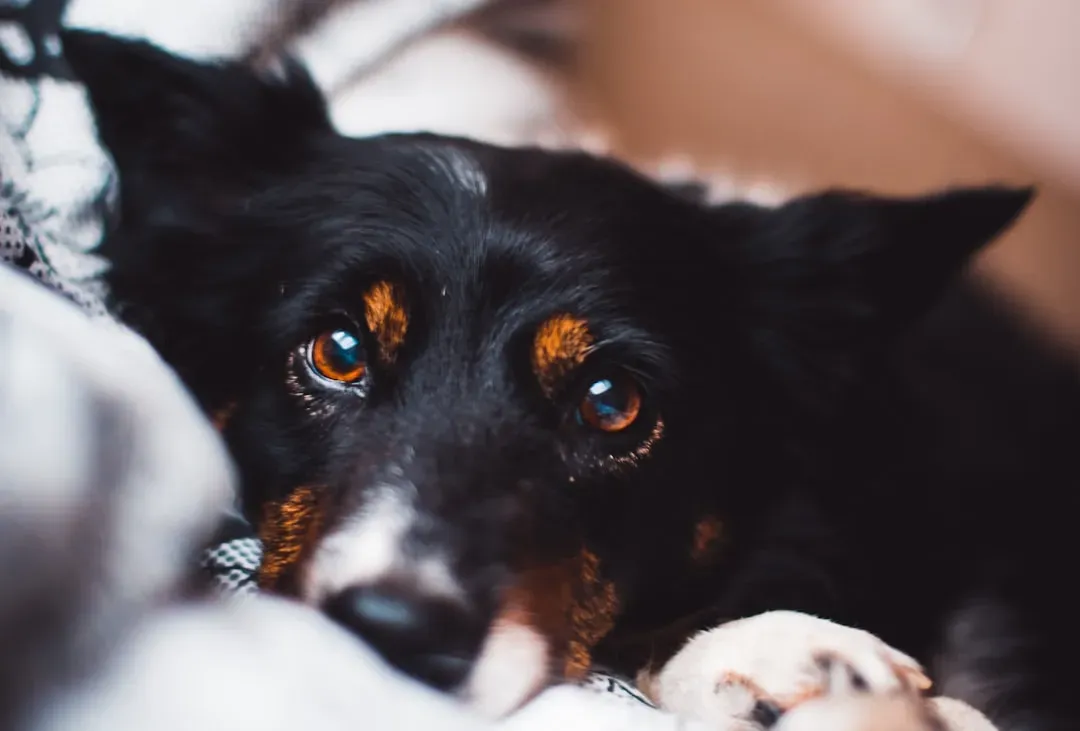
Understanding left gaze bias can change how you see your dog’s attention. When your dog locks eyes with you, it is not just waiting for food or commands; often, it is quietly checking in on how you are doing. That realization alone can deepen the bond, because you start to recognize that communication is flowing in both directions. You are not just a caretaker; you are also a constant emotional signal that your dog is learning to read and respond to.
Practically, this knowledge is a reminder to be more intentional about what you show your dog. Harsh, unpredictable anger, even if not directed at the animal, can make a sensitive dog anxious, because your face and body say danger even if your words never mention it. On the other hand, making space for soft eye contact, relaxed expressions, and calm presence can signal safety. If dogs are using sophisticated strategies to understand us, we owe it to them to be at least a little more thoughtful about what we are broadcasting back.
Conclusion: Dogs See More in Us Than We Like to Admit
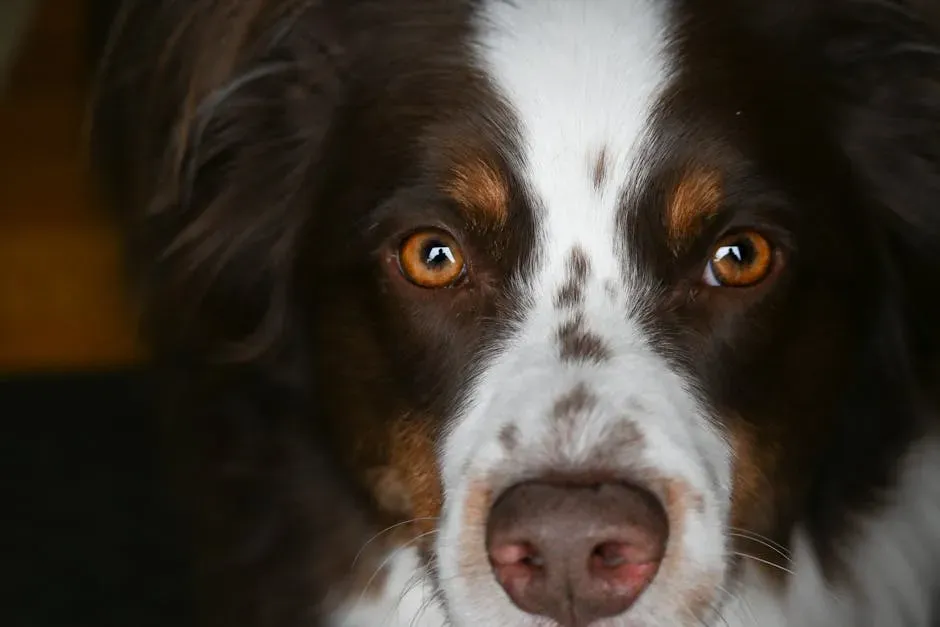
The idea that dogs use left gaze bias to study the right side of our faces is more than a neat scientific fact; it is a humbling reminder that they have been paying very close attention to us for a very long time. To me, it reinforces the opinion that dogs are not just domesticated animals but emotional partners who have invested evolutionary energy into understanding our moods and signals. They adapted to our inner lives because that is where the real story is for them: our joy, our frustration, our stress, our calm.
We often talk about training dogs to understand us through commands, treats, and routines, but the science of gaze bias suggests they have been quietly “training” themselves to read us even more deeply. That puts some responsibility back on us to meet them halfway, to realize that our expressions are not invisible and that our emotional climate shapes their world. In the end, the question is not whether dogs are watching us closely – they clearly are – but what they are learning from what they see. When your dog looks at your face today, what story do you think it is reading?


