
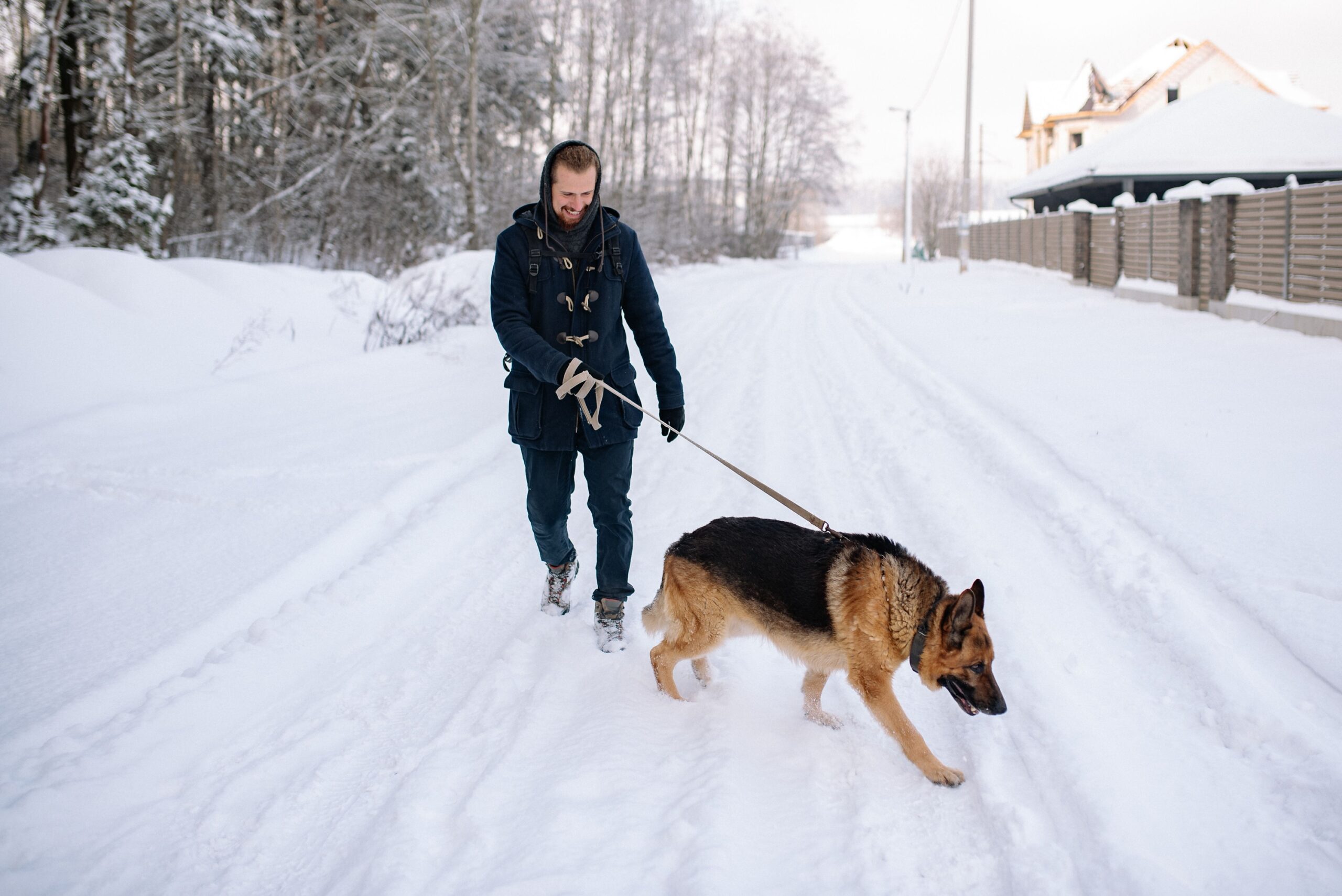
Picture this: you finally have time, your days are quieter, and you start dreaming about a dog snoozing at your feet and padding gently behind you around the house. Then reality hits – your neighbor’s “sweet” dog nearly pulls her to the ground chasing a squirrel, and you suddenly wonder if the wrong dog could turn your golden years into a constant struggle instead of a comfort.
Veterinarians and behavior experts are usually very careful about blanket statements, because every dog is an individual. But there are some breeds that, on average, are simply a tougher match for people over 70 – especially if you live alone, have any mobility or balance issues, or just don’t want your retirement to feel like boot camp. These six breeds are not “bad dogs,” but they often demand more strength, stamina, and time than most older adults realistically want to give.
1. Border Collies: Brilliant Minds Trapped in the Wrong Lifestyle
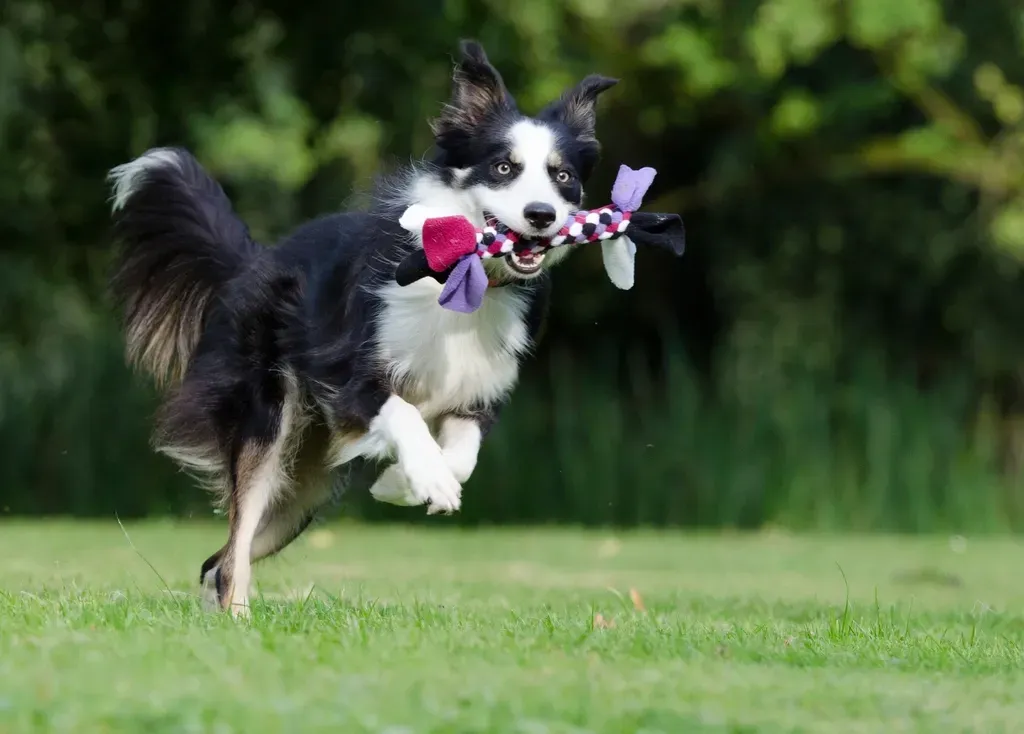
Border Collies look like the perfect medium-sized companion, and they’re incredibly smart and devoted. That intelligence, though, is exactly why so many veterinarians quietly warn older owners away from them. This breed was developed to work all day, racing over hills, herding fast-moving sheep, making decisions on the fly – not to stroll around the block and nap on the sofa.
When a Border Collie doesn’t get enough physical and mental work, all that energy and brainpower has to go somewhere. It can turn into obsessive behavior, nonstop pacing, barking at every sound, or even nipping at heels or clothes as their old herding instincts kick in. Managing that intensity usually means hours of training, games, and vigorous exercise every single day, which can be exhausting and risky for someone with joint pain, heart issues, or balance problems.
2. Siberian Huskies: Escape Artists With Endless Energy
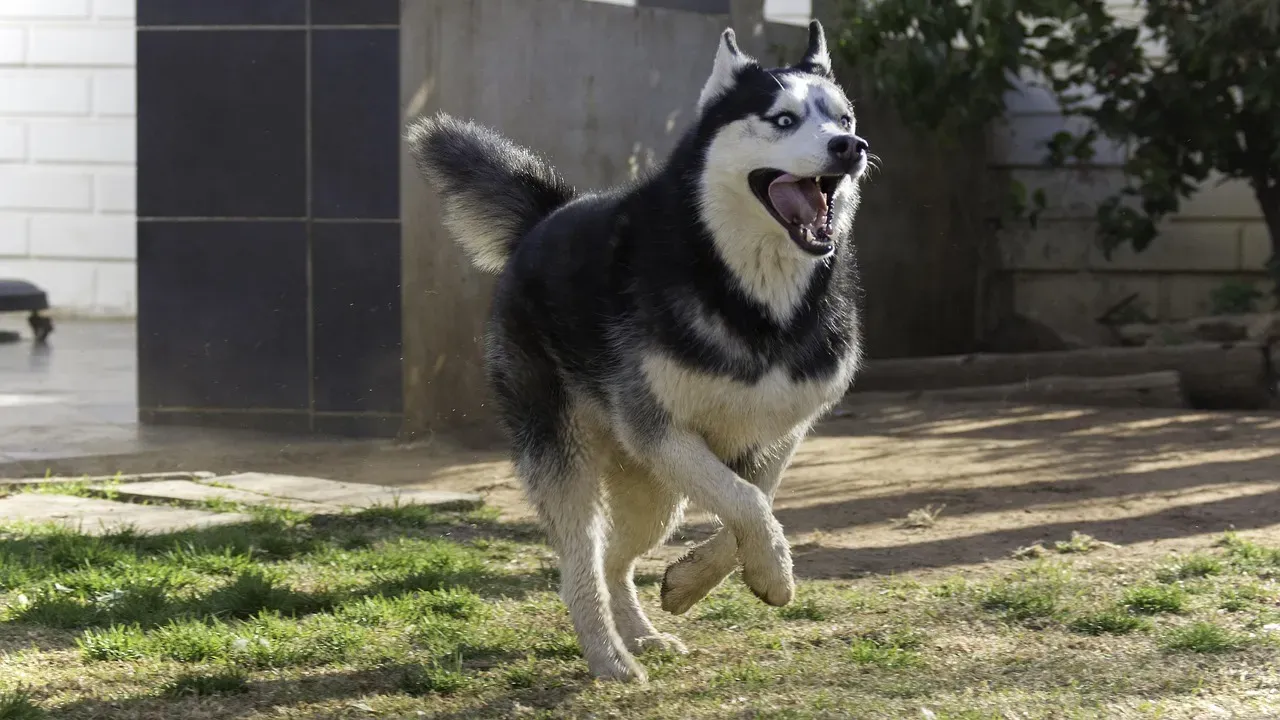
Siberian Huskies are undeniably stunning, with their wolfish looks and striking eyes, and that’s exactly how many older adults get hooked. The problem is that Huskies were bred to pull heavy sleds across long distances in brutal weather, which means their default setting is heavy-duty endurance. A quick walk around the block is the equivalent of a warm-up stretch for them – they’re often still looking for a job when their owner is already worn out.
On top of that, Huskies are famous for their escape skills and stubborn streak. They dig, climb, and squeeze through tiny gaps in fencing, and if they do get loose, they can run for miles before slowing down. For someone over 70, chasing down a runaway Husky is not just unrealistic, it’s dangerous. Many veterinarians see a pattern: older owners love the idea of a Husky, but within a year they’re overwhelmed by the constant need for secure containment, intense exercise, and firm, consistent training.
3. German Shepherds: Powerful Guardians That Demand Physical Confidence
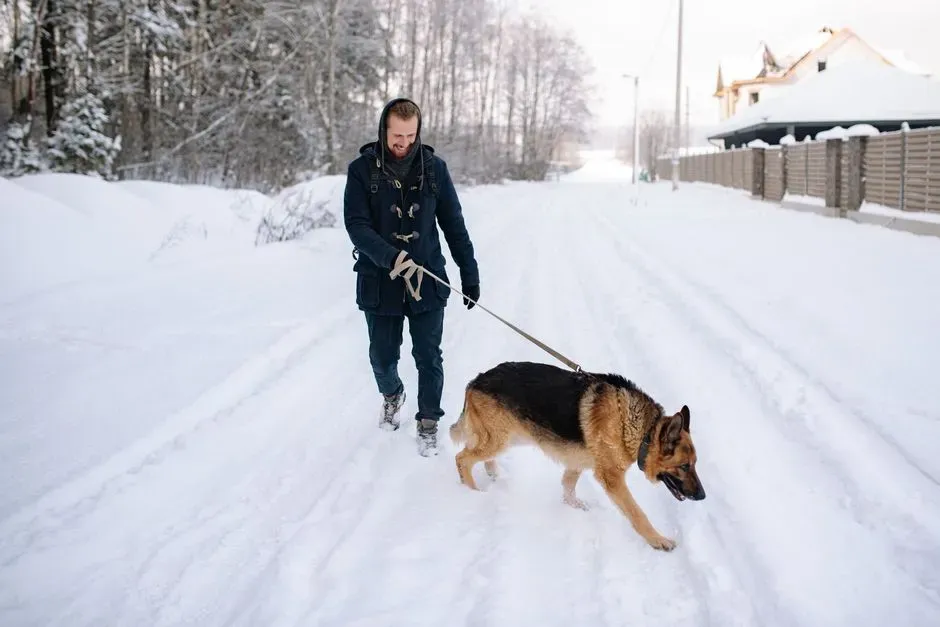
German Shepherds have a loyal, almost heroic image – police work, search and rescue, service dogs – and there’s a reason for that. They are strong, driven, and highly trainable. But those same qualities can become a serious liability in the wrong hands, especially if the owner isn’t physically steady or confident enough to give clear, consistent guidance. A young German Shepherd can easily weigh as much as or more than an older adult’s entire upper body strength can comfortably manage on a leash.
Without experienced training and plenty of structured activity, Shepherds can develop reactivity toward other dogs or strangers, fueled by their natural guarding instincts. That means more lunging, barking, and unpredictable pulling – exactly the kind of situation that leads to falls and injuries in people with slower reflexes or weaker joints. Many veterinarians quietly steer older clients toward calmer breeds instead, not because German Shepherds are unsafe by nature, but because their power, intensity, and training needs are simply too much for most people over 70.
4. Labrador Retrievers: The Friendly Powerhouse Many Underestimate
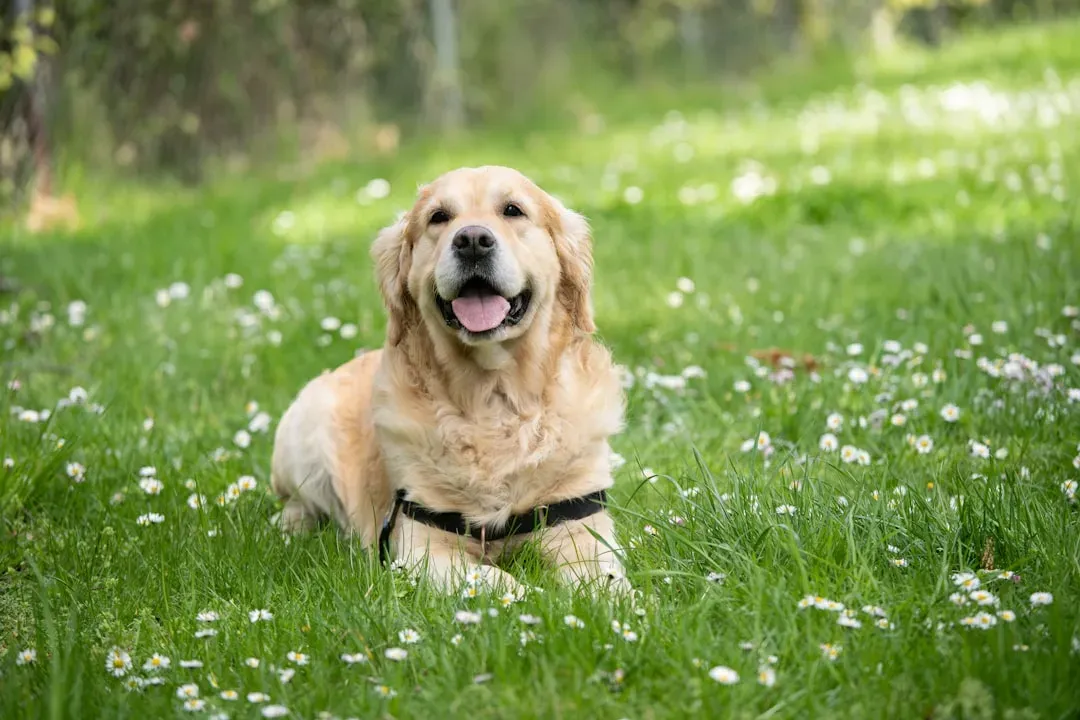
Labradors have a reputation as family-friendly, easygoing dogs, and in their mature, well-trained stage, that can be true. The issue is the part nobody talks about enough: the first few years. Young Labs are usually big, heavy, bouncy athletes with endless enthusiasm. They love to jump, pull, chase, mouth, and barrel into people like a living bowling ball, and they do it with a body that can weigh as much as a grown adult.
For someone in their seventies, those “cute” behaviors can quickly become dangerous. One hard pull toward another dog, or one joyful leap when you’re carrying groceries, can mean a serious fall or broken bone. On top of that, Labs need real exercise – not just a slow amble, but purposeful walks, play sessions, and mental work – or they can become destructive and frustrated. Veterinarians often see older owners exhausted, guilty, and feeling trapped because the Lab they hoped would be a mellow companion is more like an over-caffeinated athlete in a small apartment.
5. Jack Russell Terriers and Similar High-Drive Terriers: Small but Relentless
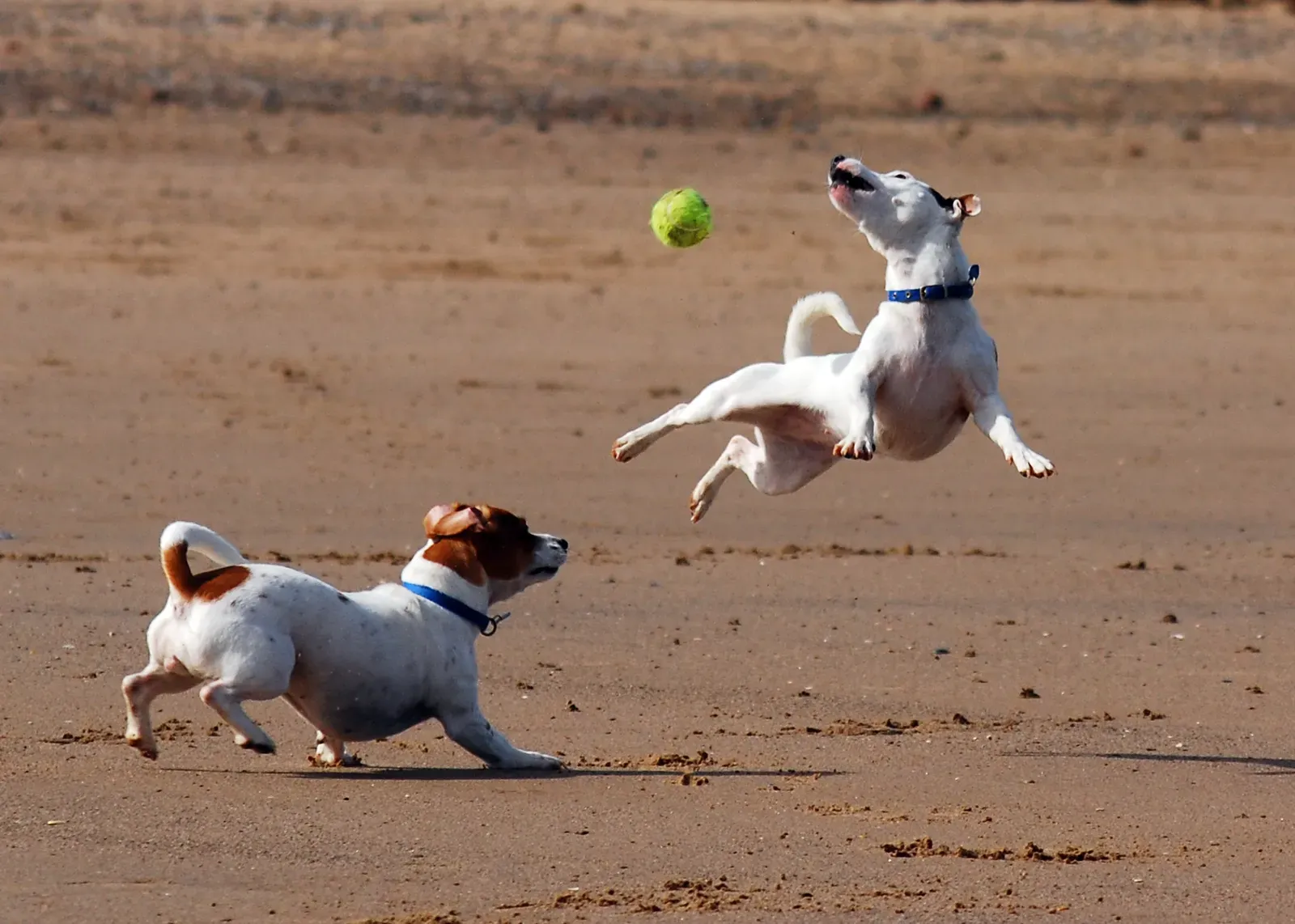
It’s easy to assume that a small dog automatically equals an easy dog, but high-drive terriers like the Jack Russell are living proof that size can be incredibly misleading. These dogs were bred to hunt, dig, chase, and keep going long after other breeds would have curled up for a nap. Their minds are sharp, their prey drive is intense, and their energy level can feel almost electric, especially in tight spaces like apartments or small homes.
For an older adult, that can mean a constant battle against behaviors like barking at every noise, chasing anything that moves, and digging or chewing out of sheer boredom. Even if the dog is physically light, the mental and emotional load of managing that intensity day after day is heavy. Veterinarians often describe these breeds as “too much dog in too small a package” for most seniors – not because they’re mean or unloving, but because keeping them truly satisfied requires a kind of constant engagement and activity that many people over 70 simply and understandably do not want.
6. Great Danes and Other Giant Breeds: Gentle Hearts, Fragile Bodies, Big Risks
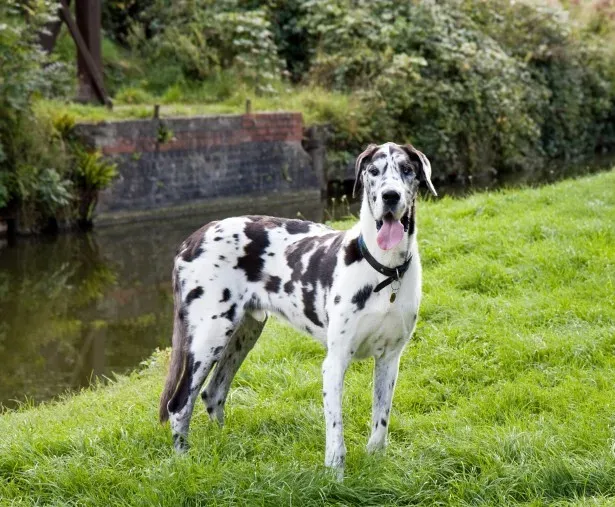
Great Danes, Mastiffs, and other giant breeds are often gentle, calm, and deeply affectionate, which makes them tempting companions for older adults who want a relaxed, loving dog. The problem is scale. A dog that weighs much more than you do when it leans, stumbles, or shifts suddenly can knock you off balance in an instant. Even getting a giant dog into a car, to the vet, or into the bath can demand the kind of strength and stability that many people over 70 just do not have anymore.
There is also the hard reality of health. Giant breeds age faster, develop joint problems earlier, and commonly need help with mobility toward the end of their lives. That might mean lifting, supporting with a harness, or managing large amounts of medication and specialized care. Veterinarians see heartbreaking situations where an older owner simply cannot physically assist their dog when it can no longer stand, and both of them end up suffering. Loving a dog means planning for its whole life, and with giant breeds, that last chapter can be physically demanding in ways many seniors do not anticipate.
Conclusion: Choosing a Dog That Truly Fits Your Season of Life
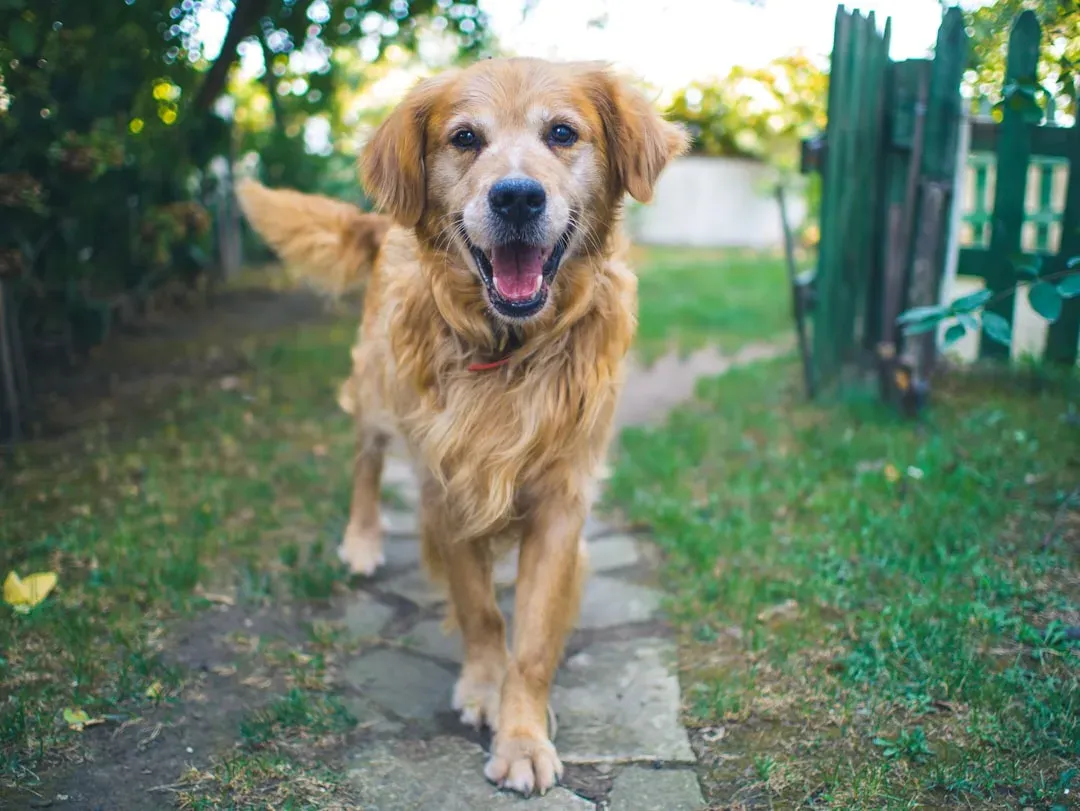
The uncomfortable truth is that there is no such thing as a universally “bad” breed, just bad matches between what a dog was bred to do and what an owner can realistically provide. After 70, your energy, balance, and priorities are different, and there’s nothing wrong with admitting that you want a companion, not a project. Veterinarians are not trying to scare people away when they warn about these six breeds; they are trying to protect both you and the dogs from a life of frustration, risk, and regret.
The good news is that there are many calmer, lower-maintenance dogs and wonderful adult rescues that can fit beautifully into a slower, softer lifestyle. The real act of love is not choosing the flashiest or most impressive breed, but the one that lets you both enjoy each other without constant struggle. If you picture your ideal day ten years from now, does the dog in that picture add ease or chaos – and are you brave enough to choose the one that truly fits?


