
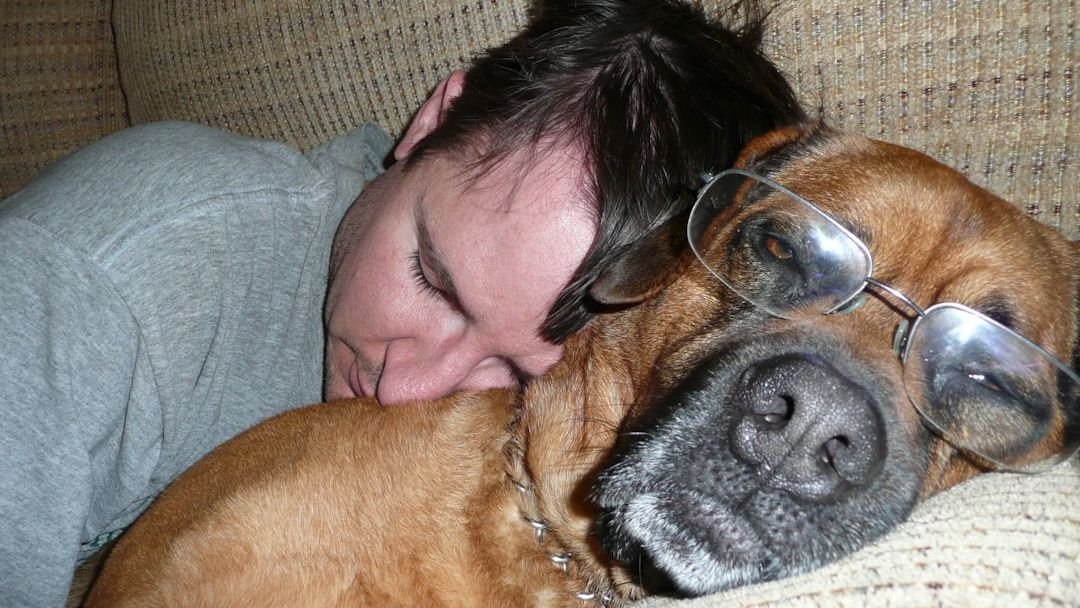
You know that moment when your dog makes a sound and you pause, wondering what they’re trying to tell you? Maybe it’s a low grumble while they’re playing, or a sigh that seems almost…human. We all want to understand our dogs better, yet some of the noises they make can be downright puzzling. Here’s the thing: our dogs are constantly talking to us, but we don’t always speak their language fluently.
Some sounds we think mean one thing actually mean something completely different. A growl isn’t always a warning. A bark doesn’t always signal the same emotion. Learning to decode these vocal cues can transform your relationship with your pup and help you respond to their needs with more empathy and accuracy.
1. The Growl That Sounds Aggressive But Isn’t
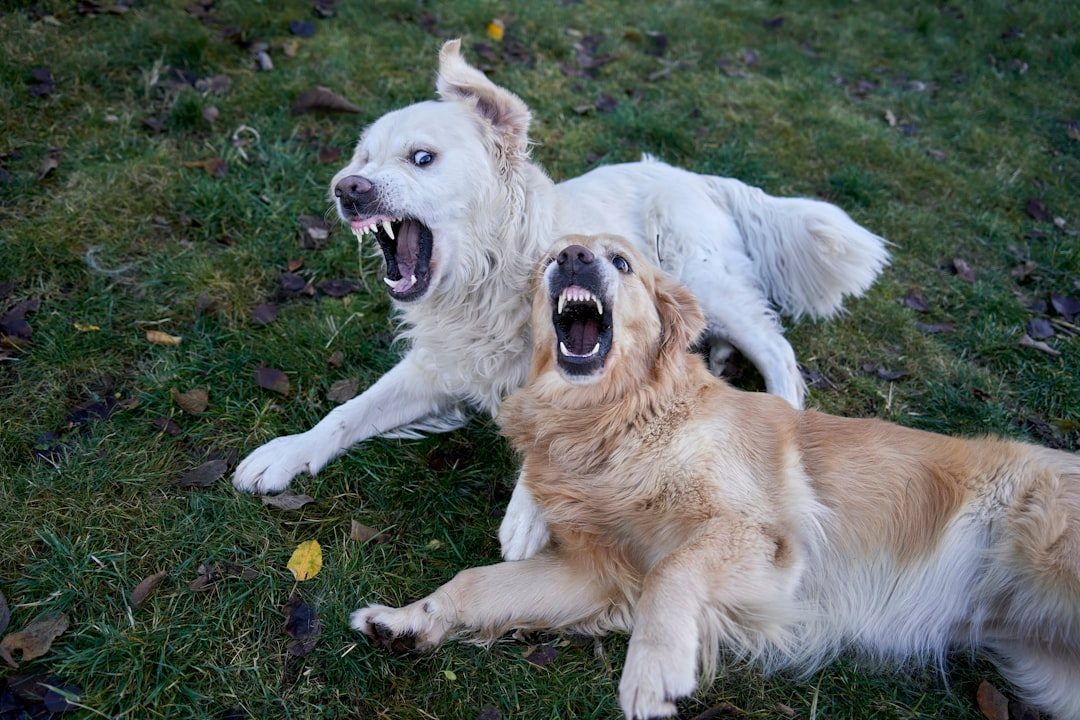
Growling is one of the most misunderstood dog vocalizations, as a low “grrr” can indicate displeasure or irritation, but dogs also growl happily in play, and some even growl to indicate contentment, like a cat purrs. Picture this: two dogs wrestling on the living room floor, both making rumbling noises that would alarm any first-time dog owner. Yet their bodies are loose, tails wagging, and they’re taking turns chasing each other.
A growl with a relaxed body might mean playfulness, but the same growl paired with a stiff posture and showing teeth is a clear sign of discomfort or aggression. Your dog gives off body language clues in their ears, tail, stance, and tone during a growl that can help you figure out whether the threat is serious or playful. Watch the whole picture, not just what you hear.
2. The True Meaning: Play, Communication, or Boundary Setting
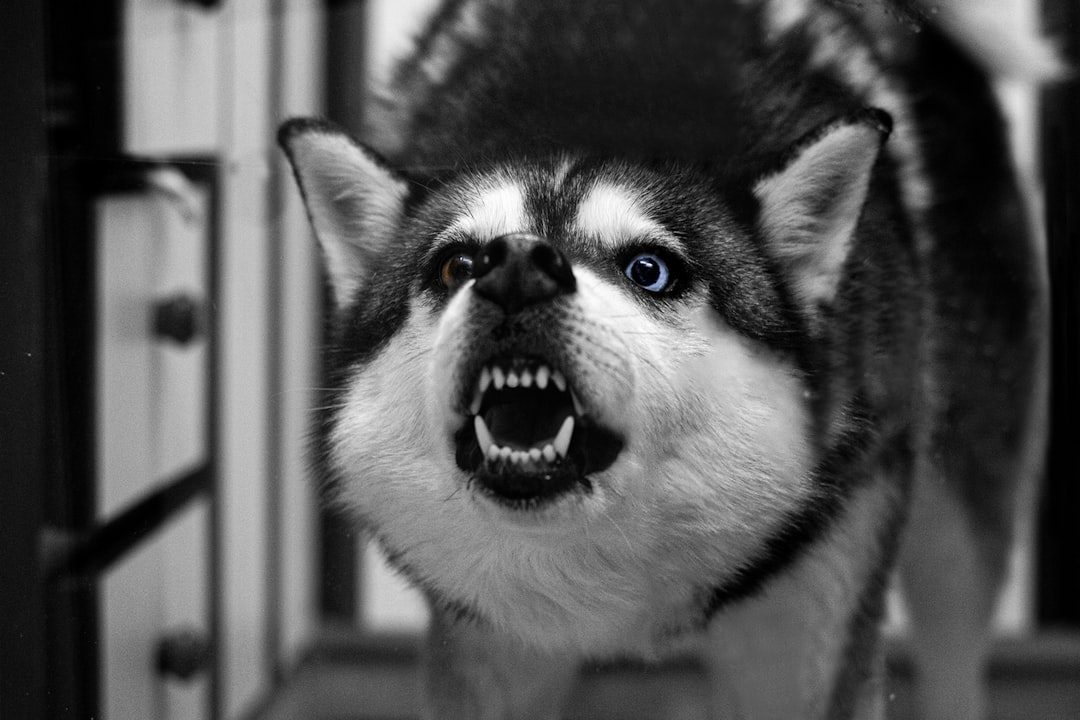
Dogs might growl in a few different contexts, including when they are nervous, defensive, warning that they are uncomfortable, or during normal and appropriate play, as a growl is essentially a warning. Honestly, I think we do dogs a disservice when we automatically assume every growl is hostile. Growling can be seen as a negative behavior, but it is an important form of communication that can help prevent potentially dangerous situations, such as a bite, by signaling to others to stay back or indicating a personal boundary has been crossed.
Never punish your dog for growling, as a growl is a very useful warning signal, and a dog that is punished for growling will stop the growling but it will not remove the reason for the growl. Think of it as your dog’s way of saying “I need space right now.”
3. High-Pitched Barking That Seems Frantic
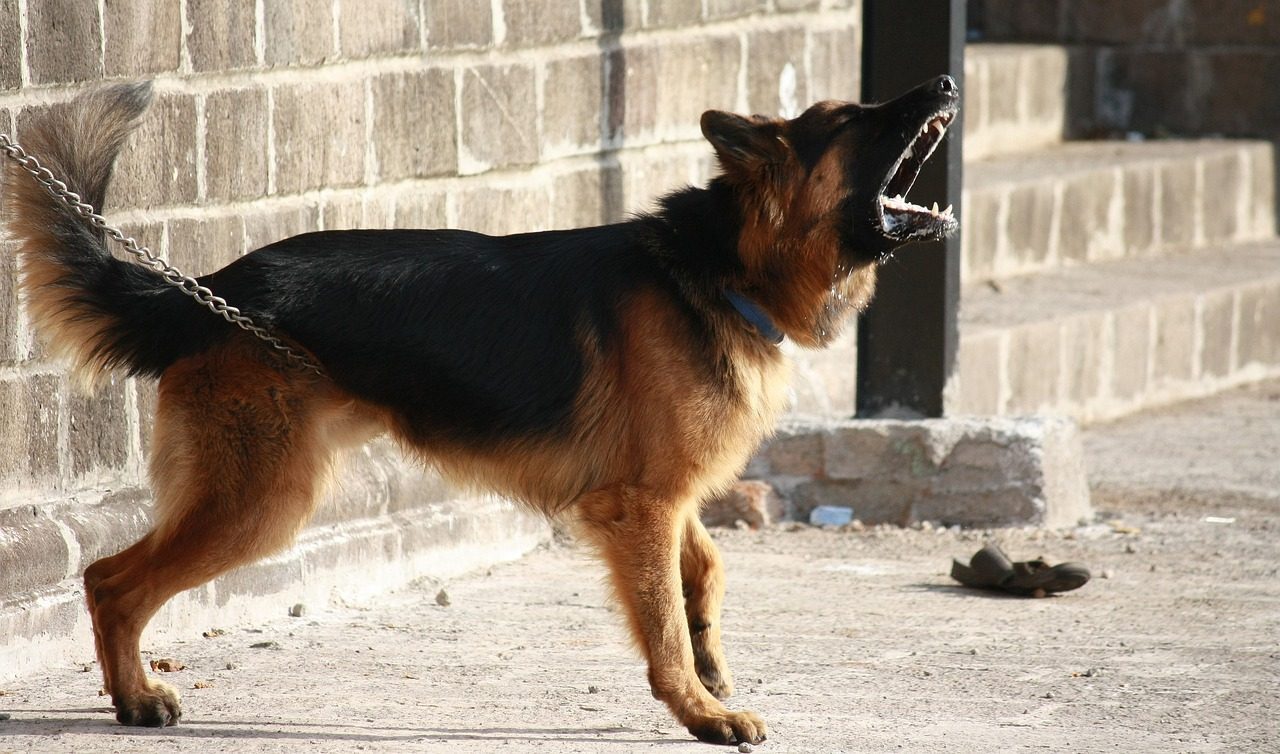
Let’s be real: a sudden burst of high-pitched barking can send your heart racing. You might assume your dog is anxious or even panicked. Emotions can be expressed through barking, whether it is a higher-pitched bark for excitement, a repetitive and monotone bark for boredom, a sharp and intense bark to alert you of a sound or sight, or a short, quick bark directed at another dog as a way to say ‘stop it!’.
High-pitched barks may be welcoming, while deep barks may be your dog issuing an alert, and a bark accompanied by a wagging tail often spells joy, while a crouched, angry bark with hackles up can indicate your dog is feeling fear or aggression. Context matters immensely here.
4. The True Meaning: Excitement, Playfulness, or Greeting
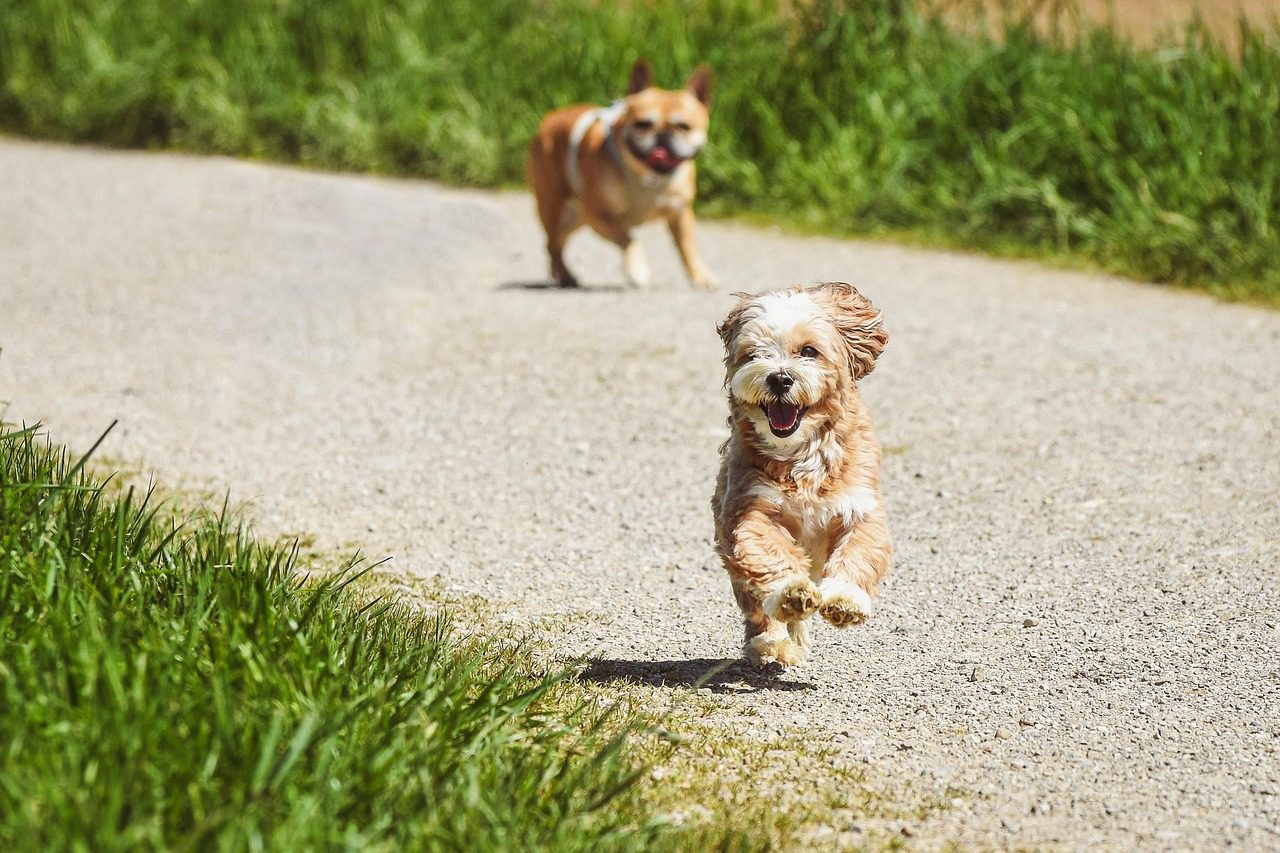
High-pitched “yap”-style barks coupled with a wiggly, bouncy body and wagging tail indicate that your dog is feeling playful or happy to see you. Your dog might be celebrating the fact that you’re home, or they spotted their favorite squeaky toy under the couch. This is joyful noise, not distress.
During play, barking is high-pitched, frequent and shows changes in pitch and volume. If your dog’s whole body is wiggling and their face looks soft and happy, that shrill bark is pure delight. It’s their version of squealing with excitement.
5. Whining You Think Means Sadness or Pain
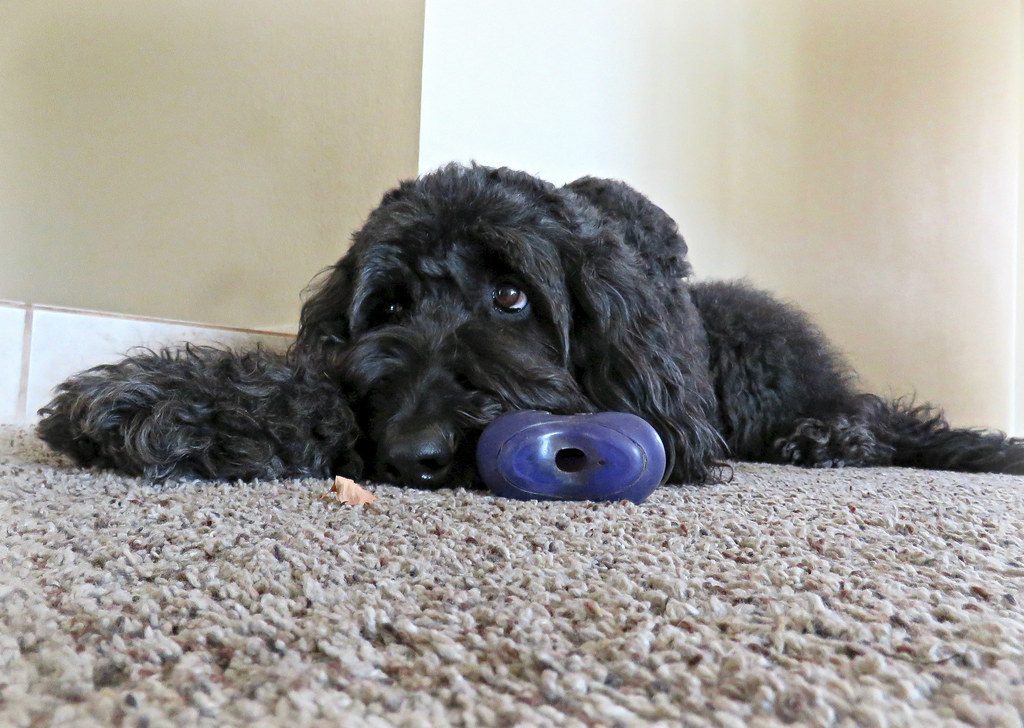
Whining tugs at our heartstrings. We hear it and immediately think our dog is suffering or upset. Dog whining sounds are high-pitched vocalizations, often produced nasally with the mouth closed, and a dog may whine when it wants something, needs or wants to go outside, feels frustrated by leash restraint, is separated from a valued companion, or just wants attention, and it is usually an indication of some increased level of stress for the dog.
Still, not all whining signals distress in the way we imagine. Whining or crying is another way dogs, especially puppies, express their needs, and a dog might whine for you to take them outside, feed them, or play fetch, as the high-pitched cry is often your dog’s way of expressing what they want or letting you know they’re unhappy.
6. The True Meaning: Request for Attention, Anticipation, or Mild Frustration

Whining can signal fear, a request for attention, or even anticipation of a treat, and a deep growl may indicate discomfort, while rhythmic howling often means they’re responding to other dogs or loud noises. Your dog might whine because dinner is two minutes late, or because they can see their leash but you haven’t grabbed it yet.
Dogs whine and whimper to express feelings of fear, pain, anxiety, and unhappiness, but some whine at their human companions as a means of getting something they want like food, play, a bathroom break, or attention, and whining can also be an expression of excitement, like when you arrive home or are getting your dog’s dinner ready. It’s their polite way of asking, even if it sounds a bit desperate.
7. A Deep Sigh You Interpret as Frustration

You’re sitting on the couch reading, and suddenly your dog lets out a long, dramatic sigh. You might think they’re annoyed with you or bored out of their mind. Sighing in dogs, as with humans, involves taking a deep, sometimes audibly louder, inhalation about twice the length of a normal breath followed by a slow, pronounced exhale, and sometimes the sigh will occur through the mouth, as it does with humans, but often a dog will sigh through their nose while their mouth is closed.
If the dog is in a chaotic environment and displaying other behavioral signs of anxiety, such as yawning or lip licking, a sigh is likely communicating that the dog is stressed. However, that’s not usually the case.
8. The True Meaning: Contentment, Relaxation, or Settling In
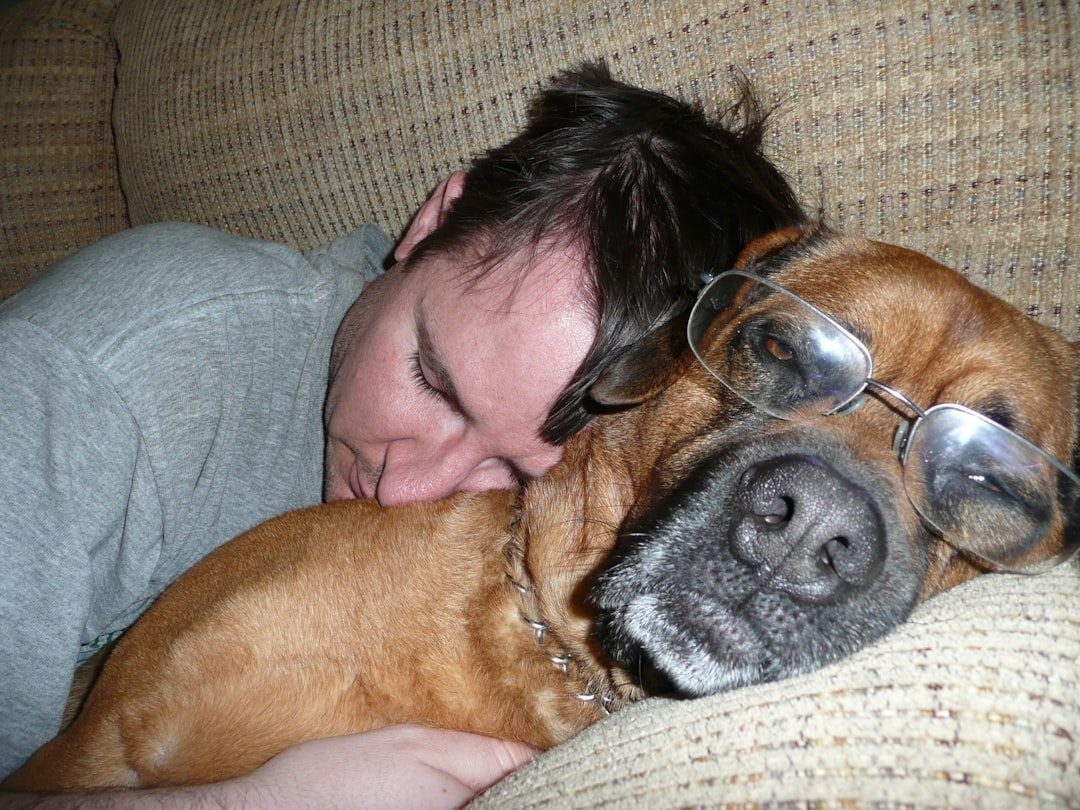
A dog that is comfortable or feeling relaxed can sigh, and it might be accompanied by an audible groan of pleasure, as when the dog is curling up in his bed and upon settling down he sighs, this likely indicates the dog would like to rest. It’s like when you finally sink into your favorite chair after a long day.
When the sigh is combined with half-closed eyes, it communicates pleasure; with fully open eyes, it communicates disappointment, though sighs can potentially indicate disappointment, moans and sighs more commonly indicate pleasure. Look at their eyes and body language to know which it is.
9. Monotonous, Repetitive Barking You Assume Is Alerting

Barking can express emotions, including a repetitive and monotone bark for boredom, and boredom barking tends to be more of a repetitive monotone. If your dog is standing at the window barking the same way over and over, you might think they’re guarding the house or warning you about something outside.
Yet this kind of bark often has a very different root cause. If your dog barks the same way over and over, they might be bored or lonely, and dogs who don’t get enough toys, playtime, or exercise may bark this way to get your attention. It’s less about protection and more about “I’m understimulated and need something to do.”
10. The True Meaning: Boredom or Loneliness

Multiple pauses in a long barking sequence signal that your dog is probably lonely, and these barks could mean your dog would like a canine companion or needs more of your attention. This is your dog’s way of saying they need mental enrichment, a walk, or some quality time with you.
The solution isn’t to scold the barking. Instead, address the underlying need. A puzzle toy, a training session, or even just sitting together on the floor can make all the difference.
11. Howling You Think Signals Distress
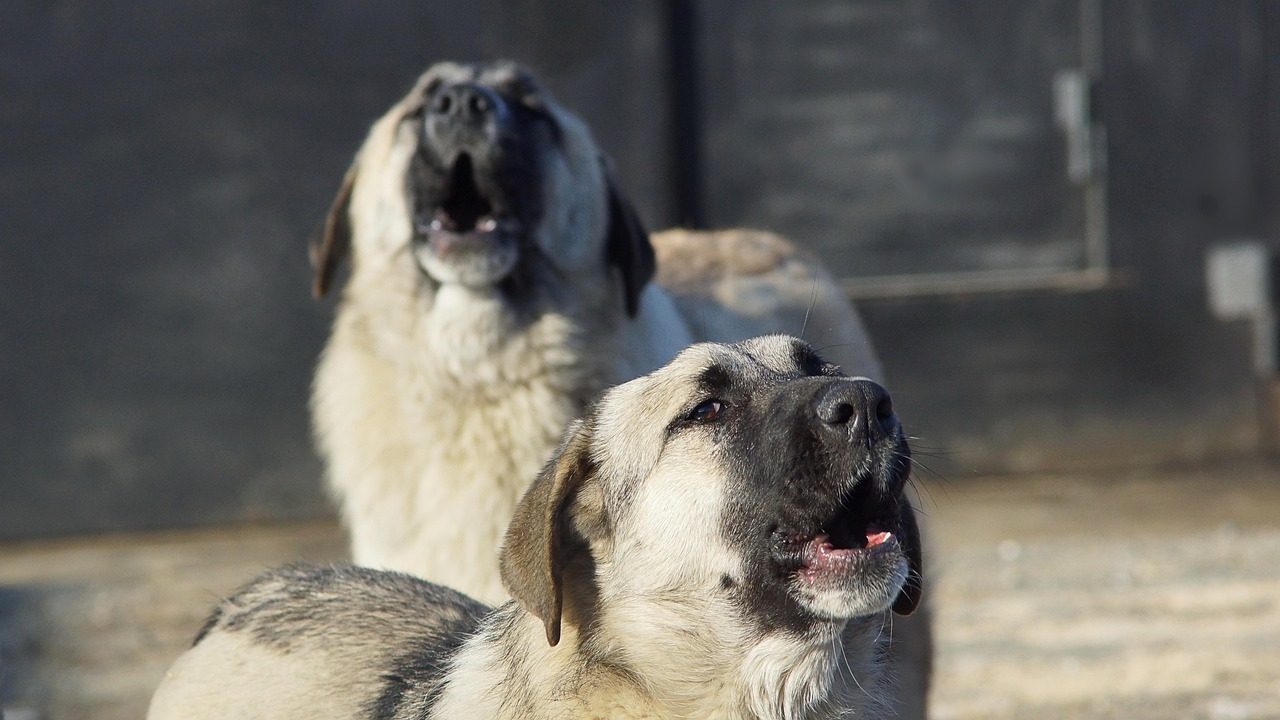
Howling can be a response to external sounds such as sirens, music, or other dogs’ barking, or used when claiming territory, communicating to a pack or family members, or alleviating feelings of isolation. Hearing your dog howl can feel eerie or worrying, especially if it’s nighttime or they seem to be staring off into the distance.
Any dog can howl, but some breeds like the Siberian Husky, Bloodhound, and Dachshund are known for their likeliness to howl more than other dogs, as it’s a form of communication with other dogs to signal their presence or mark territory, and dogs also sometimes howl at their humans to draw attention.
12. The True Meaning: Social Communication or Response to Sounds
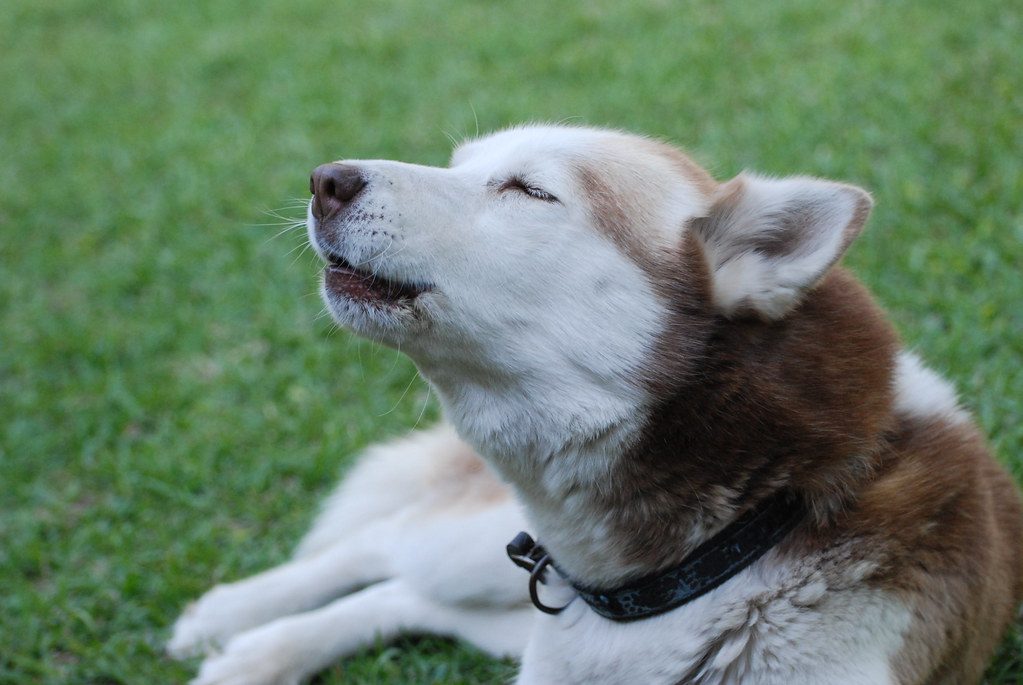
Howling helps dogs communicate and stay close to their pack, as they might howl to tell you they are there, to show how they feel, or to get your attention if they need something, and some dogs even howl along with people. It’s their way of joining the conversation or responding to environmental stimuli.
Think of it as their inherited instinct kicking in. Your dog isn’t necessarily lonely or in pain. They’re just being…well, a dog. If body language is relaxed and they’re simply vocalizing in response to a siren or song, there’s no cause for concern.
13. A Short, Sharp Bark You Mistake for Aggression
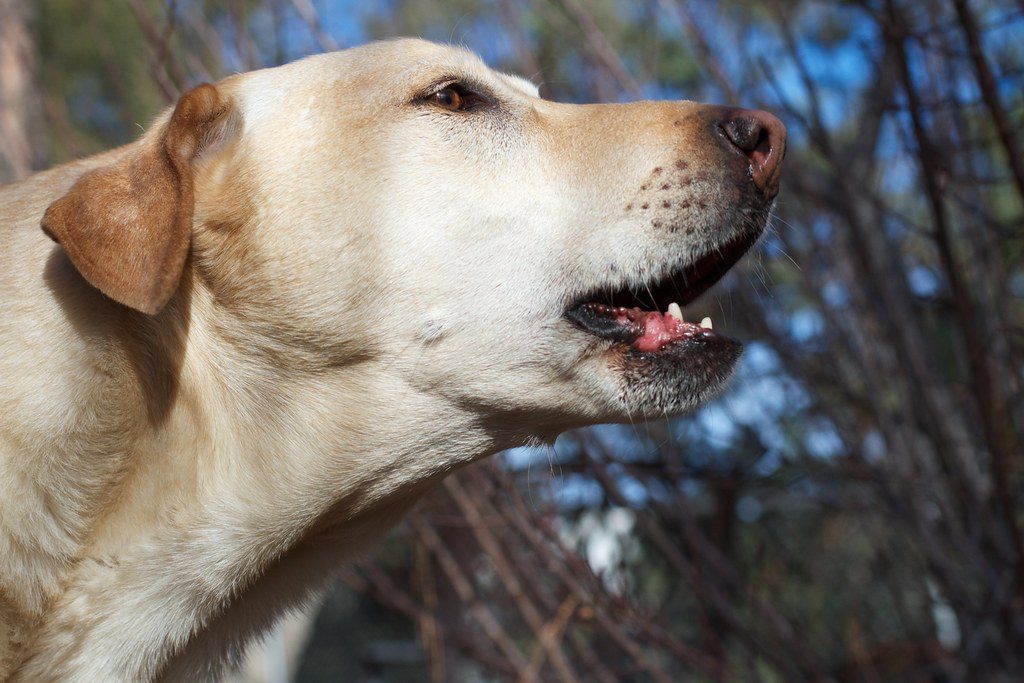
This kind of bark may signal irritation or surprise, and in human speech, the equivalent would be something like “cut it out” or “huh”. Imagine your dog is napping and you accidentally step near them. They let out a quick, sharp bark. You might worry they’re becoming aggressive or reactive.
A short bark can mean your dog wants to play or is giving a gentle warning, and playful barks often come from a dog with a relaxed body, showing they want to have fun, but a short bark can also be a way for a dog to say “leave me alone” without getting aggressive. It’s more like a startled “Hey!” than an actual threat.
14. The True Meaning: Surprise, Mild Annoyance, or Play Invitation
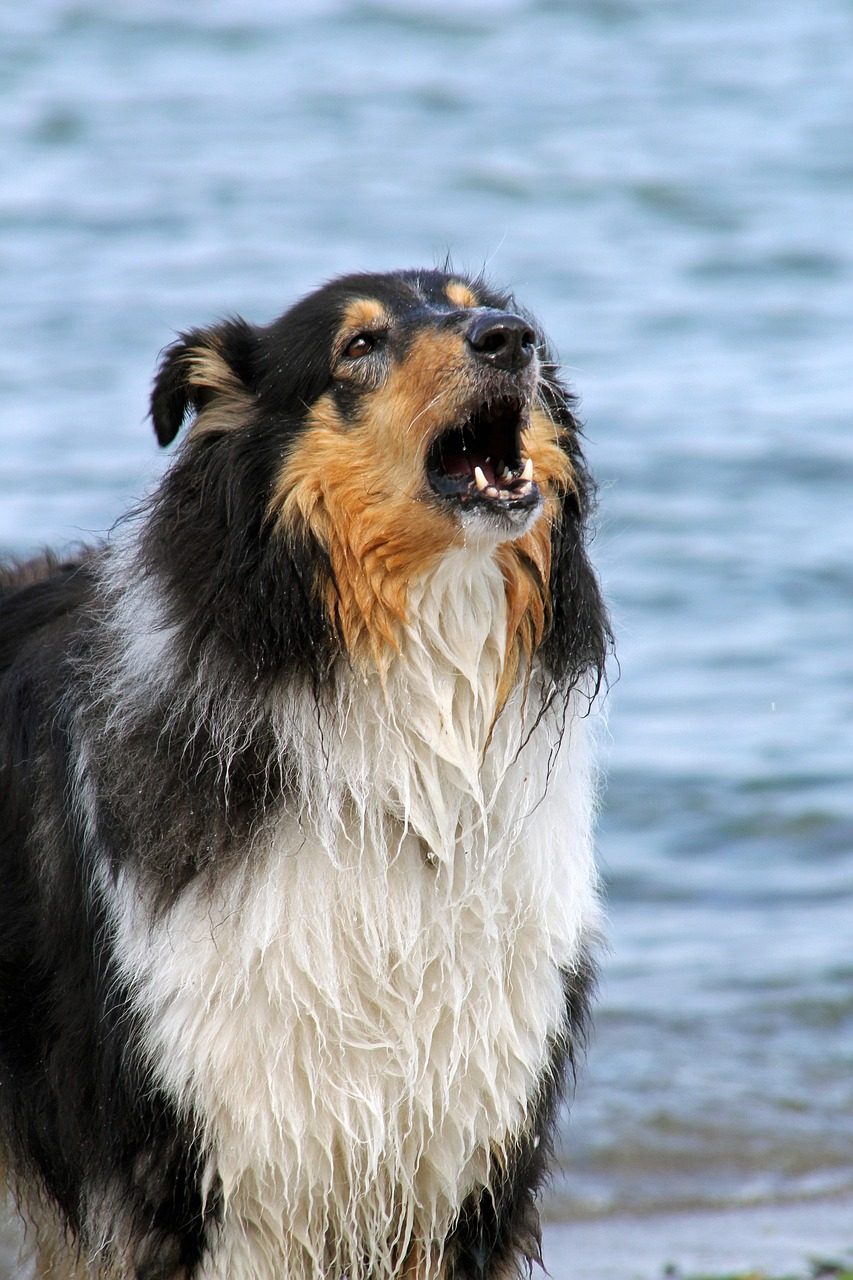
A single lively bark preceded by a light growl means your pup is feeling frisky and typically coincides with other kinds of playful body language. Your dog might be telling another dog (or you) to knock it off in a friendly way, or they’re inviting you to engage.
Body language is key here. Is their mouth open and soft? Tail wagging? Then it’s friendly communication. If they’re stiff with hackles raised, that’s a different story altogether.
15. Groaning or Moaning You Think Means Annoyance

Dogs use groaning and sighing to communicate satisfaction after a walk, a play session, or when they’re ready to relax, and groaning can express boredom or disappointment, but not all dog sounds, such as groaning, always mean your pet is feeling unsatisfied. You might hear your dog let out a low groan when they stretch out on their bed.
Dogs sometimes purr, and this throaty “brrr” sound is often called a “rumble” by trainers and usually signals happiness, as these dog sounds are usually a cross between a low rumble, a loud purr, and a grumbly growl, and the best clue to distinguish what the purr means is to see when your dog does it.
16. The True Meaning: Comfort, Pleasure, or Physical Relief

A moan varies from a grunt, whine, or whimper in that it’s a longer, drawn-out sound, and it’s important to observe body language if your dog is moaning. Moaning is a low, drawn-out sound that can mean different things depending on context, as a pup might moan when stretching in comfort, but it can also signal mild frustration or physical discomfort.
If your dog is groaning while getting comfortable on the couch or after a satisfying meal, it’s typically contentment. They’re simply expressing how good it feels to relax. However, if groaning accompanies difficulty moving or reluctance to be touched, a vet check might be wise.
Conclusion

Understanding the meaning behind different vocalizations can help owners address their pets’ needs more effectively, leading to a stronger bond and a happier, healthier dog, as deciphering what dogs are trying to communicate with a particular vocalization depends on the tone of their communication, their body language, environmental factors, health, level of comfort, and emotion, and owners should observe these cues together with any vocalization so that they may better understand what their dog is trying to say.
Every sound your dog makes carries meaning, even when we misinterpret it at first. The more you pay attention to context, body language, and the situation surrounding each vocalization, the clearer your dog’s message becomes. It’s a beautiful thing when you finally understand what your best friend has been trying to tell you all along.
So next time your dog makes a sound, pause and really listen. What’s their body doing? What just happened? What might they need? Did any of these surprise you?


