
Labrador Retriever
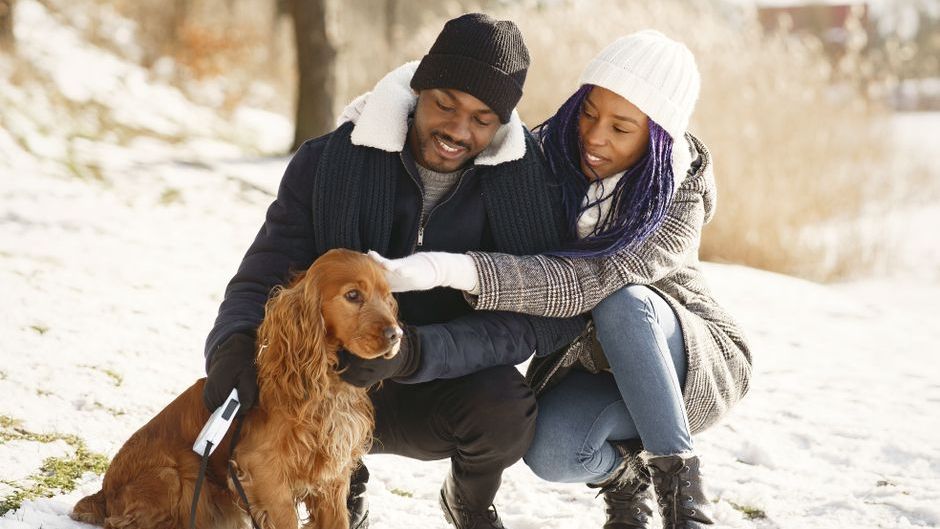
Labradors are famous for their outgoing nature and their habit of seeking out people for a pat or a lean. Without regular physical interaction they can start to look listless, moving less and showing less interest in play or food. Owners often notice the change within a day or two of reduced contact.
These dogs were bred to work closely with humans, so the bond runs deep. A quick scratch behind the ears or a long belly rub seems to reset their mood and energy. When that daily touch is missing the breed can appear withdrawn in ways that stand out against their usual enthusiasm.
Golden Retriever
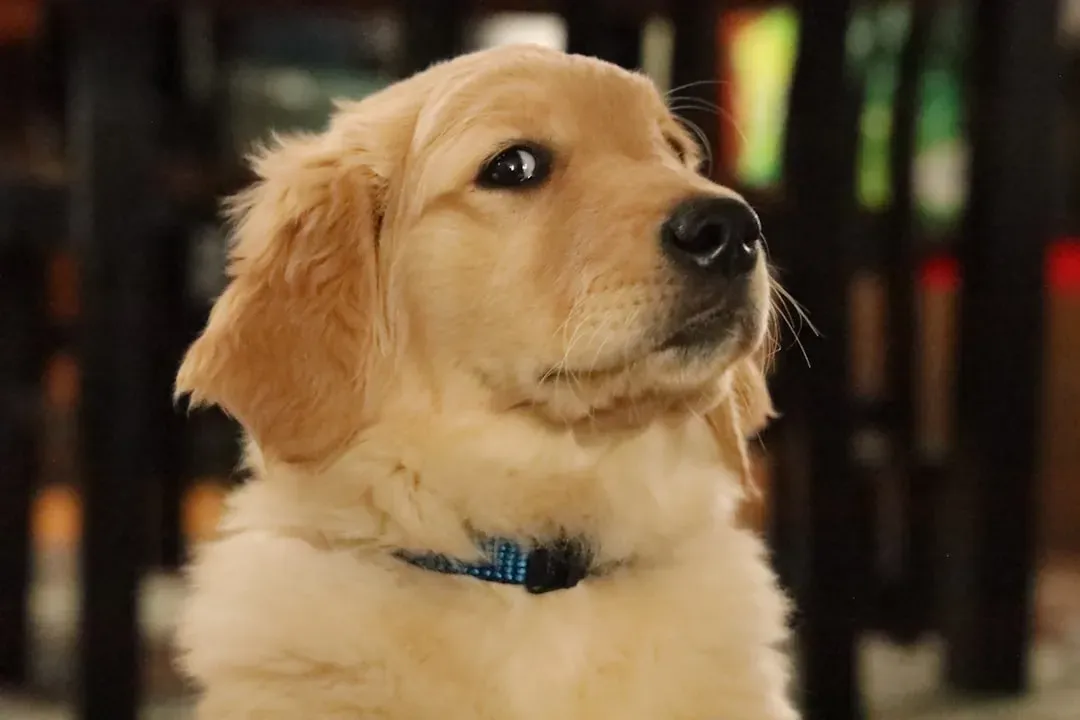
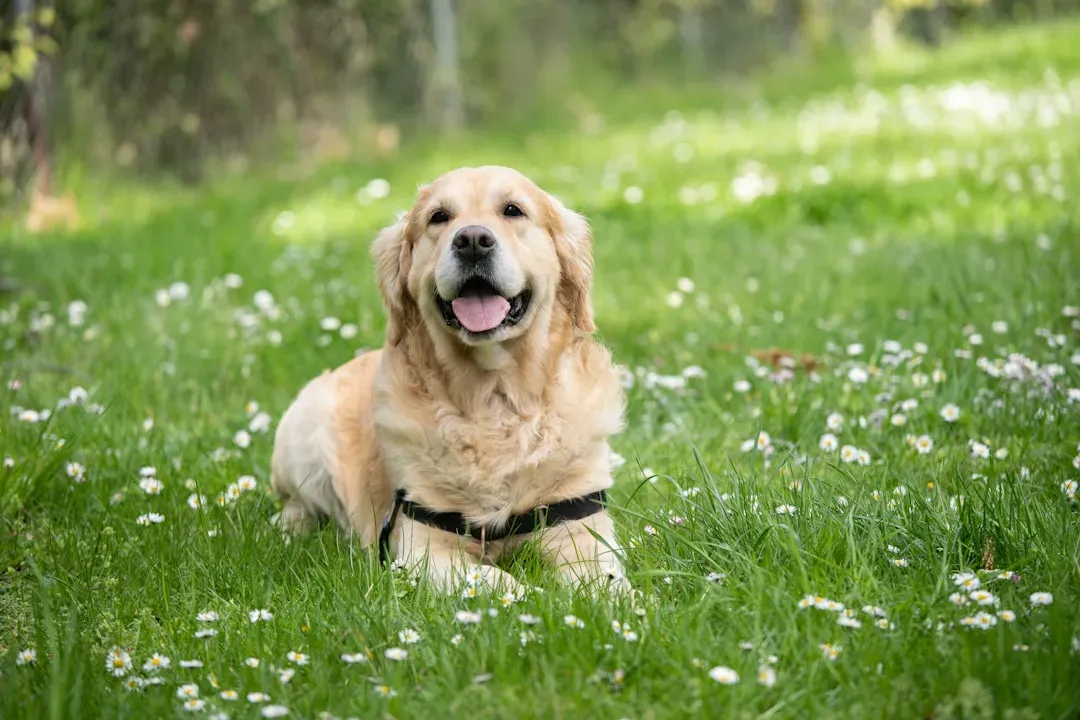
Goldens carry a reputation for gentle persistence when they want affection. They will nudge a hand or rest a head on a knee until they get some response. Skip those moments for several days and many owners report a noticeable dip in the dog’s usual brightness and tail wag.
The breed’s history as a companion and retriever means they stay tuned to human presence. Physical closeness appears to be part of how they gauge security. Without it the dogs sometimes pace or rest more than normal, signs that point to missing that steady contact.
Cavalier King Charles Spaniel
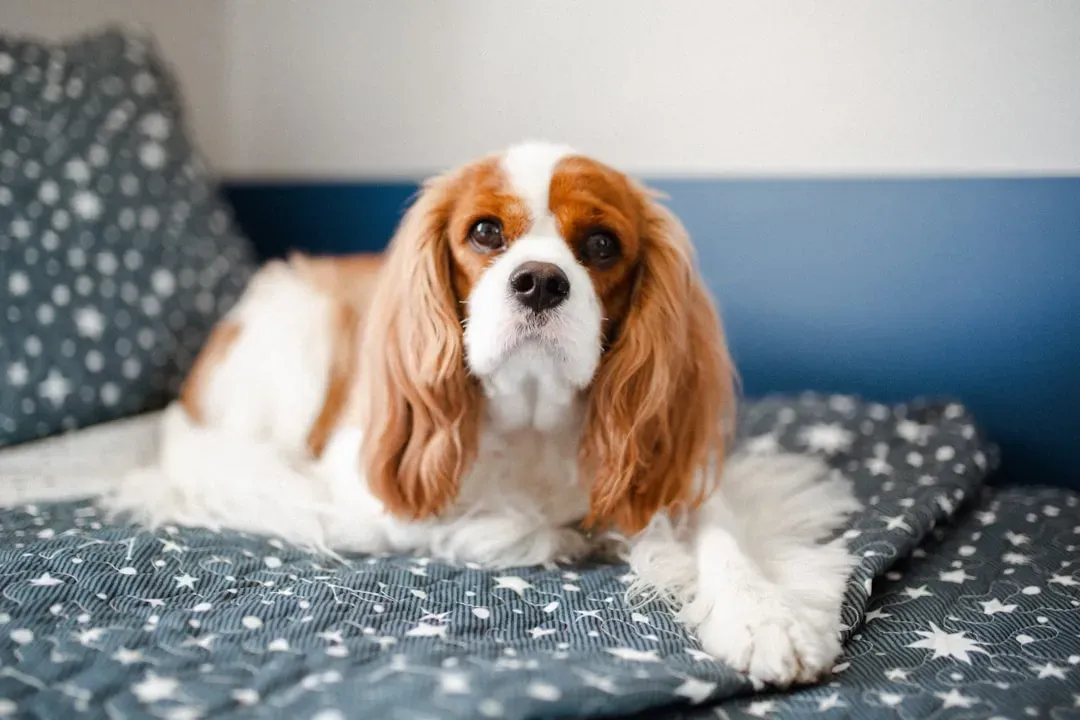
Cavaliers were developed as lap companions, and their small size makes them easy to keep close throughout the day. They often seek out laps or shoulders and seem happiest when they can maintain that contact. A stretch without it can leave them quieter and less eager to engage.
Many owners describe these dogs as emotionally sensitive to changes in routine touch. They may follow family members more closely or rest in spots where they usually receive pets. The shift in behavior tends to ease once regular handling returns.
Pug
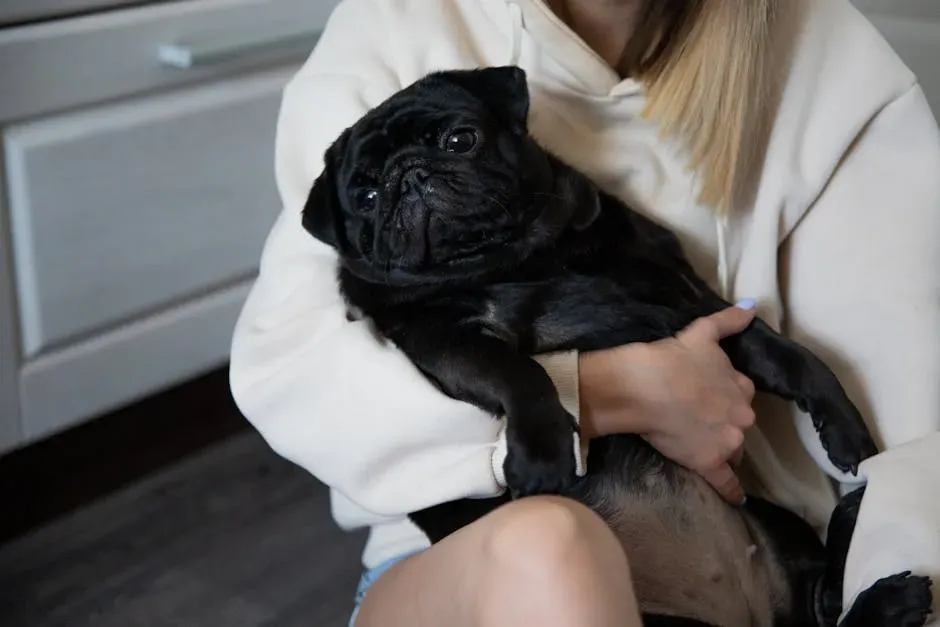
Pugs combine a sturdy build with a strong preference for being near their people. They press against legs or curl up against backs at night and appear content only when that closeness is available. Extended periods without touch can lead to reduced playfulness and more time spent sleeping in corners.
The breed’s flat face and expressive eyes make their moods easy to read. When affection drops off they sometimes develop a heavier breathing pattern or simply stay put instead of following the household. Daily petting sessions usually bring the spark back quickly.
Shih Tzu
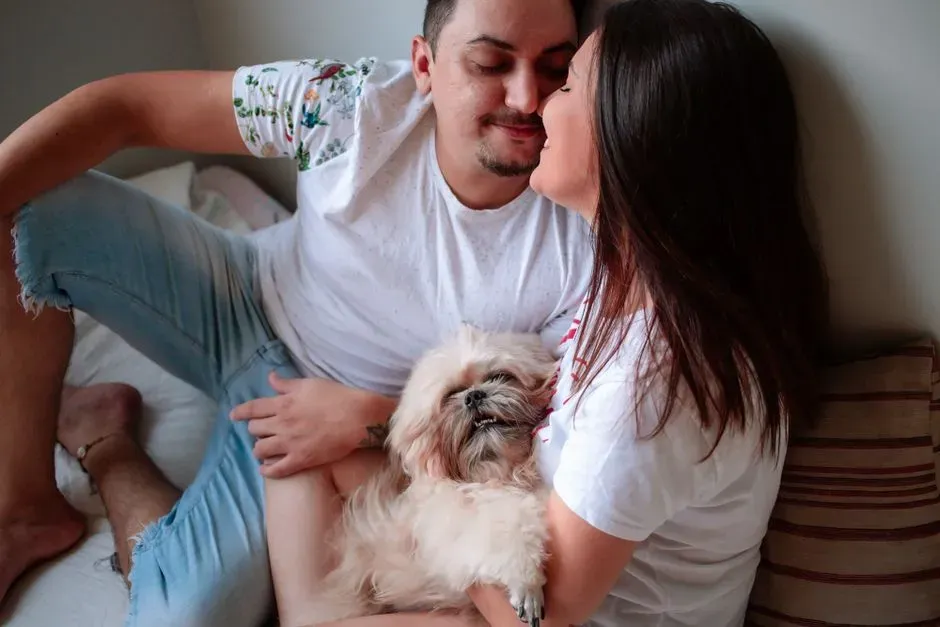
Shih Tzus carry centuries of breeding as companions meant to stay near royalty and family. They expect to be handled and often position themselves where a hand can reach them easily. Without that interaction they can become subdued and less interested in exploring their surroundings.
Owners frequently mention that these dogs thrive on being brushed or held as part of the daily rhythm. Missing those moments shows up as quieter behavior and occasional sighing sounds. Restoring the touch tends to restore their usual alert and cheerful presence.
Vizsla
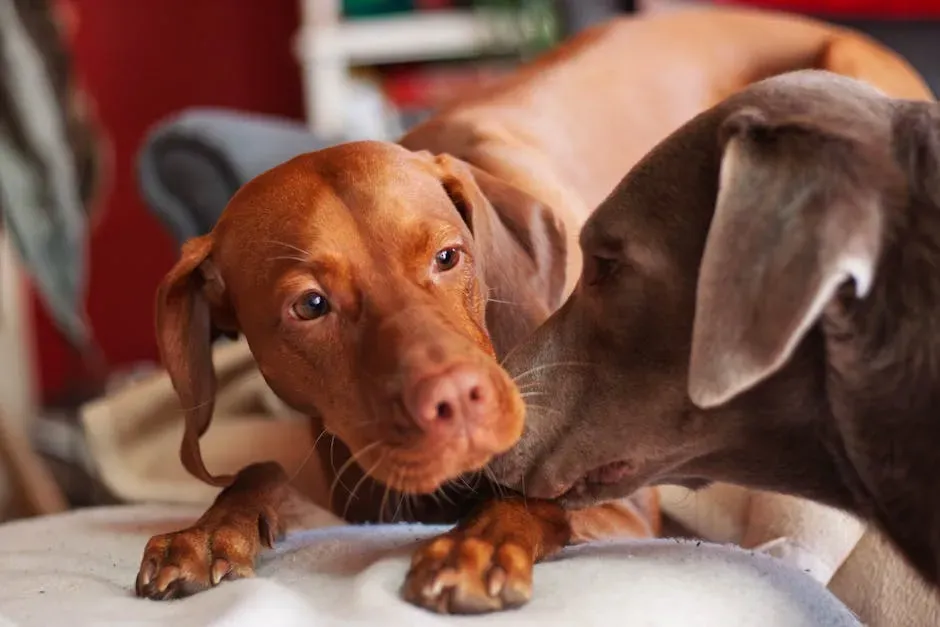
Vizslas earn the nickname velcro dogs because they stay physically attached to their people whenever possible. They lean, follow, and press close during quiet times. A day or more without that contact can leave them restless or unusually still.
The breed’s high energy pairs with a deep need for reassurance through touch. Without it they may pace between rooms or rest with their head down more often. Regular handling and closeness appear to keep their mood steady and their activity level normal.
Cocker Spaniel
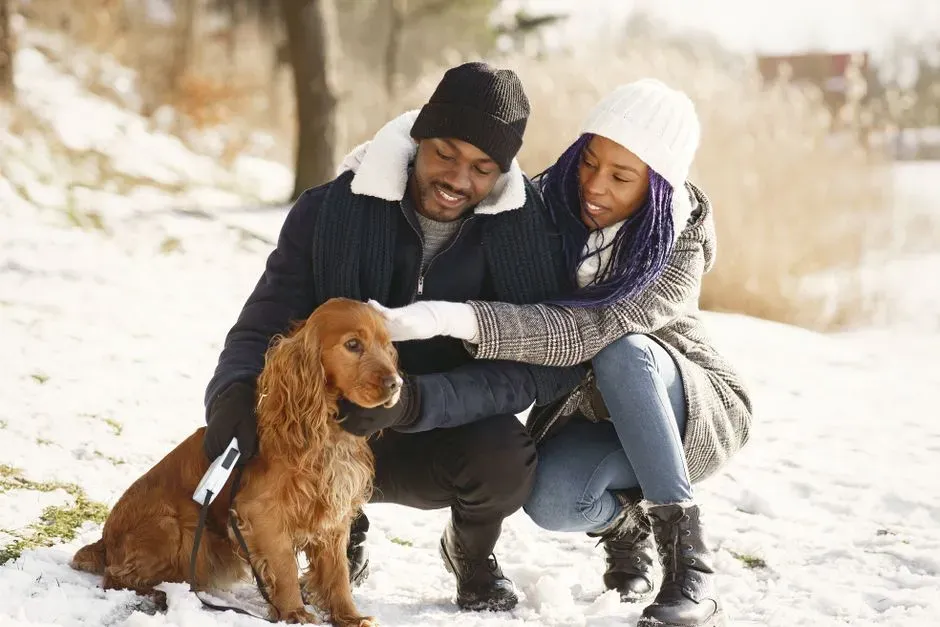
Cocker Spaniels combine a soft coat with an affectionate temperament that invites frequent petting. They often seek out hands for gentle strokes along their ears or back. When that daily contact is reduced they can appear less animated and spend more time in one spot.
The breed’s history includes close work with hunters and later as family dogs, so the desire for closeness stayed strong. Owners notice that missing touch sessions sometimes leads to slower responses to calls or games. Bringing back the physical interaction usually lifts their spirits again.
Bichon Frise
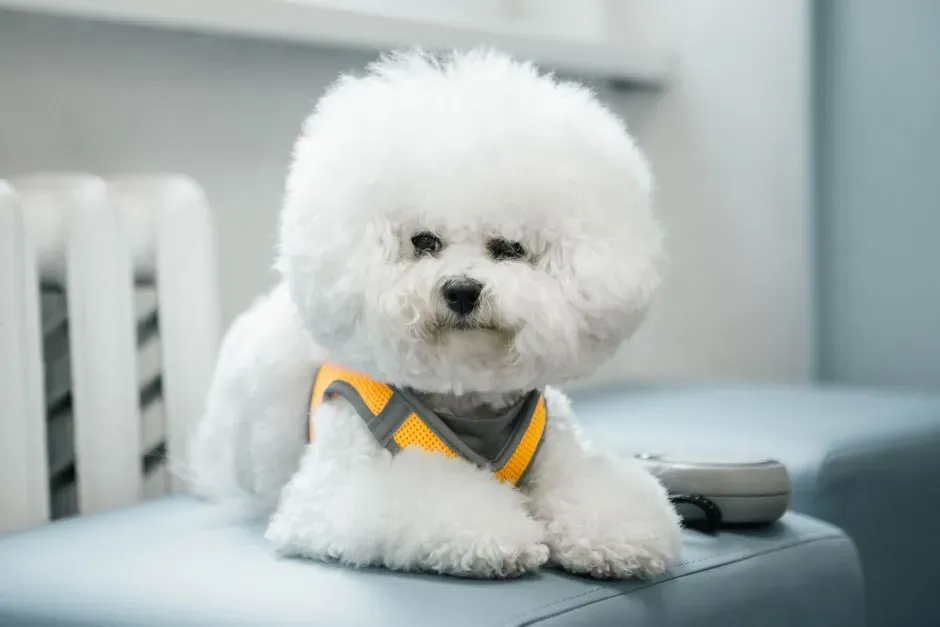
Bichons were bred as cheerful companions and they carry that expectation into modern homes. They like to be picked up or petted while sitting nearby. Without regular handling they can grow quieter and show less interest in their usual bouncing play.
Their fluffy coat invites touch, and many owners use grooming time as part of the daily bond. When that connection slips the dogs sometimes rest more and seek out soft surfaces to curl into alone. Consistent petting helps them return to their typical lively state.
French Bulldog
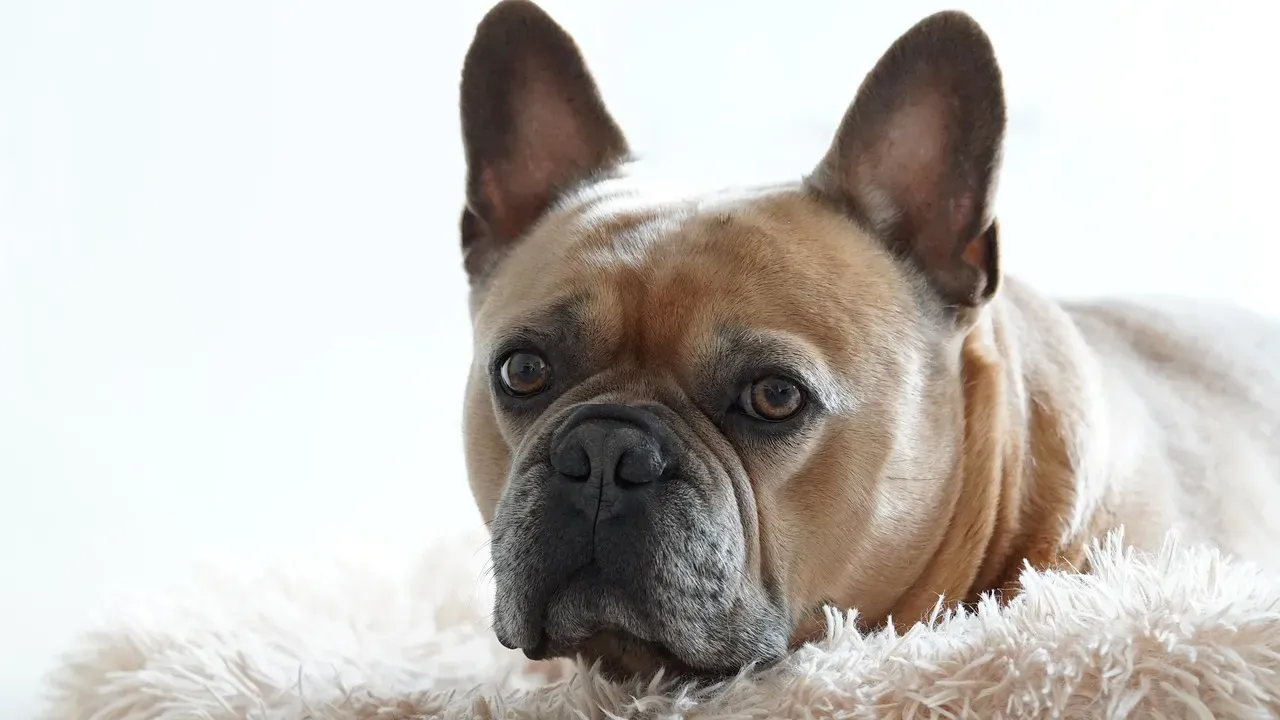
French Bulldogs enjoy short bursts of activity followed by long stretches of close contact with their people. They often wedge themselves against legs or climb onto laps for naps. Missing those moments can leave them looking flat and less responsive to normal household sounds.
The breed’s compact size makes them easy to keep near, yet they still register the absence of touch. Owners report that a few days without regular petting leads to more time spent alone in a favorite spot. Reintroducing daily closeness tends to restore their usual relaxed and attentive demeanor.
Plenty of dogs benefit from steady affection, yet these nine seem to register its absence more quickly than most. Making time for daily contact is one of the simplest ways to keep their spirits even. In the end the real lesson is that touch is not just nice for them. It is part of what keeps the relationship balanced for both sides.


