
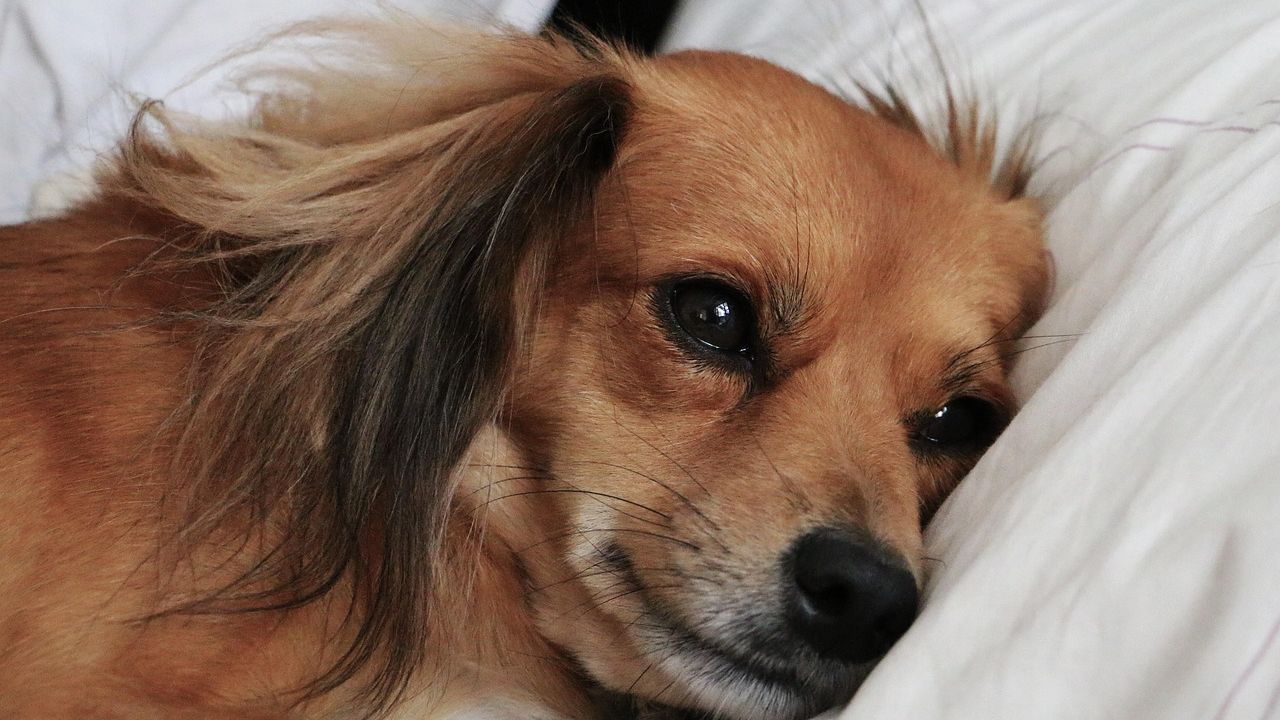
The Instinct to Seek Familiar Comfort
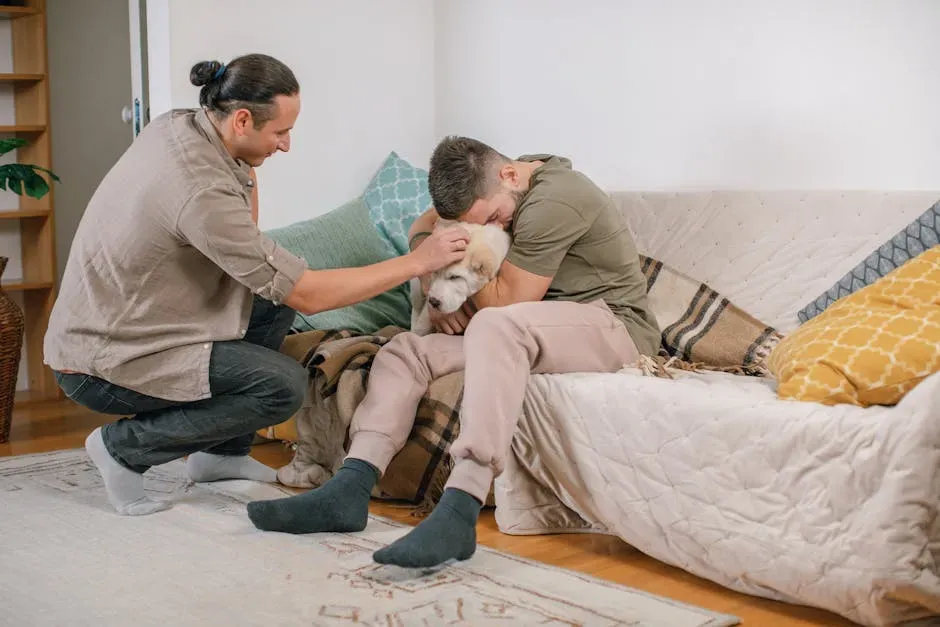
Dogs form strong attachments to their primary caregivers, and this bond does not simply fade when health declines. In their final hours or days, many turn toward the faces and voices they know best rather than withdrawing entirely.
This behavior reflects a natural drive for reassurance when the body feels different or unpredictable. Veterinary observations note that dogs often become more attentive to their people during this time, using eye contact as a quiet way to stay connected.
Eye Contact as a Form of Emotional Anchoring
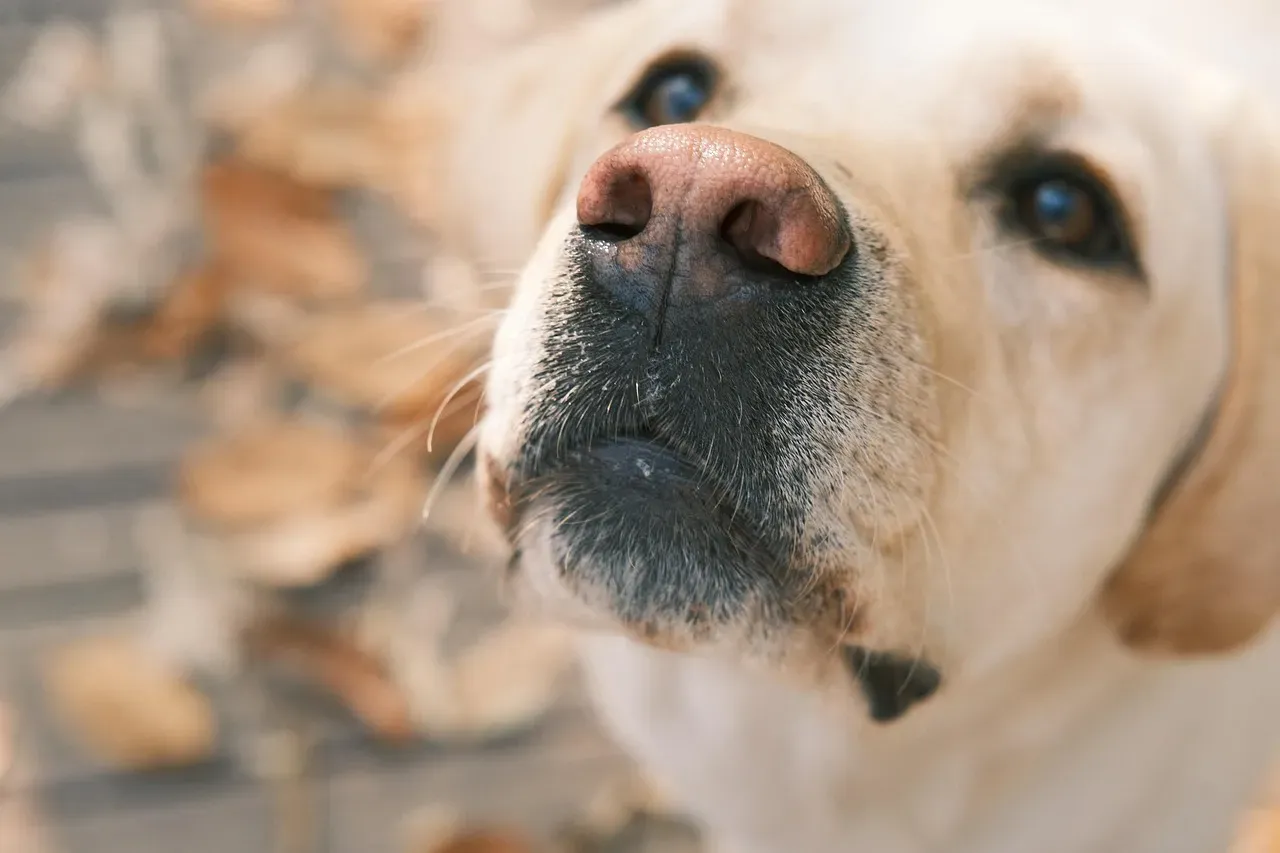
Prolonged staring in these moments serves as a bridge between the dog and their human. It allows the animal to monitor the presence of safety and affection without needing words or movement.
Unlike random glances, this focused look tends to carry a calm quality, almost as if the dog is absorbing the last bits of closeness available. The interaction releases familiar hormones that have strengthened the relationship over years of shared routines.
Dogs Rarely Display Pain Through Direct Stares
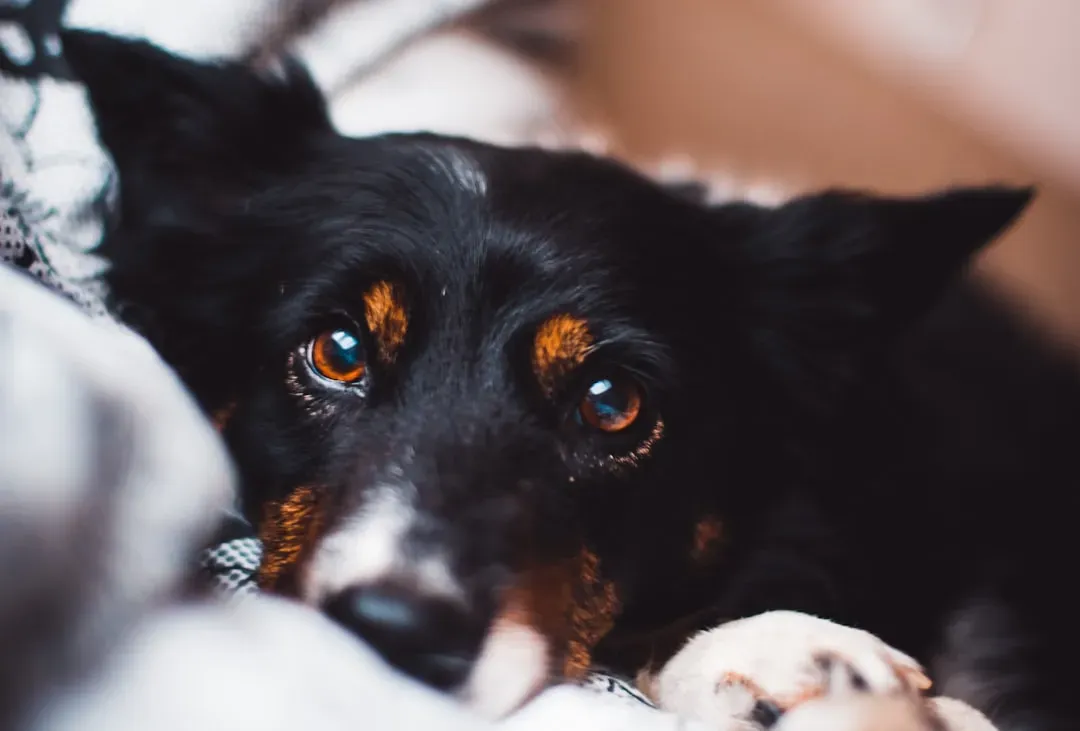
Canine pain signals usually appear through posture changes, panting, or avoidance rather than sustained eye contact with a loved one. When a dog chooses to look at their owner instead, the motivation leans more toward connection than complaint.
They have evolved to mask vulnerability in many situations, so the decision to hold a gaze often points to trust instead of distress. This distinction helps explain why the stare feels meaningful rather than alarming to so many people who have witnessed it.
The Influence of Individual Temperament
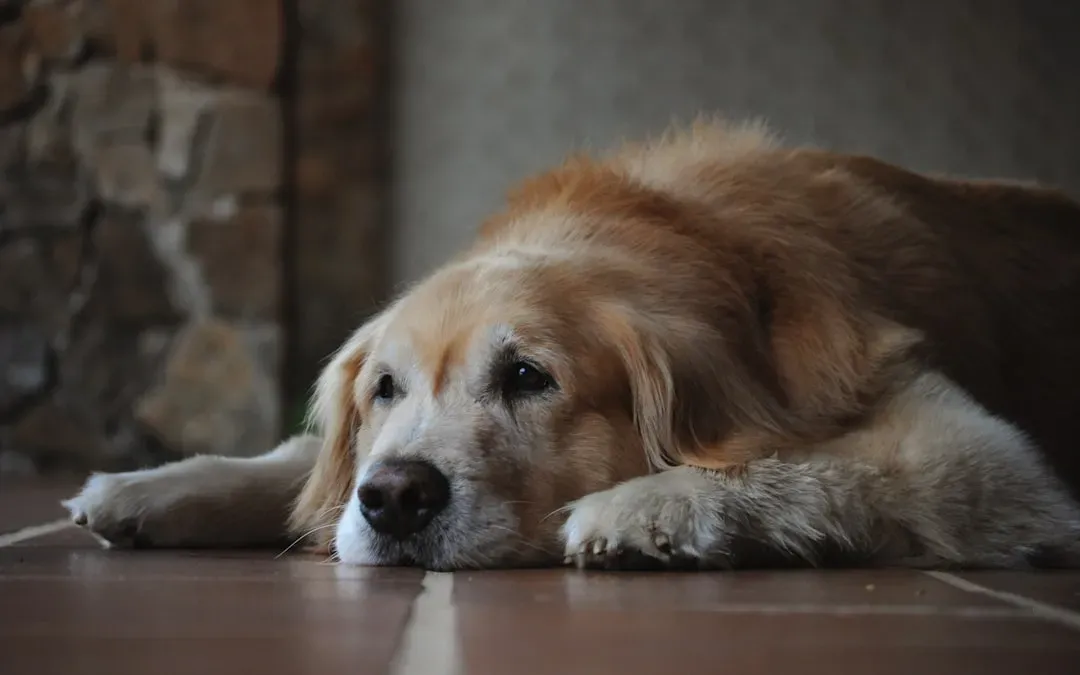
Every dog approaches the end of life in their own way, shaped by personality, past experiences, and the specific illness involved. Some remain quietly attentive while others alternate between closeness and brief periods of rest.
Owners who know their pet well can often recognize the familiar spark in that final stare, a continuation of how the dog has always sought them out during ordinary moments of uncertainty or tiredness. This consistency offers a measure of comfort amid the sadness.
How the Environment Shapes Final Interactions

A calm home setting with familiar scents and gentle voices encourages dogs to stay engaged with their people rather than retreating. Changes in routine or added stress can alter this, yet the core preference for known company frequently persists.
Simple presence, soft talking, and light touch when welcomed reinforce the sense of security the dog has relied on throughout their life. These small acts align with what the stare itself seems to request.
Recognizing the Look Without Overinterpreting It
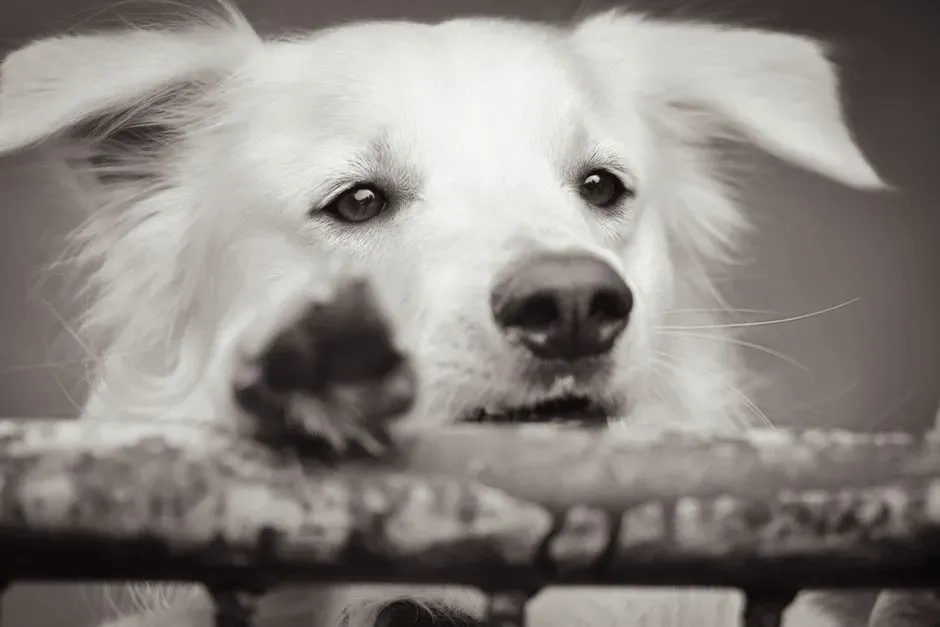
Many describe a particular expression that feels intentional, almost like a quiet acknowledgment or request for continued closeness. This moment stands apart from confusion or disorientation that can occur with age or illness.
Staying observant without projecting human ideas of farewell allows the interaction to remain authentic. The dog is responding to the immediate reality of their bond, not staging a dramatic goodbye.
Creating Space for Peaceful Closure
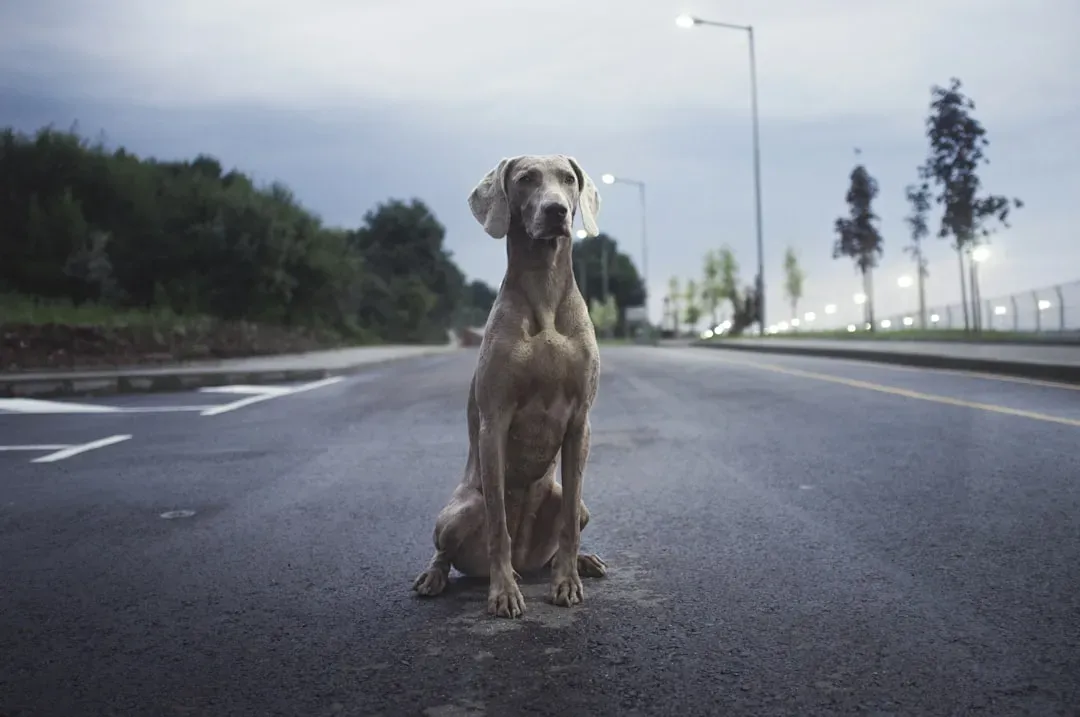
Supporting a dog through these final stages means matching their pace and preferences as closely as possible. Some appreciate quiet company nearby while others benefit from occasional gentle reassurance.
Respecting the natural rhythm of their behavior helps reduce anxiety for both the animal and the family. The stare becomes part of a larger pattern of trust that has defined the relationship from the beginning.
The gaze that lingers in memory is ultimately a reflection of everything the dog has learned to value in their time with you. It underscores how deeply these connections shape the way animals move through their final moments, leaving behind a quiet reminder of presence over absence.


