
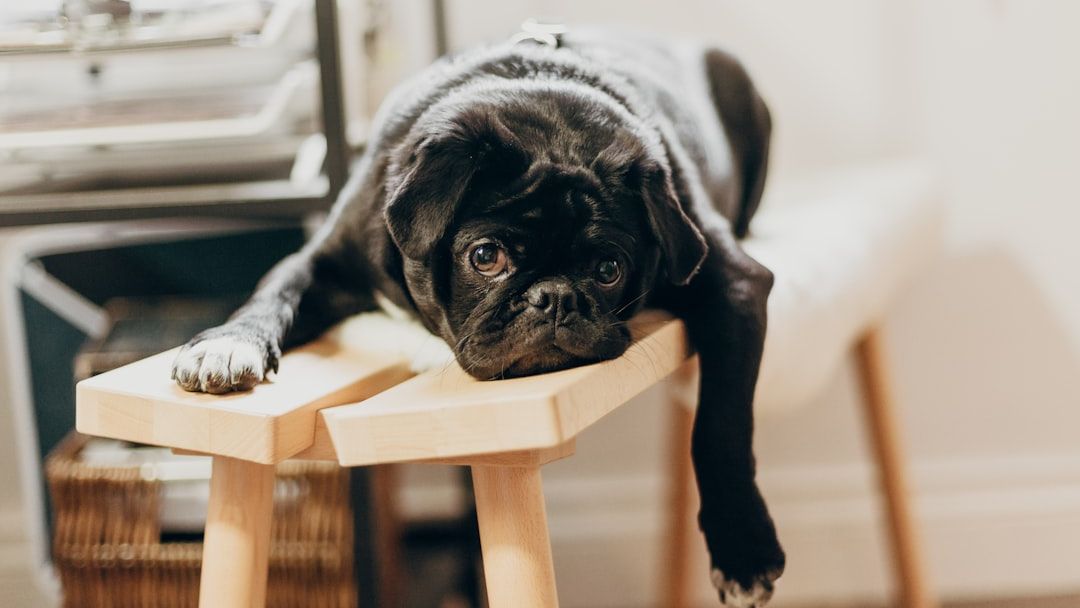
Lingering Effects of Time Spent Alone
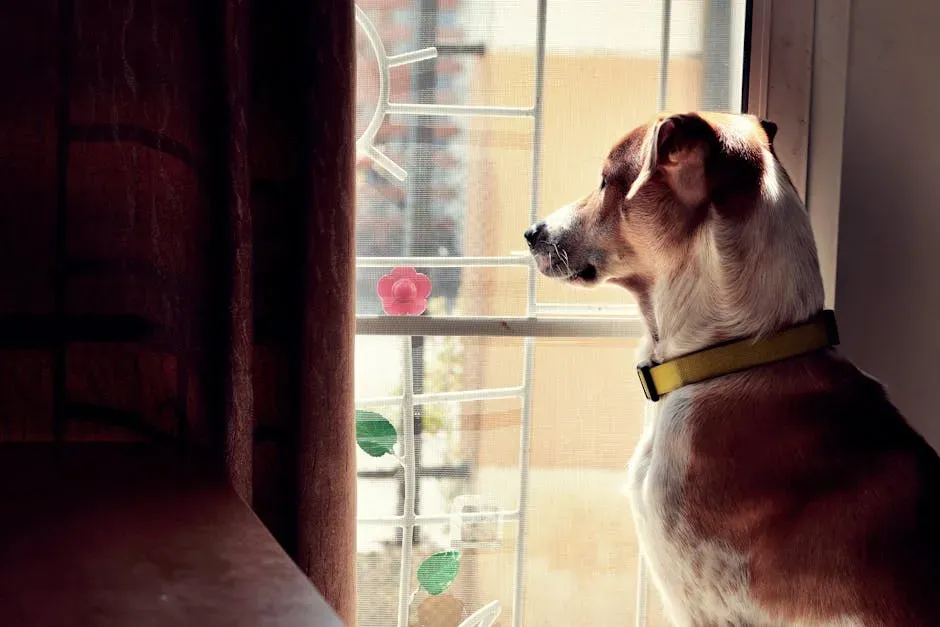
Dogs form strong attachments, and even a short absence can leave them unsettled. When you return, their body might still carry the tension from waiting, making the door a focal point for unresolved feelings. This pattern shows up more in breeds known for close bonding or in homes where schedules shift often.
Over time the stare becomes a quiet way of processing the gap between departure and full reunion. It does not always fade right away, even when treats and affection appear. Many owners notice it lingers longest after longer workdays or unexpected delays.
Waiting for Someone Else to Appear
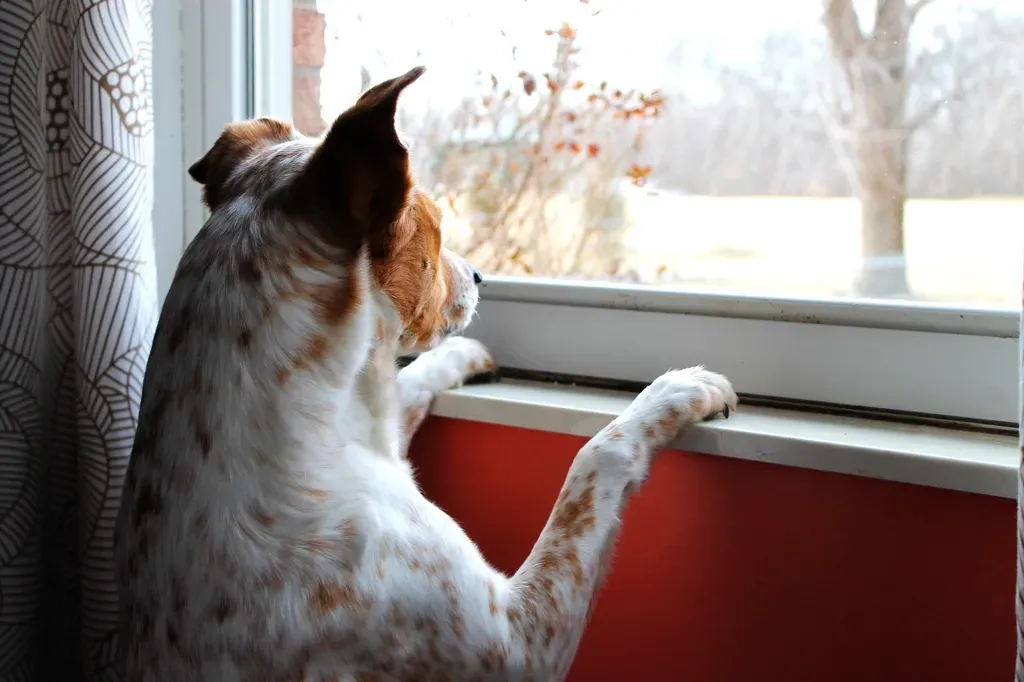
Households with multiple people create layered expectations in a dog. Your return might register as only the first part of the daily sequence, so the eyes stay trained on the door for the next arrival. This holds especially true in families where one member comes home later or on a different shift.
The behavior reflects how dogs track routines across everyone in their circle. Missing that second person can keep the vigil going long after you have settled in. It turns the doorway into a shared checkpoint rather than a finished task.
Clinging to Familiar Daily Patterns
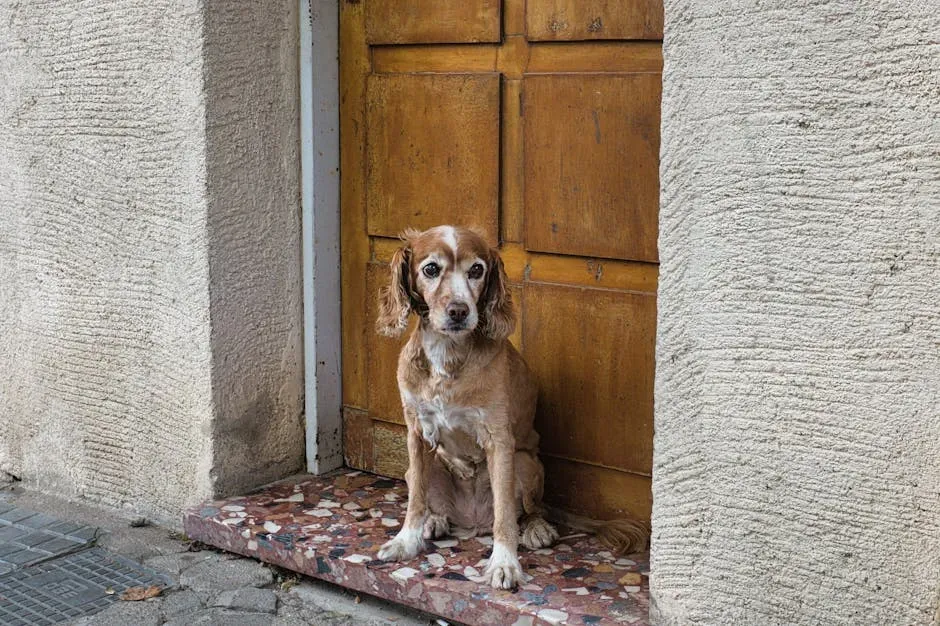
Many dogs thrive on predictable sequences, from the sound of keys to the click of the lock. When the full pattern gets interrupted, the stare serves as a reminder of what usually follows next. Changes in weather, traffic, or even your own energy can stretch that waiting period.
The door becomes a symbol of continuity rather than just an exit. Owners who vary their return times sometimes see the habit strengthen instead of ease. It reveals how deeply small consistencies matter to a dog navigating the day.
Memories of a Lost Companion
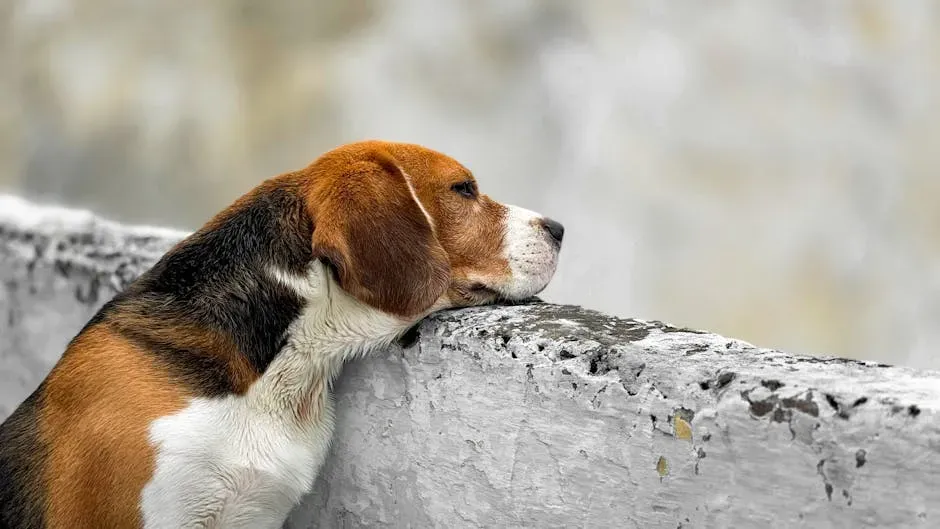
Grief in dogs can surface through fixed attention on places tied to the missing individual. If another pet or person once used that same door regularly, the stare may echo an earlier loss. The behavior often appears or intensifies around anniversaries or after major household changes.
Even years later, certain triggers can pull those memories forward in quiet moments. The doorway holds scent traces and visual cues that keep the connection alive. Owners frequently describe the look as both tender and difficult to witness.
Seeking Extra Reassurance After Separation
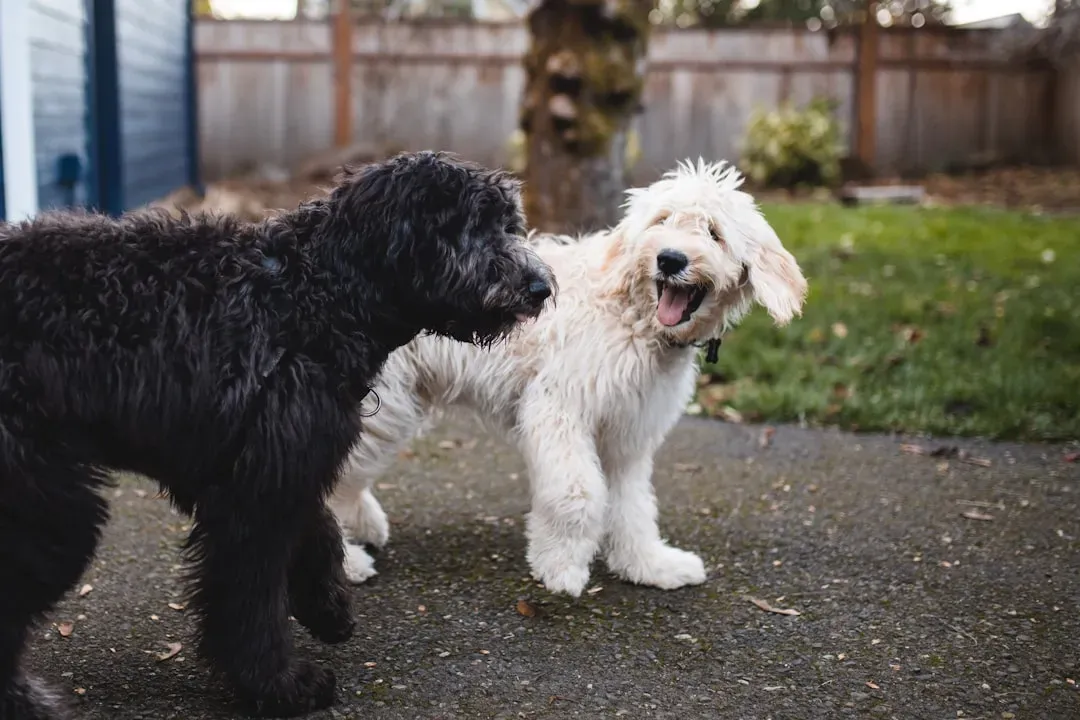
Reunions carry emotional weight for dogs that worry during absences. The fixed gaze can act as a request for confirmation that everything remains stable now. Gentle approaches from you sometimes interrupt the stare only briefly before it returns.
This response grows stronger in dogs with histories of inconsistent schedules or multiple caregivers. It functions less as demand and more as a check-in that the bond holds steady. Over repeated returns the pattern can soften with steady, low-key presence.
Reacting to Scents or Sounds From Outside
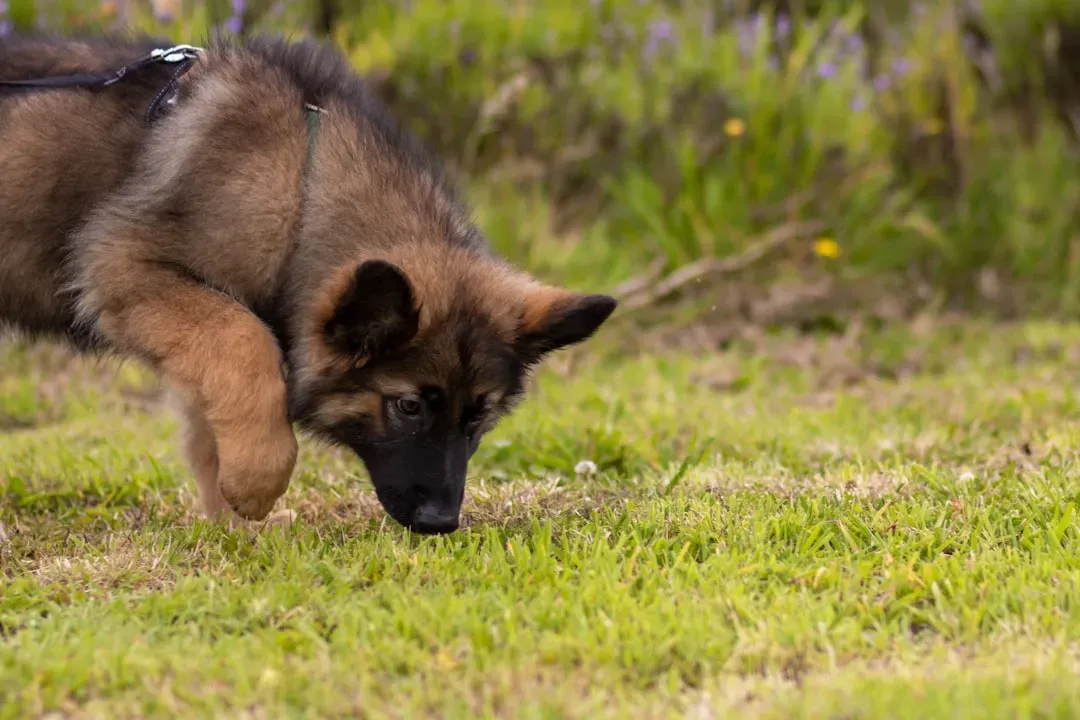
A dog nose works far beyond human range, picking up traces of neighbors, wildlife, or passing vehicles. After you arrive, those external signals may still draw focus to the door as the source point. Subtle changes in air flow or distant noises keep the attention anchored there.
The behavior mixes curiosity with a protective instinct that does not switch off instantly. Indoor distractions rarely compete with whatever lingers just beyond the threshold. Many dogs settle only after the outdoor environment quiets again.
Signs of Understimulation During the Day
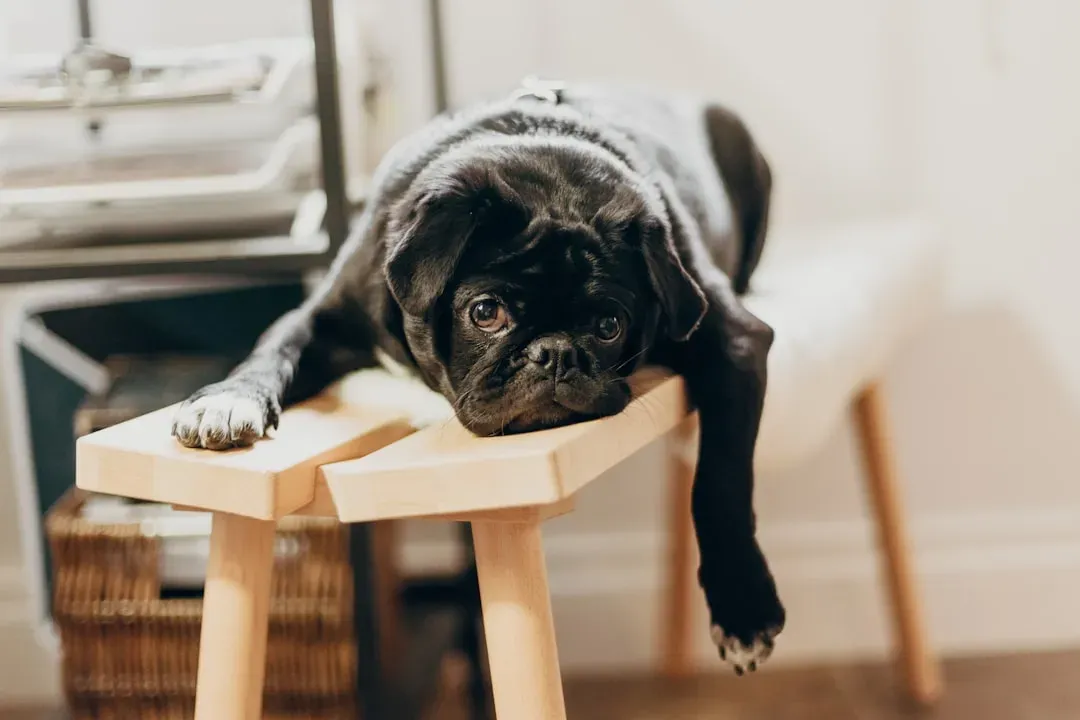
Long stretches without mental or physical outlets leave energy with nowhere to go. The door stare can represent a low-effort way to stay engaged with the world beyond the walls. Dogs in this state often combine the look with occasional sighs or shifts in posture.
Adding short training games or puzzle feeders earlier in the day tends to reduce the intensity. The habit reflects a need for more varied activity rather than any single event. Owners who adjust enrichment routines usually notice gradual shifts in how long the stare lasts.
Possible Discomfort or Health Signals
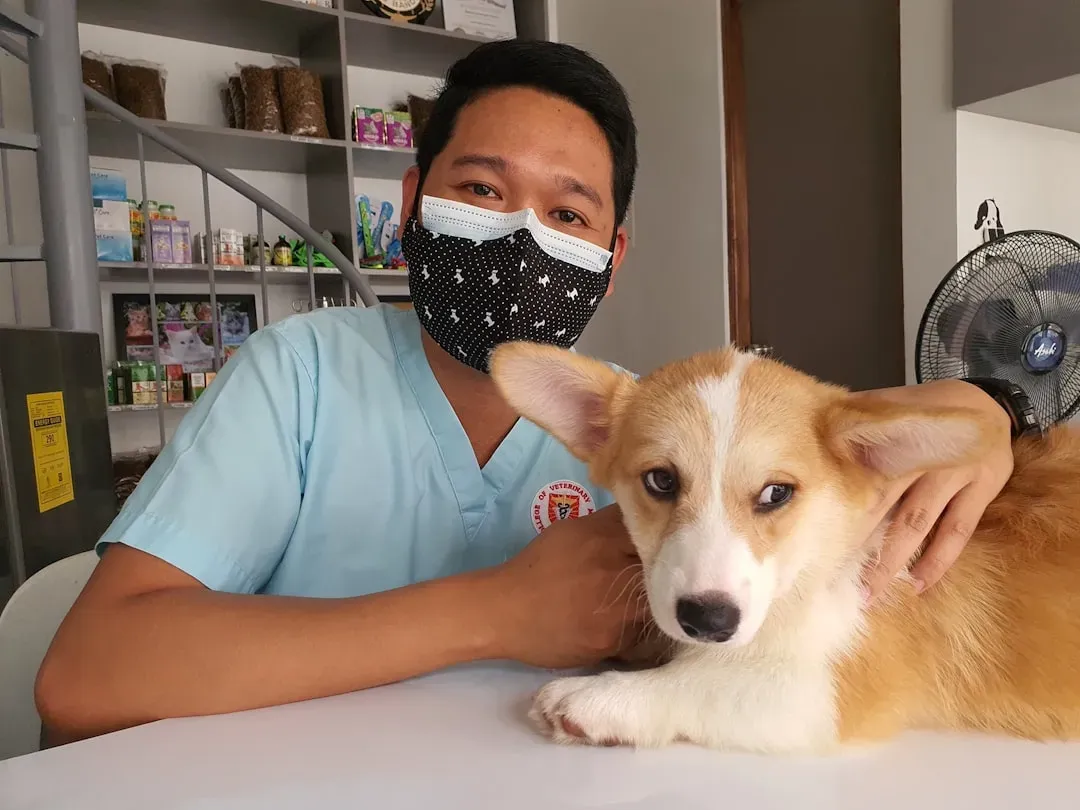
Sometimes the fixed attention points to physical unease that makes settling difficult. Joint stiffness, vision changes, or digestive upset can turn the door into a neutral spot that feels safer than moving around. Age-related shifts often bring these patterns into clearer view.
A vet visit helps rule out underlying issues before assuming pure emotional causes. The stare may ease once any discomfort receives attention and management. Regular checkups become especially useful as dogs move through different life stages.
Understanding these quiet signals invites a gentler daily rhythm with your dog. Small adjustments in routine and attention often bring the stare to a softer close, leaving more room for shared calm once you are both home.


