
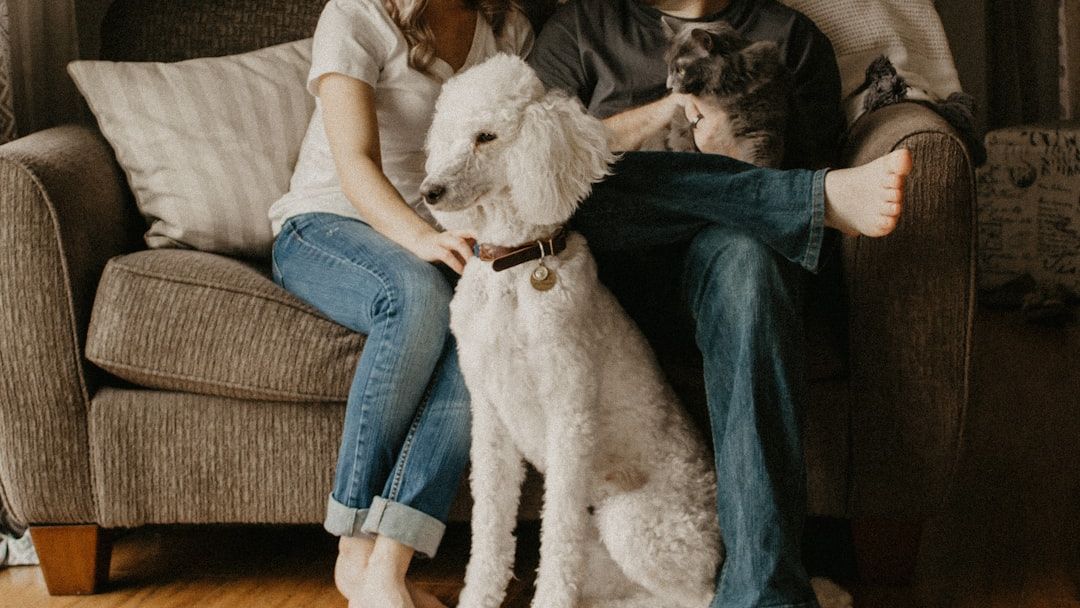
Ever noticed your dog acting out of sorts, seemingly without reason? It might not be random behavior. Dogs possess an uncanny ability to sense shifts in their environment, especially when it comes to the emotional dynamics of their human companions. In fact, they often pick up on the subtle signs of a deteriorating marriage long before the couple themselves acknowledge any issues. Let’s delve into the reasons behind this remarkable canine intuition.
Heightened Sensory Perception
Dogs experience the world through a rich tapestry of senses far more acute than our own. Their olfactory capabilities are particularly impressive, allowing them to detect minute changes in human pheromones and stress-related chemicals. When tension mounts between spouses, dogs can literally smell the difference, sensing the undercurrents of discord that might go unnoticed by the humans involved.
Beyond their sense of smell, dogs are also attuned to auditory cues. They can discern variations in tone, pitch, and volume, picking up on the subtlest shifts in conversation. A slight edge in a spouse’s voice or an uncharacteristic silence doesn’t escape their notice, alerting them to underlying issues within the household.
Acute Observation of Body Language
Communication isn’t solely about words; body language plays a pivotal role. Dogs are masters at reading non-verbal cues, from facial expressions to posture. A forced smile, crossed arms, or averted gaze between partners can signal discord, and dogs are quick to pick up on these signs of relational strain.
Moreover, dogs are sensitive to the physical distance between individuals. If a couple that once sat close now maintains a noticeable gap, or if affectionate gestures become rare, the dog perceives these changes, understanding that the emotional landscape of their home is shifting.
Emotional Contagion

Dogs don’t just observe emotions; they feel them. This phenomenon, known as emotional contagion, means that dogs can mirror the feelings of their owners. When a household is fraught with tension or sadness, dogs often exhibit signs of stress or anxiety themselves, reflecting the emotional state of their human companions.
This empathetic response isn’t just passive. Dogs may become more clingy, seeking to offer comfort, or they might withdraw, mirroring the emotional withdrawal they sense in their owners. Their behavior becomes a barometer for the household’s emotional health.
Disruption in Routine
Dogs thrive on routine and predictability. A stable schedule provides them with a sense of security. When marital issues arise, daily routines often become erratic – mealtimes shift, walks are missed, or playtime dwindles. Dogs notice these disruptions and may become anxious or exhibit behavioral changes in response.
Additionally, the energy and enthusiasm with which activities are conducted can change. A once joyful evening walk might become a chore, and dogs are sensitive to this lack of engagement, sensing that something is amiss in their environment.
Altered Affection Levels

Affection isn’t just about quantity; it’s about quality. Dogs are attuned to the nuances of touch and attention. If one spouse becomes more distant or if the warmth in interactions diminishes, dogs pick up on these subtleties, recognizing the shift in relational dynamics.
Conversely, an overcompensation of affection towards the dog can also be a sign. If a spouse redirects unmet emotional needs towards the pet, the dog may sense this imbalance, understanding that the human relationships in the home are under strain.
Increased Tension and Conflict
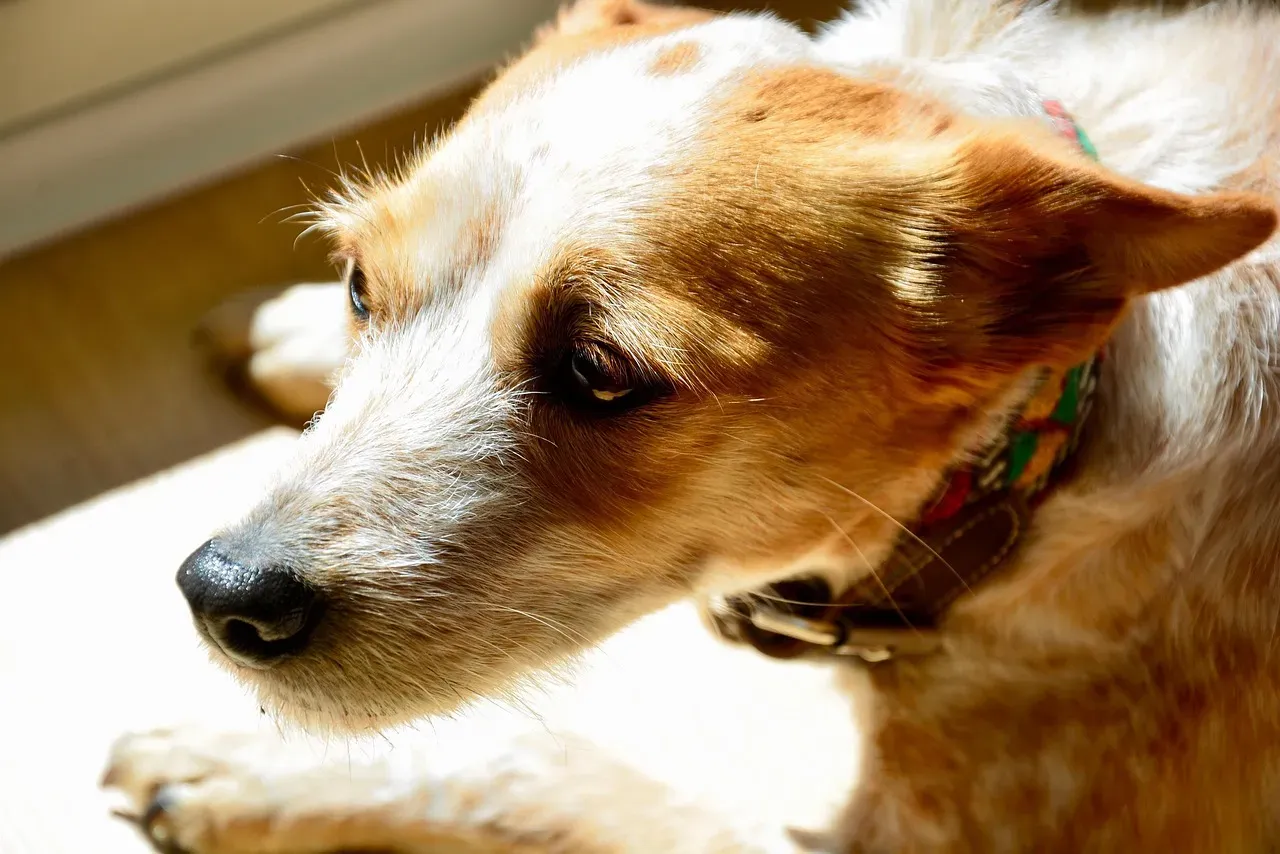
Dogs are highly sensitive to conflict. Raised voices, aggressive gestures, or even passive-aggressive behaviors create an environment of tension. Dogs often respond to such atmospheres by becoming anxious, hiding, or trying to mediate by seeking attention or placing themselves between arguing parties.
Even when conflicts aren’t overt, the underlying tension is palpable to dogs. They can sense the unease in the air, leading to changes in their behavior as they attempt to navigate the stress within their home.
Changes in Household Dynamics
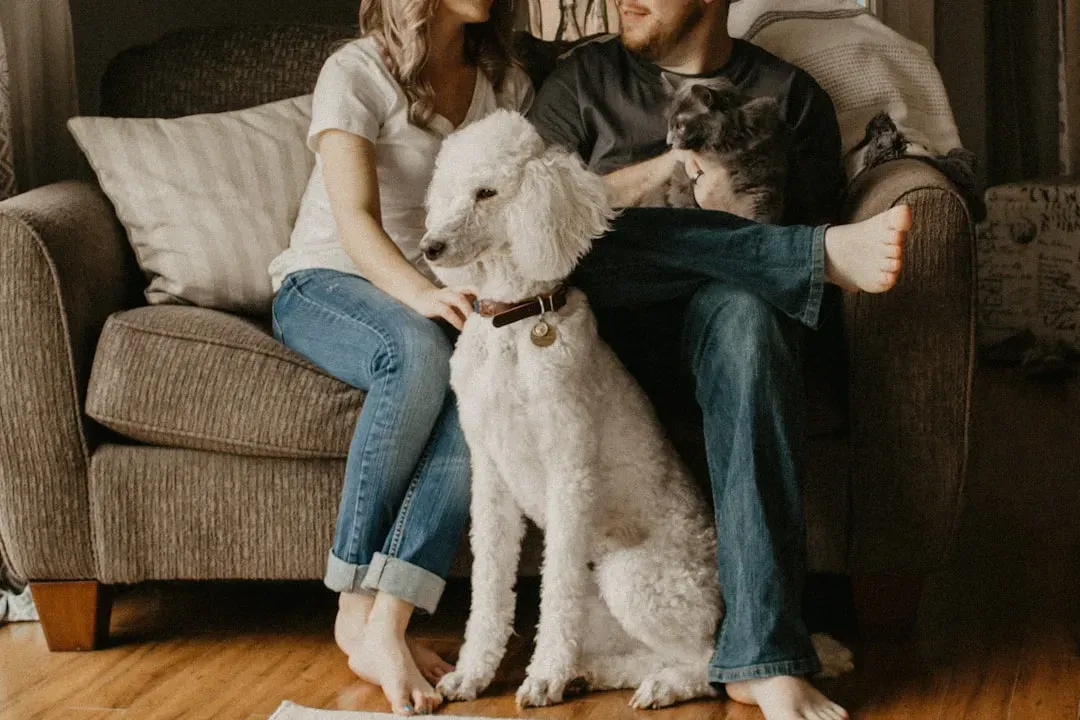
Marital discord often leads to shifts in household roles and dynamics. One partner might take on more responsibilities, or there might be a noticeable imbalance in interactions. Dogs are keen observers of these changes, noting who feeds them, who walks them, and how these routines differ from the norm.
Such shifts can cause confusion and stress for dogs, as they rely on consistency. The unpredictability stemming from marital issues disrupts their sense of stability, making them acutely aware that something is off within the family unit.
Decreased Overall Household Energy

The overall energy of a home is something dogs are deeply attuned to. A once lively and joyful environment that becomes subdued or somber is immediately noticeable to them. They sense the lack of laughter, the absence of shared activities, and the general decline in positive interactions.
This decrease in household energy affects dogs profoundly. They may become less playful, more lethargic, or exhibit signs of depression, mirroring the emotional downturn they perceive in their human companions.
In conclusion, dogs are not just passive observers in our lives; they are active participants who sense and respond to the emotional currents within their homes. Their heightened senses and deep bond with humans make them incredibly perceptive to changes in relationships, often recognizing the signs of a failing marriage before the individuals involved do. Perhaps it’s time we paid closer attention to our canine companions – they might just be trying to tell us something important.


