
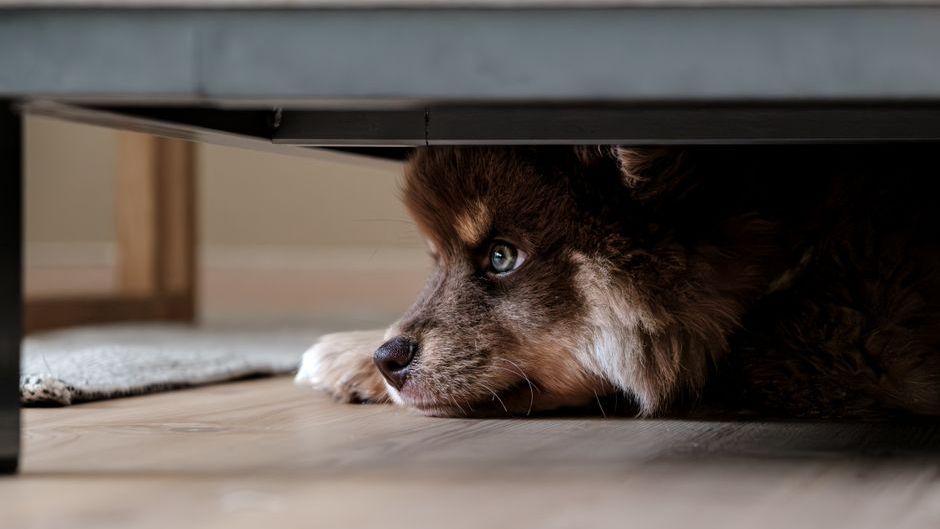
Ever noticed your dog acting unusually nervous or skittish, especially when you’re feeling stressed? It’s not just your imagination. Science reveals that dogs can mirror their owners’ anxiety, leading to specific behavioral changes. Let’s delve into six behaviors commonly observed in dogs with anxious owners and uncover the scientific explanations behind them.
1. Increased Vigilance and Hyperawareness
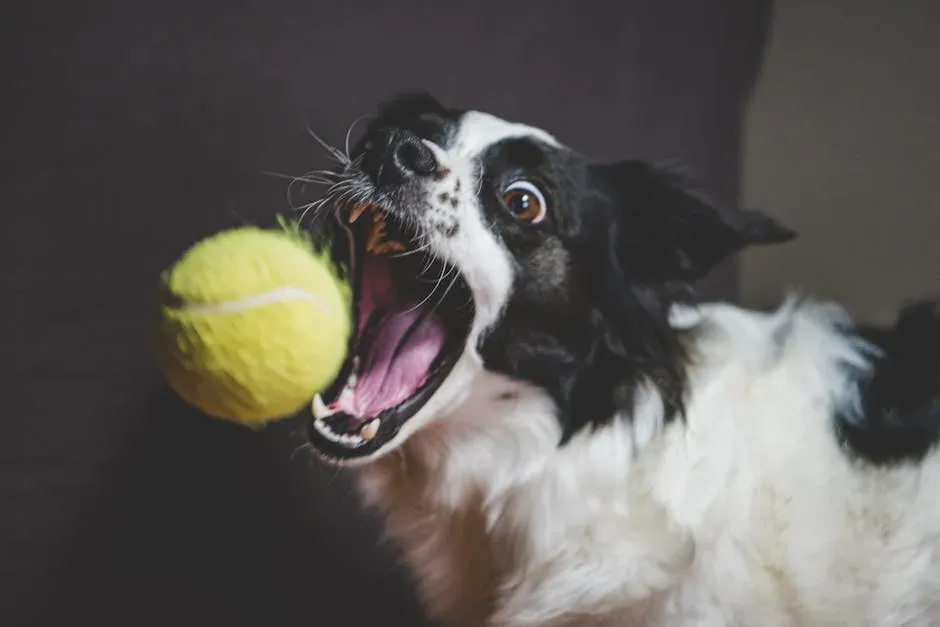
Dogs of anxious owners often exhibit heightened alertness, constantly scanning their environment for potential threats. This behavior mirrors the owner’s own hyperawareness and can result in the dog being easily startled or reactive to minor stimuli.
Research indicates that dogs are highly attuned to their owners’ emotional states. When an owner is consistently anxious, the dog may interpret this as a signal that the environment is unsafe, prompting them to remain on high alert.
2. Excessive Barking and Vocalization
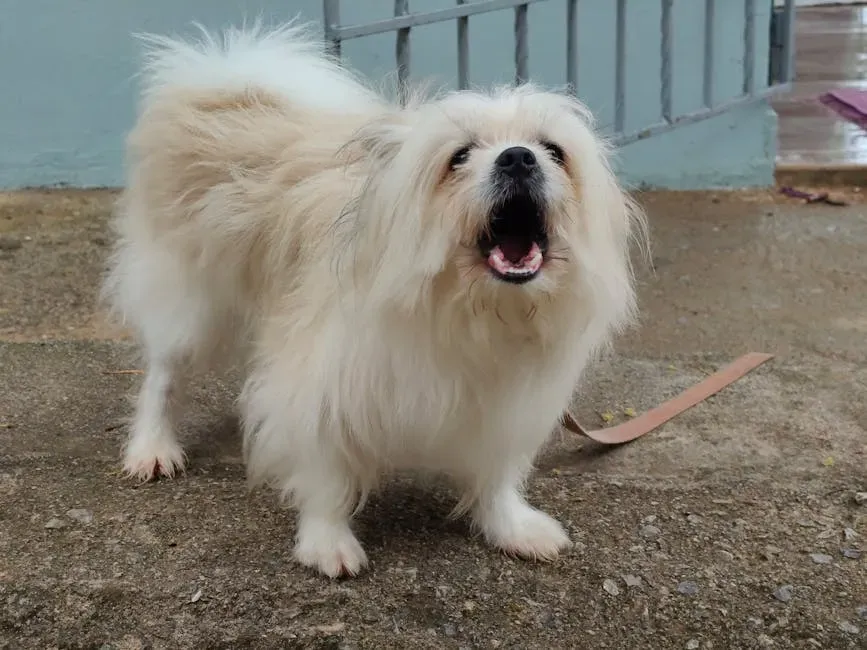
Persistent barking, whining, or howling can be a sign of anxiety in dogs. Dogs with anxious owners may vocalize more frequently, especially in situations where they perceive a threat or when left alone.
This behavior can be a response to the owner’s own vocal expressions of stress or a learned behavior where the dog seeks attention and reassurance from the owner during anxious moments.
3. Destructive Behavior
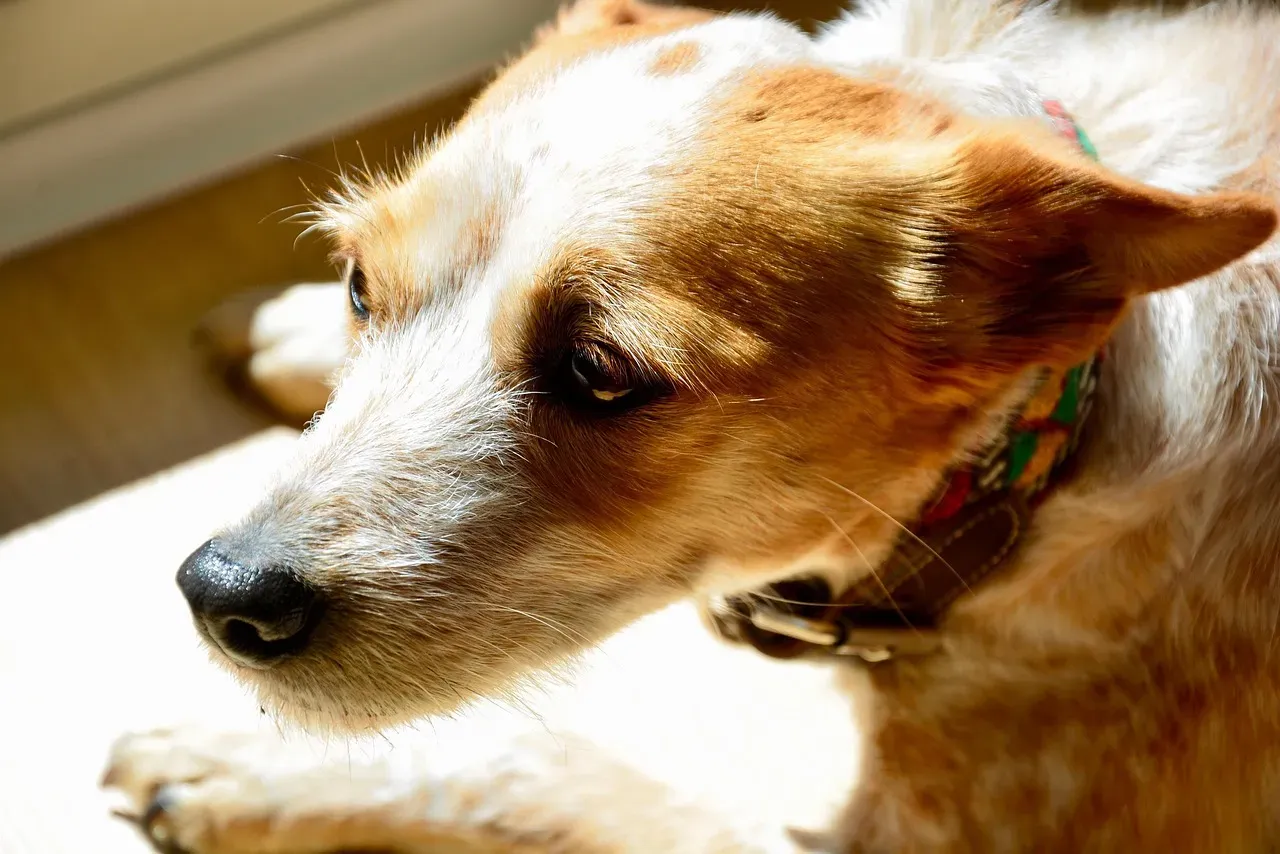
Chewing furniture, digging, or tearing up household items are common in dogs experiencing anxiety. This destructive behavior can be more pronounced in dogs whose owners are anxious, as the dog may be responding to the owner’s inconsistent behavior or lack of routine.
Such behaviors often serve as an outlet for the dog’s pent-up energy and stress, especially if they are not provided with adequate mental and physical stimulation.
4. Pacing and Restlessness
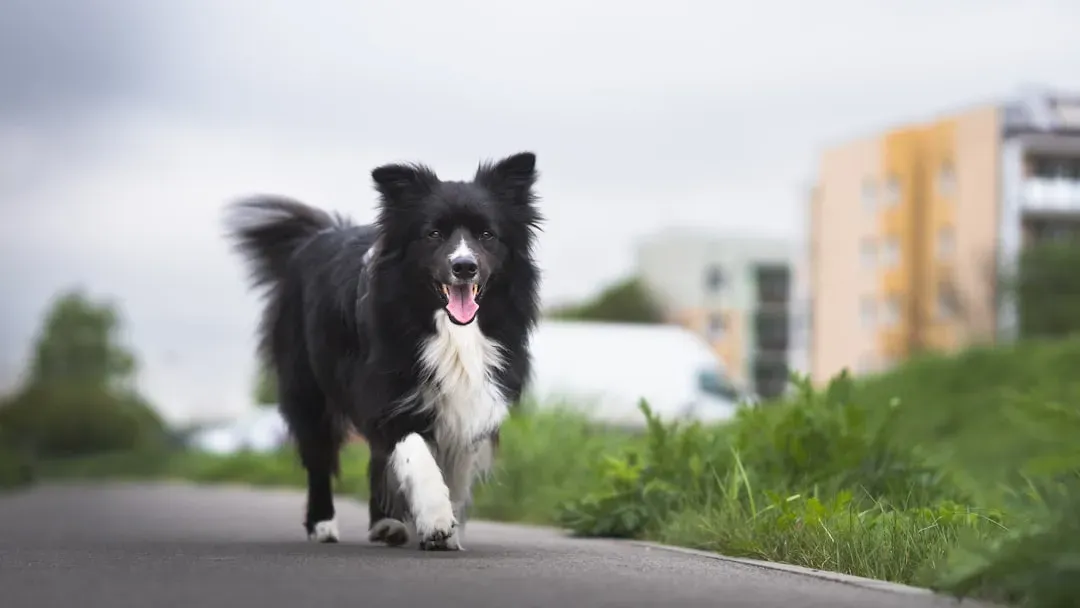
Restless behaviors like pacing back and forth or an inability to settle can be indicative of a dog’s internal anxiety. Dogs with anxious owners may display these behaviors more frequently, reflecting the owner’s own restlessness or nervous energy.
This constant movement can be a coping mechanism for the dog, attempting to alleviate their own feelings of unease by staying active.
5. Avoidance or Hiding
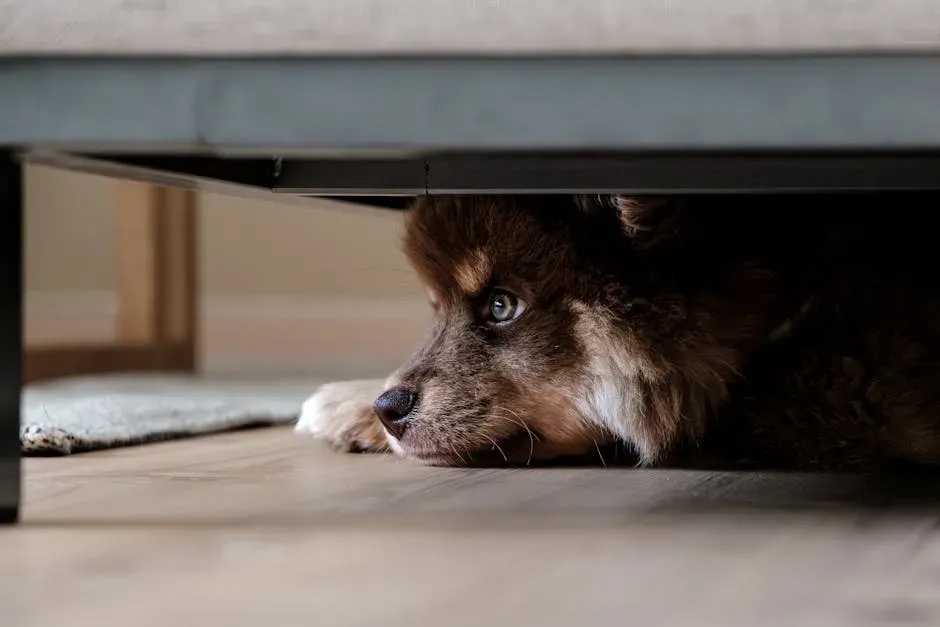
Some dogs may respond to their owner’s anxiety by withdrawing, seeking solitude, or hiding in secluded areas of the home. This behavior can be a way for the dog to escape the perceived stress in their environment.
By distancing themselves, the dog may be attempting to self-soothe or avoid situations that they associate with their owner’s anxious behavior.
6. Over-Attachment and Clinginess
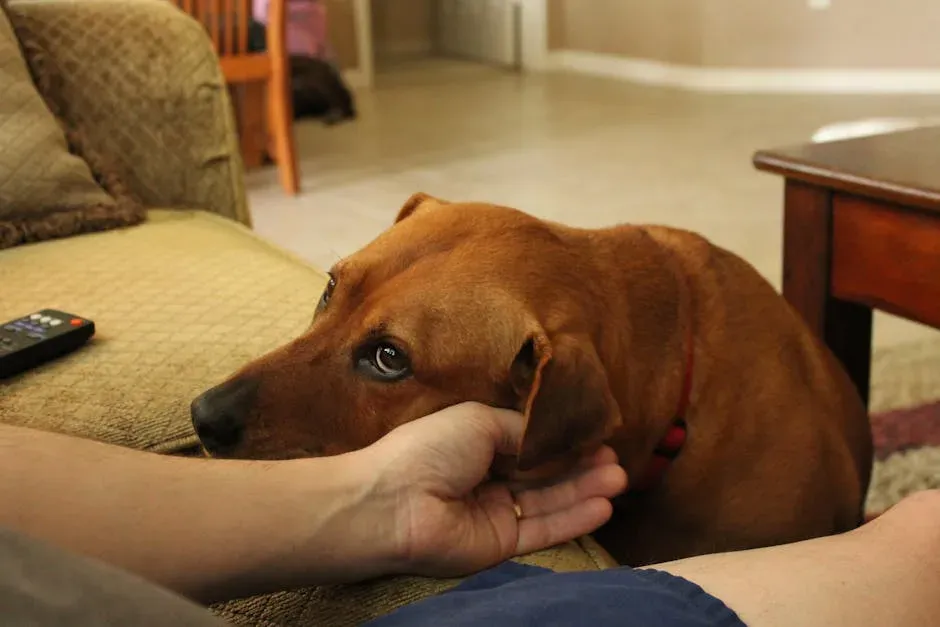
Conversely, some dogs may become overly attached to their anxious owners, following them from room to room and displaying signs of distress when separated. This clinginess can be a result of the dog seeking comfort and security from their primary caregiver.
Such behavior can also stem from the dog’s perception that their owner is vulnerable, prompting them to stay close as a protective measure.
Understanding these behaviors is crucial for both the well-being of the dog and the owner. Recognizing the impact of one’s own anxiety on their canine companion can lead to more mindful interactions and the implementation of strategies to reduce stress for both parties. After all, our furry friends are not just pets; they’re reflections of our own emotional landscapes. So, next time you’re feeling anxious, consider how it might be affecting your loyal companion. Could your stress be influencing their behavior more than you realize?


