

#1: Sudden Changes in Personality or Social Behavior
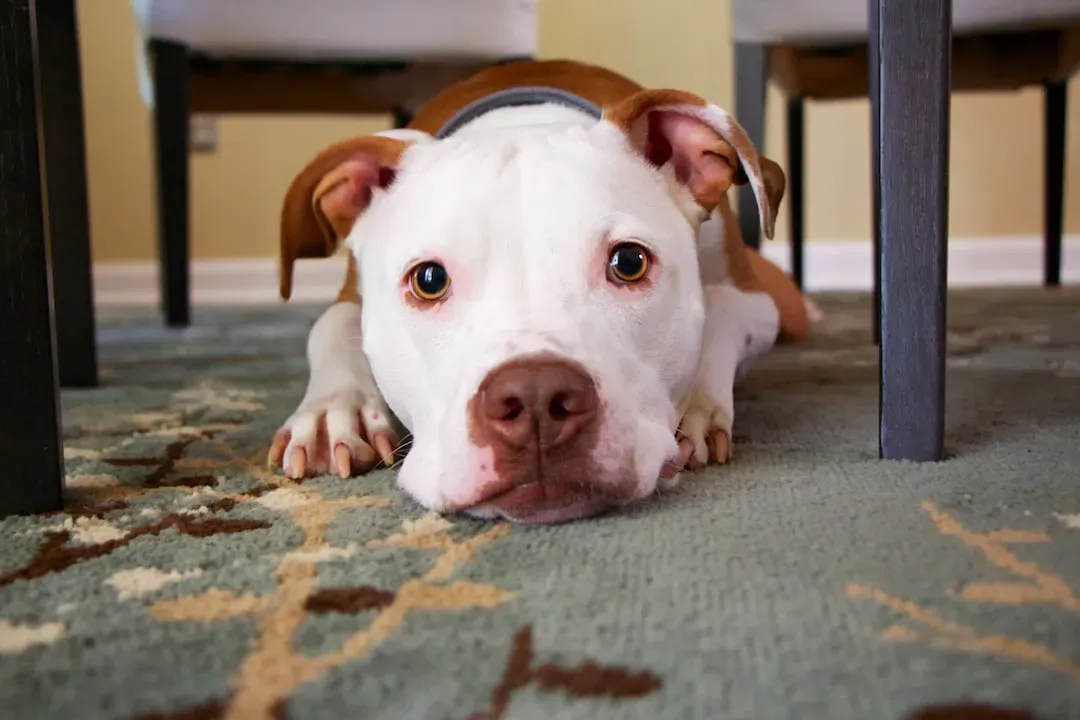
This is usually the first thing to shift, and the easiest to dismiss. A dog who normally greets you with excitement but suddenly becomes distant may be showing early signs of pain. This type of change is often the first red flag. It doesn’t look like suffering on the surface. It looks like your dog just “being in a mood.”
Many dogs can suddenly become aggressive or antisocial when they’re in pain, as they don’t want you to notice that they’re weak. They protect themselves by showing anger instead of fear or pain, or sometimes even distancing themselves from you so you won’t notice that they’re hurt. A dog that used to lean into every pat and now stiffens when touched deserves a closer look, not a shrug.
#2: Hiding or Withdrawing from the Family

Hiding behavior is possibly the most common sign of pain in dogs. Most dogs prefer to hide their pain, and they may go so far as to hide under the bed, in a closet, or in some other location where they cannot be easily bothered by their human family members. It’s a heartbreaking instinct. They’re not being antisocial. They’re trying to cope.
Chronic pain causes emotional changes and does cause depression in dogs, which parallels how chronic pain impacts humans. Depending on the individual pet, the behavior changes may be subtle or more obvious. Withdrawal from the family is a definite warning sign that something is very wrong, and often the culprit is some form of pain. If your once-social dog is choosing corners over cuddles, take that seriously.
#3: Excessive Panting Without an Obvious Reason
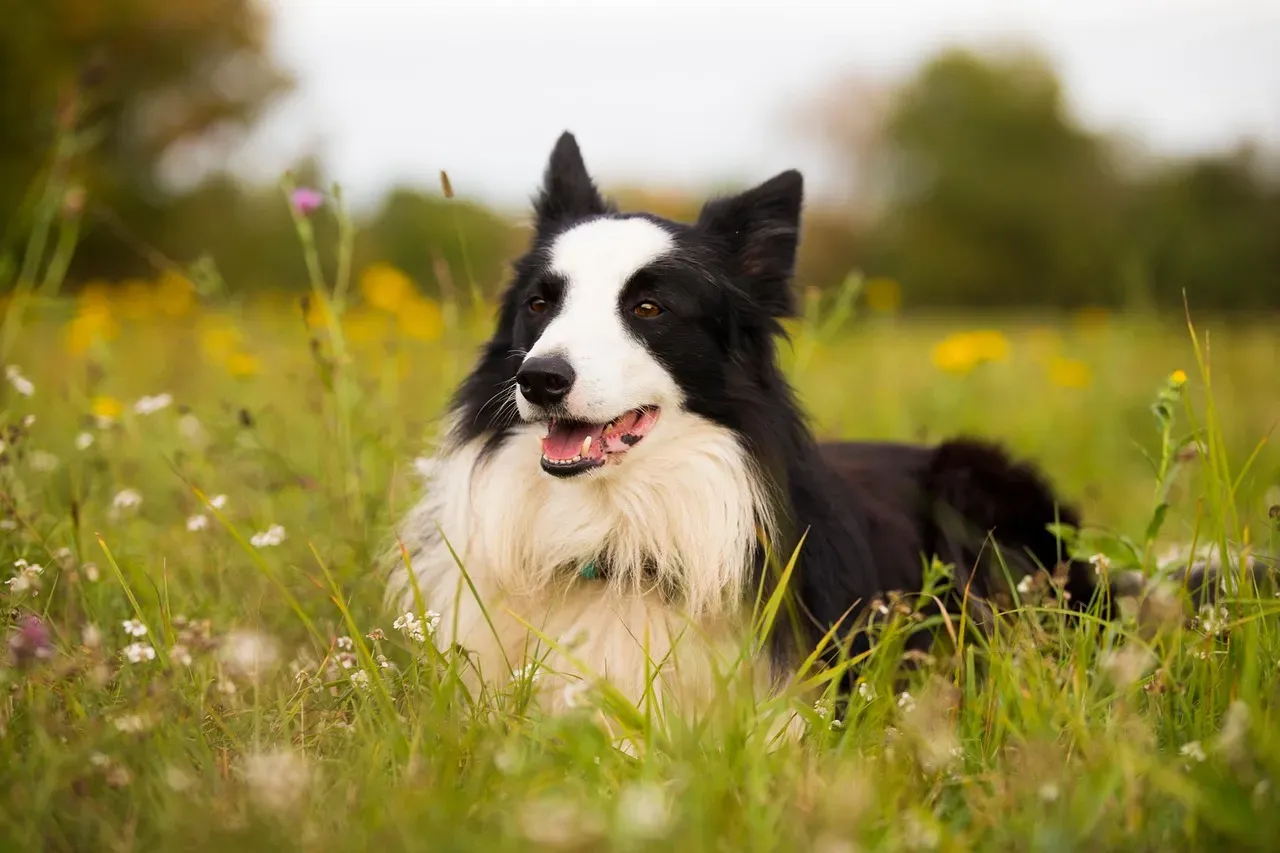
Panting after a run or on a hot day is completely normal. Panting while lying still in a cool room is not. Panting is normal. However, a dog panting heavily even though they have not been exercising is a warning sign. Many owners overlook this because it seems so ordinary.
If your dog is panting more than normal, it could be a sign that they are in pain. If the panting is occurring without exertion, your dog may be dealing with joint or muscle pain, internal discomfort, or injury. Restlessness at night that comes paired with that kind of panting is especially telling. They may simply be restless at night and pant more, which often means they are having trouble getting comfortable.
#4: Stiffness After Resting or Difficulty Getting Up

Watch your dog the next time they get up from a nap. That moment of hesitation, the careful unfolding of limbs, that slight pause before they take a step. Most typically, the first sign may be that your dog shows a bit of stiffness when they first get up after resting. In the early stages, the stiffness will diminish quickly with activity as they “warm up.” This warming-up pattern is a classic early signal of joint pain.
If your dog has trouble lying down or getting up, or if you notice they seem stiff after resting, this could be a sign of joint pain or arthritis. Dogs with arthritis, hip dysplasia, or other joint problems may struggle with movement, especially after periods of inactivity. Studies indicate that roughly one in five dogs regardless of age have osteoarthritis, and the vast majority of dogs over the age of seven have osteoarthritis, often in multiple joints. Stiffness isn’t just “getting older.” It might be something treatable.
#5: Changes in Appetite or Drinking Habits
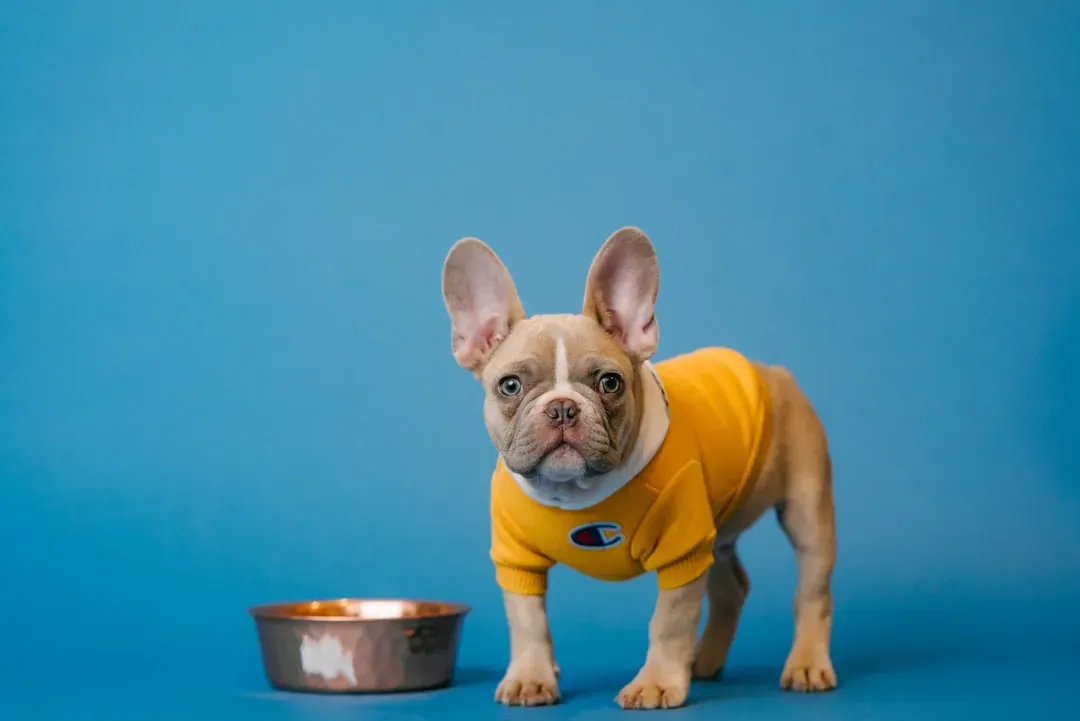
A dog who suddenly isn’t interested in food is a dog worth paying attention to. Just like humans, dogs suffering pain may go off their food. If your dog’s appetite suddenly changes or you notice any form of inappetence, you should seek veterinary advice, as this could be a symptom of a dangerous ailment. The challenge is that appetite changes are easy to attribute to picky eating or a warm day.
Pain, especially gastrointestinal pain or discomfort from dental issues, can affect your dog’s appetite. A dog in pain may stop eating or drinking or may have a reduced interest in their favorite food. Pain also impacts their ability to chew, which can cause them to refuse food altogether. Difficulty eating, particularly dried food or firm chews, can indicate dental pain – a source of chronic suffering that often goes undetected for months.
#6: Obsessive Licking or Grooming of a Specific Area
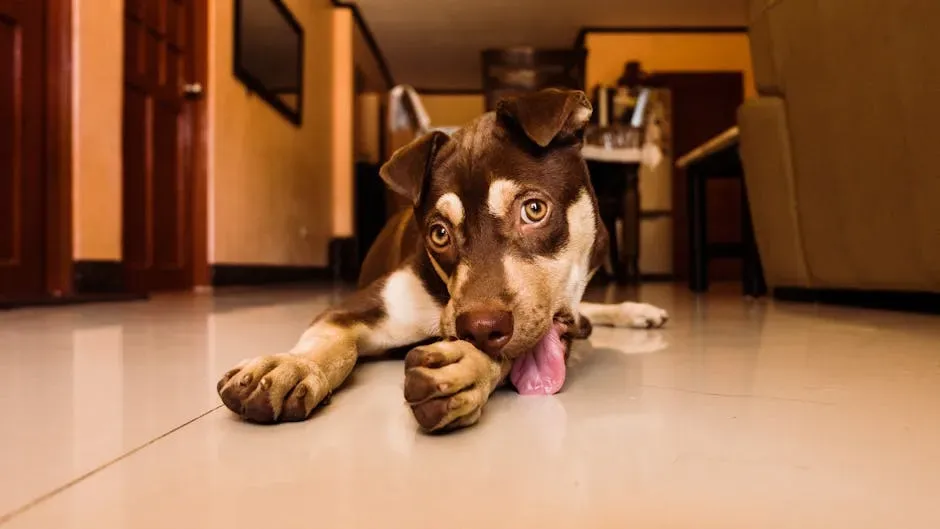
If your dog keeps returning to the same spot on their body with their tongue, that repetition is meaningful. If your pet licks their paws constantly, they’re likely trying to soothe themselves. When a dog is hurt, its first instinct is often to clean and care for the wound by licking it. Cuts are more obvious. However, sometimes the pain can be internal.
Pain can cause your dog to obsessively lick or groom specific areas of their body. This is often seen in dogs with joint pain or injuries, where they focus on licking or biting a sore spot. If you notice your pet excessively grooming a particular area, it could be a sign of referred pain, which is pain they feel in a part of their body that is actually different from its true source. That’s right – the spot they’re licking may not even be where the problem is.
#7: Unusual Posture or Altered Body Position
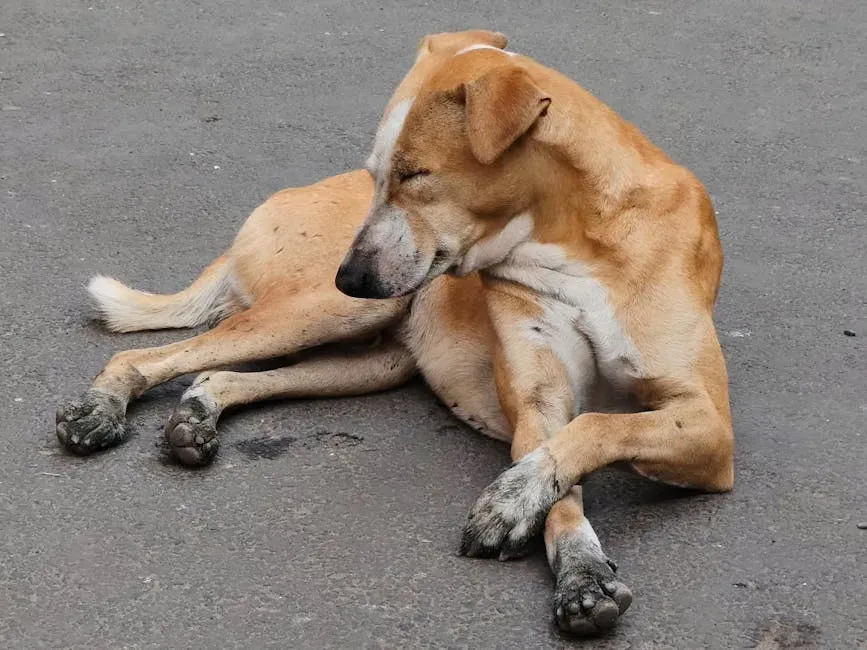
The way a dog carries itself tells a quiet but powerful story. Your dog may sit or lie down more often, hold an arched back, carry their head low, or position their tail abnormally. These postural shifts are easy to miss because they happen gradually, not all at once.
When in pain, some dogs have a very rigid and hunched stance while others assume the “prayer” posture with their front legs on the ground and their bottom in the air. Dogs often take the “prayer” position when they are suffering from abdominal pain as it allows them to stretch this area out. If you notice your dog repeatedly settling into odd positions or seeming unable to get comfortable, that’s your cue to look deeper.
#8: Increased Vocalization or Unusual Sounds

Some dogs are remarkably quiet about pain. Others reach a point where they simply can’t hold it in anymore. Dogs may vocalize when they are in pain, either through whining, whimpering, or even barking. These vocalizations can be subtle but can indicate that your dog is trying to communicate distress. The tricky part is that many owners only register this as a problem when it becomes loud or frequent.
Dogs that are experiencing pain can be more vocal. Excessive yelping, growling, snarling, and even howling could be your dog telling you that something isn’t right. Some dogs are very quiet when they’re hurting. Others, however, are much more vocal about it and will actively cry in pain. The worse the pain, the louder the dog tends to be. Either extreme deserves the same response: a vet visit.
What You Should Do If You Notice These Signs
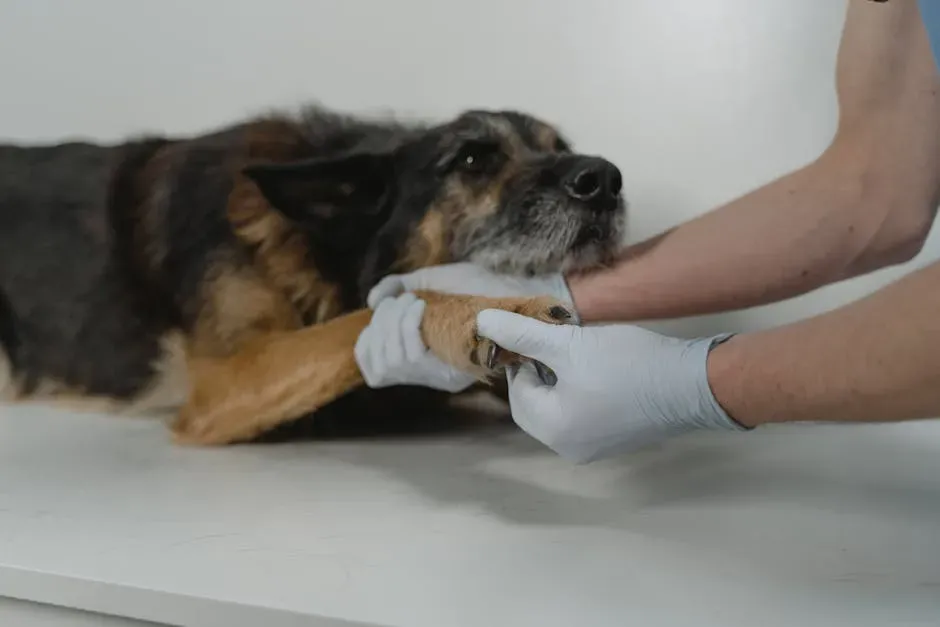
Trust yourself here. You know your dog better than anyone, and that knowledge is genuinely valuable. An observational study found that owners most often recognized pain in their dogs by observing changes in activity and behavior. Your gut observation at home is often the most reliable early warning system there is.
It’s important that any sign of pain or discomfort in your dog be addressed and treated by a veterinarian if necessary, as early detection of disease or illness is key to better outcomes for your dog’s health, fewer long-term complications, and less risk during treatment. It can be helpful to take pictures or a video of your pet when they are showing signs of pain or discomfort, which they’re more likely to do at home than when they are stressed out at the veterinary clinic. Write down when they occur and what your pet was doing at the time. This helps your vet understand the scenarios in which your dog is experiencing pain.
The Bottom Line
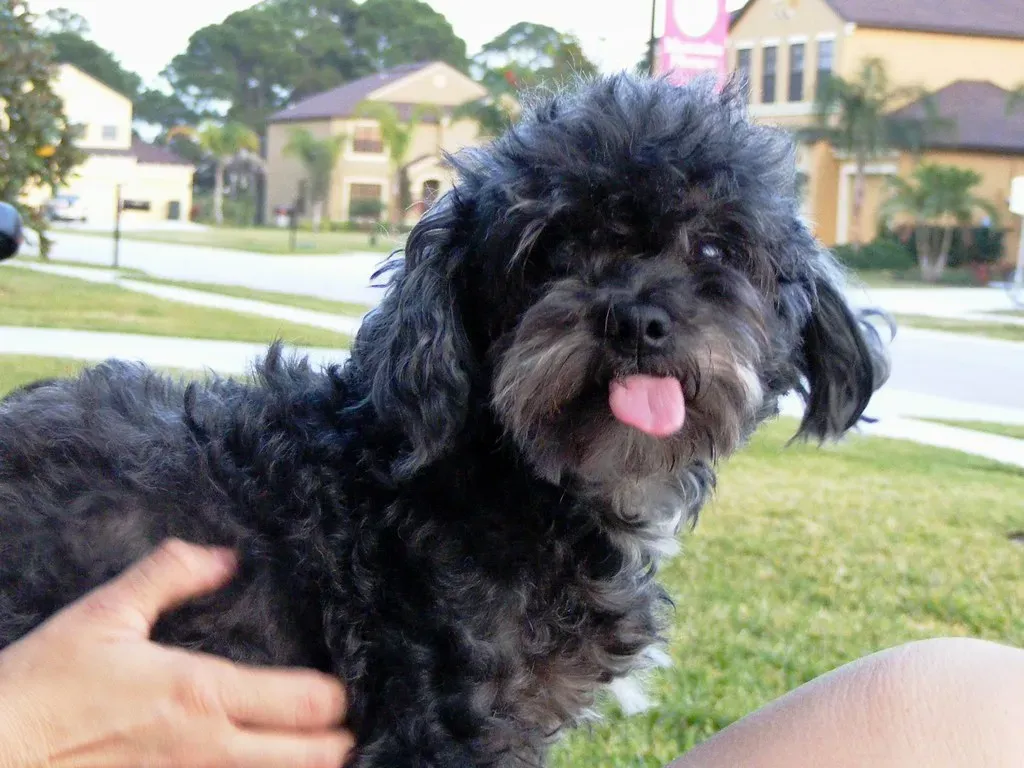
Here’s something that should probably be said plainly: your dog is not going to ask for help. That’s not how they’re built. The tendency for pets to conceal discomfort comes from their wild ancestors. In nature, showing signs of pain or weakness could make an animal a target for predators or cause them to lose status within their social group. This evolutionary instinct remains strong in our household companions, making it difficult for pet owners to recognize when something is wrong.
Pain that goes unnoticed doesn’t just affect a dog’s body. Left untreated, pain can lead to long-term health problems, diminished quality of life, and a decreased ability to enjoy everyday activities. Your dog gives you everything they have. The least we can do in return is pay close enough attention to notice when something isn’t right – even when they’re trying their hardest to convince us it is.


