
8 Things Dogs Do With Their Nose Before Deciding an Object Is Safe
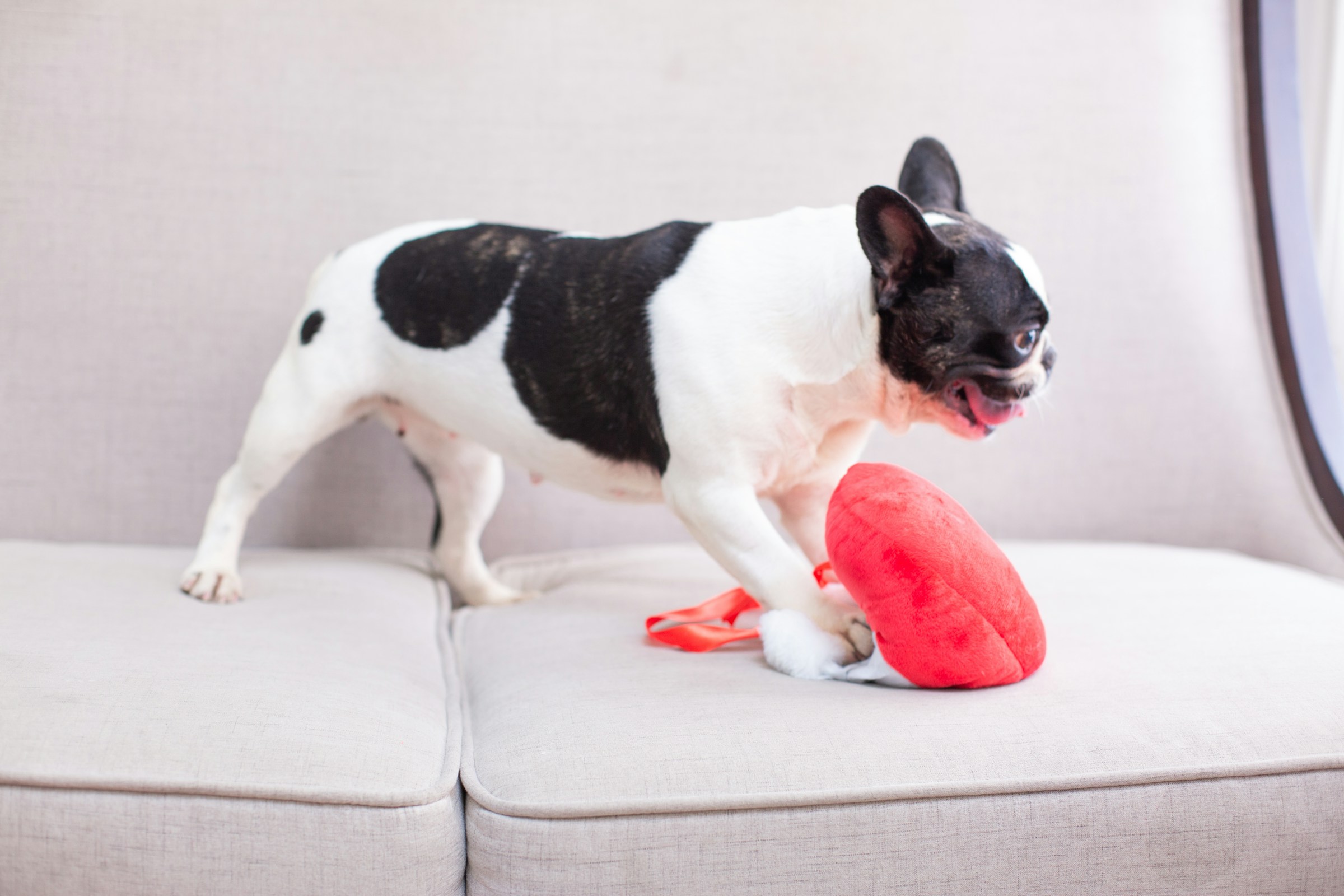
Most people think dogs just “sniff and move on,” but your dog’s nose is running a complex little safety checklist every time it meets something new. That quick pause, that long inhale, even the tiny sneeze you laugh at – they’re not random. They’re your dog deciding: “Is this safe, edible, fun… or a hard no?”
Most owners completely misread these nose rituals as quirks or cuteness and miss what their dog is actually saying about the world. Here’s what canine behavior experts say is really going on before your dog gives any object the all‑clear.
#1 – The Long, Slow “Information Download” Sniff
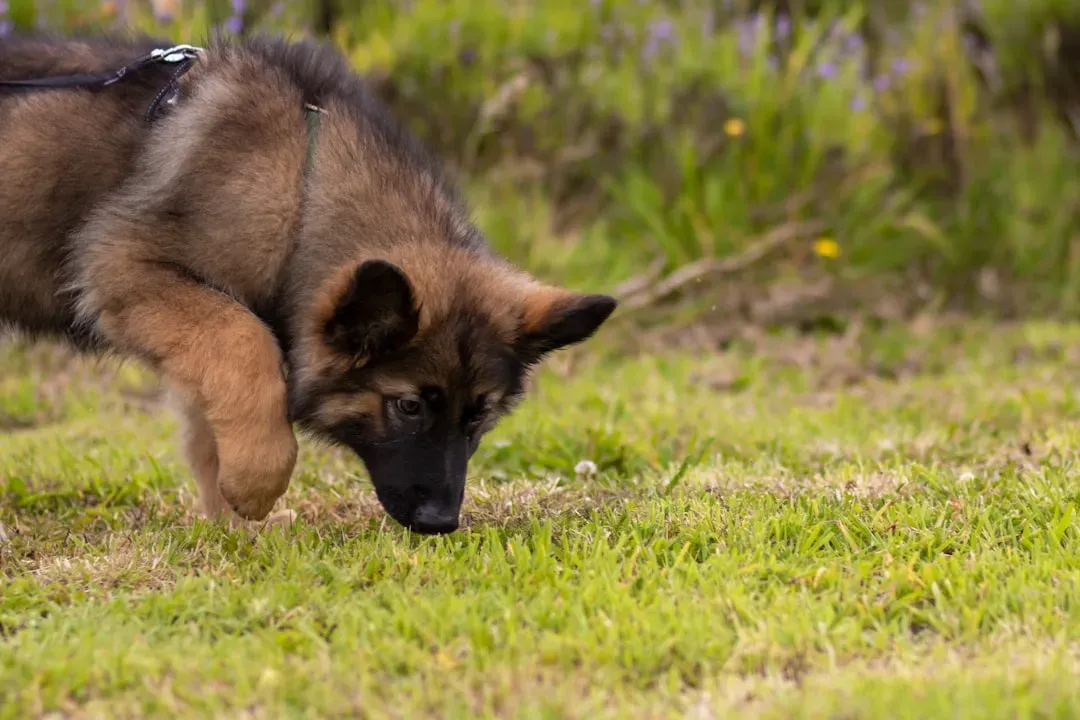
That first long sniff isn’t just curiosity; it’s your dog’s version of running a background check on the object. When your dog plants their nose close and takes one deep, slow inhale, they’re gathering a massive amount of data at once. A dog’s nose can have up to 50 times more scent receptors than ours, and that long sniff lets scent molecules hit as many of those receptors as possible. They’re checking: Is there food? Chemical cleaner? Another animal’s scent? Even subtle traces of stress hormones from another dog can register as “danger” or “proceed with caution.”
To your dog, one object can smell like a full story: where it’s been, who touched it, and whether that history feels safe. If the story is incomplete or confusing, your dog will often pause and look away briefly, almost like they’re “saving” that information to process it. You’ll see this a lot with new toys, furniture, or bags coming into the house.
Fast Facts
- Dogs are estimated to have up to 300 million scent receptors, compared to roughly 6 million in humans.
- A dog’s nostrils can move somewhat independently, helping them figure out which direction a scent is coming from.
- The moist surface of a dog’s nose helps trap scent chemicals so they linger long enough to be analyzed.
- Dogs can inhale and exhale through separate air pathways, letting them sniff almost continuously.
#2 – Bracketing: Sniffing From Multiple Angles
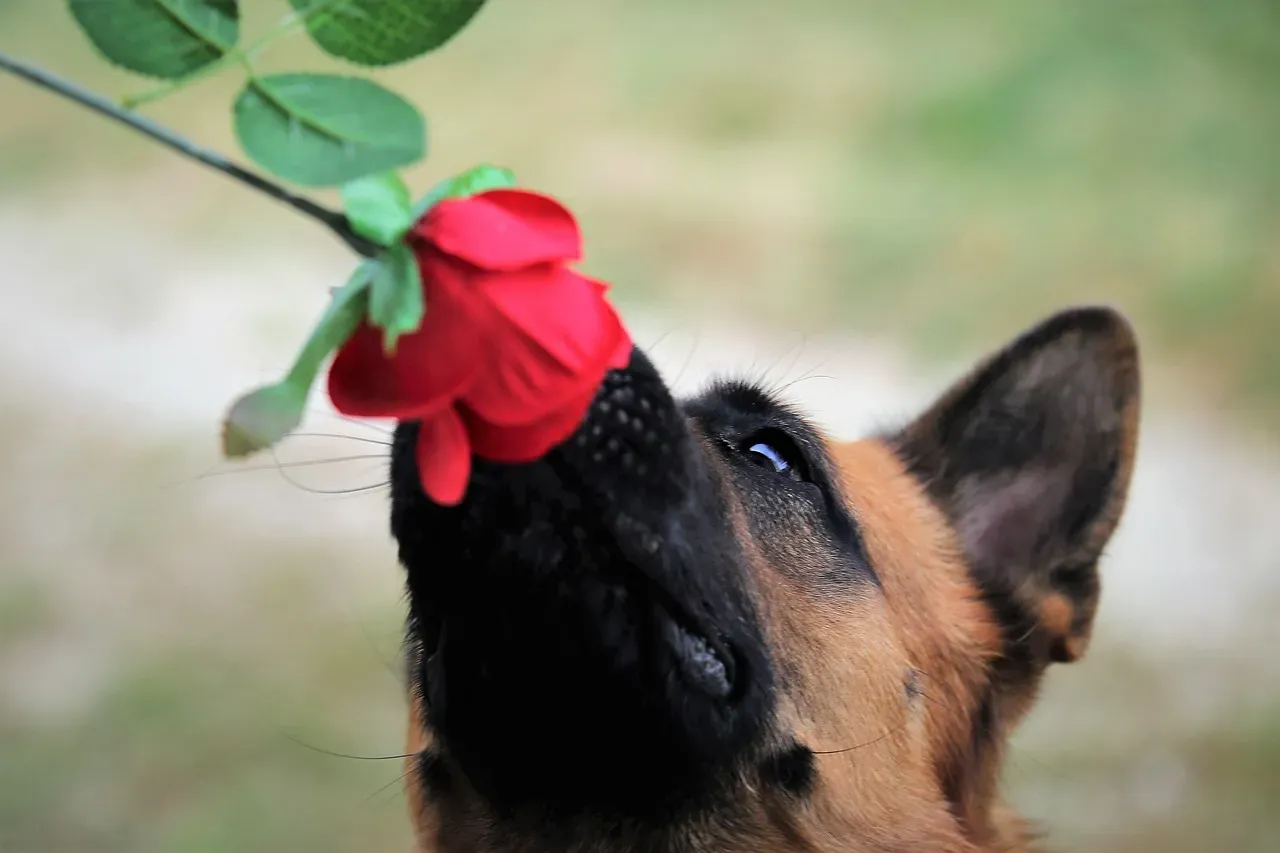
If your dog sniffs one side of an object, loops around, and sniffs the other side, that’s not indecision – it’s a deliberate safety test. This is called “bracketing”: your dog is sampling scent from different angles and distances to build a 3D scent profile. From one side, they might pick up detergent; from another, a faint whiff of the outdoors; from the top, human skin oils.
Dogs don’t trust a single sniff any more than you’d trust a single blurry photo. They move around to confirm: do all these smell samples tell the same story, or is something off? If one angle smells strongly of chemicals (like new plastic or cleaners) and another smells like food, that’s confusing – and many dogs will hesitate to interact. Watch for this around boxes, grocery bags, or anything that recently came from outside. A confident dog will “bracket” quickly and move on. A more cautious dog might circle several times, step back, then return.
#3 – The “Safety Distance” Sniff From Afar
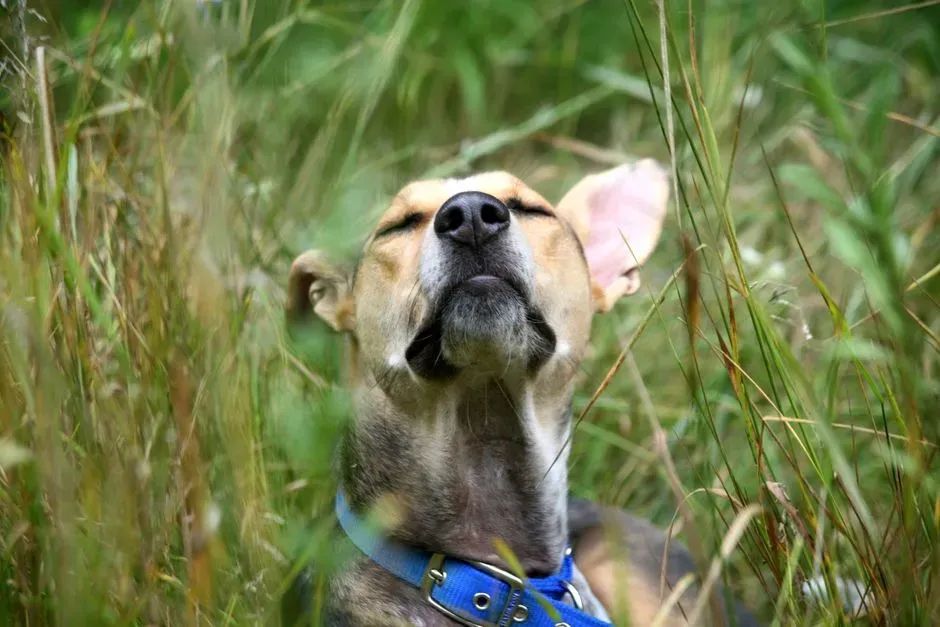
When your dog stops a few feet away and sniffs the air instead of going straight in, they’re not being dramatic – they’re using a built‑in safety buffer. This distance sniff looks like your dog suddenly freezing, head up, nostrils twitching. They’re catching scent particles drifting through the air before committing to a close inspection.
It’s the canine version of “smelling smoke before opening the door.” If those airborne scents scream “sharp chemical,” “strong perfume,” or even “overwhelming food smell,” many dogs will keep their distance or approach in slow motion. You’ll see this a lot with new appliances, plastic-wrapped items, or anything fresh out of the box. Some owners misinterpret this as “my dog is scared of everything.” In reality, many dogs are just doing smart risk assessment. They want to know what something is before they put their face near it – and honestly, that’s more logical than what most humans do.
#4 – The Quick Touch-and-Sniff, Then Retreat
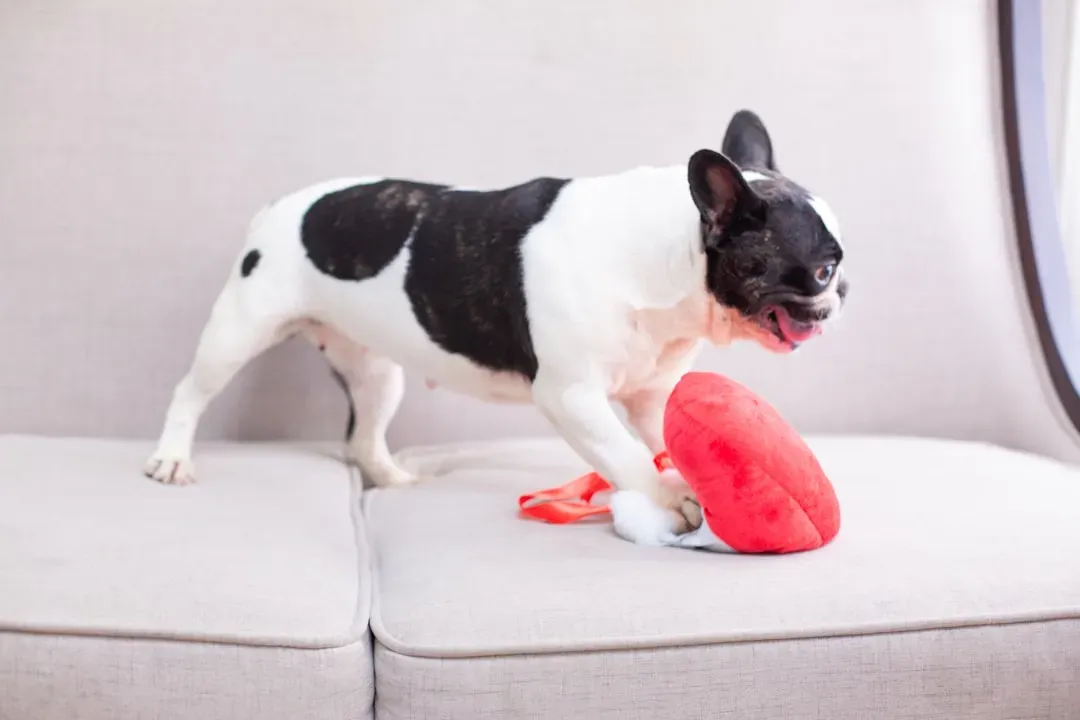
That fast nose tap, one quick sniff, and hop back? That’s not rudeness – it’s your dog testing for “will this fight back?” When a dog isn’t sure about an object, they’ll often dart in for a quick contact: a nose bump, a tiny sniff, maybe a paw tap, then an immediate step or jump backward. This is a classic “probe” behavior.
They’re checking if the object moves, hisses, buzzes, or reacts. If nothing happens, they’ll usually re-approach more confidently and take longer sniffs. If it shifts suddenly – think plastic bags, wobbling boxes, or noisy toys – many dogs instantly classify it as suspicious or at least “handle with care.” This is exactly why some dogs “hate” certain toys but not others. It’s not random pickiness; the toy failed the safety test. Sensitive dogs, especially rescues with a rough past, rely heavily on this tactic.
Quick Compare
- Object passes: No sudden movement or sound – dog re-approaches calmly and sniffs longer.
- Object fails: A wobble, buzz, or shift – dog jumps back and avoids it.
- Confident dog: Tests once, then moves on either way.
- Cautious or rescue dog: Repeats the touch-and-retreat several times before deciding.
#5 – The Rapid-Fire Sniffing “Scan”
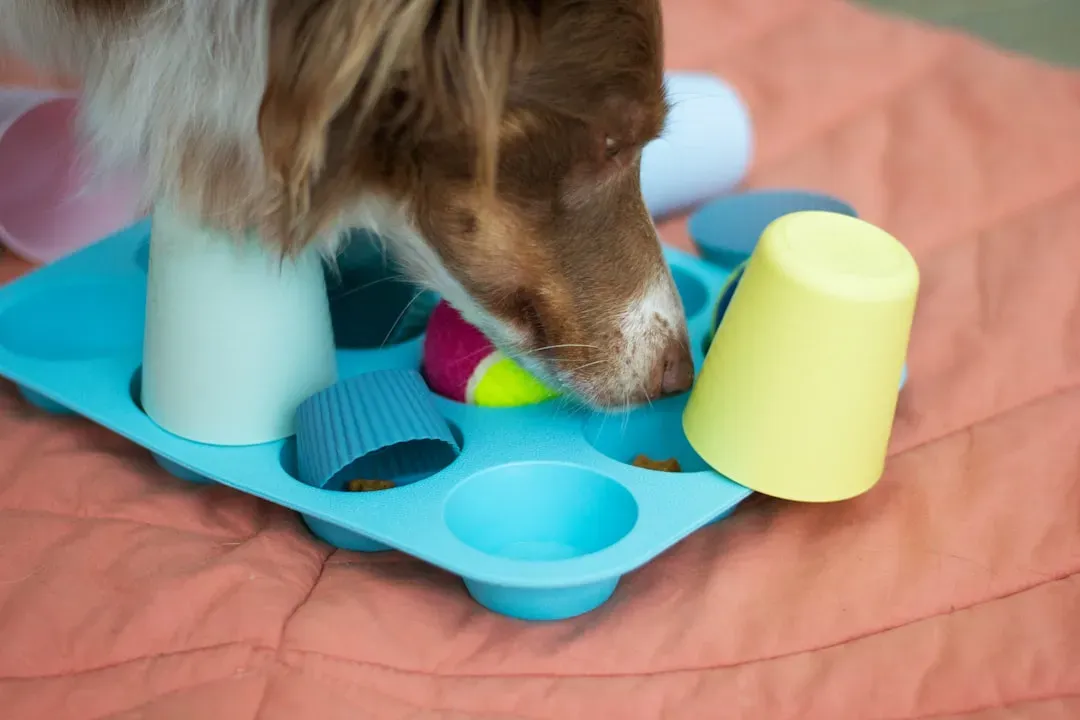
When your dog starts sniffing an object in a quick, frantic pattern – nose moving fast, short inhales – something about it is confusing or especially important to them. This rapid-fire sniff isn’t just excitement. It’s your dog switching to “high‑resolution mode.” Instead of one big inhale, they take multiple fast sniffs to separate overlapping smells, kind of like zooming in on different layers of a photo. On a single shoe, they might isolate: leather, grass, your sweat, another dog’s scent from the park, plus whatever you stepped in at the gas station.
If even one of those layers feels unfamiliar or threatening, they’ll hesitate before declaring the shoe “safe.” You’ll catch this behavior with:
- Items that have traveled a lot (luggage, packages).
- Things that mix strong smells (food containers, trash bags).
If your dog spends a long time in rapid-sniff mode and still walks away, that’s their polite way of saying, “Too weird. Hard pass.”
#6 – The Scent-Then-Lick Test
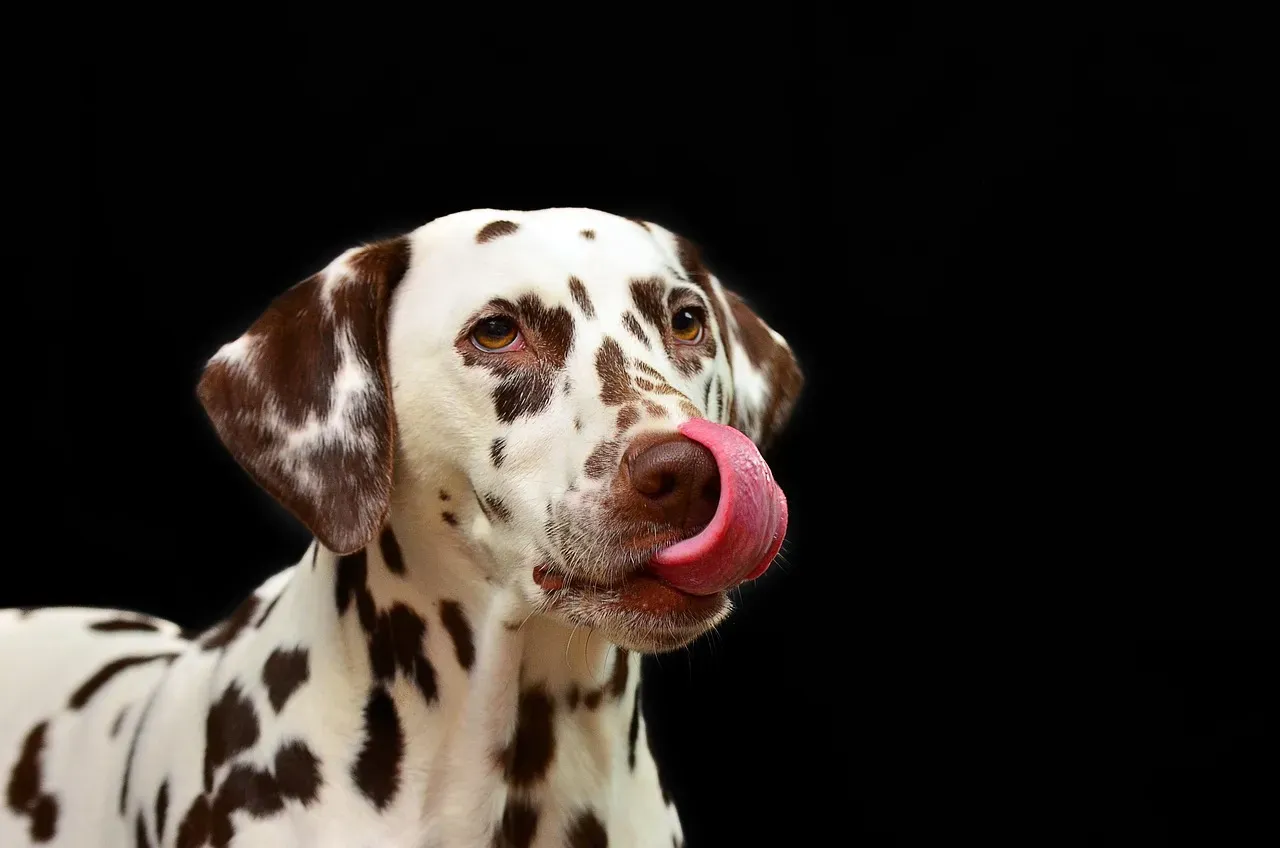
Lots of people think licking means automatic approval, but the truth is more nuanced – and more about chemistry than affection. After a few sniffs, some dogs will gently lick an object once or twice. That’s not just curiosity; it’s a chemical test. The tongue brings molecules to a special structure in the mouth and nose area, giving a different “read” than air sniffing alone.
For dogs, taste is like a second opinion on what the nose already suspects. If it matches (smells like food, tastes at least vaguely like food), they relax. If it doesn’t, or if they detect bitterness or harshness, many dogs will immediately stop engaging. This is also why dogs sometimes lick things you find gross: tissues, dirty socks, random spots on the floor. They’re not trying to disgust you (though they succeed); they’re verifying information. And yes, some dogs will walk away from highly processed treats after that combo test, which says more about the treat than the dog.
Worth Knowing
- The extra “read” a dog gets from licking comes from the vomeronasal organ, also called Jacobson’s organ, near the roof of the mouth.
- This organ mainly picks up pheromones and chemical signals rather than everyday odors.
- It’s why dogs sometimes make a strange lip-curling “flehmen” face after licking something unusual.
- Puppies lean on this organ early on to recognize their mother’s scent.
#7 – The “Reset Sneeze” and Head Shake
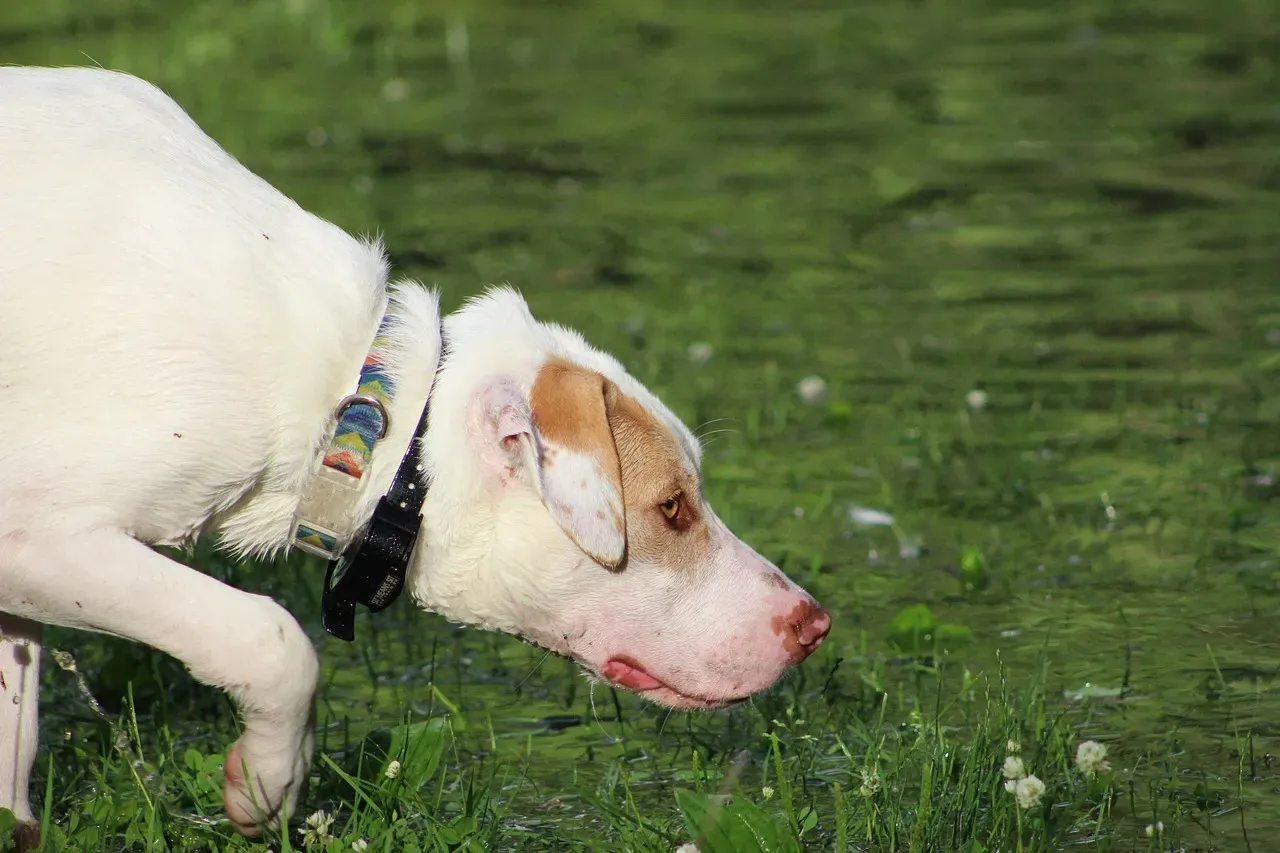
That little huff-sneeze your dog does mid-sniff isn’t always allergies; sometimes it’s a full system reboot. When a dog encounters a very strong or confusing smell, they’ll often forcefully exhale through the nose in a snort or mini-sneeze, then pull back before going in again more cautiously. This “reset sneeze” helps clear old scent particles and brings in a fresh sample.
It’s like your dog saying, “Wait, that can’t be right – let me smell that again.” A head shake or brief scratch after sniffing can serve a similar purpose: reset the senses, reduce irritation, and approach with a clearer nose. You’ll notice this a lot with:
- Strong cleaning products.
- New plastic or rubber toys.
- Scented candles, laundry, or air fresheners.
If your dog repeatedly sneezes and avoids the object afterward, that’s not drama – that’s a pretty clear “this is too harsh for me.”
#8 – Cross-Checking With You (The Social Safety Test)
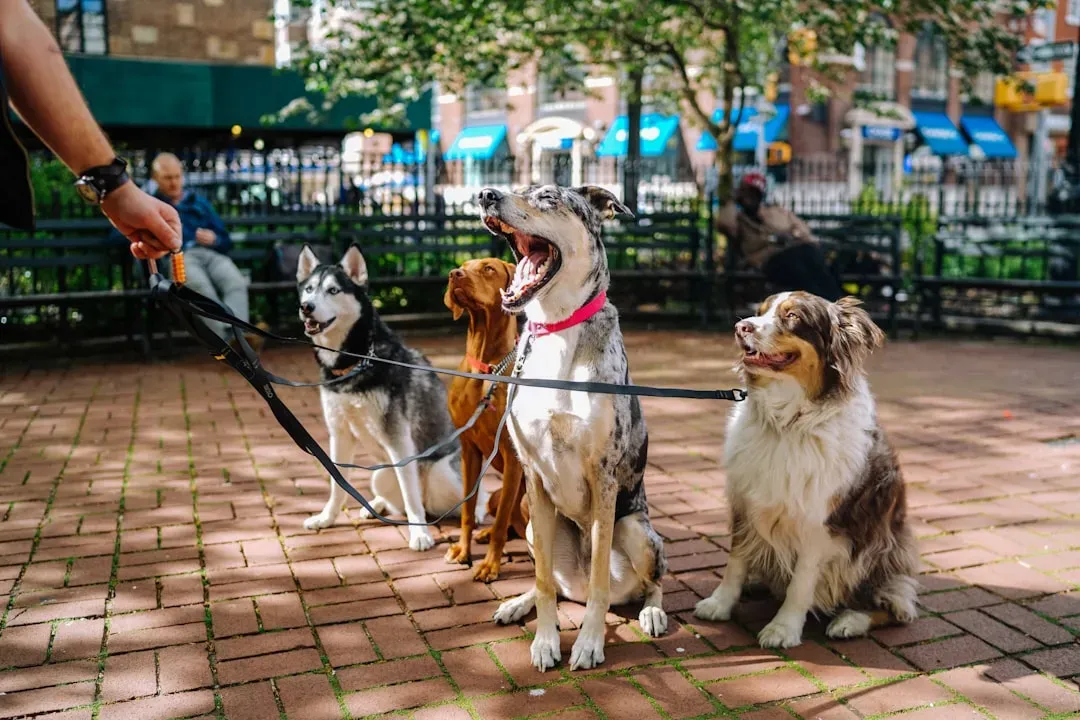
The final – and most underrated – nose step is when your dog sniffs, then immediately looks to you before deciding. After inspecting an object, many dogs will sniff it thoroughly, step back or stand next to it, then look straight at your face, sometimes with ears back or head tilted.
They’re not just asking, “Is this yours?” They’re cross-checking: “My nose says maybe – is it safe by your standards?” Dogs are social decision‑makers. Your body language, tone, and behavior around the object tell them whether to relax or stay wary. If you casually handle it, they’re more likely to approve it. If you tense up, yank it away, or shout, they’ll file that under “danger category.” This is why some dogs seem “brave” at home but scared of random objects outside. At home, you’ve essentially pre-approved most items over time. Out in the world, they’re running both their own nose tests and reading your reaction in real time.
Why It Stands Out
- This behavior mirrors “social referencing,” a pattern also seen in human toddlers checking a parent’s face before approaching something new.
- It shows dogs treat humans as part of their safety system, not just as food providers.
- Tone of voice and body language often matter more to your dog than the object itself.
- It explains why the same item can feel “safe” at home but “scary” somewhere unfamiliar.
The Bottom Line
Your dog isn’t randomly sniffing their way through life – they’re running an eight‑step safety protocol with that insanely powerful nose, long before they ever play with, chew, or ignore an object. From the long initial “download” sniff to bracketing, distance checks, rapid-fire scanning, licking, reset sneezes, and finally checking your reaction, every step is a decision point. They’re constantly asking: does this smell familiar, stable, harmless, and approved by my human?
Honestly, the controversial take here is this: if we ignored how something looks to us and trusted how it smells to our dogs, we’d probably avoid a lot more harsh chemicals, bad toys, and sketchy environments. Which of these nose habits have you noticed most in your dog – and do you think we give their sense of smell enough credit?