
Research Shows Dogs Who Lick Their Lips When Meeting Strangers Are Displaying a Recognized Appeasement Gesture – Not a Sign of Hunger – That Functions to Communicate Non-Threat to the Other Individual
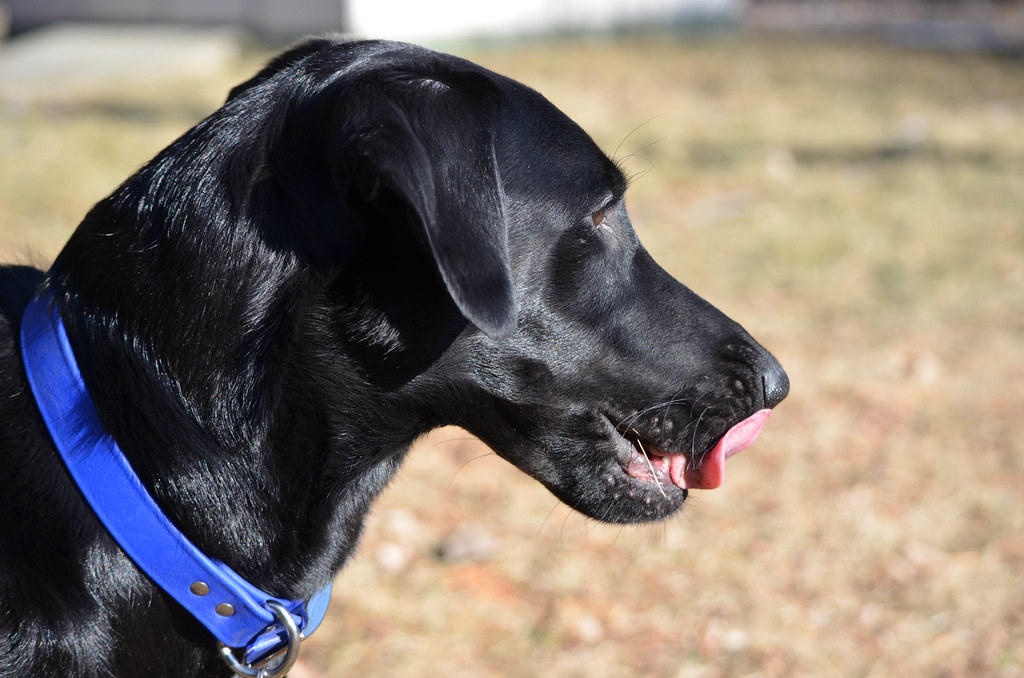
Your dog meets a stranger, does a quick little lip lick, and someone in the room says, “Aw, he’s hungry.” Almost everyone believes that. Almost everyone is wrong.
That tiny flick of the tongue isn’t about kibble at all. Behavior researchers now treat it as something closer to a peace treaty – a fast, quiet signal dogs send when they’re trying to keep a tense moment from becoming a scary one. Once you know what to look for, you’ll start noticing it everywhere, and you may never look at a “calm” dog greeting a stranger the same way again.
#7 – Why Lip-Licking Around Strangers Isn’t About Food
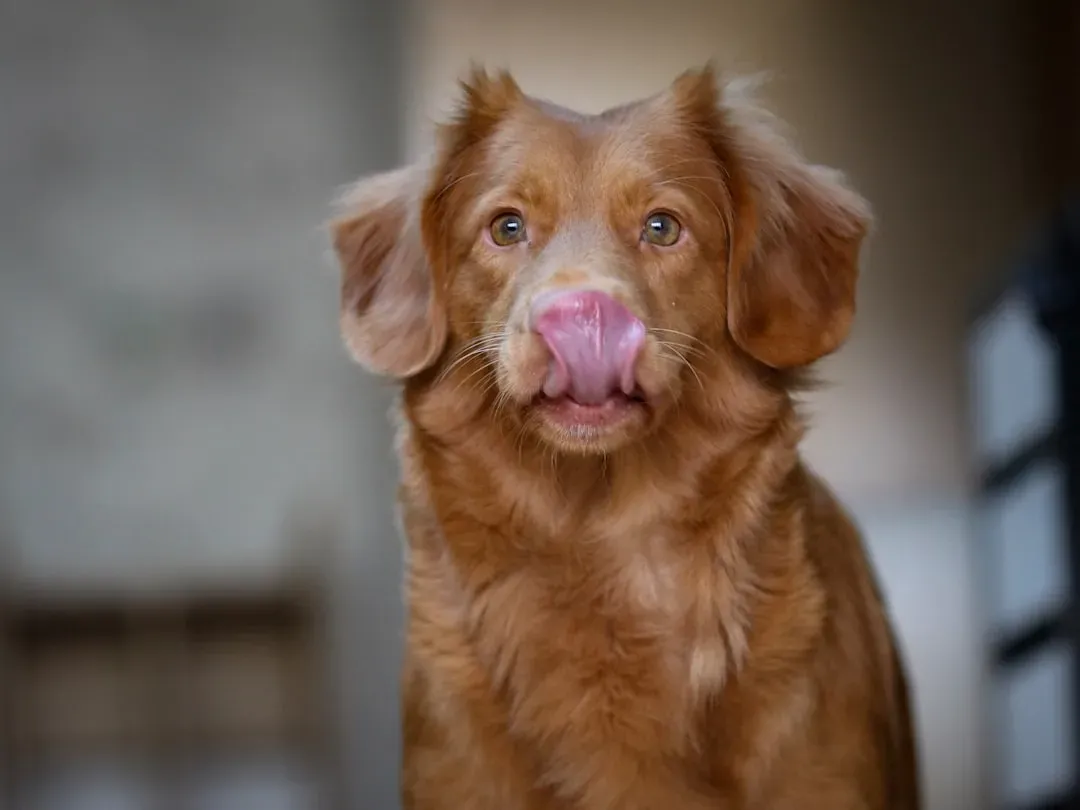
When your dog meets someone new and starts licking their lips, the automatic assumption is usually “he must be hungry.” That’s almost always the wrong read. In social situations, lip-licking is now widely recognized as an appeasement gesture – a kind of canine politeness meant to keep things calm and non-threatening.
Researchers and behaviorists have documented that these quick licks show up most in mildly tense or uncertain moments, not around mealtimes. Think vet waiting rooms, crowded sidewalks, or a stranger bending straight over a dog’s face. The dog isn’t asking for a snack. They’re saying, “I’m not totally sure about this, but I’m trying to be friendly.” Confusing that for hunger is a bit like mistaking a nervous smile for someone asking about dessert.
Fast Facts
- Canine behaviorists have long identified certain body-language cues as “calming signals” meant to prevent conflict.
- Lip-licking, yawning, and head-turning are among the most frequently cited examples.
- These signals appear across breeds and ages, suggesting they’re built into normal canine communication.
- Shelters and trainers increasingly use these cues to gauge how comfortable a dog feels during handling.
#6 – Lip-Licking Lives Inside a Bigger “Calming Signals” Language
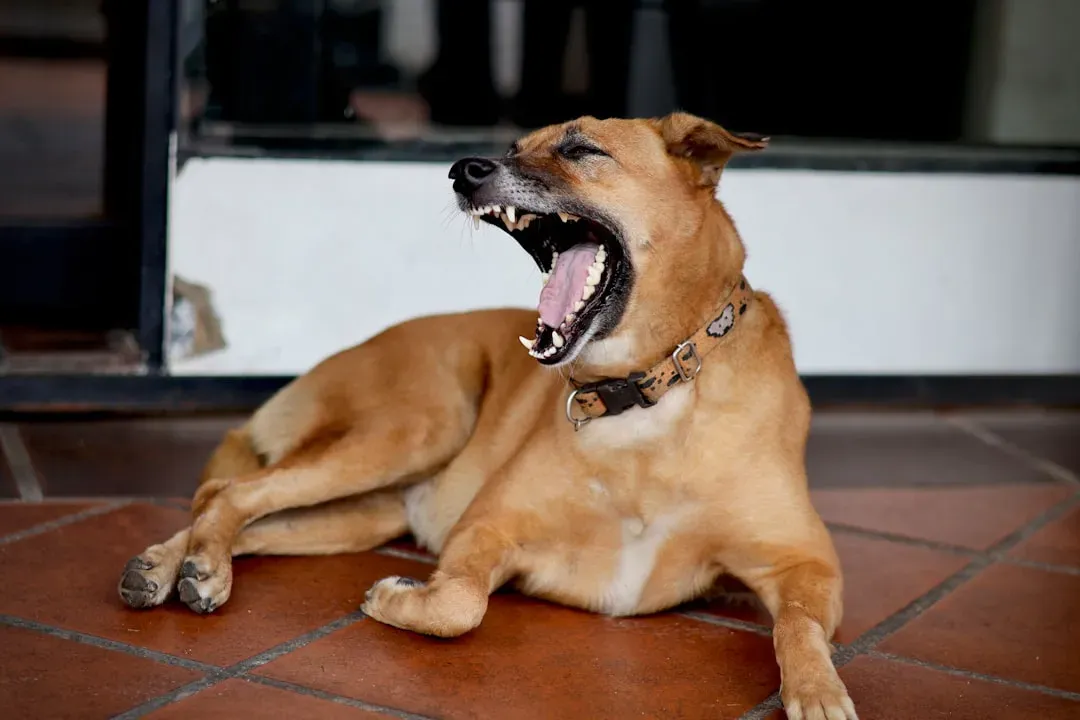
Here’s the part most casual dog owners never learn: lip-licking isn’t a standalone quirk. It belongs to a whole category of behavior trainers call calming or appeasement signals – subtle moves dogs use to prevent conflict and broadcast peaceful intentions to whoever is nearby, canine or human.
Alongside lip-licking, you’ll often catch a dog turning its head slightly away, softening or squinting its eyes, moving in slow motion, or suddenly getting very interested in sniffing the ground. Punishing or snapping at a dog for lip-licking in that moment can actually backfire, making the dog more anxious and less trusting the next time a stranger approaches. Once you see the lick as one piece of a much bigger peacekeeping toolkit, it stops looking random and starts looking almost strategic.
#5 – Context Is Everything: Social Licking vs. Food Licking
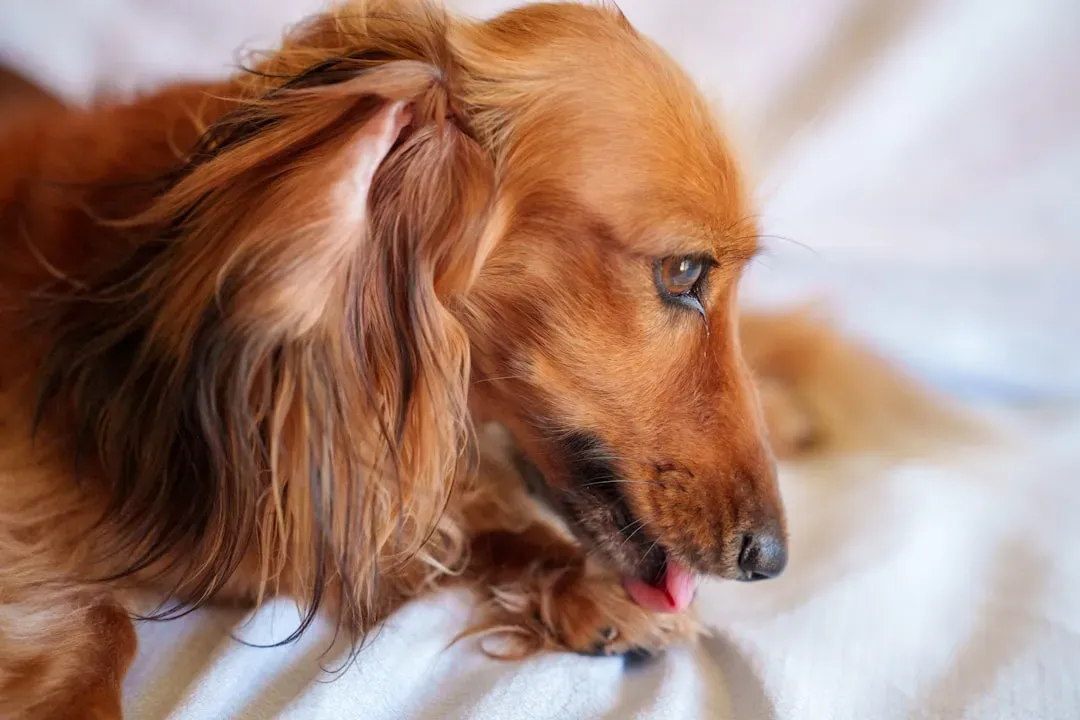
Here’s the blunt truth: if you look at the lick and ignore everything around it, you’re going to misread your dog. Dogs lick their lips for plenty of reasons – food anticipation, grooming, even medical issues – but when it happens during a slow, tense social interaction, it’s almost never about dinner.
- Licking near the food bowl? Probably anticipation.
- Licking when a stranger leans over, hugs, or stares directly at them? That’s appeasement.
Watch the rest of the body while it happens. Ears slightly pinned back, a stiffer posture, a lower tail, maybe a subtle lean away – that’s a dog trying to turn the social pressure down a notch. Writing that off as “random weirdness” is one of the small, everyday misreadings that quietly stresses dogs out over time.
#4 – Sometimes a Lip Lick Means “I’m Coping, But I Don’t Love This”
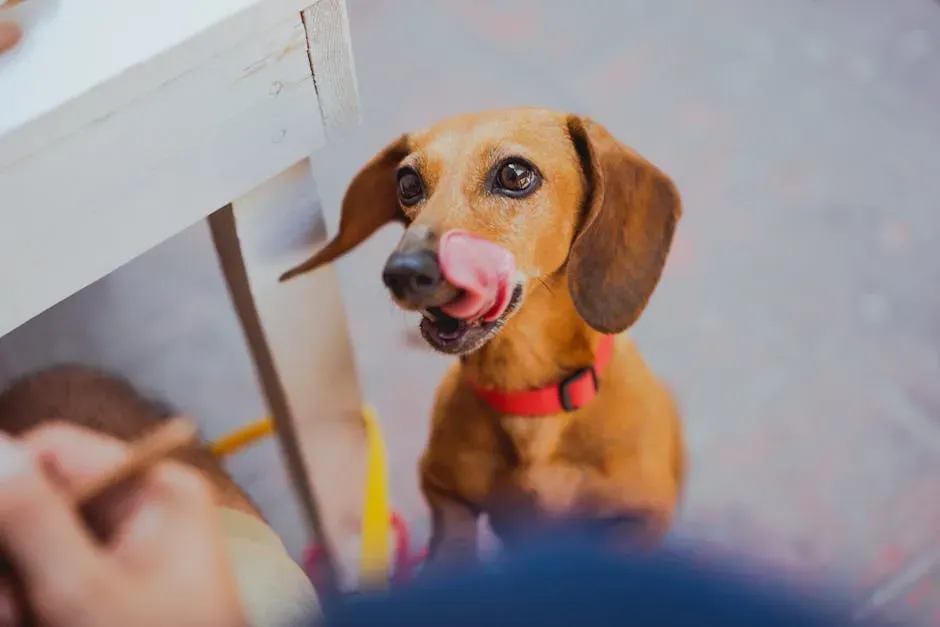
Here’s where it gets a little uncomfortable: a lot of lip-licking happens exactly when humans are doing something the dog dislikes but tolerates anyway – a tight hug, looming over the dog’s face, or a forced introduction to a stranger. In those seconds, the lick can be your dog’s version of gritting their teeth and getting through it.
It shows up constantly with kids wrapping their arms around a dog’s neck, strangers insisting on patting a shy dog’s head, or an owner pulling a dog in closer right when the dog is angling for space. Most dogs won’t growl or snap the first time. They’ll try the quiet route first – a lick, a glance away, a slow-motion shuffle. Calling that dog “tolerant” is convenient for the humans in the room, but it isn’t fair to the dog, and some trainers argue that repeatedly overriding these small signals is exactly how a good-natured dog eventually turns unpredictable.
Worth Knowing
- Common triggers include tight hugs, forced petting, and prolonged direct eye contact.
- Dogs typically try quiet signals – like lip-licking or looking away – before anything louder.
- Young children are especially likely to trigger these signals since hugging and face-to-face contact are common.
- Ignoring the signal repeatedly can wear down a dog’s trust over time, according to many trainers.
#3 – Dogs Use Lip-Licking to Calm You, Not Just Themselves
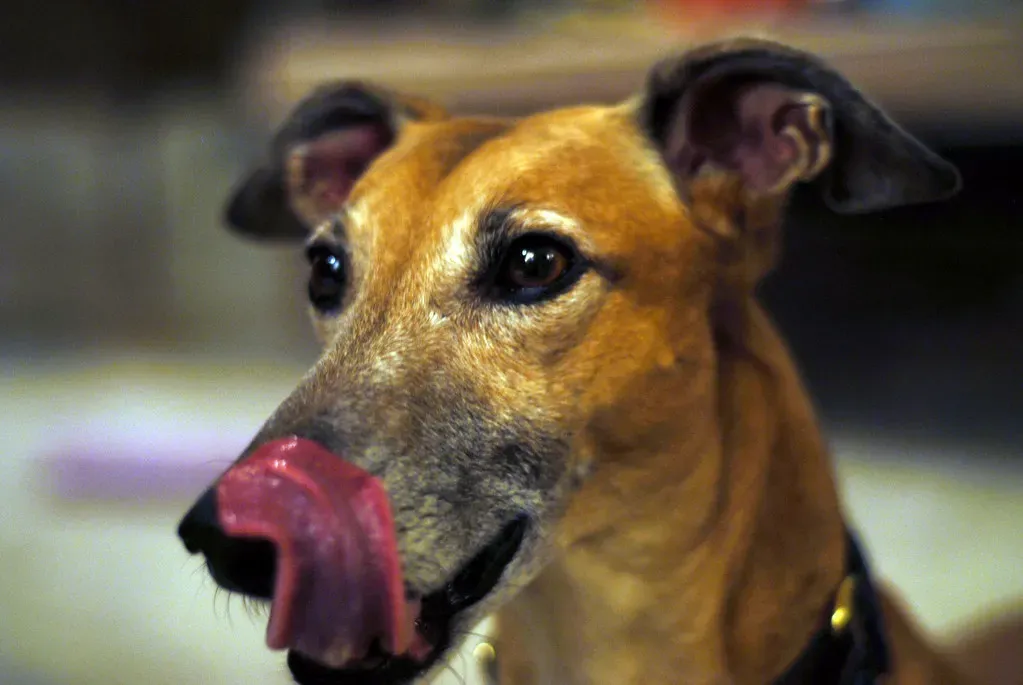
This is the detail that surprises even experienced owners: lip-licking doesn’t only soothe the dog doing it. It appears to be aimed outward too, at whoever the dog is facing. In other words, it’s a social message, not just a private nervous habit.
You’ll spot it when a person approaches stiffly or with loud energy, when someone reaches in too fast for a handshake or a pat, or when two unfamiliar dogs meet on tight leashes. Comparisons of dog-to-dog and dog-to-human interactions suggest these gestures work as small de-escalation tools – the canine equivalent of saying, “let’s not make this into a thing.” People spend a lot of time obsessing over “sit” and “stay,” while the real social intelligence is happening in these micro-signals almost nobody is trained to notice.
#2 – Lip-Licking Can Warn You Before a Bite Ever Happens
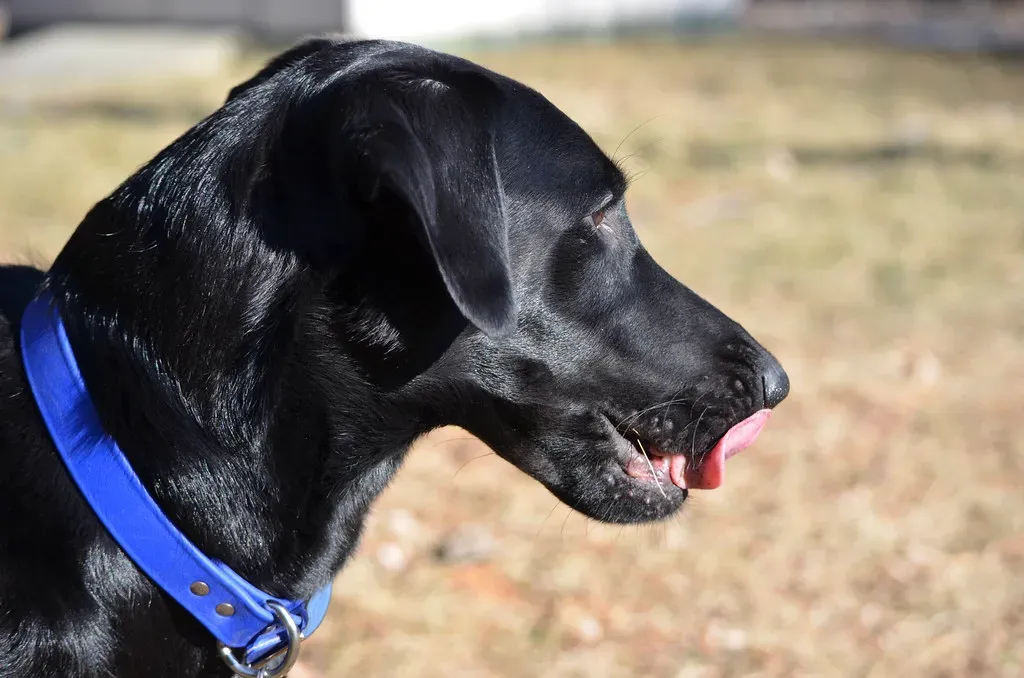
Here’s the part trainers argue about constantly online: a lot of “unexpected” bites weren’t unexpected at all. The warning signs were there – humans just missed them. Lip-licking is frequently one of the earliest ones.
The pattern often looks like this: a stranger leans in or hugs the dog, the dog lip-licks and turns its head slightly away, maybe throws in a yawn, the stranger keeps going anyway, the dog freezes, and only then – if nothing changes – does a growl or snap show up. Most people only remember that last step and insist, “it came out of nowhere.” It didn’t. The dog already tried the polite version and got ignored. Learning to catch the lip-lick early can genuinely prevent the kind of incident that gets a dog labeled dangerous for what was, from the dog’s side, a last resort.
Quick Compare
- Early signal: lip-lick, yawn, or head-turn
- Rising tension: freeze or stiffen, body goes still
- Louder warning: growl or bared teeth
- Last resort: snap or bite
#1 – Reading It Correctly Changes How You Let Strangers Interact With Your Dog
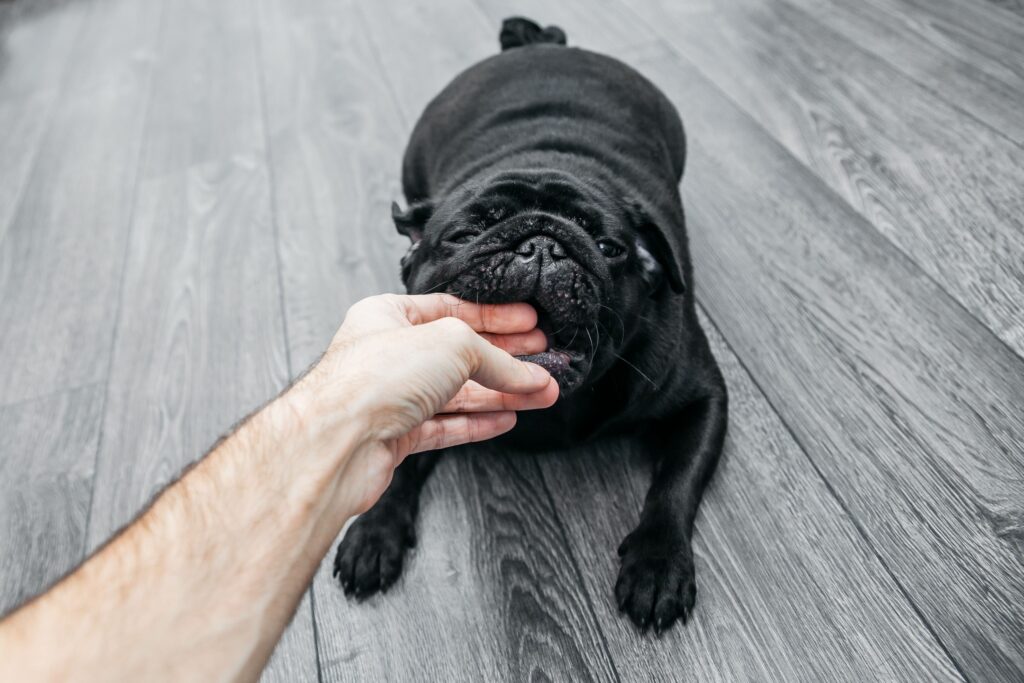
Once you accept that lip-licking in social settings is a real appeasement gesture and not a hunger cue, you can’t unsee it. That knowledge should change how you let strangers approach your dog and how hard you’re willing to advocate for your dog’s comfort. This isn’t a cute trivia fact – it’s a welfare issue.
In practice, that means pausing introductions the moment you see repeated lip-licking and giving your dog more room. It means teaching kids that a lip-licking dog needs space, not a tighter hug. It means retiring the brag that your dog “tolerates anything,” because tolerance always has a ceiling. Owners who shrug this off as “a lick is just a lick” tend to be the ones blindsided later. Owners who pay attention end up with calmer dogs, steadier strangers, and far fewer so-called “mystery” behavior problems.
At a Glance
- See repeated lip-licking? Pause the greeting and give space.
- Teach kids that a lip-licking dog wants distance, not a tighter hug.
- Retire the idea that a “tolerant” dog has unlimited patience.
- Advocate early – it’s easier to prevent escalation than repair trust.
The Bottom Line
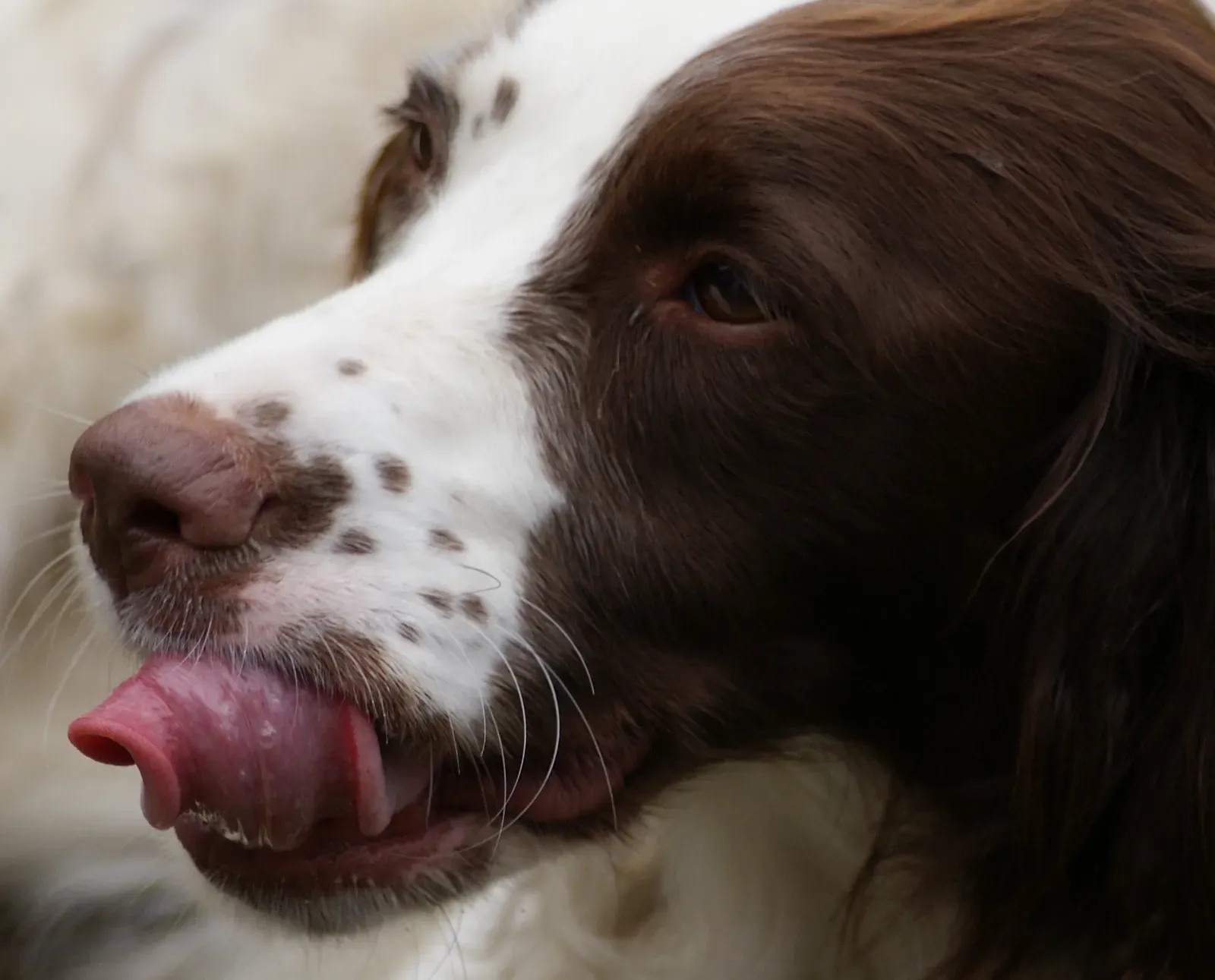
Lip-licking around strangers was never about snacks. It’s your dog speaking a quiet, sophisticated social language that most people never bother to learn – a deliberate signal built to say “non-threat” and keep tense moments from turning into bad ones.
Here’s the opinion part, and I’ll stand by it: people who respect these signals raise calmer, more cooperative dogs, and people who wave them off as “cute” or “random” are the ones who end up with a dog labeled unpredictable, when the dog did everything right and got ignored anyway. The lick was never the problem. The problem was that nobody was listening. So the next time you see that small flick of the tongue, the question isn’t whether your dog is hungry – it’s whether you’re finally going to pay attention.