

If you’ve ever watched your hamster and wondered, “Are you actually happy with me, or just tolerating me?”, you’re not alone. Hamsters are small, prey animals, so they’re wired to hide their feelings and bolt at the first sign of danger, which makes it tricky to tell when they genuinely feel safe.
The good news is that once you know what to look for, a relaxed hamster is surprisingly easy to read. From slow blinks to ridiculous stretches, their bodies give away the whole story. Let’s walk through eight clear, science-backed, but also very down-to-earth signs that your hamster actually feels secure in your care.
They Groom Themselves In The Open
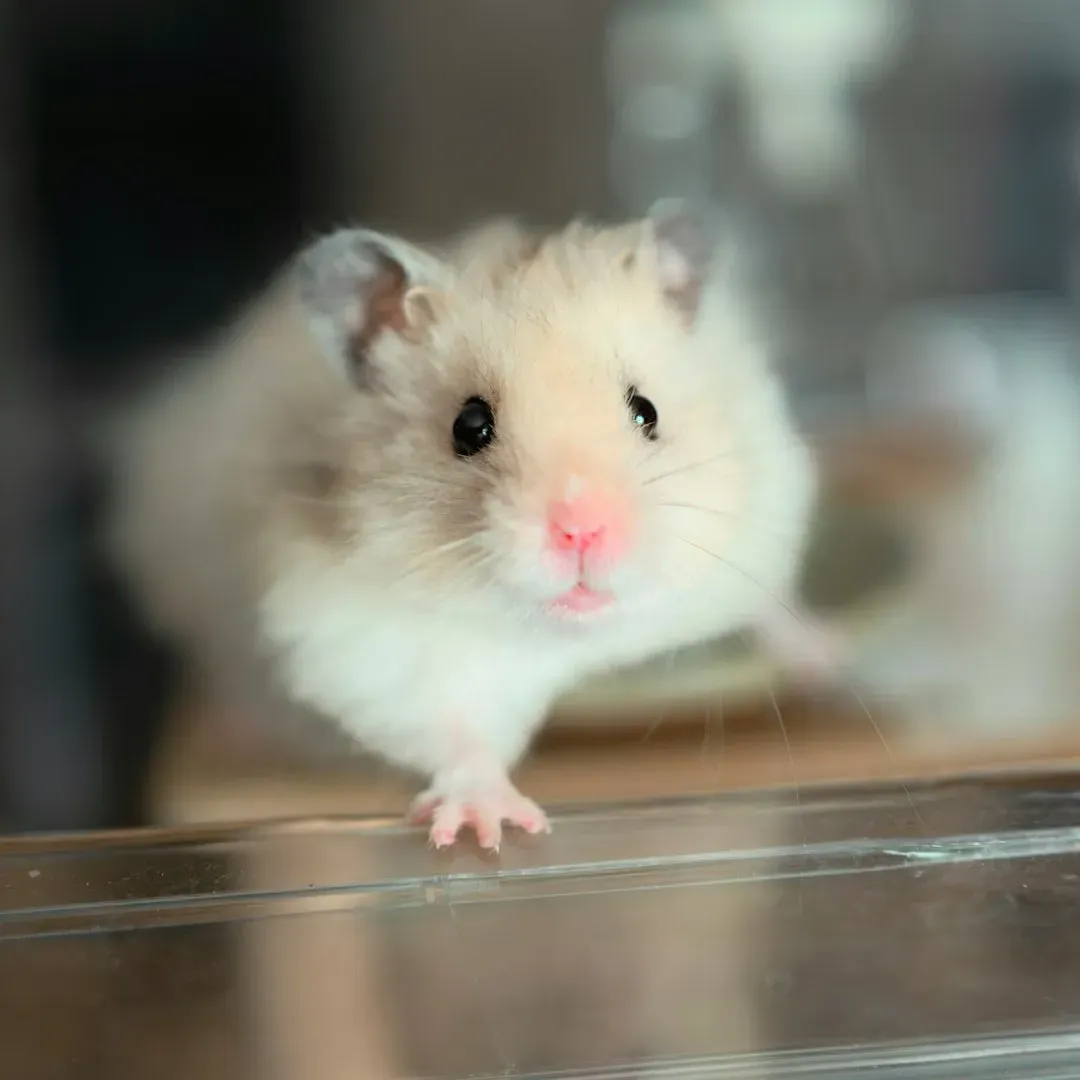
One of the clearest signs a hamster feels safe is when they sit somewhere exposed and start seriously grooming. Think of them perched in the middle of the cage, calmly washing their face, licking their paws, or carefully cleaning their fur instead of hiding in a corner. A scared hamster will usually only do quick, functional grooming while half-hidden or on high alert, because their instinct is to stay ready to run.
When a hamster is relaxed enough to do a full spa session out in the open, it means they don’t feel the need to constantly scan for threats. In animal behavior studies, grooming in exposed areas is often treated as a sign of low perceived danger and emotional comfort. In everyday language, your hamster is basically saying, “I trust that nothing is going to eat me while I tidy my whiskers.”
They Stretch, Yawn, And “Flop” Comfortably

That dramatic full-body stretch with tiny toes extended and a huge, slow yawn is not just cute, it’s a safety signal. In the wild, no hamster is going to yawn and stretch like that if they think a predator might be nearby. , their muscles relax, their breathing slows, and you’ll see those long, satisfying stretches, sometimes followed by a lazy shuffle to a new spot.
Some hamsters even do a little “flop,” where they lie down in a very casual, sideways or belly-down position, looking almost boneless. This kind of posture is incredibly vulnerable. A tense, fearful hamster sits upright, keeps their body ready to spring, and rarely lets their guard down. When yours looks like a tiny fuzzy rug, they’re telling you that your home feels like a secure den.
They Eat And Drink Calmly While You’re Around
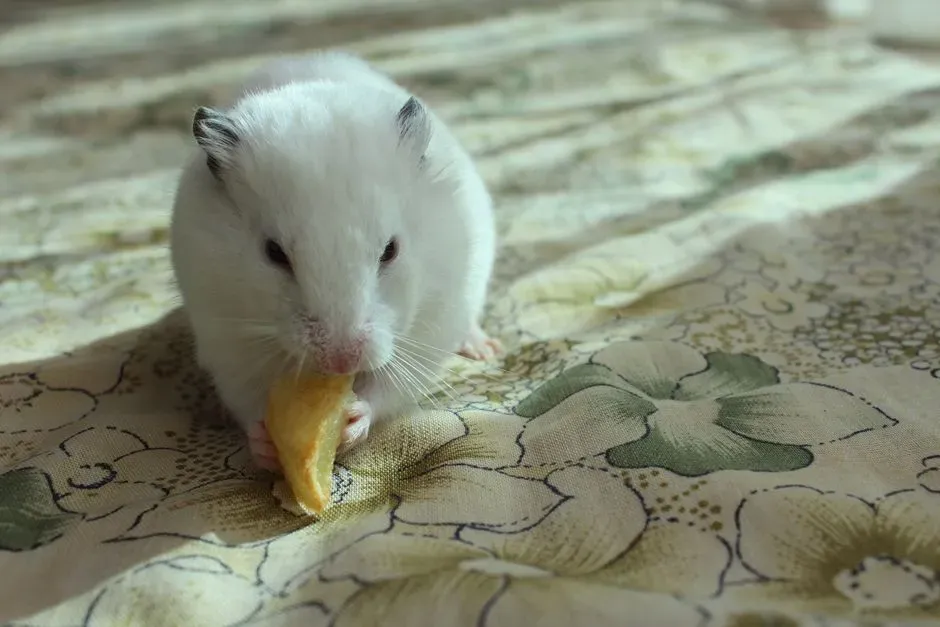
Eating and drinking are vulnerable activities for any prey animal. A hamster that trusts its environment will wander out to the food bowl, sit down, and slowly nibble while taking normal, unhurried pauses. They might even turn their back to the room, facing the corner or their bowl instead of constantly checking over their shoulder.
If your hamster is comfortable eating while you’re nearby, that’s huge. A nervous hamster tends to grab food and run, stuffing their cheeks and dashing back to a hideout, then eating only when concealed. , you’ll see them snack in semi-open spaces, adjust their posture, and sometimes even pause mid-bite to calmly clean their paws before going back to their meal.
They Explore Curiously Instead Of Darting And Hiding

Safe hamsters are curious hamsters. You’ll notice them walking around their cage with a steady, unhurried gait, sniffing things, standing up on their hind legs, and gently testing new objects. This kind of calm exploration is a classic sign that they feel in control of their space and don’t sense immediate danger.
By contrast, an anxious hamster behaves like a tiny ping-pong ball: short, twitchy bursts of movement, sudden freezes, and quick dashes back to hideouts. When fear is high, exploration becomes frantic or disappears altogether. So if your hamster casually patrols their setup, investigates new toys, and even comes over to check you out instead of bolting, that’s a strong sign of psychological safety.
They Sleep Deeply And In Relaxed Positions
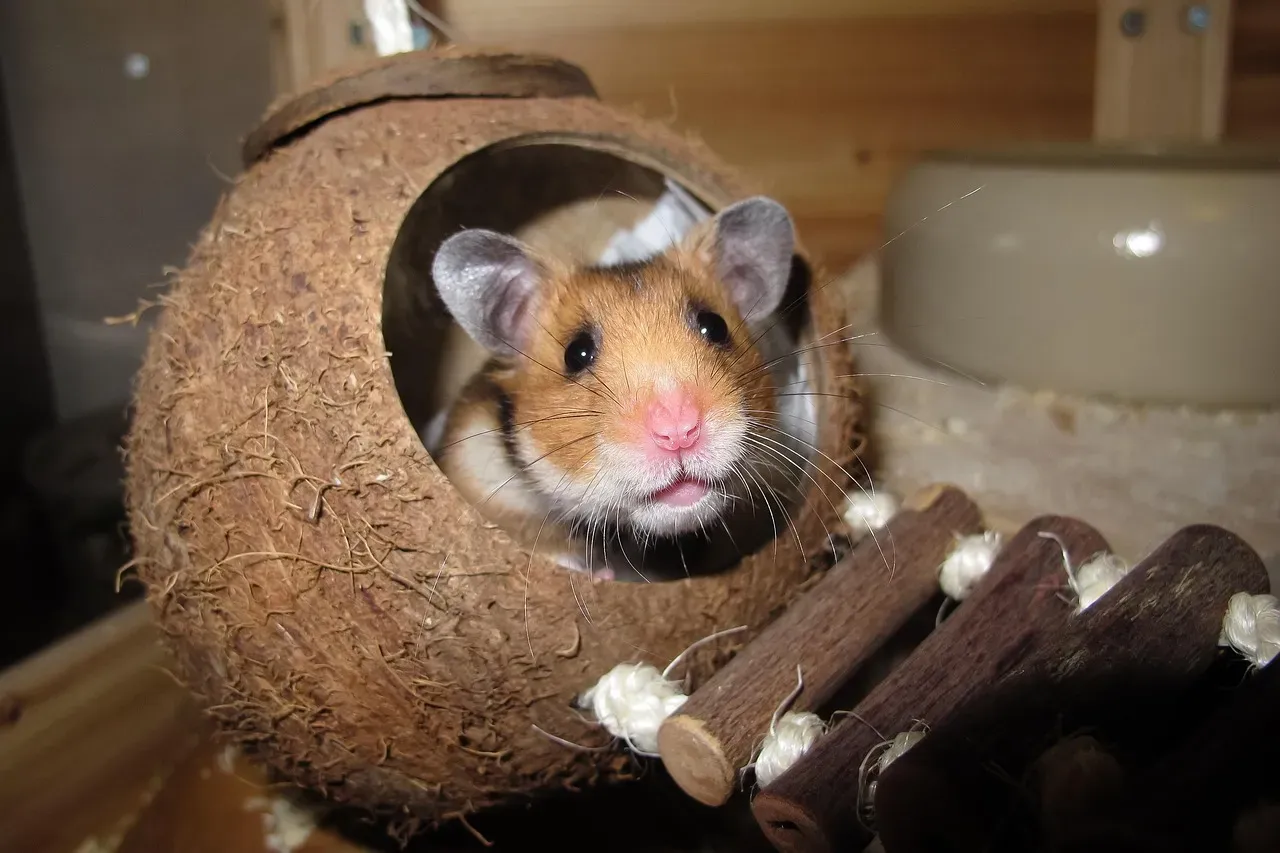
Good, deep sleep is one of the most underrated signs that a hamster feels secure. If they can curl up in their nest and stay asleep even when there are gentle household sounds in the background, it shows that their nervous system isn’t on constant high alert. A safe hamster often creates a well-built nest and returns to it predictably, which is their version of trusting the territory.
The way they sleep matters too. A very tense hamster may sleep lightly, waking at every small noise, or choose cramped, squeezed spaces that feel protective. A relaxed one might sprawl a bit more, change positions, or even let a paw or ear stick out of the nest. Think of it like how humans sleep: if you’re truly at ease, you can stretch out and actually rest rather than just dozing defensively.
They Accept Handling Calmly (Or At Least Without Panic)
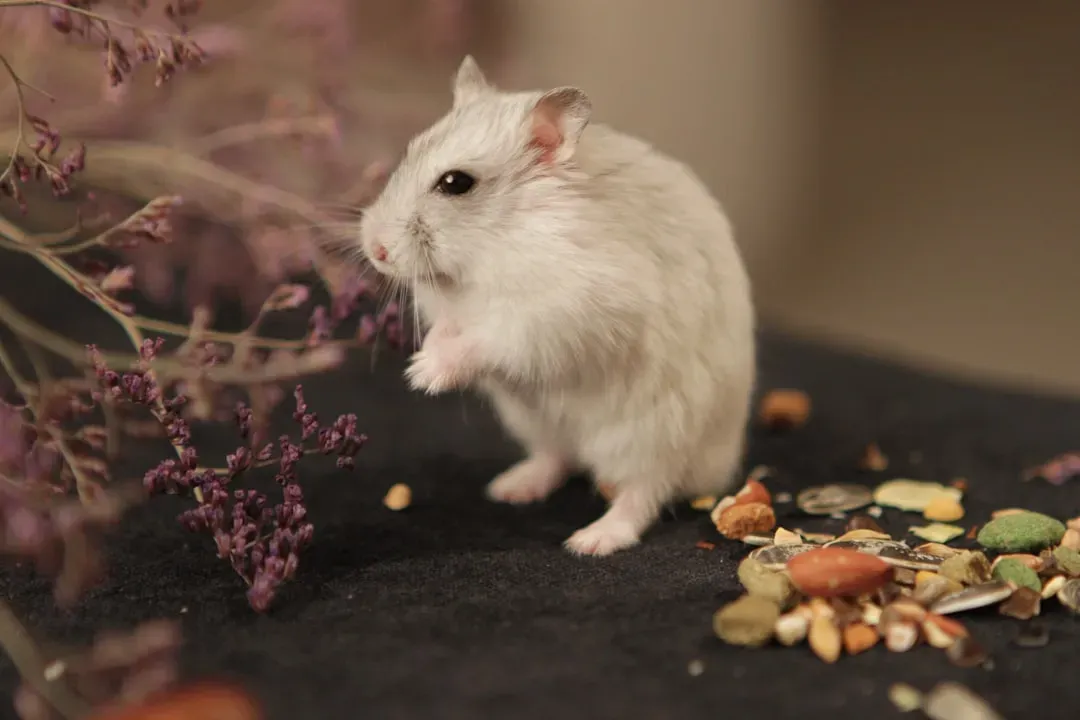
Not every hamster will love being handled, and that’s okay. But a hamster that feels safe around you will usually step onto your hand voluntarily or tolerate gentle scooping without wild scrambling, biting, or shrill squeaks. Their body will feel more settled, not rock-hard and rigid, and they may pause to sniff your fingers, groom a bit, or just sit in your palm for a moment.
It is important to distinguish personality from fear: some hamsters are naturally more independent or aloof. Safety does not have to look like a cuddly, lap-loving pet. What you’re looking for is the absence of panic behaviors. If they no longer jump awake when you open the cage, do not bolt every time your hand appears, and occasionally choose to walk toward you, that is a very good sign you have earned real trust.
They Show Soft Body Language And Gentle Movements
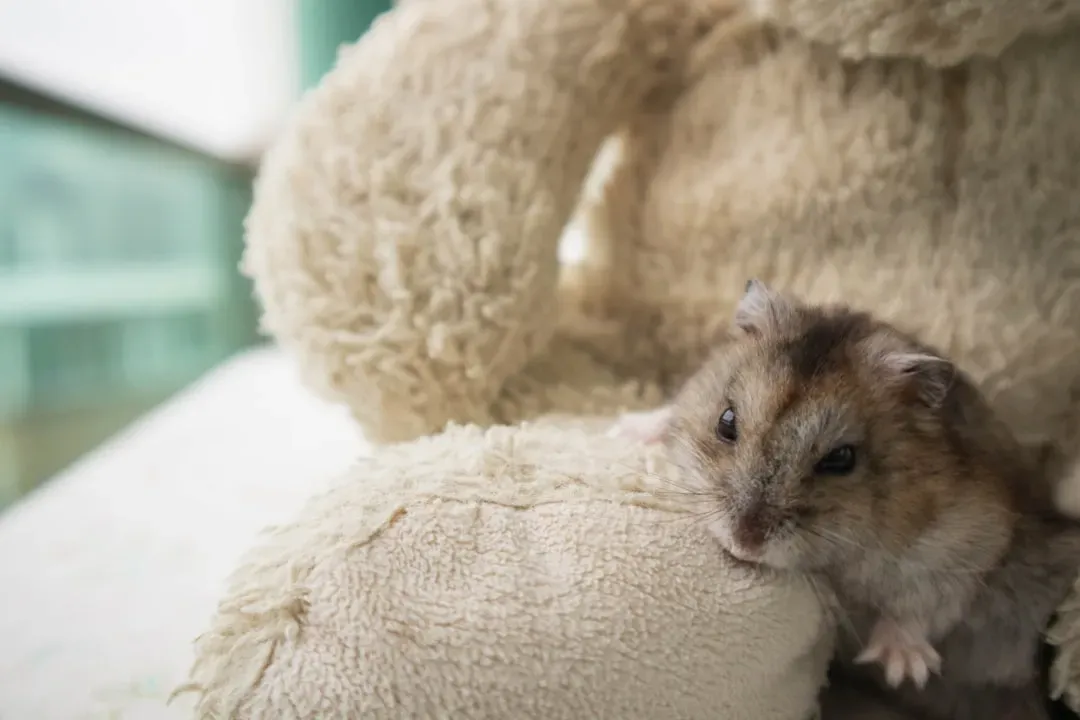
When a hamster feels safe, you can see it in all the tiny details of how they carry themselves. Their movements are smoother, their breathing more steady, and their body looks round and settled instead of tight and angular. They might do slow, casual nose wiggles, blink more often, and move with a sort of quiet confidence around their cage.
Compare that to a stressed hamster: eyes wide and unblinking, sides moving fast from high breathing, sudden jumps at small sounds, and rigid posture even when they are standing still. Once you’ve seen both states, the difference is almost like watching someone pace anxiously versus someone lounging on the couch. That “softness” in body language is your hamster’s way of saying that, at least in this moment, they feel safe where they are.
They Engage In Play And Comfort Behaviors
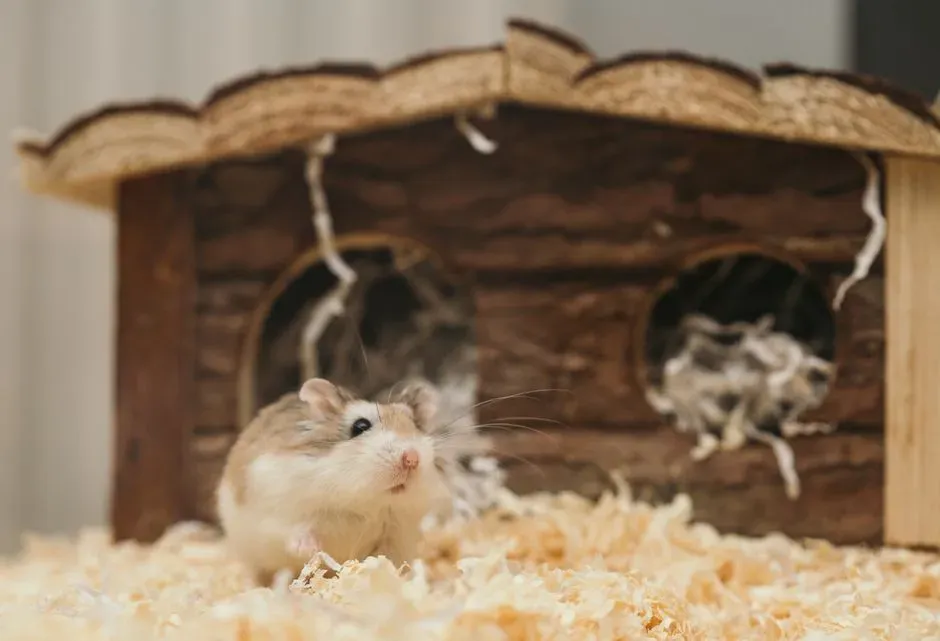
Play is one of the clearest signs that an animal’s basic emotional needs are met. A hamster that feels safe and well is far more likely to use enrichment items like tunnels, chew toys, and wheels in a relaxed, almost joyful way. You may see them dart in and out of tubes, dig enthusiastically in a deep bedding area, or rearrange nesting material like a tiny interior designer.
Comfort behaviors also show up when safety is high. This can include calmly chewing safe materials to keep their teeth in good shape, adjusting their nest, or pausing to sit and observe their world from a spot they like. Think of this as the hamster equivalent of humans rearranging their pillows, lighting a candle, and scrolling on their phone: these are not survival acts, they’re quality-of-life habits that only appear when they feel reasonably secure.
Conclusion: Safety Is The Real Love Language
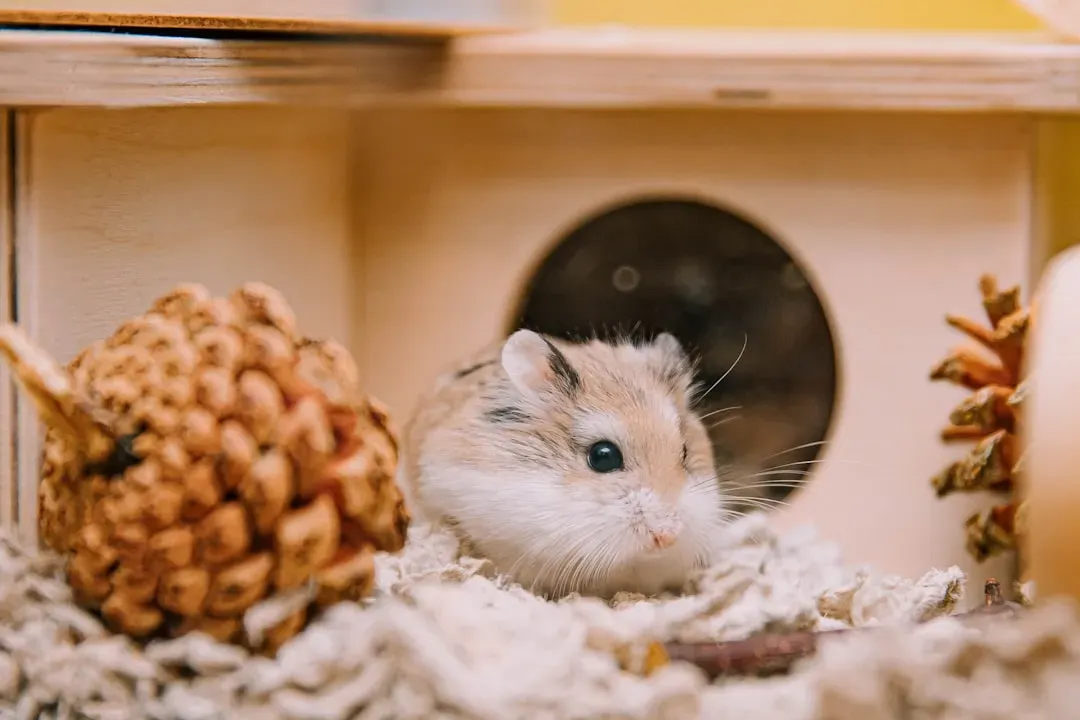
At the end of the day, the biggest gift you can give your hamster is not constant handling or flashy toys, but a deep, consistent sense of safety. When you see them grooming in the open, stretching like a tiny yoga master, eating calmly, sleeping deeply, and moving with soft confidence, that is your proof that you have created a world they can actually relax in. To me, that matters more than any cute photo or viral video.
I honestly think hamsters are a good test of our character: they are small, vulnerable, and easy to stress, so we have to learn patience, gentleness, and respect for boundaries if we want them to thrive. If your hamster feels safe enough to live their tiny life fully in front of you, that is a huge compliment to how you’re caring for them. Looking at your own hamster right now, which of these signs are you starting to notice more clearly?


