
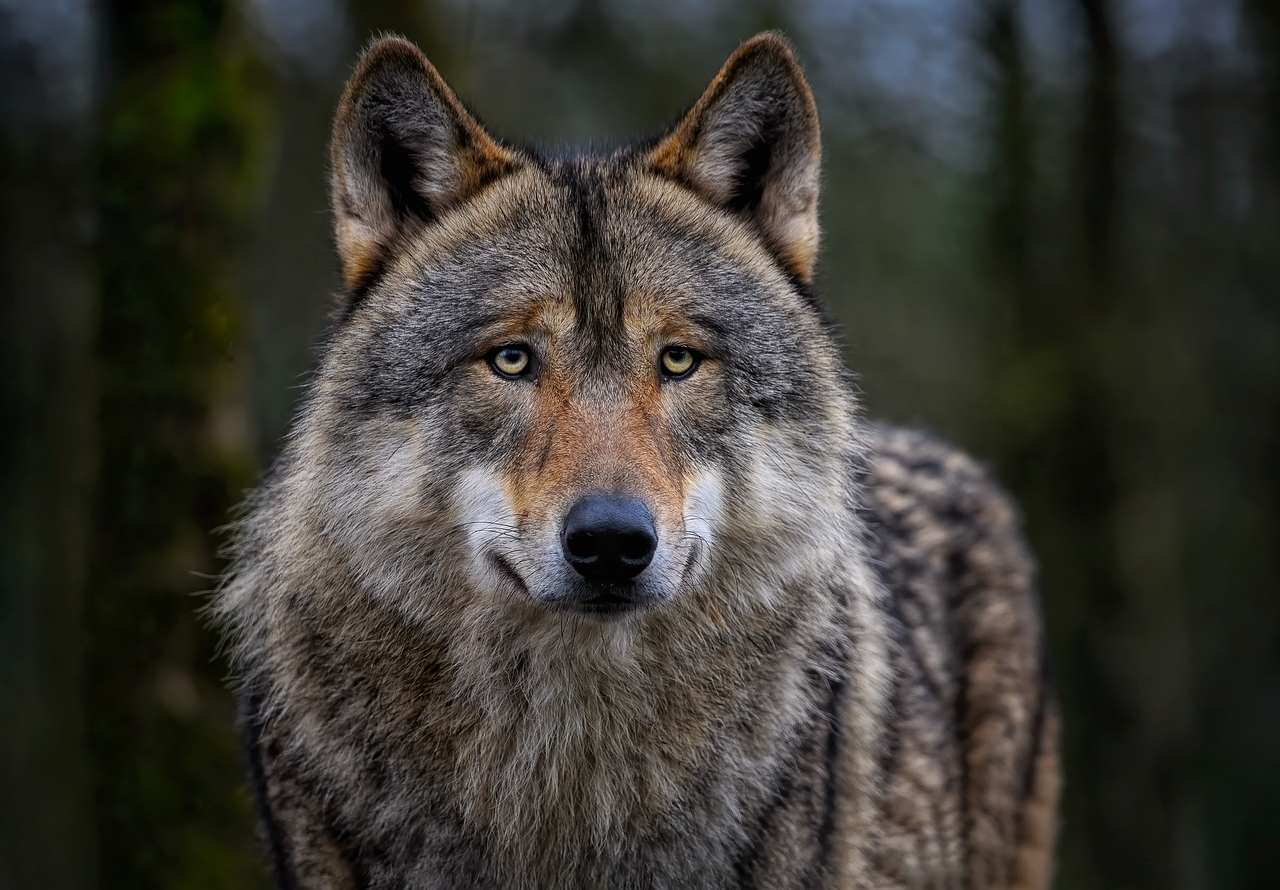
If you hike in Montana long enough, sooner or later you’ll step into wolf country. For some people, that idea feels thrilling and wild. For others, it sparks a quiet knot of fear. Both reactions are normal. Wolves are powerful predators, symbols of wilderness, and the center of some very loud human arguments.
Out on the trail, though, the story is a lot less dramatic than the headlines. Understanding how wolves actually behave, where they live, and what risks are real versus imagined makes you not just safer, but a better guest in their home range. Let’s walk through what every Montana hiker should really know before lacing up their boots.
Wolves Are Common In Montana’s Wild Country, But You’ll Almost Never See Them
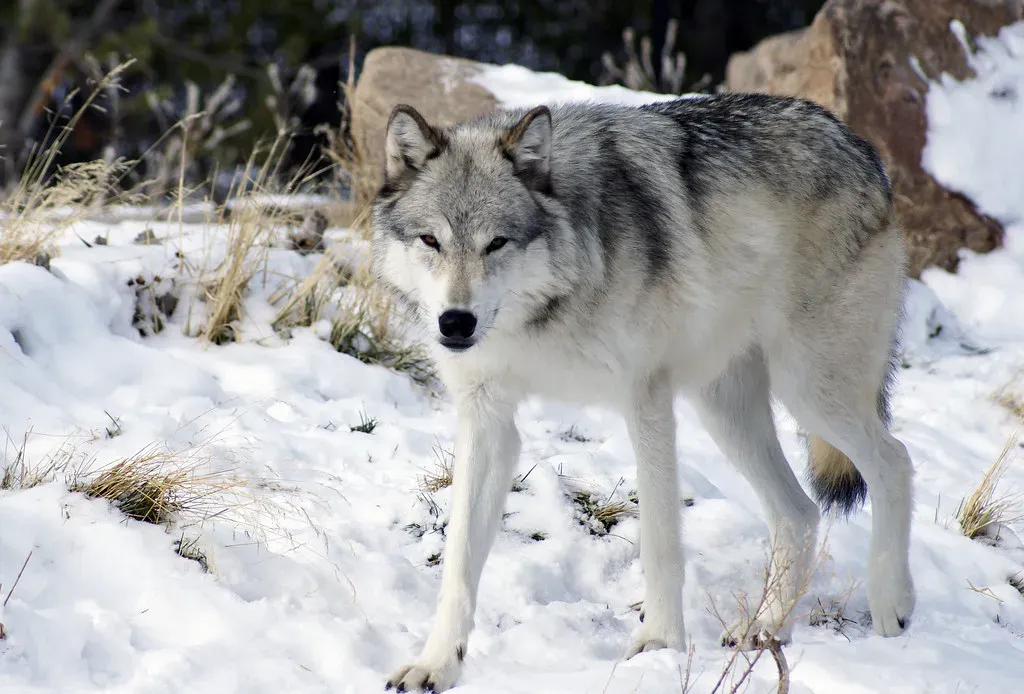
It surprises a lot of new hikers to learn that wolves are now well established across much of western and parts of central Montana, especially around major mountain ranges and big forested valleys. Packs use enormous territories, often hundreds of square miles, overlapping many popular trail systems. On paper, you and wolves share the same map far more than you might think.
But sharing a map is not the same as bumping into each other. Wolves are intensely wary of people and are experts at staying hidden. Most encounters are fleeting glimpses at long distances, or nothing more than hearing a distant howl on a still evening. In my own years hiking Montana, I’ve found plenty of tracks and scat, but only seen actual wolves a handful of times, always for a few seconds before they melted into the timber.
Healthy Wild Wolves Very Rarely Threaten People
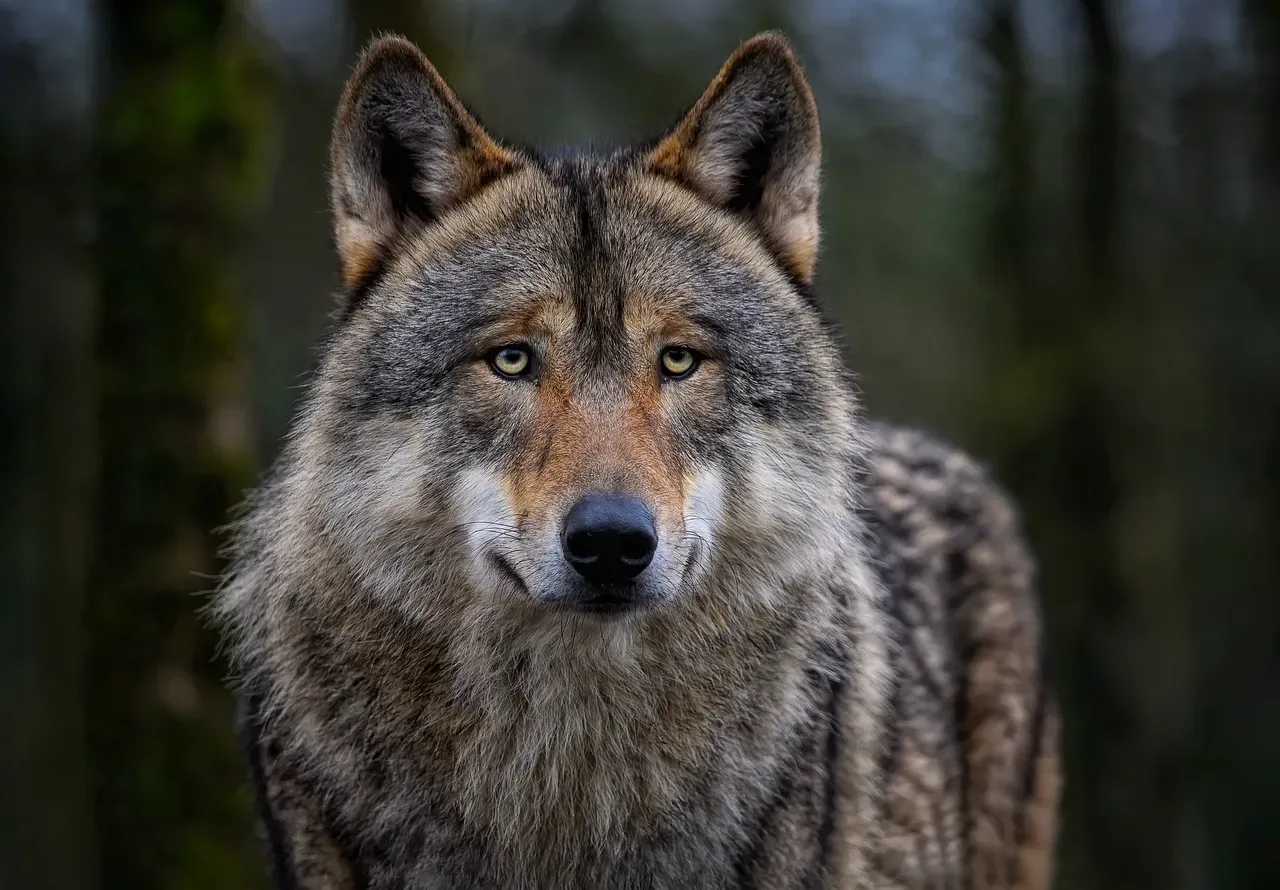
The idea of being hunted by a wolf pack makes for gripping movies, but it’s not how real-life wolf–human interactions play out in North America. Serious attacks by healthy, wild wolves on people are extraordinarily rare, especially compared to everyday wilderness risks like falling, river crossings, or driving to the trailhead. For most hikers, the real dangers on a Montana trip are weather, terrain, and bad decisions, not wolves.
That does not mean wolves are harmless dogs in the woods; they are large carnivores with teeth built for taking down elk. The key is context. Wolves that have not been fed or habitually approached by people usually want nothing to do with us. If they know you’re there, they’ll almost always avoid direct contact. Being loud, traveling in groups, and handling food properly all tilt the odds even further in your favor.
Knowing Wolf Sign Turns Your Hike Into A Field Lab
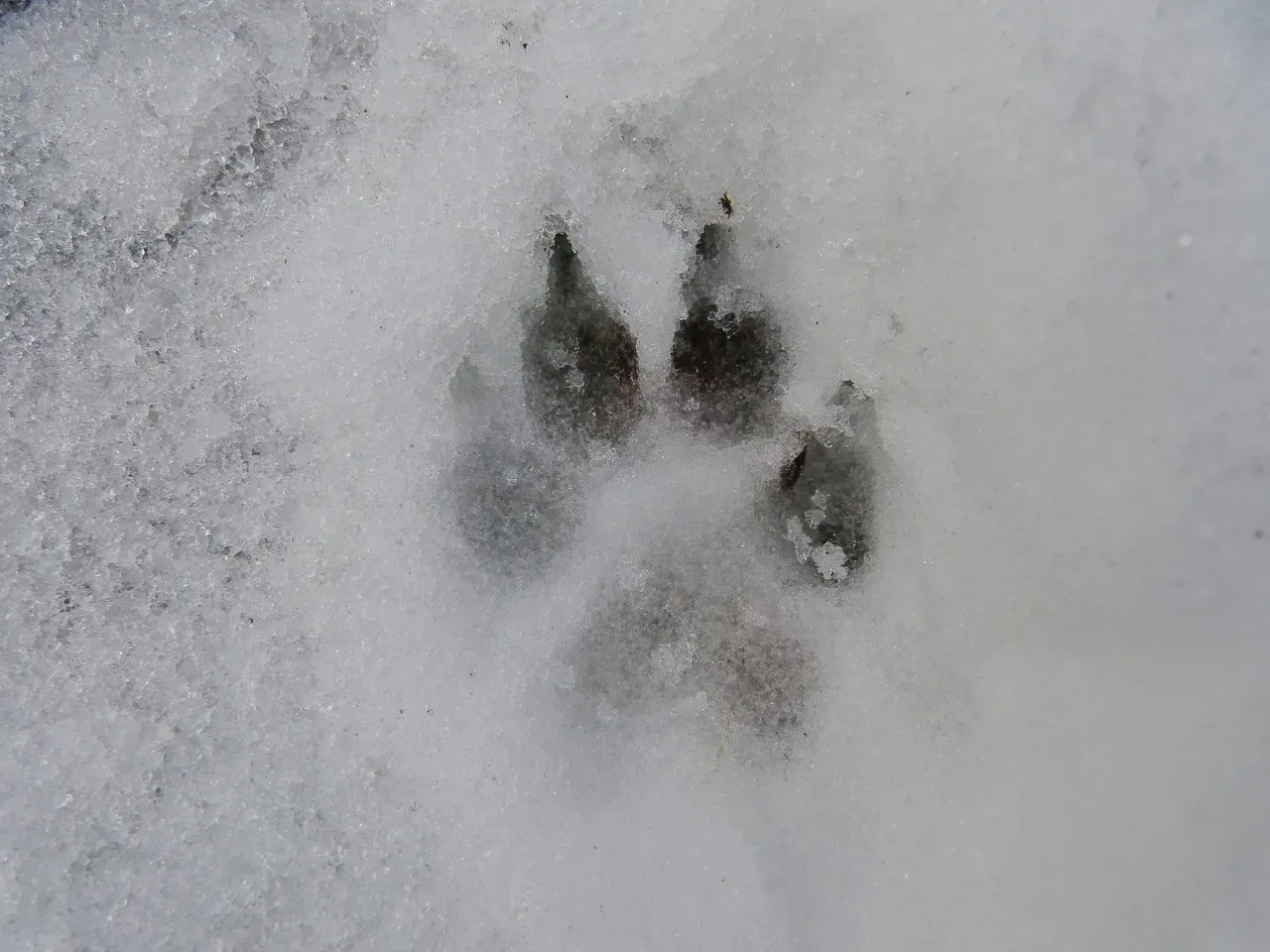
Even if you never see a wolf, you can learn to read their presence in the landscape. Tracks are often the easiest clue: think of a big, oval, dog-like print with front toes that sit fairly tight together and nails that register clearly. One simple rule hikers use is that if the track is bigger than most large dog prints and you are miles from any road or house, you may be looking at wolf sign rather than a wandering pet.
Scat is another major indicator. Wolf scat tends to be long, ropey, and full of hair and bone fragments from wild prey rather than bits of kibble or plastic. You might also find large kill sites where elk, deer, or moose remains are scattered and picked clean. Treat these places as active wildlife dining rooms: interesting to observe from a distance, but not spots to linger. Learning these signs turns a dull forest slog into a living story about who uses the trail when you are not there.
How Wolves Actually Hunt (And Why You’re Not On The Menu)
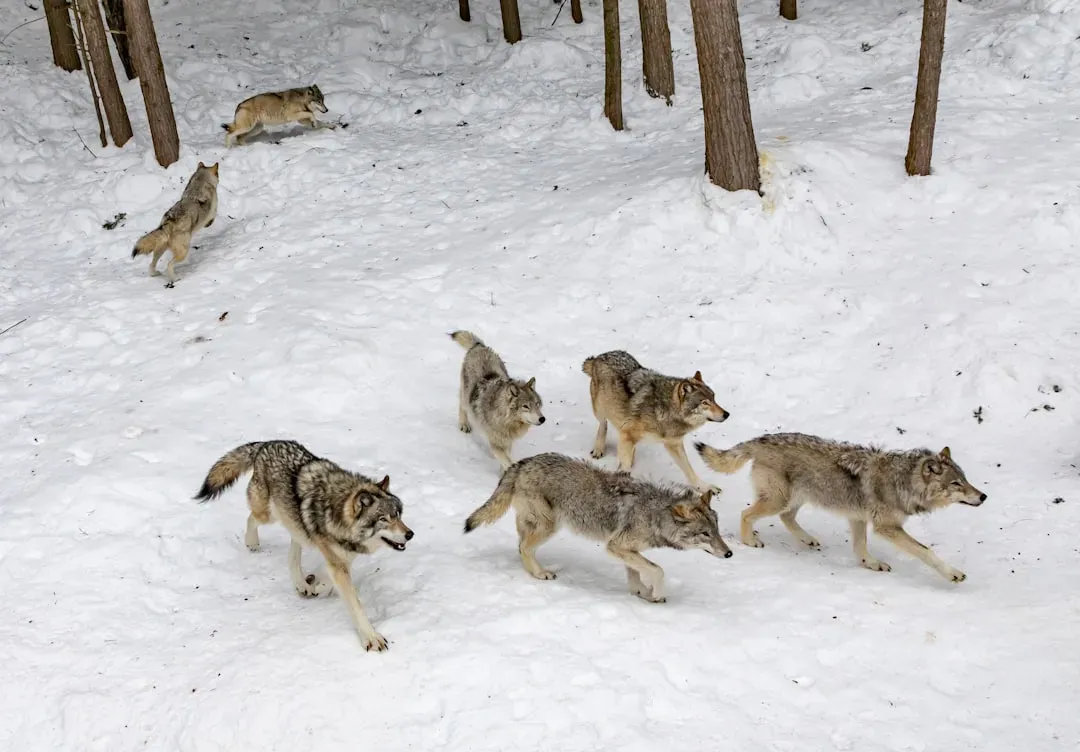
Wolves are specialists at taking down ungulates: elk, deer, moose, and other hooved animals. They rely on endurance, teamwork, and strategy more than brute force. A pack might test a herd, probing for an injured calf or an old cow, then push that individual until it tires or makes a mistake. They are not randomly lunging at everything that moves; energy is precious, so every chase is a serious calculation.
Humans do not fit that hunting script. We walk upright, move strangely, smell odd, and often travel in noisy groups wearing bright colors, carrying metal objects, and talking. From a wolf’s perspective, we’re confusing, potentially dangerous, and not remotely worth the risk when elk burgers are on the menu. That is why most wolves either slip away quietly when they detect you or watch briefly from cover before disappearing.
How To Behave If You Actually See A Wolf
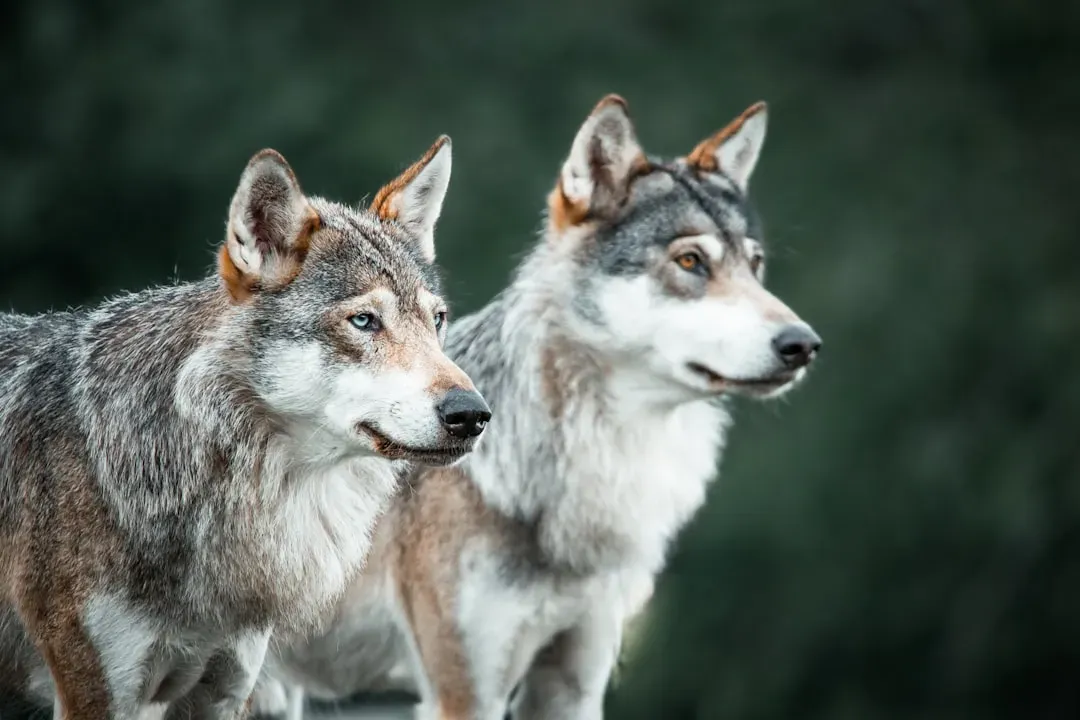
On the off chance you do encounter a wolf at relatively close range, your behavior matters. First, stay calm and stand your ground. Do not run, since fast movement can trigger chase instincts in many predators, even if they are not planning to attack. Face the wolf, make yourself look solid and confident, and speak in a firm, normal voice so it clearly identifies you as a human.
In most cases, the wolf will watch briefly and then move away. If it seems reluctant to leave or is approaching, step closer together with your group, pick up small children, and slowly back away while keeping your eyes on the animal without staring it down aggressively. If a wolf ever becomes bold or starts circling, which is extremely uncommon, you can wave your arms, shout, and even toss rocks or sticks toward (not at) it to convince it that people are not worth investigating. The goal is not to fight, but to remind a wild animal that you are something to avoid.
Dogs Change Everything Around Wolves
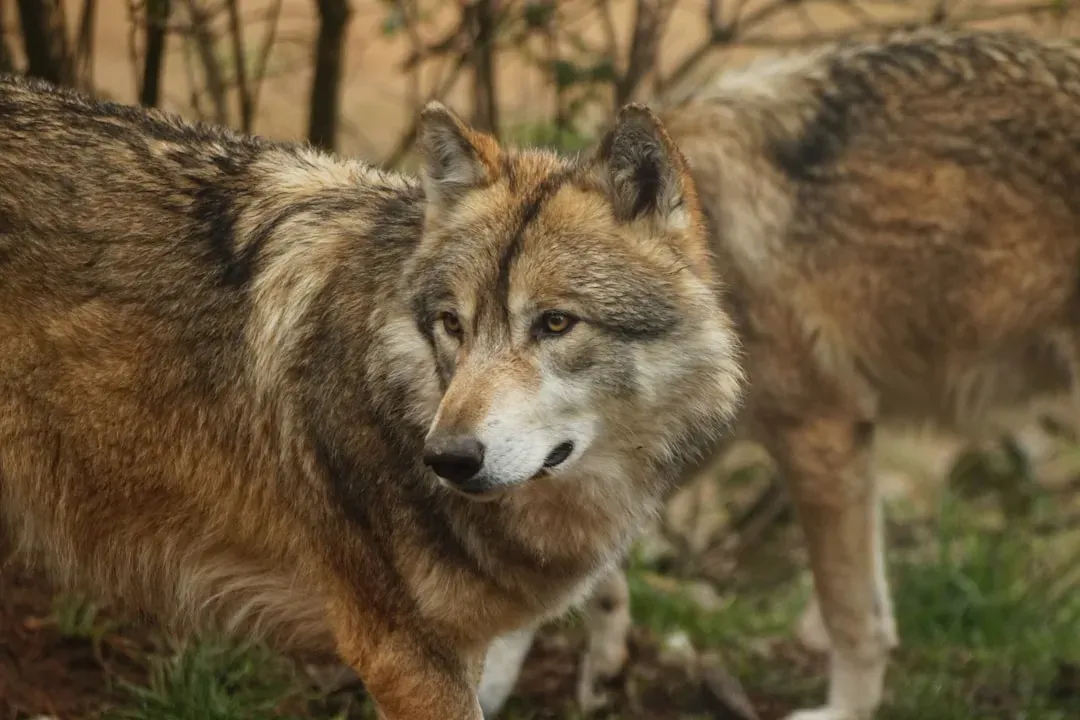
Where things get complicated is when you bring a dog into wolf country. To a wolf, a domestic dog can look like a rival or an intruder, not a beloved family member. This is especially true near dens, rendezvous sites, or fresh kills, where wolves may act defensively. There have been far more conflicts involving wolves and dogs than wolves and humans directly, which is why dog management is a big deal on many Montana trails.
Leashing your dog in known wolf habitat, especially during summer and fall, is not just about courtesy to other hikers; it is a safety measure. A dog that runs ahead, disappears around a corner, and then comes racing back toward you being chased by a territorial wolf has just delivered its problem straight into your lap. Keeping dogs close, under reliable voice command, and off fresh carcasses or bone piles dramatically lowers the chance of any tense encounter.
Wolves And Livestock: Why It Matters To Hikers
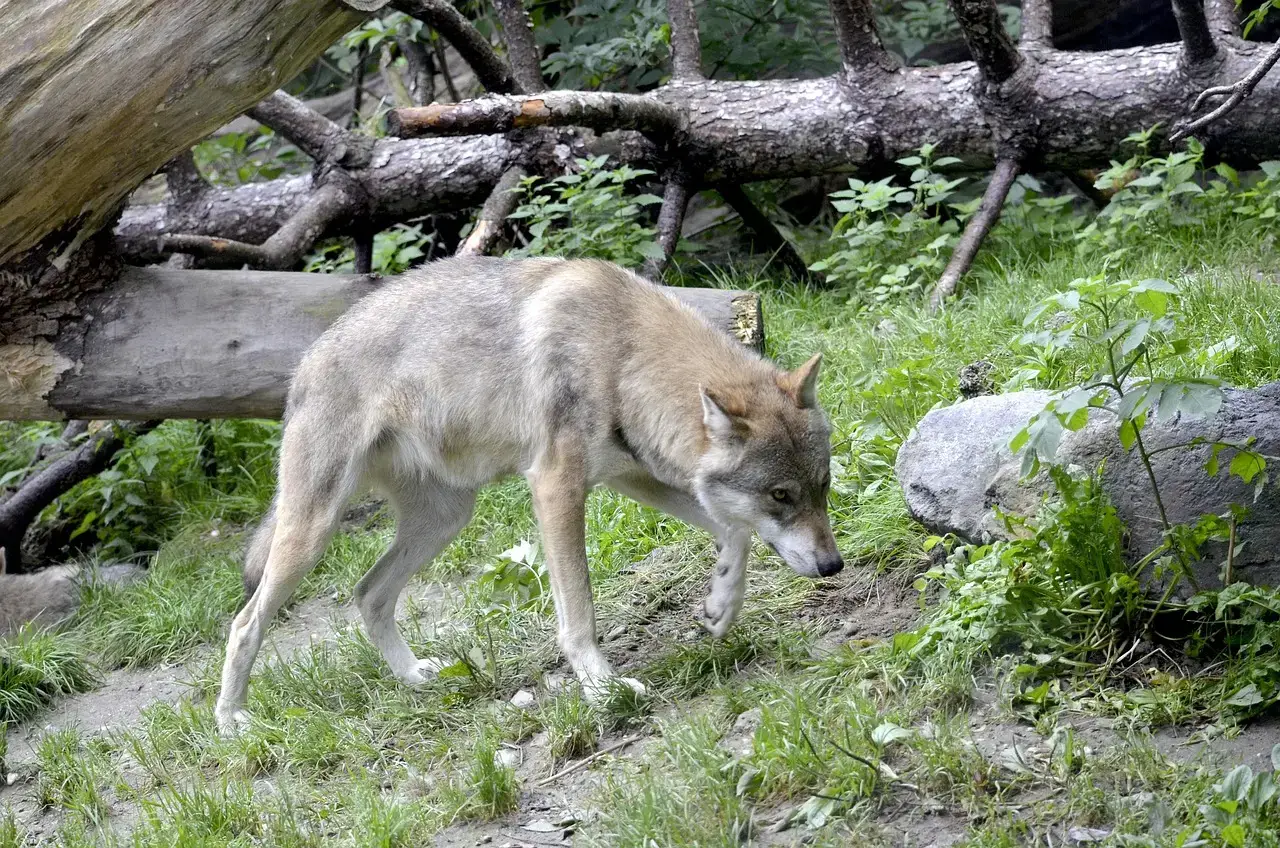
Montana is not just public wildland and national parks; it is also ranch country. Wolves do sometimes prey on cattle and sheep, which puts them directly at odds with some landowners. That ongoing conflict shapes how wolves are managed, where lethal control happens, and how locals feel about seeing wolf tracks near their fences. As a hiker, you are walking through a landscape where the politics of wolves are every bit as real as the biology.
Understanding that tension helps you be a more respectful visitor. If you are crossing grazing allotments or private land with livestock, avoid letting pets harass stock, do not approach guard dogs, and be extra cautious around carcasses or boneyards that might draw predators. You are not going to solve the wolf–rancher debate on a weekend backpacking trip, but you can avoid adding one more negative story about careless recreationists to the pile.
Wolves, Elk, And The Bigger Ecosystem Story
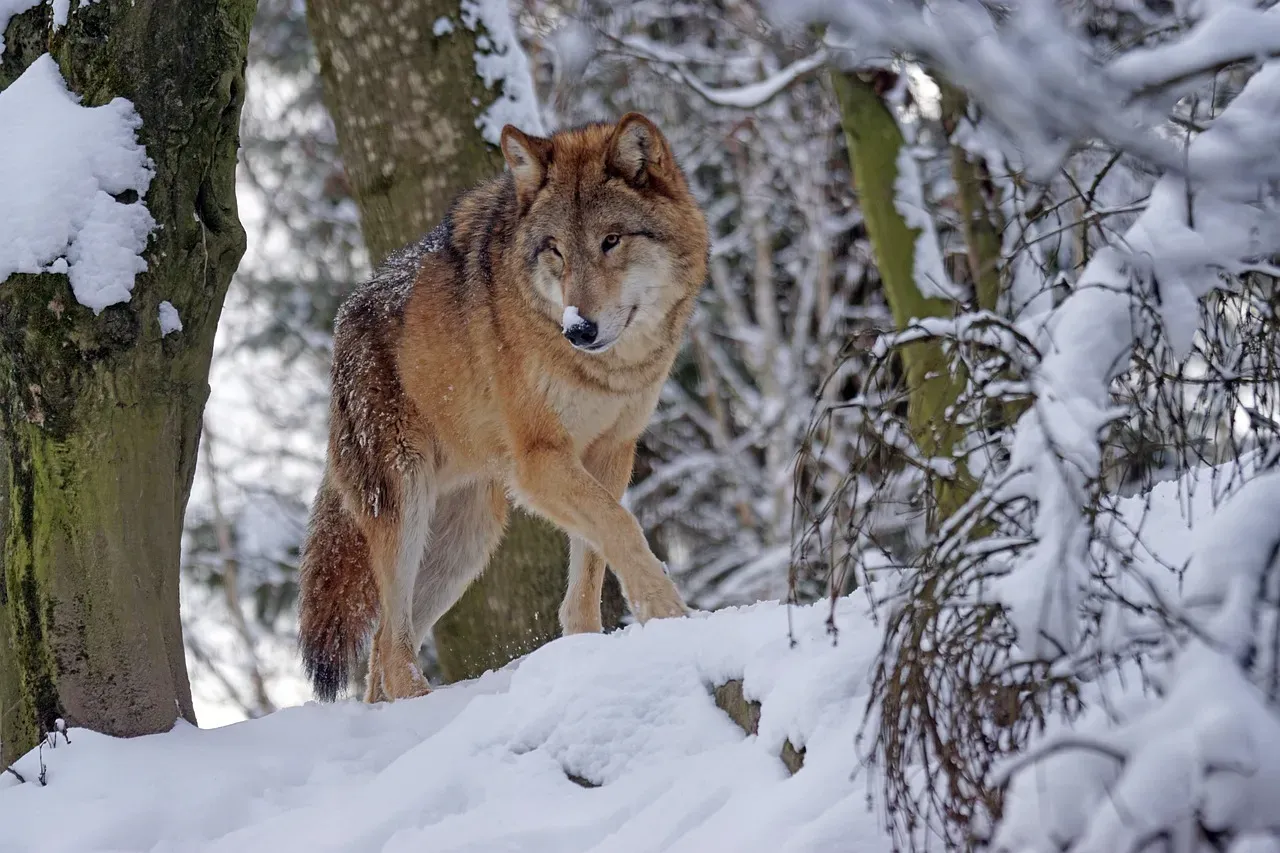
One of the most fascinating things about hiking in wolf country is seeing how predators fit into the bigger ecological puzzle. Wolves take a relatively small slice of the overall elk and deer populations, often focusing on the weak, injured, or young. Over time, that can subtly shift how herds move, where they browse, and how long they linger in certain valleys or riparian areas.
These cascading effects can influence vegetation, songbirds, scavengers, and even how streams behave when browse pressure on willows and aspens changes. The real-world picture is messy and varies from place to place; it is not a simple fairy tale where wolves magically heal every ecosystem. But as a hiker, knowing that the howl you hear at night is part of a complex chain of relationships makes every valley feel richer and more alive.
Hunting, Management, And Why Wolf Numbers Are Not Static
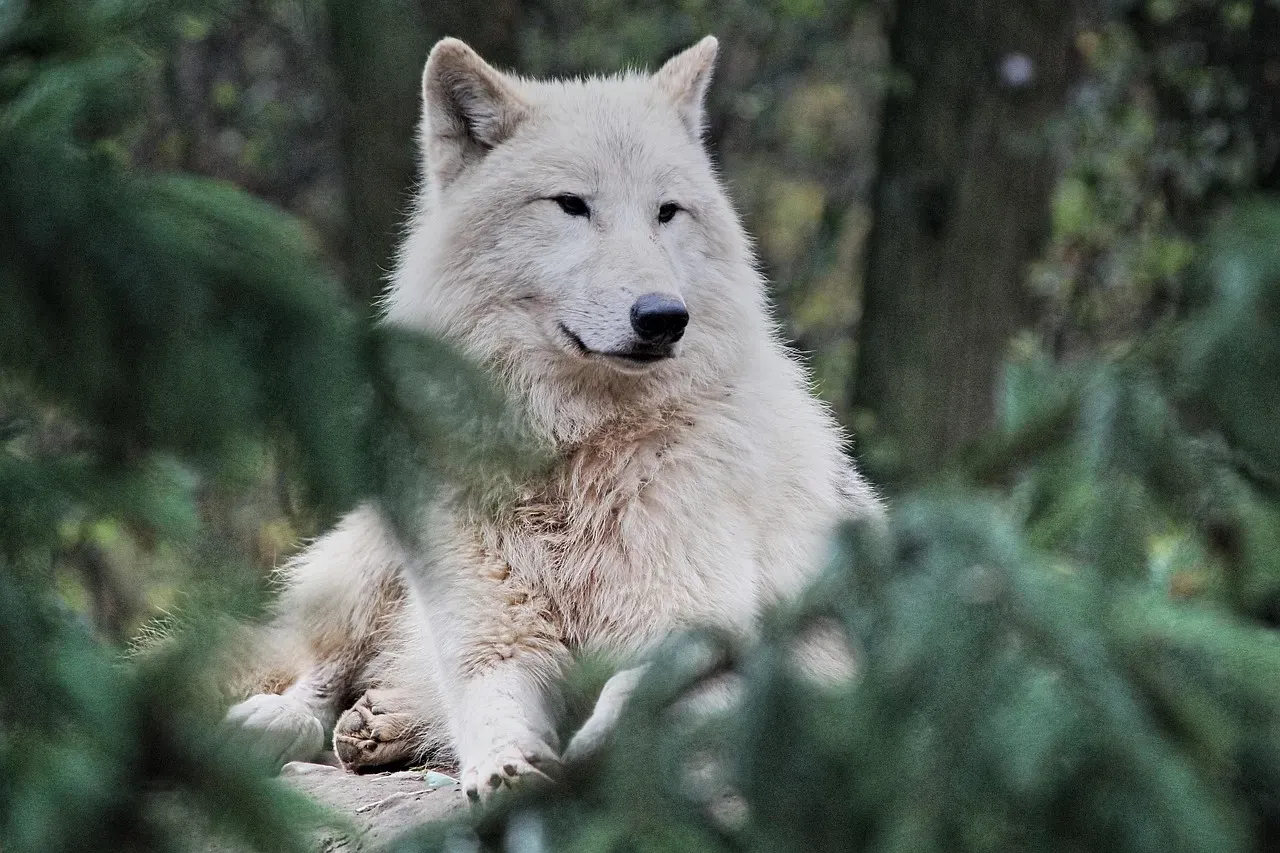
Wolves in Montana are not frozen in time; their populations are actively managed by wildlife agencies through a mix of regulated hunting, trapping, and targeted control in conflict hotspots. That means the number of wolves, the size of packs, and where they are most common can shift over years. What was once a hotspot of wolf activity may quiet down, while another region sees more sign.
You do not need to memorize management plans before a hike, but it is worth realizing that wolves exist in a very human-defined framework. Seasons, quotas, and political decisions at the state level can change how tolerant wolves are of people and where they spend their time. The one constant is that wolves are adaptable. As long as there is prey and room to roam, they will keep testing new territories, including some you might not expect.
Practical Safety Habits For Hiking In Wolf Country
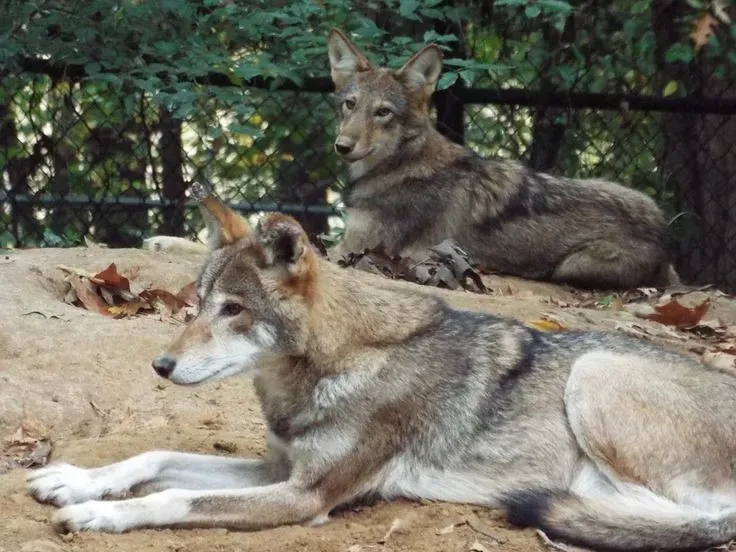
Most of the habits that keep you safe around wolves are simply good backcountry practices. Travel in small groups rather than solo when possible, especially on remote routes. Make noise periodically so wildlife can hear you coming and has a chance to slip away. Store food properly at camp and do not leave scraps or garbage that might encourage any wild animal to associate humans with an easy meal.
If you are camping in known wolf territory, avoid setting up directly on game trails, in tight brushy funnels, or right next to big carcasses or heavy scat. Keep pets close, especially at dawn and dusk when predators are most active. Bring bear spray; while it is primarily marketed for bears, the same deterrent can be effective against an aggressive wolf or other carnivore. None of this should make you paranoid. Instead, think of it as good trail etiquette that keeps both you and wildlife on the right side of each other’s comfort zones.
Why Sharing Montana With Wolves Is Ultimately A Choice
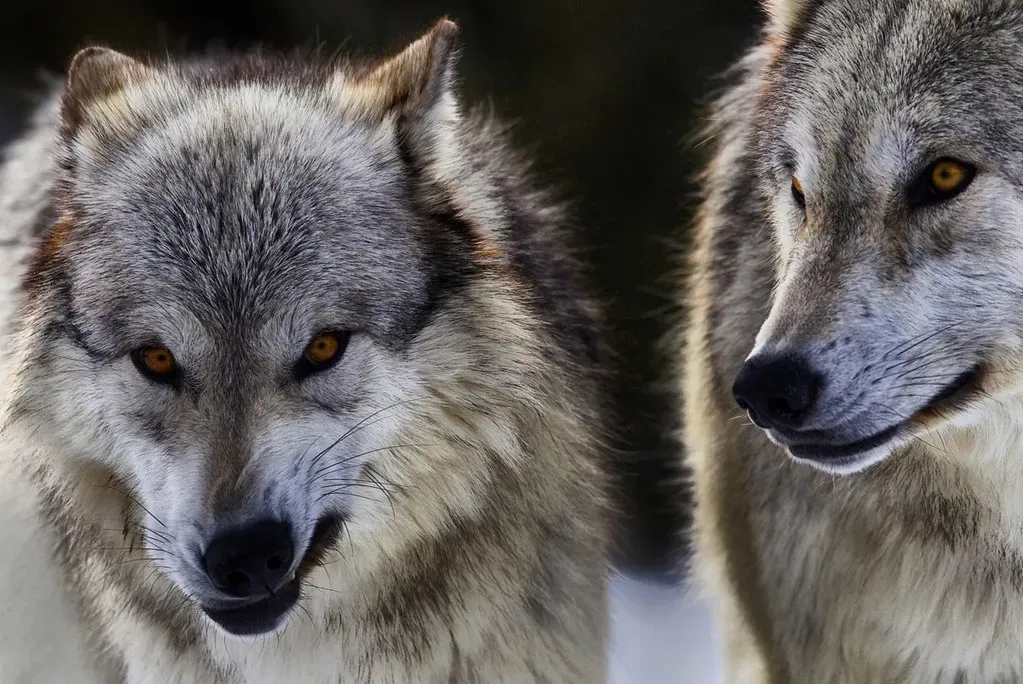
In the end, how you feel about hiking alongside wolves says a lot about what you believe wild places should be. Some people want mountains that are safe, tidy playgrounds where every risk is controlled. Others accept that true wilderness comes with sharp edges: weather that can turn on you, cliffs that do not care if you slip, and predators that have lived here longer than we have. Montana still offers that second kind of landscape, and wolves are a big reason why.
My own opinion is that the small, manageable risk of being in wolf country is a fair price for a world that has not been completely tamed. Seeing a fresh track in the mud or hearing a howl echo off the timberline reminds you that you are not the main character out there, just one more animal passing through. The question every Montana hiker has to answer for themselves is simple: do you want wild rivers and empty ridges without the predators that shaped them, or are you willing to share the trail with something that does not exist just for your comfort?


