
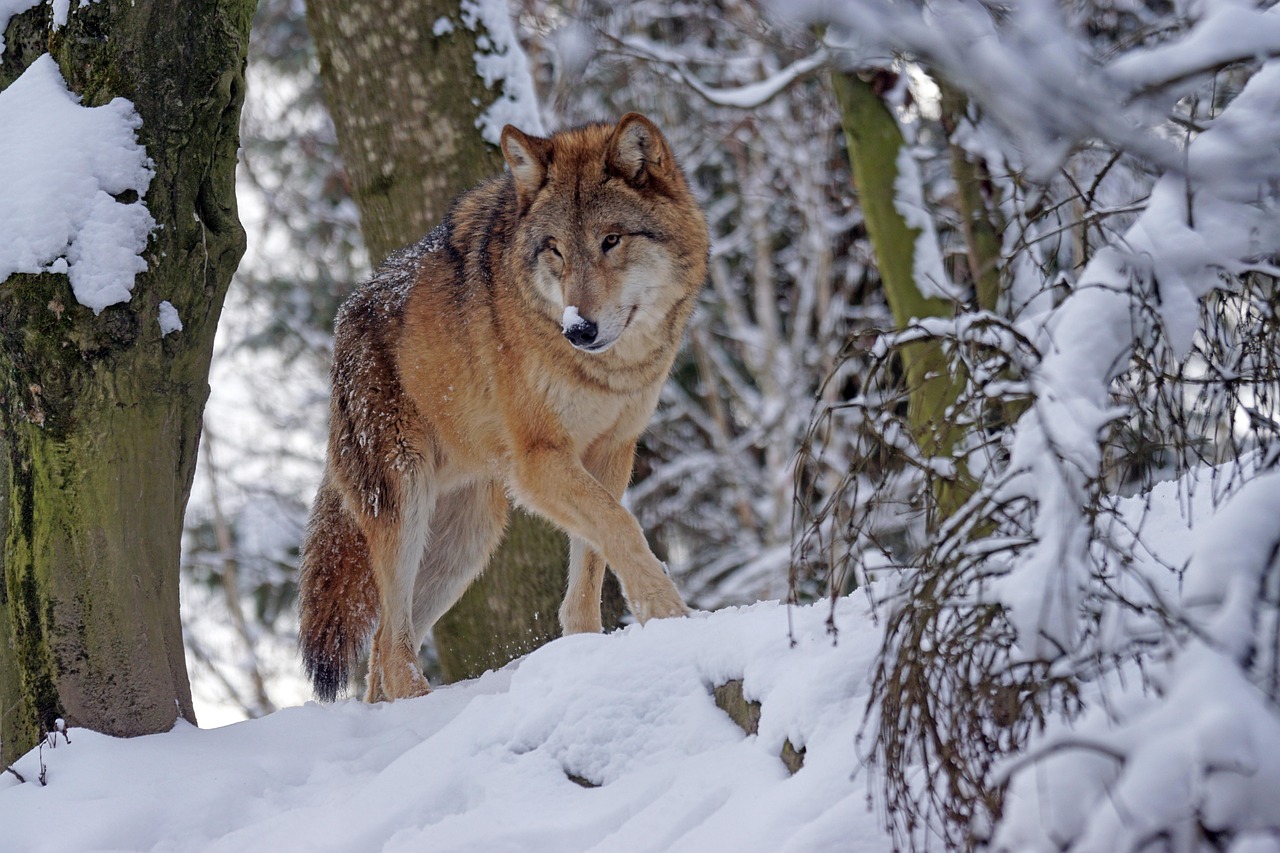
You almost never see a wild wolf by accident. If a wolf is anywhere near you, chances are it noticed you long before you felt anything was wrong. That idea alone is a little chilling, because it means by the time you start wondering what’s out there, the wolf may already be tracking, weighing, and deciding what to do about you.
But that does not mean you are helpless or blind. Wolves are animals of habit, body language, and patterns. When you know what to look and listen for, there are subtle, science-backed signs that strongly suggest a wolf has clocked you, even if all you see is trees and shadows. Once you learn these, forests start to feel less like a mystery and more like a conversation you finally understand.
You Hear Sudden Silence Where There Was Noise
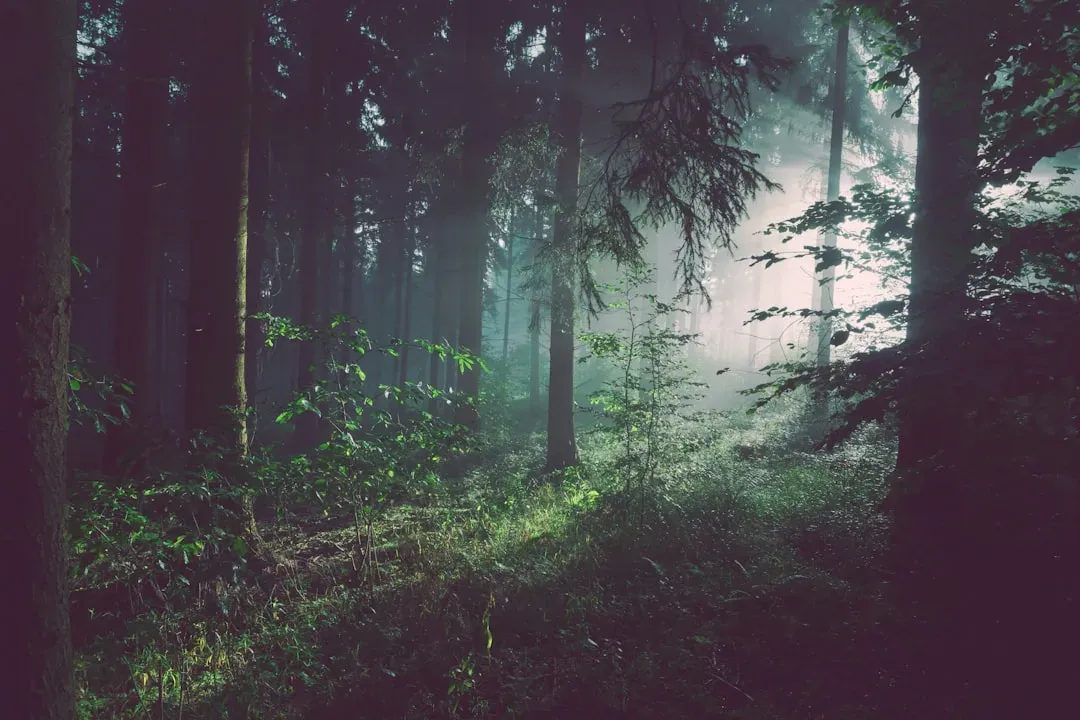
One of the eeriest early clues that a wolf may have noticed you is not a sound, but the lack of it. Forests, even “quiet” ones, are usually full of soft background chatter: birds, chipmunks, distant crows, insects. When a serious predator moves or lingers nearby, smaller animals often shut down the show, and that abrupt silence can feel like someone switched off the world.
If you’re hiking and notice birds that were calling a moment ago suddenly go quiet, or squirrels that were rustling stop all at once, pay attention. That does not prove a wolf is there, but it tells you something with weight has entered the space and the prey species have noticed. Treat that silence as a notification: something is watching, moving, or holding position, and it has changed the mood of the neighborhood before you even see it.
You Catch a Whiff of “Wet Dog” or Musky Fur on the Wind
Our noses are nowhere near as capable as a wolf’s, but we can still pick up large carnivore scent if the wind and humidity cooperate. Wolves carry a mix of smells: damp fur, wild grass, old blood from a recent kill, and a musky, animal heaviness that is different from livestock or domestic dogs. Sometimes it hits you as a faint wet-dog smell in a place where there should be none.
When a wolf has already keyed in on you, it may hold downwind to keep its advantage, but shifting breezes can betray it. If you suddenly catch a strong animal odor that does not match cattle, horses, or known farm dogs, especially in remote country with known wolf presence, slow down. Take a mental snapshot: direction of the wind, terrain features, and where that odd scent seemed strongest. Your nose may be telling you you’ve entered a wolf’s awareness bubble, even if you still see nothing obvious.
Ravens or Crows Act Strangely Focused in One Area
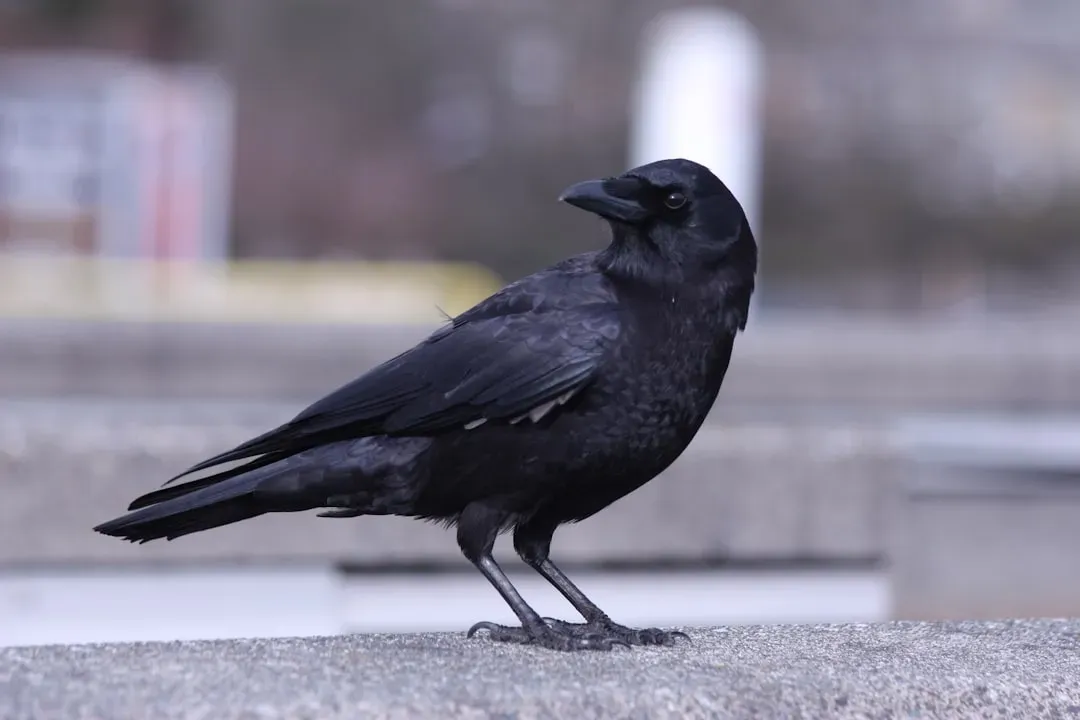
Wolves and ravens have a real relationship in the wild. Ravens often follow wolf packs because they benefit from carcasses and scraps, and wolves sometimes seem to respond to raven calls that hint at food. If a wolf has you on its radar near a kill site or feeding area, corvids like ravens and crows might betray that attention before the wolf does.
Watch for birds that keep circling or calling over a specific patch of forest or ridge, especially if you smell something dead or see signs of an older carcass nearby. If those birds suddenly go quiet, shift position, or seem repeatedly drawn back to one hidden spot, it can mean wolves are there or approaching, and they’ve almost certainly already seen or scented you. You’re not just walking through the woods anymore; you may be walking through a wolf’s current dining room.
Fresh Tracks Angle Around You Instead of Away
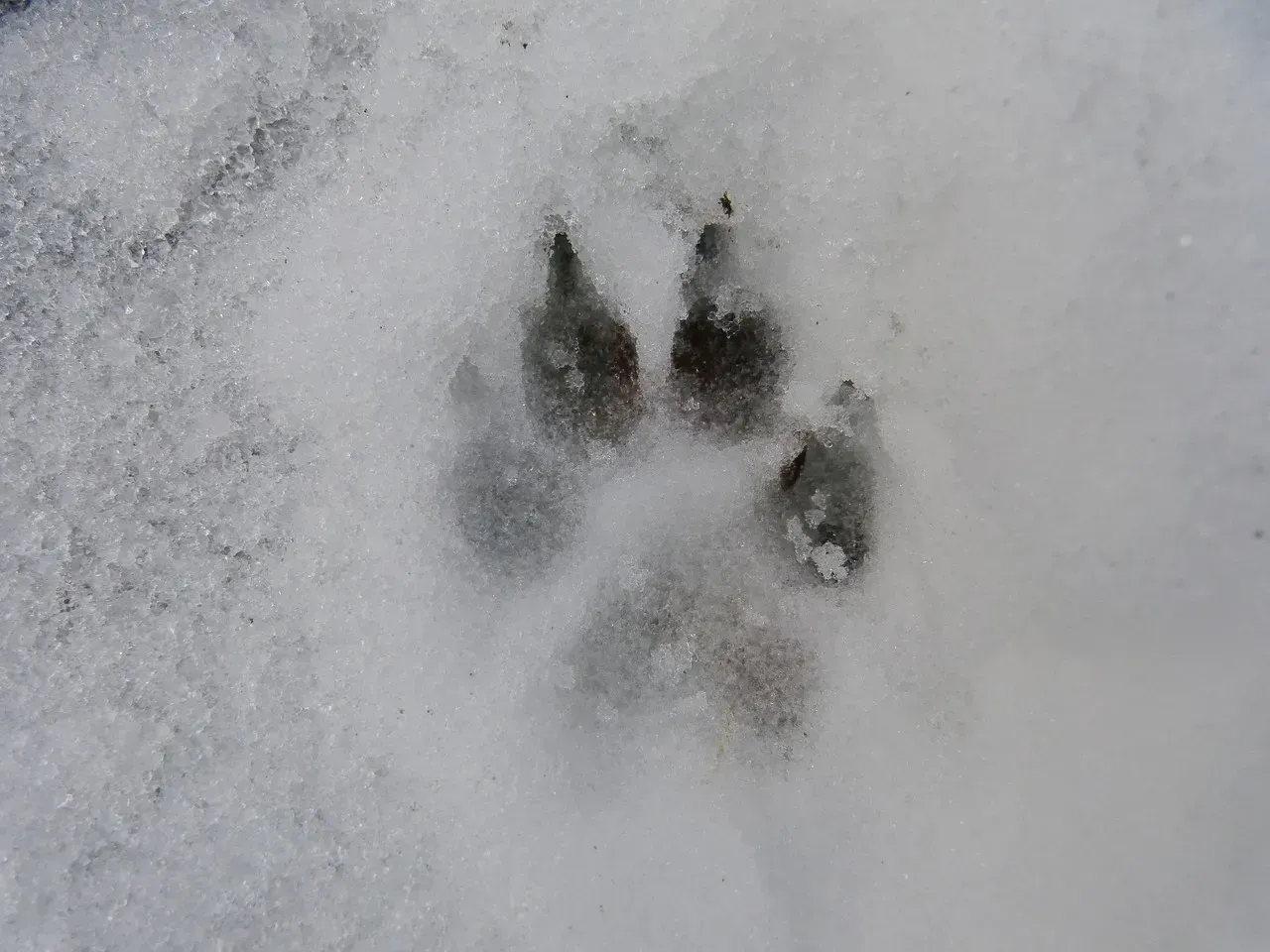
Tracks tell stories, and wolves write theirs in long, economical lines. A wolf’s paw print is larger, more oval, and more compact than most dogs, with toes pointing straight ahead and very little wobble from side to side. When a wolf notices something interesting, it does not always bolt away; often, it swings into a wide arc to sniff and observe from a safer angle.
If you cross fresh tracks that look large, straight, and purposeful, notice their direction. Then, some distance later, if you see similar tracks reshaping into a curved path that seems to swing around the general area you’re walking through, that is a hint you’ve become part of the story. The animal may have scented or heard you, looped off to one side, and is now tracking you at a comfortable offset where it can watch without being easily seen.
You Feel Watched, Then Notice Subtle Movement at the Edge of Vision
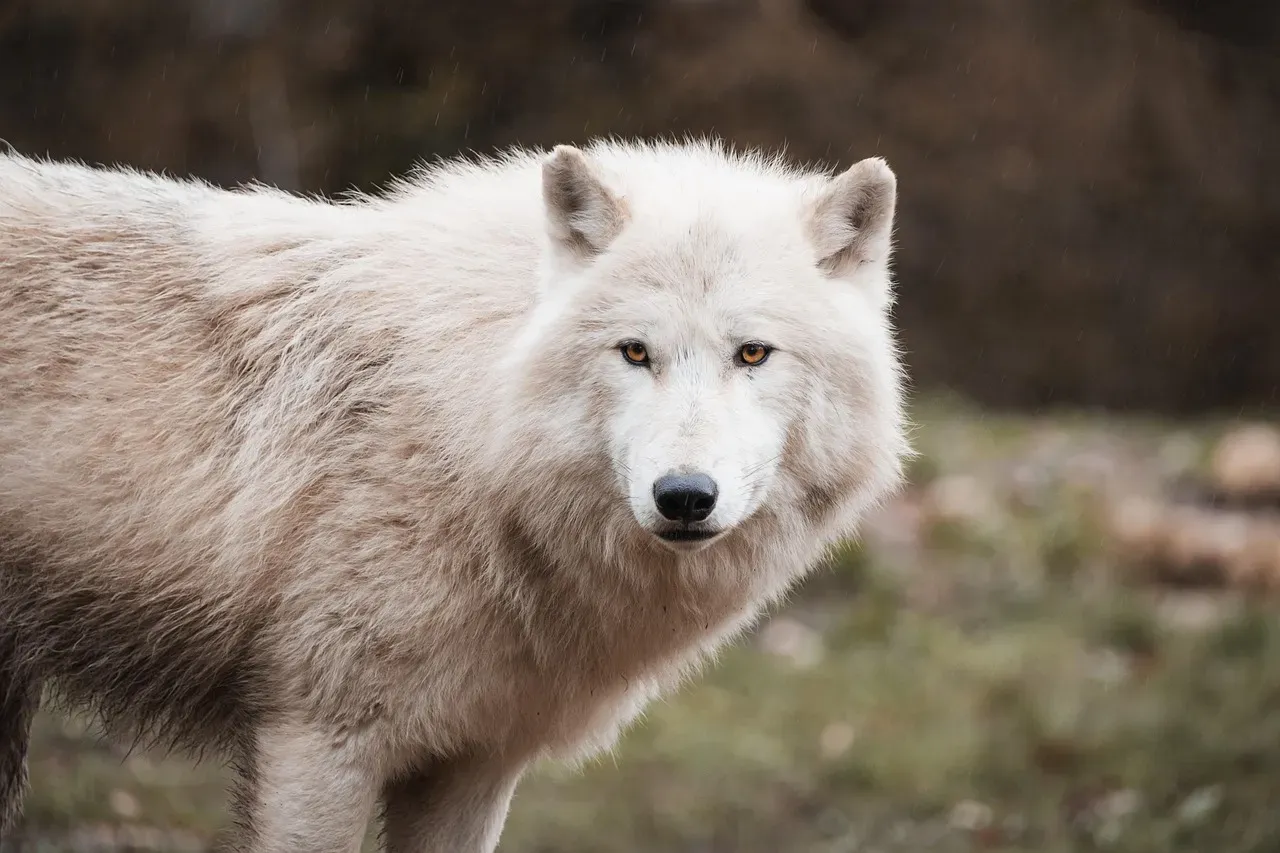
Most of us have had that sudden crawling feeling on the back of the neck, as if eyes are resting on us. While that can be pure imagination, in wild country it is sometimes your brain picking up tiny cues: a shift of shadow, a flick of movement, a break in the pattern of branches that you consciously ignored. Wolves excel at staying just out of clear sight, using cover to observe without committing.
Look for low, gliding motion rather than big, obvious steps. A wolf that has noticed you will rarely charge straight in; it may stay half-hidden behind brush, use fallen logs as cover, and move only when you are moving. If you keep spotting fleeting, low silhouettes at the fringe of your vision in roughly the same quadrant, assume you’re not just walking alone. You could be in a slow, quiet dance where the wolf already knows you are there and is choosing distance rather than disappearance.
The Forest Offers Repeated Single Barks or Low Howls, Then Silence
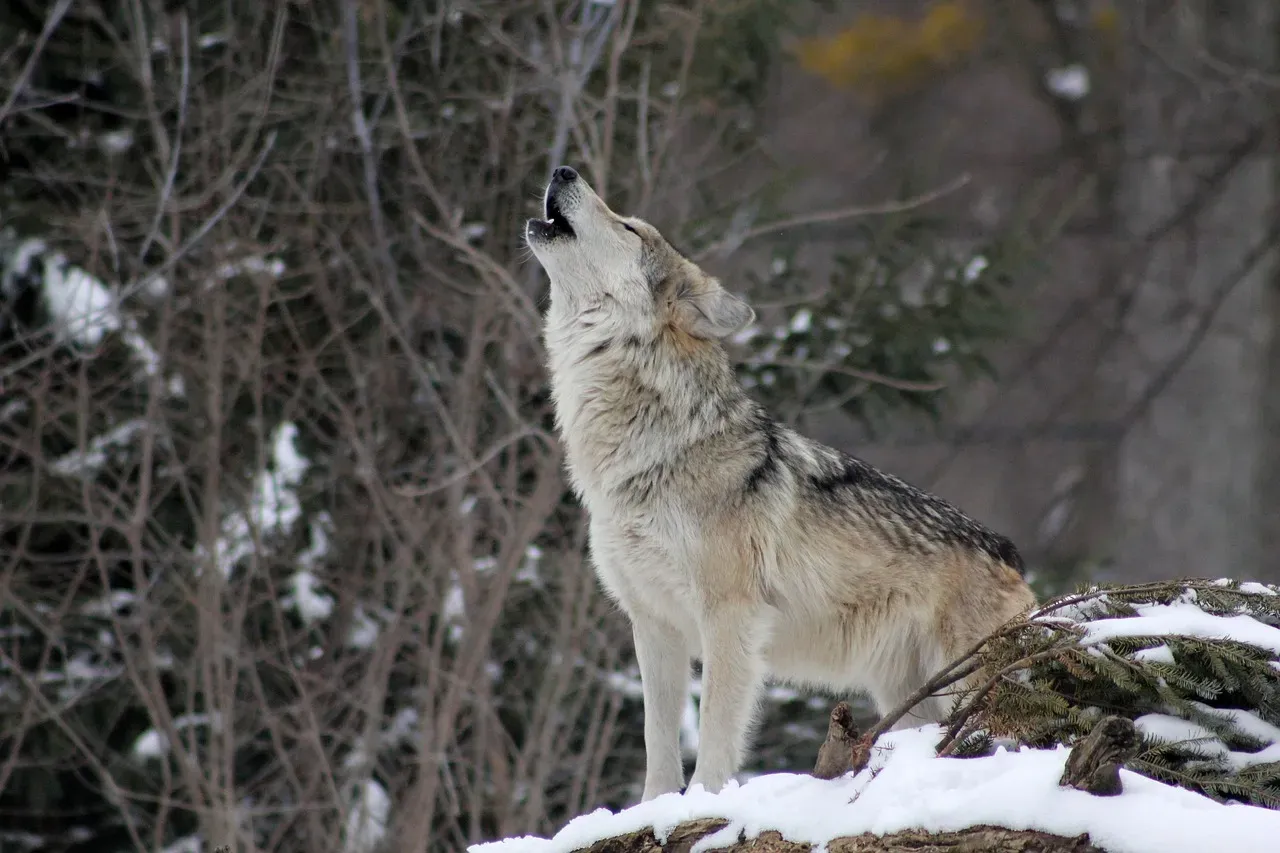
Wolves are famously vocal, but they are not constantly howling like in movies. Communication is targeted: short howls to regroup, quiet whines between pack members, and occasional barks when something odd is noticed. If a wolf has noticed you, nearby individuals might vocalize briefly to check in with each other, then go quiet again as they decide what to do.
Hearing one or two distant howls followed by absolute silence can mean a pack is pausing, listening, and re-positioning. A single sharp bark in thick forest, especially in wolf country and without nearby farms, may be a sign that an animal has flagged something unusual. You are that “unusual” presence, and by the time those sounds reach you, decisions may already be in motion somewhere out of sight.
Local Dogs Act Nervous, Focused, or Refuse to Move Forward

Domestic dogs, especially working or farm dogs, are often more tuned into wolf presence than humans. If a wolf has already picked you up, nearby dogs might also have picked it up and started a one-sided conversation you cannot hear. Some will bark defensively toward a treeline or ridge, others may go quiet and stare, and some will simply refuse to go farther up a trail.
It is tempting to write that off as random dog behavior, but patterns matter. If a usually bold dog suddenly sticks close, hair raised, staring at one direction and whining, treat that as useful data. The dog may not know the details, but it knows a high-level predator scent or sound is out there. In many rural areas, locals trust their dogs’ unease as an early indicator that wolves or other large predators have already clocked the human presence nearby.
Ungulates Ahead of You Are Bunched, Alert, and Staring Past You

Animals like deer, elk, moose, or wild goats react very differently to humans versus wolves. Many will spook quickly at obvious human movement, but if they see or smell a wolf, they might bunch up, face the threat together, and stare intensely at a specific point. If a wolf has noticed you and is somewhere between you and them, you may walk into a weird triangular tension without realizing it.
Pay close attention if you see a group of ungulates looking sharply in one direction while clearly aware of you but not fully fleeing from you. It can signal that something more dangerous in their world is lurking just off to the side. When prey animals seem almost relieved to see you, or at least not fully focused on you, it can mean a wolf or pack has already taken prime position in their mental priority list, and by extension, has you mapped in the same shared space.
You Find a Fresh Kill… and Everything Feels “Too Clean” Around It
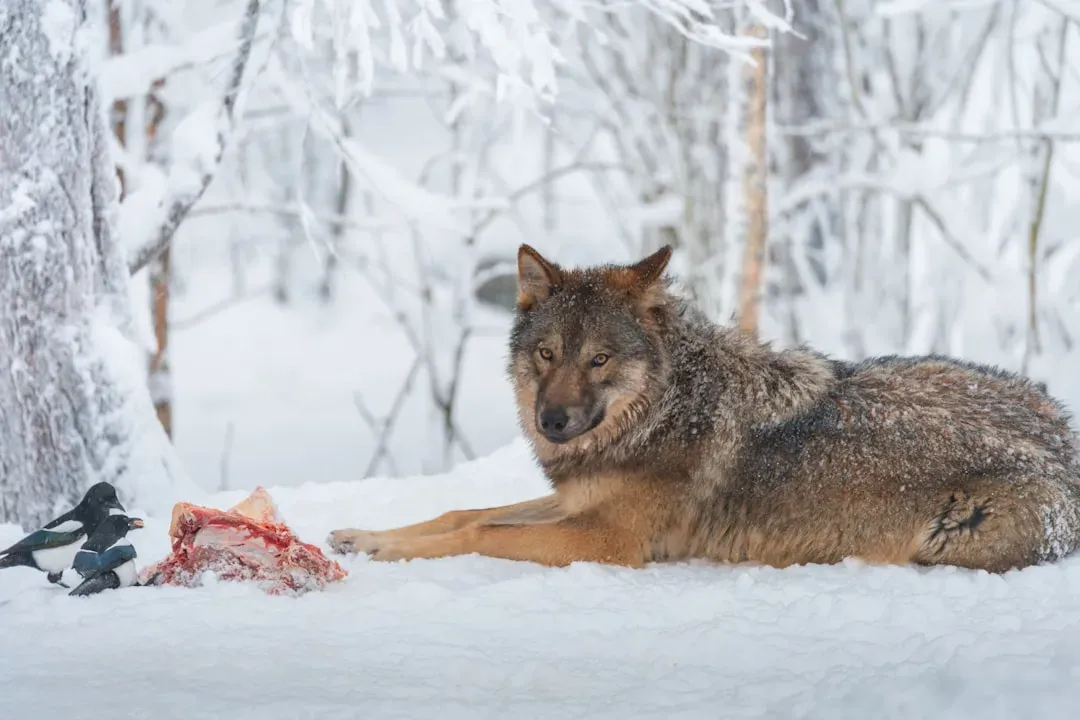
Stumbling onto a fresh carcass is one of the highest-risk situations in wolf country, not because wolves are eager to attack humans, but because food is value, and value is defended. If the kill looks recent, with still-bright blood, warm tissue, or steam on a cold day, there is a real chance the wolves are very close and already aware of your approach. They may have heard you, winded you, or even watched you walk in.
Often, the area right around such a carcass feels oddly calm and empty. Scavengers might be hanging back, and the usual background wildlife might be holding at a distance. That “too clean” feeling can mean the true owners are just out of sight, testing your next move. In that scenario, you can safely assume the wolves noticed you as soon as you entered their feeding radius, even if you never see more than a shadow slipping between trees as you back away.
Trail Cameras or Locals’ Reports Show Wolves Shadowing Human Routes
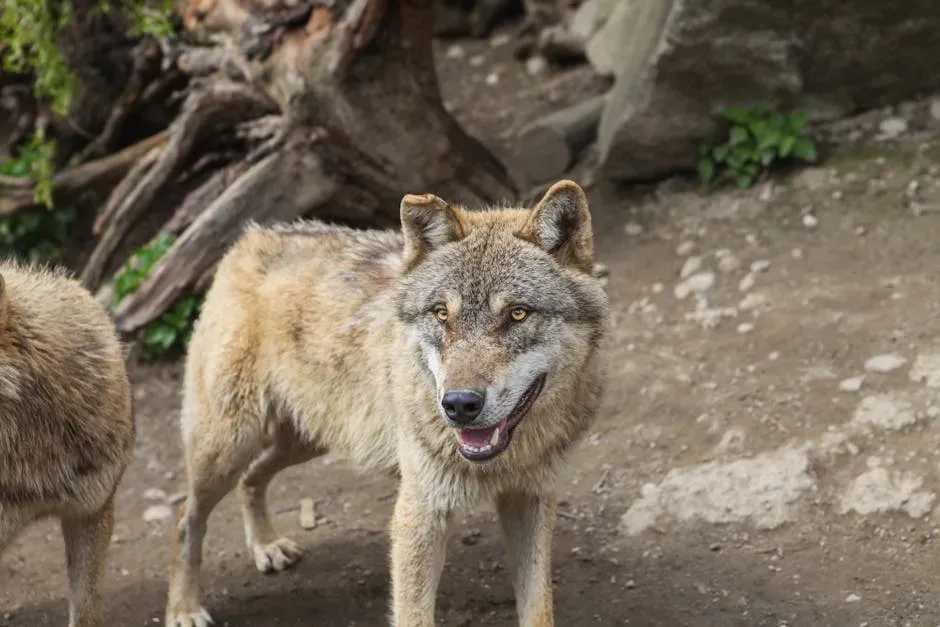
In many regions with established wolf populations, trail cameras and local knowledge reveal an interesting pattern: wolves often follow human trails and roads at night, using the easy travel lines while staying mostly out of sight during the day. If recent footage or reports show wolves repeatedly using the exact trail, logging road, or valley you are walking, it is fair to assume that any time you are there, they can be there too, and they already know how people move through that space.
When a wolf has experience with humans on a route, it becomes easier for it to anticipate where you will walk, where you will stop, and how you will smell and sound at different points. That means you are rarely a surprise. Instead, you are a predictable event on their map, and if one has noticed you on that route before, it may quietly clock you the moment you step onto “its” corridor again, often long before you sense anything unusual.
You Notice Repeated Parallel Movement Without Full Visual Contact
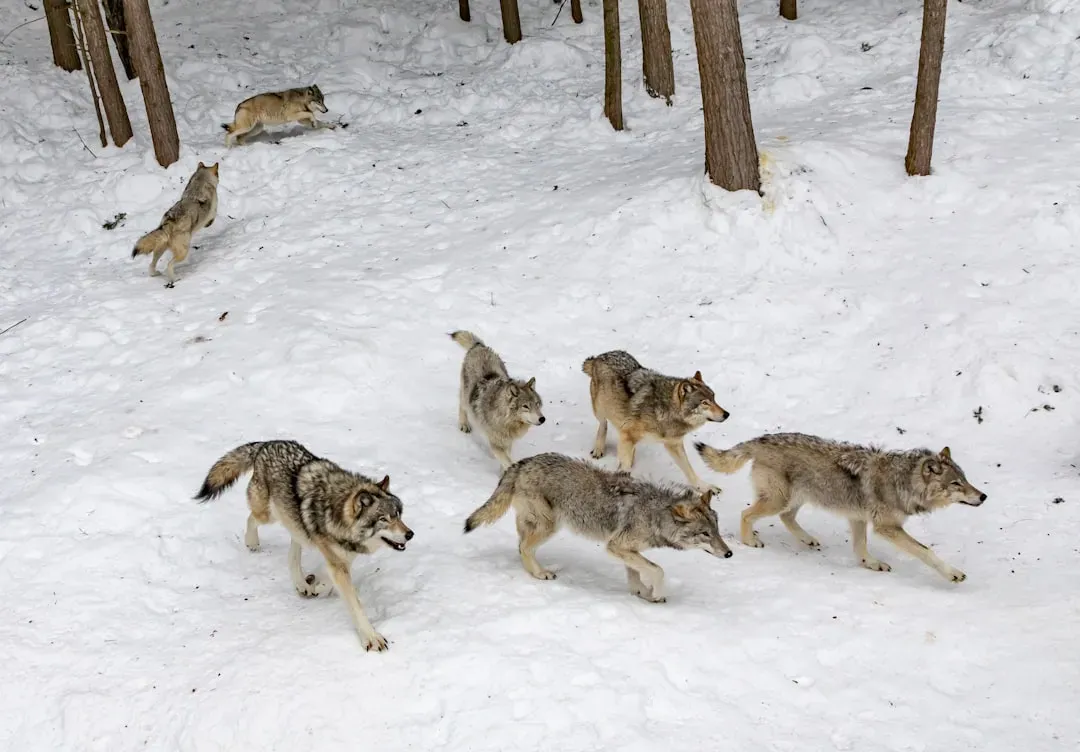
One classic sign of a big predator taking you seriously, rather than just fleeing, is parallel tracking. Instead of staying right behind you, a wolf may slide off to one side and move roughly in your direction, using terrain and vegetation as cover. You may hear faint footfalls in the leaf litter, see branches sway once, then nothing more, yet the uneasy sense of company lingers with you across several minutes or even hours.
If sounds of movement on one flank come and go, always at a similar distance, or if you glimpse a shape that appears, disappears, and then appears farther along the same side, assume you are being evaluated. A wolf that has noticed you but does not feel threatened or compelled to flee quickly may keep tracking you like this, almost like a shadow that refuses to step fully into the light. It is less about stalking for attack and more about staying informed: who are you, where are you going, and are you a risk or an opportunity?
Your Own Instincts Spike Before Your Rational Brain Catches Up
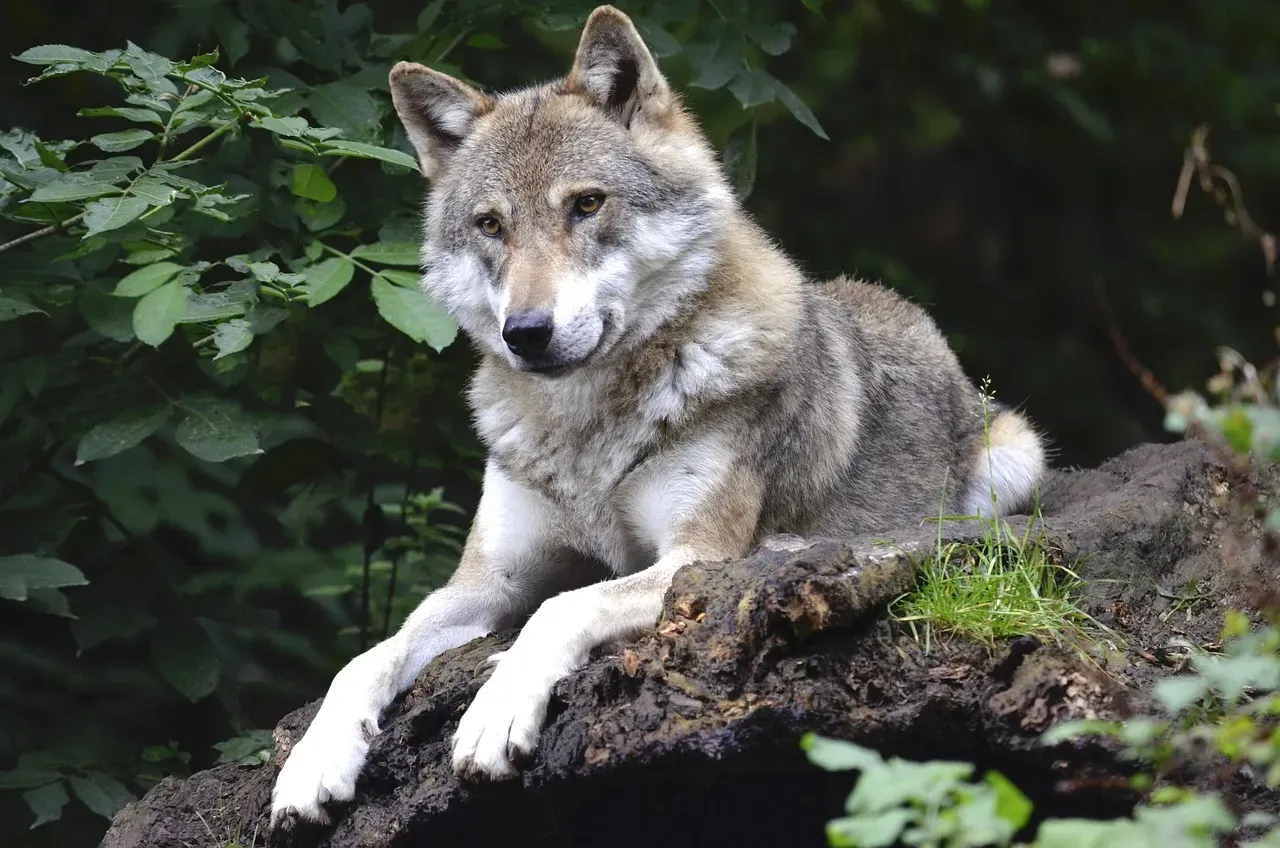
Humans like to think of themselves as purely logical, but in wild places, our older, animal parts are still very much online. Sometimes you just feel wrong for no clear reason: your pulse jumps, your breathing gets shallow, and your ears strain for sounds you could swear you almost heard. That primal unease can show up when a wolf has already noticed you, even if the only cues are ultra-subtle changes in sound, pattern, or smell that your conscious mind hasn’t labeled yet.
I have had that sensation on trails before, long before knowing why, and only later found big tracks over my own or heard distant howls that explained the tension. While you should not panic every time you get a bad vibe, you also should not ignore persistent, specific dread in wolf country. Treat it as a nudge to slow down, scan carefully, and make yourself clearly human with voice and movement. Even if you never confirm a wolf, acting on that instinct puts you in a better, more alert position if you have, in fact, wandered into an animal’s watchful circle.
Conclusion: You Are Rarely Invisible in Wolf Country
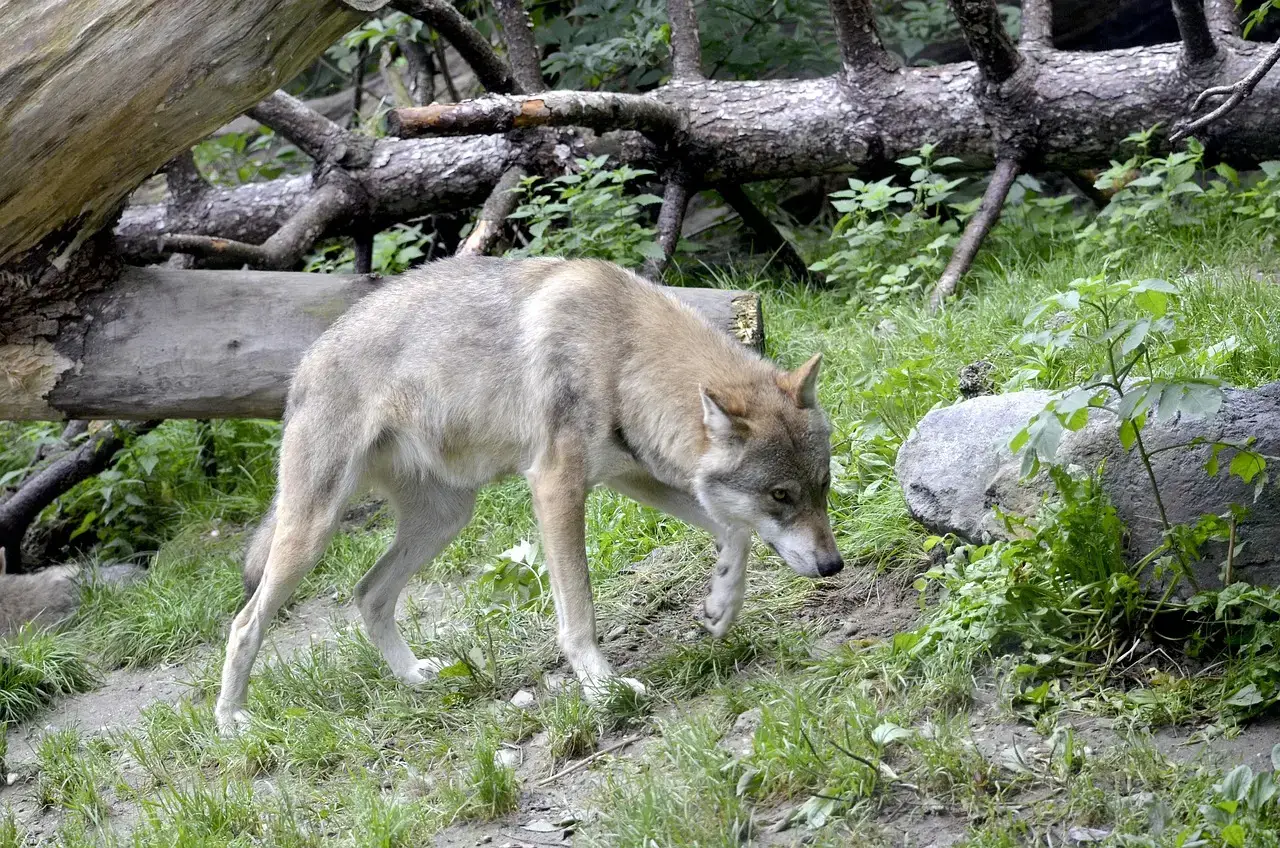
The most important truth running through all these signs is simple: in real wolf territory, you are almost never truly unseen. Long before you notice tracks, hear howls, or spot movement, there is a good chance a wolf has already logged your scent, measured your sound, and decided you are something to watch rather than immediately flee or confront. That imbalance can feel unsettling, but it is also part of the quiet agreement between humans and large predators sharing the same landscape.
My personal view is that we should lean into awareness, not fear. Learning these signals does not turn the woods into a horror movie; it turns them into a living system you can finally read with a bit more fluency. Most wolves would rather avoid conflict with people, and the better you understand their habits, the easier it is to move respectfully, back off when you should, and still enjoy wild places without pretending you are the only intelligent presence there. Next time the forest goes suddenly quiet or your skin prickles for no clear reason, will you treat it as superstition – or as a reminder that something out there may have noticed you first?


